Nature's Masterpiece: Secluded Caves, Swallow Lake, and a Pastoral Tableau
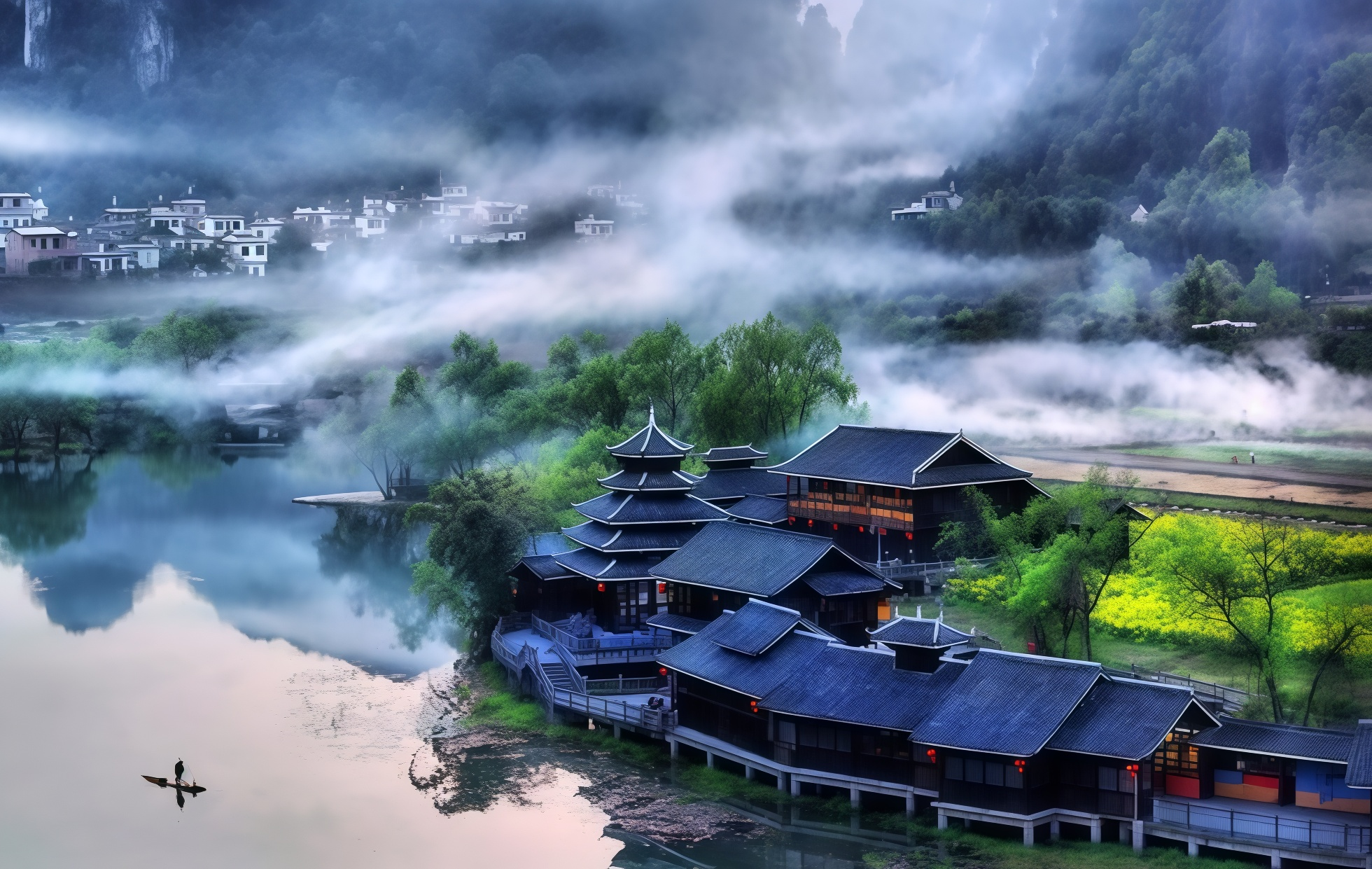
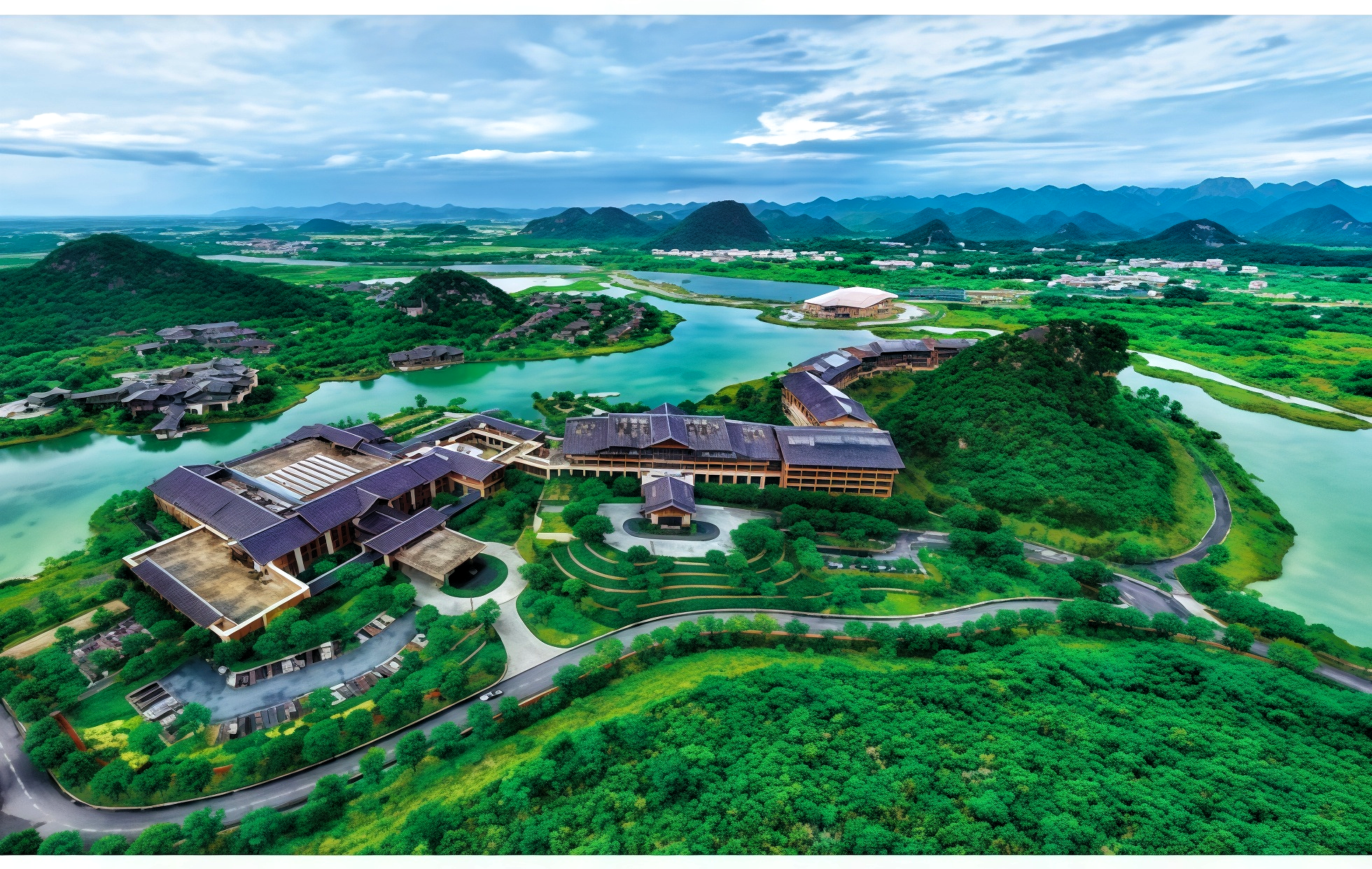
The natural landscape of Shiwai Taoyuan unfolds as a tranquil dialogue between water, caverns, and the idyllic countryside.
Swallow Lake: A Waterborne Journey Between Light and Shadow
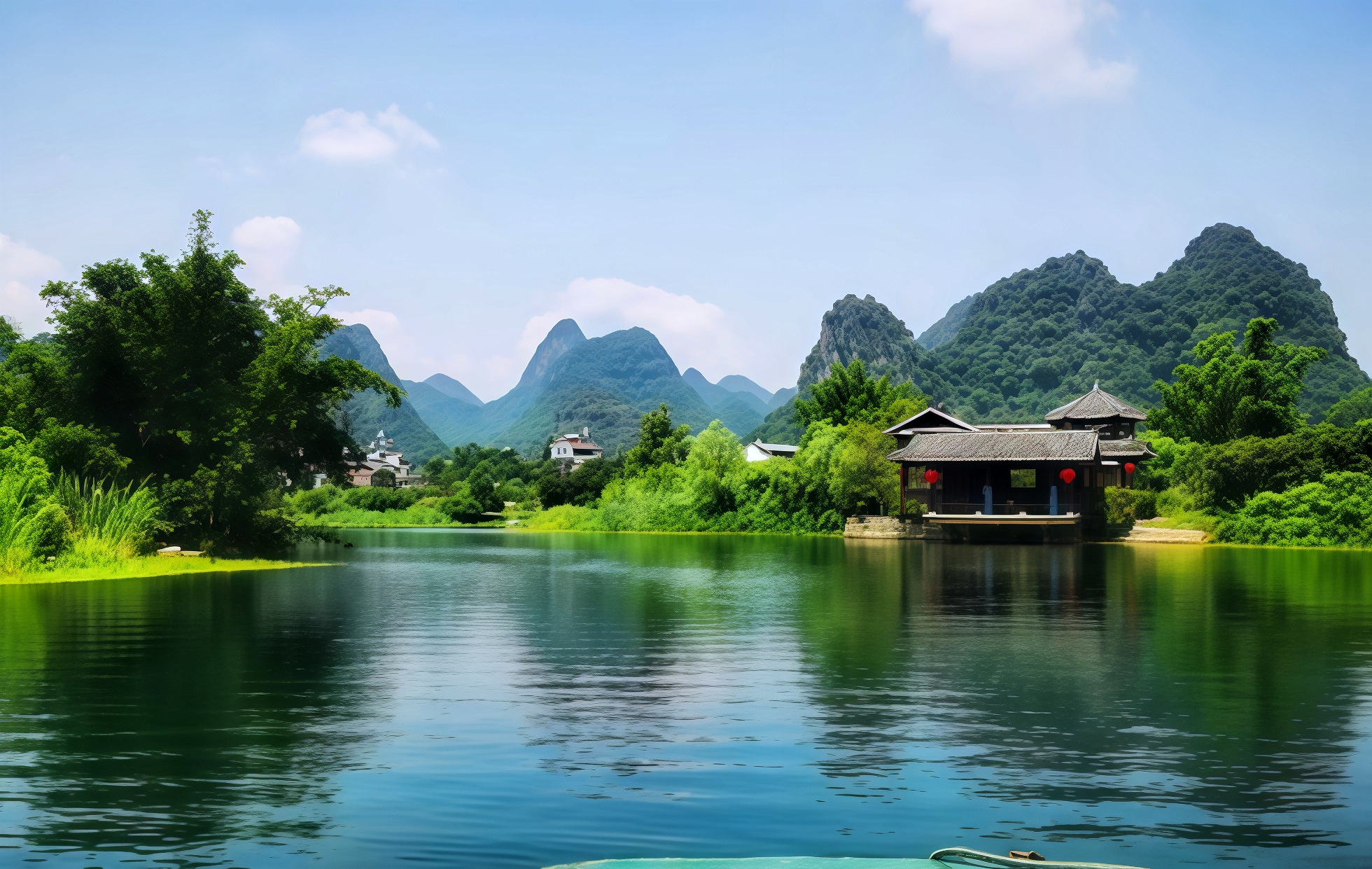
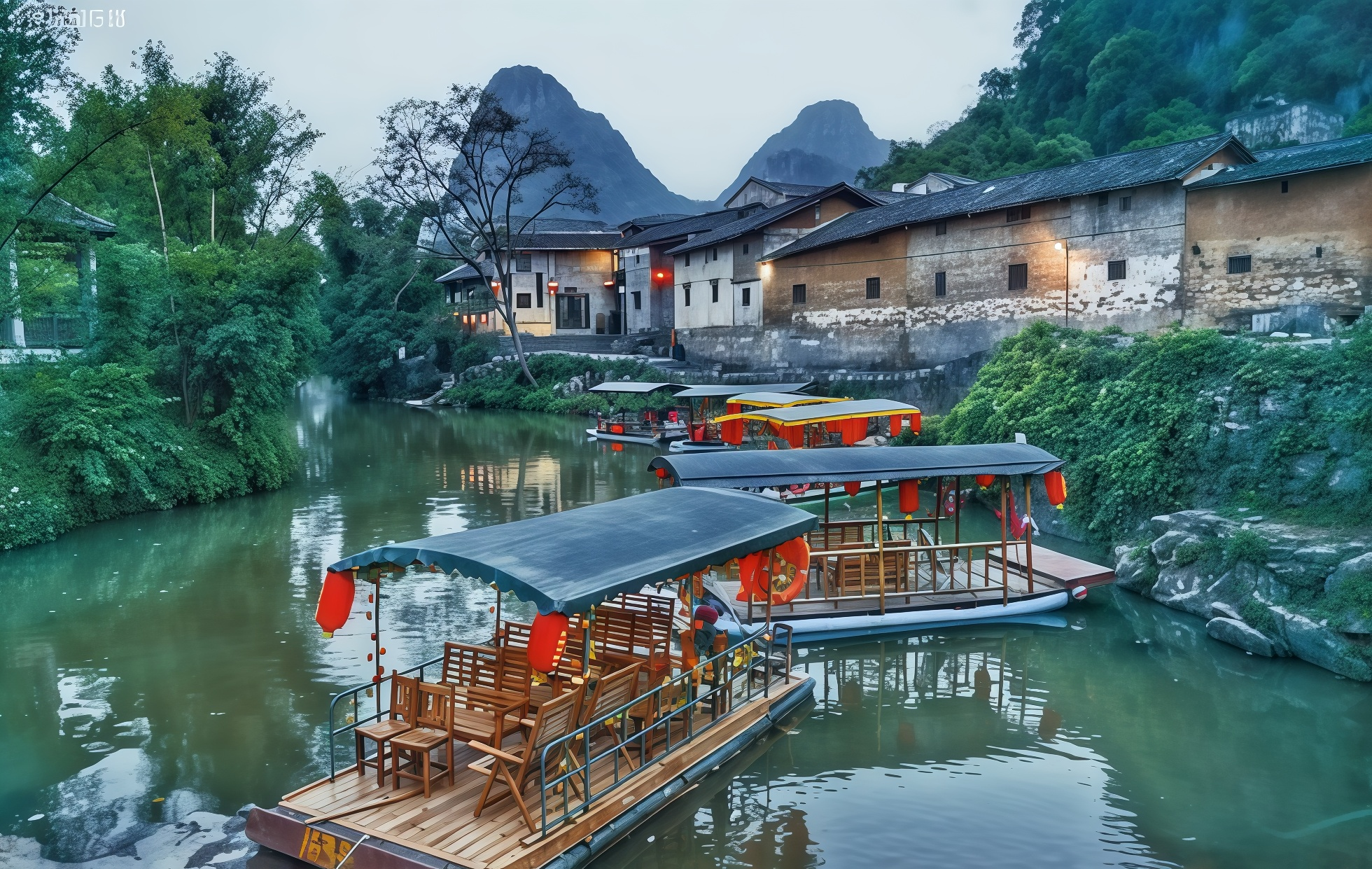
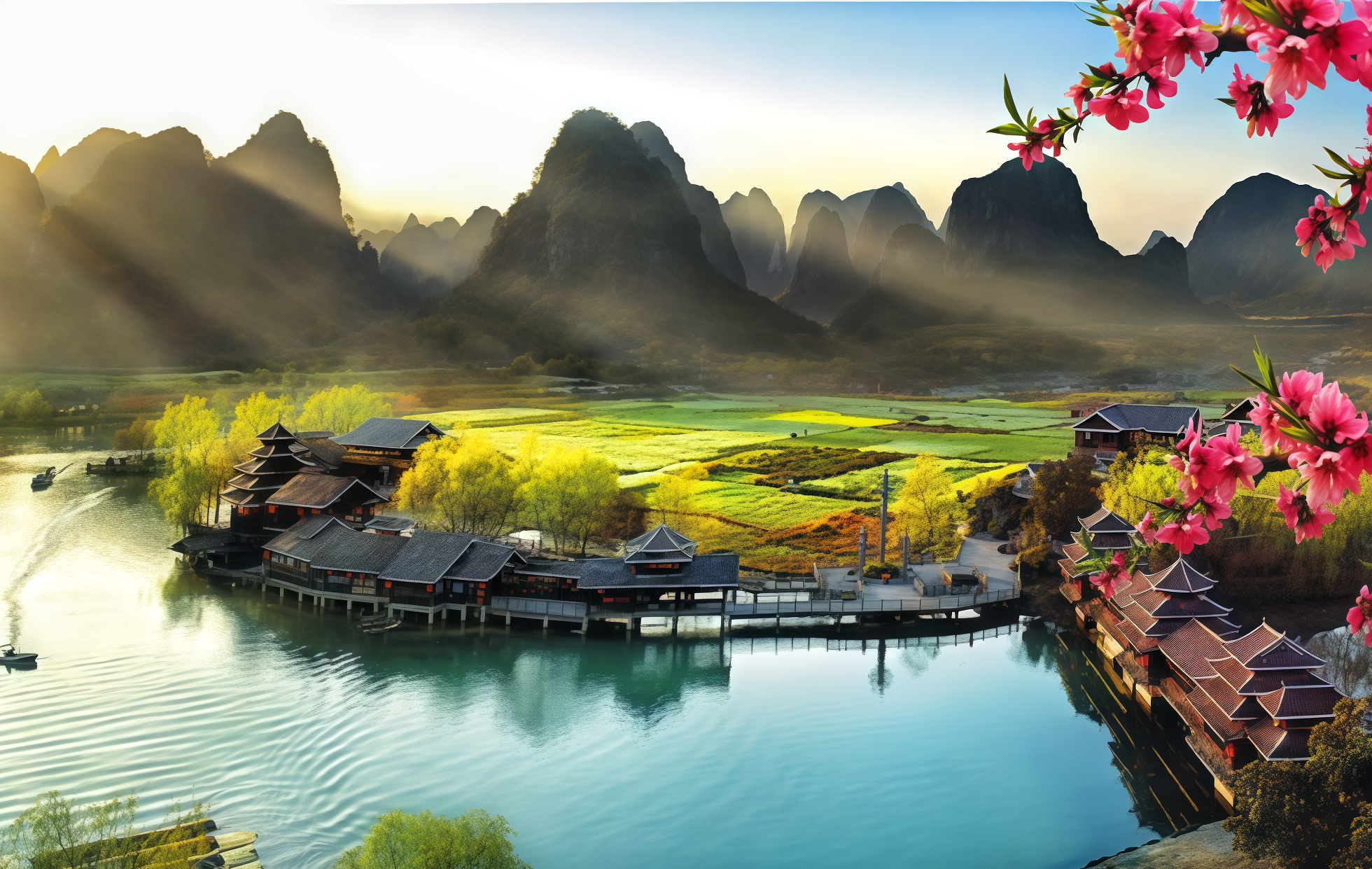
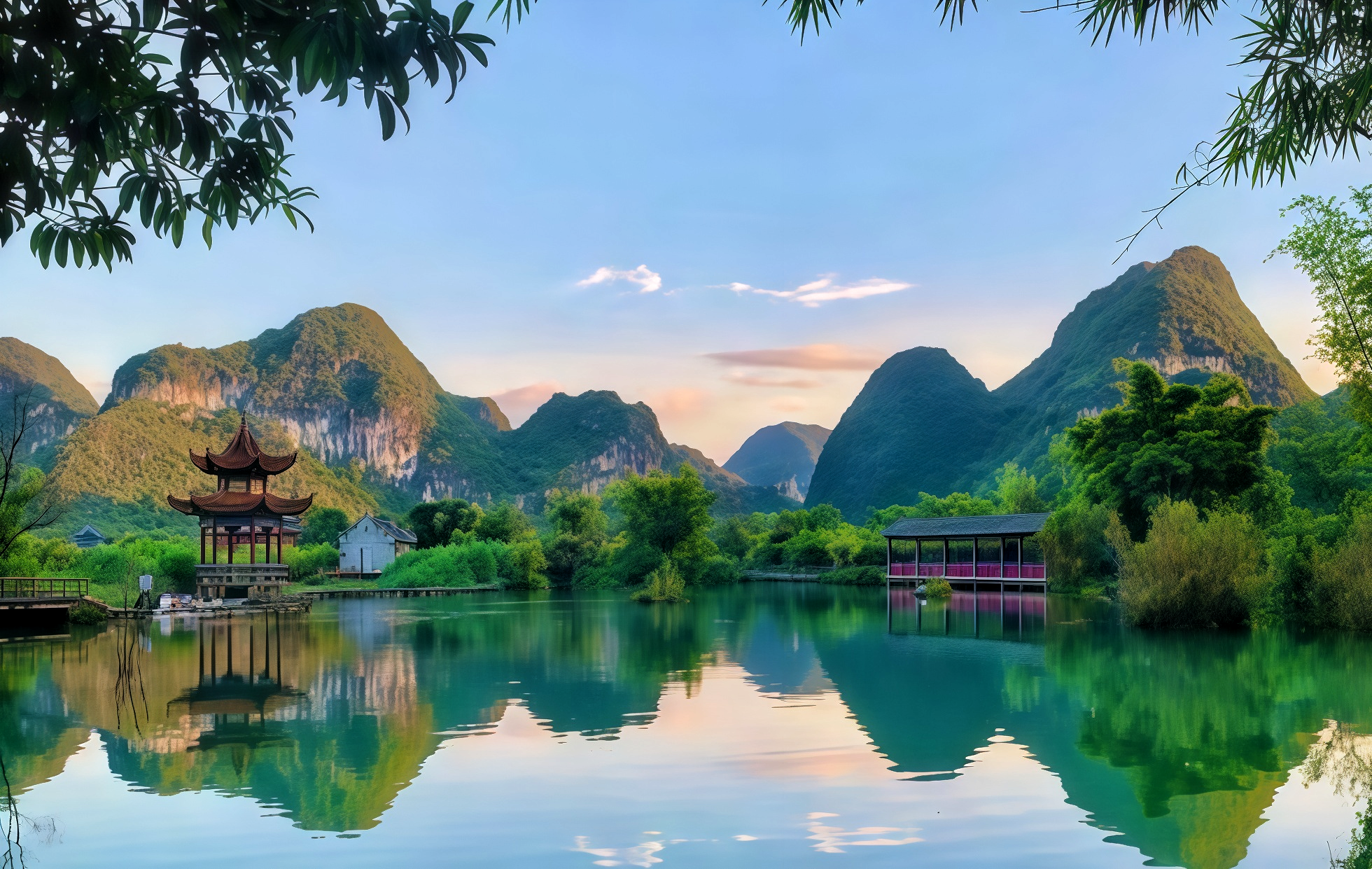
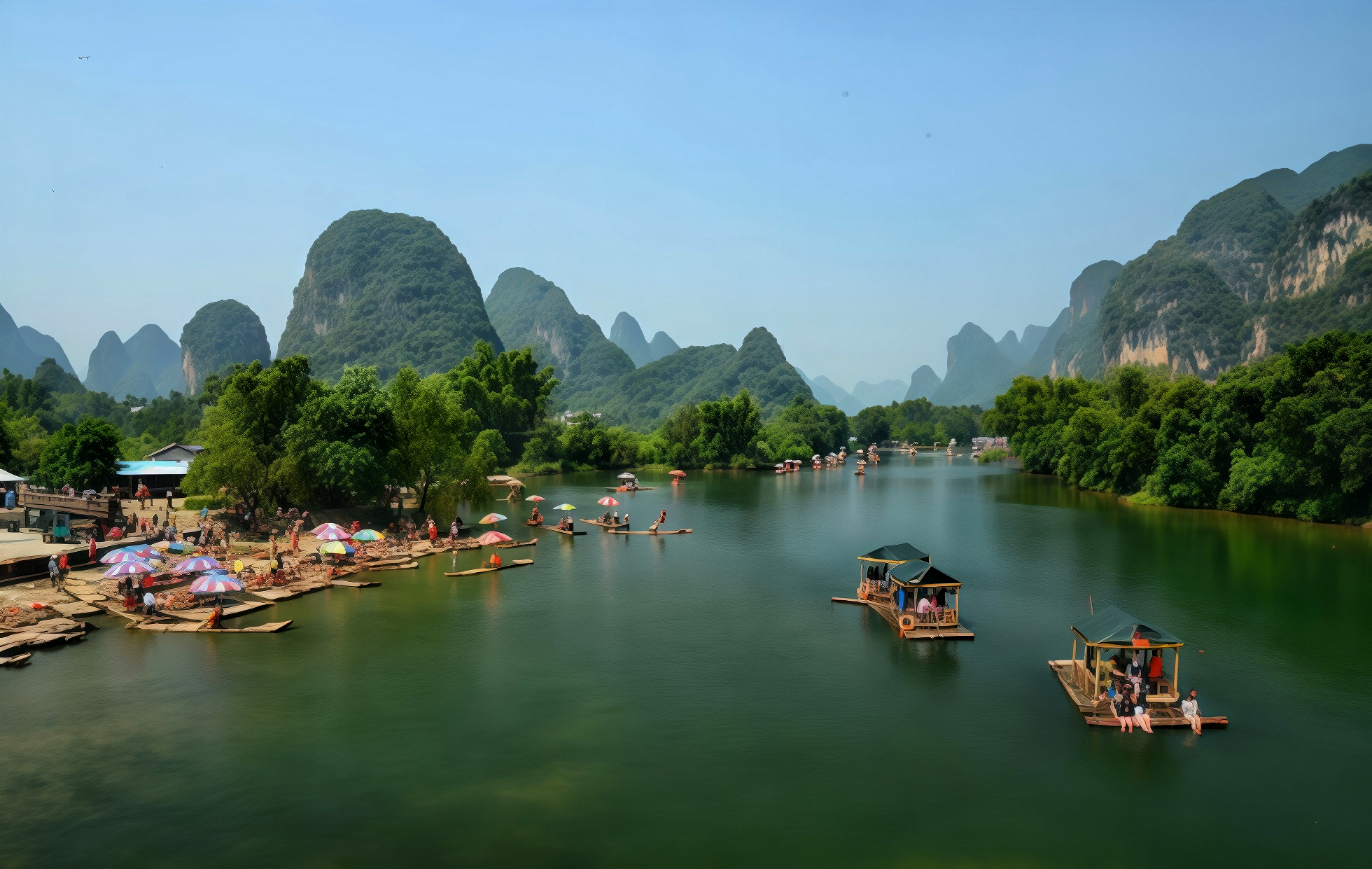
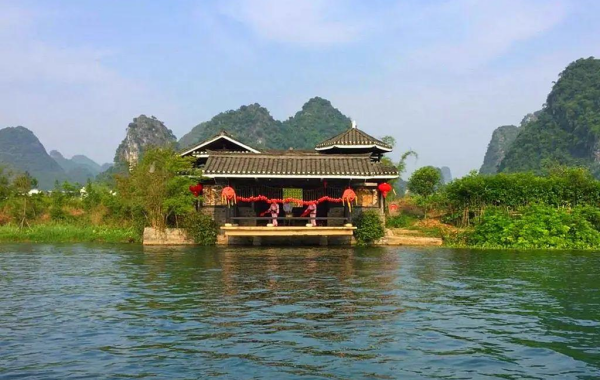
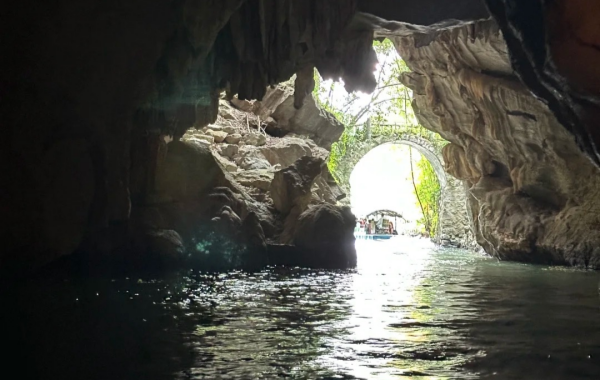
Swallow Lake serves as the aquatic soul of the entire scenic area. The tour begins with a gentle boat ride; the small vessel glides slowly toward the center of the lake, flanked on both sides by jade-green hills and clusters of slender bamboo growing right at the water's edge. After a short journey, the boat enters Swallow Rock Cave—a deep, karst cavern stretching approximately 120 meters. Inside, stalactites take on a myriad of shapes, while the lighting shifts from dim to bright, perfectly recreating the poetic imagery from The Peach Blossom Spring: "A small opening in the mountain appeared, as if a faint light shone from within." Upon exiting the cave, the landscape opens up dramatically; a vast panorama of pastoral fields and village cottages unfolds before your eyes, evoking a profound sense of sudden clarity and openness.
The Wishing Bridge and Peach Blossom Island: Poetic Interludes on the Water
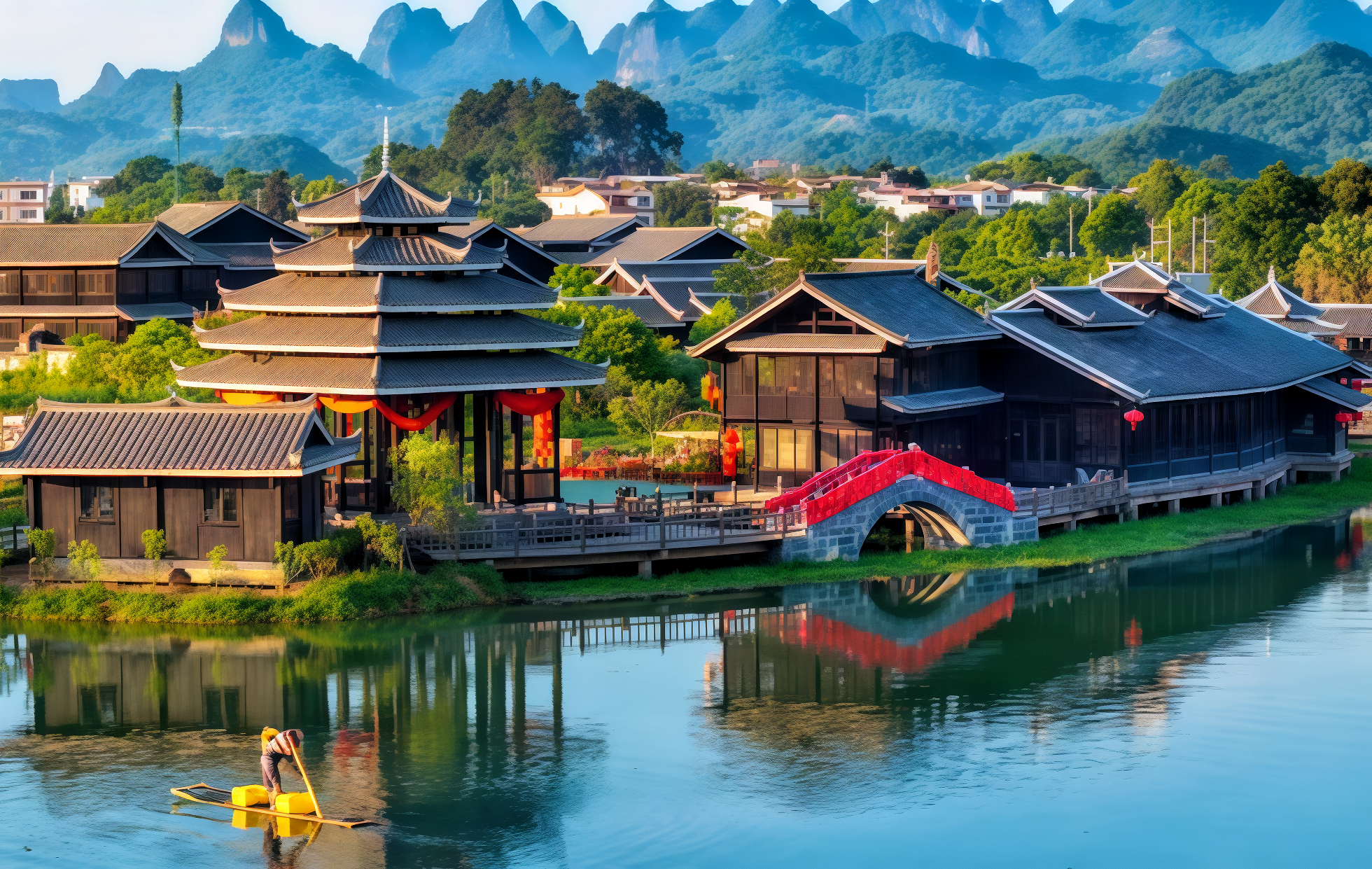
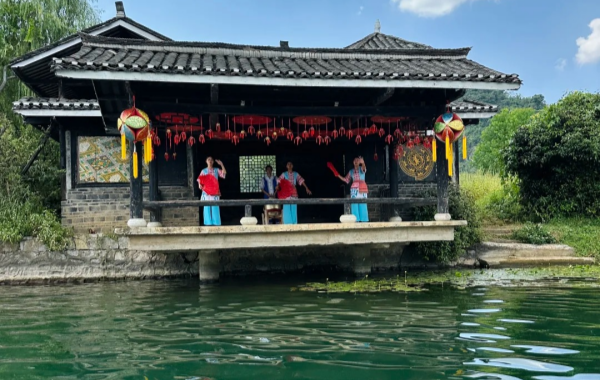
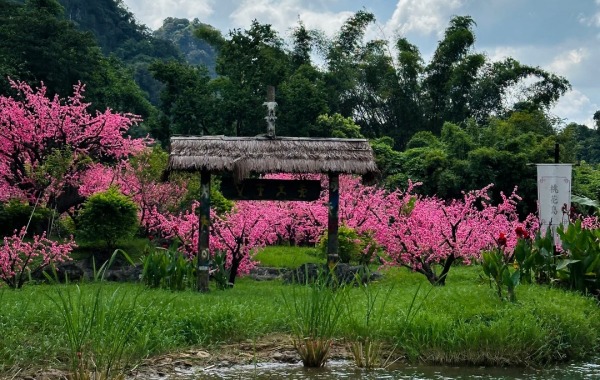
Along the waterway leading to Swallow Rock Cave stands a charming little stone bridge—the Wishing Bridge—where visitors can pause to tie on a ribbon and make a wish. The route also passes by Peach Blossom Island; in the spring, the peach blossoms bloom in fiery profusion, creating a delightful contrast against the azure waters. The island is often enlivened by the sound of Zhuang maidens engaging in traditional antiphonal singing—a call-and-response vocal tradition—with their voices drifting across the mountains and waters to create a truly unique and enchanting atmosphere.
Pastoral Scenery: A Poetic Tapestry of Intersecting Fields
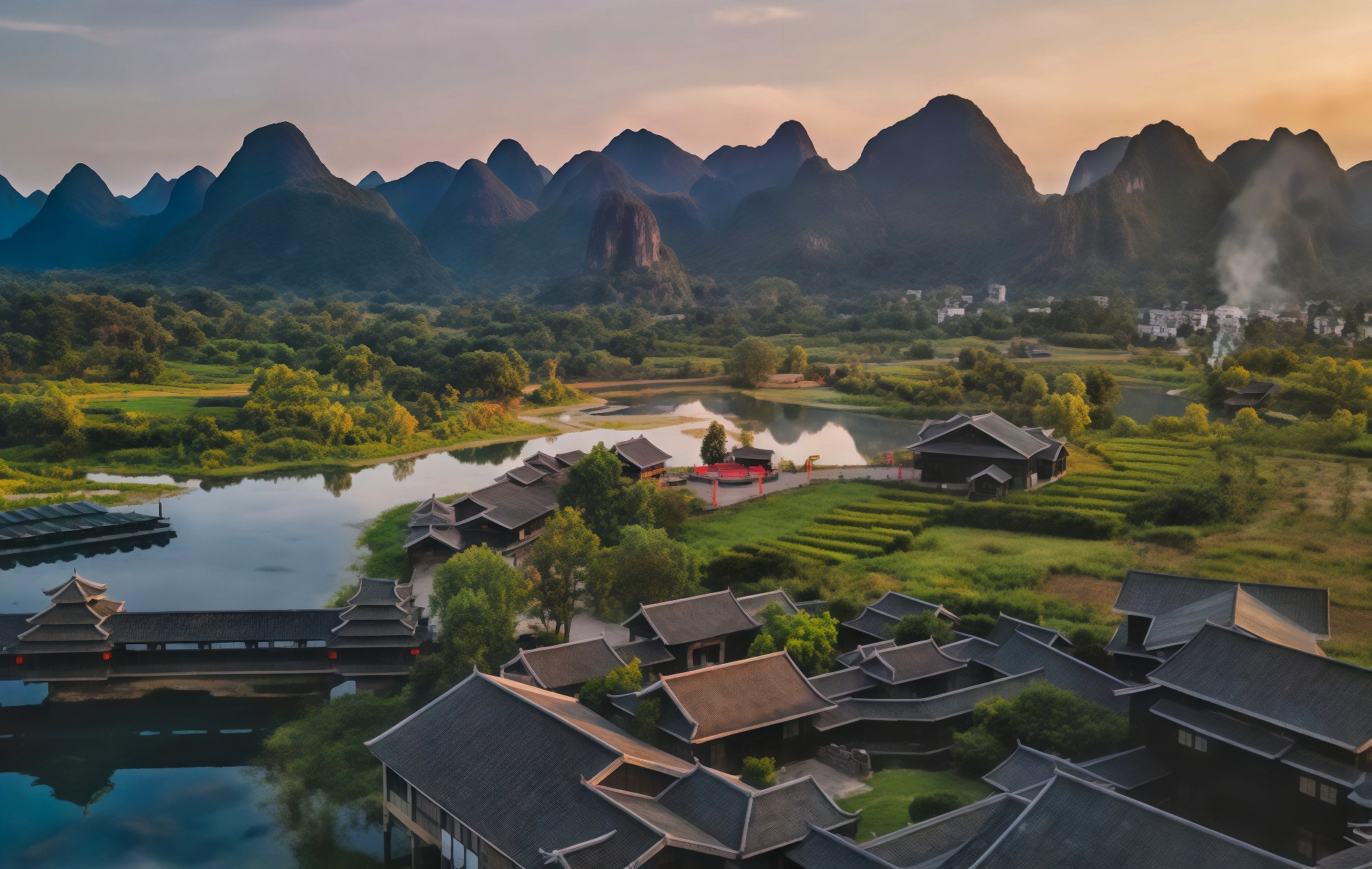
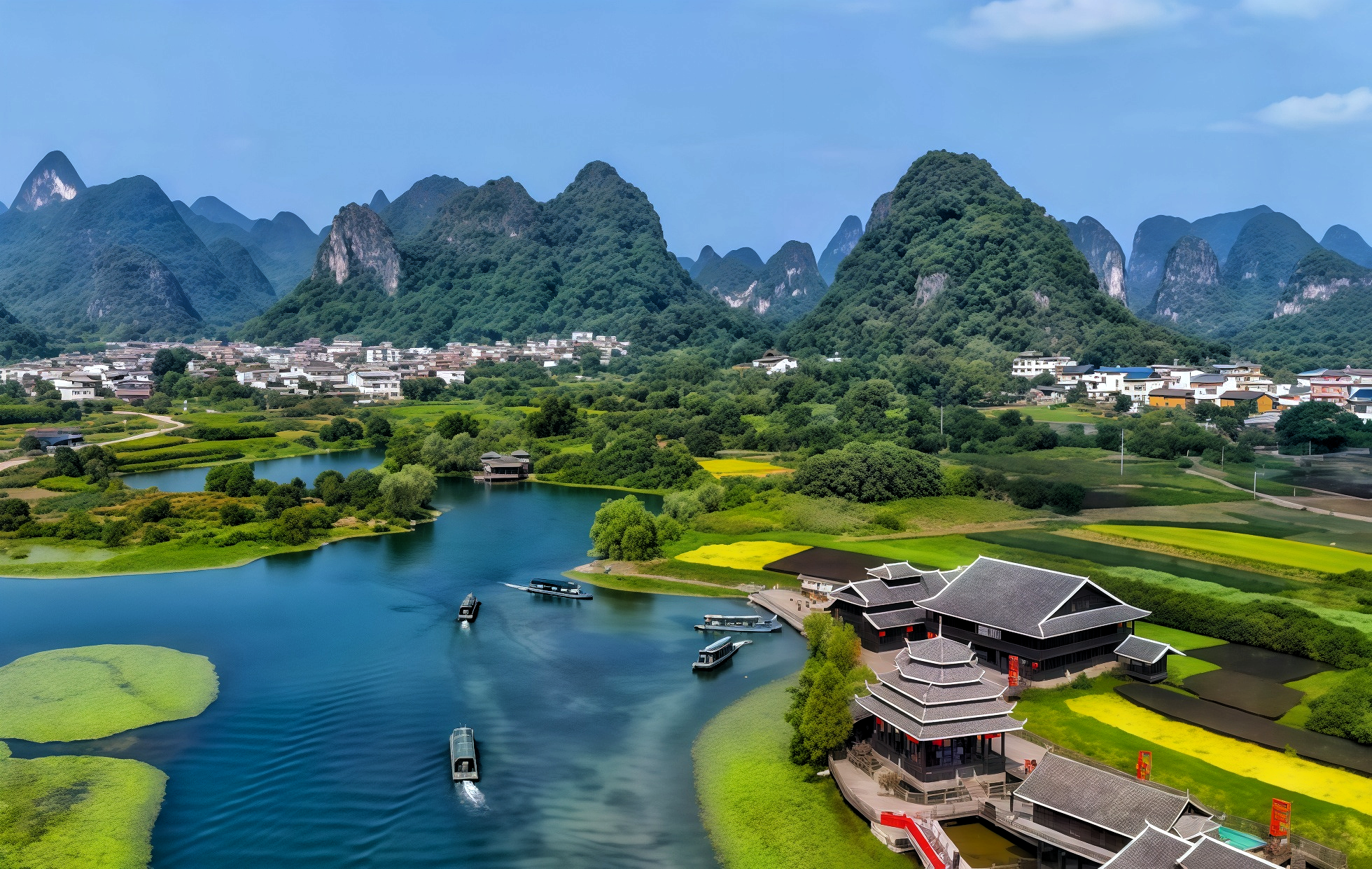
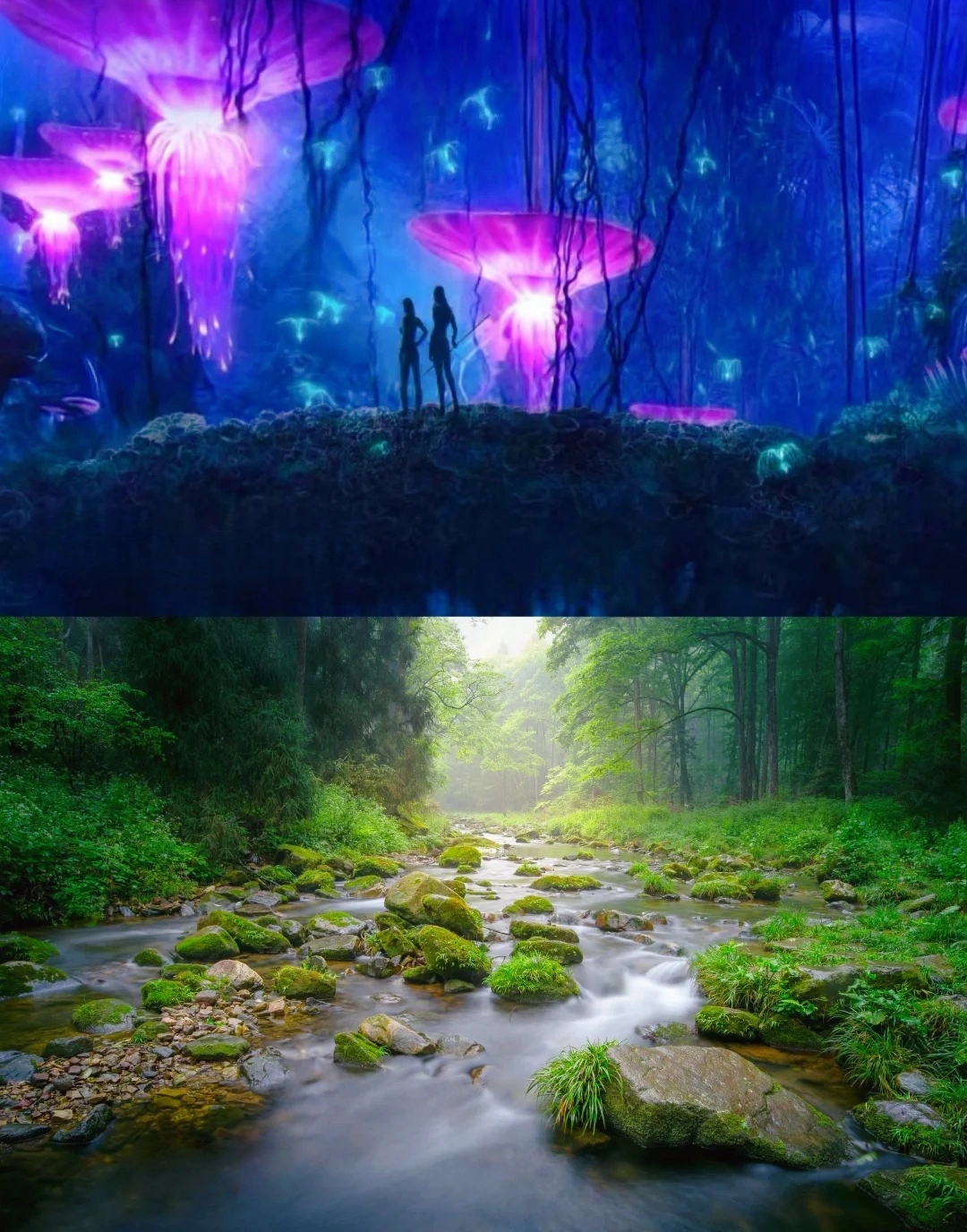
Within the scenic area, pastoral cottages and villages are scattered in harmonious arrangement, while the rice paddies change color with the seasons—turning a lush, carpet-like green in the spring and rippling with golden waves in the autumn. Clumps of slender bamboo grow along the water's edge, their reflections shimmering on the clear lake surface to frame a quintessential pastoral tableau of Northern Guangxi.
Photography Tips: The boat ride offers an excellent opportunity to capture the dramatic moment of "sudden openness" as you emerge from the cave; the bamboo clusters along the banks and their reflections are best captured using a telephoto lens.
Human Ingenuity: An Open-Air Museum of Northern Guangxi Ethnic Architecture
The structures found here are not merely dwellings; they serve as a living showcase of the rich cultural heritage of the ethnic minorities in Northern Guangxi.
The Wind-and-Rain Bridge: The Architectural Soul of the Dong People
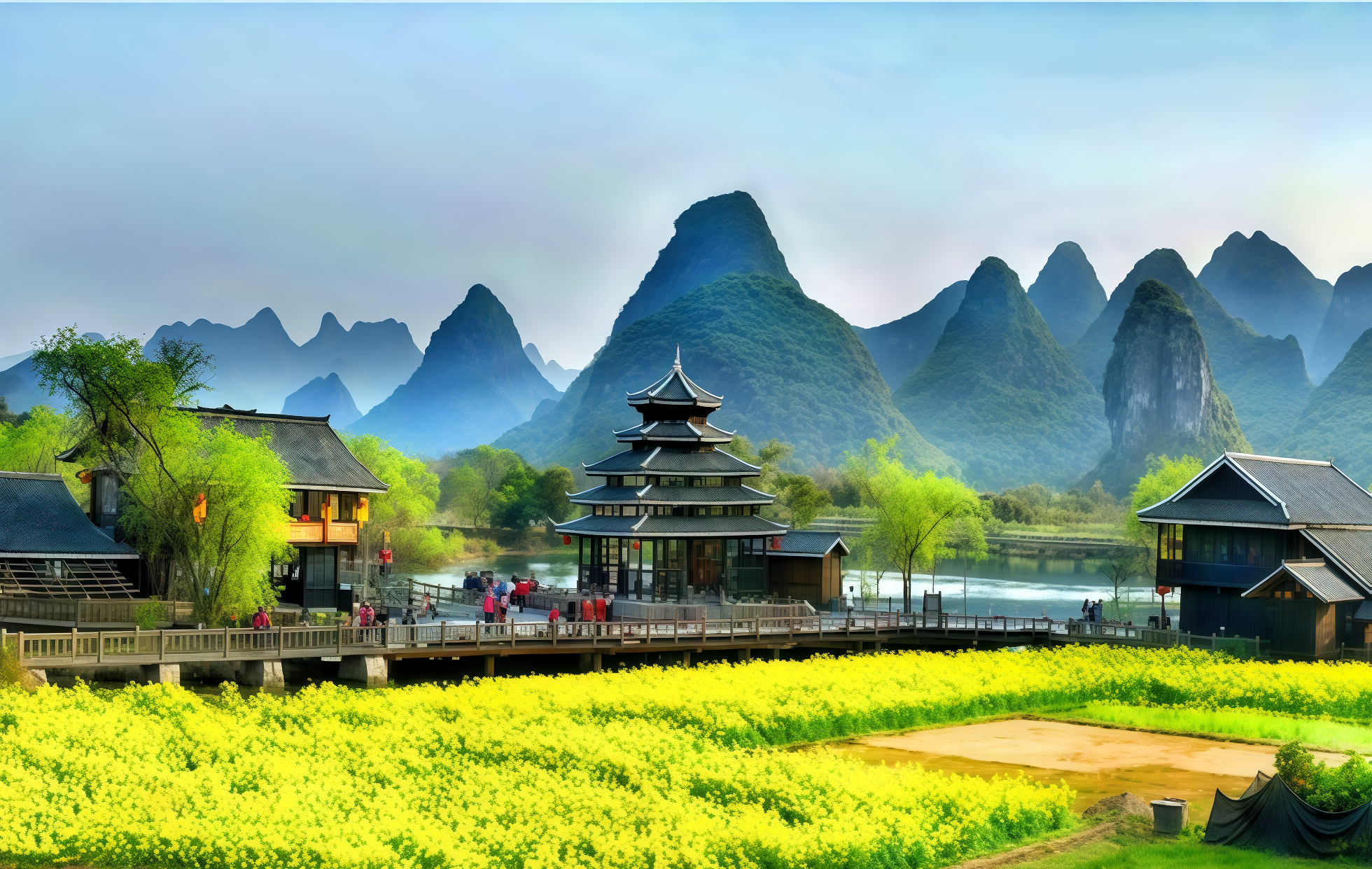
Upon entering the scenic area's walking zone, the first sight to greet your eyes is the Wind-and-Rain Bridge. This entirely wooden covered bridge—constructed without the use of a single nail or rivet—seamlessly integrates the functions of a bridge, a walkway, and a pavilion. It serves not only as a vital thoroughfare but also as a cherished gathering place where villagers can rest and socialize. The bridge is adorned with exquisite carvings, standing as a testament to the extraordinary wisdom and craftsmanship of the Dong people. The Drum Tower and Totem Poles: Symbols of Ethnic Faith
The five-story, pagoda-shaped Drum Tower stands as the iconic landmark of the Dong villages; historically, it served as the central hub for community deliberations, information dissemination, and festive celebrations. Standing tall in the central square are three totem poles: the tallest represents the Dong people, while the others symbolize the Miao and Yao ethnic groups. Together, they vividly showcase the diverse beliefs and cultural heritage of the various ethnic groups inhabiting Northern Guangxi.
The Flower Tower and Song-Dueling Platform: Artistic Spaces in Daily Life
The Flower Tower is a quintessential example of Dong residential architecture; the ground floor is dedicated to entertaining guests and socializing, while the upper floors serve as living quarters. Hanging beneath the eaves are bundles of sorghum and corn, symbolizing the auspicious wish for "a house filled with gold and jade, and a bountiful harvest of the five grains." The Song-Dueling Platform, conversely, is a romantic venue where young men and women of the Zhuang ethnic group express their affection through song. Visitors often have the delightful opportunity to stumble upon these impromptu singing duels, offering a firsthand glimpse into the unique ethnic custom of "speaking through song."
Yuanming Villa: A Scholar's Garden of Shifting Vistas
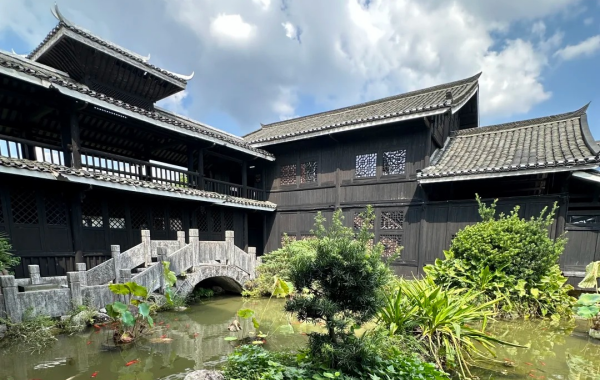
Yuanming Villa seamlessly blends the layout principles of classical Suzhou gardens with the architectural aesthetics of traditional Northern Guangxi dwellings. Here, every window frames a picturesque scene—each view distinct and captivating—creating an ever-changing landscape that unfolds with every step you take. Within the villa, visitors can engage in hands-on experiences of traditional crafts—such as ancient papermaking techniques, traditional printing methods, winemaking, bamboo carving, and wood carving—thereby bringing to life the ingenuity and craftsmanship of the Chinese nation.
> Photography Tips: The best angle for photographing the Wind-and-Rain Bridge is from a side-backlit position near the bridgehead, allowing you to capture both the intricate structure of the covered bridge and its reflection shimmering on the water below. For Yuanming Villa, a medium-range focal length is ideal for capturing the framed window views and the interplay of light and shadow.