Nature's Handiwork—An Artistic Pantheon Sculpted by Wind and Water
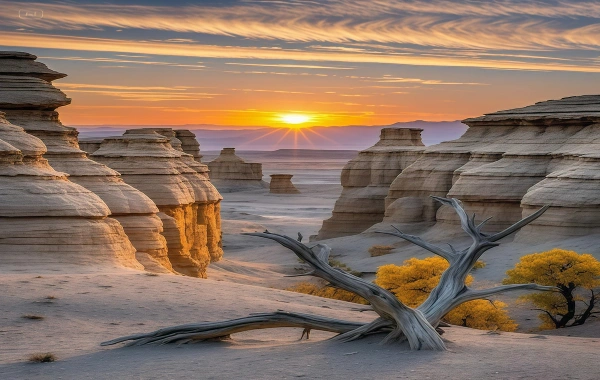
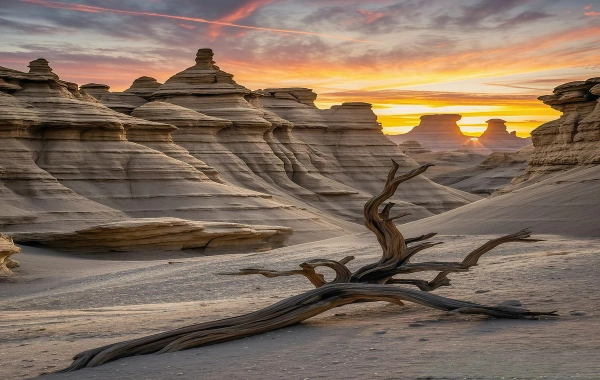
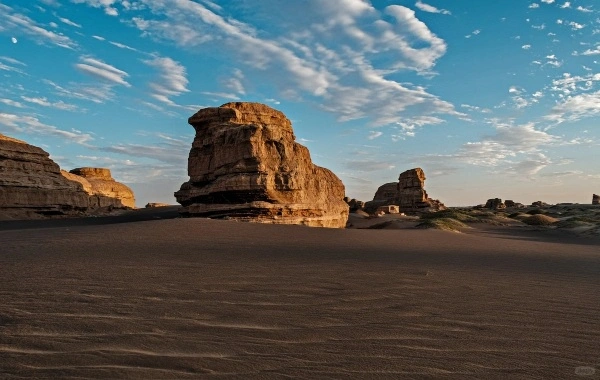
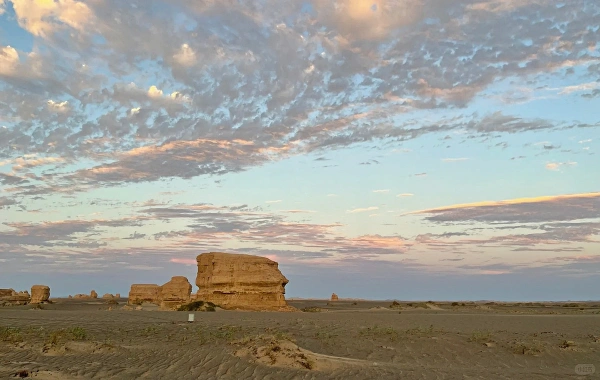
The natural landscape of the Dunhuang Yardang National Geological Park represents an eternal dialogue between wind, water, and time.
The "City" of Yardangs—An Open-Air Architectural Museum
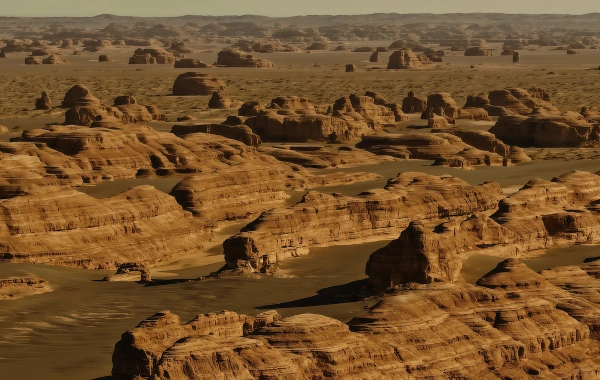
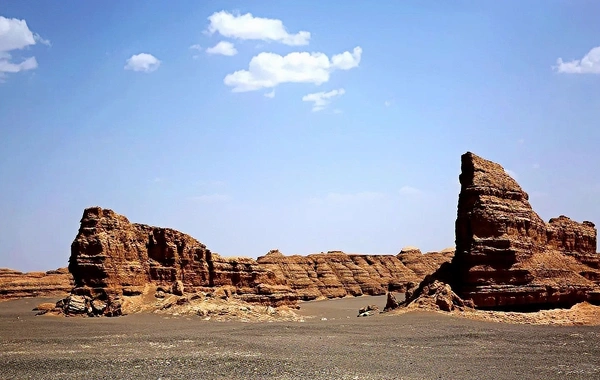
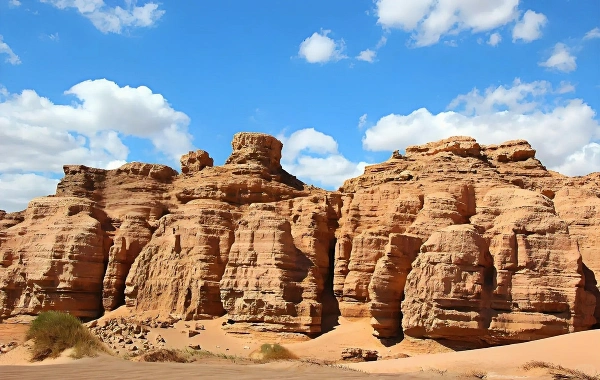
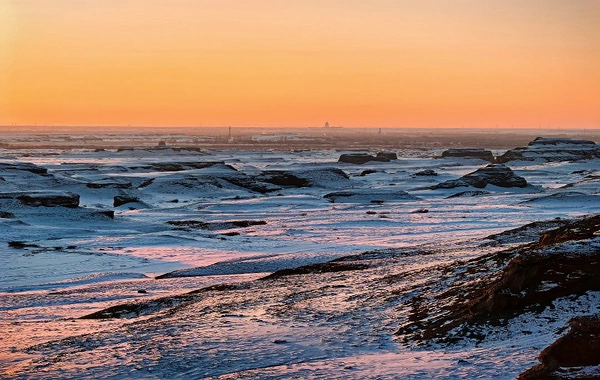
Stepping into the Yardang Geological Park feels like entering an abandoned ancient citadel. Here, one finds "city walls," "streets," "buildings," and "public squares"—even "churches" and "sculptures." Miniatures of many of the world's most famous architectural landmarks can be found here: Beijing's Temple of Heaven, Tibet's Potala Palace, Egypt's Pyramids and Sphinx, the yurts of the grasslands, and the mosques of Arabia. Sculpted entirely by wind erosion, these natural formations take on a myriad of shapes, appearing remarkably lifelike.
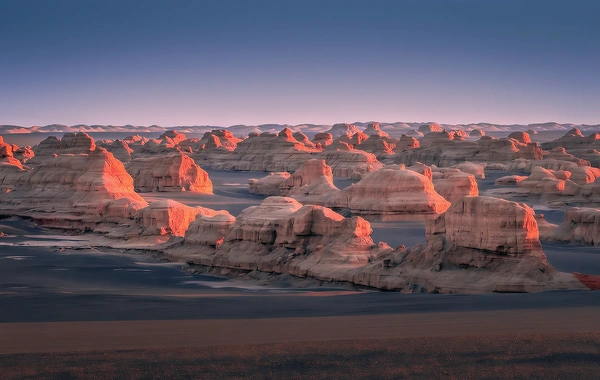
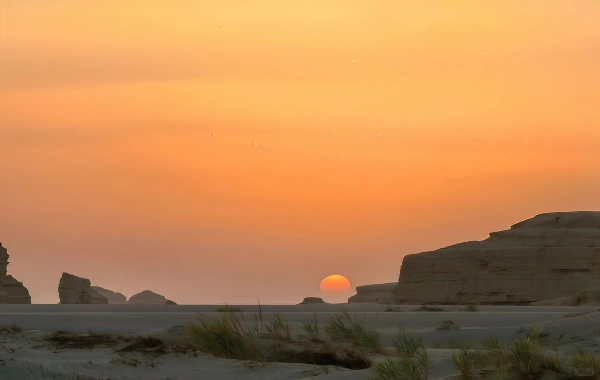
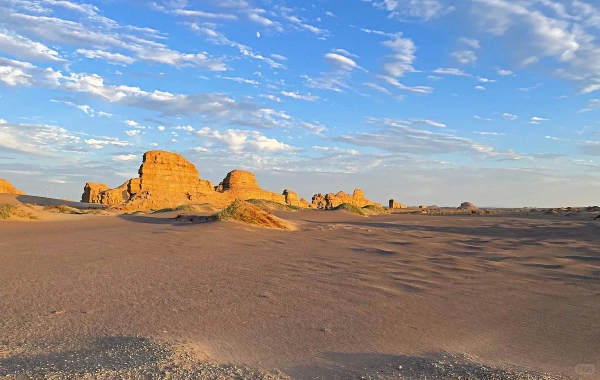
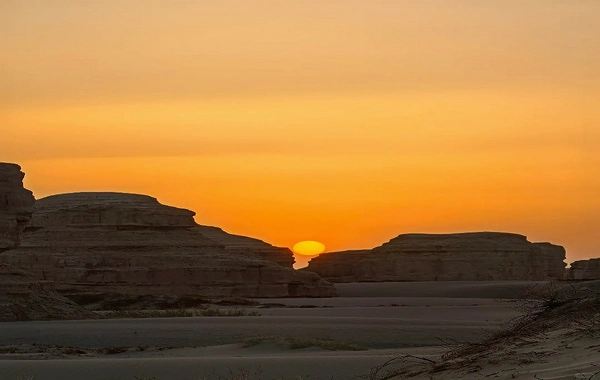
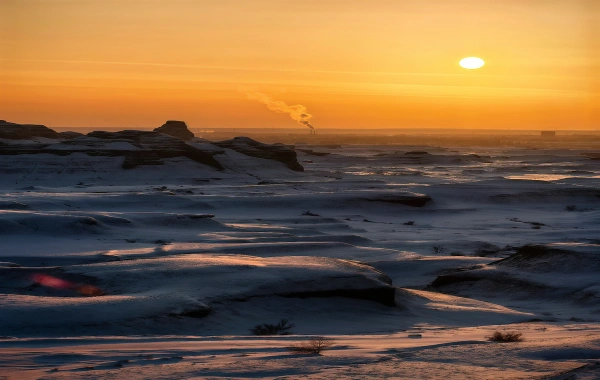
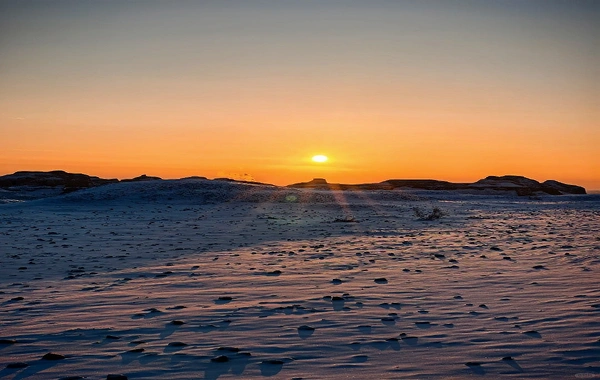
The Fleet Setting Sail (Core Scenic Area—North): This is the most awe-inspiring vista within the Yardang Geological Park. Dozens of elongated yardang formations are aligned in neat rows, resembling a mighty naval fleet sailing toward the distant horizon. At sunset, as golden light bathes the "hulls" of these vessels, the scene becomes truly magnificent—a spectacle hailed as a "national-class" masterpiece of yardang topography.
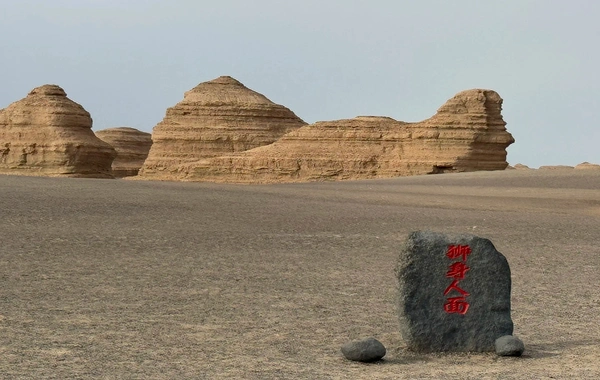
The Standing Peacock: An isolated wind-eroded pillar featuring a broad, fanned-out top—reminiscent of a peacock displaying its plumage—atop a slender, elegant neck. It remains one of the park's most beloved landmarks and a favorite spot for visitors to capture a memorable photo. The Sphinx: A naturally formed Yardang structure that bears a striking resemblance to the famous Egyptian Sphinx, standing in quiet "guardianship" over this stretch of Gobi desert.
Visitors from Outer Space—Wind-Eroded Mushrooms: The result of prolonged abrasion by wind and sand, these rocks feature concave bases and protruding tops, taking on a mushroom-like shape that evokes the image of alien creations flown in from another world.
The Museum of Wind-Eroded Landscapes—Beyond the Yardangs
In addition to its Yardang formations, the park is home to a rich and diverse array of wind-eroded geological features:
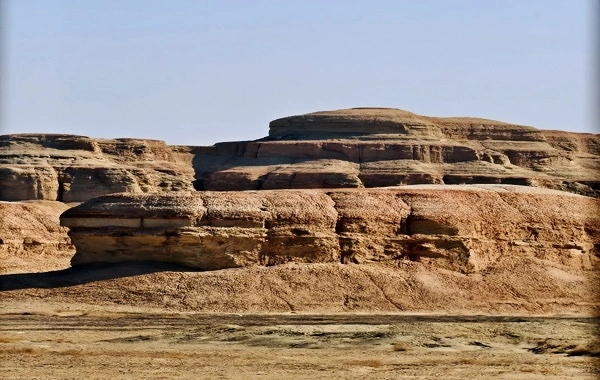
Wind-Eroded Valleys and Residual Hills: Repeated erosion by torrential rains and winds has carved the land surface into deep canyons and isolated residual hills.
Wind-Eroded Pillars: Rock strata characterized by well-developed vertical joints have been sculpted by erosion and wind abrasion into towering stone pillars—some resembling mighty generals, others the majestic lions of the desert.
Ventifacts: Pebbles scattered across the ground have been abraded by wind and sand to reveal multiple smooth facets and sharp, distinct edges—true natural works of art created by Mother Nature.
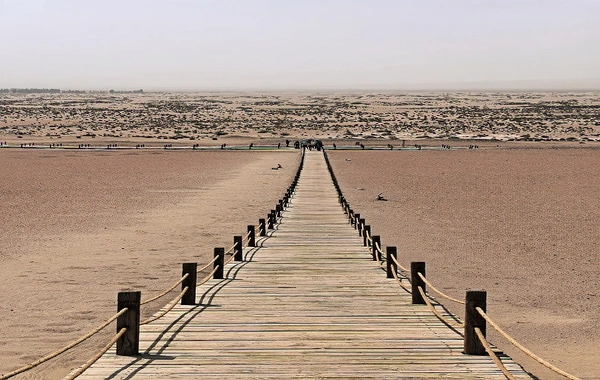
The Black Gobi (Gravel Desert): Spanning vast areas of the park, the Black Gobi forms a stark contrast to the ochre-hued Yardang formations—a geological phenomenon rarely encountered in the Central Asian region.
Voices of the Sand Sea—The Nocturnal Symphony of "Devil's City"
As night falls, desert winds sweep through the valleys and ravines; the piercing howl of the wind sounds like the furious roaring of a thousand wild beasts. This spine-chilling phenomenon is precisely how "Devil's City" earned its name. Geologists explain that this acoustic spectacle is caused by high-velocity air currents and frictional sounds generated as the wind rushes through the narrow, wind-eroded valleys—nature's very own "Symphony of the Wind."
Photography Tips: Use a wide-angle lens to capture the panoramic grandeur of the Yardang clusters; a telephoto lens is ideal for capturing the intricate details of individual formations, such as "The Peacock" or "The Sphinx." The optimal time for photography is one to two hours before sunset, when the "Golden Yardangs" are at their most enchanting.
Human Ingenuity—Traces of Civilization Along the Ancient Silk Road
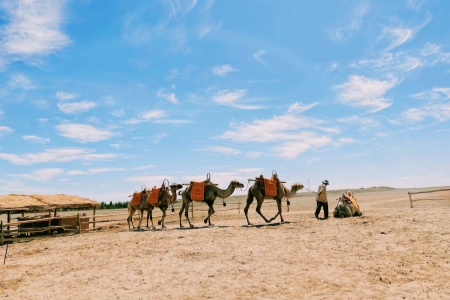
The Yardang National Geological Park is not merely a masterpiece of nature; it stands as a vital historical witness to the legacy of the Silk Road. Remnants of the Ancient Silk Road: This cluster of Yardang landforms is situated within a strategic nexus of the ancient Silk Road; indeed, the Northern Route of the Han Dynasty Silk Road passed directly through this very Yardang region. Standing atop these formations, one can almost hear the echoes of camel bells ringing across the millennia.
The Han Great Wall and Beacon Towers: On the journey to the Yardangs, Han Dynasty ruins—such as the Yumen Pass, sections of the Han Great Wall, and the Hecang Fortress—stand in silent vigil, bearing witness to the former glory of these frontier strongholds from 2,000 years ago.
A Mecca for Film and TV Production: The unique topography of the Dunhuang Yardangs has attracted countless film and television crews. Notable works filmed here include Hero, The Touch, Poseidon, as well as commercials for the brand "Septwolves" and music videos for the "Twelve Girls Band."
A Hub for Popular Science Education: The park features interpretive signage dedicated to popular science, offering detailed explanations of the formation processes of Yardang landforms, their distinct geological structures, and principles regarding ecological conservation.
> Photography Tips:
> The best vantage point for panoramic shots is the North District Observation Deck, offering a sweeping view of the magnificent "Fleet Setting Sail" formation.
> The "Peacock" formation is best photographed in the late afternoon when the light is soft; the resulting shadows help accentuate its three-dimensional contours.
> The "Golden Yardangs" at sunset represent the "golden hour" for photographers; it is recommended to arrive and secure your spot at least one hour in advance.
> Drone flight is permitted, allowing for epic, "God's-eye-view" shots; however, please prioritize safety and strictly adhere to all park regulations.