The Pulse of City Life—A Gastronomic Feast Under the Night Sky
The culinary zone of Shazhou Night Market serves as the most vivid showcase of the Silk Road's diverse food culture.
Shazhou Food Station: The Culinary Heart of the Night Market
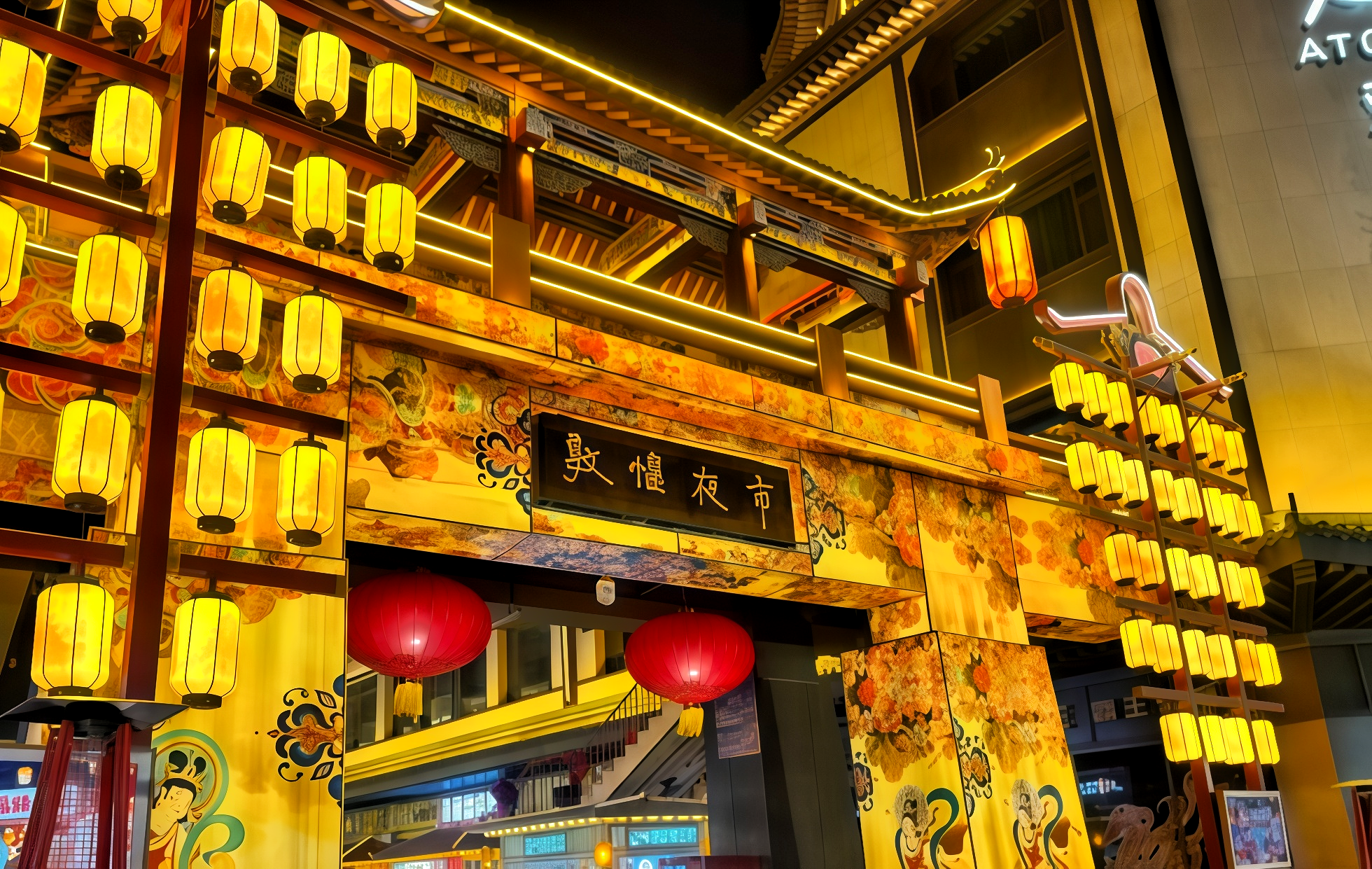
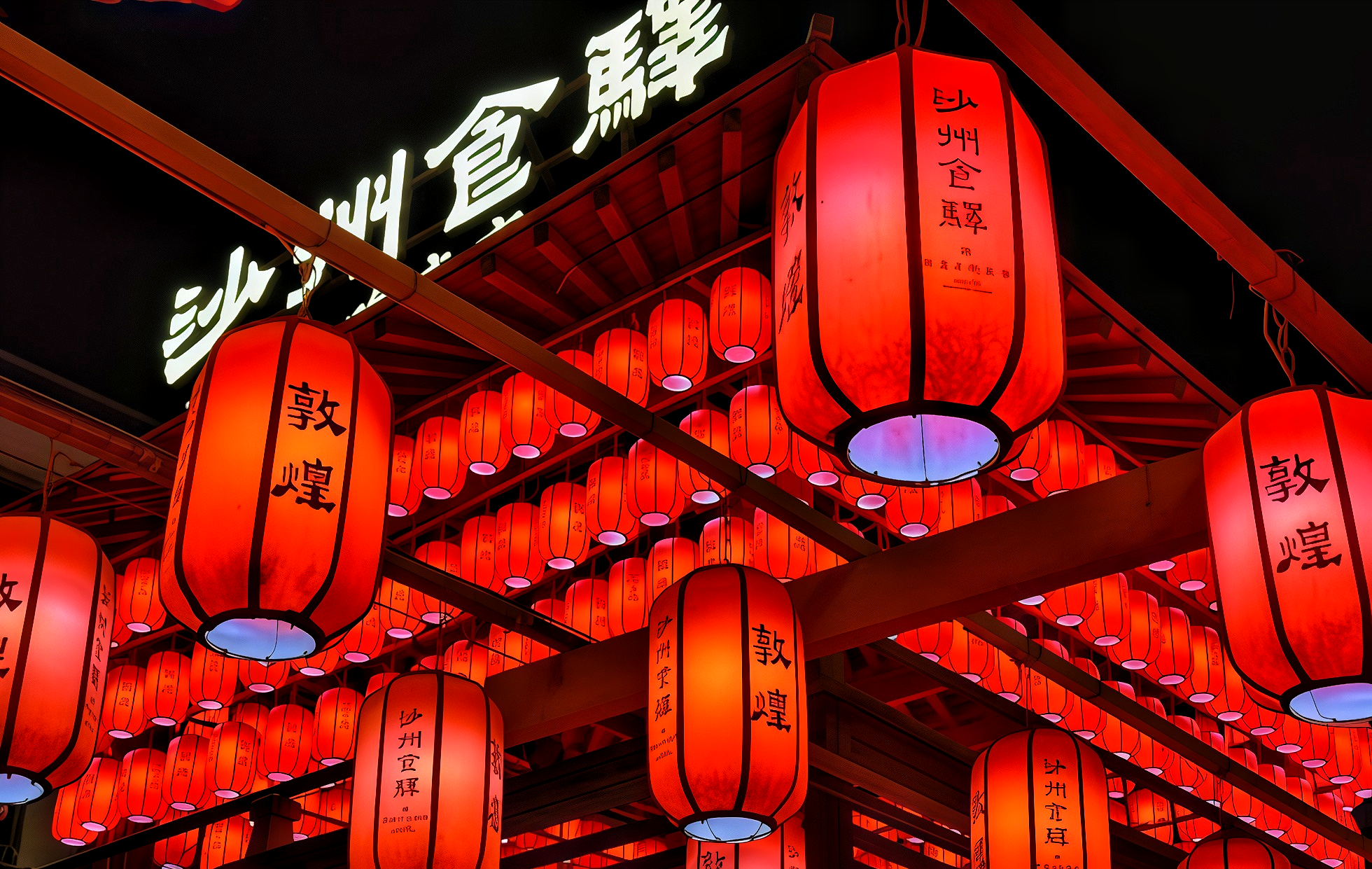
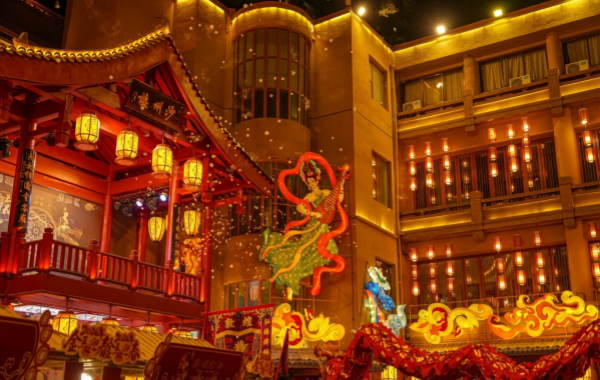
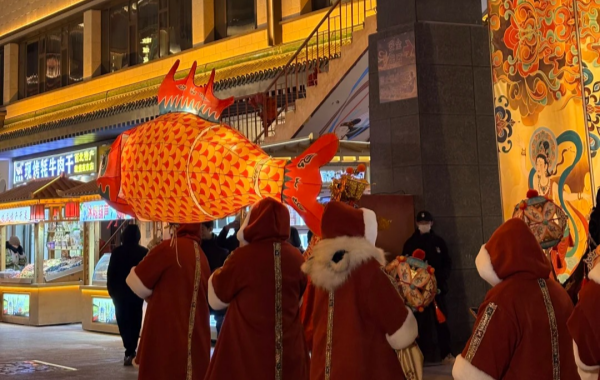
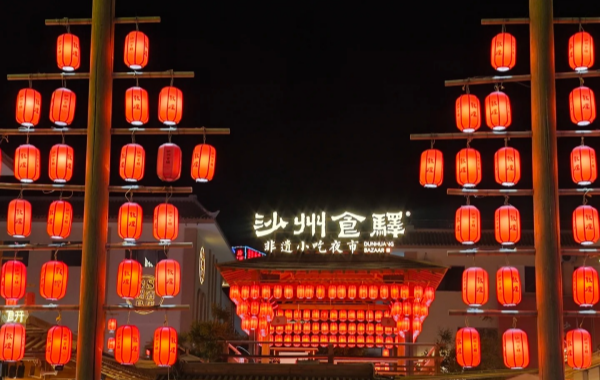
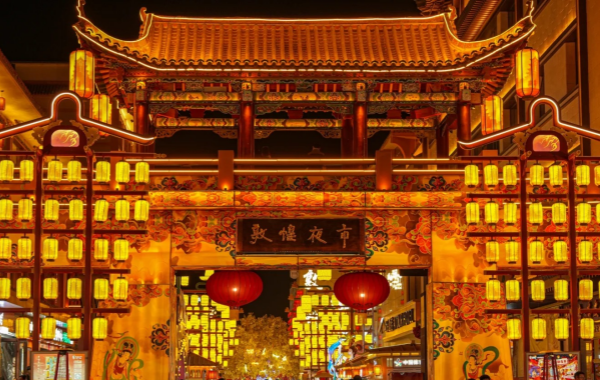
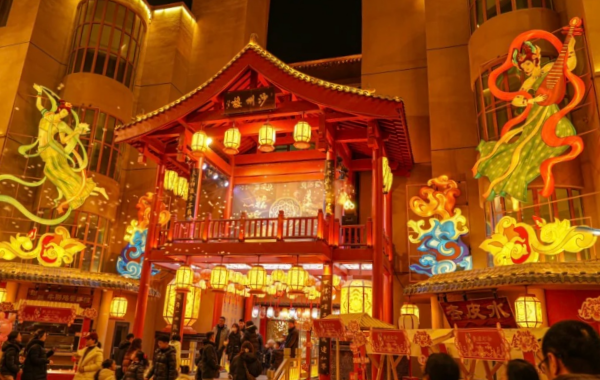
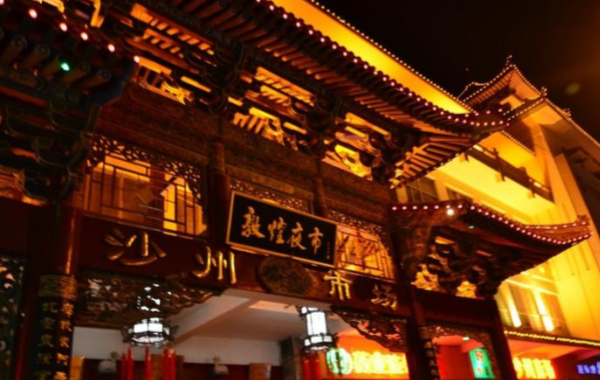
This area stands as the iconic gastronomic hub of Shazhou Night Market, bringing together a rich array of snacks and delicacies recognized as Intangible Cultural Heritage. As night falls, red lanterns hang high amidst the Tang-dynasty-style architecture; the aromas of various delicacies waft through the air, while the calls of vendors, laughter, and the sizzling sounds of frying food intertwine to create a unique "Silk Road Symphony." Sizzling meat skewers on the grill, steaming pots of noodles, and golden-hued traditional desserts—this place is a pilgrimage site for the taste buds and the perfect spot to experience the vibrant, down-to-earth atmosphere of daily life in Dunhuang.
Donkey Meat Yellow Noodles: The Pinnacle of Dunhuang Noodles
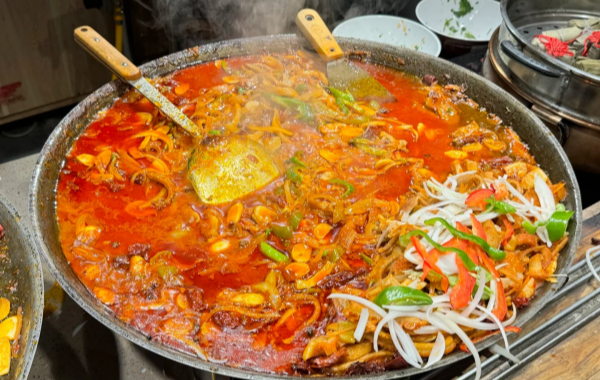
"Dragon meat in the heavens; donkey meat on earth." In Dunhuang, Donkey Meat Yellow Noodles reign supreme as the undisputed king of noodle dishes. The noodles are hand-pulled—distinctly yellow in color and delightfully springy in texture—and topped with a rich, savory sauce made from braised diced donkey meat and shiitake mushrooms, garnished with shredded green and red peppers and minced garlic. A single bowl encapsulates both the hearty boldness and the refined artistry characteristic of Northwest Chinese cuisine. At the "Famous Delicacies Plaza," seek out the long-standing stalls where master chefs pull the noodles right before your eyes; watching the noodle-making process itself is a visual feast. Price Reference: A standard bowl of Yellow Noodles costs approximately 15–20 RMB (donkey meat is charged separately).
Pao'er Yougao (Puffed Fried Pastry): Intangible Cultural Heritage on the Palate
This traditional Dunhuang dessert—golden in color with a crispy, blistered exterior—represents a piece of "Intangible Cultural Heritage" for the palate. The outer shell is crisp, while the sweet, glutinous filling within remains soft and tender; infused with the fragrance of sesame seeds, it is best enjoyed while still hot to experience its optimal texture.
Red Willow Skewers: A Taste of the Gobi Desert
Large chunks of mutton are threaded onto skewers made from the branches of the red willow tree—native to the Gobi Desert—and grilled over charcoal until charred on the outside yet tender and juicy within. As the red willow branches heat up, they release a subtle, natural fragrance that permeates the meat, blending perfectly with the mutton's rich fats to create a unique, multi-layered flavor profile. Each bite offers a harmonious symphony of the succulent Gobi mutton and the aromatic spices of the Silk Road.
Apricot Skin Drink: "Life-Saving Water" in the Desert
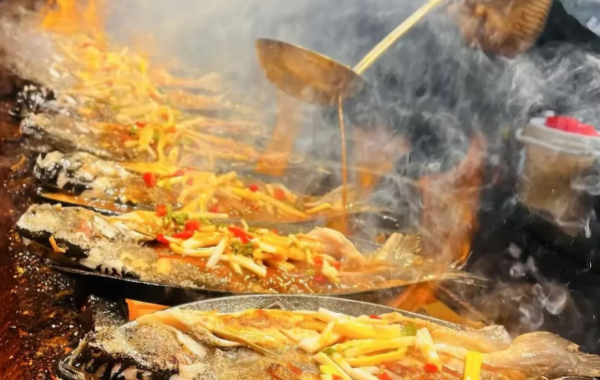
Brewed from dried Li Guang apricots—a specialty of Dunhuang—this apricot skin drink offers a refreshing balance of sweet and tart flavors that effectively cuts through the richness of fried foods. It is particularly delightful when chilled, making it the perfect companion as you wander through the bustling night market. We highly recommend purchasing the version brewed fresh on-site, as it offers a richer, more authentic flavor profile than its bottled counterparts. More Authentic Delicacies: Huyang Menbing (Braised Lamb with Flatbread), the "Three Treasures of Dunhuang," Yangrou Hezhi (Lamb Soup Medley), Jiangshui Mian (Fermented Vegetable Noodle Soup), Shacong Niuroubing (Desert Onion Beef Pancakes), Hexi Baodu (Stir-fried Tripe), Mobei Kaoyu (Northern Desert Grilled Fish)—each dish embodies the enduring legacy of Silk Road culinary culture. Dining Tip: Portions in Northwest China are generally quite generous; we recommend ordering a variety of dishes in smaller quantities to share with your companions, allowing you to sample a wider range of flavors.
Crafts of the Western Regions—The Artistic Crystallization of Silk Road Civilization
The handicrafts section of the Shazhou Night Market serves as a miniature gallery showcasing the artistic achievements of Silk Road civilization.
Wood Carvings and Dunhuang Woodblock Prints
Among the craft stalls at the night market, the Dunhuang woodblock prints are particularly eye-catching. Artists capture the desert romance of the Singing Sand Dunes and Crescent Spring, along with the rugged grandeur of the Yardang landforms, condensing these vast landscapes onto small wooden blocks; every cut and chisel mark reveals the craftsman's meticulous artistry. The wood carvings, meanwhile, cleverly integrate elements of Dunhuang's cave murals into modern designs, allowing this thousand-year-old art form to enter people's lives in a brand-new guise.
Sand Bottle Art and Painted Clay Figurines
Sand bottle art is a craft form unique to Dunhuang. Using the five-colored sands of the Singing Sand Dunes, artists layer different hues inside transparent glass bottles to create images of deserts, camel caravans, and sunsets—effectively encapsulating the romance of the vast desert within the palm of one's hand. Miniature replicas of the painted clay sculptures found in the Mogao Caves are also highly popular, offering visitors—who are prohibited from taking photos inside the caves—a tangible artistic memento to take home.
Luminous Cups and Jade Camels
"Fine grape wine in luminous cups"—the Luminous Cup (Yeguangbei), immortalized in verse by the Tang Dynasty poet Wang Han, remains one of Dunhuang's most iconic handicrafts to this day. Crafted from smooth, elegant jade, these luminous cups emit a soft, ethereal glow under lamplight, evoking visions of the grand banquets held along the Silk Road a thousand years ago. Adorably charming camel figurines—crafted from either jade or wood—are another perennial favorite, ranking among the most sought-after souvenirs for visitors to Dunhuang.
Dunhuang Silk Carpets and Atlas Silk
The intricate patterns of these hand-woven carpets replicate the ethereal grace of the "Flying Apsaras" found in the Mogao Cave murals, while accessories fashioned from Atlas silk (Eidalaisi) shimmer with iridescent brilliance. These textiles are not merely commercial goods; they represent the living legacy of the Silk Road's rich textile heritage. On-site, visitors can also observe the creative processes behind woodblock prints and carved gourds, allowing them to experience the warmth of authentic Dunhuang handicrafts up close.
Agricultural Specialties Zone
Beyond handicrafts, the night market's agricultural products zone is equally worth exploring. Dunhuang’s most renowned specialty is undoubtedly the "Li Guang" Apricot—sweet, delicious, and hailed as the "King of Apricots." Additionally, the market offers a variety of locally distinctive fruits and dried fruit products—such as Mingshan Red Dates, Ziyan Peaches, "Perfume" Pears, White Grapes, and Yellow River Melons—making for excellent souvenirs to share with family and friends.
Photography Tips:
Best Panoramic View: Position yourself beneath the canopy of lanterns at the Shazhou Shiyi (Shazhou Food Station) entrance; shooting upwards from this spot allows you to frame both the red lanterns and the Tang-style architecture in a single shot.
Candid Moments: Capture candid shots of the grill masters flipping Hongliu (Red Willow) meat skewers in front of the barbecue stalls—a scene brimming with the lively, rustic atmosphere of the night market.
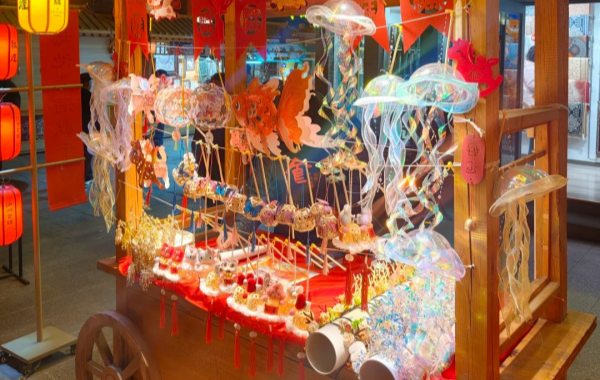
Craftsmanship Details: In the handicrafts zone—where stalls line the street in a neat row—use a wide-aperture lens to blur the background lights, thereby highlighting the intricate details and textures of the handmade crafts.
Golden Hour: Arrive around 7:30 PM—just as dusk is settling and the lanterns are beginning to glow—to capture the magical atmosphere of the transition from day to night.