Chongqing Nanshan Scenic Area: A Three Dimensional Sky Garden Suspended in the Urban Sky

Chongqing Nanshan Scenic Area: A Three Dimensional Sky Garden Suspended in the Urban Sky

Overview: An urban forest suspended over two rivers
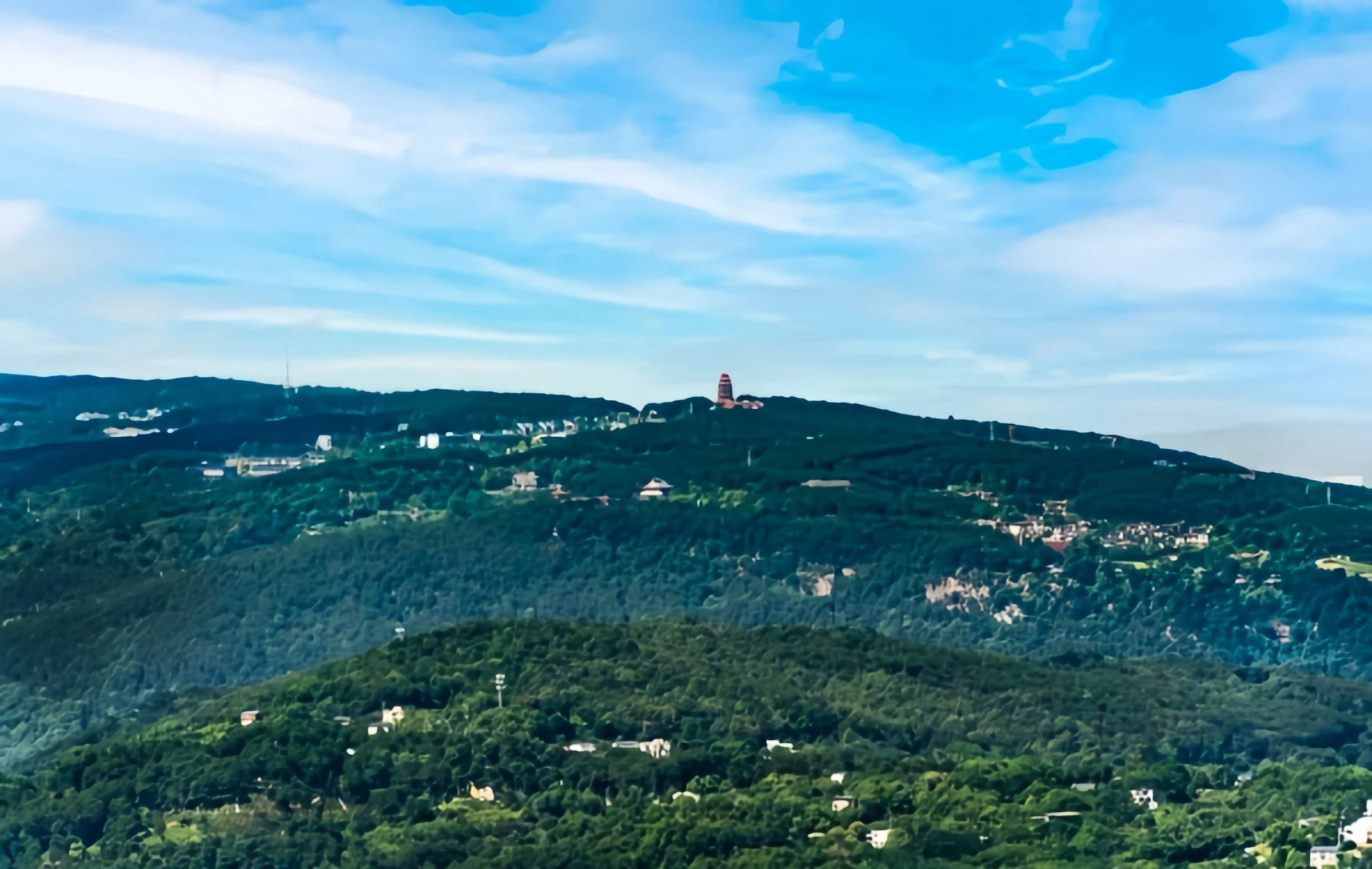
The Nanshan Scenic Area in Chongqing is not an isolated mountain peak, but a vast mountain range system that runs through the southern bank of Chongqing and stretches for dozens of kilometers. It is the "lung leaf" and "sky observation deck" of the main city of Chongqing.

Quick overview of core highlights
Identity tags: Natural Frame of Mountain City Stereoscopic Painting/Anti Japanese War Site Museum in Urban Center/Ultimate Viewing Platform for Chongqing Night Scene
Core Experience: Overlooking the night view of the Two Rivers from a tree observation deck, hiking on the Huangjue Ancient Road, searching for secluded places in Laojun Cave, and visiting the Anti Japanese War Site Museum Complex
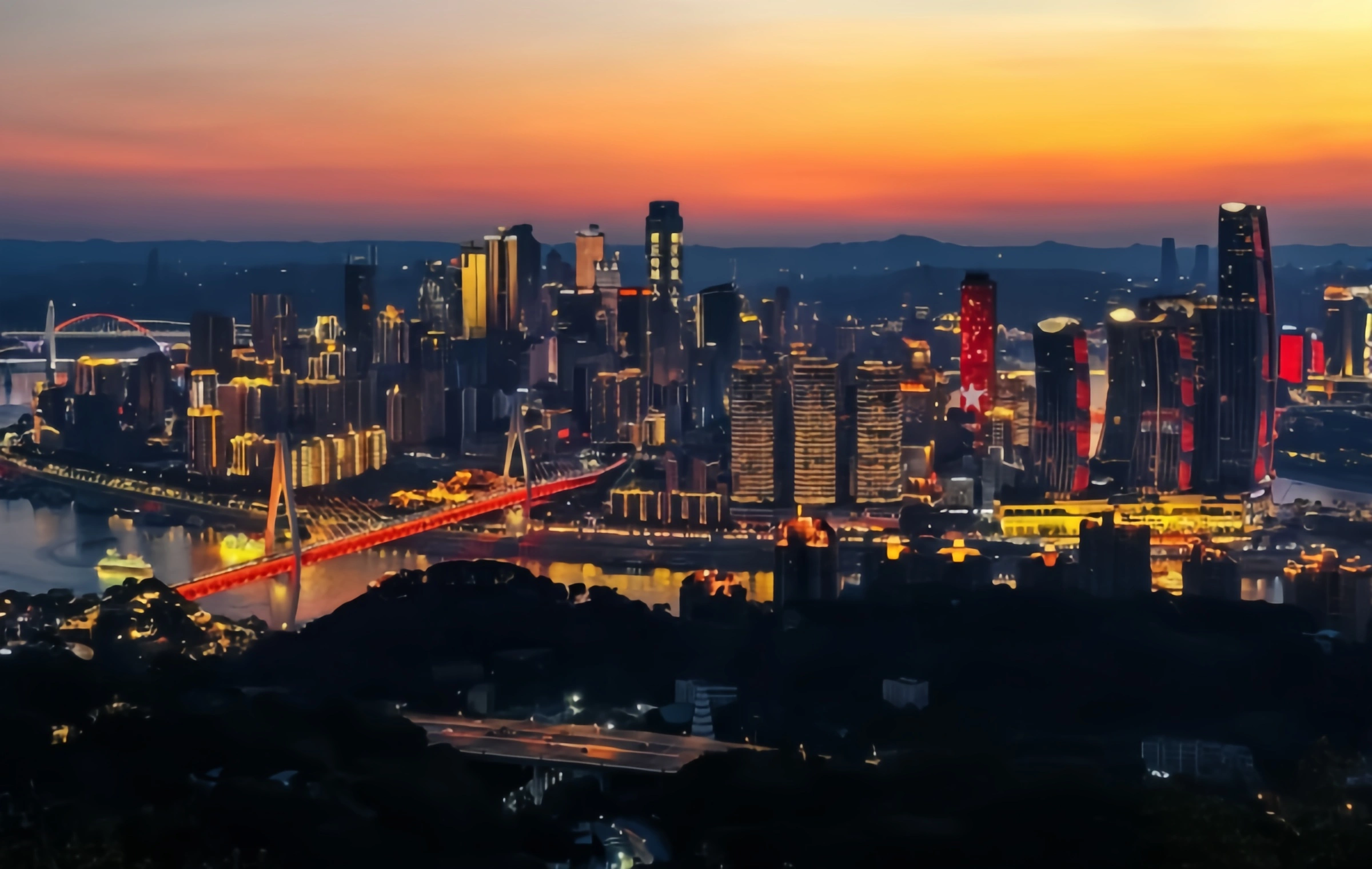
Suggested tour: 1-2 days, highly recommended to stay until evening to enjoy the dreamlike transformation from sunset glow to dazzling sea of lights
Address: Nanshan Scenic Area, Nan'an District, Chongqing (with the core observation point being the Nanshan One Tree Observation Deck)

  • Chongqing Nanshan Scenic Area: A Three Dimensional Sky Garden Suspended in the Urban Sky-1
  • Chongqing Nanshan Scenic Area: A Three Dimensional Sky Garden Suspended in the Urban Sky-2
  • Chongqing Nanshan Scenic Area: A Three Dimensional Sky Garden Suspended in the Urban Sky-3
  • Chongqing Nanshan Scenic Area: A Three Dimensional Sky Garden Suspended in the Urban Sky-4

Origin: From Ancient Fortress to Humanistic Mountain

Furong Ancient Town Furong Ancient Town

 Mountain City Barrier - Historical Geographic Coordinates
The name 'Nanshan' comes from its geographical location on the south bank of the Yangtze River in the ancient city of Chongqing, which serves as a natural barrier to protect Chongqing. Its history can be traced back to the period of Cuba, when the mountains guarded the natural defenses of the Yangtze River and have been a strategic location for military strategists since ancient times. During the War of Resistance Against Japan, the Nationalist Government relocated its capital to Chongqing. Due to its strategic location and secluded environment, Nanshan became the site of numerous foreign embassies, military and political officials' residences, and cultural institutions. A large number of anti Japanese war sites were scattered in the mountains, endowing this mountain with profound and heavy national memories. Meanwhile, Nanshan is also a gathering place for religions such as Buddhism, Taoism, Christianity, and Islam, reflecting the diversity and inclusiveness of Chongqing's culture.

Cultural Gathering - From Ancient Road and Forest to Urban Living Room
The evolution of Nanshan from a historical barrier to a famous urban mountain is a condensed history of Chongqing's modern and contemporary development.
Ancient Road Era: The Huangjue Ancient Road, which was first built in the Tang and Song dynasties, was once a necessary route for connecting Sichuan and Guizhou merchants. The bluestone road is imprinted with thousands of years of footprints and is the root of the cultural heritage of Nanshan.
The Anti Japanese War: In the 1930s and 1940s, the special historical background made Nanshan suddenly the center of the historical stage, leaving behind many internationally influential relics and forming a unique "Anti Japanese War culture".
Green transformation: With the development of the city, the military and transportation functions of Nanshan have faded, highlighting its unparalleled ecological value and scenic advantages. Chongqing systematically carries out ecological protection and landscape development, constructing observation decks, renovating ancient roads, and protecting cultural relics, transforming it into a "city living room" and a national scenic spot serving millions of citizens and tourists.
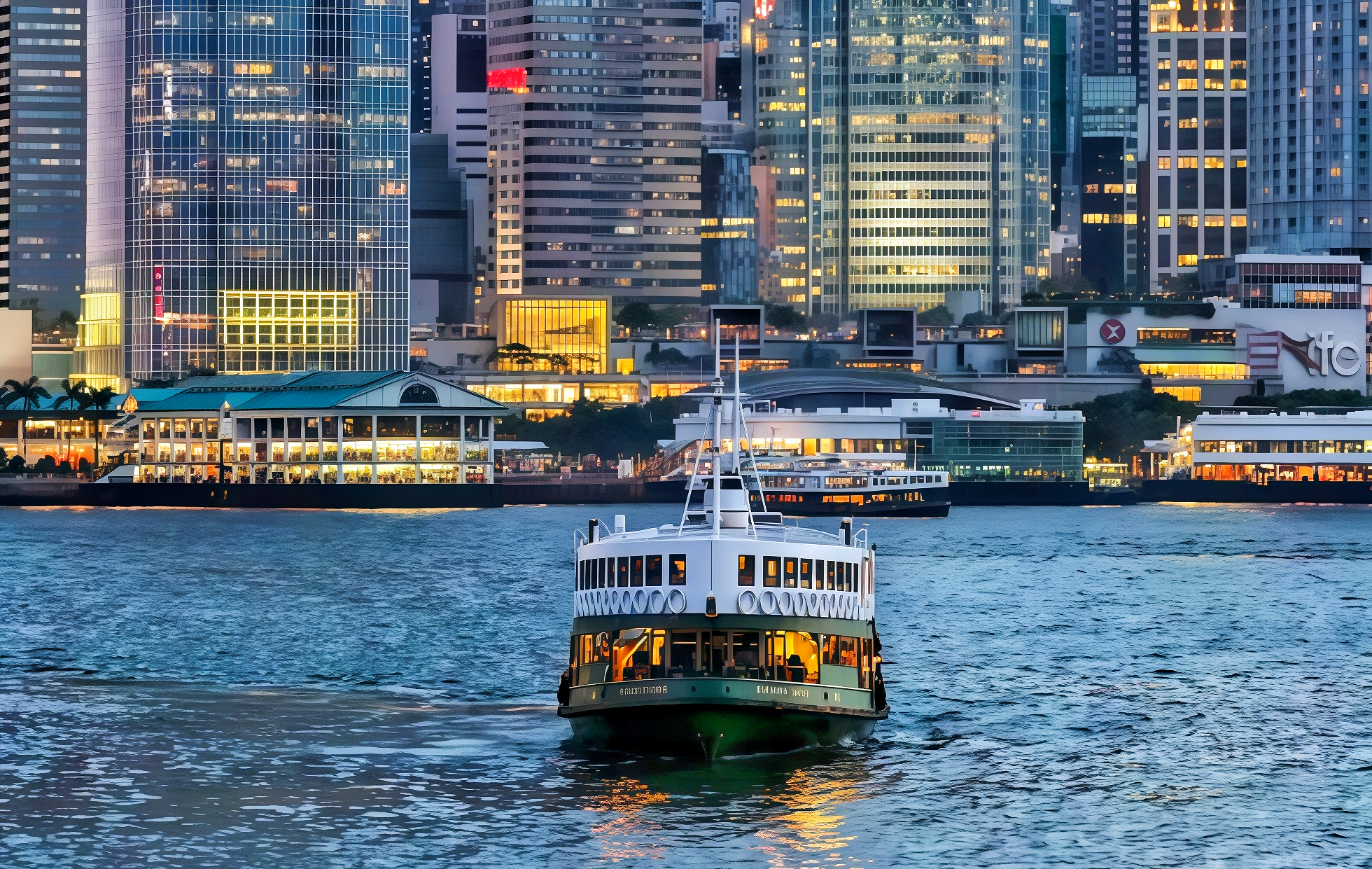
Night view business card: In the late 1990s, the construction of the "One Tree Observation Deck" pushed the experience of viewing the three-dimensional night view of Nanshan Mountain City to the extreme, making it a world-class urban observation landmark representing Chongqing and on par with the Victoria Peak in Hong Kong.

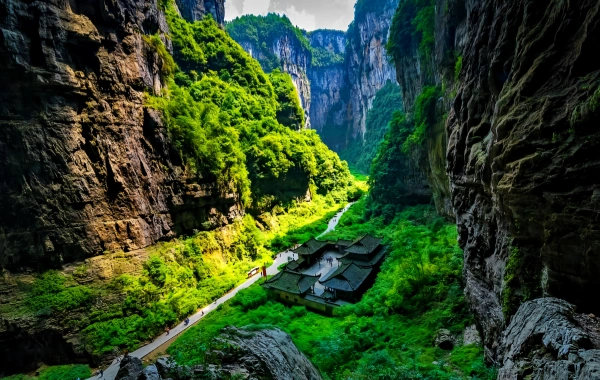
In depth understanding: Explore more Chinese urban landscapes>>Wulong Fairy Mountain

Must see Wonders: The interweaving of the overlapping shadows of mountains and rivers and cultural relics

Furong Ancient Town Furong Ancient Town

 Natural Creation - A Long Scroll of Ink Painting in the Three Dimensional Landscape
The core of Nanshan Scenic Area lies in the God's perspective it provides for a zero distance dialogue with the city.
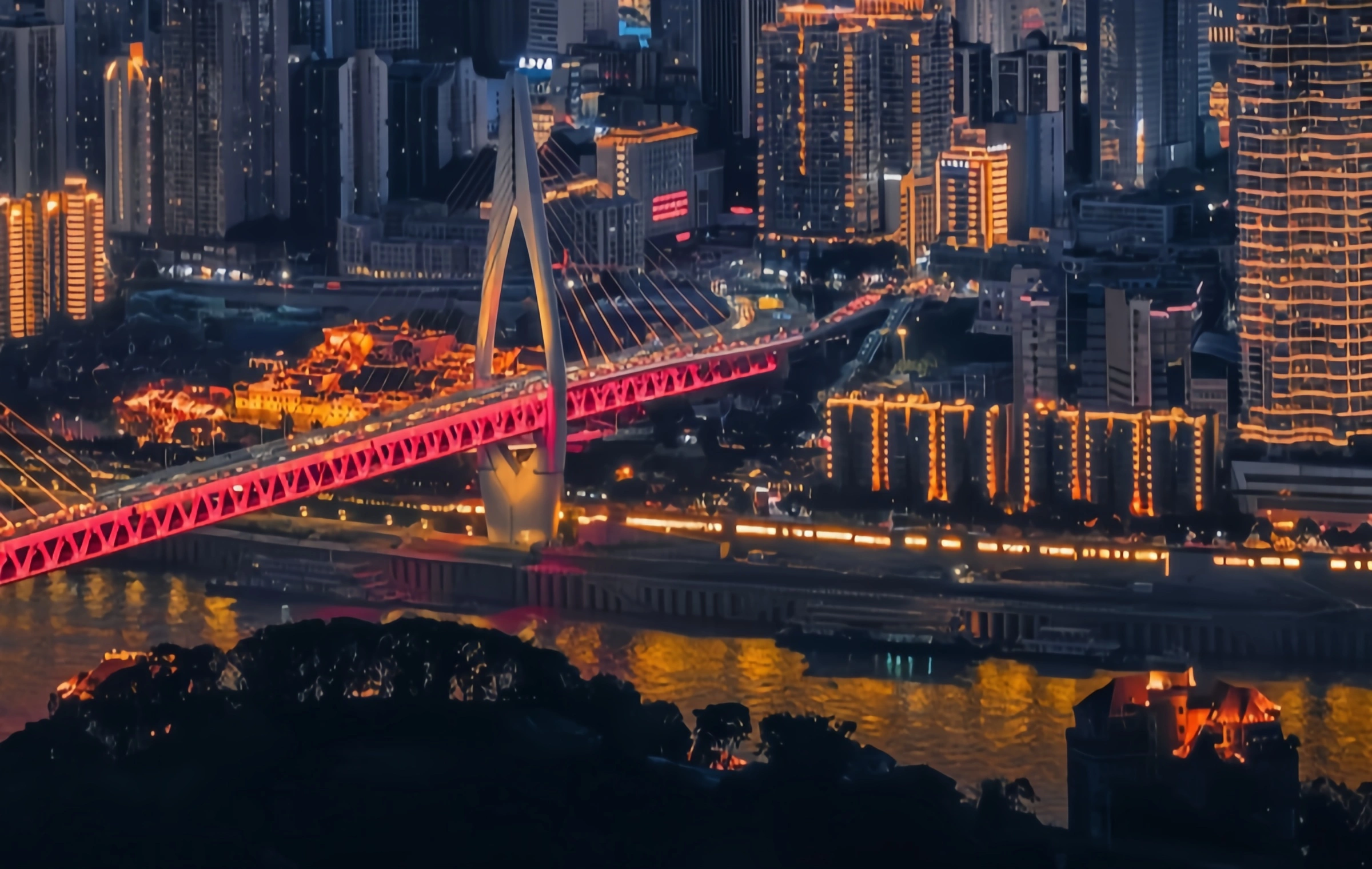
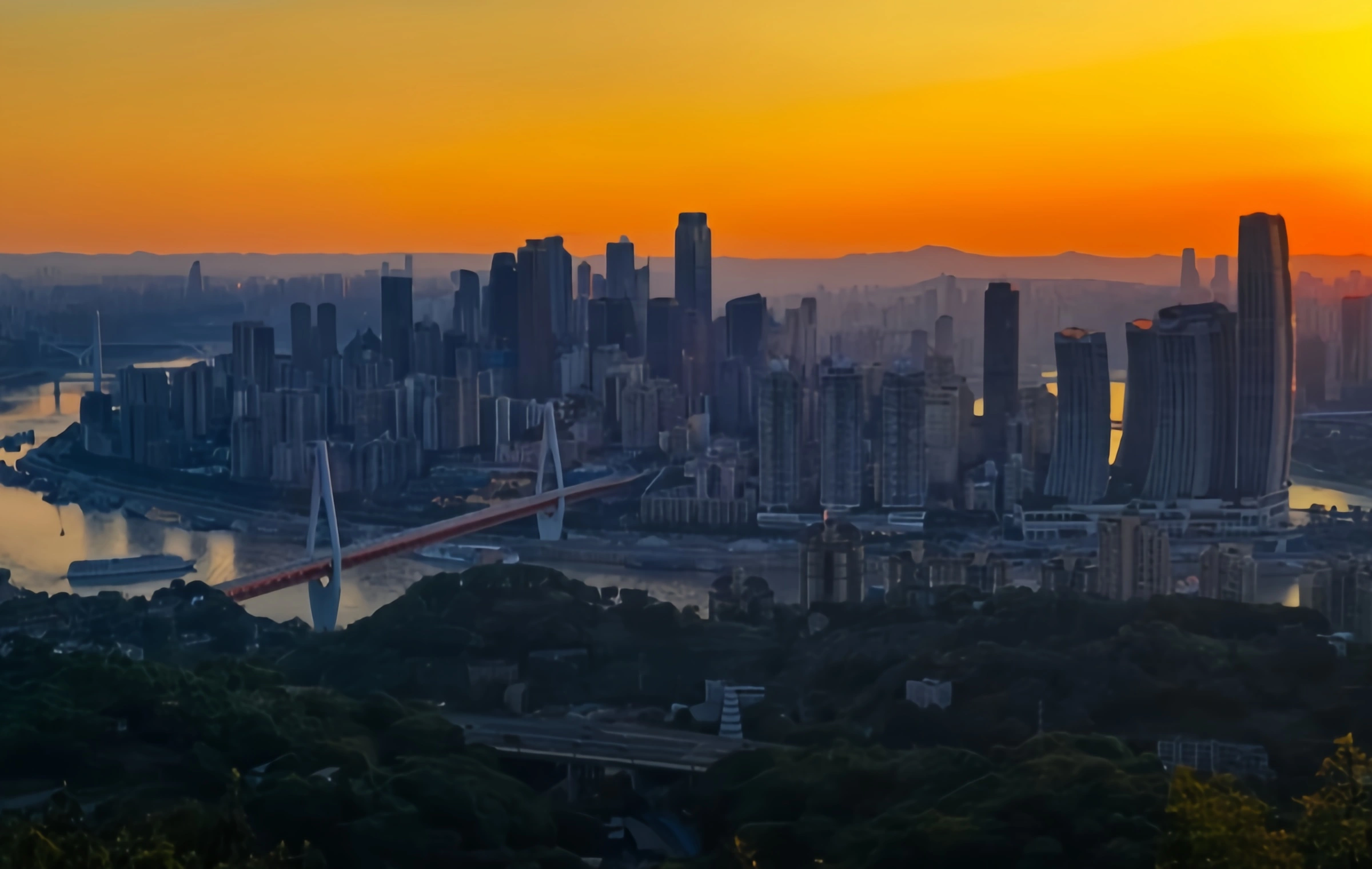
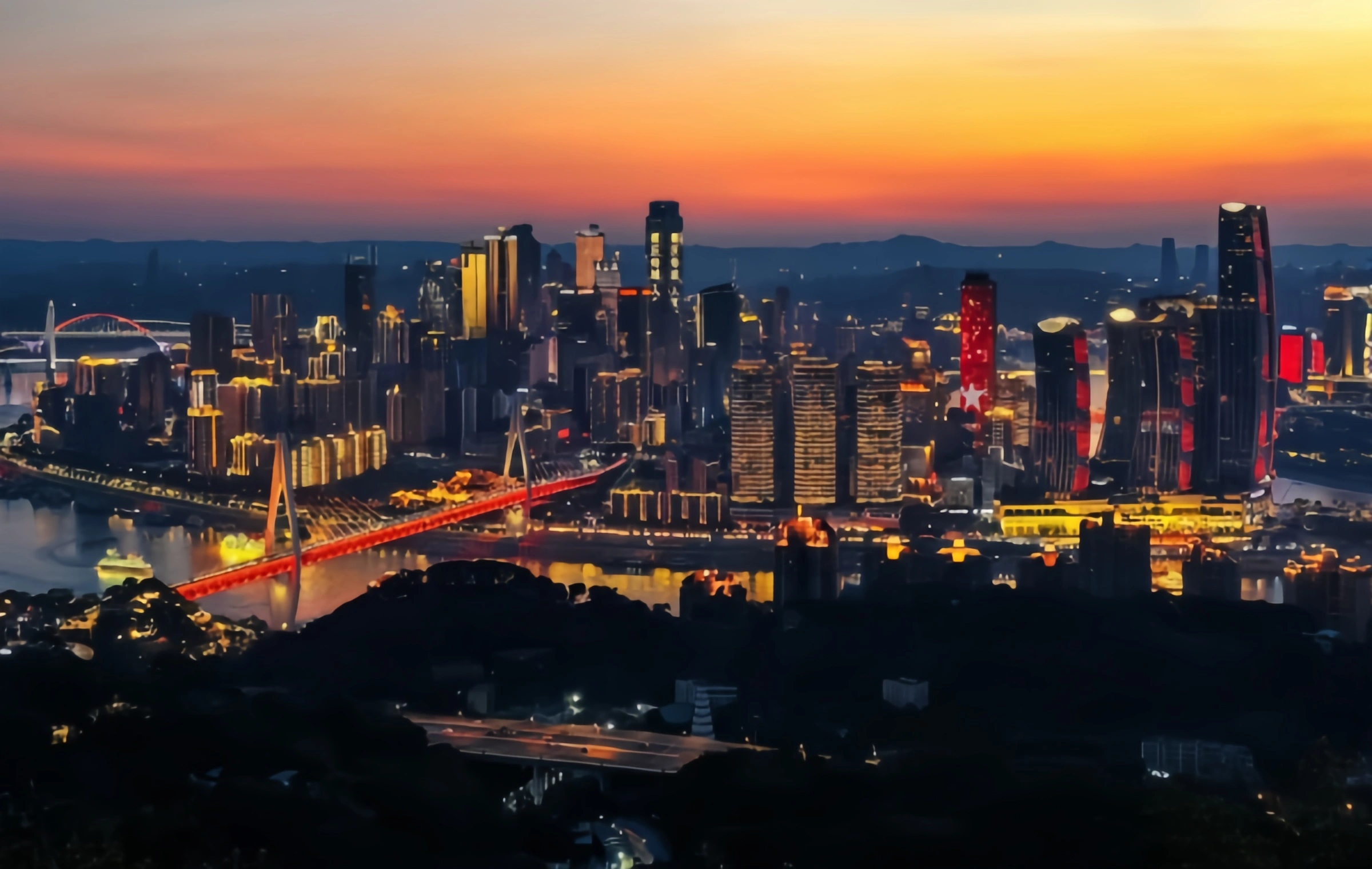
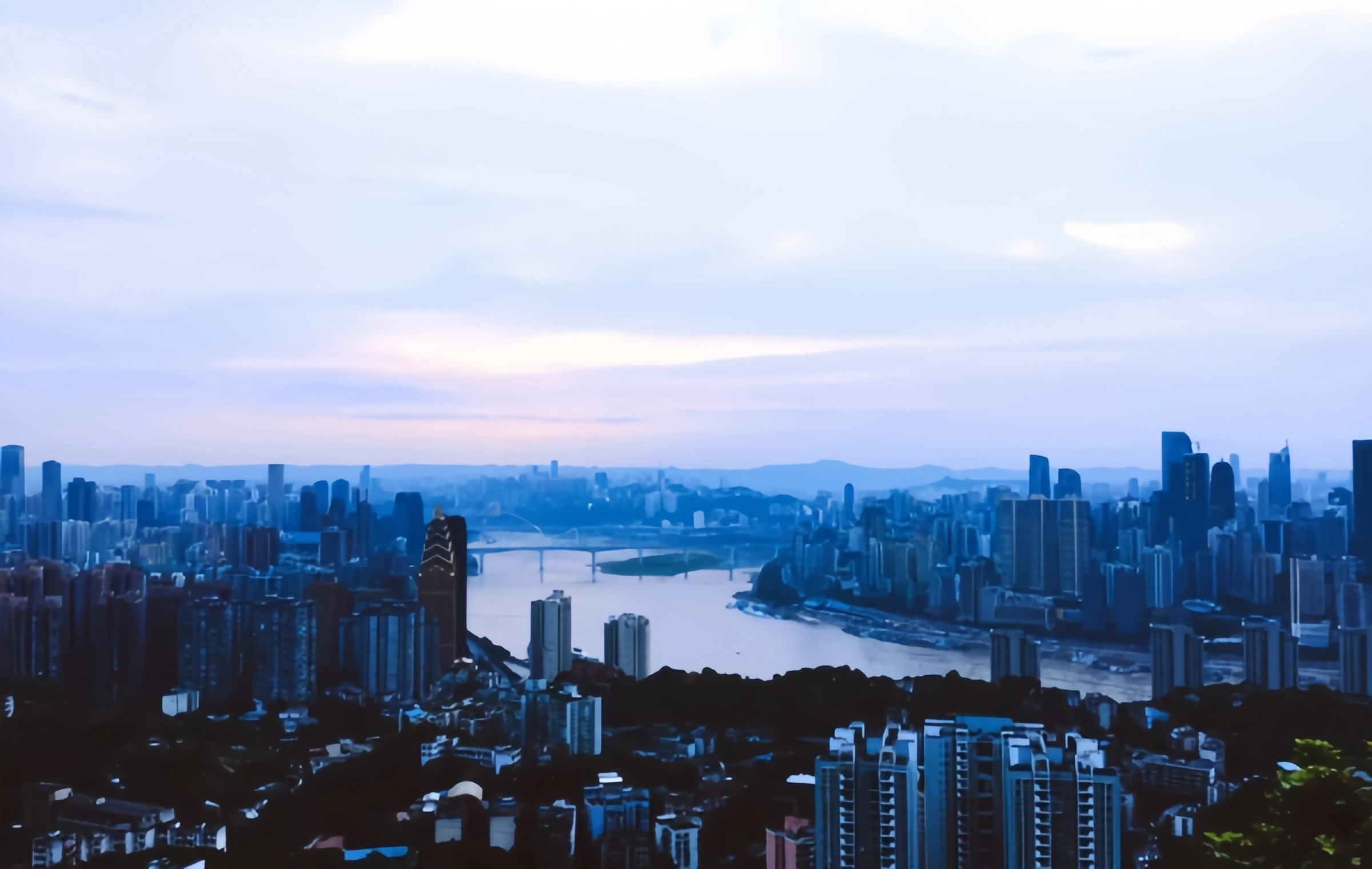
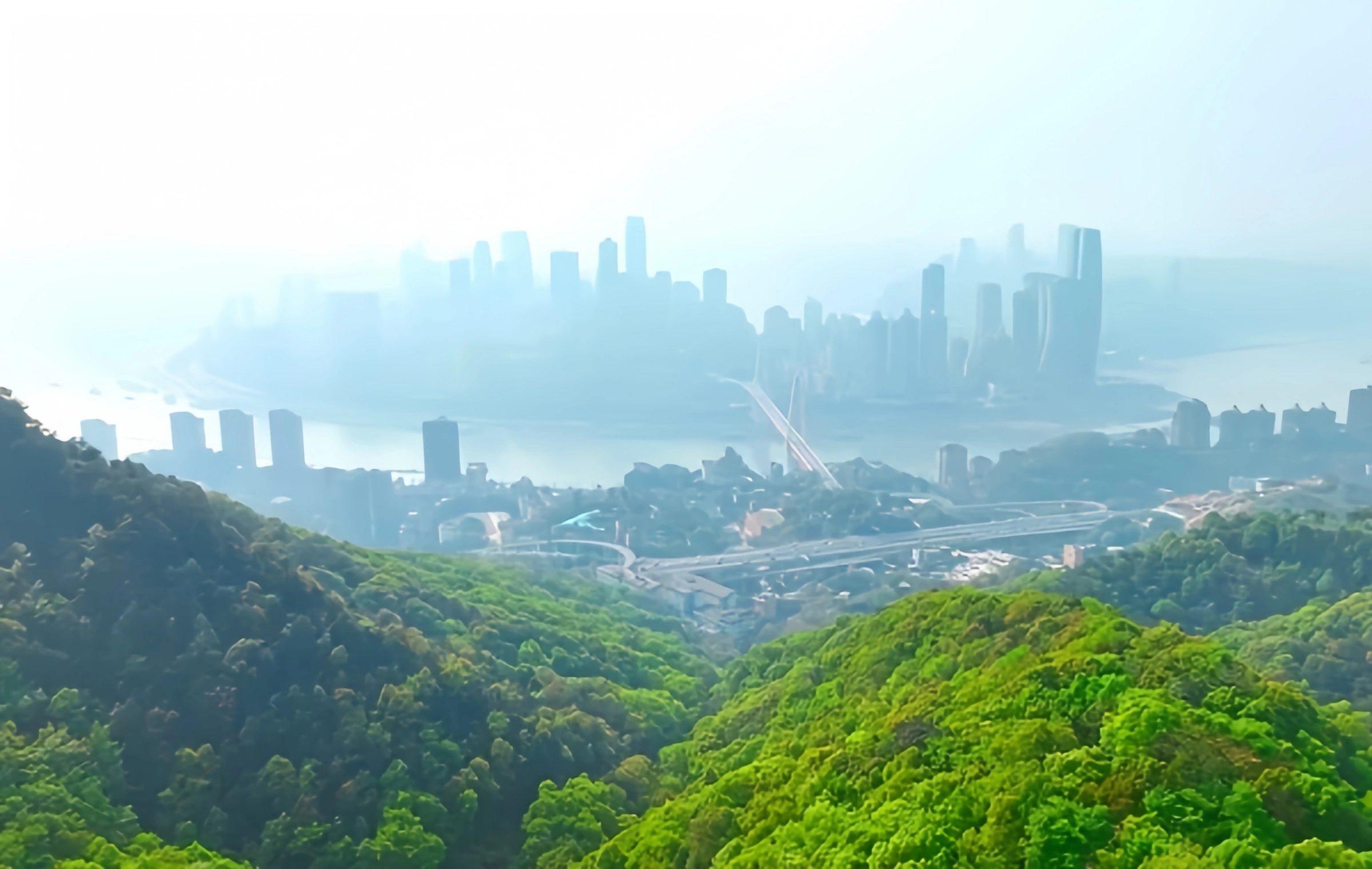
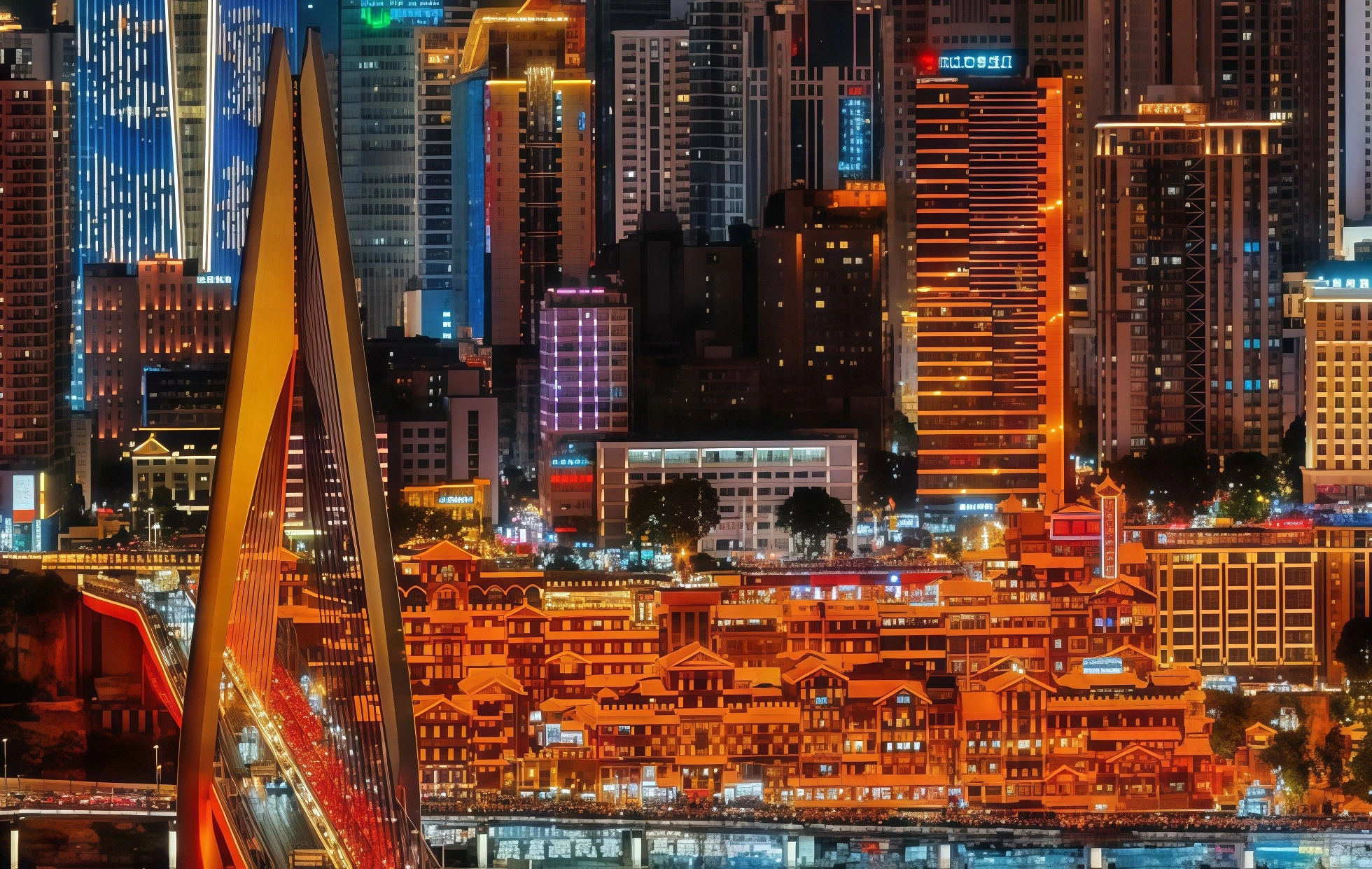
Landscape of Jiangshan - Visualization of Urban Symphony: Standing on the high ground of Nanshan, in front of me is a dynamic super widescreen movie. The two rivers (Yangtze River and Jialing River) converge here, shaping the Yuzhong Peninsula into a huge "Lujiazui". Rows upon rows of skyscrapers stretch from the riverbank to the mountaintop, bridges fly across the banks like a rainbow, and cable car carriages slowly glide through the air. The most essence of this scene lies in the time before and after nightfall. The sunset gilds the city, and then thousands of lights are lit up like stars. The traffic flow turns into a river of light. The whole city is like a huge, shining Cyberpunk stage, and its shock degree is known as "a night scene worth millions of dollars".
Forest Oxygen Bar - A Tranquil Realm in the Green Heart of the Mountain City: Nanshan itself is a national forest park with a forest coverage rate of over 90%. The ancient trees in the mountains are towering, especially the city tree of Chongqing - the Huangjue tree, which has tangled roots and various postures. Multiple trails traverse through a forest of camphor trees, pine and cypress trees, providing fresh air and making it an excellent place to escape the hustle and bustle of the city for a "forest bath". Cherry blossoms and azaleas cover the mountains and fields in spring, and the forests are dyed in autumn, creating their own scenery.
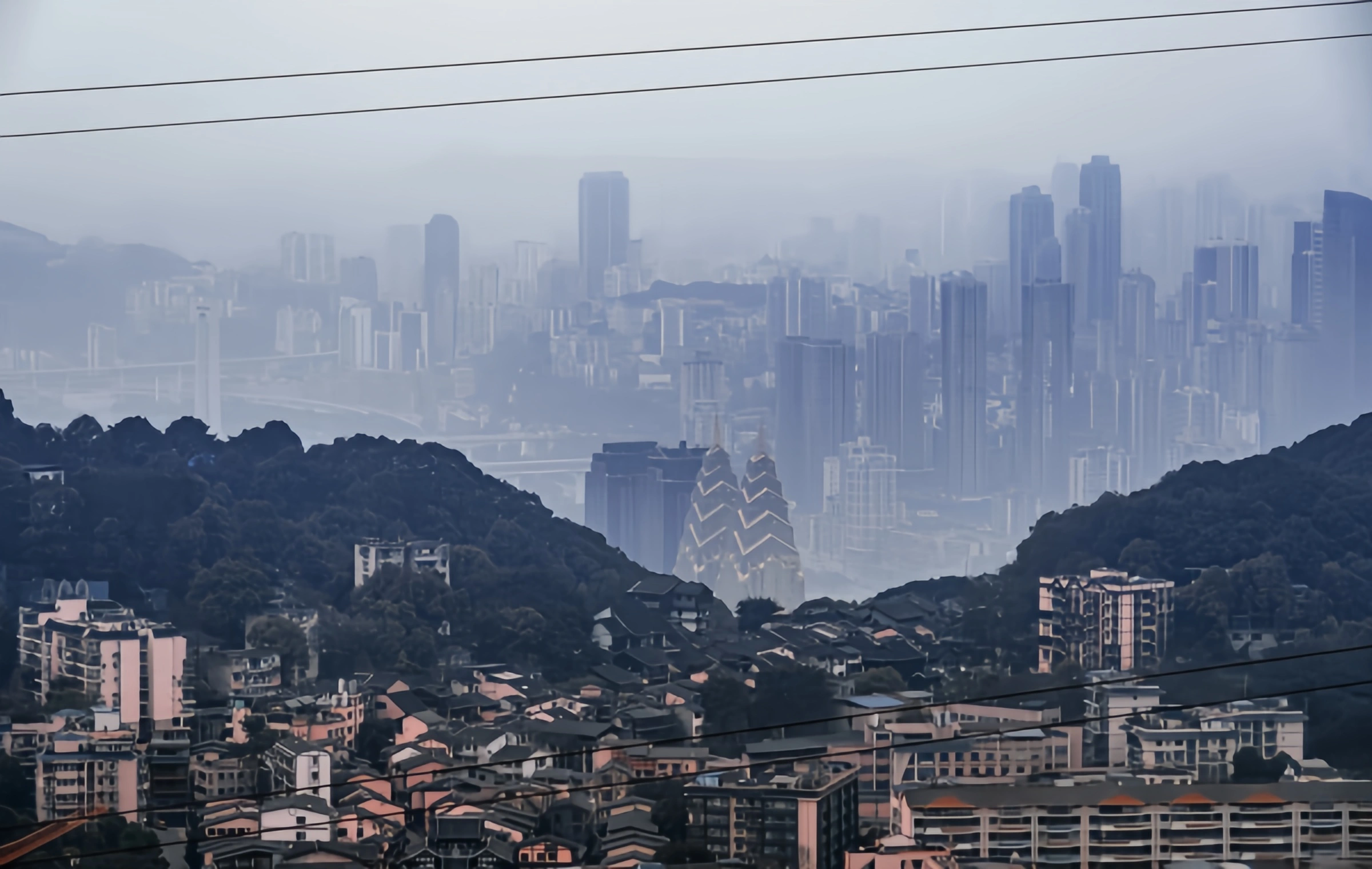
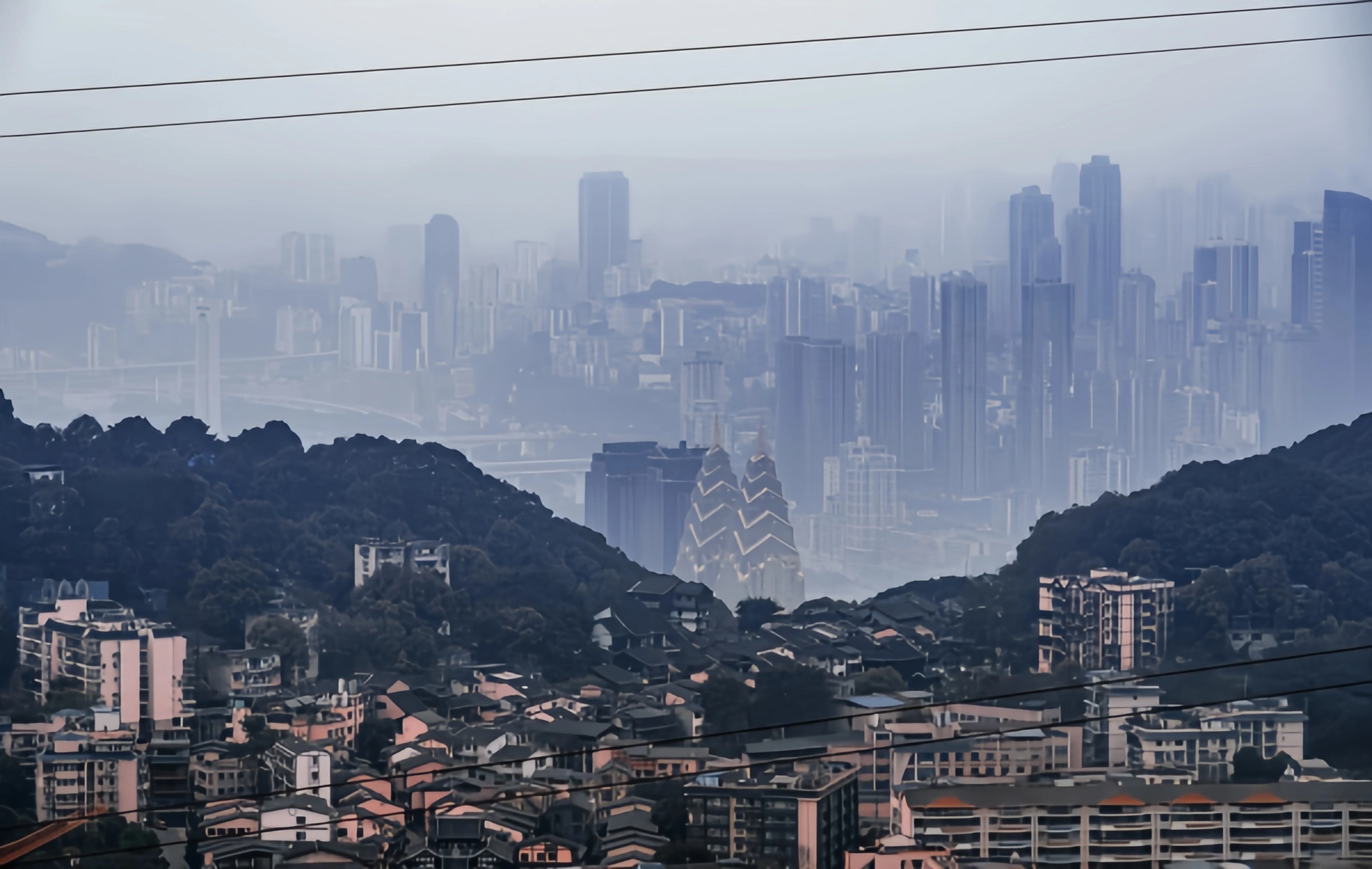
Geological Wonders - Silent Narration of Nanshan Stone Forest: The karst landform stone forest scattered among the mountains, although not as grand as Yunnan Stone Forest, has a unique shape, coexisting with green trees and vines, and has a unique charm in the mist, adding a natural wild charm to this humanistic mountain.

 Humanistic Craftsmanship - Historical Passwords Scattered in the Forest
The cultural landscape of Nanshan is like a book of modern Chinese history spread out among the mountains and forests.
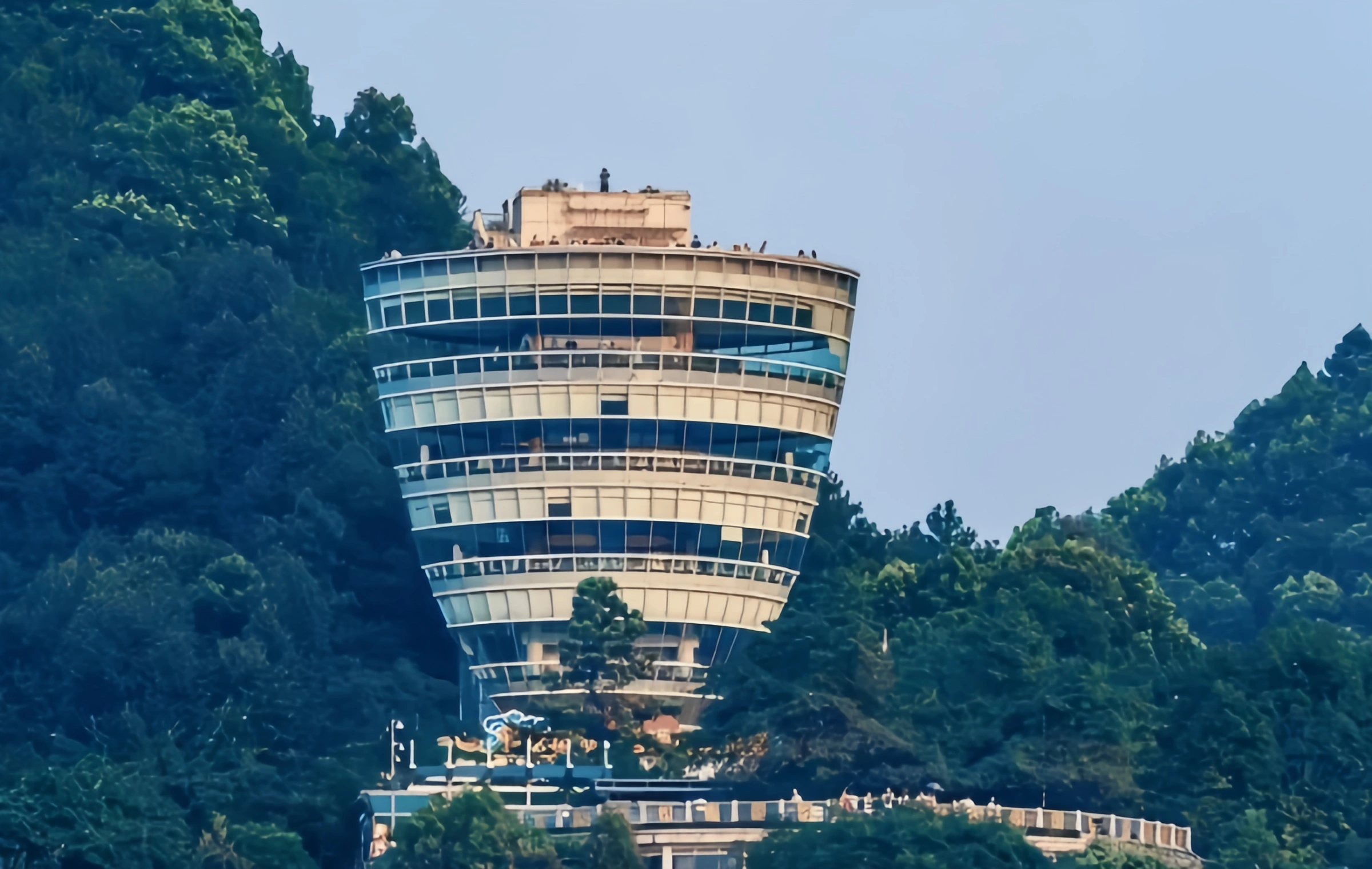
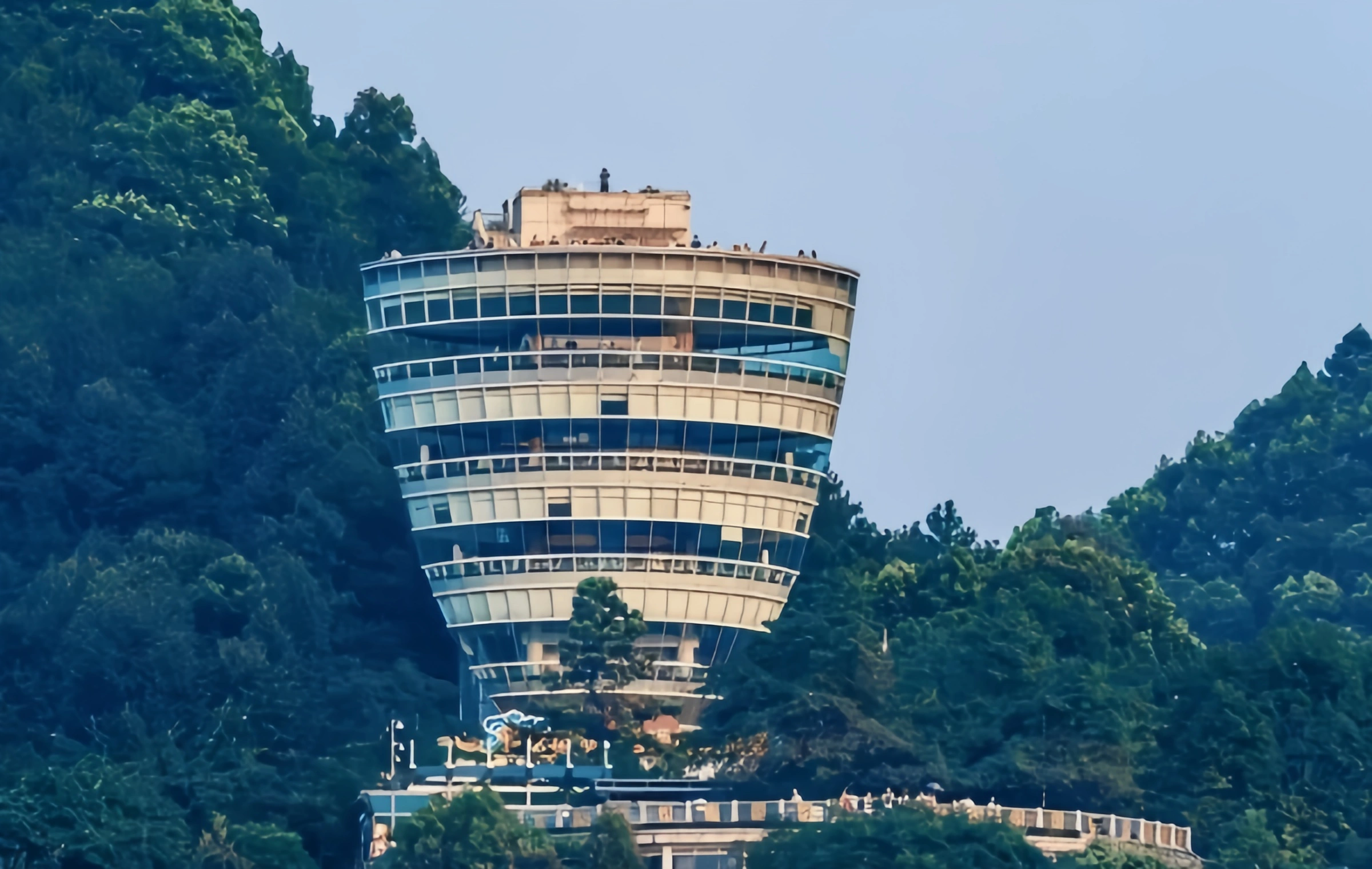
A tree observation deck: a landmark and symbol of Nanshan. Its name comes from a huge yellow oak tree on the original site. The current observation deck is a seven story tower building that integrates sightseeing, photography, and leisure, making it the undisputed preferred location for capturing panoramic views of Chongqing.
Anti Japanese War Site Museum Complex: This is the unique cultural core of Nanshan. Including more than ten places such as Chiang Kai shek's official residence "Yunxiu Tower", Soong Mei ling's former residence "Pine Hall", the former site of the US Embassy, and the Museum of Anti Japanese War Sites. Visiting here is like traveling back to the war-torn years of the capital, where architecture and cultural relics silently tell the magnificent history of that period.
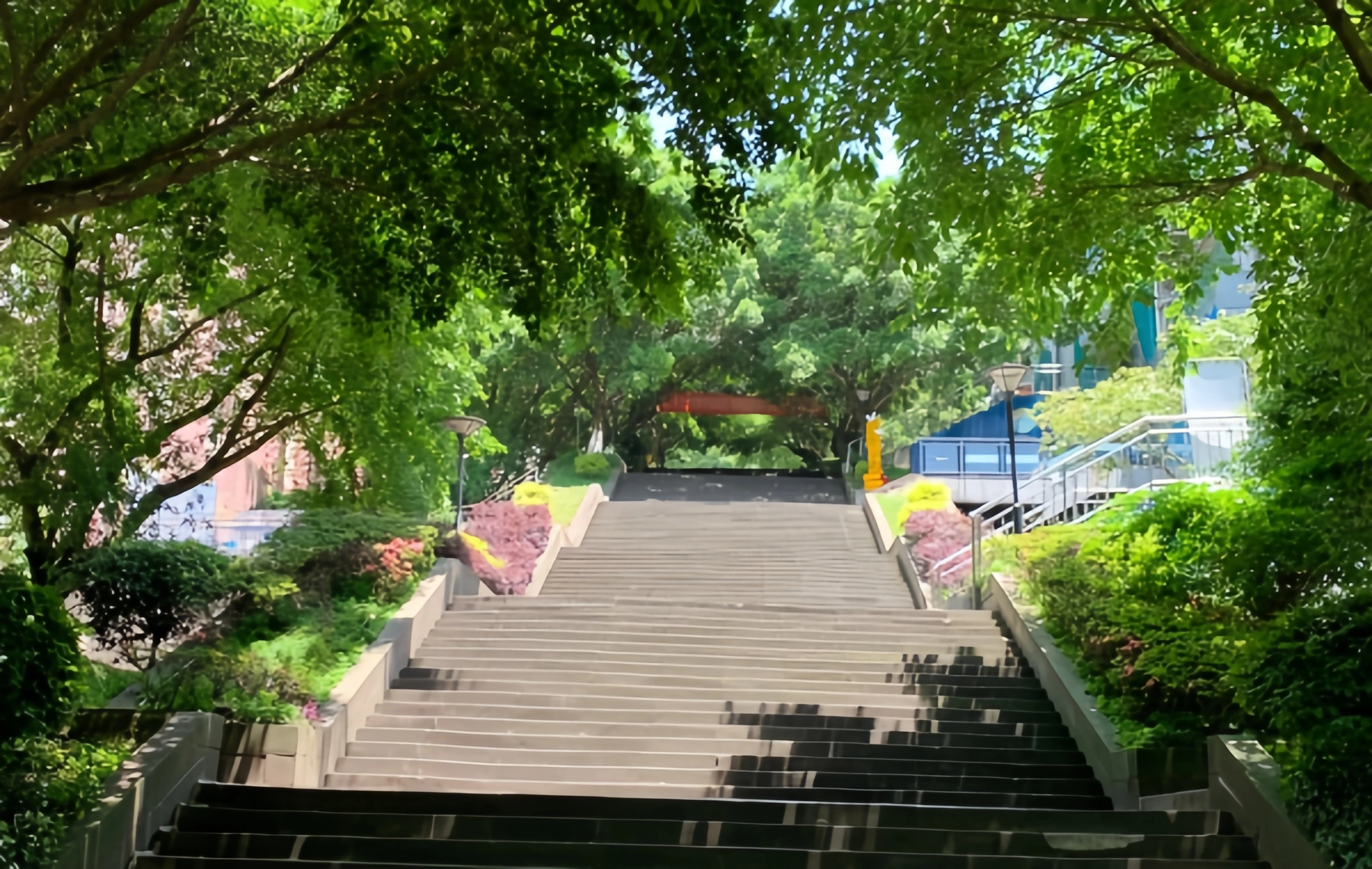
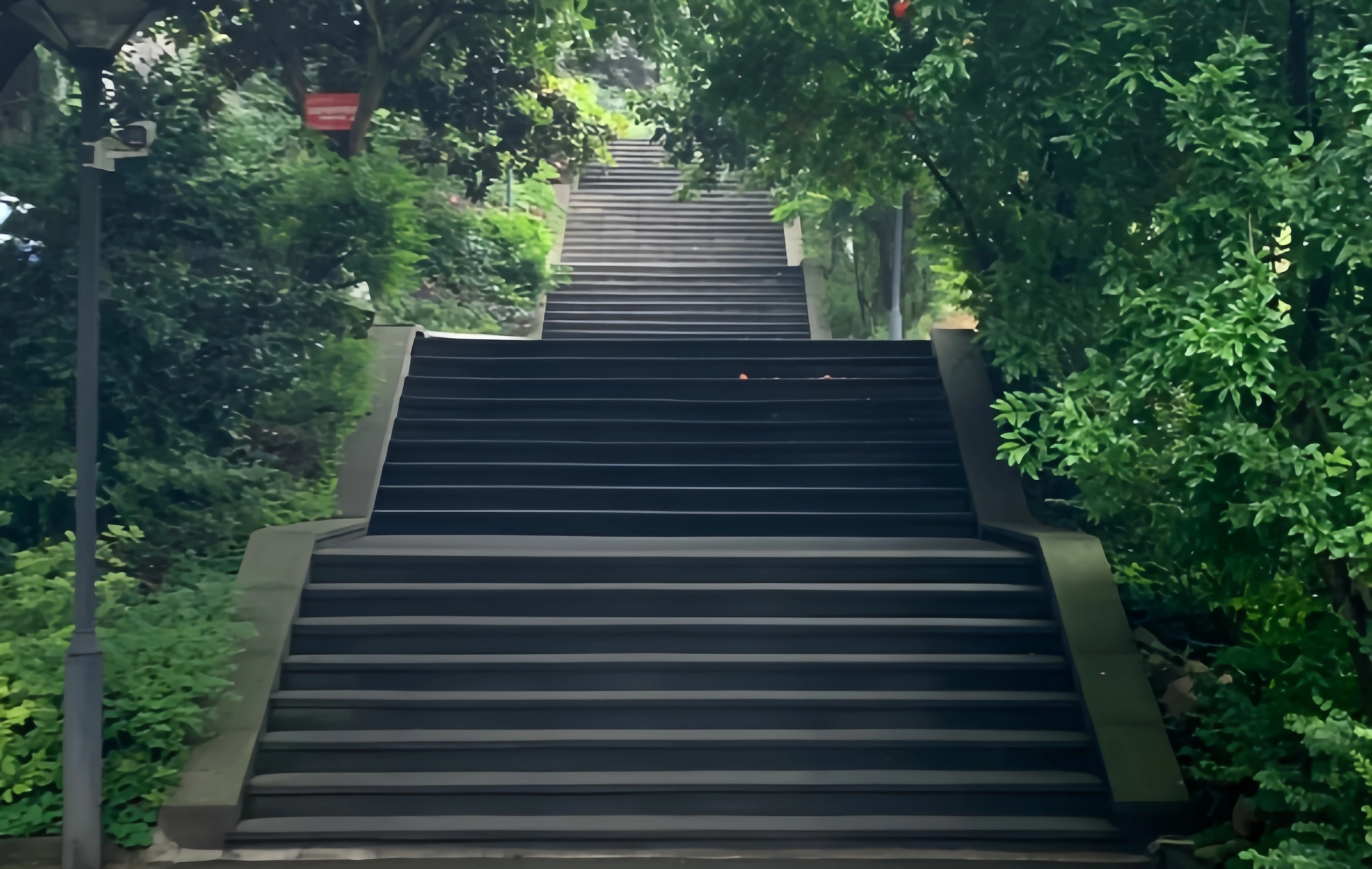
Huangjue Ancient Road: This Ba Yu ancient road, with a history of over 800 years, starts from Shangxin Street and is paved with bluestone slabs, winding into the mountains. Along the way, ancient trees provide shade and there are numerous historical relics, making it the best hiking route to experience the unique features of the mountain city and feel the historical smoke and clouds.
Laojun Cave: The most important Taoist temple in Chongqing, founded in the Tang Dynasty. The Taoist temple is built along the mountain, spiraling upwards with exquisite architecture. Climbing to the top of the Jade Emperor Hall, one can also obtain a unique perspective overlooking the Yuzhong Peninsula, capturing the hustle and bustle of the secular world and the refinement of Taoism, creating a unique artistic conception.
Tushan Temple and Christian Church: The thousand year old Tushan Temple is said to be the place where Dayu married the Tushan family. There are also Catholic churches and Islamic mosques coexisting in the mountains, with multiple faiths harmoniously coexisting on one mountain, showcasing the diversity and inclusiveness of Chongqing culture.

Photography tips:
The classic panoramic camera position is recommended for the top floor of a tree observation deck, which requires the use of a wide-angle lens. It is best to arrive one hour before sunset to seize the camera position and capture the entire process from the "blues moment" to the night view.
Humanistic documentary: The bluestone slabs of Huangjue Ancient Road, the backs of porters, and the architectural details of anti Japanese war sites are suitable for capturing a sense of story with medium to long focal length lenses.
Creative shooting: You can try using flowers or ancient buildings as the foreground in Nanshan Botanical Garden or Tushan Temple, with the distant hazy city skyline as the background, to create a sense of dialogue between ancient and modern, nature and the city.
A tripod and shutter line are essential for capturing stable night scenes.

Core Experience: Immersive Mountain City Aesthetics Guide

Furong Ancient Town

 Five Must Do Things to Unlock a Complete Journey to Nanshan
Go to a night scene feast at the top of the mountains and rivers
Key point: Night view is the soul of Nanshan! It is recommended to go up the mountain from 4-5 pm in the afternoon and reserve sufficient time. Experience: At a tree observation deck or the top of Laojun Cave, witness the sun setting and the city lights shining like diamonds, ultimately converging into a brilliant starry sea. Experience the magical transformation from "Chongqing by day" to "Hong Kong by night".
Take a thousand year old Huangjue Ancient Road
Time: In the morning or evening, avoid direct sunlight and have soft lighting. Experience: Starting from Haitang Creek or Shangxin Street, stepping on bluestone boards polished by time, walking under the tangled yellow poplar trees, you can encounter old tea houses and old courtyards along the way, measure history with your footsteps, and experience the most authentic hiking charm of the mountain city.
Explore a deep and peaceful place outside
Choice: Go to Laojun Cave to seek the purity of Taoism, climb high and look far away; Or visit Tushan Temple and listen to the millennium bell. Experience: Take a temporary break from the hustle and bustle of the city amidst the swirling incense and towering ancient trees, and examine the bustling city from another peaceful perspective, gaining a unique psychological experience.
Visit the magnificent relics of the Anti Japanese War
Location: Nanshan Anti Japanese War Site Museum Complex. Experience: Visit historical buildings such as Yunxiu Tower and Songting Hall, and learn about Chongqing's past as a wartime capital through exhibitions. This is not only a history classroom, but also worth savoring the aesthetics of its architecture's integration with the environment.
Try a table of authentic Nanshan Spring water cuisine
Must order dishes: Nanshan Spring Water Chicken (spicy and delicious, is the name card of Nanshan cuisine), wild vegetable cake, and old cured meat. Experience: There are numerous restaurants built along the mountain in Nanshan, many of which feature ingredients cooked with spring water. Sitting on the mountain terrace, enjoying spicy and delicious food while admiring the scenery of the mountain city, enjoying both taste and sight.

Tourist Route Suggestions
One day "panoramic view" essence tour:
Arrive at the foot of Nanshan at 2pm → take a bus or taxi directly to Nanshan Anti Japanese War Site Museum, visit for 1.5 hours → walk or take a bus to Laojun Cave, visit and climb to the top for viewing (1.5 hours) → arrive at a tree observation deck before 5pm, purchase tickets to enter the park, wait for sunset and night scenery (2-3 hours) → taste spring water chicken near the observation deck or Nanshan loquat garden in the evening → enjoy the night view and then go down the mountain.
IntoTravelChina tip: This itinerary focuses on sightseeing and history, with a huge foot traffic on weekends and holidays. We recommend planning transportation in advance and obtaining the best viewing location recommendations.
Two day "Deep Humanistic Ecology" Tour:
Day 1 (Cultural and Historical Route): Start hiking up the mountain from the starting point of Huangjue Ancient Road in the morning, slowly experiencing the ancient culture (about 2 hours) → Have lunch along the ancient road or near Tushan Temple → In the afternoon, visit Tushan Temple and the Nanshan Anti Japanese War Site Museum Complex in depth (3 hours) → In the evening, stay at a boutique homestay or resort hotel on Nanshan.
Day 2 (Nature Viewing Line): Wake up in the morning to the sound of birds and enjoy the fresh mountain air → Visit Nanshan Botanical Garden in the morning to admire various flowers and plants (2 hours) → In the afternoon, you can choose to leisurely read at Nanshan Bookstore or go to Golden Eagle Park → In the evening, go to a non popular viewing platform (such as our recommended private location) to enjoy the night view and dinner in a more peaceful way.
Advantages of IntoTravelChina: We can book the most unique accommodations on the mountain for you, design hiking and sightseeing routes that avoid crowds, and provide detailed historical background interpretation of the Anti Japanese War, allowing you to not only see the scenery but also understand the stories behind it during your trip to Nanshan.

Professional guide: IntoTravelChina can provide you with a personalized itinerary, including exclusive tour guides, transportation, and activity arrangements, allowing you to have a worry free and in-depth experience. >>Consult now for customization

Travel Guide: Transportation, Accommodation, and Seasons

Furong Ancient Town

How to reach: Seamless Connection Guide
The Nanshan Scenic Area is adjacent to the main city and is accessible by multiple roads and public transportation.
Public transportation: The most convenient way is to first take the rail transit to Shangxin Street Station (Circle Line/Line 6), and then transfer to a bus (such as Route 384) or take a taxi to Panshan and Nanshan after leaving the station. You can also take a tourist route directly to the Yikeshu Observation Deck in Nanping and other places.
Self driving/taxi: Simply navigate to "Nanshan One Tree Observation Deck" or "Nanshan Botanical Garden". There are many bends on the Panshan Highway, which is prone to congestion during holidays, and the parking spaces at the mountaintop are limited.
Important reminder: Going down the mountain after enjoying the night view is during peak traffic hours, making it difficult and congested to hail a taxi. It is recommended to book a vehicle in advance, or go down the mountain off peak, or walk to a slightly farther bus stop to transfer.

 Best Travel Time
The scenery of Nanshan varies throughout the four seasons, but the best season to enjoy the night view is in spring and autumn when visibility is high and the climate is pleasant, while in summer, one can enjoy coolness.
Spring and Autumn Golden Season (March May, September November): With clear weather and optimal visibility, it is the preferred season for viewing and capturing panoramic and night views of the city. In spring, the mountain flowers bloom brilliantly, and in autumn, the layered forests are dyed.
Summer Summer Vacation Season (June August): Nanshan is 3-5 ℃ lower than the city center and is a famous summer resort. But attention should be paid to mosquito prevention, and there may be showers in the afternoon. The night view is equally comfortable.
Winter quiet season (December February): There are fewer tourists, and even on sunny days, the night view remains stunning. But the mountains are damp and cold, so it is important to keep warm, and there may be fog that affects the view.

 Accommodation Options
On Nanshan Mountain (a choice for in-depth experience)
Boutique homestays and resort hotels: There are many boutique homestays and resort hotels scattered in Nanshan that have been renovated from old buildings, with a quiet environment and strong design sense. Staying here allows you to enjoy the peaceful morning and evening scenery in the mountains, and some rooms even offer direct night views.
Suitable for tourists who pursue a peaceful experience, wish to explore Nanshan in depth, and have sufficient budget.
Nan'an District Business District (a convenient and cost-effective choice)
Hotels near Nanping and Shangxin Street: located at the foot of Nanshan Mountain, with convenient transportation, rich dining and shopping options, and high cost-effectiveness. The journey up the mountain takes about 15-30 minutes.
Suitable for: Most tourists, especially those who are considering visiting other urban attractions.
Yuzhong District or Jiangbei District
The selection range is extremely wide: suitable for tourists who plan to visit multiple districts in the main city of Chongqing and take Nanshan as a one-day tour project. But the daily commuting time across the river and up the mountain is relatively long (more than 40 minutes).

IntoTravelChina accommodation booking recommendations:
The number of high-quality homestays on Nanshan Mountain is limited, especially during peak seasons (spring and autumn, holidays) when they are in high demand. By booking with us, not only can we lock in these scarce resources, but we can also recommend landscape rooms based on your viewing needs, and package accommodation, itinerary, and transportation planning to ensure you get the best overnight experience in Nanshan. >>Click to contact IntoTravelChina travel consultant

Extended Journey: Connecting the Three Dimensional Charm Loop of Greater Chongqing

Furong Ancient Town Furong Ancient Town

One day essence tour of Chengdu urban culture: Chengdu Museum (history) → Taikoo Li (modern fashion) → Kuanzhai Alley (traditional street) → Sichuan Opera Performance (night). This route crosses the past and present of Chengdu within a day.

Sichuan Sichuan Classic 6-day Ring Road: Chengdu → Leshan (Leshan Giant Buddha Scenic Area, Mount Emei) → Sanxingdui → People's Park, Jinli Old Street → Giant Panda Base, Chunxi Road. This is a classic Sichuan journey from modern cities to natural wonders and cultural heritage.>>Explore the 6-day essence of Sichuan

Join hands with IntoTravelChina and embark on your exclusive mountain city dimension journey

Furong Ancient Town Furong Ancient Town

Our travel experts can assist you with:
Tailored itinerary: Based on your interests, cleverly integrate the natural, historical, and culinary journeys of Taikoo Li and Sichuan, and design a unique route.
One stop service: handle all transportation, accommodation, tour guide, and special activity reservations during the itinerary, making you worry free and effortless.
Exclusive perspective and arrangement: providing in-depth interpretation of urban culture, recommending hidden treasure shops and exhibition information, making your trip not just sightseeing, but also a deep experience of urban aesthetics and lifestyle.

Start planning your journey now:Feel free to contact our professional travel consultants, and we will provide you with exclusive itinerary plans and quotes within 24 hours. >>Click to contact IntoTravelChina travel consultant

What Our Clients Say?

Based on 10,000+ traveler reviews

...
Daniel Dorothea
Canada
Reviewed on April 29,2025
Shopping on Nanjing Road in Shanghai was just amazing! It's truly the "First Commercial Street of China", where tradition and modernity blend perfectly. You can find awesome souvenirs and experience the trendy vibes in cool stores. The neon lights at night are just spectacular, shining bright like Times Square in New York. The food here is incredible too. I had a feast for my taste buds. Shanghai, I'll definitely be back!
Destination(s): Shanghai
Date of Experience: May 08,2024
...
...
Elvis Eva
Canada
Reviewed on June 20,2025
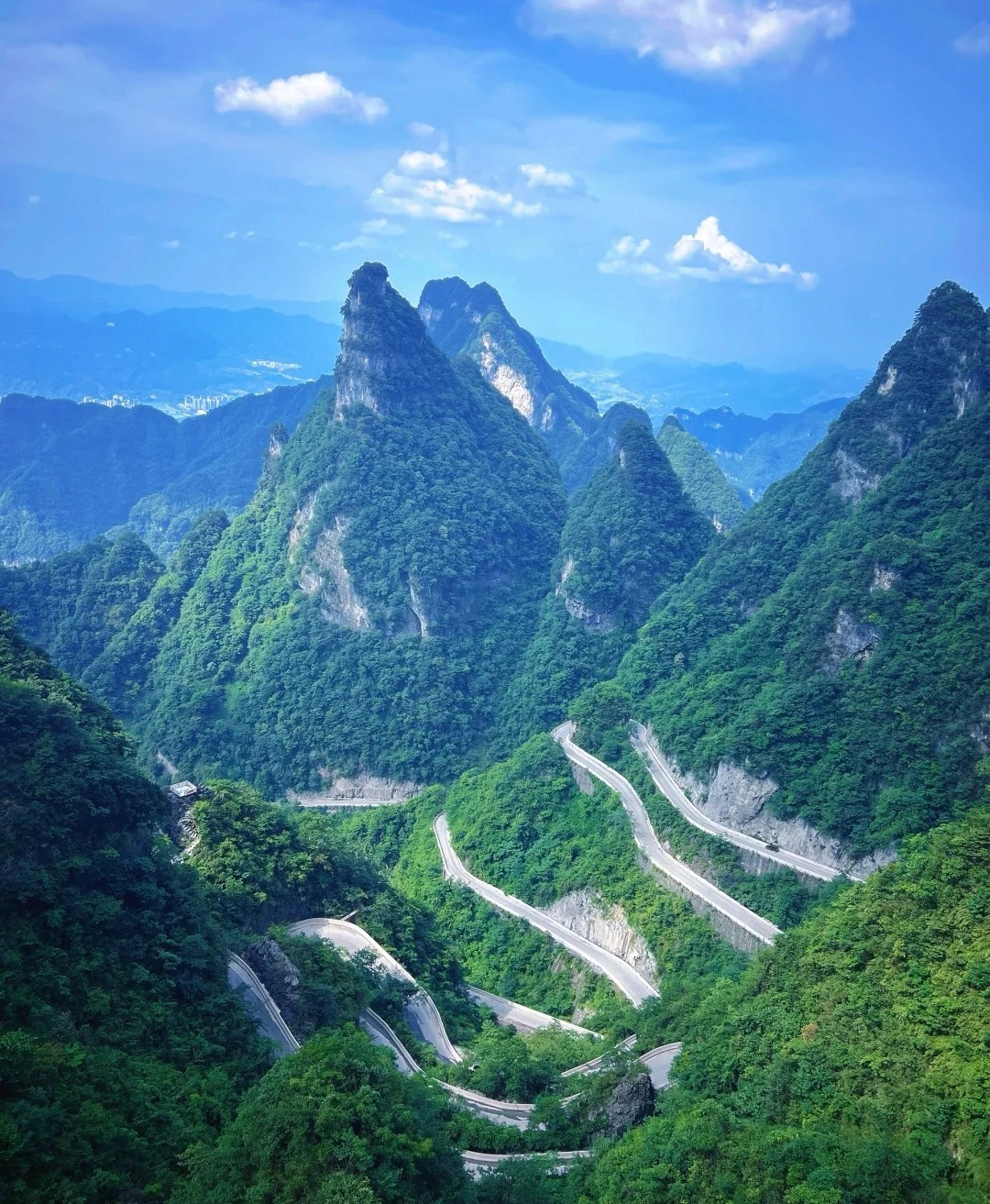
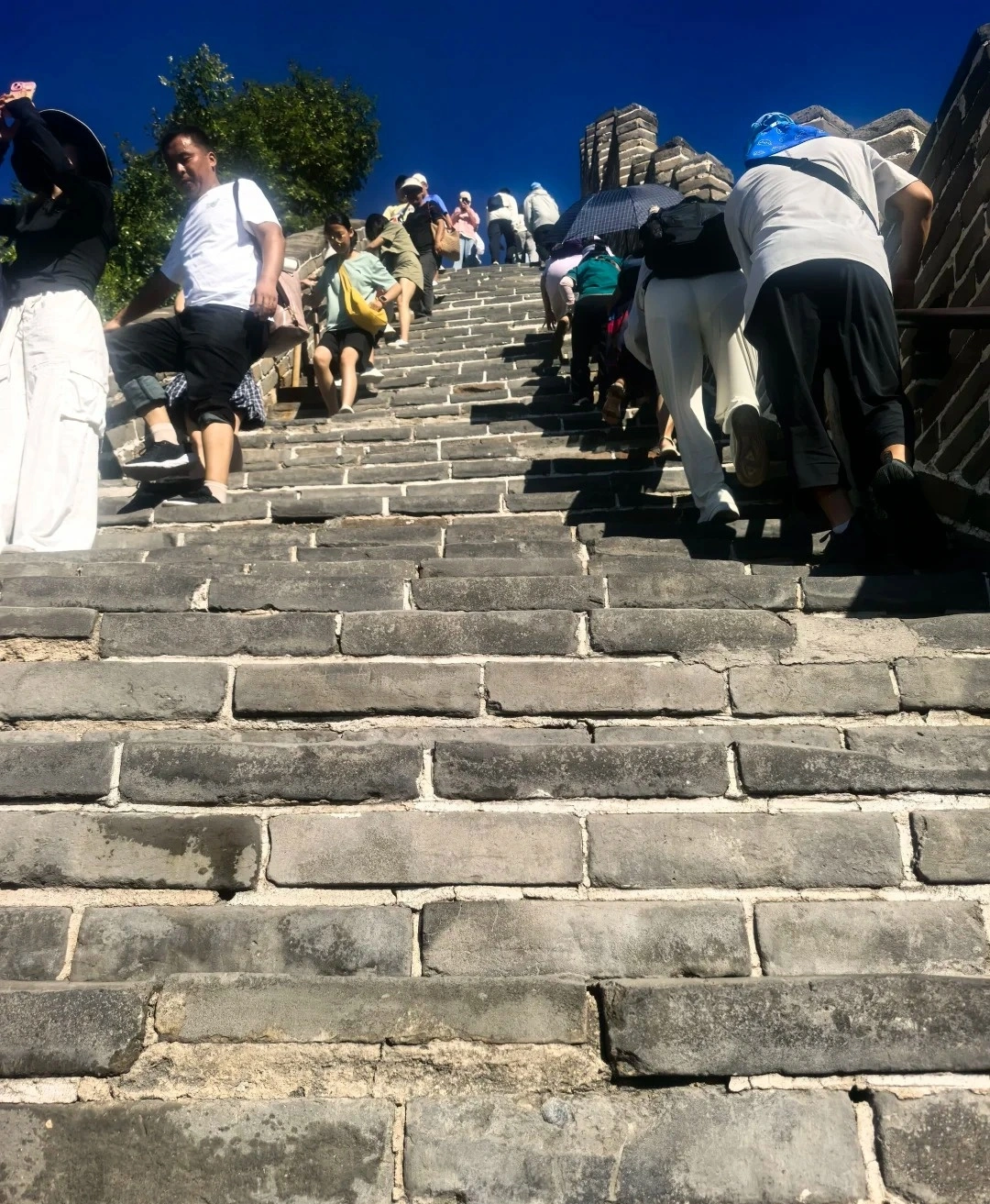
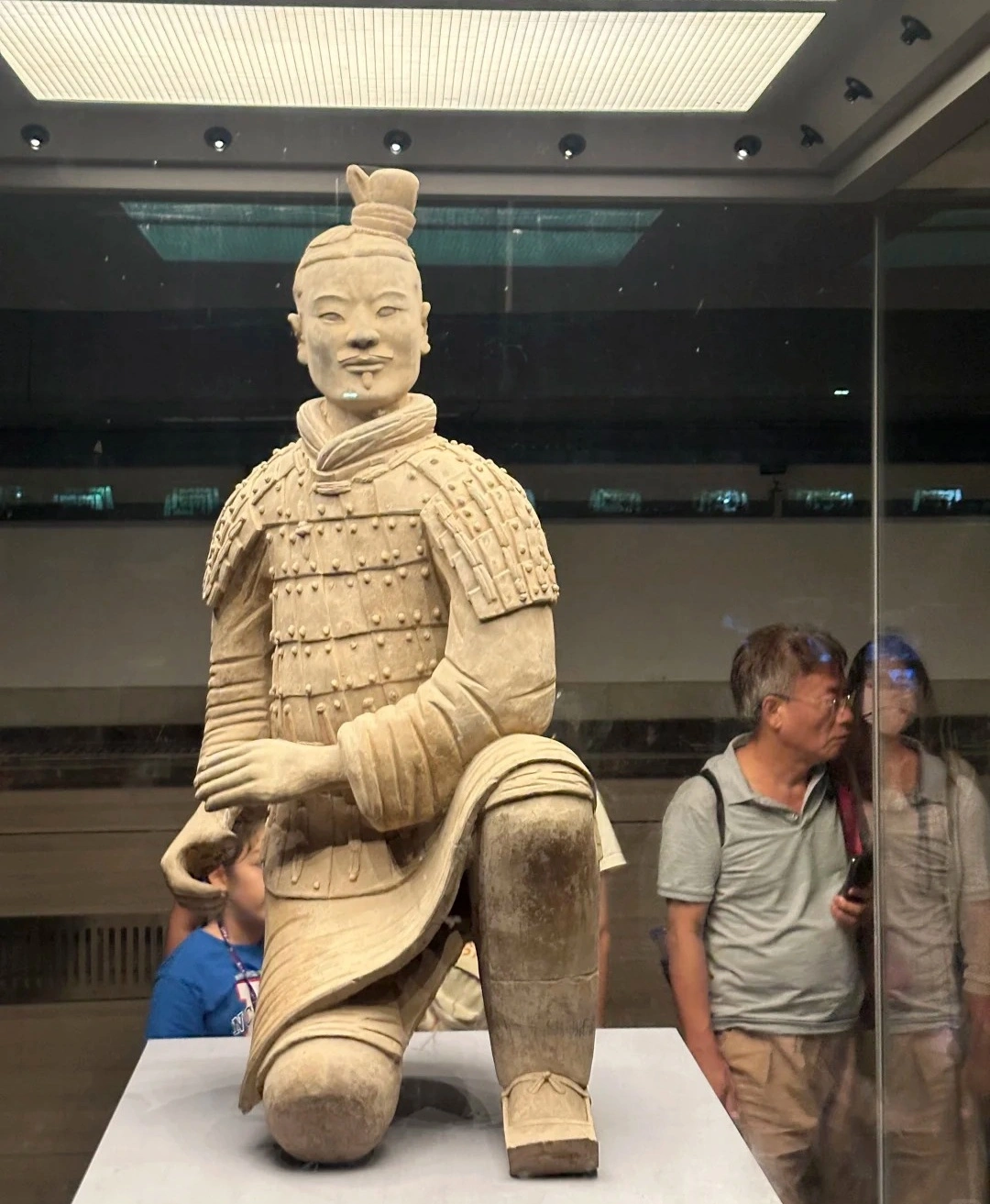
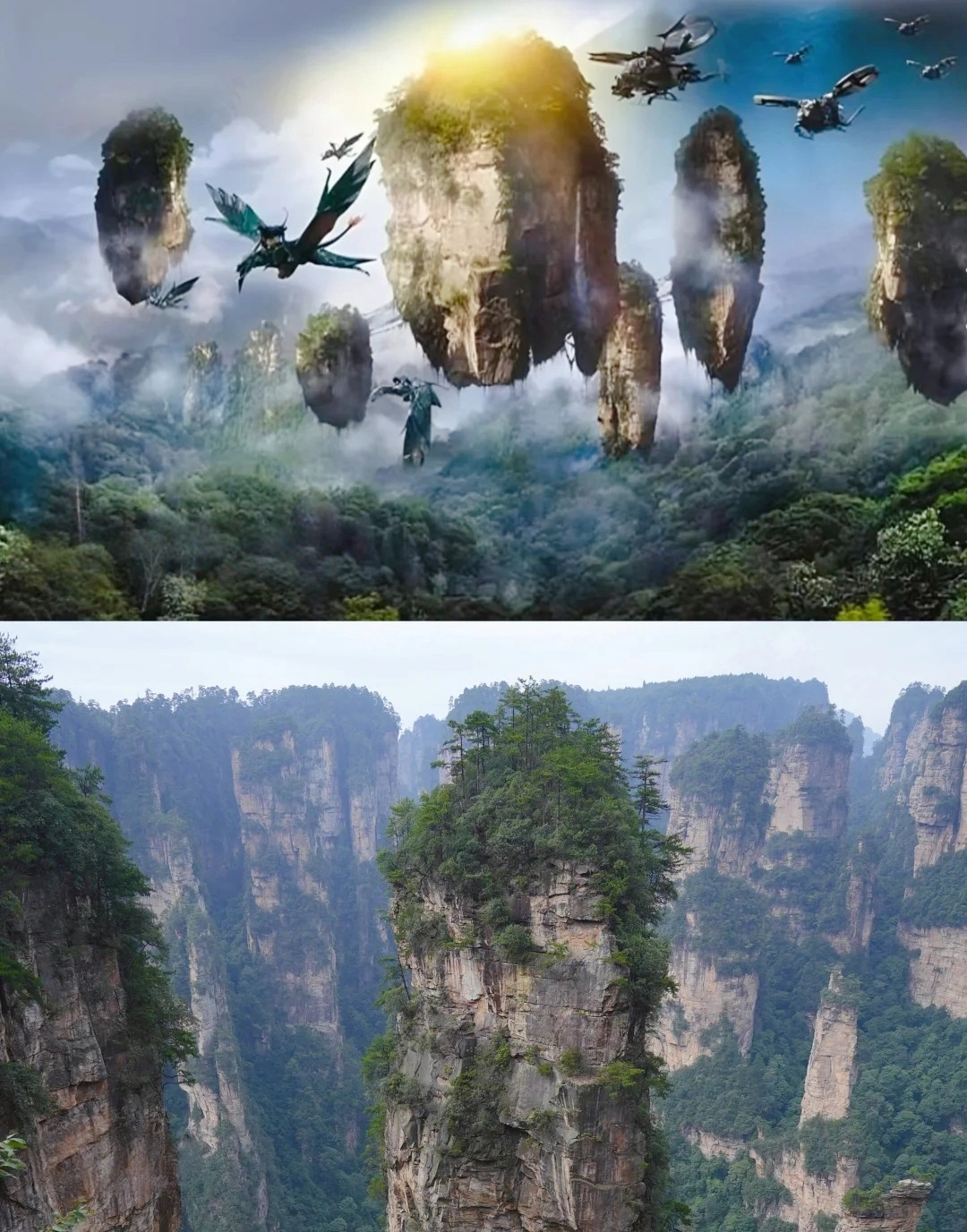
As a solo traveler from Canada, I was nervous about navigating China alone—but this 11-day tour was PERFECT! From hiking the Great Wall at sunrise (Day 3) to gasping at the Terracotta Army (Day 5), every day delivered ‘pinch-me’ moments. The real showstopper? Zhangjiajie’s Avatar Mountains (Day 7)! Our guide made the stone pillars come alive with stories. Massive thanks for handling all logistics—bullet train tickets, entry passes, car! And the 4-star hotels surprised me.
Destination(s): Beijing Xian Zhangjiajie Shanghai
Date of Experience: June 02,2025
... ... ...
...
Simon
America
Reviewed on May 29,2025
Our 2-day Zhangjiajie tour was beyond spectacular! As someone who’s visited Beijing and Shanghai for work, this trip revealed China’s wild, magical heart. Day 1 in Zhangjiajie National Forest Park felt like stepping onto Pandora—I’m a huge Avatar fan, and Yuanjiajie’s floating peaks left me breathless. The misty pillars and lush valleys like pure movie magic! Then came Fenghuang Ancient Town, we eat dinner beside the thundering waterfall. It seems Unreal! The night views of stilt houses glowing over the river were straight from a fairy tale. For fellow Avatar lovers and adventure seekers: Don’t miss this bucket-list experience! 10/10 would return. A Well-Traveled Film Buff, May 2025
Destination(s): Zhangjiajie
Date of Experience: May 08,2025
... ...

Ask a Question

Question Summary (100 characters)
Details (optional) (2,000 characters)
Name
Country
Email