Architectural Treasures - Juxtaposition and Dialogue of Diverse Cultures
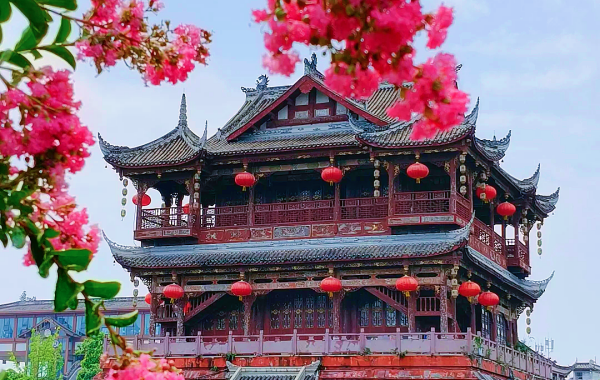
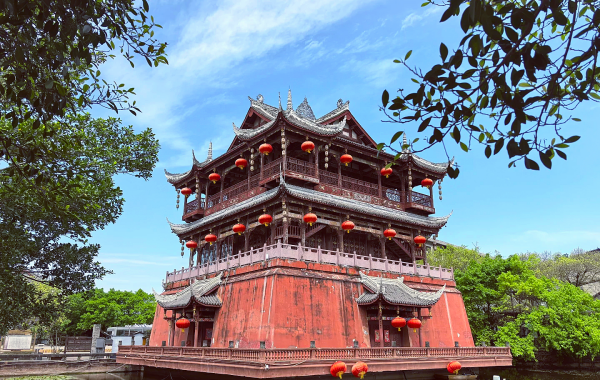
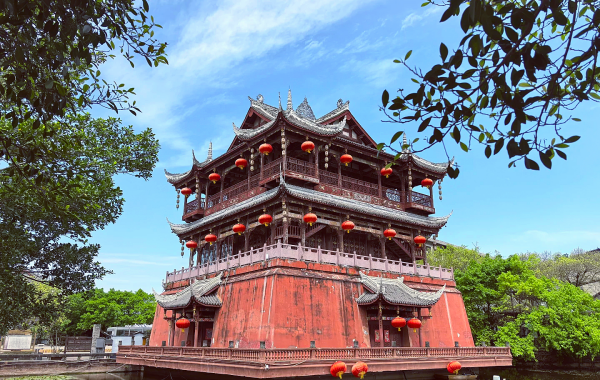
The texture of Luodai is a frozen symphony composed by architectural styles from Guangdong, Jiangxi, Hubei and Hunan, with its core being the four exquisite guild halls in the "one street and seven alleys" layout.
Clubhouse Complex: The "Circle of Friends" of Immigrant Society
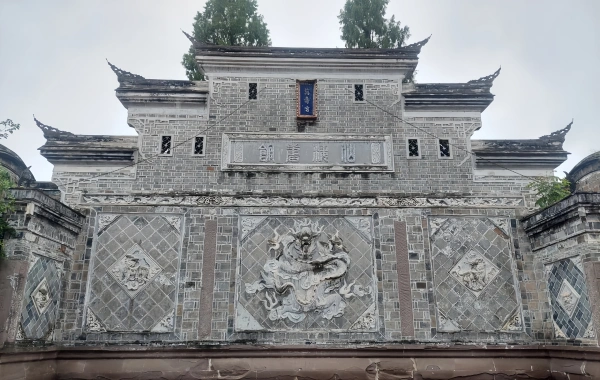
- Guangdong Guild Hall: The most magnificent and exquisite building in the ancient town, it is also one of the best-preserved and largest existing Hakka guild halls in China. Its wind and fire walls are towering, the stage is magnificent, and the wood and stone carvings are exquisite. The overall style reflects the refinement and vitality of Lingnan architecture. The museum houses a Hakka Culture museum and is the top choice for learning about the history of Hakka migration.
Jiangxi Guild Hall (Wanshou Palace) : Its style is simple and solemn, in contrast to the elaborate style of Guangdong Guild Hall. In the rear hall, there is a unique stage supported by two pillars, commonly known as the "suspended stage", which is ingeniously designed. Here, the characteristics of Gan-style architecture can be better reflected.
- Huguang Guild Hall (Yuwang Palace) : Grand in scale and spacious in halls, it showcases the strength of the immigrants from Huguang. The architectural style is more substantial and grand.
- North Sichuan Guild Hall: Originally located in the urban area of Chengdu, it was relocated here as a whole to protect historical buildings. It represents the local architectural style of Sichuan and shares the same street with other immigrant clubs, completing a dialogue that transcends time and space.
Unique Architecture: A Contemporary Echo of Hakka Culture
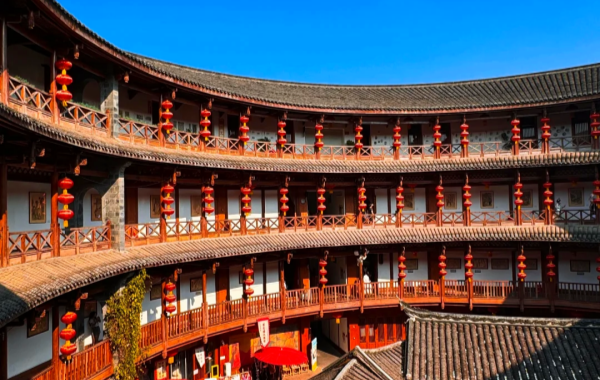
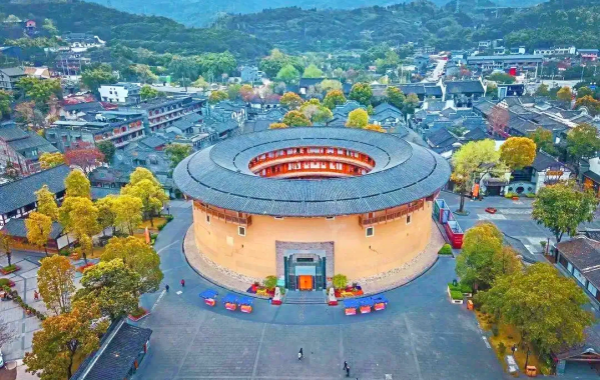
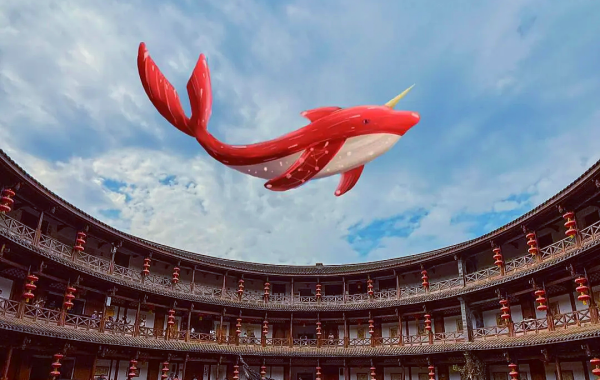
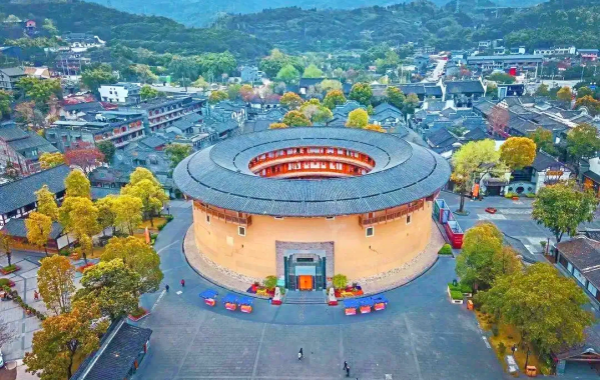
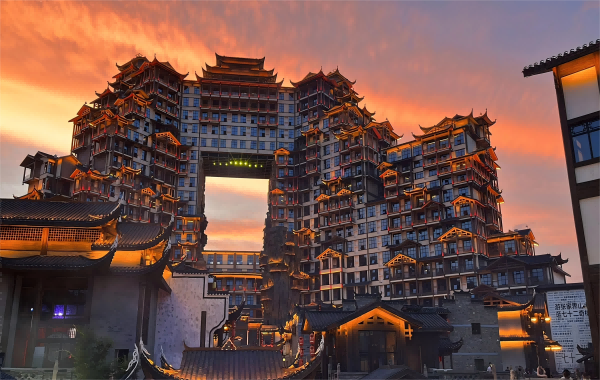
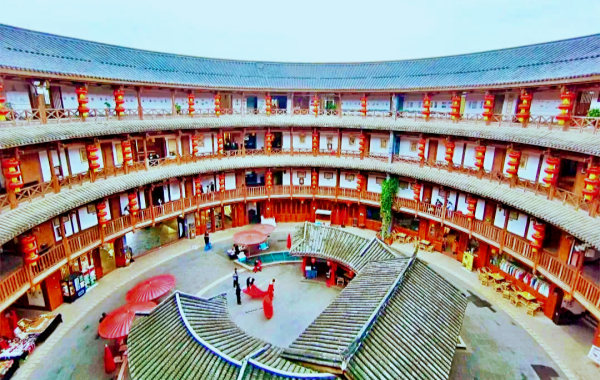
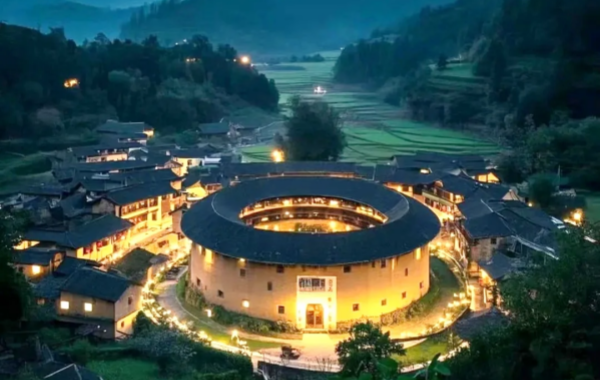
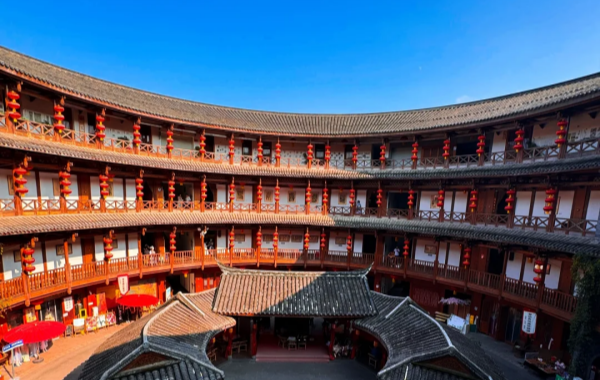
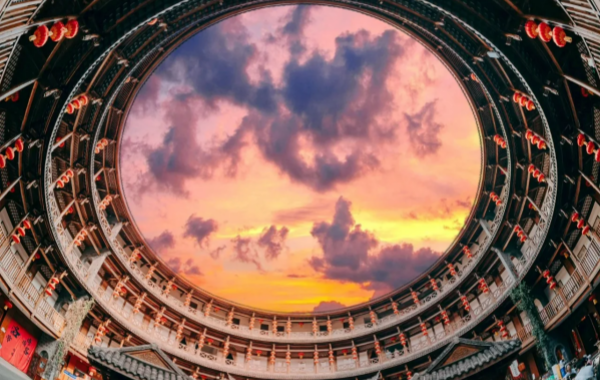
- Blog Building (Hakka Tulou) : Located beside the ancient town, it is a landmark new building in Luodai. It is not a historical relic but a newly-built cultural exhibition center imitating the style of the Tulou in Yongding, Fujian Province. Its unique circular architecture and huge volume stand out conspicuously in the western Sichuan Plain, making it a popular spot for learning about the architectural culture of Hakka Tulou and taking commemorative photos.
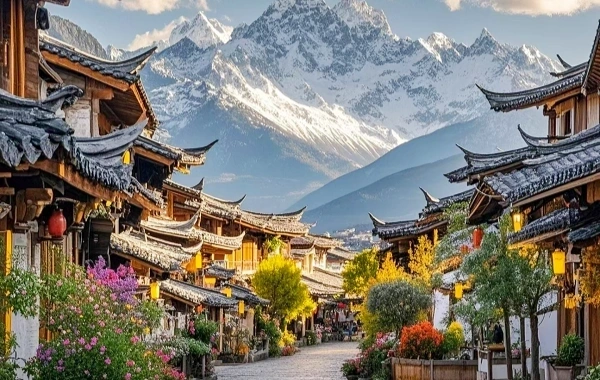
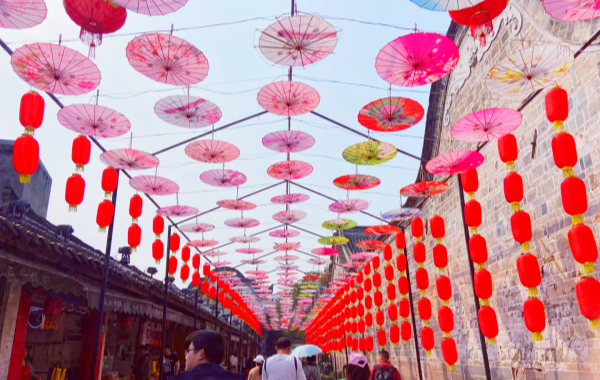
- Old Street and Residences: The core old street, "Upper and Lower Streets", is paved with bluestone slabs, flanked by wooden shops in the style of the Ming and Qing Dynasties. If you delve deeper into the "Seven Alleys" behind (such as North Alley and Fengyi Lane), you can see more simple Hakka residences and experience the urban life atmosphere of the ancient town.
Humanistic Craftsmanship - The Living Hakka Life
The dialects, festivals and daily life here are the true carriers of culture.
- Hakka Dialect Island: Surrounded by the Chengdu dialect, many residents in Luodai Ancient Town, especially the older generation, can still speak "Hakka" (locally known as "Native Cantonese") fluently. Walking on the street, the unique dialect you occasionally hear is the most direct proof that this place is a living fossil of culture.
- Hakka Folk festivals
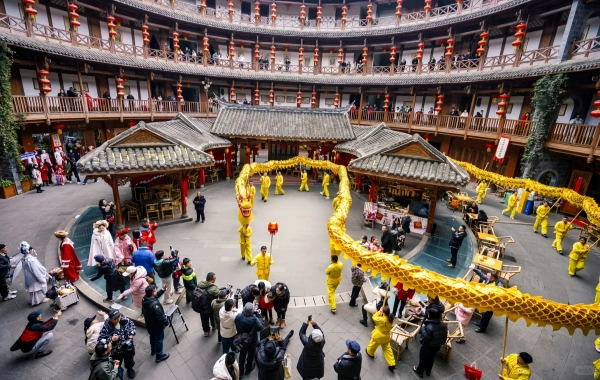
The Fire Dragon Festival: From the first to the fifteenth day of the first lunar month every year, especially during the Lantern Festival, the ancient town holds a stunning "burning Fire Dragon" performance. The dragon dancers, bare-chested, move and dance through the sparks of molten iron, creating a thrilling and lively scene. It is an important folk activity in Hakka culture for praying for blessings and good fortune.
The Water Dragon Festival: A festival evolved from the rain-praying ceremony held during the summer drought. People splash water on each other with water guns and basins to play, creating a cool and lively atmosphere.
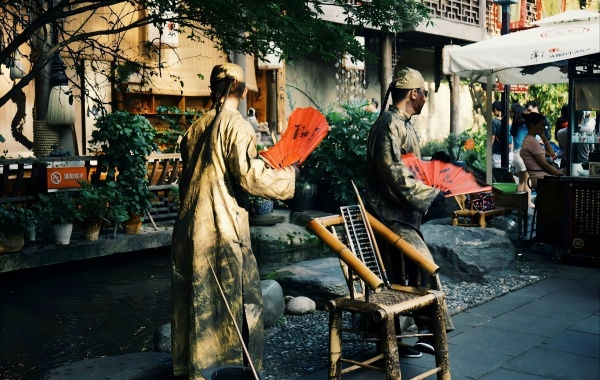
The living scenes in the old street: Local residents playing mahjong, drinking tea and chatting merrily coexist harmoniously with the continuous stream of tourists, forming a vivid picture of life in the ancient town.
Photography Secrets:
The interior and exterior of the Blog Building (Tulou) are ideal locations for capturing the symmetrical beauty of architecture and silhouettes of people.
The stage, wood carvings and firewalls in the Guangdong Guild Hall are suitable for photographing architectural details.
The arched Bridges and the depth of the streets in the old street are suitable for shooting street scenes with a lively atmosphere.
The festival period (especially the Fire Dragon Festival) is the golden time to shoot dynamic humanistic masterpieces, but safety should be noted and equipment protected.