
Echo Wall Temple of Heaven Beijing: A Sonorous Journey Through Imperial Sacred Geometry
Architectural Splendor: Sound, Symbolism, and Sacred Geometry
The Echo Wall, constructed in 1530 during the reign of Emperor Jiajing, encircles the Imperial Vault of Heaven (皇穹宇), a key structure within The Temple of Heaven’s ceremonial layout. Measuring 65 meters in diameter and 3.7 meters in height, the wall’s flawless circular design and precision-laid bricks create a natural sound channel. When a visitor whispers against the wall at the East or West Annex Halls, sound waves propagate along the curved surface, allowing a listener 60 meters away on the opposite side to hear every word with crystalline clarity—a phenomenon rooted in advanced acoustics centuries ahead of its time.
Beyond the Echo: Key Features
- Triple Sound Stones (三音石): Three engraved stones leading to the Imperial Vault produce distinct echoes—one, two, or three reverberations—depending on where a visitor stands. These stones symbolize harmony with celestial rhythms.
- Dialogue Stone (对话石): Located centrally in the courtyard, this stone enables two individuals to converse clearly across 30 meters, leveraging the wall’s sound-amplifying properties.
- Circular Mound Altar (圜丘坛): Adjacent to the Echo Wall, this three-tiered altar embodies the ancient Chinese worldview of "Heaven round, Earth square." Its concentric granite rings, numbering 9, symbolize the Emperor’s divine mandate—9 being the supreme number in Ming cosmology.
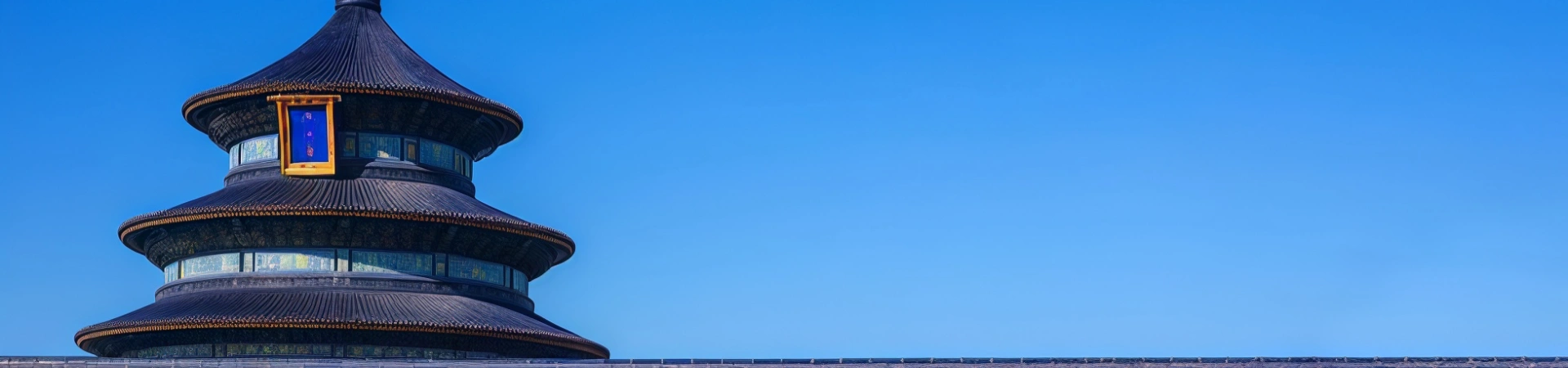
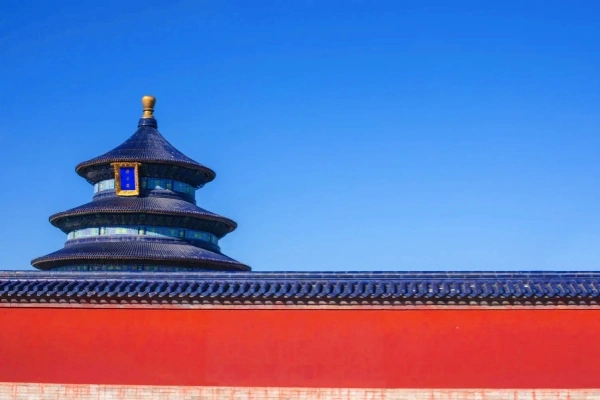
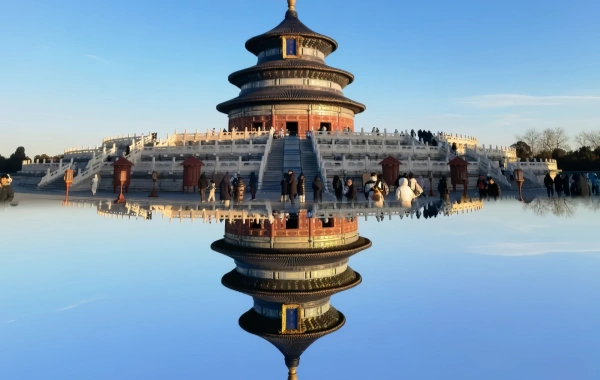
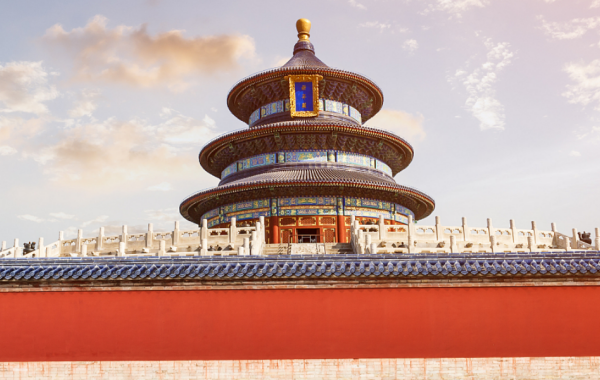
- Hall of Prayer for Good Harvests (祈年殿): The complex’s centerpiece, a triple-gabled wooden edifice with blue-tiled roofs, represents the unity of heaven, earth, and humanity.
Transportation Networks: Navigating the Imperial Sacred Space
Accessing the Temple of Heaven is straightforward via Beijing’s integrated transport system:
- Subway: Line 5 to Tiantan Dongmen Station (Exit A for East Gate) or Line 8 to Tianqiao Station (Exit C for West Gate).
- Bus Routes:
- South Gate (Tiantan Nanmen): Bus 36, 958, or Zhuan 202.
- West Gate (Tiantan Ximen): Bus 2, 7, 20, 36, 53, 72, 93, or 120.
- North Gate (Tiantan Beimen): Bus 6, 34, 35, 36, 72, or 106.
- Private Transfers: For seamless travel, hire a taxi or use ride-hailing apps like Didi. From central Beijing, the journey takes 15–25 minutes.
- Parking: Limited parking is available at each gate, but public transport is recommended during peak seasons.
Insider Tip: Arrive early (7:00–9:00 AM) to experience the park during morning exercises, when locals practice Tai Chi or martial arts amidst the serene atmosphere.
Ticket Strategies and Seasonal Access
The Temple of Heaven operates on a tiered pricing system:
- Admission Tickets:
- Peak Season (April–October): CNY 15 (adults), CNY 7.5 (students/seniors).
- Low Season (November–March): CNY 10 (adults), CNY 5 (students/seniors).
- Combined Tickets (Admission + Imperial Vault + Echo Wall + Circular Mound Altar):
- Peak Season: CNY 34.
- Low Season: CNY 28.
- Special Attractions:
- Hall of Prayer for Good Harvests: CNY 20 (peak), CNY 15 (low).
- Divine Music Administration: CNY 10.
- Palace of Abstinence: Free.
Booking Advice: Purchase tickets online via the official WeChat/Alipay mini-program or at on-site kiosks. Discounts apply for groups of 10+ and advance bookings.
Optimal Visiting Times: Climate, Crowds, and Cultural Rhythms
- Peak Season (April–May & September–October): Mild temperatures (18–25°C) and minimal rainfall make these months ideal for exploring the complex. Chinese holidays like National Day (October) draw crowds; book tickets weeks in advance.
- Shoulder Season (June & November): Transition months offer moderate crowds and cooler evenings. June marks the start of Beijing’s rainy season, while November features crisp autumn air.
- Low Season (July–August & December–March): Summer brings humidity and typhoon risks, while winter offers chilly but sunny days. Expect lower ticket prices and fewer tourists.
- Daily Best Times:
- Sunrise (6:00–7:00 AM): Capture misty vistas over the Hall of Prayer for Good Harvests.
- Late Afternoon (4:00–6:00 PM): Sunset illuminates the Echo Wall’s red walls in golden hues.
- Weekday Mornings: Avoid crowds by visiting mid-week.
Cultural Nuances and Practical Wisdom
- Etiquette: Dress modestly when entering sacred spaces. Remove hats and sunglasses in the Hall of Prayer.
- Sustainability: Avoid single-use plastics; refill stations are available near gates.
- Local Cuisine: Sample Beijing snacks like jianbing (savory crepes) at nearby Hutongs or enjoy a tea ceremony in the park’s shaded pavilions.
- Safety: Stay hydrated during summer; use sunscreen and hats. Winter visits require thermal layers.
Conclusion
The Echo Wall Temple of Heaven transcends mere architectural wonder—it embodies the Ming Dynasty’s fusion of science, spirituality, and artistry. By aligning visits with seasonal rhythms, leveraging efficient transport, and respecting cultural customs, travelers unlock not just a tour, but a pilgrimage to China’s celestial heritage. Whether deciphering ancient acoustics, tracing cosmic symbols, or simply basking in the serenity of a 500-year-old ritual space, the Temple of Heaven offers a timeless dialogue between humanity and the divine—a conversation whispered through walls, stones, and the winds of history.



Contact Us
What Our Clients Say?
Based on 10,000+ traveler reviews

Daniel Dorothea
Canada
Reviewed on April 29,2025
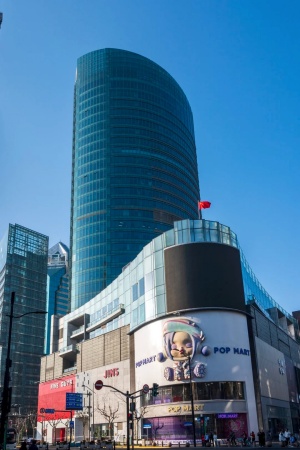
Shopping on Nanjing Road in Shanghai was just amazing! It's truly the "First Commercial Street of China", where tradition and modernity blend perfectly. You can find awesome souvenirs and experience the trendy vibes in cool stores. The neon lights at night are just spectacular, shining bright like Times Square in New York. The food here is incredible too. I had a feast for my taste buds. Shanghai, I'll definitely be back!
Destination(s):
Shanghai
Date of
Experience:
May 08,2024

Elvis Eva
Canada
Reviewed on June 20,2025
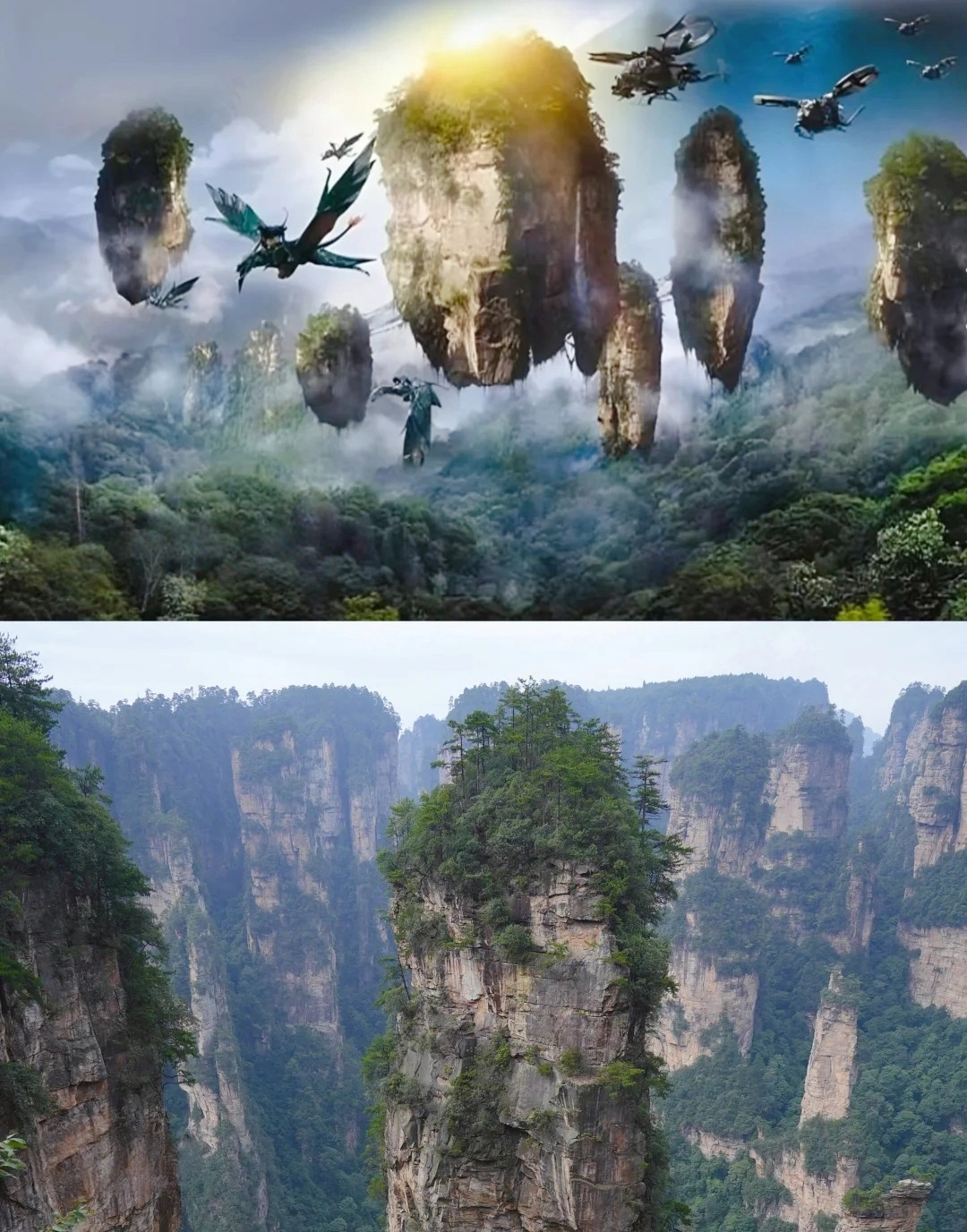
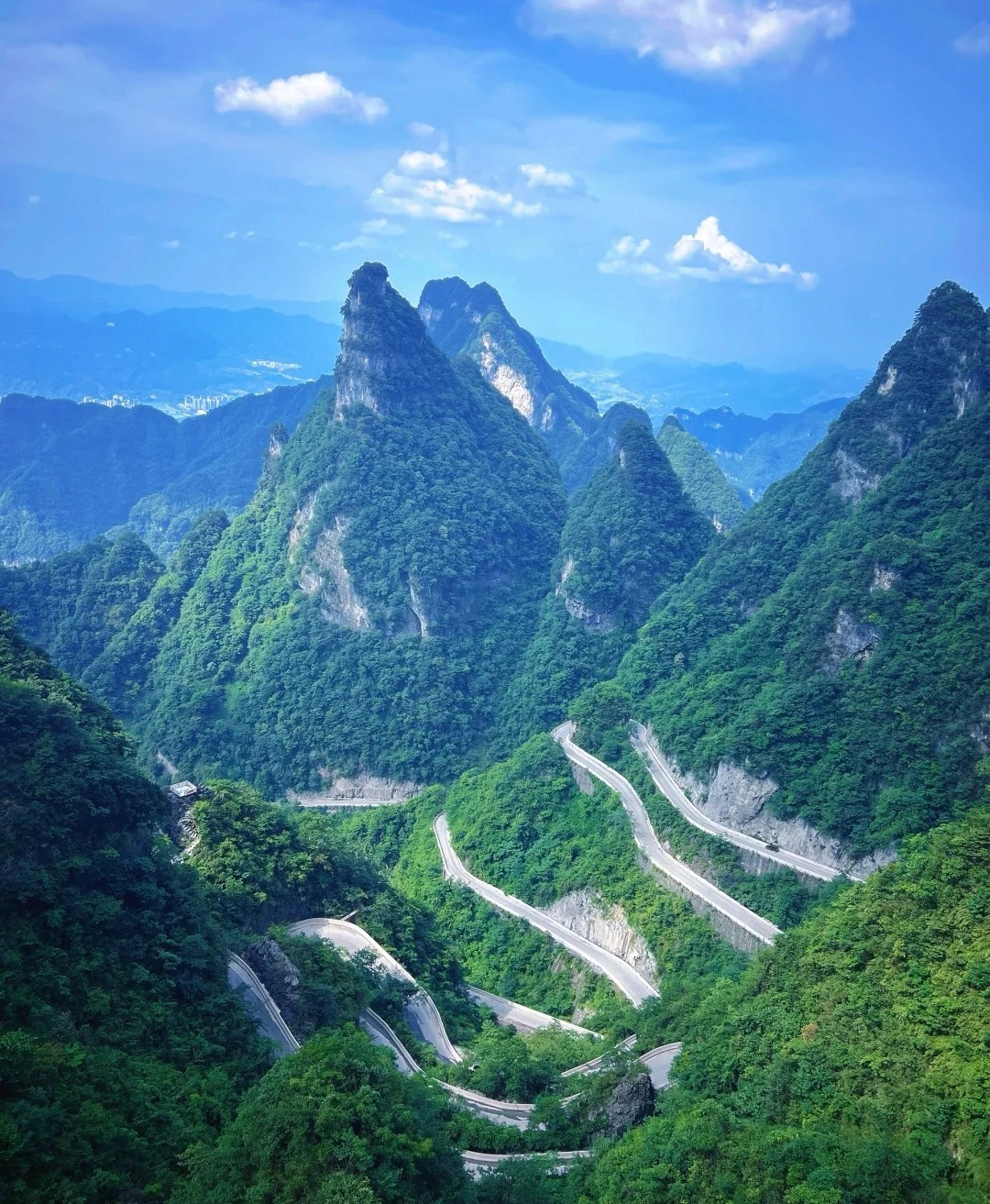
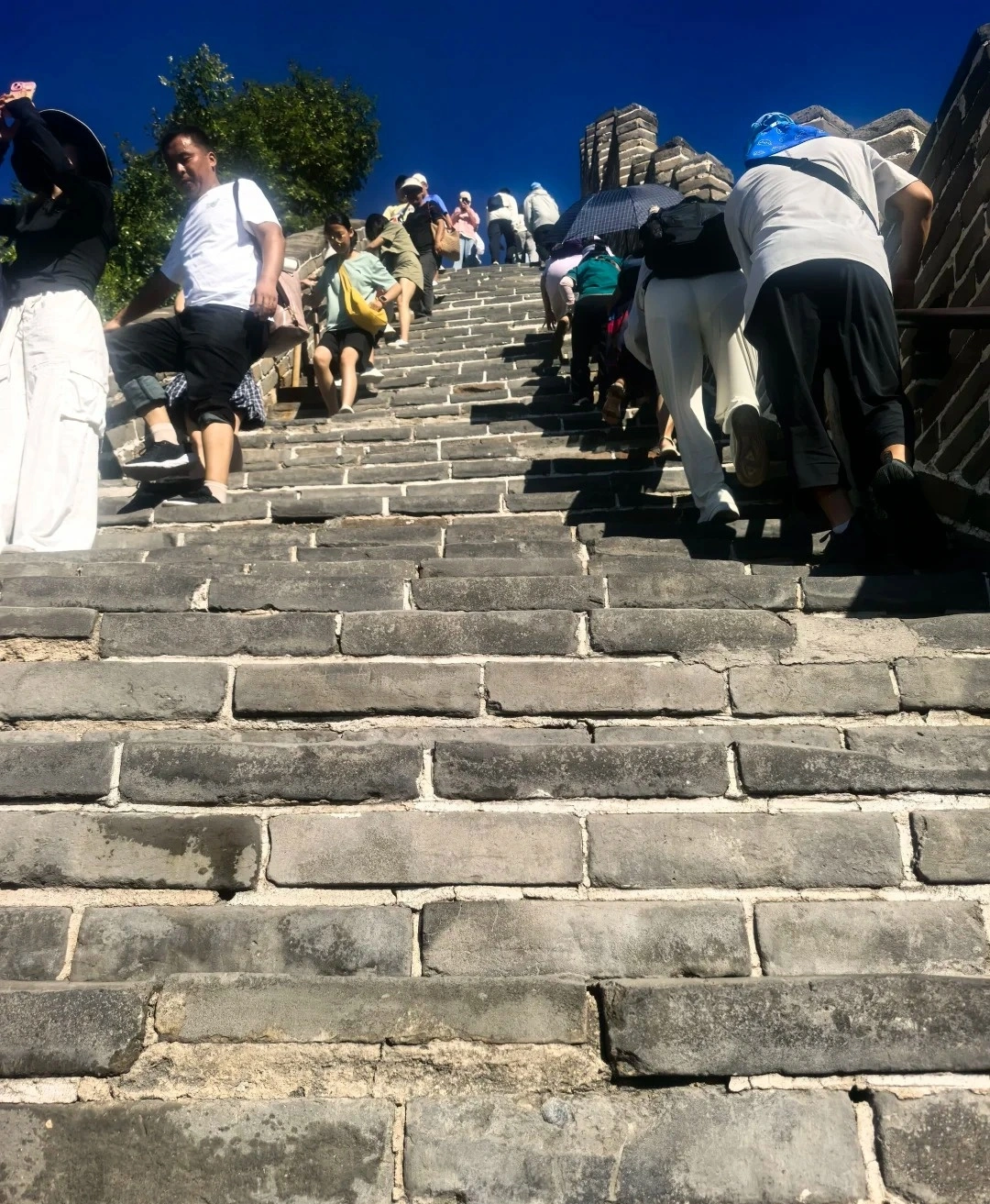
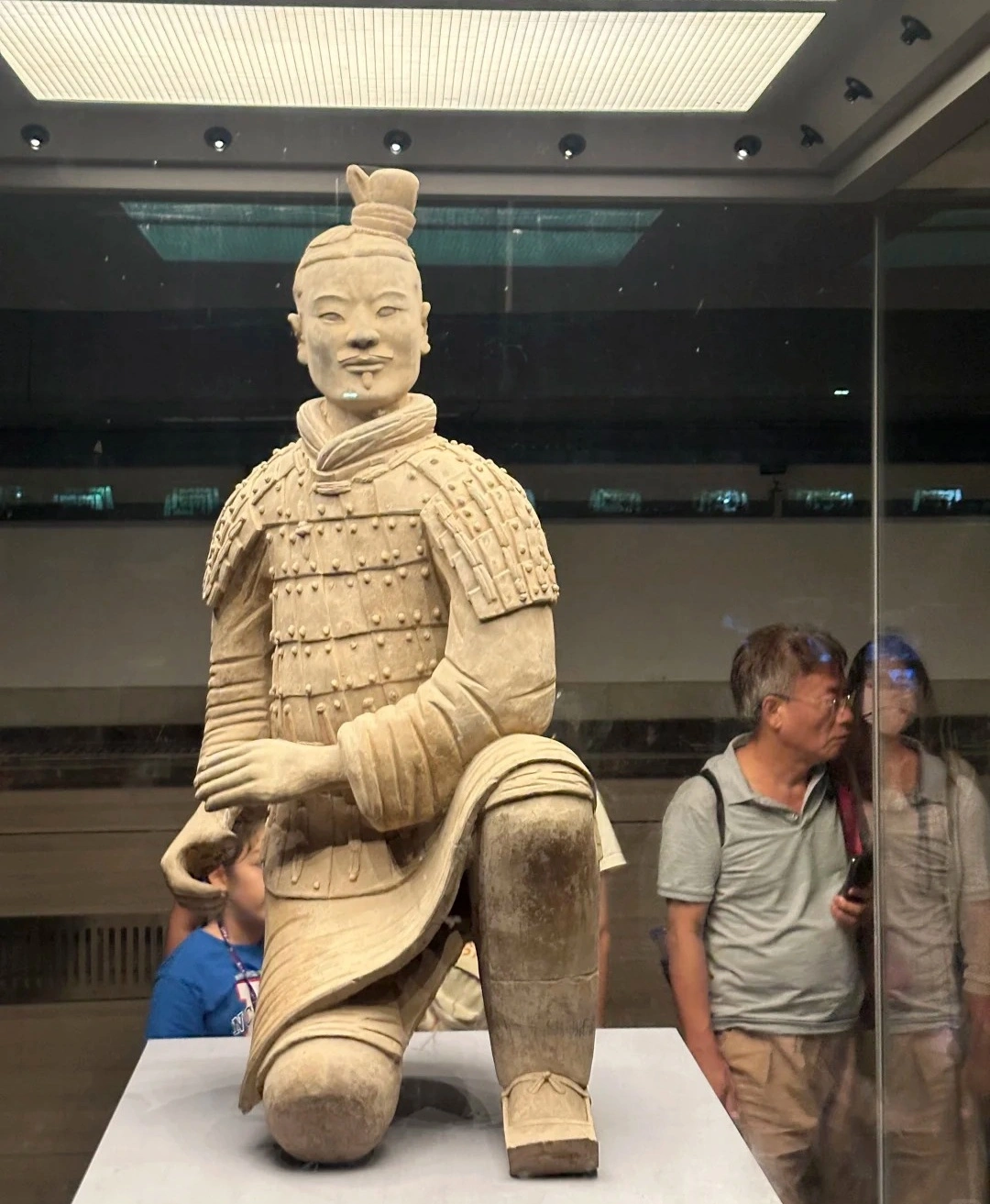
As a solo traveler from Canada, I was nervous about navigating China alone—but this 11-day tour was PERFECT! From hiking the Great Wall at sunrise (Day 3) to gasping at the Terracotta Army (Day 5), every day delivered ‘pinch-me’ moments. The real showstopper? Zhangjiajie’s Avatar Mountains (Day 7)! Our guide made the stone pillars come alive with stories.
Massive thanks for handling all logistics—bullet train tickets, entry passes, car! And the 4-star hotels surprised me.
Destination(s):
Beijing Xian Zhangjiajie Shanghai
Date of
Experience:
June 02,2025

Simon
America
Reviewed on May 29,2025
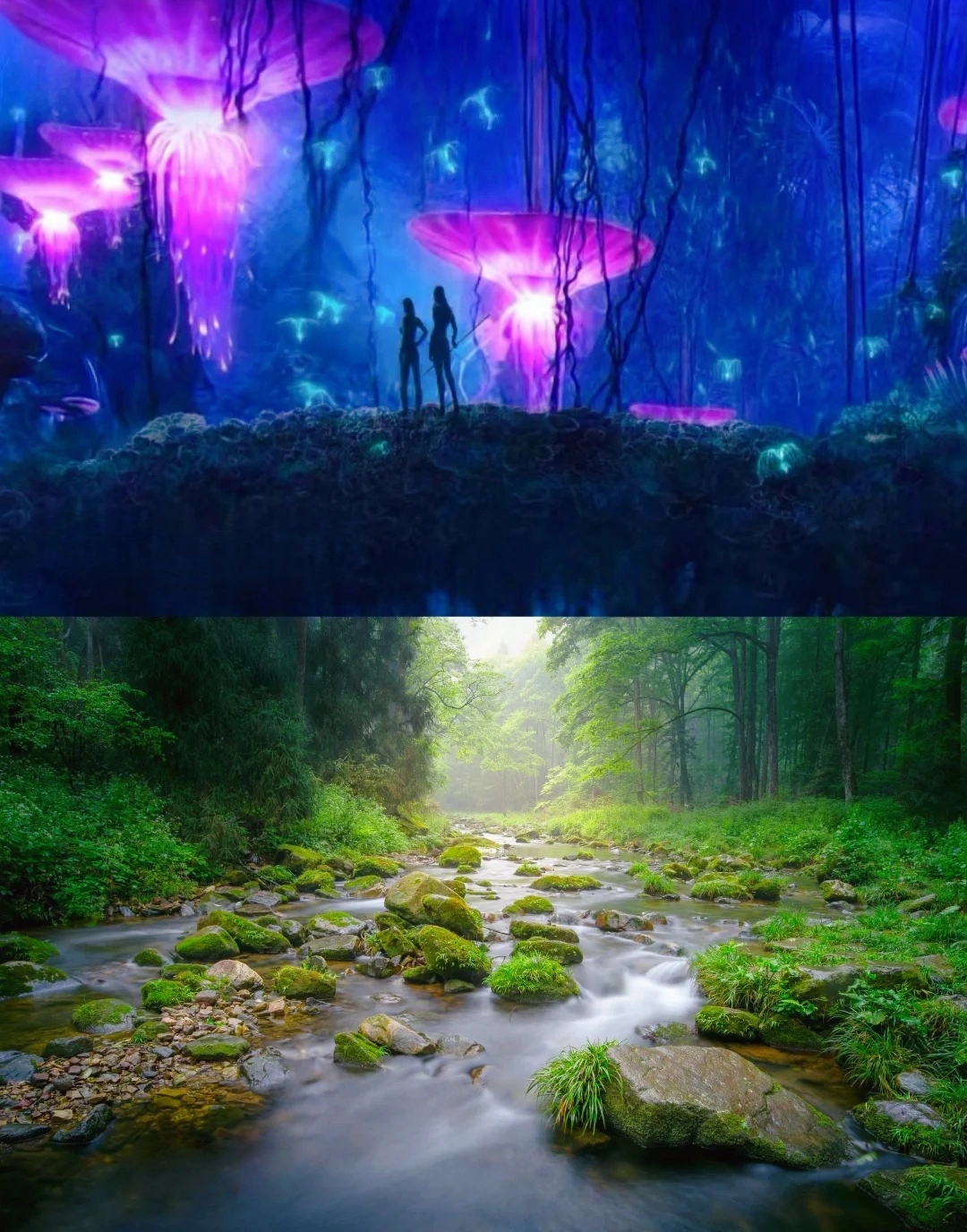
Our 2-day Zhangjiajie tour was beyond spectacular! As someone who’s visited Beijing and Shanghai for work, this trip revealed China’s wild, magical heart. Day 1 in Zhangjiajie National Forest Park felt like stepping onto Pandora—I’m a huge Avatar fan, and Yuanjiajie’s floating peaks left me breathless. The misty pillars and lush valleys like pure movie magic!
Then came Fenghuang Ancient Town, we eat dinner beside the thundering waterfall. It seems Unreal! The night views of stilt houses glowing over the river were straight from a fairy tale.
For fellow Avatar lovers and adventure seekers: Don’t miss this bucket-list experience! 10/10 would return.
A Well-Traveled Film Buff, May 2025
Destination(s):
Zhangjiajie
Date of
Experience:
May 08,2025