
Strolling Through Pingyao’s Ming-Qing Street: A Journey of Handmade Wonders
Nestled within the Ancient City walls of Pingyao—a UNESCO World Heritage Site in Shanxi Province—the Ming-Qing Street (明清街, Míng-Qīng Jiē) is a living museum of China’s commercial and cultural history. Dating back to the Ming (1368–1644) and Qing (1644–1912) dynasties, this cobblestone thoroughfare once thrived as the financial heart of northern China. Today, it blends historical charm with vibrant artisanal traditions, offering visitors a chance to step back in time while engaging in hands-on crafts. This article recounts my leisurely exploration of Ming-Qing Street, where every step reveals stories etched in wood, paper, and clay.
I. The Street: A Time Capsule of Commerce and Culture
1. Historical Context
Pingyao’s Ming-Qing Street spans 1.5 kilometers, lined with over 70 well-preserved shops, courtyards, and temples. During the Qing Dynasty, it housed China’s first banks (piaohao, 票号), such as the Rishengchang Exchange Shop, which revolutionized global finance. The street’s architecture—with its grey-brick facades, carved wooden eaves, and stone archways—reflects the prosperity of its heyday.
2. Modern Revival
While the street retains its historical aura, it has evolved into a cultural hub. Traditional shops now coexist with workshops where artisans practice centuries-old crafts. Visitors can wander past lantern-lit storefronts selling handmade goods, from intricate paper cuttings to Lacquerware, all while savoring local snacks like pingyao beef (平遥牛肉) and youtiao (fried dough sticks).
II. Handmade Adventures: From Observation to Creation
1. Paper Cutting: The Art of Delicate Precision
Workshop: “Xu Family Paper Arts”
My first stop was a cozy studio tucked behind a red lantern-adorned archway. Here, Master Xu, a sixth-generation paper-cutting artisan, demonstrated the craft’s intricacies. Using small scissors or knives, he transformed red paper into elaborate designs: peonies symbolizing prosperity, magpies for joy, and the Chinese character “福” (fú, meaning “blessing”).
Hands-On Experience
After observing, I tried my hand at a simple design—a lotus flower. Master Xu guided me: “Cut slowly, let the paper guide you. Mistakes are part of the art.” Though my first attempt resembled a crumpled leaf, he praised my effort and gifted me a framed paper-cut to take home.
Cultural Insight
Paper cutting, dating back 1,500 years, was traditionally used for Festivals and weddings. In Pingyao, it’s believed to ward off evil spirits. The red paper, symbolizing luck, contrasts with the grey streets, creating a visual dialogue between tradition and modernity.
2. Pottery Making: Molding History with Clay
Workshop: “Ancient Kiln Pottery Studio”
Next, I visited a pottery workshop housed in a repurposed Qing Dynasty courtyard. The air smelled of earthy clay, and shelves displayed jars, teapots, and figurines glazed in blues and greens reminiscent of Ming Porcelain.
Hands-On Experience
Under the tutelage of Ms. Li, a potter with 20 years of experience, I shaped a small teacup on a spinning wheel. “Feel the clay’s resistance,” she advised. “Let it flow through your fingers.” My cup, though lopsided, bore the charm of imperfection. After painting it with cobalt blue designs (a nod to Ming aesthetics), it was fired in a wood-burning kiln.
Cultural Insight
Pingyao’s pottery tradition dates to the Tang Dynasty (618–907 CE). The region’s yellow clay, prized for its durability, was once used to make storage jars for traveling merchants. Today, artisans blend ancient techniques with modern designs, appealing to both collectors and tourists.
3. Calligraphy: The Dance of Brush and Ink
Workshop: “Ink Pavilion Studio”
At the street’s end, I found a calligraphy studio where bamboo brushes, inkstones, and rice paper adorned wooden tables. Mr. Wang, a retired schoolteacher turned calligrapher, demonstrated the “Eight Strokes” (*永字八法, Yǒng Zì Bā Fǎ)—the foundational techniques for writing Chinese characters.
Hands-On Experience
I attempted to write “和” (hé, meaning “harmony”), a character central to Confucian philosophy. Mr. Wang corrected my grip: “Press lightly for thin lines, heavier for bold strokes.” My version resembled a spider’s scribble, but he laughed warmly: “Calligraphy is meditation. The beauty lies in the journey, not the destination.”
Cultural Insight
Calligraphy has been revered in China for over 2,000 years as both an art form and a moral discipline. In Pingyao, scholars once gathered in teahouses to practice, believing that elegant brushwork reflected a refined soul.
III. The Market: A Feast for the Senses
As dusk fell, Ming-Qing Street transformed into a bustling bazaar. Vendors sold:
- Handmade Lanterns: Silk lanterns painted with dragons and phoenixes.
- Herbal Teas: Local blends of chrysanthemum and goji berries.
- Embroidered Shoes: Soft-soled cloth shoes stitched with floral patterns.
I paused at a stall selling “shadow-play” leather figurines, used in traditional puppetry. The artisan, a silver-haired grandmother, sang folk tales as she manipulated the puppets behind a white screen.
IV. Reflections: The Soul of Handmade Craft
What struck me most was the artisans’ dedication. Unlike mass-produced goods, each item on Ming-Qing Street carried a story—a family’s legacy, a technique perfected over generations. In an era of instant gratification, the slow, deliberate process of handmaking felt like a rebellion against haste.
Visitor Quotes
- “I bought a paper-cut for my daughter. She’ll frame it and remember this day forever.” — Mr. Chen, Guangzhou
- “Making pottery here was therapeutic. I forgot my phone existed.” — Ms. Park, Seoul
V. Practical Guide for Travelers
- Location: Central Pingyao Ancient City (accessible via the South Gate).
- Best Time to Visit: Early morning (9–11 AM) or late afternoon (4–6 PM) to avoid crowds.
- Workshop Costs:
- Paper cutting: 80–150 RMB (includes materials and a framed piece).
- Pottery making: 120–200 RMB (includes firing and shipping).
- Calligraphy: 60–100 RMB (includes brush, ink, and paper).
- Local Eats: Try “wotou” (steamed corn bread) and “dao xiao mian” (knife-cut noodles) at street-side stalls.
Conclusion: Where History Meets Hands
Walking Ming-Qing Street is like flipping through a living album of China’s past. The cobblestones have witnessed empires rise and fall, yet the spirit of creativity endures. Whether you’re a seasoned traveler or a curious soul, the street invites you to slow down, create, and connect—not just with art, but with the people who keep tradition alive.
“In the rush of modern life, take a moment to craft something with your hands. The world will wait.” — A lesson learned on Pingyao’s Ming-Qing Street.
Contact Us
What Our Clients Say?
Based on 10,000+ traveler reviews

Daniel Dorothea
Canada
Reviewed on April 29,2025
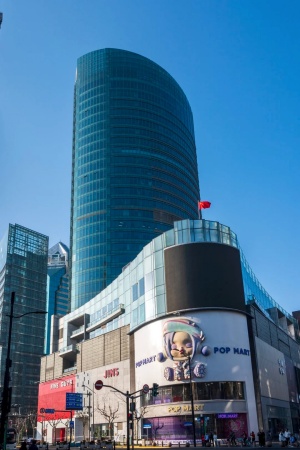
Shopping on Nanjing Road in Shanghai was just amazing! It's truly the "First Commercial Street of China", where tradition and modernity blend perfectly. You can find awesome souvenirs and experience the trendy vibes in cool stores. The neon lights at night are just spectacular, shining bright like Times Square in New York. The food here is incredible too. I had a feast for my taste buds. Shanghai, I'll definitely be back!
Destination(s):
Shanghai
Date of
Experience:
May 08,2024

Elvis Eva
Canada
Reviewed on June 20,2025
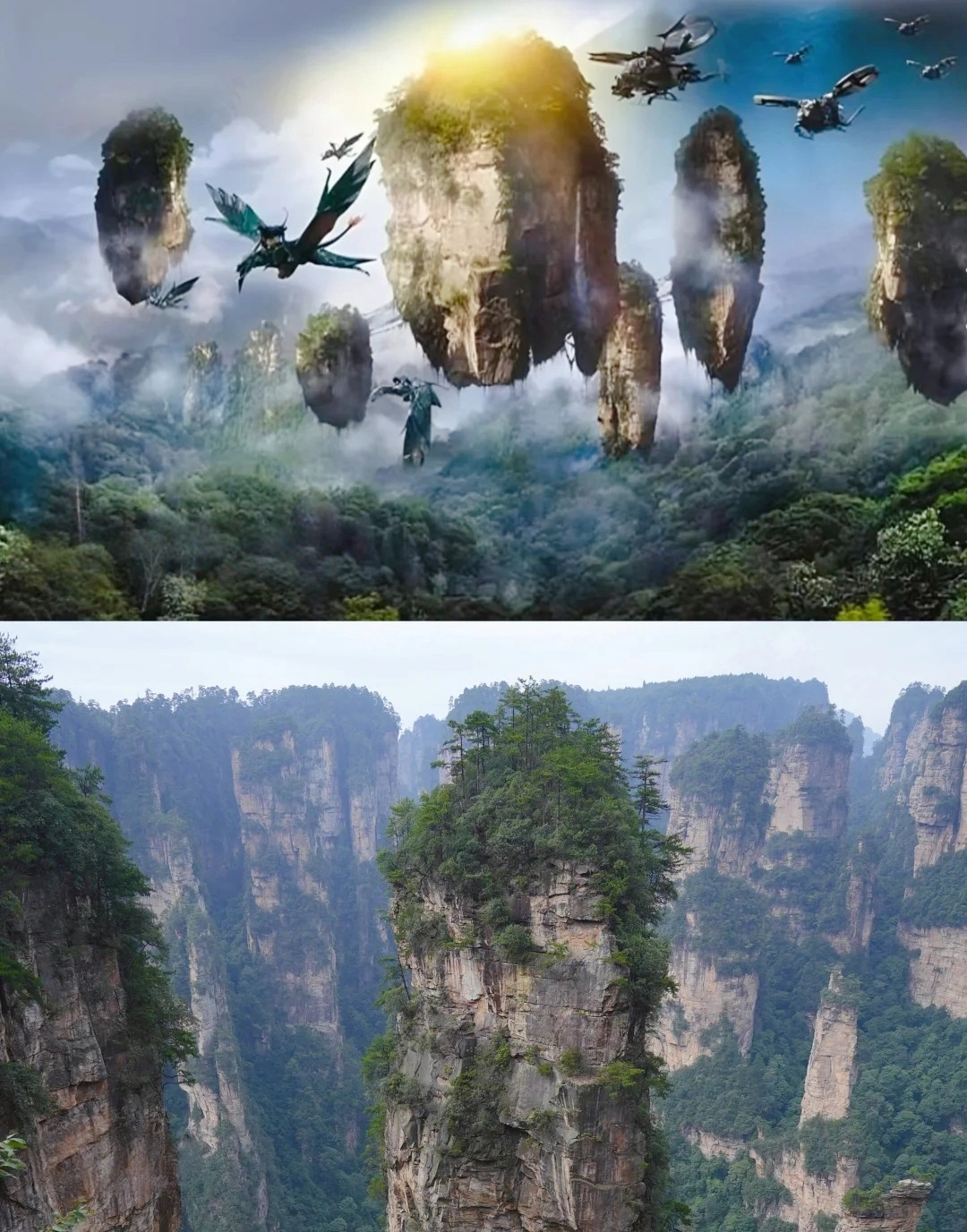
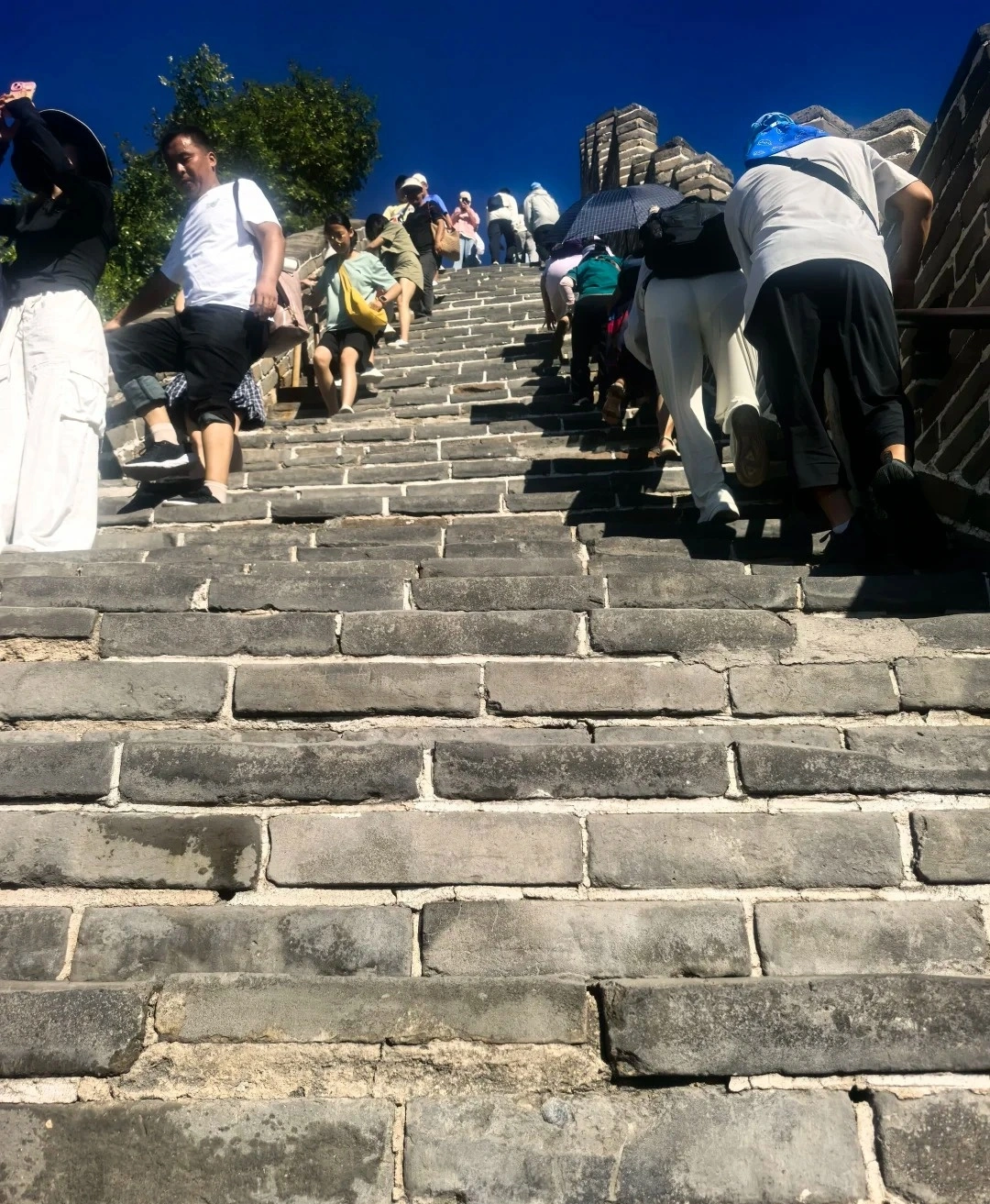
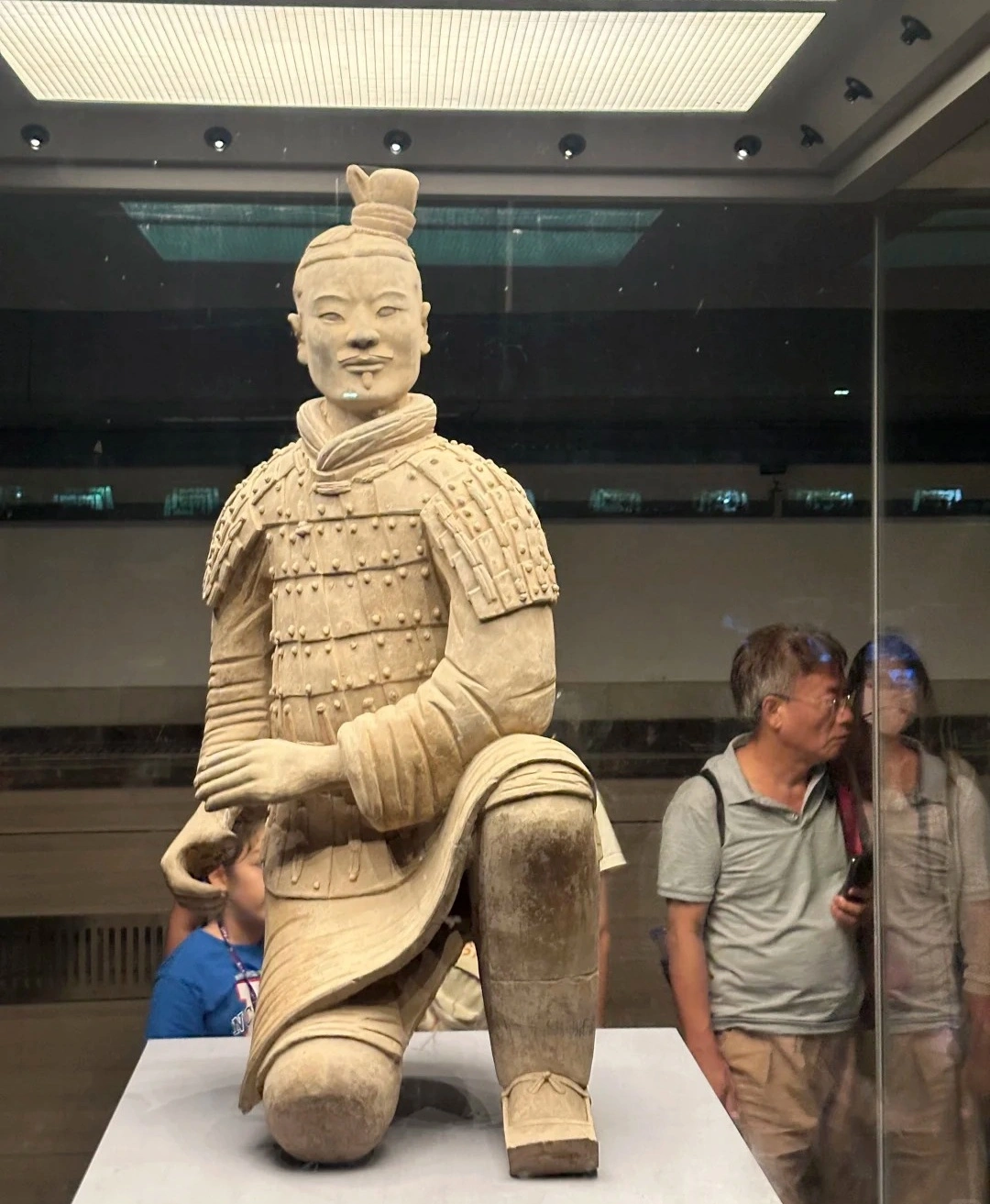
As a solo traveler from Canada, I was nervous about navigating China alone—but this 11-day tour was PERFECT! From hiking the Great Wall at sunrise (Day 3) to gasping at the Terracotta Army (Day 5), every day delivered ‘pinch-me’ moments. The real showstopper? Zhangjiajie’s Avatar Mountains (Day 7)! Our guide made the stone pillars come alive with stories.
Massive thanks for handling all logistics—bullet train tickets, entry passes, car! And the 4-star hotels surprised me.
Destination(s):
Beijing Xian Zhangjiajie Shanghai
Date of
Experience:
June 02,2025


Simon
America
Reviewed on May 29,2025
Our 2-day Zhangjiajie tour was beyond spectacular! As someone who’s visited Beijing and Shanghai for work, this trip revealed China’s wild, magical heart. Day 1 in Zhangjiajie National Forest Park felt like stepping onto Pandora—I’m a huge Avatar fan, and Yuanjiajie’s floating peaks left me breathless. The misty pillars and lush valleys like pure movie magic!
Then came Fenghuang Ancient Town, we eat dinner beside the thundering waterfall. It seems Unreal! The night views of stilt houses glowing over the river were straight from a fairy tale.
For fellow Avatar lovers and adventure seekers: Don’t miss this bucket-list experience! 10/10 would return.
A Well-Traveled Film Buff, May 2025
Destination(s):
Zhangjiajie
Date of
Experience:
May 08,2025