
A Traveler’s Awe: Navigating Chongqing’s Mind-Blowing Transport System—Why You Need to See It Yourself!
1. Arrival in Chongqing: First Impressions of the “3D Magic City”
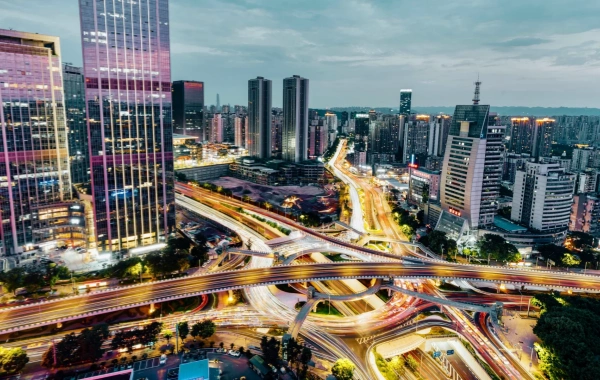
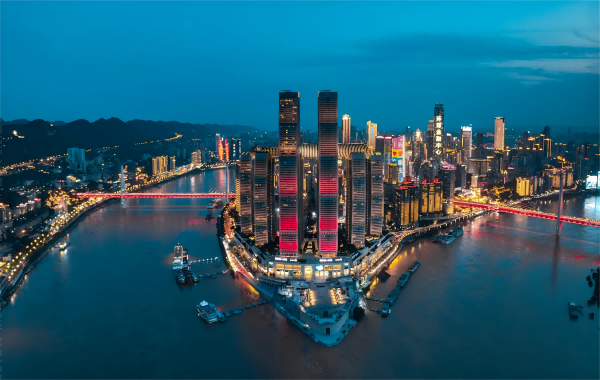
As my plane descended over Chongqing, I braced myself for the urban labyrinth I’d heard so much about. Known as China’s “3D Magic City” for its dramatic hills, rivers, and skyscrapers, Chongqing’s geography alone promises chaos. But nothing prepared me for its transport system—a symphony of bridges, monorails, escalators, and cable cars that defies logic.
Stepping out of Jiangbei International Airport, I was hit by the humid air and the roar of traffic. My hotel was in Yuzhong District, a 20-minute drive away… or so I thought. The driver weaved through elevated highways that spiraled like rollercoasters, past neon-lit skyscrapers jutting out of cliffs. “This isn’t a city,” I muttered. “It’s a vertical theme park.”
Why visit? Chongqing’s transport isn’t just functional—it’s a spectacle. Every ride feels like a scene from a sci-fi movie.
2. The Monorail That Dances Through Buildings: Lianglukou Station
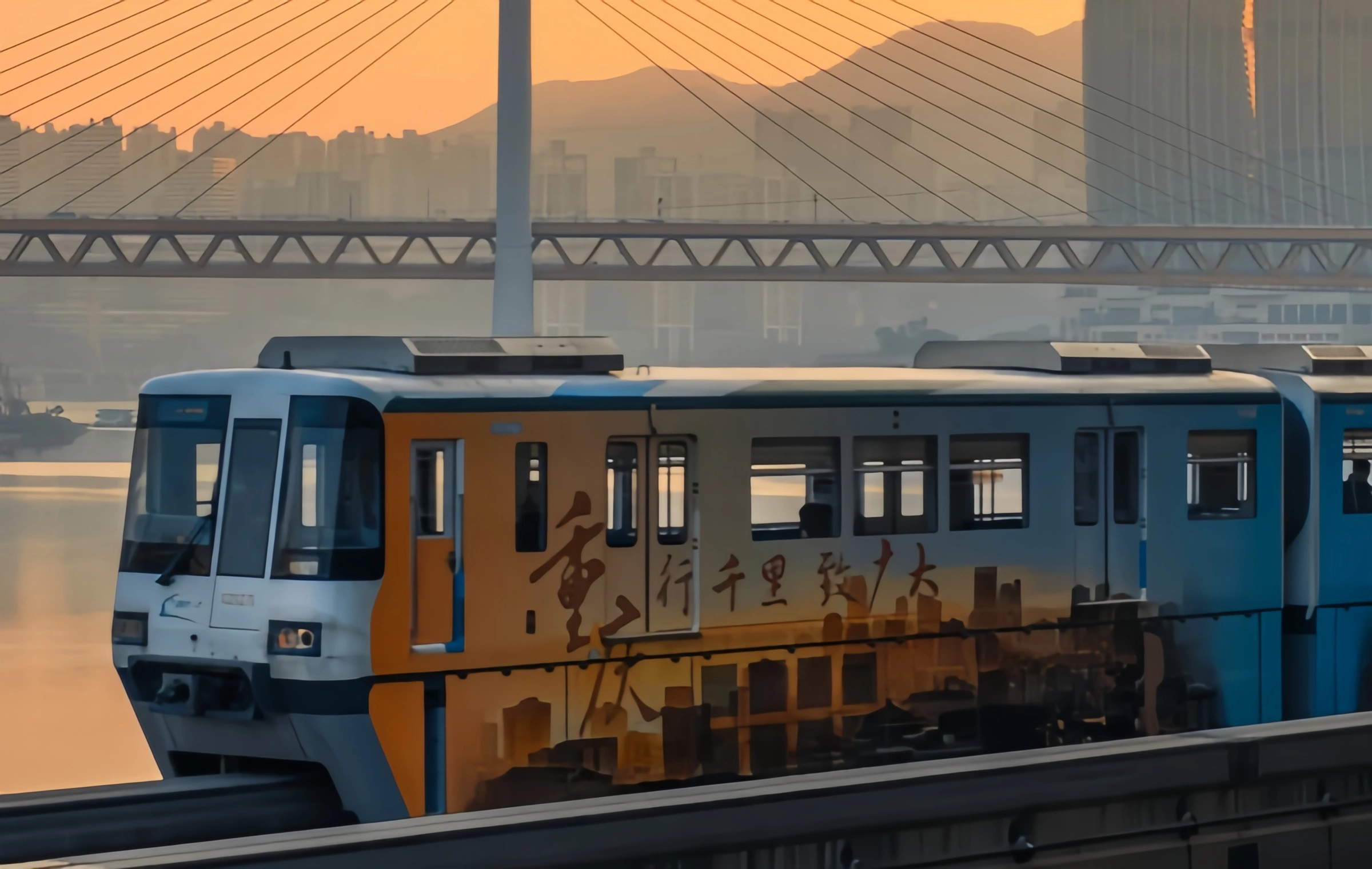
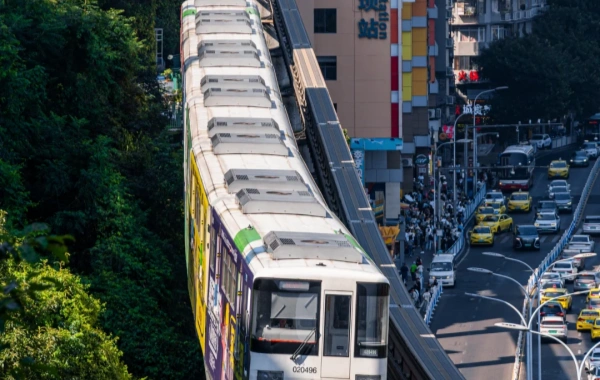
My first “wow” moment came at Lianglukou Monorail Station, home to the legendary Line 2. As the train emerged from a tunnel, it didn’t just glide above streets—it sliced through a residential building. Passengers casually boarded while residents on the 6th floor sipped tea by their windows.
“How is this legal?” I asked my guide, laughing. She shrugged. “Chongqing doesn’t believe in ‘impossible.’”
The monorail’s route offered postcard views: the Yangtze River, forested hills, and bridges stacked like giant’s Lego. At Huanghuayuan Station, the train curved so sharply it felt like a theme-park ride. Locals joked that Chongqing’s monorail maps should come with motion-sickness warnings.
Pro tip: Ride Line 2 during sunset for golden-hour views of the river and cityscape.
3. Escalators to the Sky: The World’s Longest Urban Escalator System
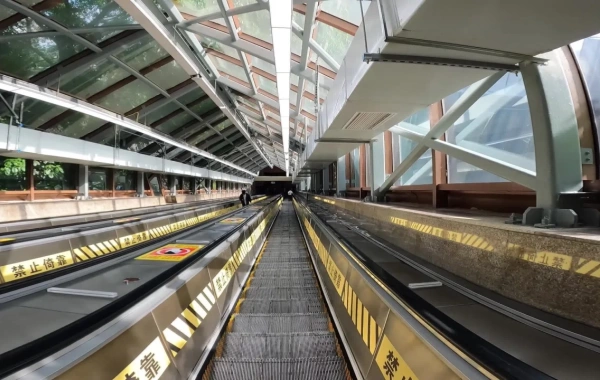
Next, I tackled Crown Escalator, a 112-meter (367-foot) outdoor escalator system in Lianglukou. Built to help locals conquer the steep hill between the railway station and business district, it’s free to ride and feels like ascending a mountain in minutes.
As I climbed, vendors sold spicy skewers and iced tea to passengers. At the top, I turned around—the escalator stretched endlessly downward, a metallic snake swallowed by the city’s concrete jungle.
“This saves us 30 minutes of climbing,” my guide explained. “But tourists come just for the photo ops.”
Fun fact: Chongqing has over 13,000 escalators—more than any other city globally.
4. Cable Cars Over the Yangtze: A River Crossing Like No Other
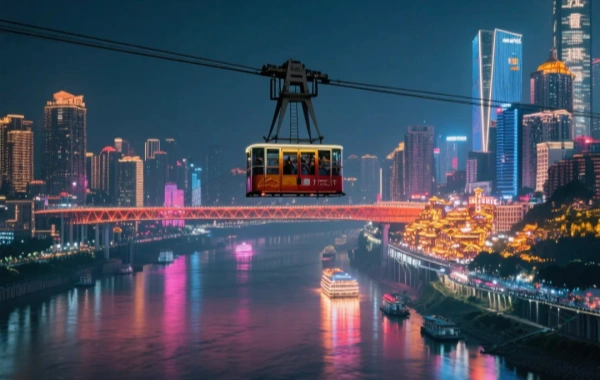
No visit to Chongqing is complete without riding the Yangtze River Cable Car, a rusty-red gondola connecting the Yuzhong and Nanbin districts. As we soared 110 meters above the river, I gripped the bar, half-terrified, half-thrilled. Below, ferries and cargo ships chugged past, while the city’s skyline pierced the clouds.
The cable car’s history added to the charm: built in 1986, it’s one of China’s oldest urban transit lines. Locals use it daily, but tourists flock here for the adrenaline rush and panoramic shots.
Best time to ride: Early morning or late afternoon to avoid crowds and capture soft light.
5. Bridges That Defy Gravity: Chongqing’s Architectural Marvels
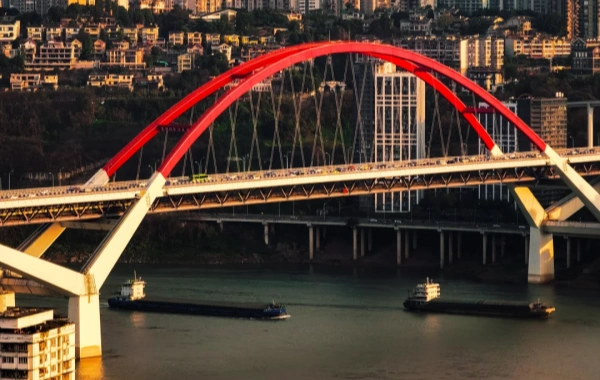
Chongqing’s bridges aren’t just crossings—they’re art. The Caiyuanba Bridge, a 1,387-meter (4,550-foot) steel arch spanning the Yangtze, looks like a giant’s bowtie. Then there’s the Qiansimen Bridge, a glass-bottomed walkway suspended 120 meters above the river. Walking on it, I swore I could feel the wind whooshing below.
But the crown jewel is the Suijiang Bridge, a cable-stayed bridge with a main span of 600 meters. At night, it lights up like a rainbow, reflecting off the water below. Locals call it the “Bridge of Light,” and it’s easy to see why.
Insider tip: Download a bridge-spotting app to learn about each structure’s engineering feats.


Contact Us
What Our Clients Say?
Based on 10,000+ traveler reviews

Daniel Dorothea
Canada
Reviewed on April 29,2025
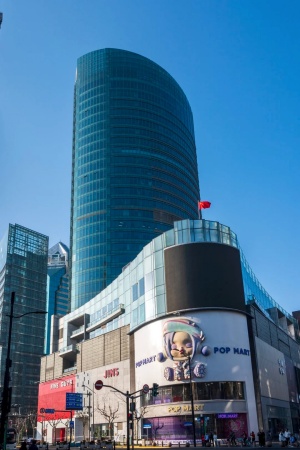
Shopping on Nanjing Road in Shanghai was just amazing! It's truly the "First Commercial Street of China", where tradition and modernity blend perfectly. You can find awesome souvenirs and experience the trendy vibes in cool stores. The neon lights at night are just spectacular, shining bright like Times Square in New York. The food here is incredible too. I had a feast for my taste buds. Shanghai, I'll definitely be back!
Destination(s):
Shanghai
Date of
Experience:
May 08,2024

Elvis Eva
Canada
Reviewed on June 20,2025
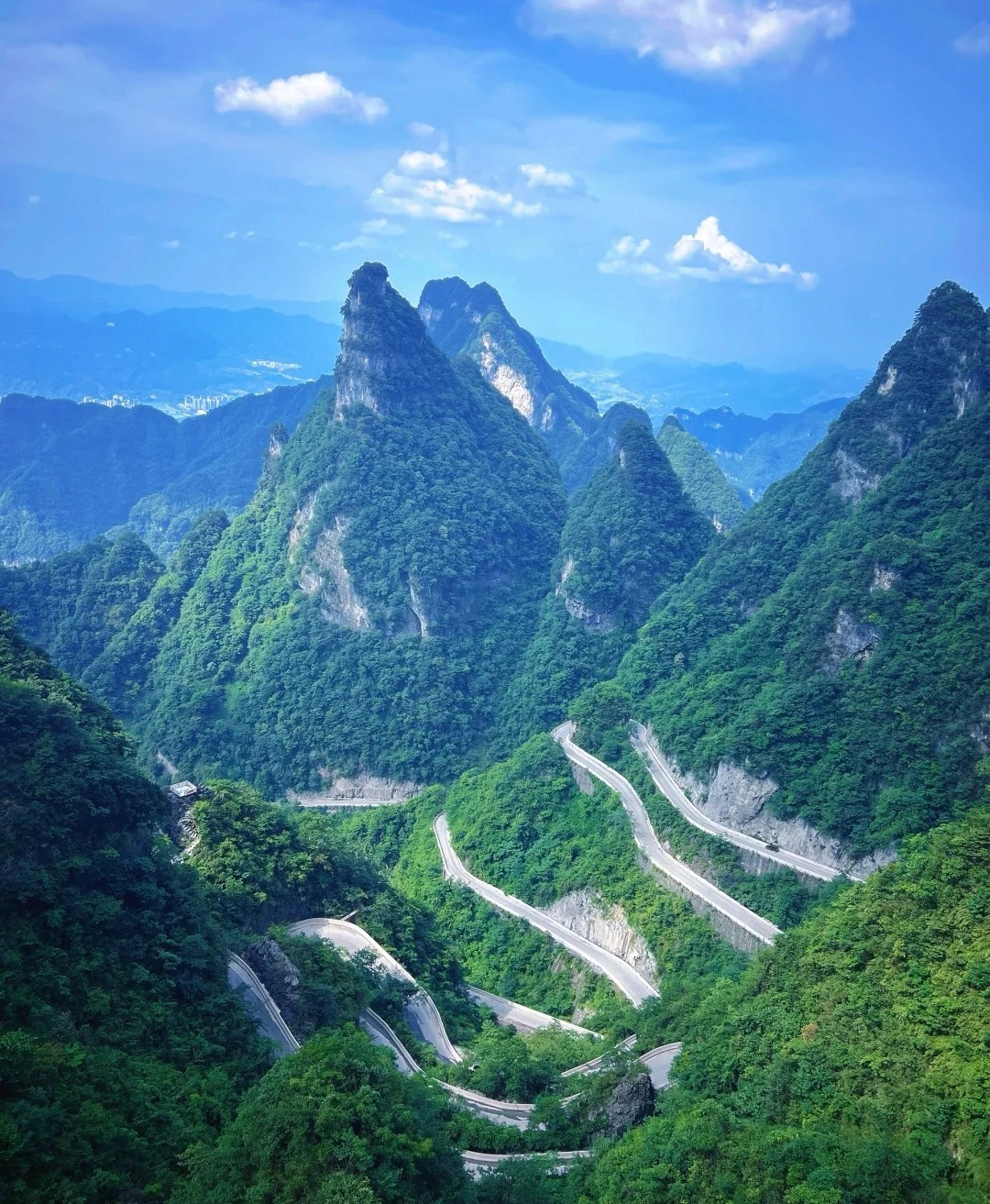
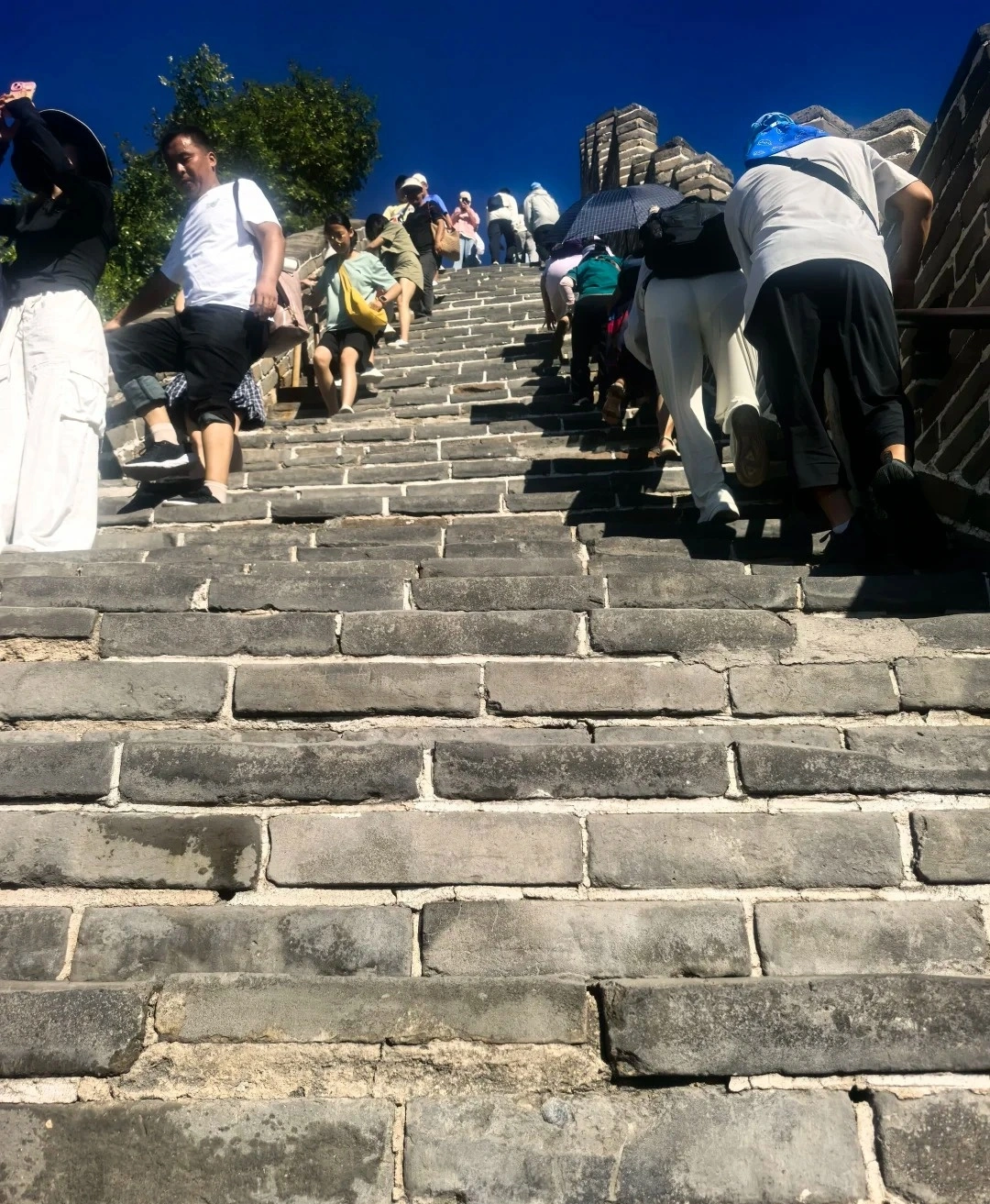
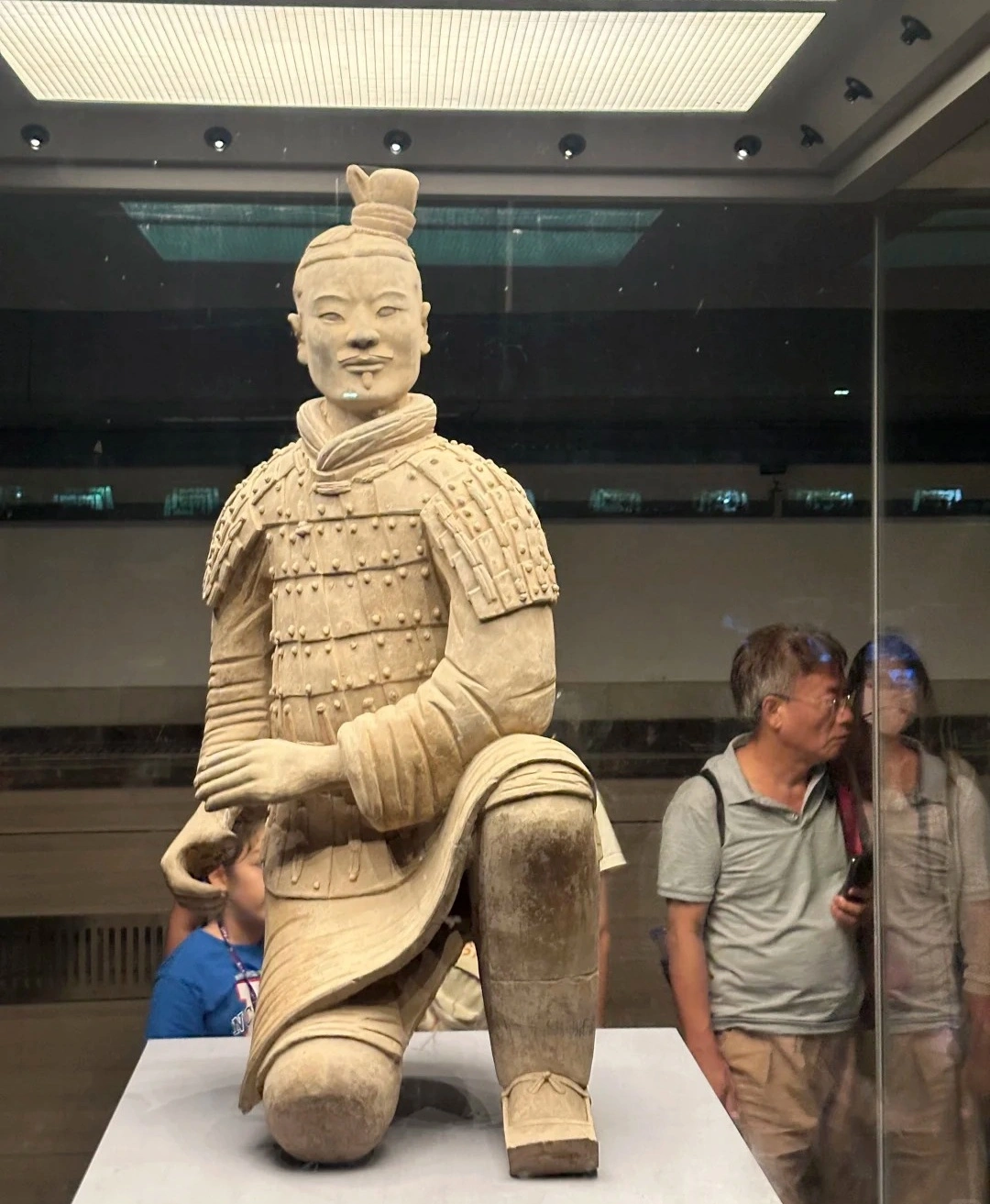
As a solo traveler from Canada, I was nervous about navigating China alone—but this 11-day tour was PERFECT! From hiking the Great Wall at sunrise (Day 3) to gasping at the Terracotta Army (Day 5), every day delivered ‘pinch-me’ moments. The real showstopper? Zhangjiajie’s Avatar Mountains (Day 7)! Our guide made the stone pillars come alive with stories.
Massive thanks for handling all logistics—bullet train tickets, entry passes, car! And the 4-star hotels surprised me.
Destination(s):
Beijing Xian Zhangjiajie Shanghai
Date of
Experience:
June 02,2025

Simon
America
Reviewed on May 29,2025
Our 2-day Zhangjiajie tour was beyond spectacular! As someone who’s visited Beijing and Shanghai for work, this trip revealed China’s wild, magical heart. Day 1 in Zhangjiajie National Forest Park felt like stepping onto Pandora—I’m a huge Avatar fan, and Yuanjiajie’s floating peaks left me breathless. The misty pillars and lush valleys like pure movie magic!
Then came Fenghuang Ancient Town, we eat dinner beside the thundering waterfall. It seems Unreal! The night views of stilt houses glowing over the river were straight from a fairy tale.
For fellow Avatar lovers and adventure seekers: Don’t miss this bucket-list experience! 10/10 would return.
A Well-Traveled Film Buff, May 2025
Destination(s):
Zhangjiajie
Date of
Experience:
May 08,2025