
Jianmen Pass and Ancient Path
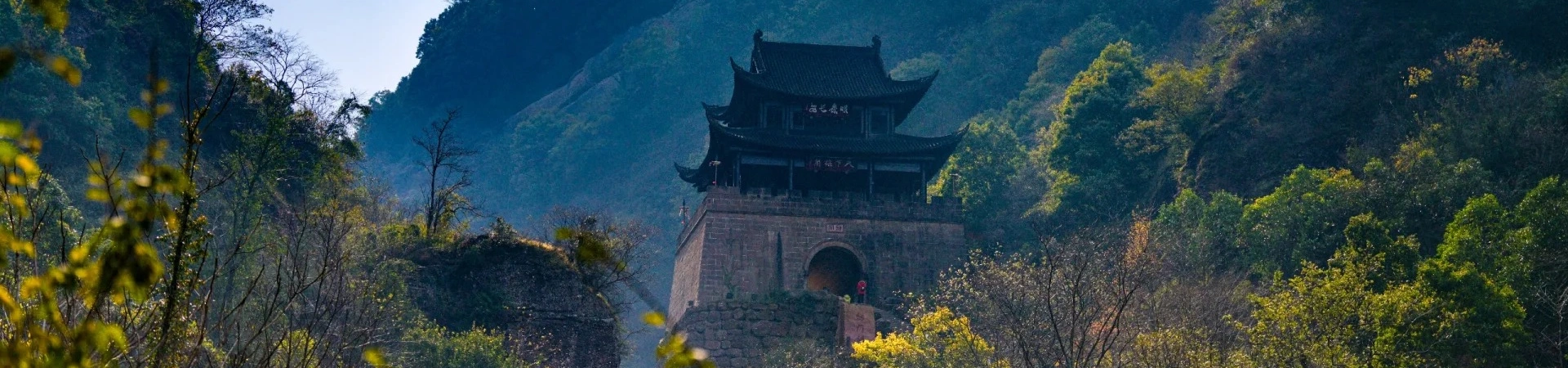
Jianmen Pass and Ancient Path, a UNESCO World Heritage Site nestled in northern Sichuan Province, China, is a legendary fortress and mountain trail with a history spanning over 2,300 years. Known as the "Gateway to Shu" (ancient Sichuan), this strategic pass has safeguarded the Silk Road’s southern branch and witnessed pivotal battles, including the Three Kingdoms-era clash where Shu Han forces famously defended against Wei invaders. The site combines awe-inspiring natural scenery—with sheer cliffs rising 1,000 meters above the Jian River—and human ingenuity, exemplified by its 110-kilometer ancient path, 5-kilometer stone-paved plank road, and 72 watchtowers. Today, it attracts over 3 million visitors annually, offering a vivid journey through China’s military, cultural, and ecological heritage.
Historical Overview
AncientOrigins: Built during the Qin Dynasty (221–206 BCE) to unify China, Jianmen Pass became critical during the Three Kingdoms period (220–280 CE), immortalized in Romance of the Three Kingdoms as Zhuge Liang’s "Empty Fort Strategy" site.
MedievalSignificance: Reinforced during the Tang (618–907) and Song (960–1279) dynasties, it served as a military stronghold and trade hub linking the Central Plains to Southwest China.
ModernEra: Preserved as a national heritage site since 1984, with UNESCO designation in 2015. Restorations have revived sections of the plank road and watchtowers, while archaeological digs uncovered Tang-era coins and Ming (1368–1644) armor fragments.
Structural Layout
The site’s 6-square-kilometer area integrates natural cliffs with man-made structures:JianmenPassFortress: A 30-meter-high stone gatehouse with three arched entrances, flanked by 10-meter-thick walls. Inside, the Command Post displays historical maps and weapons.
PlankRoad: A 5-kilometer suspended pathway carved into cliffs, featuring 2,000-year-old handrails and 13 original watchtowers, such as the Fenghuang Tower with its carved phoenix motIFS.
Seven2Watchtowers: Strategically placed along the path, these stone structures (e.g., Liangshan Tower) offered vantage points for archers and signal fires.
Major Attractions
PlankRoadSuspensionBridge: A 200-meter-long glass-bottomed bridge spanning the Jian River, offering vertigo-inducing views of the canyon below.
ThreeKingdomsCulturalZone: Interactive exhibits include a Battle Simulation Theater reenacting the 263 CE Siege of Jianmen and a Zhuge Liang Memorial Hall with wax figures and calligraphy scrolls.
Natural Wonders: The Bird’sPath, a narrow cliff ledge where falcons nest, and the First Bend of Jian River, a U-shaped meander framed by red maple forests in autumn.
Suggested Itineraries
Half-DayTour(3–4Hours): Start at the Pass Fortress → Walk 2 km of the Plank Road → Visit Liangshan Tower → Explore the Three Kingdoms Zone.
Full-DayAdventure(6–7Hours): Fortress → Full Plank Road hike → Lunch at a cliff-side teahouse → Glass Bridge → Bird’sPath observation deck → Sunset at the First Bend.
CulturalFocus(4–5Hours): Fortress museum → Three Kingdoms exhibits → Calligraphy workshops (seasonal) → Traditional Shu opera performance (weekends).
Ticket Purchase
Online: Book via the official WeChat account "JianmenPass" (up to 3 days in advance).
On-Site: Standard ticket booths open at 7:30 AM; combo tickets include shuttle bus access.
Prices: Standard Entry: ¥105 (peak season), ¥80 (off-peak). Combo (entry + glass bridge): ¥180. Guided tours: ¥200–400 (English/Chinese, 1.5 hours).
Free Admission: Children under 1.2m, disabled visitors, and seniors over 70.
By Train: Chengdu East Station to Guangyuan Station (1.5 hours), then taxi (40 minutes) to Jianmen Pass.
By Bus: Chengdu Xinnanmen Bus Station to Jianmen Pass Direct Bus (4 hours, ¥95).
By Car: Self-drive via G5 (3.5 hours from Chengdu); parking available at South Gate (¥20/day).
Shuttle Service: Free buses connect the South Gate to the Fortress (10-minute ride, every 15 minutes).
Best Time & Tips
AvoidCrowds: Peak season is April–October and Chinese holidays. Visit weekdays before 10 AM or after 3 PM.
Weather: spring (April–June) and autumn (September–November) offer mild temperatures (15–25°C) and clear views. Winters are cold but less crowded.
Essentials: Wear sturdy shoes for the Plank Road’s uneven stones. Bring sunscreen and a hat; shade is limited. Download the Jianmen Pass AR App for augmented reality guides.
ProhibitedItems: Drones, large backpacks, and selfie sticks. Pets must be leashed.
Photography: Golden hours (sunrise/sunset) illuminate the cliffs dramatically. The glass bridge prohibits tripods but allows handheld shots.


Contact Us
私たちの顧客は何と言っているでしょうか?
1 万件以上の旅行者のレビューに基づいて

Daniel Dorothea
Canada
Reviewed on April 29,2025
Shopping on Nanjing Road in Shanghai was just amazing! It's truly the "First Commercial Street of China", where tradition and modernity blend perfectly. You can find awesome souvenirs and experience the trendy vibes in cool stores. The neon lights at night are just spectacular, shining bright like Times Square in New York. The food here is incredible too. I had a feast for my taste buds. Shanghai, I'll definitely be back!
Destination(s):
Shanghai
Date of
Experience:
May 08,2024


Elvis Eva
Canada
Reviewed on June 20,2025
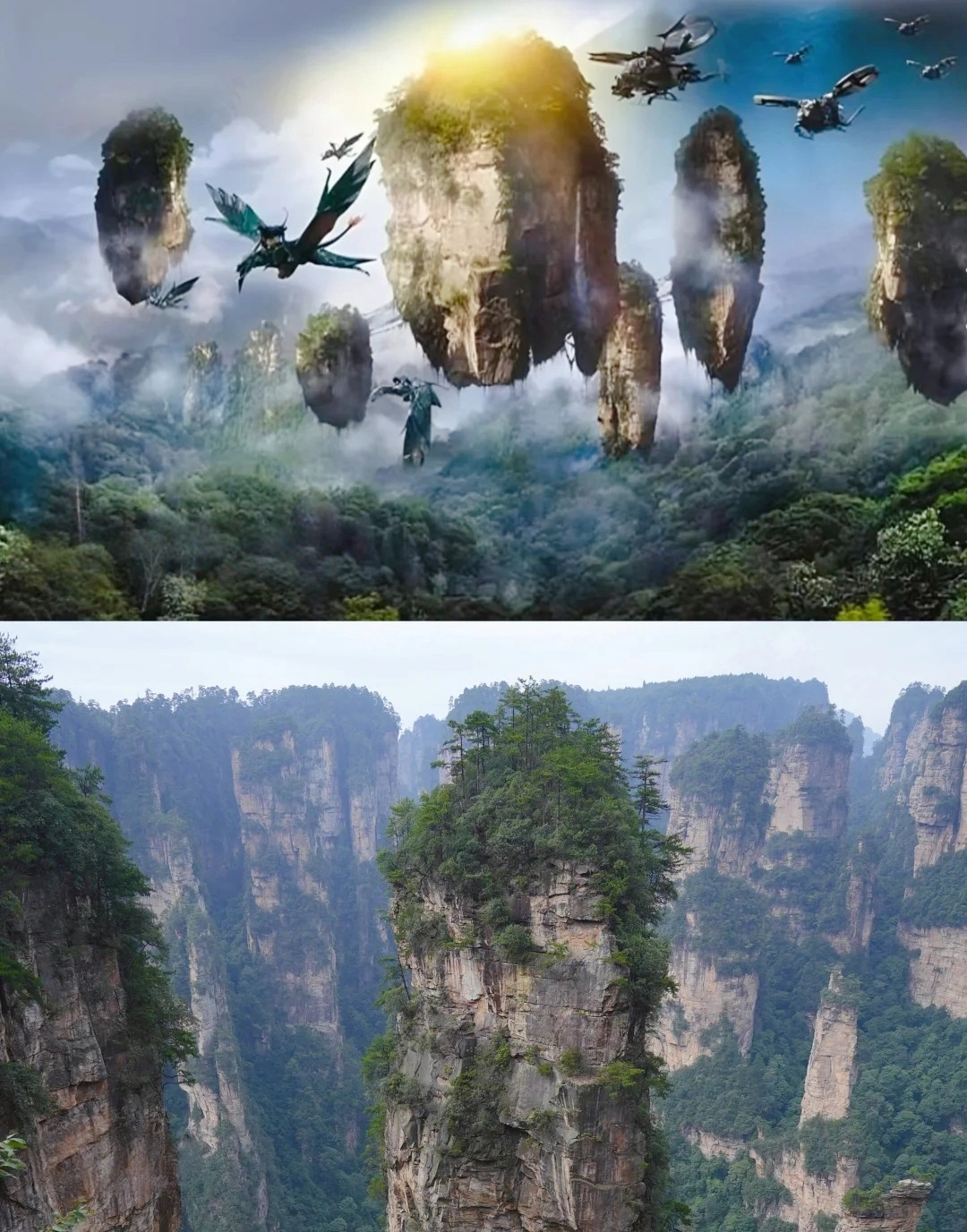
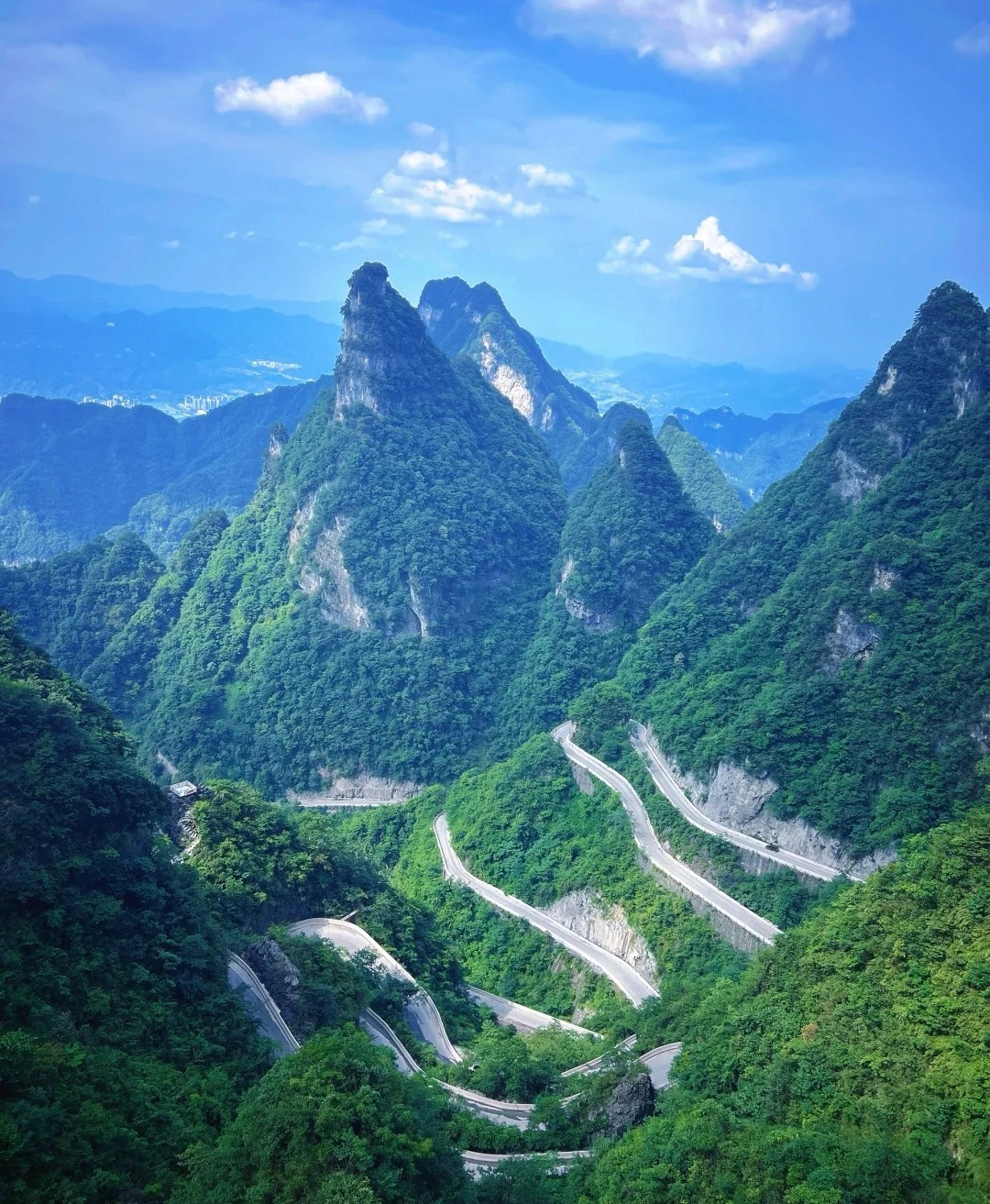
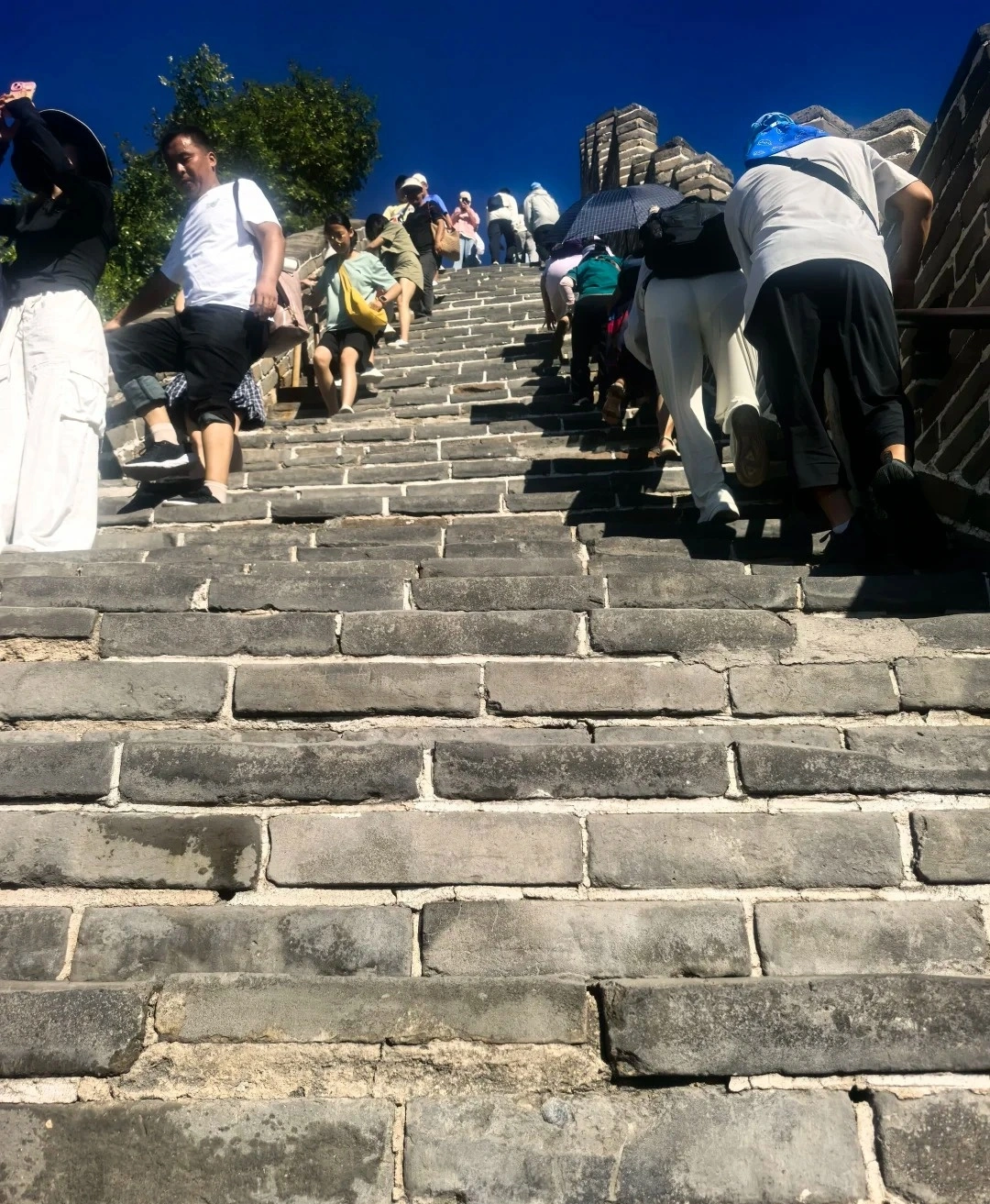
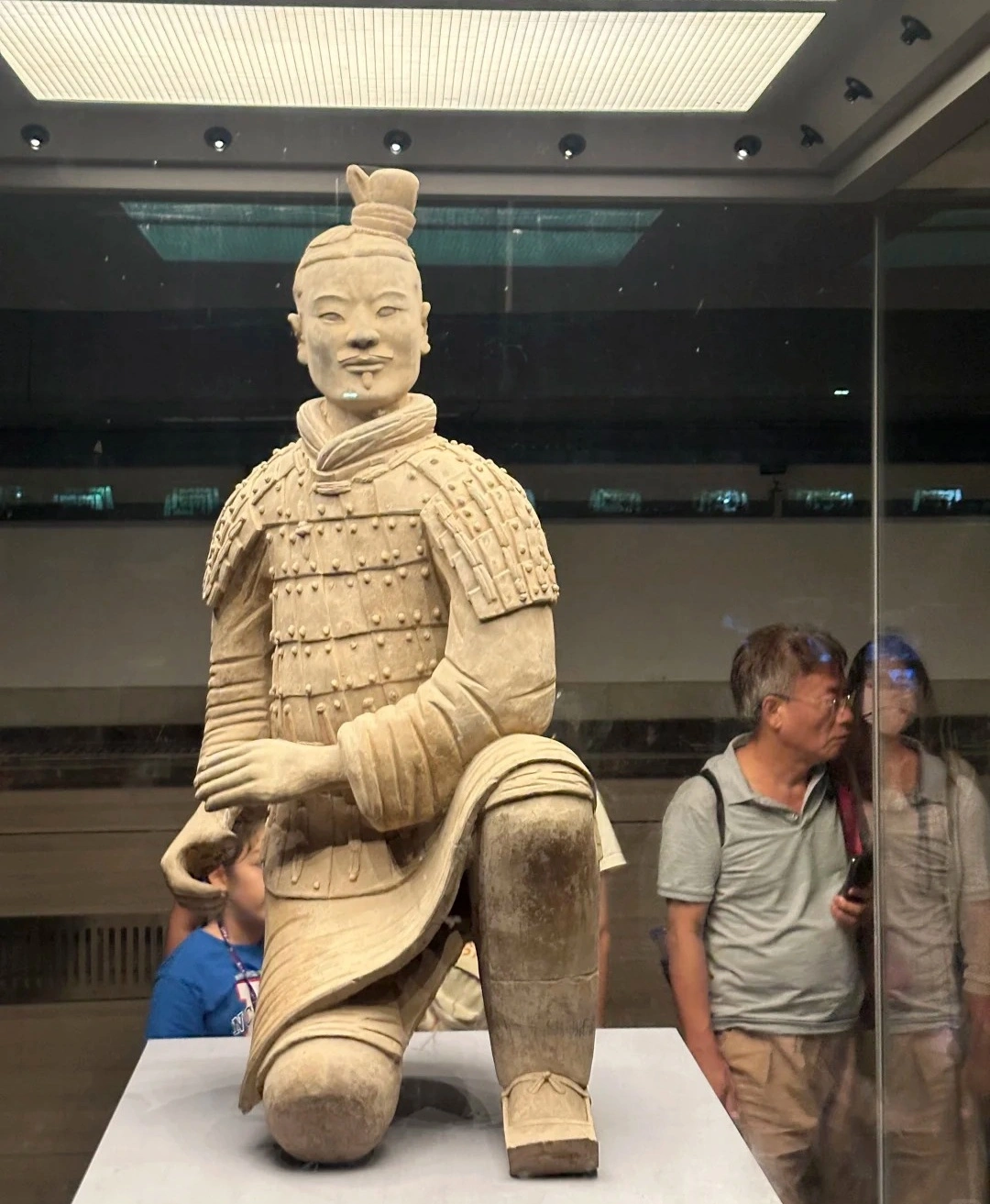
As a solo traveler from Canada, I was nervous about navigating China alone—but this 11-day tour was PERFECT! From hiking the Great Wall at sunrise (Day 3) to gasping at the Terracotta Army (Day 5), every day delivered ‘pinch-me’ moments. The real showstopper? Zhangjiajie’s Avatar Mountains (Day 7)! Our guide made the stone pillars come alive with stories.
Massive thanks for handling all logistics—bullet train tickets, entry passes, car! And the 4-star hotels surprised me.
Destination(s):
Beijing Xian Zhangjiajie Shanghai
Date of
Experience:
June 02,2025

Simon
America
Reviewed on May 29,2025
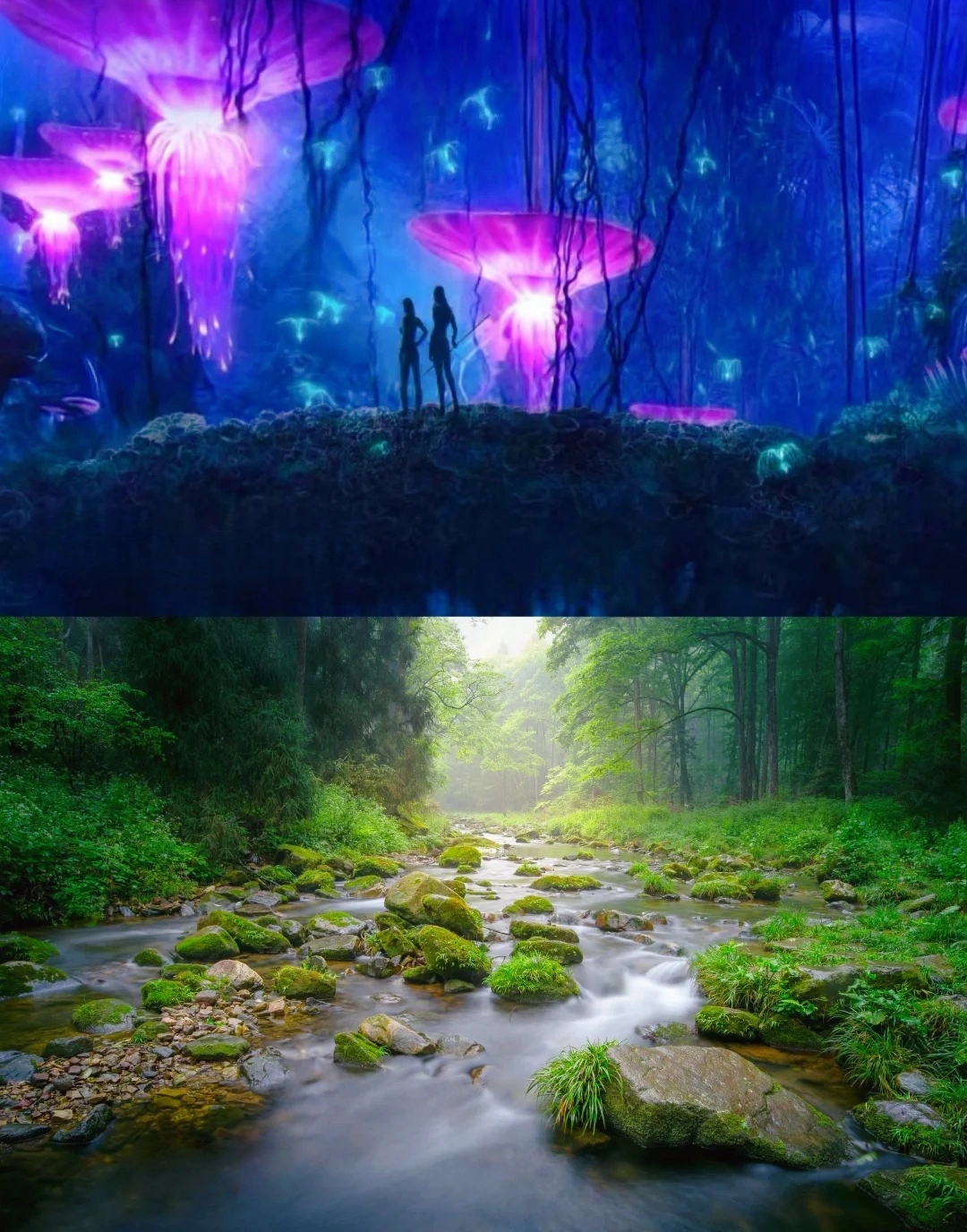
Our 2-day Zhangjiajie tour was beyond spectacular! As someone who’s visited Beijing and Shanghai for work, this trip revealed China’s wild, magical heart. Day 1 in Zhangjiajie National Forest Park felt like stepping onto Pandora—I’m a huge Avatar fan, and Yuanjiajie’s floating peaks left me breathless. The misty pillars and lush valleys like pure movie magic!
Then came Fenghuang Ancient Town, we eat dinner beside the thundering waterfall. It seems Unreal! The night views of stilt houses glowing over the river were straight from a fairy tale.
For fellow Avatar lovers and adventure seekers: Don’t miss this bucket-list experience! 10/10 would return.
A Well-Traveled Film Buff, May 2025
Destination(s):
Zhangjiajie
Date of
Experience:
May 08,2025