Nature's creation - water as the veins and Bridges as the backbone
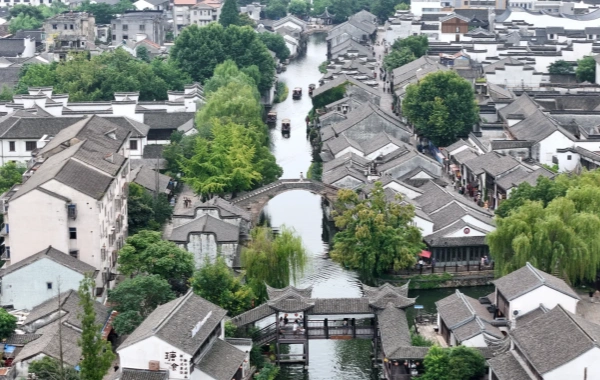
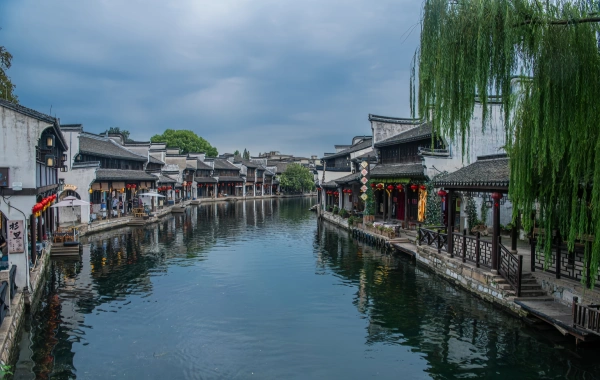
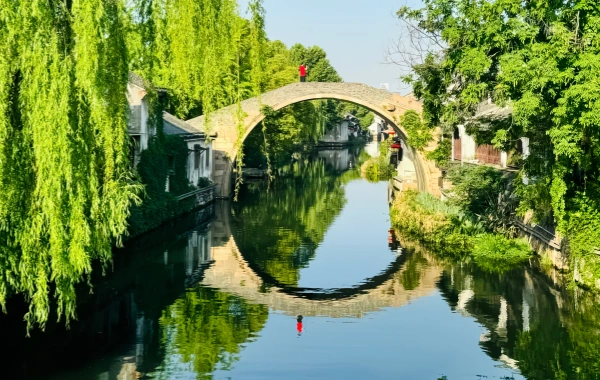
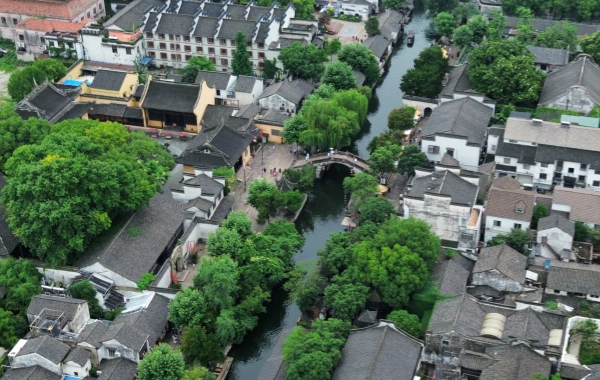
The framework of Nanxun is supported by that bay of clear water and numerous ancient Bridges, which is its gentle and graceful background color.
Ditang Ancient Road: A Golden Waterway Flowing for a thousand Years
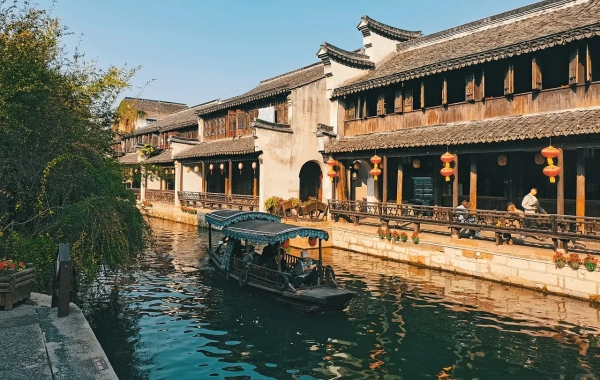
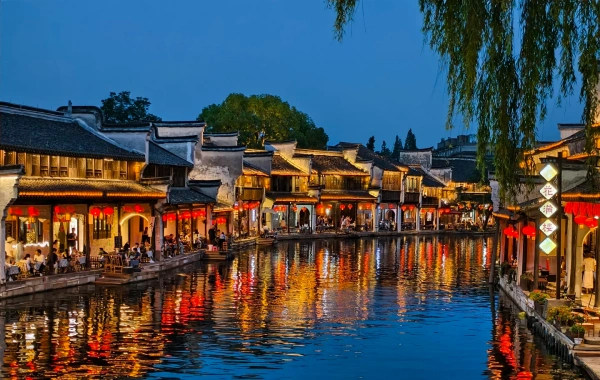
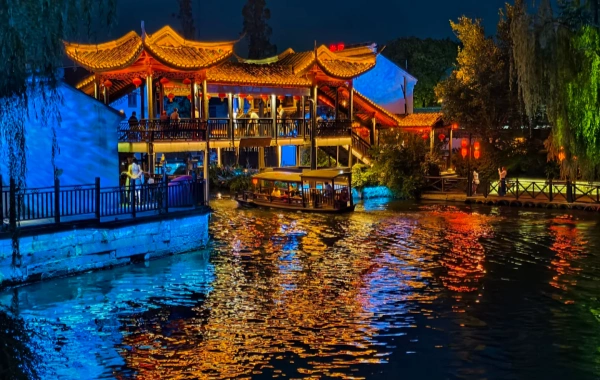
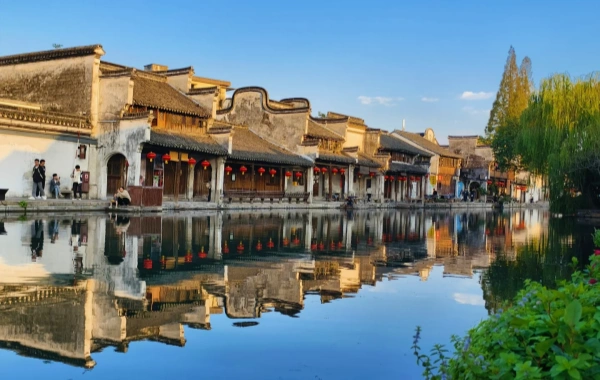
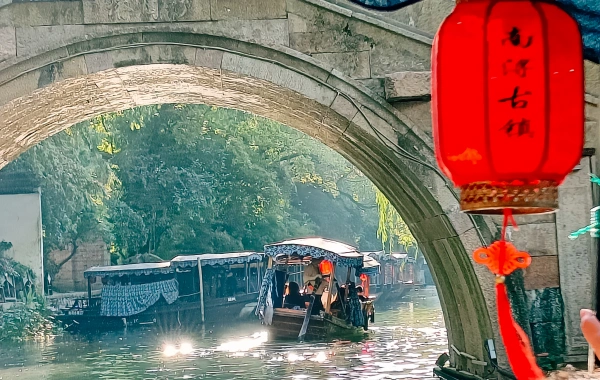
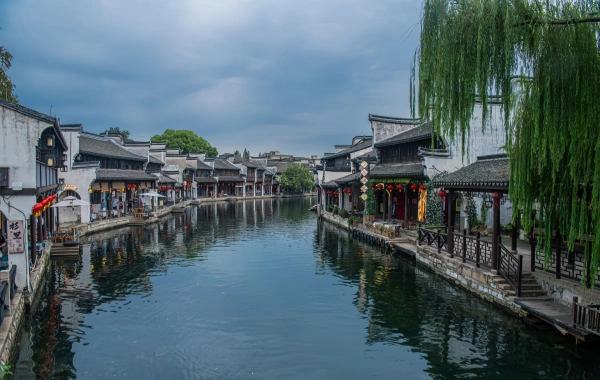
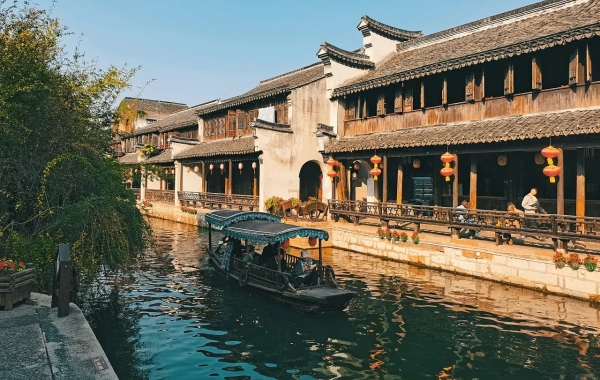
This is an important tributary of the Grand Canal and also the "mother River" of Nanxun. In the past, the silk from Jili Lake was loaded onto ships here, transported via the Grand Canal and Shanghai to the world. Nowadays, riding a gondola, one can pass by with a gentle murmur. On both banks, there are mottled horse-head walls and waterside pavilions. It seems as if one can still hear the echoes of history.
The lingering charm of ancient Bridges: Frozen music and historical books
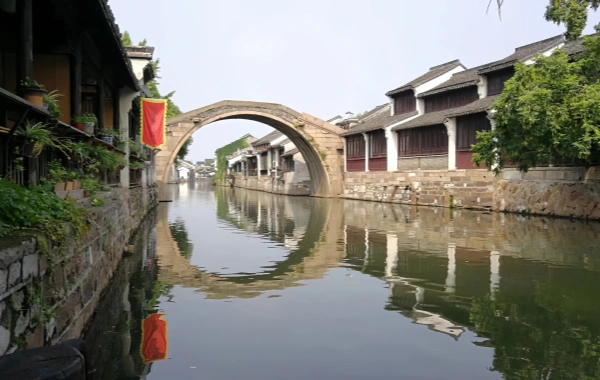
Tongjin Bridge: The highest single-arch stone bridge in the ancient town, it was once the hub of the silk market trade. Standing on the top of the bridge, one can overlook the magnificent picture of the Hundred pavilions and the grand canal.
- Hongji Bridge: Together with Tongjin Bridge, it is known as the "Sister Bridge". Boats are constantly shuttling under the bridge, making it an excellent backdrop for shooting water town life films.
- Guanghui Bridge: In front of the bridge stands Guanghui Palace (a Taoist building). The bridge has an elegant shape and, together with the ancient trees and stone lions in front of the palace, forms a scene full of Zen.
Photography tip: In the early morning or at dusk, use soft light to capture the reflections of the bridge and the water. Rainy days have a unique ink-wash painting charm.
Baijianlou Water Lane: The ultimate picture of a riverside residence in the Jiangnan region
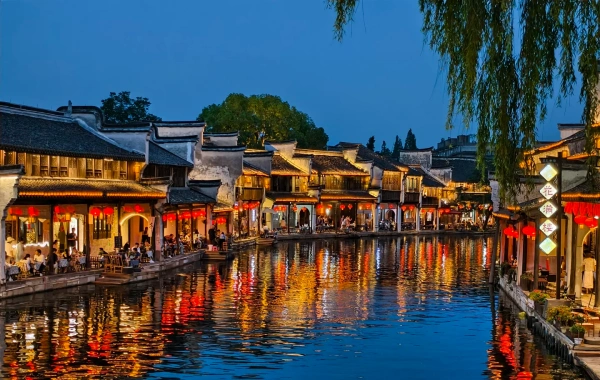
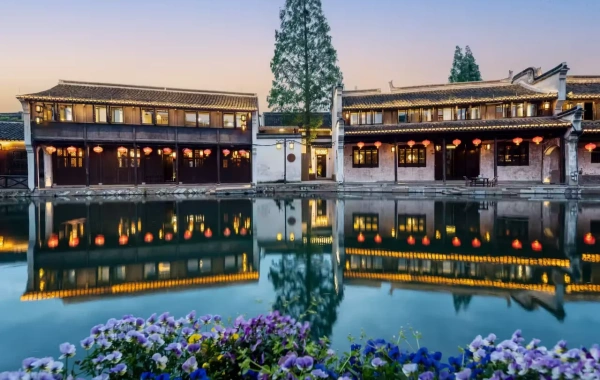
Winding along the east bank of Ditang for over 400 meters, the Bai Jian Lou is a riverside residence built by Dong Fen, the Minister of Rites of the Ming Dynasty, for his female servants. The whitewashed walls, black tiles, arched porches, long streets in the style of arcades, and stone steps at water ports stretch in clusters, free from the hustle and bustle of commercial activities, preserving the most primitive atmosphere of life. This is the soul of Nanxun, especially at dusk when the setting sun casts its warm glow on the water surface and the pavilions, with wisps of smoke rising from the chimneys. It can be called the "cover of the water towns in the south of the Yangtze River".
Humanistic craftsmanship - A poetic dwelling refined by wealth accumulation
The gardens and mansions here are the pinnacle of the silk merchants' transformation of wealth into cultural and life aesthetics.
Xiaolian House and Jiaye Hall Library: The Ideal of passing on poetry and books to a family
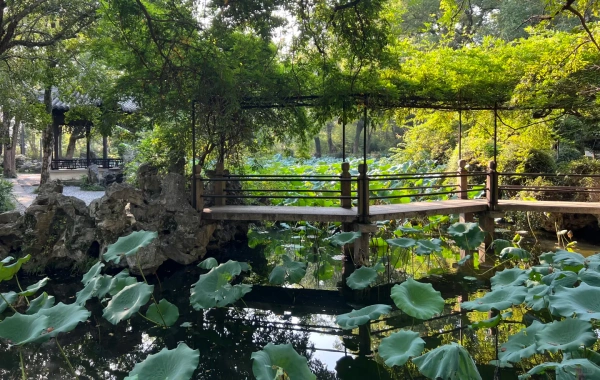
Xiaolian Garden: A private garden of the Liu Yong family, it took forty years to build. Outside the garden, there is a ten-mu lotus pond. In summer, the lotus leaves stretch to the sky, boundless and emerald green. The pavilions and terraces in the garden are exquisite and elegant, ingeniously blending the "seclusion" concept of Chinese gardens with certain elements of Western architecture (such as French glass Windows), reflecting the owner's financial strength and taste.
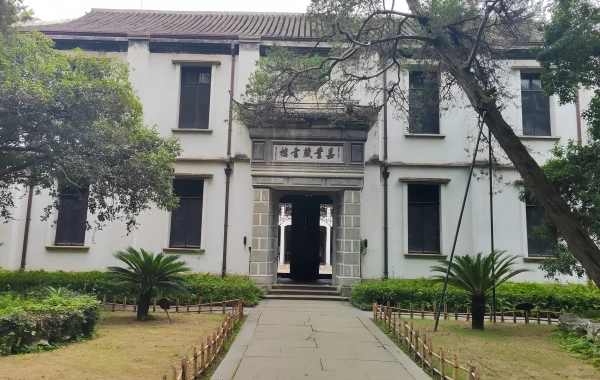
Jiaye Hall Library: Built by Liu Chenggan, the grandson of Liu Yong, it is the largest and most comprehensive private library in modern China. Garden-style layout, solemn and elegant. The pool in front of the building has a peculiar shape, which is actually set up for fire prevention and also implies the profound meaning of "poetry and books will last a long time in a family".
Zhang Shiming's Former Residence: The "No. 1 Civilian Residence in Jiangnan" with a Blend of Chinese and Western Styles
This huge mansion can be regarded as a museum of architecture. The exterior is in the typical style of a Jiangnan hall, but inside it houses an exquisite European-style ballroom, a Rococo-style gatehouse, French imported carved glass and floor tiles. It silently tells of the owner's open mind and luxurious life when embracing Western civilization, and is the most concentrated manifestation of Nanxun's "fusion of Chinese and Western elements" feature.
Liu's Ladder: The Roman Dream in the Red Bricks
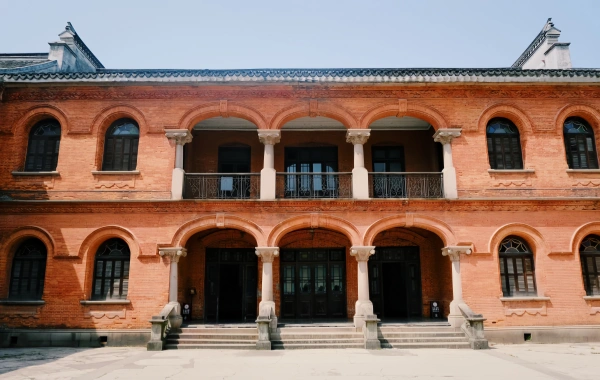
Commonly known as the "red House", Liu An, the third son of liu yong, 泩 lived there. The exterior walls are striking red exposed bricks, but inside lies a complete Romanesque courtyard and a Corinthian column-style hall. The strong visual impact instantly transports one to Europe. It represents the admiration and imitation of Western culture by Nanxun merchants during a specific historical period.
Qiu Shu Li and Zhang Jingjiang's Former Residence: A historical site where vicissitudes of time converge
- Qiu Shu Li: Liu Chenggan's villa is low-key and reserved. Currently, there is a permanent exhibition of the Liu family history, which serves as a window to understand the spiritual world of the "Four Symbols" family.
- Zhang Jingjiang's Former Residence: An old residence of the Republic of China era inscribed by Sun Yat-sen with the words "Loyal heart and chivalrous spirit". The interior displays a large number of precious historical materials, demonstrating how this "Lu Buwei of the Republic of China" supported the revolution with a huge sum of money, which can be regarded as half of the tumultuous history of the Republic of China.
Photography Secrets:
The best panoramic view of Baijianlou is on the opposite bank. You can use a telephoto lens to compress the sense of space.
The lotus pond in Xiaolian Villa is suitable for shooting reflections and ancient costume portraits.
The European-style ballroom and carved glass Windows of Zhang Shiming's old residence are ideal scenes for creating retro fashion photos.
The red Roman colonnade of Liu's Ladder has an excellent light and shadow effect and is suitable for shooting silhouettes or architectural details.