Huizhou Ancient City: A Living Museum of Huizhou Culture Without Walls

Huizhou Ancient City: A Living Museum of Huizhou Culture Without Walls

Overview: Step into the living Huizhou Prefecture and touch the Confucian merchant spirit of Ming and Qing China
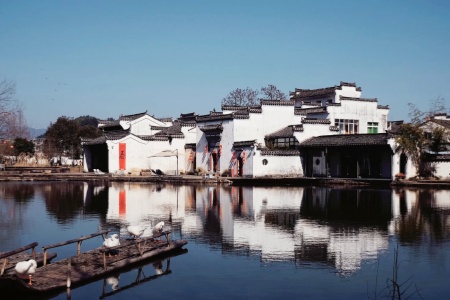
Huizhou Ancient City, a prefectural seat with over 2,200 years of history, preserves numerous Ming and Qing dynasty government offices, ancestral halls, memorial archways, residences, and streets. These structures are not static exhibits but vibrant scenes integrated into the daily lives of contemporary residents.

Key Highlights
Identity tags: Huizhou Prefecture seat / Core area of Huizhou culture / Hometown of China archways
Core Experience: Exploring the Luxurious Mansions of Huizhou Merchants on Doushan Street, Admiring the Stone Archway of Xu State and Nighttime Stroll Along the Lianjiang River
Recommended duration: 1-2 days. We strongly recommend combining the ancient city with nearby historic villages for an immersive cultural experience.
Ancient City Address: Hui Town, She County, Huangshan City, Anhui Province

  • Huizhou Ancient City: A Living Museum of Huizhou Culture Without Walls-1
  • Huizhou Ancient City: A Living Museum of Huizhou Culture Without Walls-2
  • Huizhou Ancient City: A Living Museum of Huizhou Culture Without Walls-3
  • Huizhou Ancient City: A Living Museum of Huizhou Culture Without Walls-4

Origin: The Prosperity of Huizhou Merchants and the Glory of the Prefecture City

Furong Ancient Town

Founding of the Administrative System—Establishing a Millennium of Prefectural Governance
The history of Huizhou Ancient City traces back to the late Qin Dynasty. In 221 BC, Emperor Qin Shi Huang established She County here, under the jurisdiction of Kuaiji Commandery. During the Sui and Tang dynasties, the region served as the seat of prefectural and commandery administrations. Its historical significance was cemented in the third year of the Xuanhe era (1121 AD) when Emperor Huizong of Song renamed “She Prefecture” to “Huizhou.” This culturally resonant name has endured for over eight centuries, with the prefectural seat established in what is now Huizhou Ancient City. From then until the late Qing Dynasty, this area remained the political center governing one prefecture and six counties (She County, Yi County, Xiu'ning County, Qimen County, Jixi County, and Wuyuan County).
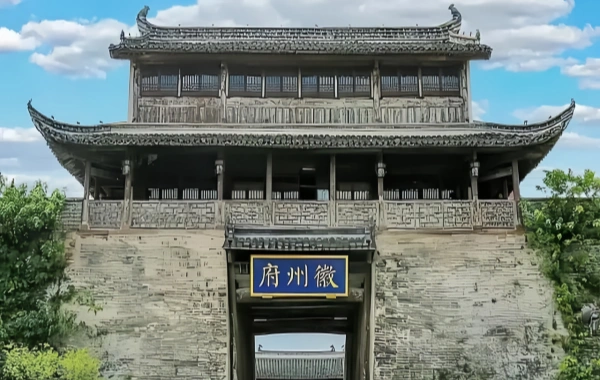
Through successive dynasties, particularly during the Ming and Qing periods, the prefectural city developed a defensive layout “backed by mountains to the northeast and facing water to the southwest,” centered around the meticulously planned Huizhou Prefectural Office. The city walls, winding along the mountain contours, have endured destruction over time yet retain sections that bear witness to this millennium-old administrative center's vicissitudes.

Cultural Summit: The Hui Merchants' Philanthropy and the Golden Age of Confucianism
The soul of Huizhou Ancient City was profoundly shaped by the rise of the Hui merchants during the Ming and Qing dynasties. Faced with a landscape of “seven parts mountains, one part water, and one part farmland,” the people of ancient Huizhou ventured beyond their mountainous homeland. They thrived in four main industries—salt, tea, timber, and pawnbroking—creating the legendary business adage: “No town is complete without a Hui merchant.”
The defining trait of Huizhou merchants was their “merchant spirit with Confucian ideals.” After amassing great wealth, they channeled substantial funds back to their homeland—building ancestral halls, mansions, commemorative archways, academies, and free schools. This giving back was not mere ostentation but a practice of Confucian ideals: “cultivating oneself, harmonizing the family, governing the state, and bringing peace to the world.” They sought to honor their ancestors and improve their homeland. Thus, throughout the ancient city and its surroundings, stone memorial arches embodying loyalty, filial piety, chastity, and righteousness rose from the ground. Clusters of Huizhou-style residences, blending feng shui principles with exquisite carvings, formed interconnected alleys. Academies and study societies, dedicated to nurturing talents for the imperial examinations, echoed with the sound of students' voices. Wealth and culture intertwined seamlessly within the ancient city, giving rise to unparalleled cultural peaks such as Huizhou architecture, Xin'an Neo-Confucianism, Huizhou seal carving, and the Xin'an School of Painting. This convergence established the region as a paragon of refined, scholarly culture during the late traditional Chinese society.

> Explore Further: Discover More Chinese Merchant Guild Culture and Architecture >> [Pingyao Ancient City, Shanxi] | [Zhouzhuang Ancient Town, Jiangsu]

Must-See Spectacles: The Symphony of Architecture, Streets, and Culture

Furong Ancient Town Furong Ancient Town Furong Ancient Town

The Urban Framework—A Map of Power and Life from Government Offices to Residential Lanes
The layout of Huizhou Ancient City clearly mirrors the functional zoning and hierarchical order of ancient Chinese prefectural and county towns.
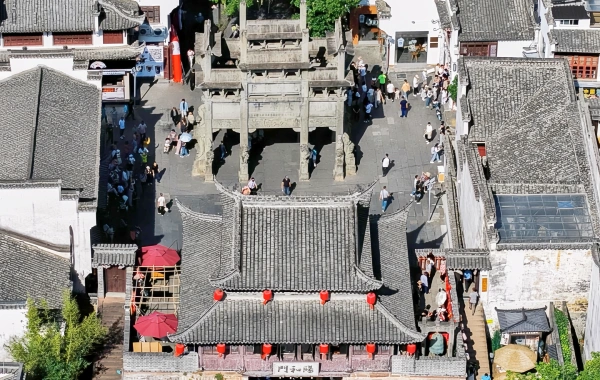
- Huizhou Prefectural Government: The heart and highest point of the ancient city. This vast complex, reconstructed according to Ming Dynasty specifications, features grand scale and distinct axial lines. It comprises the South Qiao Tower, ceremonial gate, main hall, rear hall, and magistrate's quarters—making it China's only prefectural government office open to public access. Walking through its halls, one vividly senses the solemnity of the courtroom, the elegance of the inner quarters, and the intricate workings of ancient local administration.
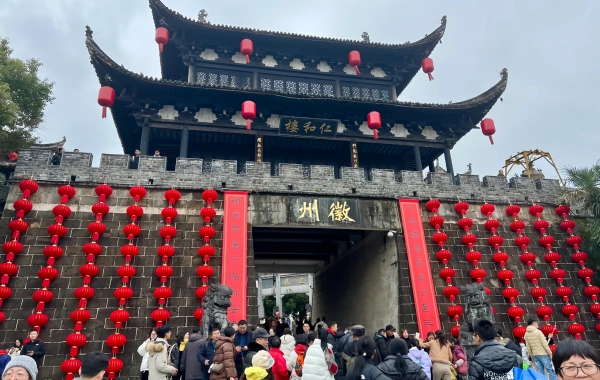
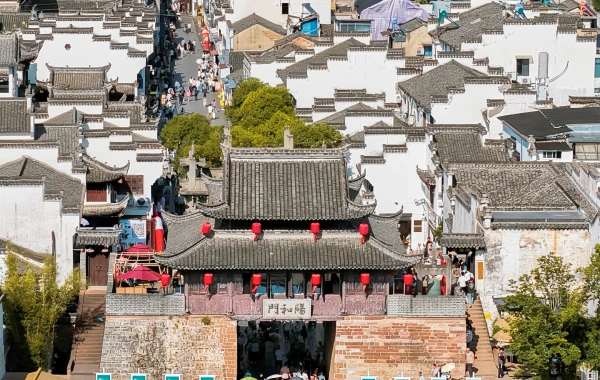
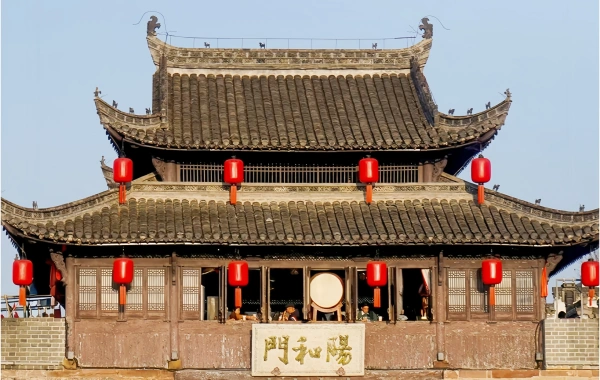
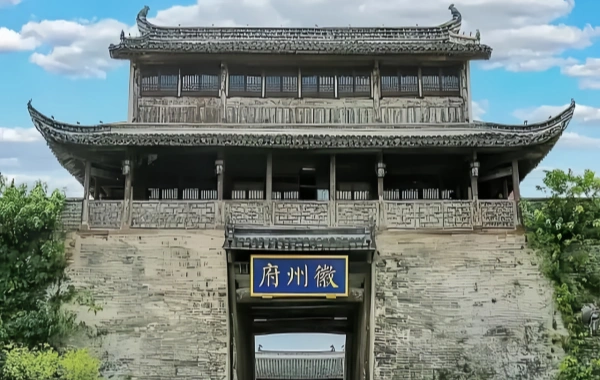
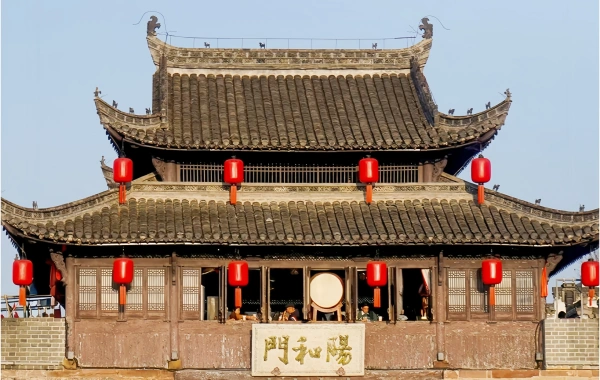
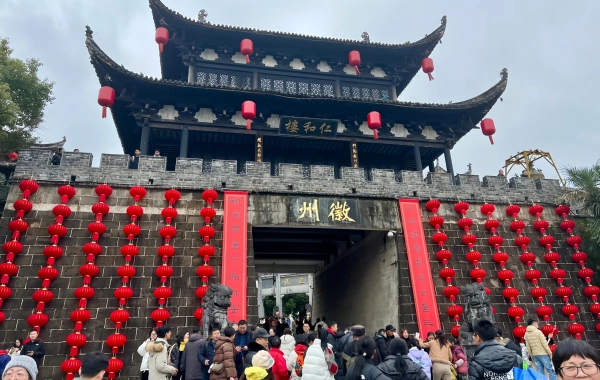
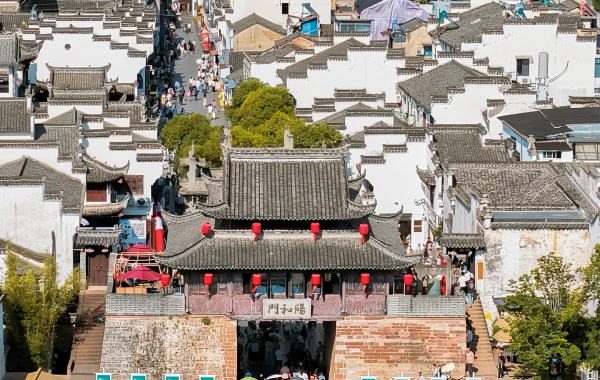
- South Gate Tower and East Gate Tower: Landmark entrances to the ancient city. The South Gate Tower (also known as the “Twenty-Four Pillars”) features an archway at ground level and a pavilion above, representing a precious surviving example of Song Dynasty architectural techniques. Dongqiao Tower (Yanghe Gate), more rustic and imposing, serves as one of the main entrances to the ancient city. The stone-paved road within its archway bears deep ruts carved by centuries of cart and horse traffic, silently narrating past prosperity.
- Doushan Street, Zhongshan Street, and Dagujing Street: The arteries of the ancient city. These streets exist not for tourism but remain the daily living spaces of residents. Doushan Street is particularly renowned for its cluster of mansions belonging to Ming and Qing dynasty officials and wealthy merchants. Its winding bluestone paths flanked by towering walls and staggered horse-head eaves have earned it the title “Street of Huizhou Merchants' Mansions.”

Architectural Ciphers—The Art of Three Carvings and Ethical Symbolism
The essence of Huizhou architecture lies not only in its whitewashed walls, black-tiled roofs, and horse-head eaves, but also in its masterful carving artistry and profound cultural symbolism.
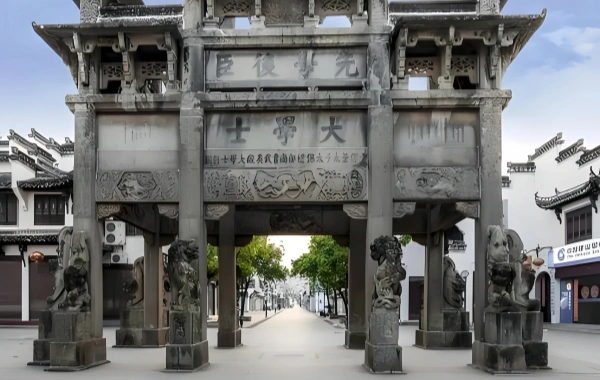
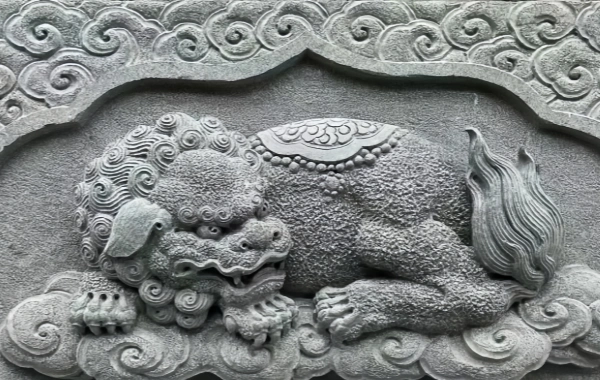
- Xu Guo Stone Archway: Hailed as “China's sole octagonal archway,” this National Key Cultural Relic Protection Unit was not erected for chastity or filial piety. Instead, it was specially commissioned by Emperor Wanli of the Ming Dynasty as a “Merit Archway” to honor the achievements of Xu Guo, a prominent cabinet minister from She County. Eight stone pillars enclose four sides, flanked by twelve stone lions adorned with profoundly symbolic carvings (such as “soaring dragons” representing the emperor and “auspicious cranes flying through clouds” symbolizing literary fortune). Its unique form, exquisite carvings, and revered status are unparalleled worldwide.
- Huizhou Garden and Tao Xingzhi Memorial Hall: Huizhou Garden integrates a memorial archway, ancient well, opera stage, and shops, serving as a miniature representation of Huizhou. The placement of the memorial hall for the people's educator Tao Xingzhi (originally Chongyi School) within the ancient city embodies Huizhou's tradition of respecting teachers and valuing education.
- Three Carvings in Residential Architecture (Wood, Stone, Brick): Step into any old residence (such as the Yang Family Compound or Fang Shizai Residence), and art meets the eye everywhere. Wood carvings on beams and window lattices (depicting scenes like “Hundred Children” or “Fishing, Woodcutting, Farming, and Reading”), brick carvings on door canopies and wall panels (featuring narrative figures and auspicious motifs), and stone carvings on column bases and railings (adorned with exotic flora, rare birds, and auspicious beasts)—all are exquisitely crafted, their themes embodying Confucian teachings and heartfelt aspirations.

Living Culture—Daily Life in the Ancient City's Lanes
The charm of the ancient city lies in its vitality. You might encounter elders basking in the sun by their doorways, chatting in the hard-to-understand Huizhou dialect; you might see street vendors selling fermented tofu and stone-pressed rice cakes; At dawn, the rhythmic sounds of laundry washing by the Lian River blend with morning exercise music; by dusk, the playful chatter of children returning from school echoes through the deep alleys. This is not merely a tourist attraction but a vibrant, living community—its most precious quality.

> Photography Tips:
For panoramic shots, the best vantage points are on Xiganshan Hill or Taiping Bridge across from the ancient town, capturing the sweeping landscape of the old city, Lianjiang River, and Piyi Mountain in the distance.
Xu Guoshi Archway is best photographed around noon on clear days, when sunlight clearly outlines its intricate structure and exquisite relief carvings.
Doushan Street in the early morning or after rain offers an exceptional setting for capturing humanistic and architectural ambiance. The wet cobblestones reflect the sky, while the high walls on either side create a profound sense of perspective.
The main hall of the Huizhou Prefectural Office, when framed with symmetrical composition, conveys the solemn grandeur of an ancient government office.

Core Experience: An Immersive Guide to Huizhou Culture

Furong Ancient Town Furong Ancient Town Furong Ancient Town

Five Must-Do Activities to Unlock the Complete Ancient City Journey
1.  Gaze Upon the Xu Kingdom Stone Archway, Deciphering Stone Chronicles:
Stand beneath this octagonal archway—unique in all of China—and circle it clockwise. Carefully discern the tales carved into each stone panel, feeling the weight of history where imperial commendation intertwines with Huizhou's glory.
2. Wander Doushan's Alleys to Feel the Pulse of Huizhou Merchants:
Set aside your map and venture into any side alley off Doushan Street. Run your fingers over stone doorframes polished smooth by time, gaze up at the horse-head wall silhouettes cutting across the narrow sky, and imagine the Huizhou merchants' philosophy of “concealing wealth while indulging in hidden luxury.”
3. Ascend the Prefectural Hall to witness the majesty of authority:
Stand beneath the “Mirror of Justice” plaque in the main courtroom of Huizhou Prefecture. Picture the prefect presiding over trials and issuing decrees from this very spot. This tangible classroom offers insight into ancient Chinese local governance and the exercise of power.
4. Savor Huizhou's signature flavors and brew a pot of Huangshan Maofeng tea:
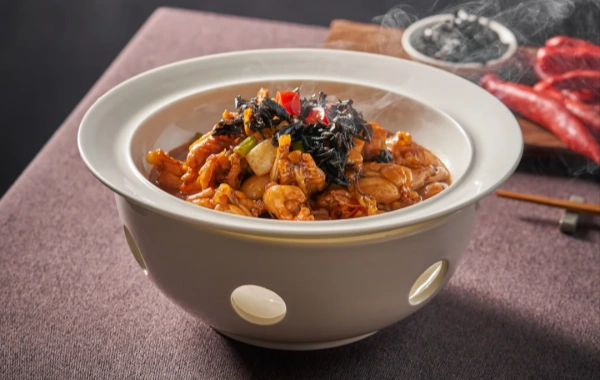
Must-try dishes: Huizhou stinky mandarin fish (foul-smelling yet delicious), hairy tofu (delicacy with moldy texture), braised bamboo shoots with cured pork, and stone chicken (actually a high-altitude frog).
Snack hunts: Street-fired stone rice cakes, steamed dumplings wrapped in cloth, and crab-shell-shaped sesame flatbreads. Find an old teahouse, brew a pot of Huangshan Maofeng with well water, and savor it slowly.
5.  Evening Visit to Yuliang Ancient Dam, Listening to the Lianjiang River:
At dusk, walk to Yuliang Dam (a Tang Dynasty hydraulic engineering marvel) beside the ancient city. Watch the sunset bathe the ancient dam in golden hues and listen to the rushing water cascading over its surface—the timeless soundtrack of Huizhou Ancient City.

Suggested Tour Routes
The core area of Huizhou Ancient City is compact yet rich in cultural depth, warranting a full day's exploration. For an immersive experience, combine it with the adjacent Yuliang Dam for a one-and-a-half-day itinerary.

One-Day “Ancient City Core” Immersion Tour (Cultural Focus):
Morning: Enter the ancient city through Yanghe Gate (Dongqiao Tower) → Visit Huizhou Prefectural Office (examine architecture and exhibits, approx. 1.5 hours) → Walk to Xu Guo Stone Archway for in-depth interpretation → Visit nearby Huizhou Garden and Tao Xingzhi Memorial Hall.
Lunch: Savor authentic Huizhou cuisine at Laojie First Floor or Linjiang First Floor within the ancient city.
Afternoon: Focus on exploring the Ming-Qing architectural complex on Doushan Street (selectively visit 1-2 open ancestral homes) → Stroll Zhongshan Street to experience local life → Visit Nanqiao Tower to understand its unique architectural structure.
Evening: Sample street snacks within the ancient city or drive to Yuliang Dam for night views.
IntoTravelChina Tip: This itinerary focuses on history and culture. We recommend researching Huizhou culture beforehand or hiring a local guide to significantly enhance your experience.

1.5-Day “Prefectural City + Ancient Dam” Essentials Tour (Highly Recommended):
Day 1 (Afternoon + Evening, Old Town & First Impressions):
Afternoon: Arrive and check into hotel in Old Town or She County → Leisurely explore Huizhou Prefectural Office, Xu Guo Stone Archway, and Huizhou Garden.
Evening: Dine at an authentic Huizhou restaurant within the Old Town, followed by a leisurely stroll through its streets to soak in the tranquil nighttime atmosphere.
Day 2 (Full Day, In-Depth Culture & Hydraulic Heritage):
Morning: Early departure to Yuliang Dam Scenic Area. Explore this ancient hydraulic marvel dubbed “Jiangnan's Dujiangyan,” stroll along Yuliang Old Street, and view remnants of Huizhou merchants' water transport docks.
Afternoon: Return to the ancient city for an in-depth visit to Doushan Street. Optionally explore Xin'an Stele Garden or Taibai Tower based on interest. Afterwards, shop for local souvenirs like Huizhou ink sticks and She inkstones.

IntoTravelChina Advantage: We arrange professional guides well-versed in Huizhou culture, book authentic Huizhou-style accommodations, and ensure seamless transfers between the ancient city and Yuliang Dam—maximizing your cultural immersion within your timeframe. >> [Request a Customized Itinerary Now]

Complete Travel Guide: Transportation, Accommodation, and Seasons

Furong Ancient Town

How to Get There: Seamless Travel Guide
Huizhou Ancient City lies at the foot of Mount Huangshan, with convenient transportation networks.
- High-Speed Rail (Recommended): Take the high-speed rail to Shexian North Station. After exiting the station, take a bus or taxi for a direct 15-20 minute ride to the ancient city. Alternatively, arrive at Huangshan North Station and transfer to a tourist bus or taxi (approximately 40 minutes).
- Air: The nearest airport is Huangshan Tunxi International Airport. From there, take a vehicle to She County (about 1 hour).
- Driving: Navigate to “Huizhou Ancient City.” The surrounding expressway network is well-developed. Vehicles cannot enter the core ancient city area and must be parked in outer parking lots (e.g., Visitor Center Parking Lot, Fuyaya Square Parking Lot).

Best Time to Visit
Huizhou Ancient City is enjoyable year-round, with spring and autumn being particularly pleasant.
- Peak Seasons (March-May, September-November): Mild weather, with misty spring rains or crisp autumn skies, makes this ideal for strolling and photography. Spring rapeseed blossoms create stunning landscapes blending the ancient city with surrounding villages.
- Summer (June–August): Hotter weather, coinciding with Huangshan's rainy season. Post-rain, the ancient town offers fresh air and misty, cloud-shrouded charm. Bring rain gear.
- Winter (December–February): Relatively cold with fewer visitors. Offers chances to see snow-covered ancient town scenes, enhancing its tranquil, rustic allure.

Accommodation Options
- Within and around the Old Town (Preferred for convenient sightseeing):
    1.  Distinctive Huizhou-style Guesthouses: Several boutique guesthouses, converted from old residences, offer an immersive experience of traditional Huizhou living. Availability is limited, so advance booking is essential.
    2.  Modern Hotels in Shexian County: More diverse options ranging from budget to luxury hotels with complete facilities. Just a few minutes' drive to the ancient city, offering a comfortable and convenient compromise.
- Huangshan City Area (Wide Selection):
Hotels in Tunxi District: Ideal if you plan to visit multiple attractions like Huangshan Mountain, as Tunxi offers better transportation links. However, daily commutes to the ancient city take about 1 hour.

IntoTravelChina Accommodation Booking Tips: To experience traditional Huizhou-style guesthouses, especially during holidays, book at least one month in advance. Book through us for personalized recommendations based on your itinerary focus (pure Old Town exploration or combined Huangshan tours), plus assistance with parking arrangements. >> [Click to Contact IntoTravelChina Travel Consultant]

Partner with IntoTravelChina to embark on your cultural roots journey in Huizhou

The story of Huizhou Ancient Town unfolds the millennia-old cultural heritage of a region, the unique spirit of a merchant guild that “practiced commerce while cherishing Confucianism,” and an aesthetic system that reached perfection in architecture, art, and ethics. IntoTravelChina specializes in crafting deep, personalized, and worry-free cultural travel experiences in China. Our travel experts can:
- Tailor-made itineraries: Designing perfect cultural routes connecting Huizhou Ancient City with surrounding ancient villages based on your interests (architecture, history, art, cuisine).
- One-stop service: Handling tickets, unique accommodations, private transfers, experienced cultural guides, and immersive experience bookings.
- Exclusive Experiences: Arrange workshops to observe Huizhou inkstick and She inkstone craftsmanship, appreciate excerpts of Huizhou opera, or learn a traditional Huizhou craft from a UNESCO Intangible Cultural Heritage inheritor.

Transform your Huizhou journey beyond mere sightseeing into a profound exploration and dialogue with the cultural DNA of China's traditional elite society.

> Start planning your journey now
> Contact our professional travel consultants—we'll provide a customized itinerary and quote within 24 hours. >> [Click to contact IntoTravelChina travel consultants]

Recommended Tours

Top 3 tours chosen by most customers to explore in the best way. Check the detailed itinerary, or tailor your own trip now with us.

Zhangjiajie Tour
Shanghai and Mount Huang Tour

5 Days  |  Shanghai-Mount Huang

Zhangjiajie Tour
Trip to Mount Huang
Zhangjiajie Tour
A tour of Hui-style architecture with Chinese characteristics

What Our Clients Say?

Based on 10,000+ traveler reviews

...
Daniel Dorothea
Canada
Reviewed on April 29,2025
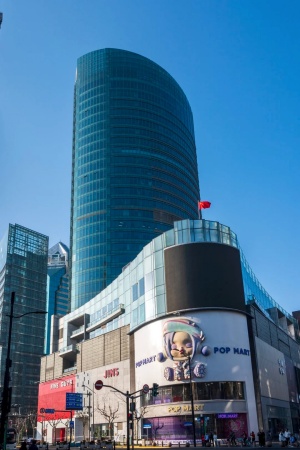
Shopping on Nanjing Road in Shanghai was just amazing! It's truly the "First Commercial Street of China", where tradition and modernity blend perfectly. You can find awesome souvenirs and experience the trendy vibes in cool stores. The neon lights at night are just spectacular, shining bright like Times Square in New York. The food here is incredible too. I had a feast for my taste buds. Shanghai, I'll definitely be back!
Destination(s): Shanghai
Date of Experience: May 08,2024
...
...
Elvis Eva
Canada
Reviewed on June 20,2025
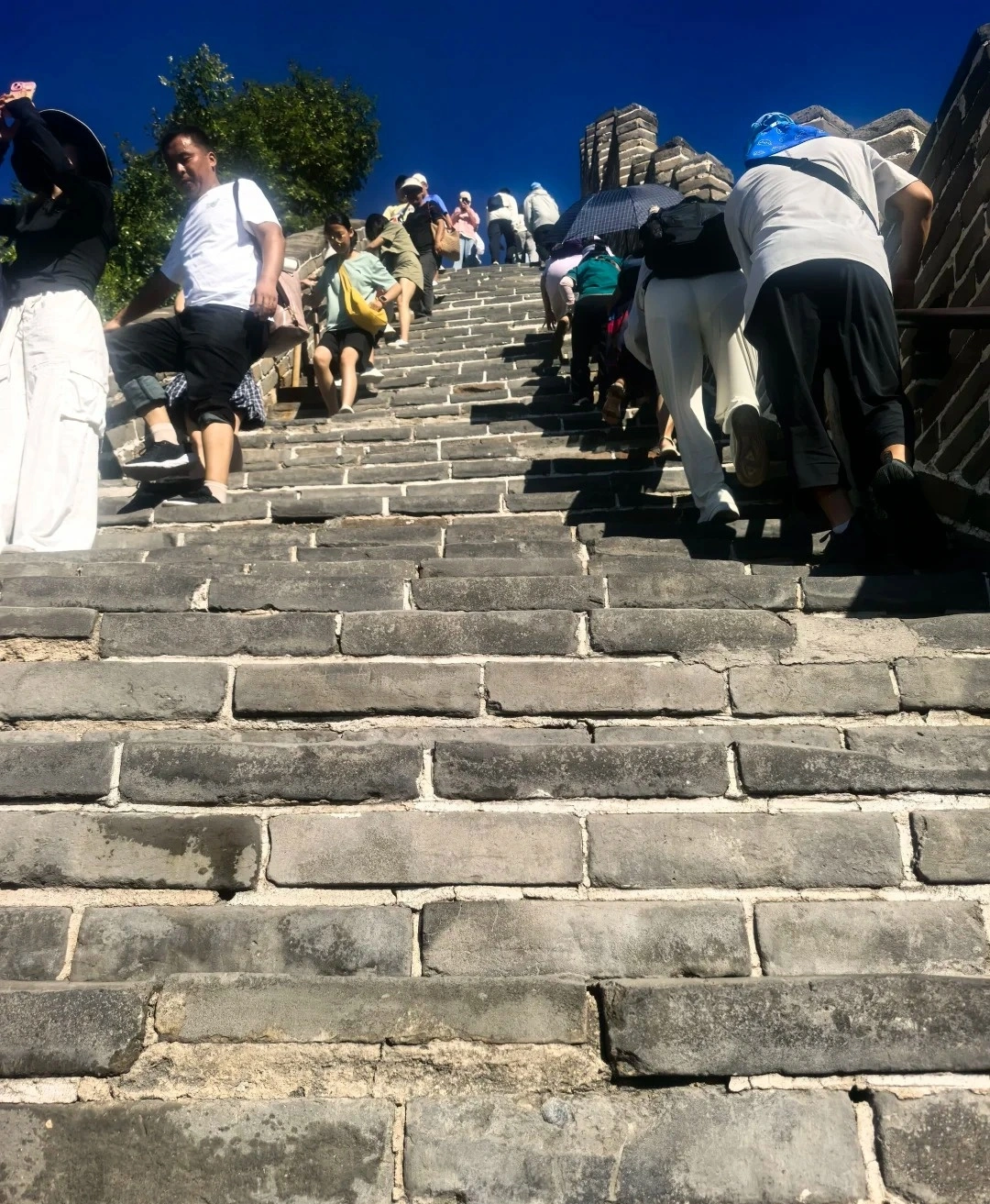
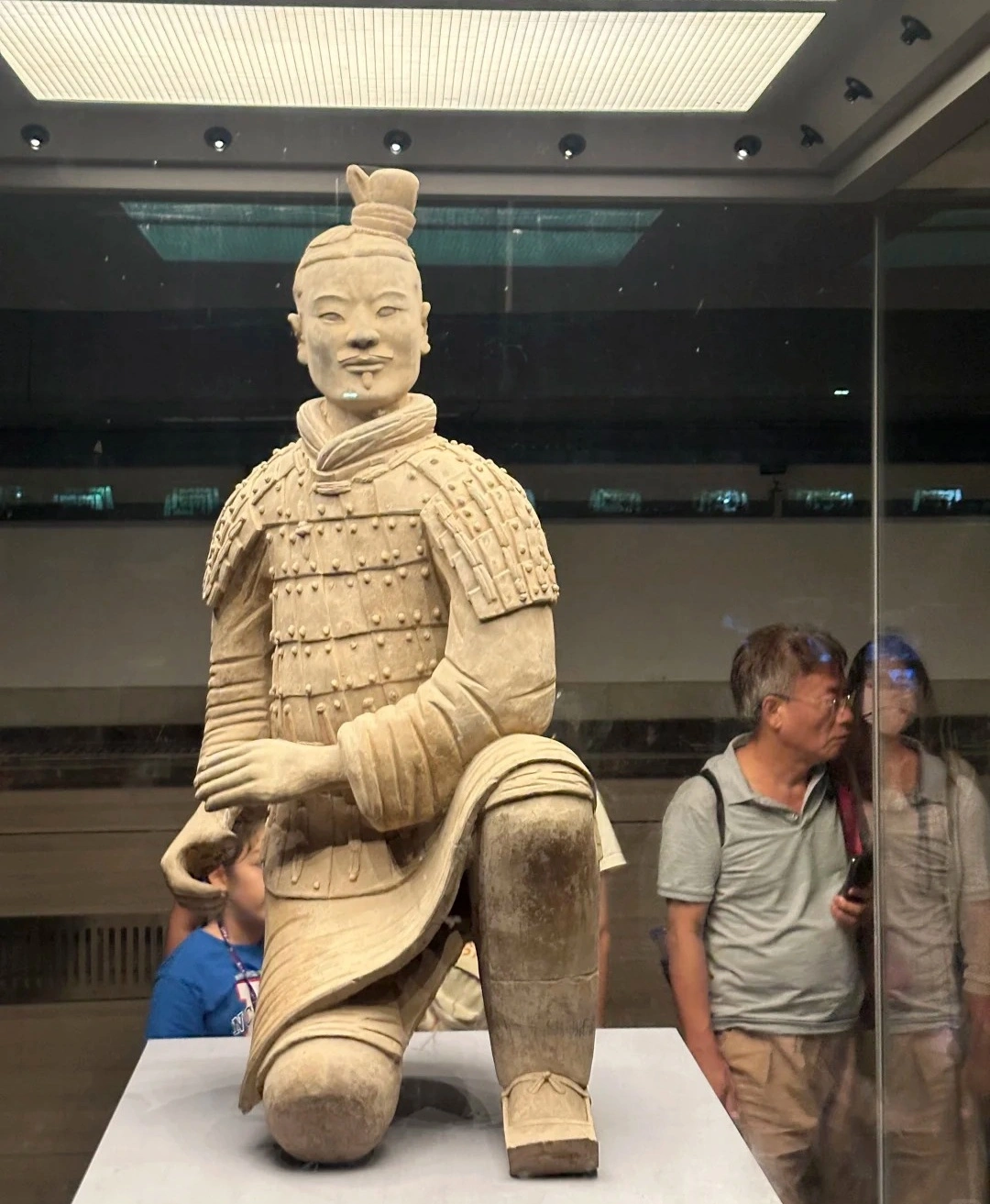
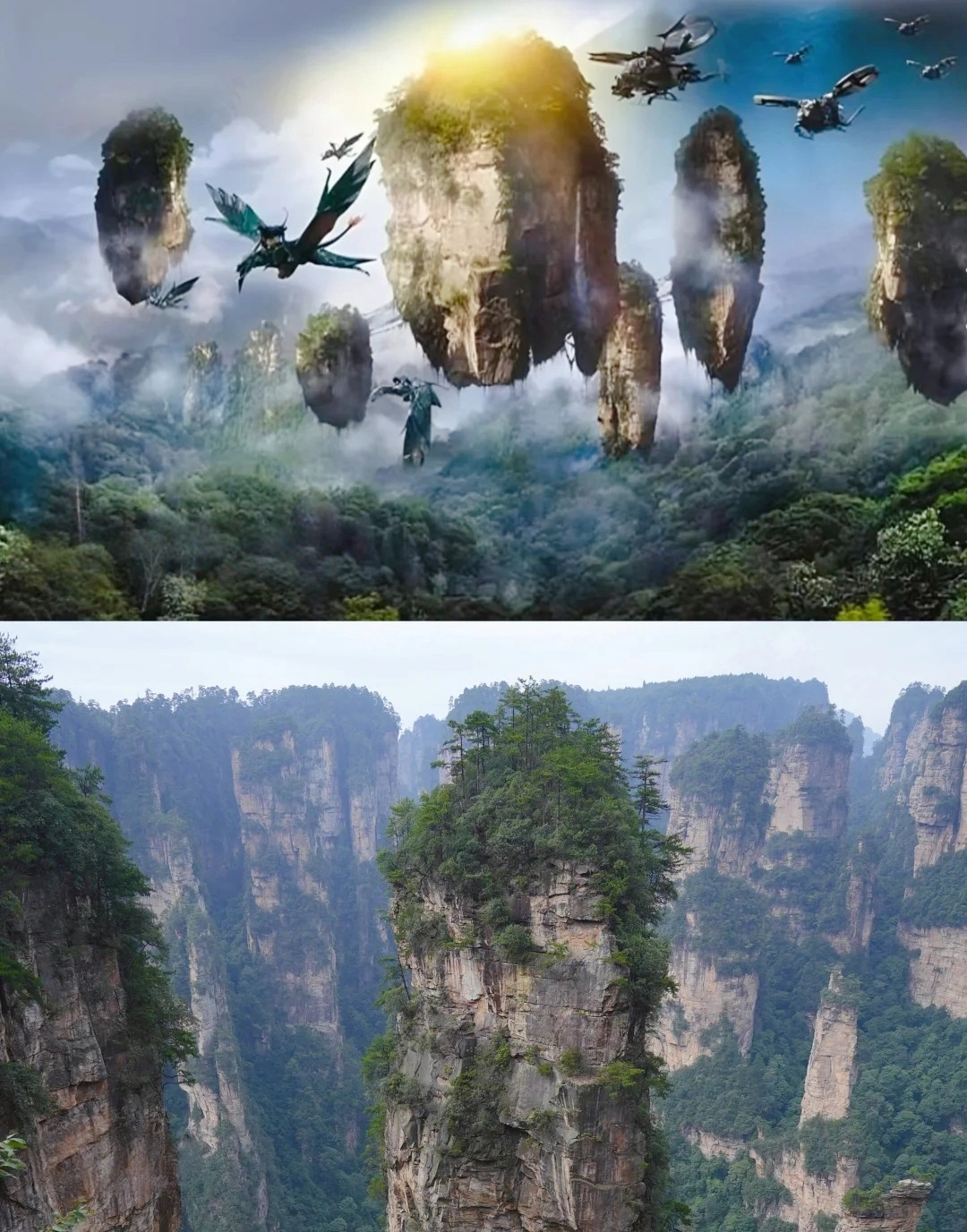
As a solo traveler from Canada, I was nervous about navigating China alone—but this 11-day tour was PERFECT! From hiking the Great Wall at sunrise (Day 3) to gasping at the Terracotta Army (Day 5), every day delivered ‘pinch-me’ moments. The real showstopper? Zhangjiajie’s Avatar Mountains (Day 7)! Our guide made the stone pillars come alive with stories. Massive thanks for handling all logistics—bullet train tickets, entry passes, car! And the 4-star hotels surprised me.
Destination(s): Beijing Xian Zhangjiajie Shanghai
Date of Experience: June 02,2025
... ... ...
...
Simon
America
Reviewed on May 29,2025
Our 2-day Zhangjiajie tour was beyond spectacular! As someone who’s visited Beijing and Shanghai for work, this trip revealed China’s wild, magical heart. Day 1 in Zhangjiajie National Forest Park felt like stepping onto Pandora—I’m a huge Avatar fan, and Yuanjiajie’s floating peaks left me breathless. The misty pillars and lush valleys like pure movie magic! Then came Fenghuang Ancient Town, we eat dinner beside the thundering waterfall. It seems Unreal! The night views of stilt houses glowing over the river were straight from a fairy tale. For fellow Avatar lovers and adventure seekers: Don’t miss this bucket-list experience! 10/10 would return. A Well-Traveled Film Buff, May 2025
Destination(s): Zhangjiajie
Date of Experience: May 08,2025
... ...

Ask a Question

Question Summary (100 characters)
Details (optional) (2,000 characters)
Name
Country
Email