
Wutai Mountain
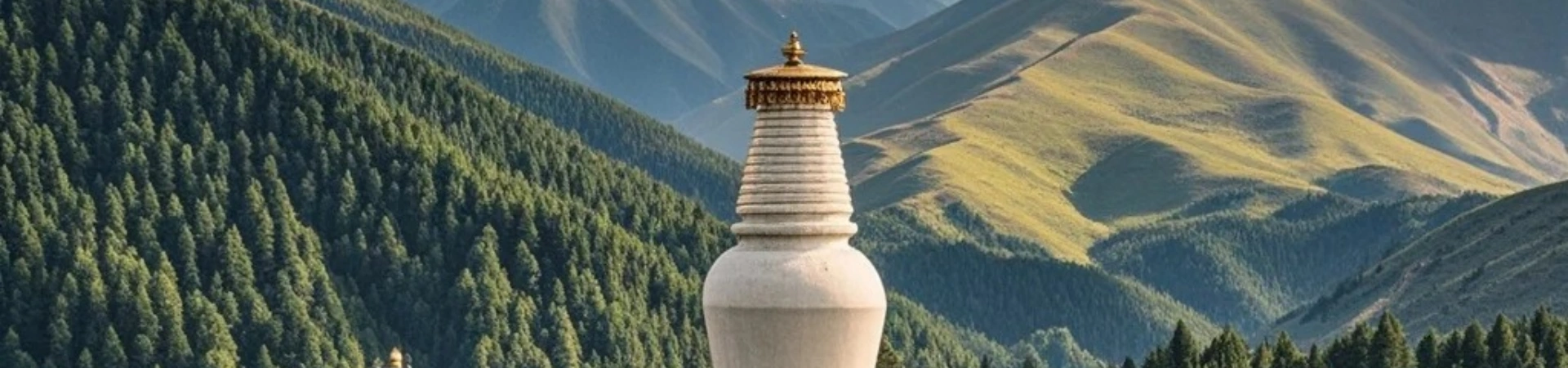
Wutai Mountain (Wutaishan), located in Xinzhou City, Shanxi Province, is China’s most revered Buddhist pilgrimage destination. Comprising five flat-topped peaks (North, South, East, West, and Central), it has been a spiritual hub since the 1st century CE. The mountain’s 53 surviving monasteries, including 6 UNESCO-listed Tang Dynasty structures, reflect over 1,500 years of religious coexistence between Han Chinese and Tibetan Buddhists. Designated a national 5A-level scenic area in 2007, it remains a living sanctuary where prayer flags flutter amidst alpine meadows.
Historical Overview
- Buddhist Foundations (1st–7th centuries): Introduced during the Eastern Han Dynasty, with Emperor Mingdi ordering the first temple construction in 68 CE.
- Tang Dynasty Flourishing (7th–10th centuries): Emperor Wu Zetian funded the construction of 200+ monasteries, declaring Wutai the earthly residence of Manjusri.
- Ming-Qing Restoration (14th–19th centuries): Emperor Yongle rebuilt key temples, merging Tibetan and Han architectural styles.
- Modern Era (20th–21st centuries): Survived the Cultural Revolution due to local protection; underwent UNESCO-funded restoration starting in 1998.
Structural Layout
The mountain’s 283 sq km area is divided into:
- Core Pilgrimage Zone: Centered around Taihuai Town, with 47 monasteries including Xiantong Temple and Pusading.
- Five Peaks Circuit:
- North Peak (Yedou Peak): Highest point at 3,061 meters, home to the 1,000-year-old Foguang Temple.
- East Peak (Wanghai Peak): Offers sunrise views over the Bohai Sea.
- Central Peak (Cuiping Peak): The smallest peak, housing the 1,400-year-old ShuXiang Temple.
Key structures:
- Xiantong Temple: The largest monastery, founded in 68 CE, with a 17-meter bronze Manjusri statue.
- Pusading: The Tibetan Buddhist center, featuring golden roofs and murals depicting Tsongkhapa.
Major Attractions
- Xiantong Temple: A Han Buddhist complex with 9 courtyards and a library of 8,000+ Buddhist sutras.
- Pusading: The Dalai Lama’s former residence in China, rebuilt in 1705 with Ming-era thangkas.
- Foguang Temple: A Tang Dynasty wooden structure housing China’s tallest surviving clay Buddha (32 meters).
- Dai Luo Ding: A 1,080-step stairway leading to a hilltop temple with panoramic mountain views.
- Nanshan Temple: Features a 3-meter jade Manjusri statue and a 500-year-old cypress tree.
- Jin Ge Temple: A Ming Dynasty monastery with 18 armored guardian statues.
Suggested Itineraries
-
Classic Route (2–3 hours):
Taihuai Town → Xiantong Temple → Pusading → Nanshan Temple → Return
Highlights: Core Han and Tibetan Buddhist sites. -
Extended Route (4–5 hours):
Taihuai Town → Xiantong Temple → Pusading → Foguang Temple → Dai Luo Ding → Return
Highlights: Addition of Tang Dynasty architecture and mountain vistas. -
Comprehensive Route (Full Day):
Taihuai Town → Guided Tour of Xiantong Temple Sutra Library → Foguang Temple → Pusading → Nanshan Temple → Jin Ge Temple → Central Peak Sunset
Highlights: Deep exploration of religious art and high-altitude landscapes.
Ticket Purchase
- Entrance Fee: ¥135 (peak season: Apr–Oct), ¥118 (off-season: Nov–Mar). Includes access to 5 core monasteries.
- Concessions: 50% off for students/seniors; free for children under 1.2m.
- Online: Book via Ctrip or the official WeChat platform "Wutai Mountain" (up to 7 days in advance).
- On-Site: Tickets available at Taihuai Town entrances; queues average 20 minutes.
Transportation
- From Taiyuan: 3.5-hour drive via Xining Expressway (¥90 toll).
- By Train: Taiyuan → Wutai Mountain High-Speed Railway (1.5 hours), then shuttle bus to Taihuai Town.
- By Bus: Taiyuan East Bus Station → Wutai Mountain Direct Bus (¥75, 3 hours).
- Parking: Free lots at Taihuai Town and major monasteries.
Best Time & Tips
- Optimal Seasons: May–September (wildflowers), October (golden maple leaves).
- Avoid Crowds: Visit weekdays; weekends host large pilgrimage groups.
- Essentials:
- Respect Buddhist customs (remove hats indoors, walk clockwise around stupas).
- Bring warm clothing (temperatures drop 10°C at altitude).
- Photography: Ask permission before photographing monks.
- Prohibited Items: Alcohol, meat, and loud music near temples.
- Cultural Tip: Attend the "Manjusri Debate" ceremony at Pusading (July–Aug).


Contact Us
What Our Clients Say?
Based on 10,000+ traveler reviews

Daniel Dorothea
Canada
Reviewed on April 29,2025
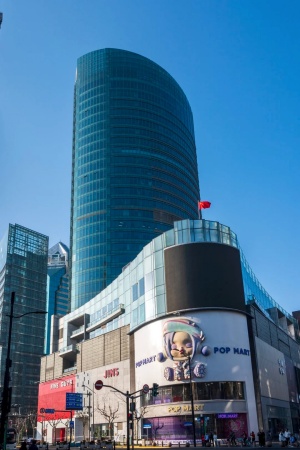
Shopping on Nanjing Road in Shanghai was just amazing! It's truly the "First Commercial Street of China", where tradition and modernity blend perfectly. You can find awesome souvenirs and experience the trendy vibes in cool stores. The neon lights at night are just spectacular, shining bright like Times Square in New York. The food here is incredible too. I had a feast for my taste buds. Shanghai, I'll definitely be back!
Destination(s):
Shanghai
Date of
Experience:
May 08,2024

Elvis Eva
Canada
Reviewed on June 20,2025
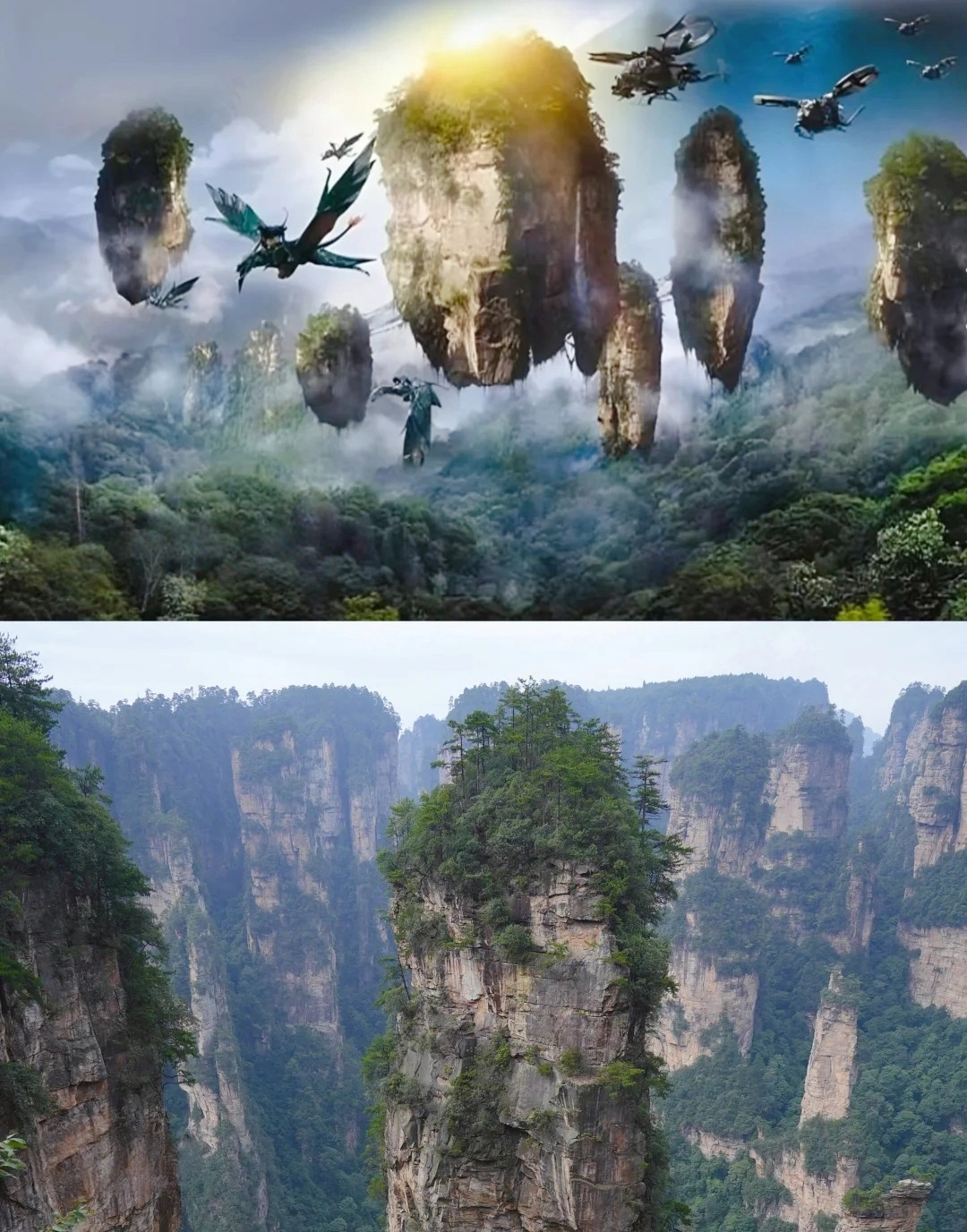
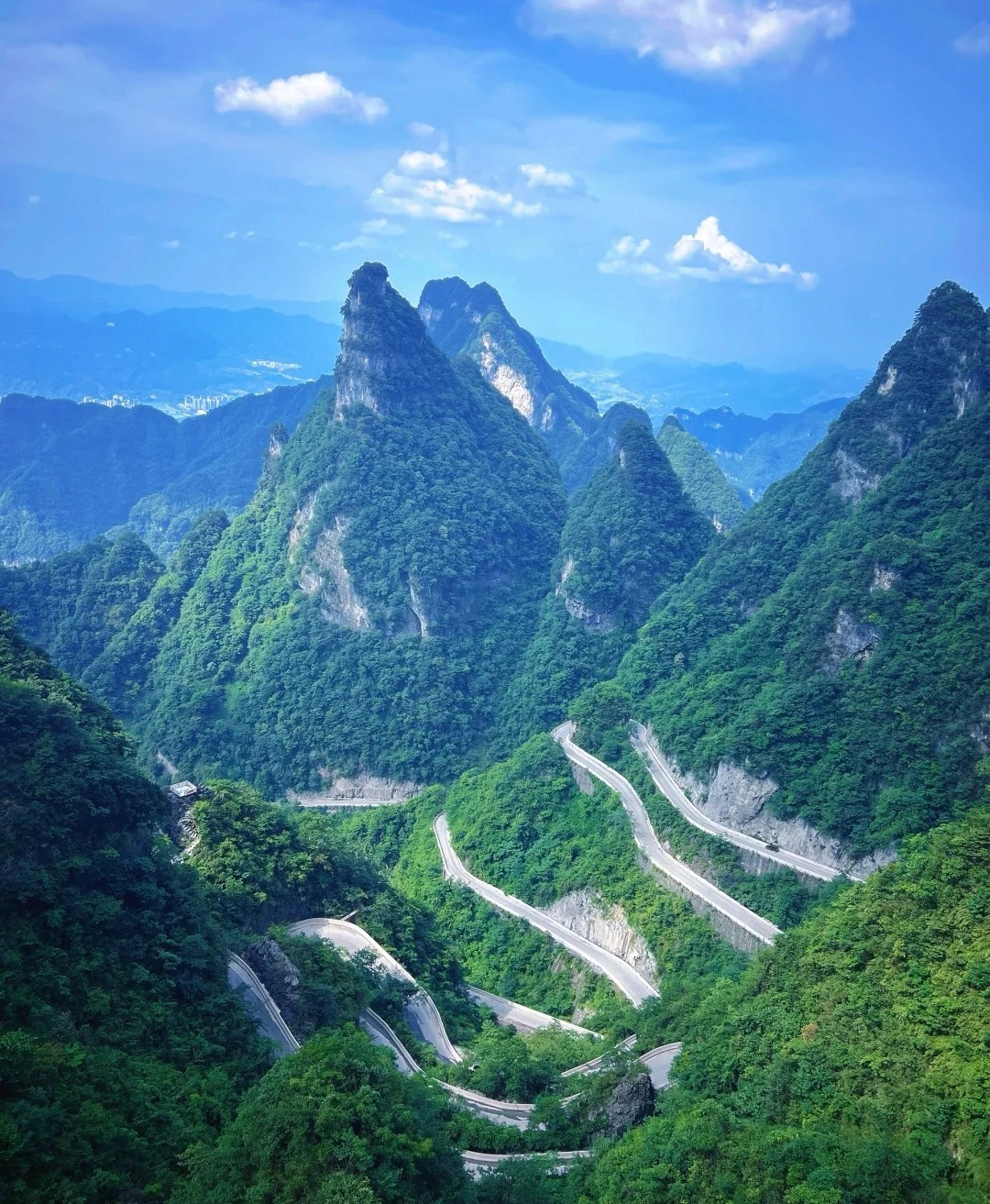
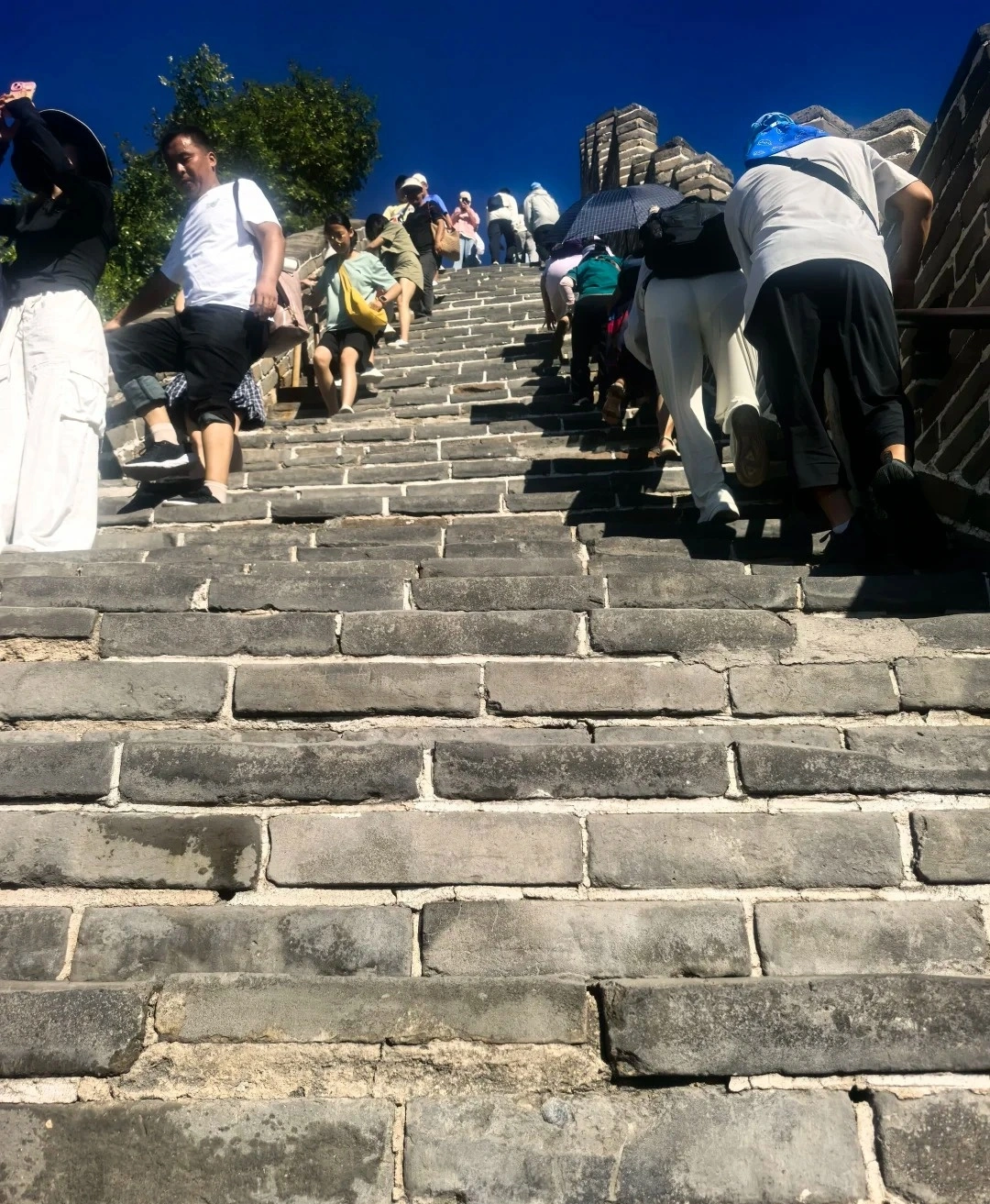
As a solo traveler from Canada, I was nervous about navigating China alone—but this 11-day tour was PERFECT! From hiking the Great Wall at sunrise (Day 3) to gasping at the Terracotta Army (Day 5), every day delivered ‘pinch-me’ moments. The real showstopper? Zhangjiajie’s Avatar Mountains (Day 7)! Our guide made the stone pillars come alive with stories.
Massive thanks for handling all logistics—bullet train tickets, entry passes, car! And the 4-star hotels surprised me.
Destination(s):
Beijing Xian Zhangjiajie Shanghai
Date of
Experience:
June 02,2025

Simon
America
Reviewed on May 29,2025
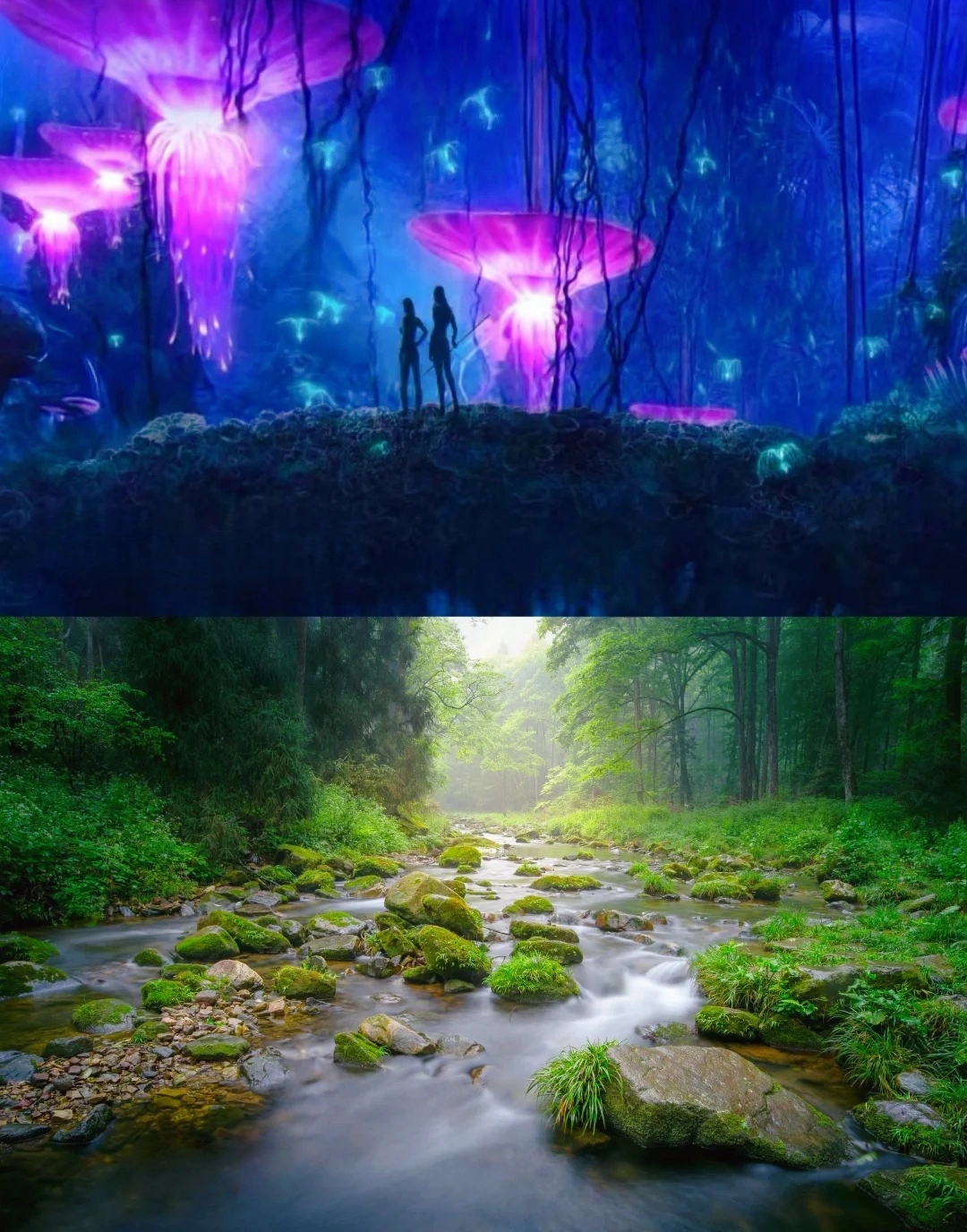
Our 2-day Zhangjiajie tour was beyond spectacular! As someone who’s visited Beijing and Shanghai for work, this trip revealed China’s wild, magical heart. Day 1 in Zhangjiajie National Forest Park felt like stepping onto Pandora—I’m a huge Avatar fan, and Yuanjiajie’s floating peaks left me breathless. The misty pillars and lush valleys like pure movie magic!
Then came Fenghuang Ancient Town, we eat dinner beside the thundering waterfall. It seems Unreal! The night views of stilt houses glowing over the river were straight from a fairy tale.
For fellow Avatar lovers and adventure seekers: Don’t miss this bucket-list experience! 10/10 would return.
A Well-Traveled Film Buff, May 2025
Destination(s):
Zhangjiajie
Date of
Experience:
May 08,2025