Mong Kok: Getting Lost in Hong Kong’s Most Vibrant District

Mong Kok: Getting Lost in Hong Kong’s Most Vibrant District

Overview: The Neon-Lit Heart of the Metropolis

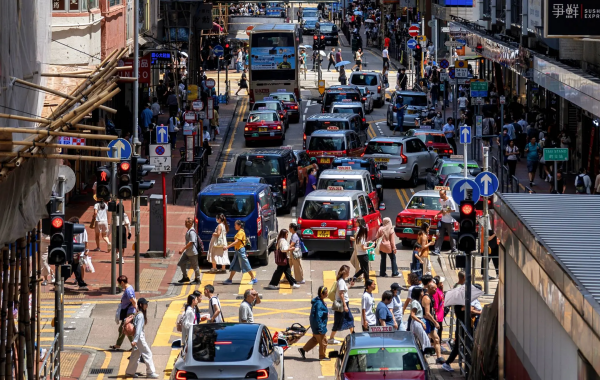
From affordable street markets to trendy shopping malls, from centuries-old thoroughfares to neon-drenched nights, Mong Kok is the ultimate destination for experiencing the most authentic and raw side of Hong Kong living.

Key Highlights at a Glance

Identity Tags: City of Neon / Quintessence of Hong Kong Street Life

Core Experiences: Treasure hunting in themed markets, street food crawls, neon night photography, shopping sprees in trendy malls

Recommended Visit: 1 Day (preferably afternoon through late night—the later it gets, the more exciting it becomes)

Address: Mong Kok, Kowloon, Hong Kong

  • Mong Kok: Getting Lost in Hong Kong’s Most Vibrant District-1
  • Mong Kok: Getting Lost in Hong Kong’s Most Vibrant District-2
  • Mong Kok: Getting Lost in Hong Kong’s Most Vibrant District-3
  • Mong Kok: Getting Lost in Hong Kong’s Most Vibrant District-4

Origins: From a Coastal Wilderness to a Bustling Metropolis

Furong Ancient Town Furong Ancient Town

The Mystery of the Name—"Mong Kok" vs. "Mang Kok"

The name "Mong Kok" conceals a fascinating linguistic evolution. Historically, the area was known as "Mang Kok." It earned this name—specifically "Mang Kok Tsui" (Mang Kok Promontory)—because it was once overgrown with mang grass (Miscanthus) and featured a terrain that jutted into the sea much like a bull's horn. The area has been inhabited since as early as the Eastern Han Dynasty. During the Qing Dynasty, Hakka villagers from Guangdong established "Mang Kok Village" here, making a living by cultivating watercress, water spinach, and flowers—a history that explains why street names such as "Sai Yeung Choi Street" (Watercress Street), "Tung Choi Street" (Water Spinach Street), and "Fa Yuen Street" (Garden Street) still exist in the district today.

After the Kowloon Peninsula was ceded to the British in 1860, villagers frequently transported their produce to Hong Kong Island for sale aboard the boats of the Tanka people (a traditional fishing community). In the Tanka dialect, the pronunciation of "Mang" was homophonous with "Mong"; consequently, the British transliterated the name "Mang Kok" into "Mong Kok." In the 1930s, alongside urban expansion, the official Chinese name was formally changed to "Mong Kok"—a name chosen to signify "prosperity." However, the English name "Mong Kok" has remained unchanged to this day, inadvertently preserving the history behind this place name.

Urban Evolution—From Pastoral to Modern

The transformation of Mong Kok serves as a vivid microcosm of Hong Kong's urbanization:

The Pastoral Era (Pre-early 20th Century): Mong Kok was merely a small village home to just over two hundred residents; villagers rose at dawn and rested at dusk, making a living through farming.

Land Reclamation and Industrialization (From 1909): The British colonial government initiated land reclamation projects to construct a typhoon shelter; wharves and roads gradually took shape, leading to the subsequent rise of light industries.

Commercial Transformation (From the 1950s): The district gradually transitioned into a mixed commercial and residential zone, experiencing a population boom and the proliferation of shops.

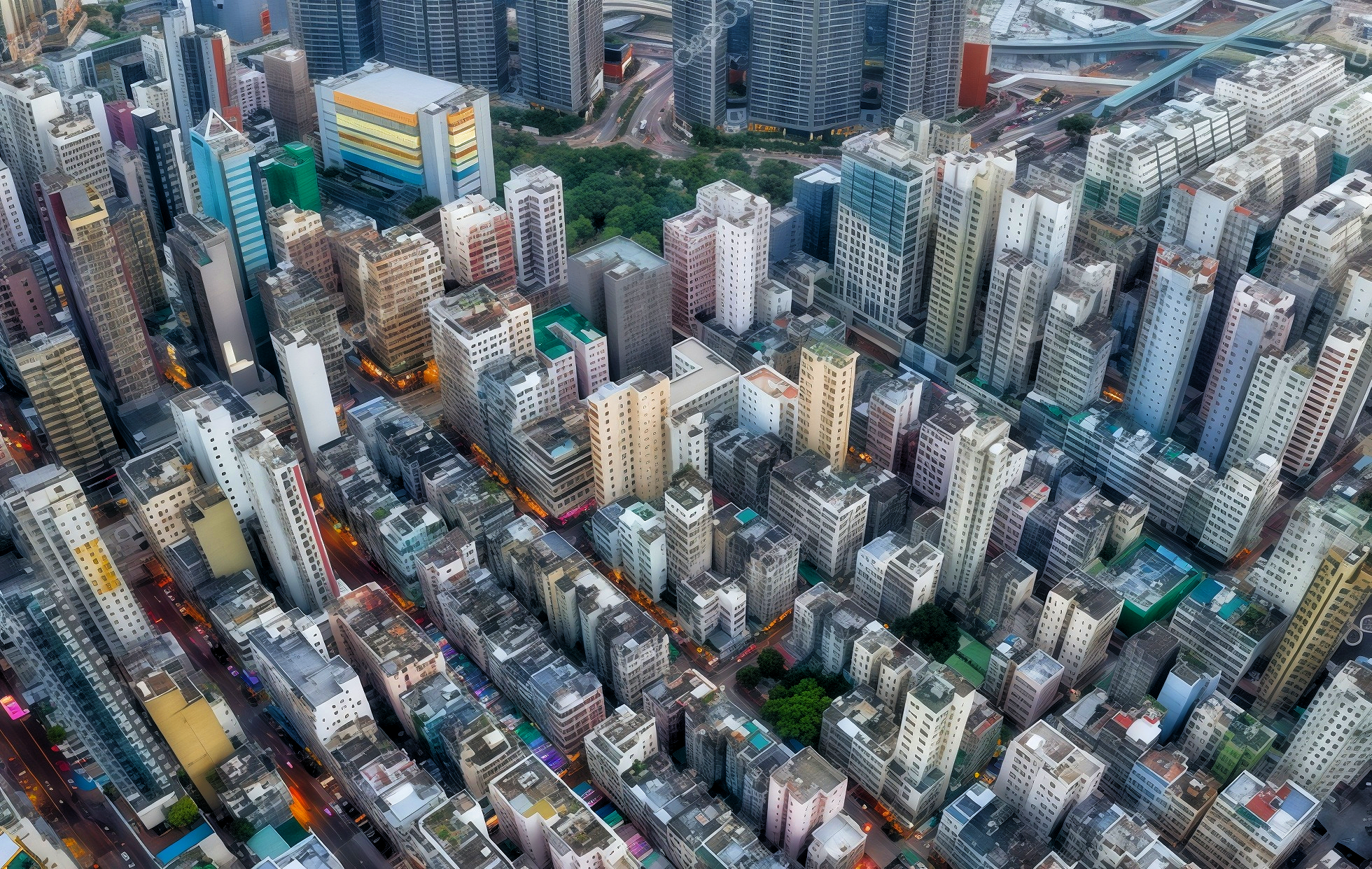
The Bloom of Prosperity (To the Present): Today, Mong Kok stands as Kowloon's most bustling shopping and entertainment hub, boasting an average population density of a staggering 130,000 people per square kilometer.

Dive Deeper: Explore More Authentic Sceneries>> [Weizhou Island]

Must-See Wonders: A Sensory Feast in the Neon City

Furong Ancient Town Furong Ancient Town Furong Ancient Town

The Urban Pulse—A Shopping Labyrinth of Themed Streets

The allure of Mong Kok lies in its highly specialized shopping streets, where every lane offers a unique treasure-hunting adventure.

Ladies' Market (Tung Choi Street): The Heartbeat of Local Street Life

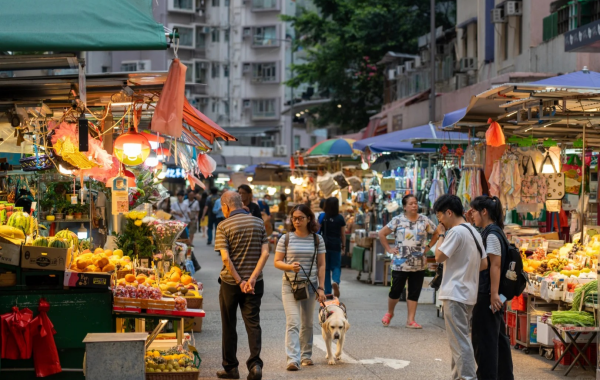
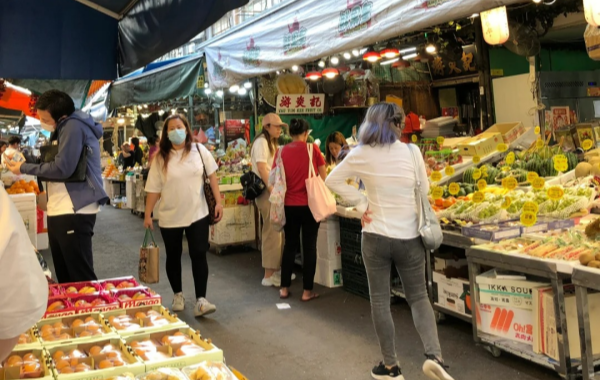
This is Mong Kok's most renowned open-air market. Stretching for approximately one kilometer, the street is lined on both sides with hundreds of stalls packed tightly beneath blue-and-white canvas awnings. While it originally focused on selling women's clothing and accessories, it has since evolved into an all-encompassing treasure trove: clothing, handbags, mobile phone accessories, souvenirs, and trinkets—you name it, they have it. The true charm here lies not in what you buy, but in the very process of "hunting" and "bargaining." The interplay of neon signs and bustling crowds creates an authentic Hong Kong street atmosphere, making it an exceptional setting for street photography.

Goldfish Street (Northern Section of Tung Choi Street): A Dreamlike Streetscape Straight Out of a Wong Kar-wai Film

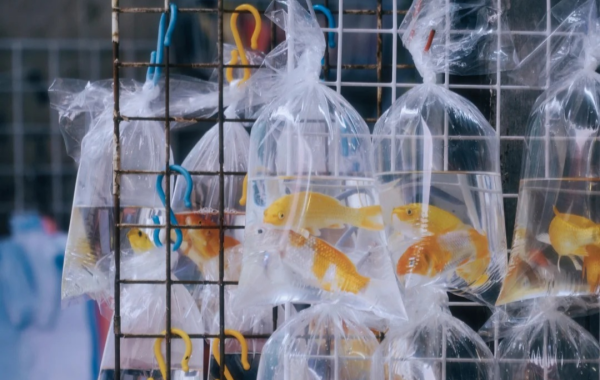
This is one of the most visually striking sights in Mong Kok. Along the entire street, ornamental fish shops hang hundreds of transparent plastic bags filled with water on their exterior walls; colorful goldfish swim within these bags, appearing utterly dreamlike when illuminated by the glow of neon lights. In Chinese culture, goldfish symbolize good fortune and wealth. Even if you have no intention of making a purchase, simply strolling through the area to admire this "breathing mural" is an enchanting experience in itself. Photography Tip: The atmosphere is at its best when captured at dusk, just after the shops have turned on their lights.

Sneaker Street (Southern Section of Fa Yuen Street): A Pilgrimage Site for Sneakerheads

Packed into a short stretch of approximately 500 meters, this street is home to over 150 sports goods shops, making it one of the districts with the highest density of global sneaker brands in the world. Flagship stores for brands like Nike and Adidas stand alongside trendy sneaker boutiques, offering a staggering array of styles—from the latest limited editions to classic retro reissues. Whenever international sports stars or teams visit Hong Kong for promotional events, this street becomes the focal point where fans gather in droves.

Flower Market Road & Yuen Po Street Bird Garden: A Natural Oasis in the City

Located near Prince Edward, Flower Market Road brings together nearly a hundred retail and wholesale flower shops selling fresh-cut flowers, potted plants, and gardening supplies sourced from around the globe. The area becomes particularly bustling on the eve of the Lunar New Year, when locals flock here to purchase traditional festive flowers; the air is filled with floral scents, exuding a rich festive atmosphere. Adjacent to this lies the Yuen Po Street Bird Garden, a unique cultural landmark. Every morning, bird enthusiasts arrive carrying exquisite, handcrafted bamboo cages to "walk their birds"; the melodious chirping of the thrushes and Chinese Hwamei birds within the cages paints a vivid, living portrait of old Hong Kong.

Sai Yeung Choi Street South: The Crossroads of Digital Tech and Trendy Culture

Renowned for its abundance of electronics, cosmetics, and trendy fashion outlets, this street is a popular hangout spot for Hong Kong's youth. Lined with chain electronics stores, beauty and pharmacy retailers, and specialty fashion boutiques—and enlivened by the impromptu performances of street artists—the street infuses Mong Kok with a ceaseless stream of youthful energy and vitality.

Urban Landmarks—Modern Architecture and Neon Imprints

The architecture of Mong Kok stands as a three-dimensional testament to the seamless blend of old and new that defines Hong Kong.

Langham Place: A Paradigm of the Vertical City

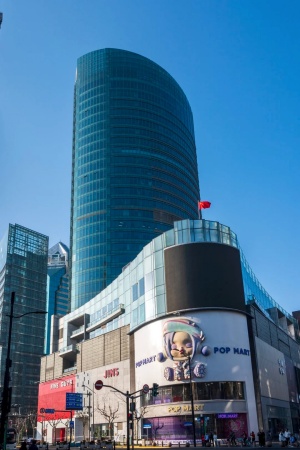
Completed in 2004, Langham Place is a landmark commercial complex in Mong Kok, comprising three main components: a shopping mall, a five-star hotel, and Grade A office space. The 15-story mall features a unique spiral design and houses the famous "通天電梯" (Sky Escalator), which ascends directly from the 4th floor to the 12th. The completion of Langham Place completely transformed the landscape of the Portland Street area, transmuting a formerly gritty district—once plagued by public order issues—into a trendy mecca lined with prestigious boutiques. The 255.1-meter-tall office tower was once the tallest commercial building in Kowloon and remains a prominent feature of the district's skyline to this day.

Neon Signs: A Vanishing Urban Icon

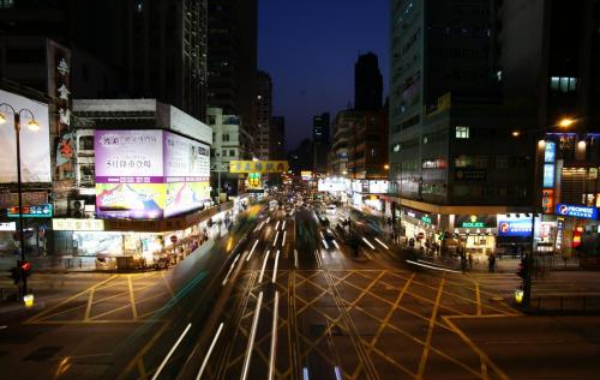
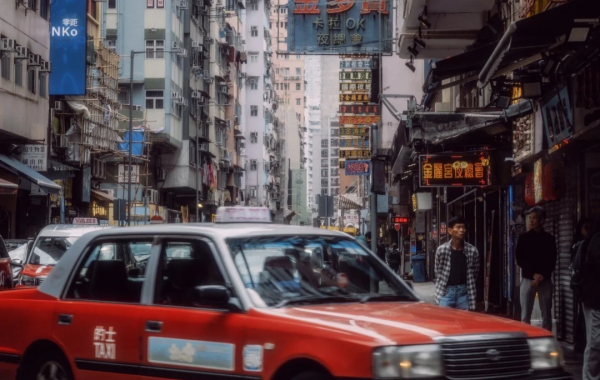
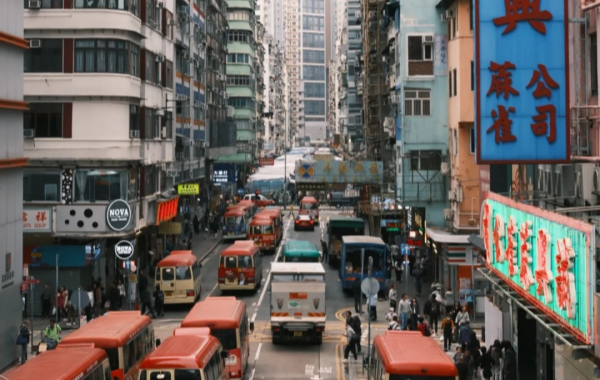
Mong Kok’s night sky is etched out by layer upon layer of neon signage. These colorful, uniquely shaped glass-tube signs were once among Hong Kong’s most instantly recognizable urban symbols. However, due to urban regulations and the widespread adoption of LED technology, traditional neon lights are gradually fading from the streets. Mong Kok remains one of the few places where one can still witness large-scale clusters of neon signs—particularly around Dundas Street and Portland Street—where, once illuminated at night, the scene feels like stepping directly into a sci-fi movie. Photography Tip: Use a wide-angle lens and shoot upwards from within the narrow alleys to capture the layered interplay between the neon signs and the historic buildings.

Photography Secrets:

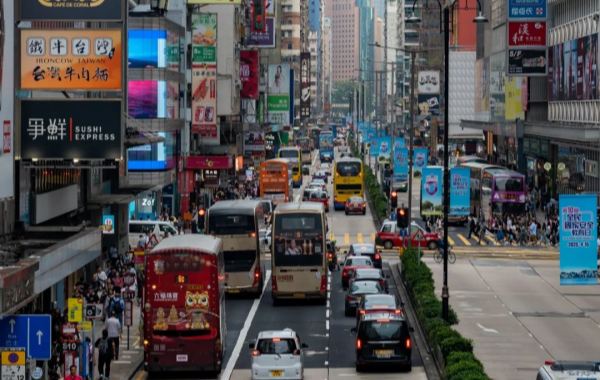
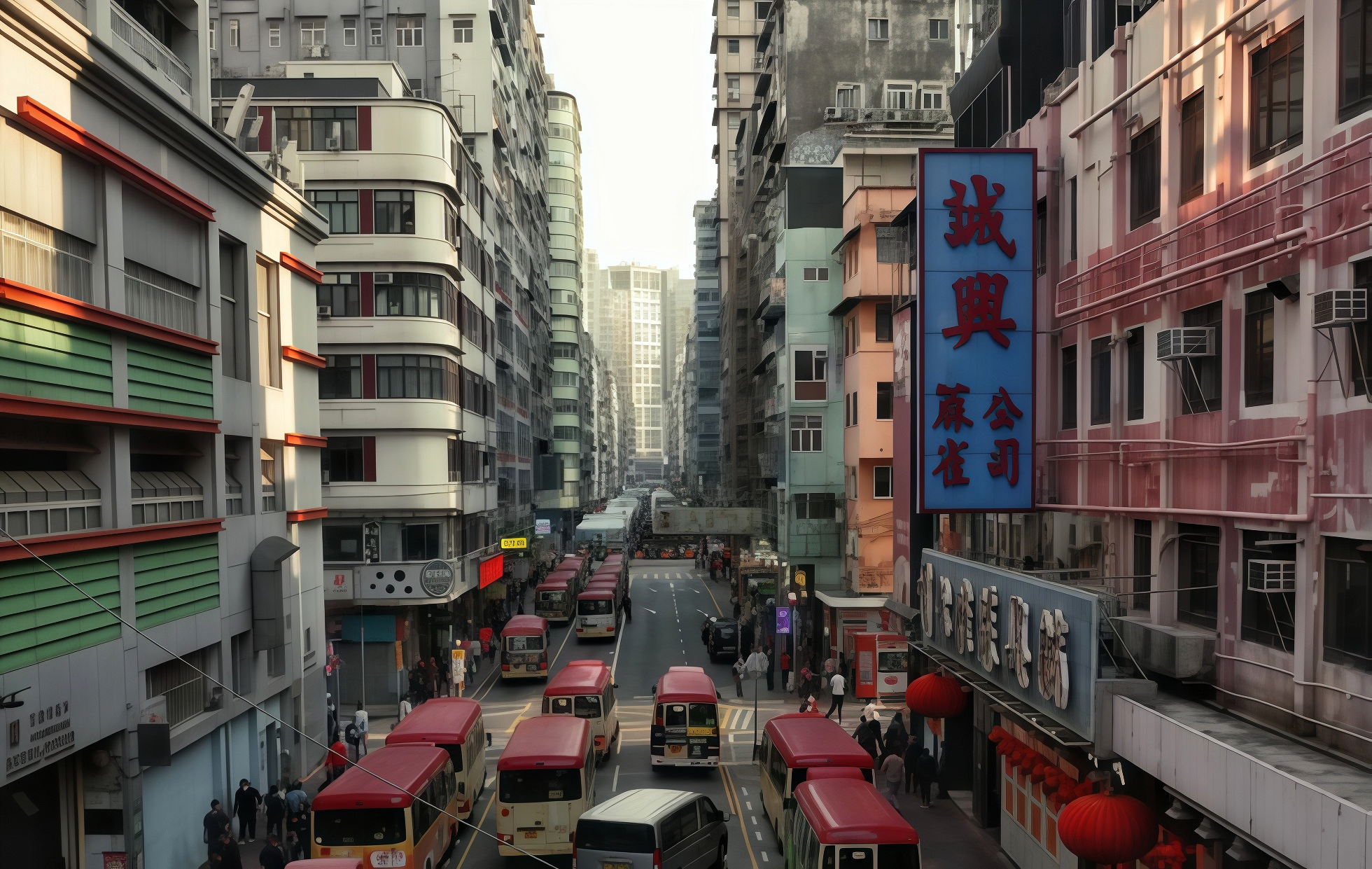
The best vantage point for street photography is from the pedestrian footbridges in Mong Kok, offering a panoramic view of the bustling traffic on Nathan Road and the sea of neon lights below.

Goldfish Street is the ideal location for capturing dreamy, Hong Kong-style portraits; using a wide-aperture lens to blur the background lights is highly recommended.

The optimal time to photograph neon signs is 30 minutes after sunset, when the sky still retains a lingering twilight glow and the lights have just begun to shine.

When engaging in street photography, always be mindful of respecting your subjects; if photographing street vendors, offer a smile and a gesture to seek their permission beforehand.

Core Experiences: A Guide to Authentic Hong Kong-Style Living

Furong Ancient Town Furong Ancient Town Furong Ancient Town

Five Must-Do Activities to Unlock the Full Mong Kok Experience

1. Go Treasure Hunting at a Themed Market

Time: It is recommended to visit after 4:00 PM, when all the stalls are set up and the crowds begin to gather.

Locations: Ladies' Market (for bargaining and treasure hunting), Goldfish Market (for visual photo ops), and Sneaker Street (a pilgrimage site for sneakerheads).

Tip: At Ladies' Market, there is often room to bargain down to 30% off the listed price; be sure to shop around and compare prices before making a purchase.

2. Embark on a Street Food Safari

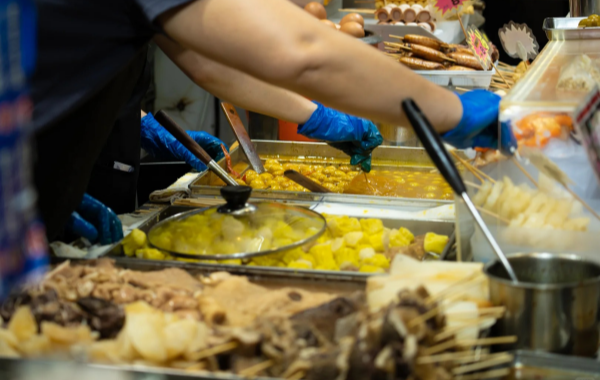
Must-Eat List: "Sister Fa" Snack Shop’s Signature Combo (chilled braised delicacies with yellow mustard sauce), Curry Fish Balls, Egg Waffles (Gai Daan Jai), and Mock Shark Fin Soup.

Food-Hunting Route: Start at Dundas Street and work your way along Garden Street all the way to Sai Yeung Choi Street South.

Tip: Bring plenty of Hong Kong dollar cash, as most snack stalls only accept cash payments.

3. Shoot a Series of "Neon Hong Kong" Style Photos

Key Element: The nightlife is the true soul of Mong Kok! It is recommended to arrive in the early evening to capture the transition from day to night.

Photo Spots: The illuminated aquarium tanks at Goldfish Market, the clusters of neon signs on Dundas Street, and the Mong Kok footbridge overlooking the traffic flow on Nathan Road.

Attire: It is recommended to wear simple, solid-colored clothing (a white T-shirt and jeans work best) to let the vibrant colors of the background take center stage.

4. Dine at an Authentic Hong Kong-Style Cha Chaan Teng (Tea Restaurant)

Recommendations: Kam Wah Café’s Bo Lo Yau (Pineapple Bun with Butter) and Milk Tea; Australia Dairy Company’s Scrambled Eggs on Toast; and Tim Ho Wan’s Baked BBQ Pork Buns.

Experience: Embrace the Hong Kong custom of daap toi (table-sharing with strangers) to get a feel for the city's fast-paced local lifestyle.

Tip: The breakfast period sees the fewest crowds, while the afternoon tea period (2:30 PM – 6:00 PM) offers the best value on set meals.

5. Ride the "Sky Escalators" at Langham Place

Experience: Ride Hong Kong’s longest indoor mall escalators—ascending directly from the 4th floor to the 12th floor—and look down upon the bustling crowds filling the mall's central atrium.

Photo Spot: The "Sky Atrium" on the 4th floor frequently hosts various themed exhibitions and events throughout the year, making it a popular hotspot for photos. Extension: The top floor of the shopping mall features a cinema where you can experience authentic local Hong Kong movie-going culture.

Suggested Itinerary

One-Day "Deep Immersion" Tour (Highly Recommended):

2:00 PM: Start from Exit E2 of Mong Kok MTR Station. Begin by exploring Langham Place; take the "通天電梯" (Sky Escalator) to experience the unique vertical design of this shopping complex (approx. 1.5 hours).

3:30 PM: Walk along Argyle Street to Sai Yeung Choi Street South to soak up the youthful vibe of digital gadget stores and trendy boutiques, sampling street snacks along the way (approx. 1 hour).

4:30 PM: Head over to "Sneaker Street" (the southern section of Fa Yuen Street) to hunt for limited-edition sneakers and trendy sportswear (approx. 1 hour).

5:30 PM: As dusk falls, make your way to "Goldfish Street" to capture photos of the dreamy aquarium-lined streetscape as the lights turn on—this is the best time of day for photography (approx. 30 minutes).

6:00 PM: Step into "Ladies' Market" (Tung Choi Street). As the neon signs gradually light up, experience the joy of treasure hunting in the night market and enjoy the authentic local fun of bargaining with vendors (approx. 1.5 hours).

7:30 PM: Enjoy a street-food dinner in the Dundas Street area. Recommended eats include the chilled braised delicacies at Fei Jie (Sister Fei), the "Fried Three Treasures" at Gai Kee, and the curry fish balls at Lung Tseng. Finish off your meal with a dessert of Egg Waffles or Grid Waffles (approx. 1 hour).

8:30 PM: Ascend the Mong Kok pedestrian footbridge to overlook the bustling traffic and sea of neon lights along Nathan Road, capturing stunning photos of the urban nightscape (approx. 30 minutes).

After 9:00 PM: Freely explore the nightlife around Portland Street and Shanghai Street, or head to the nearby Temple Street Night Market in Yau Ma Tei to continue your authentic Hong Kong experience.

Travel Tip: This itinerary is primarily a walking tour, so we recommend wearing comfortable shoes. Mong Kok's streets are densely crowded; please be mindful of your personal belongings at all times.

IntoTravelChina Advantage: We can book the perfect accommodation to suit your needs, seamlessly coordinate all activities within your itinerary, and provide you with detailed walking route maps and safety guidelines. Professional Guides: IntoTravelChina offers fully customized itineraries, complete with a dedicated private guide, transportation, and activity arrangements, ensuring a deeply immersive and worry-free travel experience. >> [Consult for Customization Now]

Comprehensive Travel Guide: Transportation, Accommodation, and Seasons

Furong Ancient Town Furong Ancient Town Furong Ancient Town

How to Get There: A Seamless Connection Guide

Located in the heart of Kowloon, Mong Kok boasts excellent connectivity and is easily accessible via various modes of public transportation.

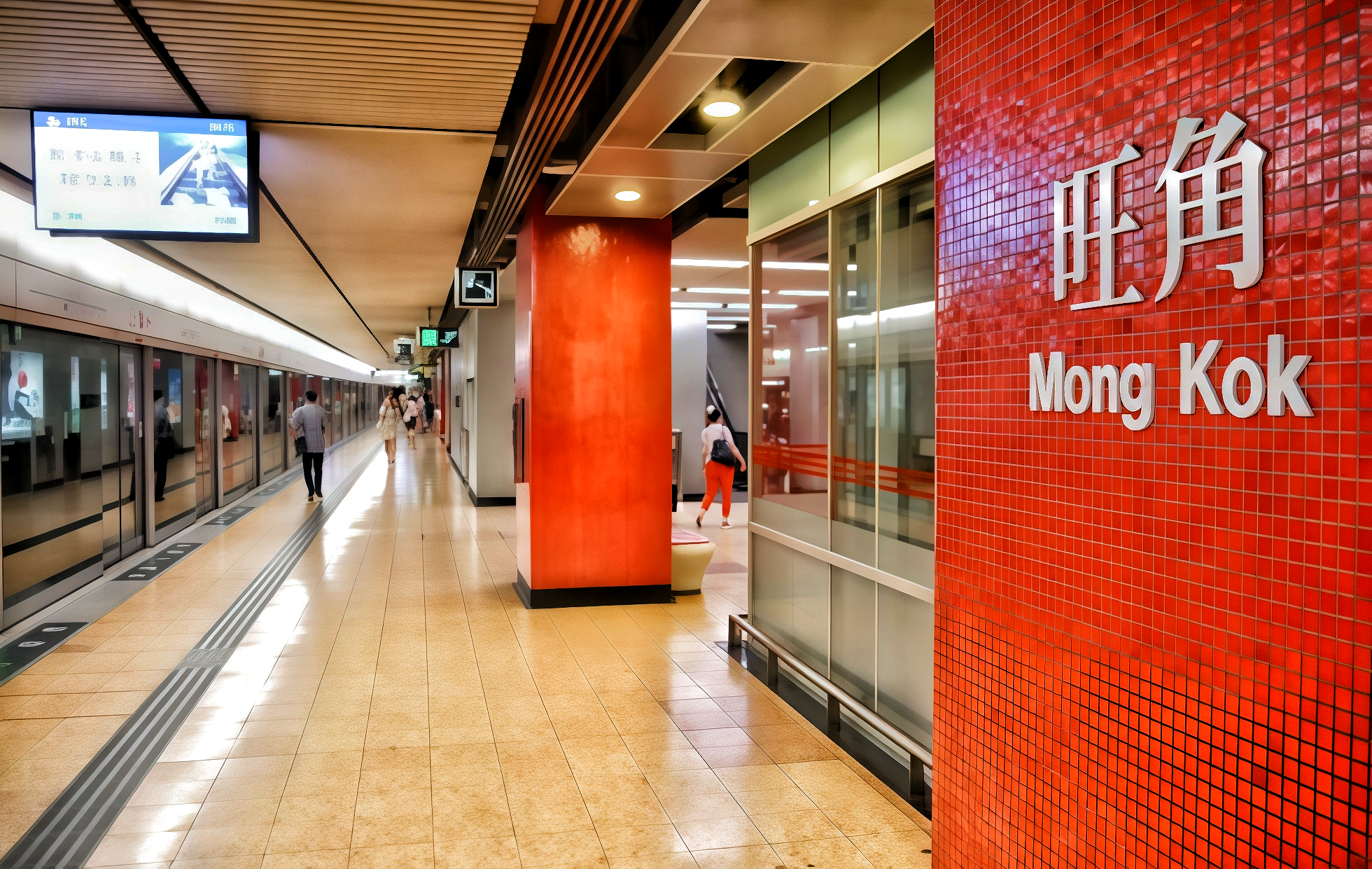
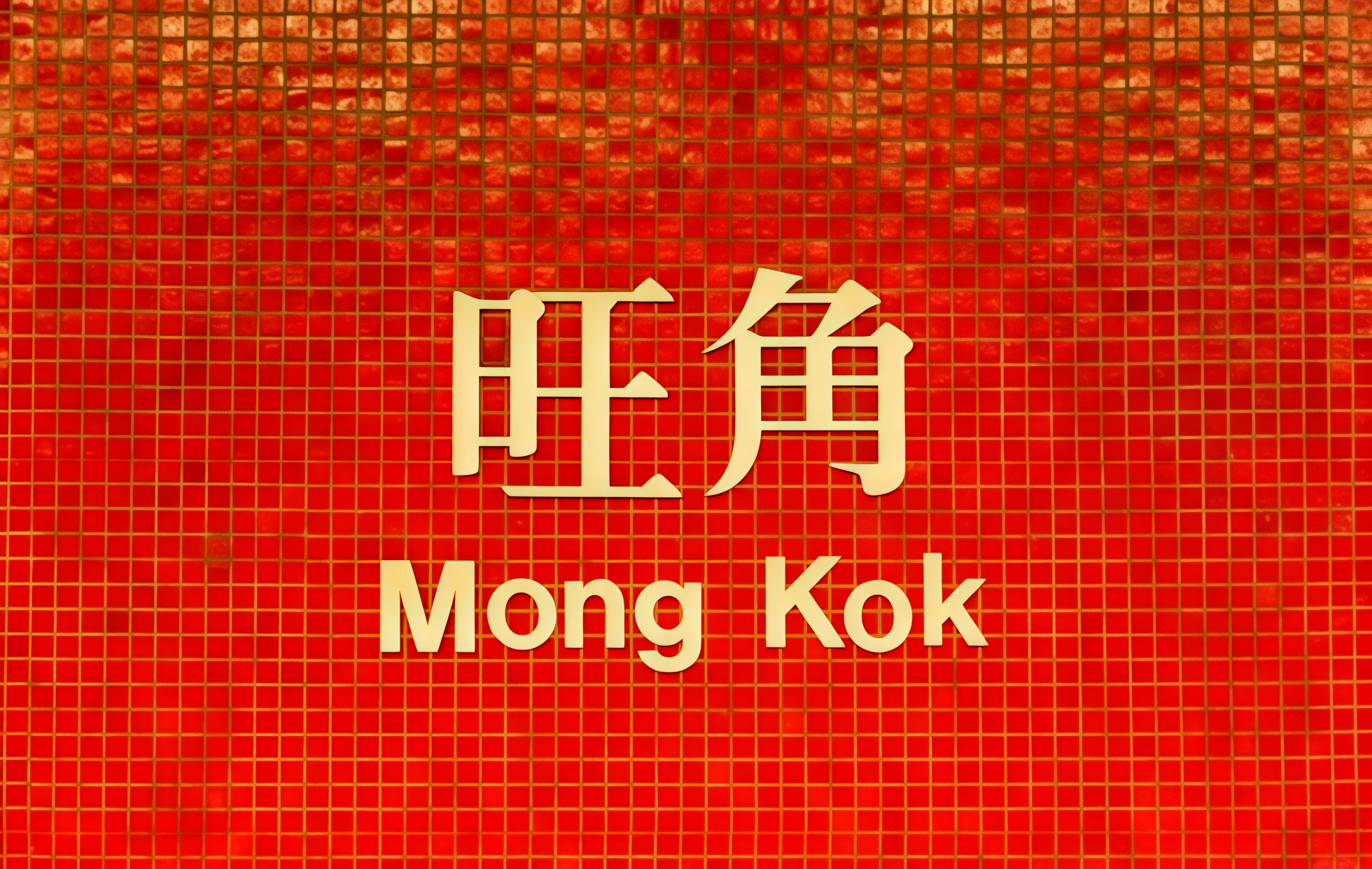
From Hong Kong Island: Take the MTR Tsuen Wan Line (Red Line) towards Tsuen Wan and alight at Mong Kok Station. The journey takes approximately 15 minutes from Central.

From Other Parts of Kowloon: Both the MTR Tsuen Wan Line and Kwun Tong Line serve Mong Kok Station. Alternatively, numerous bus routes are available; for instance, Route 98C runs from East Kowloon, while various urban bus lines can be taken from West Kowloon.

From the New Territories: Take the MTR East Rail Line to Mong Kok East Station; the district's core area is just a 5–10 minute walk away.

From Hong Kong International Airport: Take the Airport Express to Tsing Yi Station, transfer to the MTR Tung Chung Line to Lai King Station, and then transfer to the Tsuen Wan Line to reach Mong Kok Station. Alternatively, take the A21 Airport Bus directly to the center of Mong Kok.

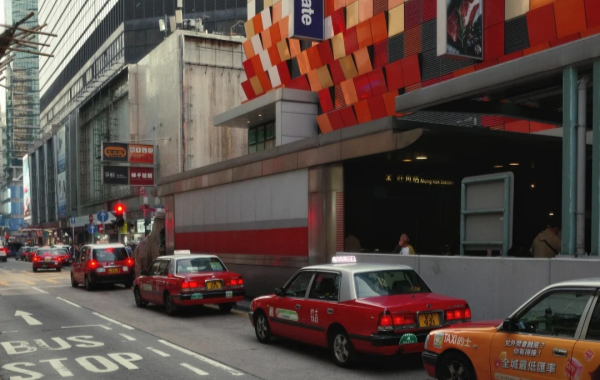
Getting Around the District: Mong Kok is best explored on foot—almost all attractions are within a 15-minute walk of one another. Hong Kong's iconic red taxis also offer a great way to experience local life, though hailing a cab can be challenging during peak hours or late at night.

Important Tip: Mong Kok's streets are densely crowded. We recommend using an Octopus Card for quick passage through MTR turnstiles and downloading the Citymapper or MTR mobile apps in advance to access real-time transportation updates.

Best Time to Visit

Mong Kok is a fantastic destination year-round, but the best time to visit is typically from the afternoon into the late evening.

Spring & Autumn (March–May; October–November): The climate is pleasant and mild, making it ideal for extended outdoor shopping excursions. In spring, Flower Market Road bursts into bloom with vibrant blossoms, while autumn offers crisp, dry, and comfortable weather.

Summer (June–September): The weather is hot and humid; however, shopping malls are well air-conditioned, allowing for a comfortable balance between indoor and outdoor sightseeing. Be sure to protect yourself from the sun and stay hydrated; keep an eye on weather forecasts, as typhoons can occasionally occur during this season. Winter (December–February): Temperatures are moderate, and the festive atmosphere is particularly vibrant during the Christmas and New Year holidays. On the eve of the Lunar New Year, Flower Market Road becomes a sea of people—an excellent time to immerse yourself in local festive culture.

Best Times to Visit: We recommend arriving after 3:00 PM, when market stalls are fully operational, neon signs begin to glow, and Mong Kok’s "the later the night, the more exciting it gets" charm truly comes to life. Early mornings, conversely, are ideal for experiencing the wholesale flower trade at Flower Market Road and observing the morning bird-walking rituals at the Bird Garden.

Accommodation Options

Mong Kok and its surrounding areas offer a wide array of accommodation choices, ranging from budget-friendly guesthouses to five-star hotels.

Accommodation within Mong Kok (Top Picks):

The Langham Hong Kong (5-Star): The only five-star hotel located directly within Mong Kok; it connects seamlessly to the Langham Place shopping mall, offering unparalleled convenience for shopping and dining. Ideal for travelers prioritizing comfort and accessibility.

Hotels near MOKO (New Town Plaza): Situated close to Mong Kok East Station, these hotels offer excellent transport links. The adjacent mall features a large cinema complex and an outdoor playground, making this area a great choice for families.

Budget Guesthouses: Mong Kok is home to numerous affordable guesthouses and hostels—such as Po Hin Guesthouse—with rates starting from HK$150 per person. These are perfect for budget-conscious backpackers and students. Note, however, that guesthouses located in older buildings may feature more basic amenities.

Accommodation in Neighboring Areas (Best Value):

Yau Ma Tei / Jordan: Located right next to Mong Kok and within walking distance, these areas offer a wider selection of hotels at relatively more affordable rates. In the evening, you can easily stop by the Temple Street Night Market.

Tsim Sha Tsui: Home to a cluster of hotels boasting stunning views of Victoria Harbour, making it ideal for travelers seeking a scenic experience. It takes just about 10 minutes to reach Mong Kok via the MTR.

IntoTravelChina Accommodation Booking Tips:

Accommodation in Mong Kok consists primarily of mid-range hotels and boutique guesthouses; we recommend planning and booking at least 1–2 months in advance. By booking through us, you gain access to real-time room availability and the ability to bundle your accommodation with sightseeing tours and transport transfers. This often results in package discounts and ensures a seamless, hassle-free itinerary. Simply let us know your budget and preferences, and we will match you with the perfect "Hong Kong-style home away from home."  >> [Consult for Customization Now]

Extend Your Journey: A Loop Connecting Hong Kong's Highlights

Furong Ancient Town

Mong Kok is by no means the end of your travels, but rather the perfect starting point for exploring the wonders of Hong Kong.

Classic 3-Day Hong Kong Loop: Kowloon (Mong Kok Markets + Tsim Sha Tsui & Victoria Harbour) → Hong Kong Island (Central & Mid-Levels + Causeway Bay Shopping + The Peak Night Views) → Outlying Islands (Lamma Island Hiking / Lantau Island & the Big Buddha). This is a perfect itinerary that blends urban vibrancy, authentic local culture, and natural scenery.

Guangdong-Hong Kong-Macau Combo: Link Mong Kok with destinations such as Macau, Shenzhen, and Guangzhou to experience a fascinating journey ranging from the bustling street life of Hong Kong to the diverse cultures of the Greater Bay Area.

Partner with IntoTravelChina to Embark on Your Exclusive Journey of Authentic Hong Kong Experiences

Furong Ancient Town

The story of Mong Kok is one of urban transformation, vibrant street-level vitality, and the human warmth found beneath the glow of neon lights. IntoTravelChina specializes in crafting in-depth, personalized, and hassle-free travel experiences across China. Our travel experts are here to offer you:

Tailor-Made Itineraries: We design the perfect route—incorporating Mong Kok and surrounding Hong Kong attractions—based on your specific interests and schedule.

One-Stop Service: We handle all the details, including accommodation, transportation transfers, local guides, and bookings for unique cultural experiences.

Exclusive Experiences: We arrange special activities such as street food tours, neon photography workshops, and immersive explorations of Hong Kong’s iconic Cha Chaan Teng (café) culture.

Let your visit to Mong Kok be more than just a shopping trip; make it an immersive journey into the heart of Hong Kong’s vibrant culture.

Start Planning Your Journey Now

We invite you to contact our professional travel consultants; we will provide you with a personalized itinerary proposal and price quote within 24 hours.  >> [Consult for Customization Now]
What Our Clients Say?

Based on 10,000+ traveler reviews

...
Daniel Dorothea
Canada
Reviewed on April 29,2025
Shopping on Nanjing Road in Shanghai was just amazing! It's truly the "First Commercial Street of China", where tradition and modernity blend perfectly. You can find awesome souvenirs and experience the trendy vibes in cool stores. The neon lights at night are just spectacular, shining bright like Times Square in New York. The food here is incredible too. I had a feast for my taste buds. Shanghai, I'll definitely be back!
Destination(s): Shanghai
Date of Experience: May 08,2024
...
...
Elvis Eva
Canada
Reviewed on June 20,2025
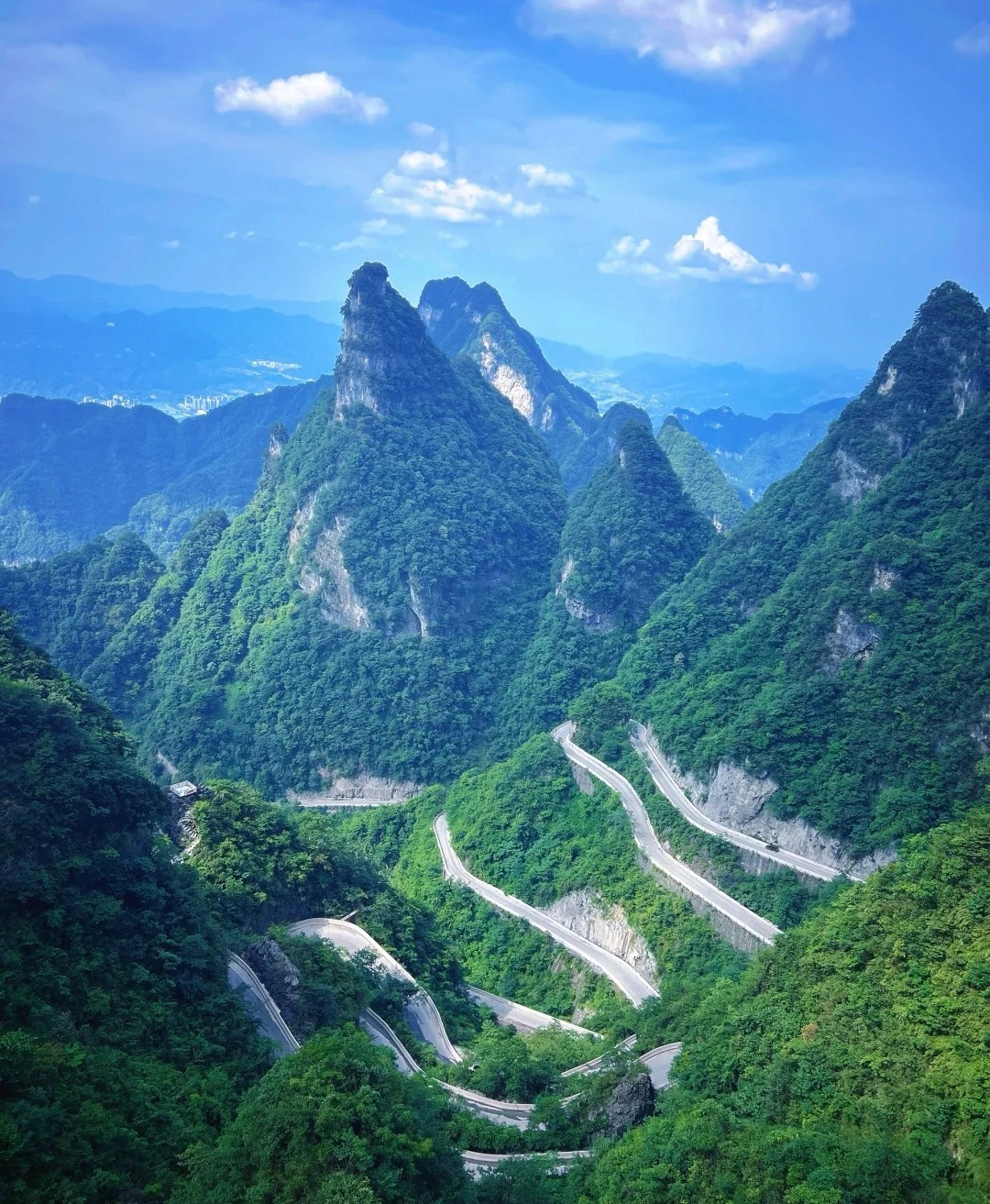
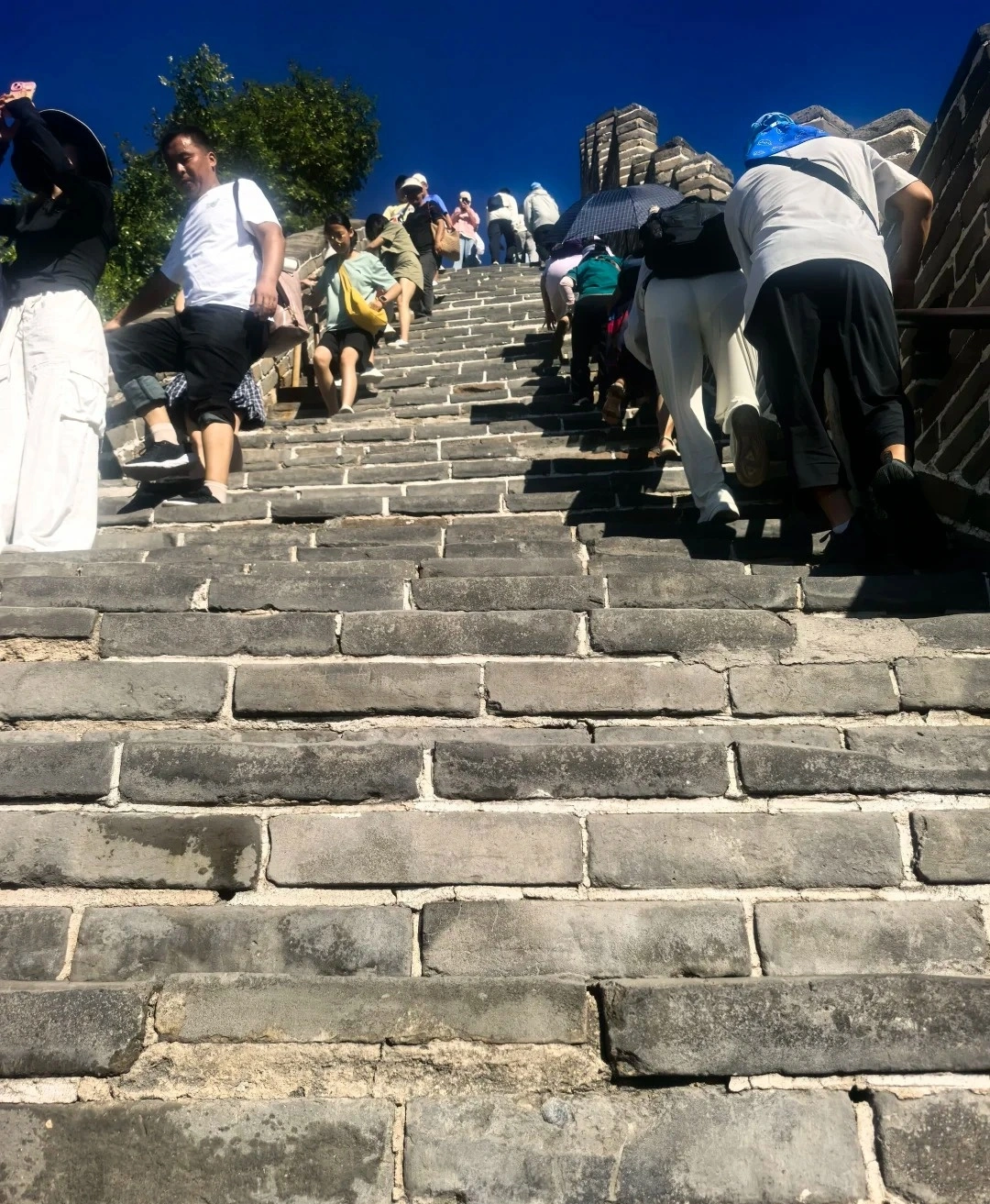
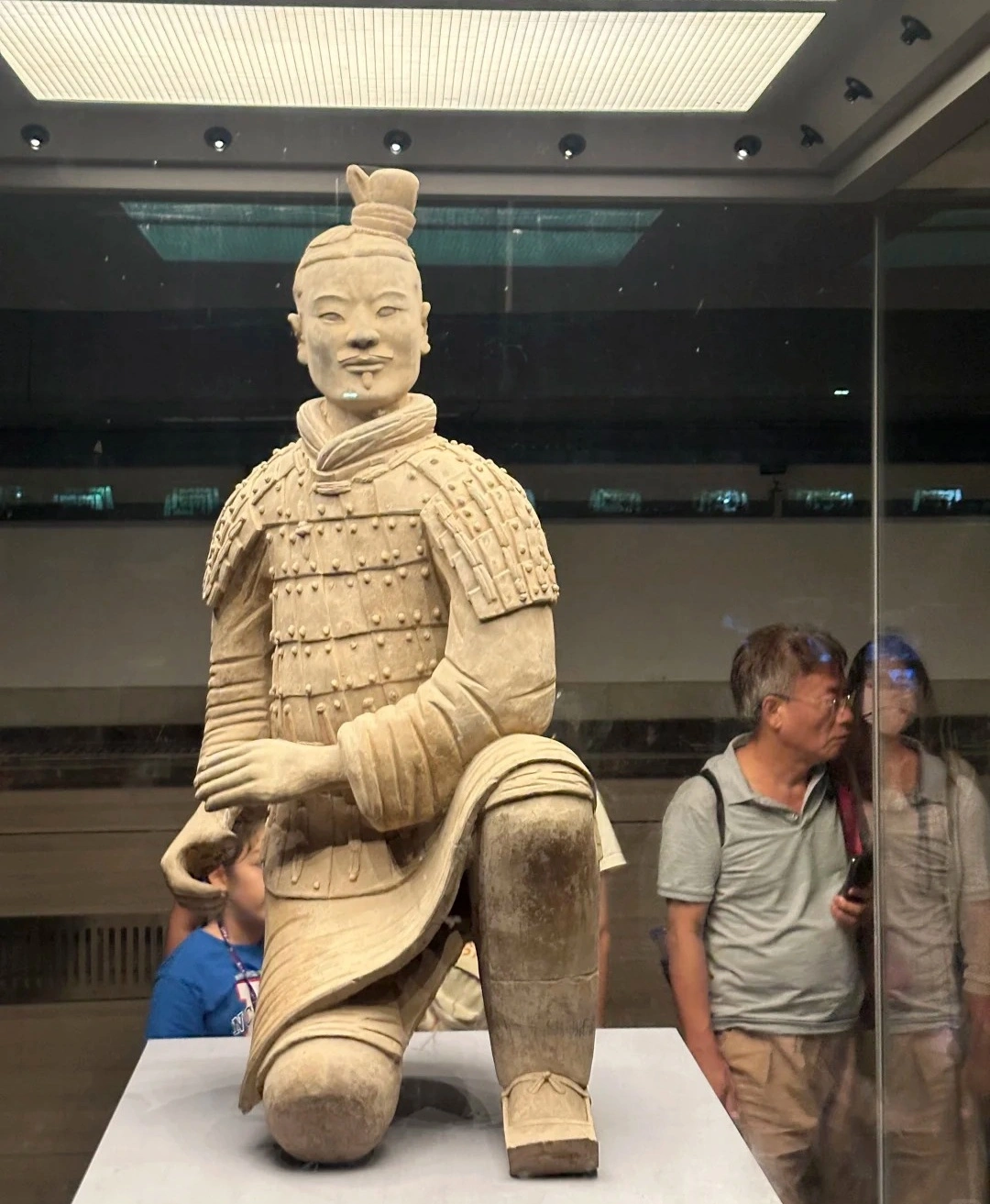
As a solo traveler from Canada, I was nervous about navigating China alone—but this 11-day tour was PERFECT! From hiking the Great Wall at sunrise (Day 3) to gasping at the Terracotta Army (Day 5), every day delivered ‘pinch-me’ moments. The real showstopper? Zhangjiajie’s Avatar Mountains (Day 7)! Our guide made the stone pillars come alive with stories. Massive thanks for handling all logistics—bullet train tickets, entry passes, car! And the 4-star hotels surprised me.
Destination(s): Beijing Xian Zhangjiajie Shanghai
Date of Experience: June 02,2025
... ... ...
...
Simon
America
Reviewed on May 29,2025
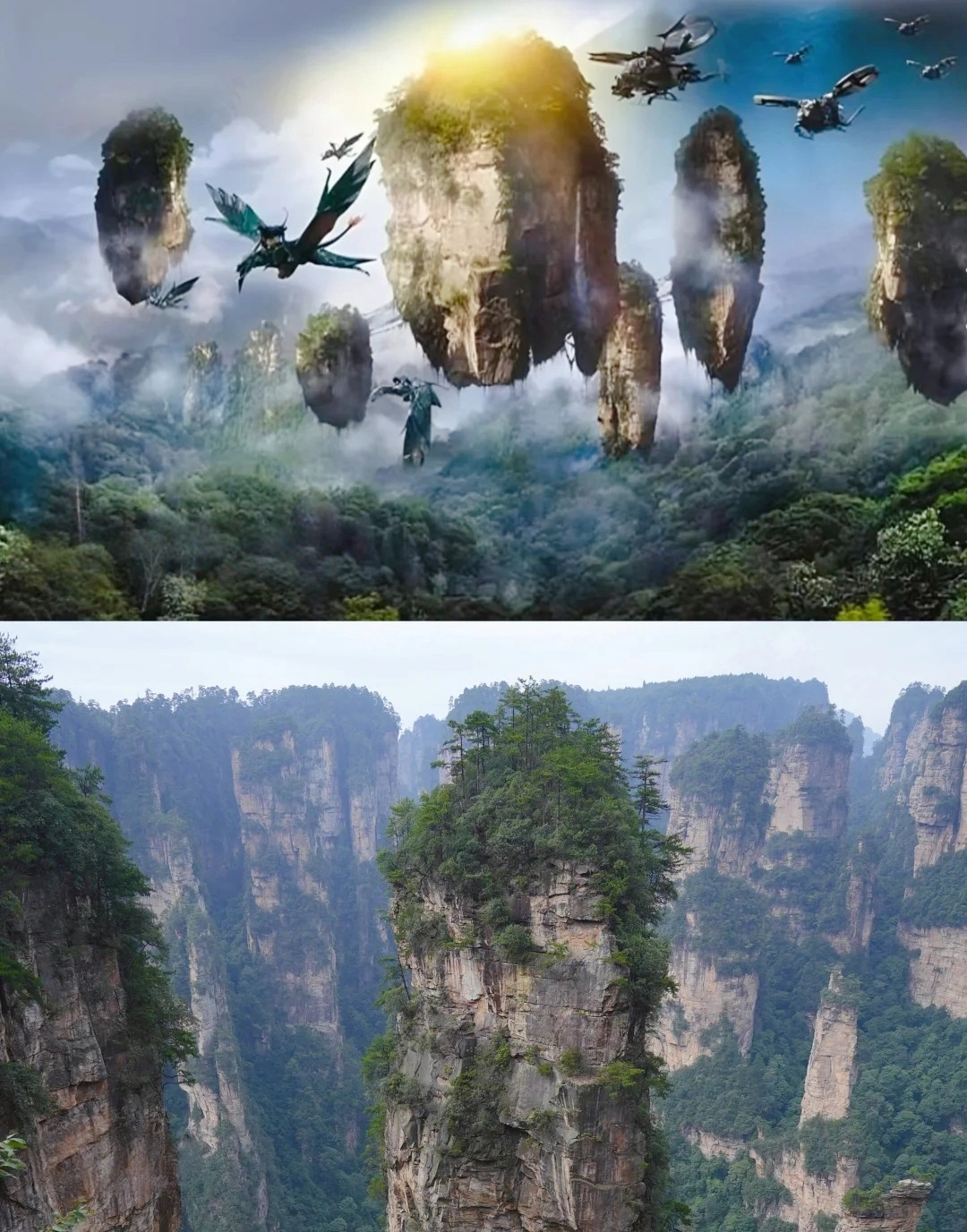
Our 2-day Zhangjiajie tour was beyond spectacular! As someone who’s visited Beijing and Shanghai for work, this trip revealed China’s wild, magical heart. Day 1 in Zhangjiajie National Forest Park felt like stepping onto Pandora—I’m a huge Avatar fan, and Yuanjiajie’s floating peaks left me breathless. The misty pillars and lush valleys like pure movie magic! Then came Fenghuang Ancient Town, we eat dinner beside the thundering waterfall. It seems Unreal! The night views of stilt houses glowing over the river were straight from a fairy tale. For fellow Avatar lovers and adventure seekers: Don’t miss this bucket-list experience! 10/10 would return. A Well-Traveled Film Buff, May 2025
Destination(s): Zhangjiajie
Date of Experience: May 08,2025
... ...

FAQ

What are the places suitable for taking Hong - Kong - style photos in Mong Kok?

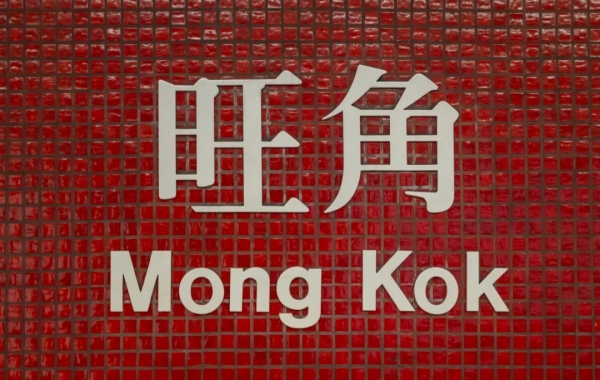
You can go to Mong Kok Market, which is full of the authentic Hong Kong street - style atmosphere. The Mong Kok Overpass is also a great choice, where you can overlook the busy street view, and the effect is better at night. In addition, the signboard of Mong Kok Road and the red bus stop are very suitable for taking pictures, with a strong Hong Kong flavor.

What are the places suitable for evening tours in Mong Kok?

Temple Street Night Market is a good choice, where you can experience the bustling night - market atmosphere, taste various street foods, and even try fortune - telling. Portland Street has jazz performances in Live Houses, which can bring you a different kind of night - time experience. In addition, the lights of Mong Kok Overpass are very beautiful at night, and it is also suitable for taking a walk and enjoying the night view.

What types of goods are mainly sold on Ladies' Street?

Ladies' Street mainly sells women's clothing and female accessories at the beginning. Now it has become a diversified tourist spot, selling a wide range of goods, including men's clothing, children's products, handicrafts and various souvenirs.

What are the transportation methods from Mong Kok to Tsim Sha Tsui?

You can take the MTR, and it only takes a few minutes to reach Tsim Sha Tsui from Mong Kok Station. You can also choose to take a bus, and there are many bus routes passing through. In addition, if you like, you can also walk along Nathan Road, which is about 2 - 3 kilometers, and you can enjoy the street view along the way.

What are the special delicacies worth trying in Mong Kok?

You can try the signature set meal of Fei Ge Snack Shop, the fire - duck wings of 18th Block Dog - shaped Rice Noodles, the scrambled egg toast of Australia Dairy Company, and the freshly baked red - bean cakes of Kee Kee Cake Shop. In addition, the mango and durian glutinous rice balls of Cheung Chau Glutinous Rice Balls Specialty Store are also very delicious.

Ask a Question

Question Summary (100 characters)
Details (optional) (2,000 characters)
Name
Country
Email