Tianlong Tunpu: A Journey into a Living Ming Dynasty Military Fortress and Time Capsule

Tianlong Tunpu: A Journey into a Living Ming Dynasty Military Fortress and Time Capsule

Overview: A Ming Dynasty Military Settlement Frozen in Time for Six Centuries

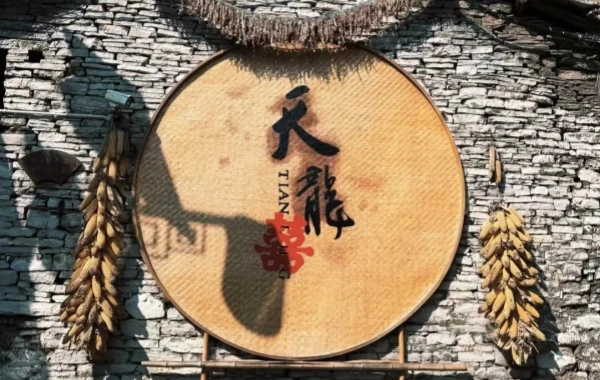
Tianlong Tunpu, in Guizhou's karst mountains, is a living Ming Dynasty garrison village. Inhabited by descendants of soldiers, it preserves early Ming Jianghuai culture in its stone fortress, traditional Fengyang Han attire, and Dixi opera. This "living fossil" offers a profound journey back in time for all travelers.

Quick overview of core highlights

Identity Tags: Living Fossil of Ming Garrisons / Museum of Stone Architecture / Hometown of Dixi Opera (Intangible Cultural Heritage)

Core Experiences: Watch a Dixi opera performance, dress in traditional Fengyang Han attire, explore the maze-like stone alleys, savor a Tunpu garrison feast.

Suggested Visit Duration: 1-2 days. Ample time is recommended for an immersive experience of the ancient town’s atmosphere.

Location: Tianlong Town, Pingba District, Anshun City, Guizhou Province, China.

  • Tianlong Tunpu: A Journey into a Living Ming Dynasty Military Fortress and Time Capsule-1
  • Tianlong Tunpu: A Journey into a Living Ming Dynasty Military Fortress and Time Capsule-2
  • Tianlong Tunpu: A Journey into a Living Ming Dynasty Military Fortress and Time Capsule-3
  • Tianlong Tunpu: A Journey into a Living Ming Dynasty Military Fortress and Time Capsule-4

Origins: From Warhorses to Peaceful Homesteads

Furong Ancient Town Furong Ancient Town Furong Ancient Town

The Name ‘Tianlong Tunpu’ – From Tiantai Mountain to Longyan Mountain
The name “Tianlong Tunpu” blends geography and history. Originally an important post station on the ancient Shun-Yuan courier route, it was called “Fanlong Yi” (Rice-Basket Post). In the early 20th century, local scholars took the first characters from the names of two nearby hills—Tiantai Mountain and Longyan Mountain (Dragon Eye Mountain)—to form “Tianlong,” implying a place where dragons and tigers hide (a place of extraordinary talent). “Tunpu” directly denotes its fundamental nature as a Ming Dynasty military garrison and farming colony.

Six Centuries of Legacy: From Expeditionary Force to Cultural Fortress
The story of Tianlong Tunpu is an epic of survival, perseverance, and cultural transmission.

The Hongwu Campaign (1381): To quell a rebellion by the Yuan Dynasty’s Prince of Liang in the southwest, Emperor Hongwu (Zhu Yuanzhang) sent generals Fu Youde and Mu Ying with an army of 300,000 soldiers from the Jianghuai region.

Garrisoning the Frontier (Post-1382): After pacifying the region, to “secure the territory forever,” the Ming court implemented a “garrison farming” policy. Soldiers and their families settled permanently, establishing military garrisons (Wei-Suo), dividing their time between training and farming. This created a network of Tunpu settlements.

A Cultural Island (Ming Dynasty - Present): For over 600 years, surrounded by the cultures of southwestern ethnic minorities, the Tunpu people have remarkably preserved the language, dress, architecture, beliefs, and customs their ancestors brought from Jianghuai, forming a globally rare “living cultural fossil.”

Cultural-Tourism Renaissance (21st Century Onwards): It has transformed from a hidden ancient village into a National 4A-level Tourist Attraction, honored as a “Famous Chinese Historical and Cultural Town.” Tourism has helped “revive” this slumbering history, showcasing this unique story of Han Chinese migration and preservation to the world.

Dive Deeper: Explore More Living Cultural Heritage Sites in China >>Nanjing Tulou

Must-See Wonders: An Epic in Stone and Living Traditions

Furong Ancient Town Furong Ancient Town Furong Ancient Town Furong Ancient Town Furong Ancient Town

Natural Fortifications: A Heaven-Sent Stronghold in Karst Landscapes
The location and layout of Tianlong Tunpu perfectly demonstrate ancient military wisdom, merging with the natural environment.

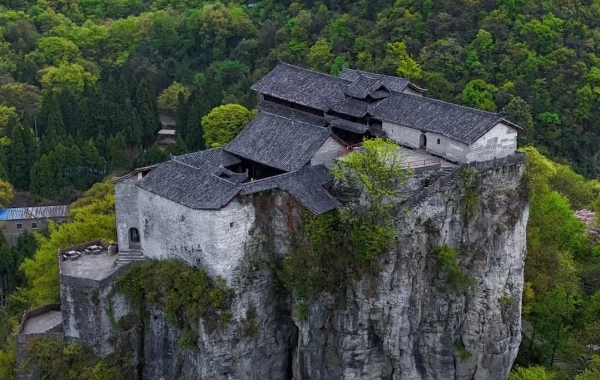
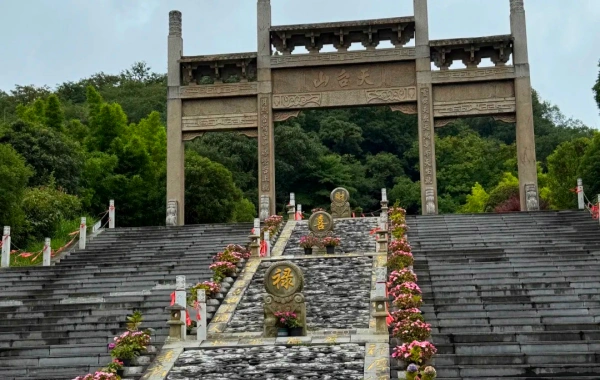
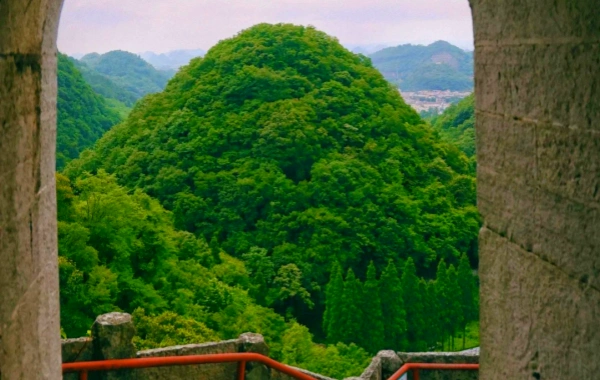
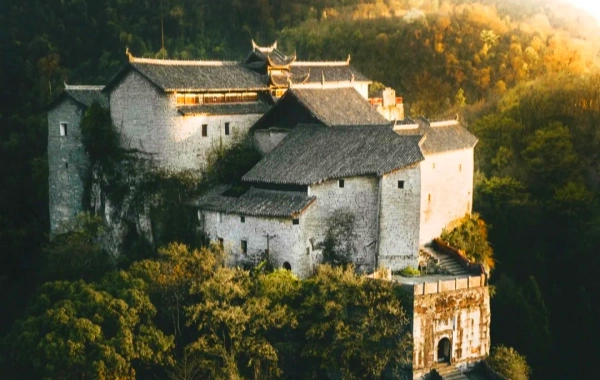
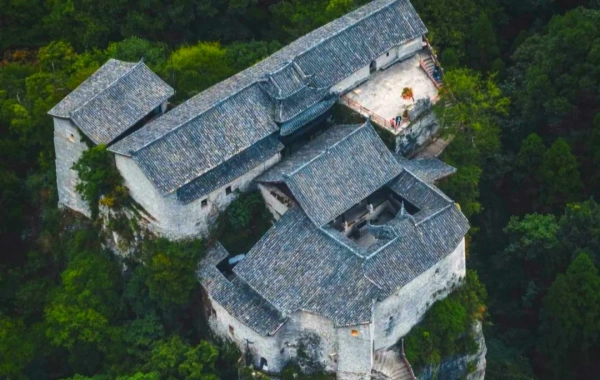
Tiantai Mountain: This solitary peak, known as the “First Mountain in Southern Guizhou,” rises abruptly from flat land with three sheer cliffs, making it easily defensible. The Wulong Temple on its summit, built during the Wanli era of the Ming Dynasty, is a masterpiece combining military defense with religious architecture. The temple’s outer walls blend seamlessly with the rock face, featuring narrow “cat windows” (for observation and defense), while the interior has intricately carved wooden beams—a “paragon of stone construction.” The summit offers a panoramic view of the Tunpu village and surrounding farmland.

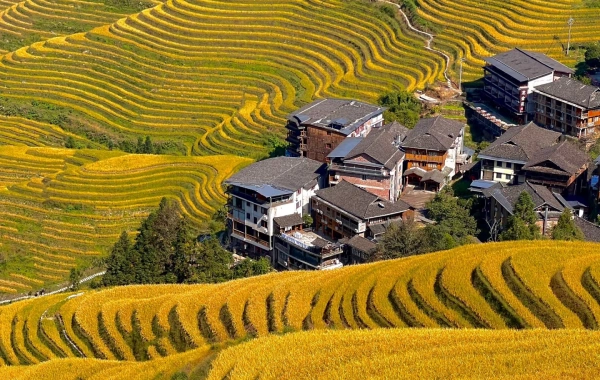
Embraced by Two Rivers: The Heizhai River and Houjie River flow through the village, providing not only water for life but also forming a natural moat, which was the geographical foundation for the Tunpu’s self-sufficiency and long-term resilience.

Human Craftsmanship: A Defensive Epic in Stone and a Vivid Living Tapestry
Every stone, every garment, every melody here is a relic of Ming Dynasty elegance from 600 years ago.

Stone Architecture – The Art of Defensive Living
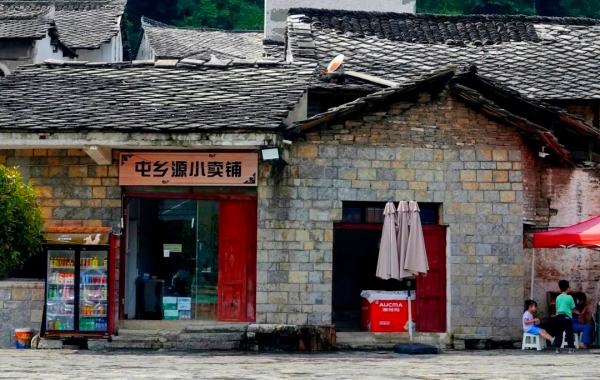
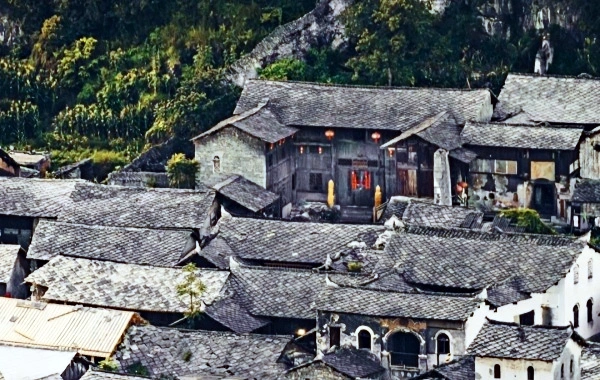
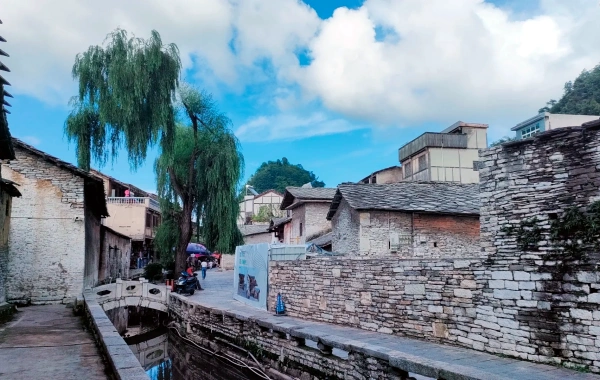
Entering the Tunpu is stepping into a world of stone, aptly described by a local rhyme: “Stone tiles cover stone houses, stone slabs pave stone streets, stone walls enclose stone yards, stone mills grind with stone rollers, stone mortars and stone vats abound.”

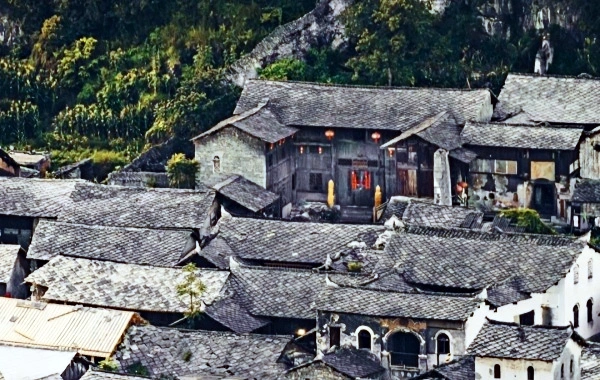
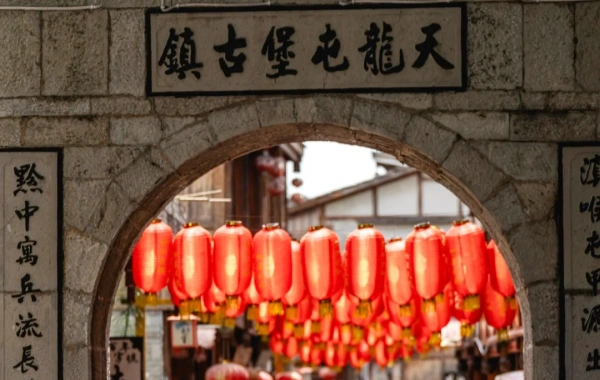
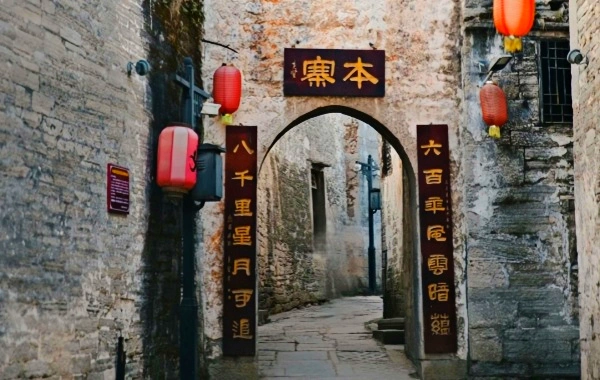
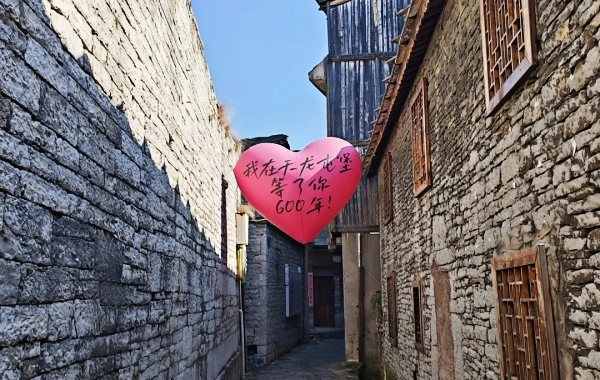
Military Layout: The entire old town is laid out like a maze with “nine main streets and eighteen alleys.” The alleys are narrow and winding, with archways at either end that could be sealed shut in an emergency. Walls are dotted with outward-narrow, inward-wide “cat windows” (firing ports). An invading force would be trapped and ambushed.

Residential Features: Each household was an independent defensive unit. Stone gateways are low, requiring one to stoop to enter. Walls are thick (up to 60 cm). Buildings within a compound could be connected via back doors. In the era of cold weapons, this was an impregnable fortress.

Fengyang Han Attire – A Ming Dynasty History Book Worn on the Body
Tunpu women are the most faithful guardians of this culture. Their “Fengyang Han clothing” is a living specimen of early Ming Jianghuai Han attire.

Unique Style: Indigo or blue long gowns with large overlapping fronts, cuffs, and collars embroidered with piping. Their hairstyle and adornments are vividly summarized: “A net on the head, dangling earrings on the ears, a silk sash around the waist, and upturned tips on the shoes.” Legend says those upturned shoe tips could conceal small weapons for self-defense.

Cultural Code: Young married women wear white headscarves, a “living mourning” for husbands often away on campaign, praying for a long union together. Elderly women wear dark blue scarves. This attire has been worn for over six centuries.

Tunpu Dixi Opera – A Soul-Stirring Dramatic Living Fossil
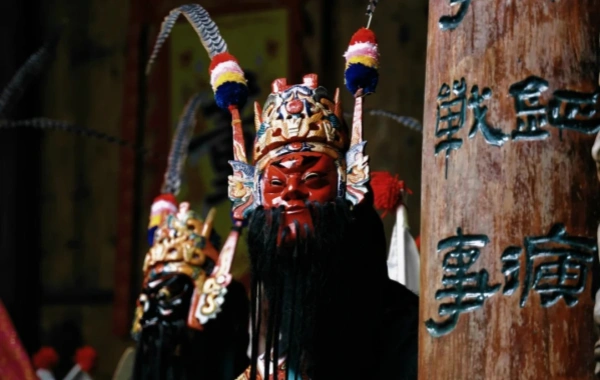
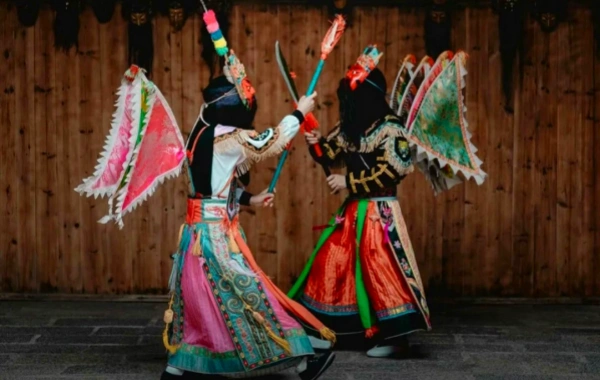
Dixi opera, originally called “Jun Nuo” (Military Exorcism), is the most dazzling gem of Tunpu culture, acclaimed as the “living fossil of Chinese drama” and listed as a National Intangible Cultural Heritage.

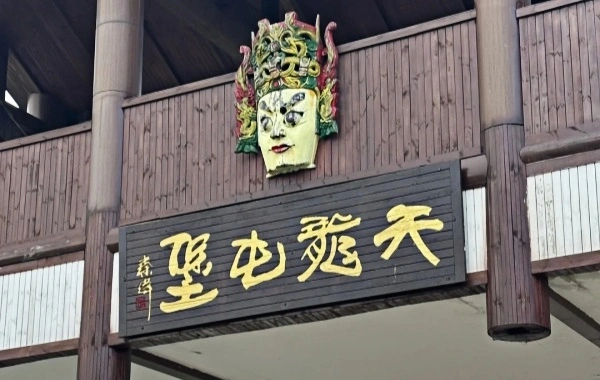
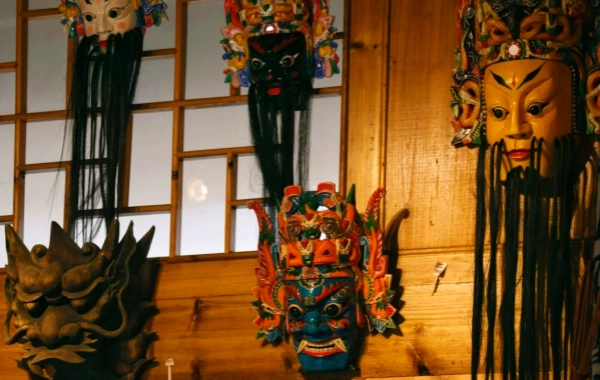
Origin & Function: It originated from “Jun Nuo,” rituals performed by armies before expeditions to worship, drill, and boost morale, brought to Guizhou by the expeditionary forces. Performers wear exquisitely carved wooden masks called “Lianzi,” tied to their foreheads, with black veils covering their faces. With battle flags on their backs and weapons in hand, they perform stories of loyalty and valor like “The Romance of the Three Kingdoms,” “Generals of the Yang Family,” and “Xue Rengui’s Expedition to the East,” accompanied by gongs and drums.

Viewing Experience: At the Yanwutang (Martial Arts Hall) or Tianlong Academy, once the drums and gongs sound and the high-pitched “Yiyang-style” singing begins, the “generals” leap and tumble. The scene is simple, unadorned, vigorous, and filled with raw masculine energy and historical tension, captivating every audience member.

Historical Sites – Where Notable Figures and Faith Converge

Shen Wansan’s Former Residence: Surprisingly, the legendary wealthy merchant Shen Wansan from the Jiangnan region was exiled here in his later years. His former home, “Shenjia Chaomen,” is a typical courtyard house, witnessing the final chapter of the magnate’s life and hinting at the deep connections between Tunpu and the Jiangnan region.

Sanjiao Temple (Temple of Three Teachings): Reflects the inclusive religious views of the Tunpu people. It simultaneously enshrines Buddha, Confucius, and the Taoist deity Yuanshi Tianzun—a rare instance of Buddhism, Confucianism, and Taoism coexisting in one hall in China.

Photography Tips:

The best time for cultural shots is early morning or late afternoon when soft light perfectly outlines the texture of stone walls and clothing details.

For Dixi opera, use side/back lighting to capture the glow of the mask paint and dust kicked up by the actors, creating dramatic tension.

In narrow alleys like “Jiudaokan,” use the vanishing point perspective for storytelling shots.

Wulong Temple on Tiantai Mountain is the perfect vantage point for panoramic shots of the Tunpu and karst landscape.

Core Experiences: Your Guide to Immersive Ming Dynasty Living

Furong Ancient Town Furong Ancient Town Furong Ancient Town Furong Ancient Town

Five Must-Do Activities to Unlock the Complete Tunpu Journey

1. Watch a Thunderous Dixi Opera Performance

Time: Multiple daily shows (up to 9 in peak season), each 10-15 mins. Arrive early for a good seat.

Location: Yanwutang (ground-level, interactive) or Tianlong Academy (elevated stage, good view).

Deep Dive: Visit the intangible cultural heritage experience space to try painting a Dixi mask under guidance, learning the stories and carving craft behind the characters.

2. Wear 600-Year-Old Fengyang Han Attire

Experience: Rent a beautiful set of Tunpu women’s clothing in the old town. Don the gown, wrap the headscarf, and take photos in the stone alleys, truly becoming part of the painting.

Cultural Insight: Listen to local aunties explain the meaning behind every detail of the attire, understanding why this dress is central to Tunpu identity.

3. Walk Through the Maze of Defensive Stone Alleys

Key: Don’t just stick to main streets. Venture into branch alleys like “Jiudaokan.” Touch the stone walls smoothed by six centuries, feel the military intelligence in the alley design, and seek echoes of history in the intricate pathways.

4. Visit a Notable Former Residence and Hear Its Legend

Must-Visit: Shen Wansan’s Former Residence. Trace the final footsteps of this legendary merchant and ponder wealth and fate.

Optional: Former Residence of General Chen Yunyu. Commemorate the heroic deeds of this Anti-Japanese War general and feel the Tunpu spirit of defending the homeland.

5. Savor an Authentic Tunpu Feast

Must-Try Dishes: Tunpu ‘Eight Big Bowls’ (includes cured meat platter, tofu balls, etc.), Spicy Chicken (Jilazi) (a rich, spicy local specialty), Pickled Pepper Pork Knuckle.

Street Food: Try Chongchong Gao (steamed glutinous rice cake with brown sugar) and Grilled Small Intestines on the old street for a taste of vibrant local life.

Suggested Itineraries
One-Day “Panoramic Journey” (For time-pressed travelers):
9:00 AM Arrive → Visit the Heritage Exhibition Hall for a systematic overview of Tunpu culture (0.5 hrs) → Stroll the main old street, visit Shen Wansan’s Former Residence, Sigong Pavilion, Yicha Station for a bowl of tea (1.5 hrs) → Watch a Dixi opera performance at Yanwutang (~0.5 hrs) → Lunch at a Tunpu restaurant, savor local dishes (1 hr) → Afternoon, take the sightseeing car or drive to Tiantai Mountain, hike up to visit Wulong Temple, enjoy the panorama (2 hrs) → Evening, return to the old town, relax at a characteristic shop like “Tianlong Tree Café,” feeling the blend of ancient and modern → Depart with a profound sense of time travel.
IntoTravelChina Tip: This covers core sites. We suggest purchasing the combo ticket “Old Town + Tiantai Mountain + Sightseeing Car” to save time and effort.

Two-Day “Deep Immersion” Tour (Highly Recommended, can combine with nearby sites):
Day 1: Afternoon arrival, check into a Tunpu inn within the scenic area or a guesthouse in Tianlong Town → Leisurely explore the old town, avoiding peak tour group hours, deeply explore alleys like Jiudaokan, participate in intangible heritage experiences like embroidery or hand-grinding corn → Enjoy a Tunpu-style dinner in the old town → Evening, enjoy the town’s peaceful night atmosphere or participate in seasonal folk activities.
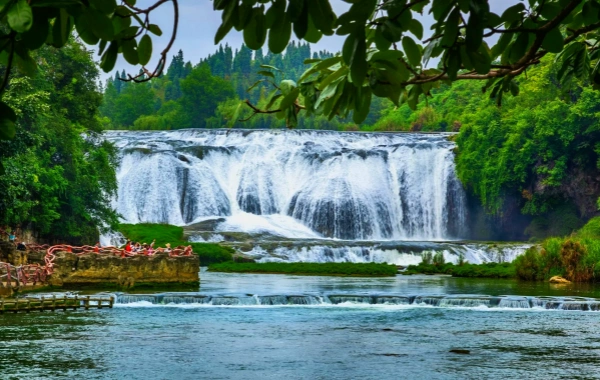
Day 2: Option A (Cultural Depth): Get up early to capture the most authentic daily scenes and interact with early-rising residents → After breakfast, watch a Dixi opera again, possibly arranging a backstage visit (via customized tour) → Visit Tianlong Schoolhouse, Sanjiao Temple, etc., to understand Tunpu education and beliefs → Depart in the afternoon with memories. Option B (Nature Extension): After breakfast, drive to Huangguoshu Waterfall (~1.5 hrs) or Longgong (Dragon Palace) Scenic Area. Spend a day marveling at Guizhou’s stunning karst natural wonders, creating a perfect blend of culture and nature.
IntoTravelChina Advantage: We can book the most suitable accommodation for you, arrange seamless activity connections, and provide detailed hiking route maps and safety guidance.

Professional Guiding: IntoTravelChina can provide private customized itineraries, including dedicated guides, transportation, and activity arrangements for a deep, worry-free experience. >> Consult for Customization

Travel Guide: Transportation, Accommodation, and Seasons

Furong Ancient Town Furong Ancient Town Furong Ancient Town

How to Get There: A Seamless Connection Guide
Tianlong Tunpu is conveniently located between Guiyang and Anshun.

From Nationwide: Fly or take a high-speed train to Guiyang, then travel from Guiyang.

From Guiyang:

Self-Drive/Private Car: Take the G60 Shanghai-Kunming Expressway, exit at “Tianlong,” ~1 hour drive. Parking at the scenic area entrance is ¥10 per entry.

High-Speed Rail + Taxi: Take a high-speed train from Guiyang North Station to Pingba South Station (~30 mins), then taxi to the scenic area (~15 mins).

Bus: Take a bus from Guiyang Gymnasium Bus Station to Anshun West Station, then transfer to a bus to Pingba (~2 hours total).

From Anshun: Self-drive or taxi, ~40 minutes drive.

Best Time to Visit
Tianlong Tunpu can be visited year-round, but spring and autumn offer the most pleasant climate.

Prime Seasons – Spring & Autumn (Mar-May, Sep-Nov): Mild temperatures, sunny with less rain. In spring, rapeseed flowers bloom, enveloping the old town in yellow. Autumn brings clear skies, perfect for hiking and viewing.

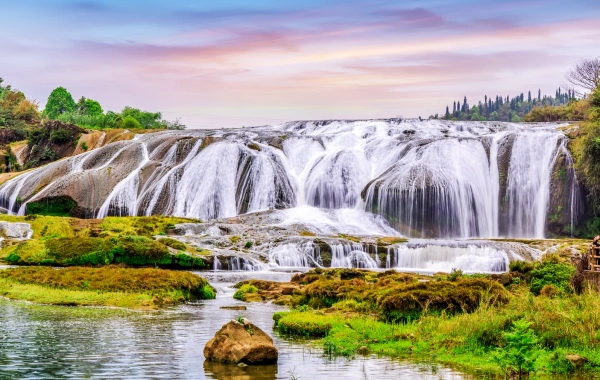
Summer Escape (Jun-Aug): Guizhou summers are cool, but rain is more frequent. This is the best season to visit nearby Huangguoshu Waterfall when water volume is at its peak.

Quiet Winter (Dec-Feb): Fewer tourists allow for a more serene atmosphere. Occasional snow adds charm to the stone architecture, but pack warmly.

Accommodation Options

Within/Near the Scenic Area (First choice for immersion):

Tunpu-Style Inns:

Experience: Stay in renovated old stone houses. Your window frames the old street scene. Enjoy uniquely tranquil Tunpu moments at night and dawn, deeply feeling the local pace of life.

Best for: Travelers seeking deep immersion, photography, and quiet cultural experiences.

Tianlong Town Guesthouses:

Experience: More budget-friendly, offering contact with authentic local daily life. A short walk to the scenic area.

Best for: Budget-conscious travelers who want convenient access.

Anshun City Center (For comfort & convenience):

Various Hotels: Wide range from budget to star-rated hotels with full dining/entertainment amenities. Suitable for those with higher accommodation standards or planning to visit other Anshun attractions (e.g., Huangguoshu). Requires a ~40-minute daily commute to the scenic area.

IntoTravelChina Accommodation Booking Advice:
We recommend planning and booking at least 1 month in advance, especially for holidays and peak seasons. Booking through us not only provides real-time availability but also allows for packaged planning of accommodation, tickets, and transport, often with combo discounts and seamless itinerary connections. Tell us your budget and needs, and we’ll match you with your perfect “Tunpu Home.” >> Contact an IntoTravelChina Travel Consultant

Extended Journeys: Linking Central Guizhou’s Karst & Cultural Gems

Furong Ancient Town

Tianlong Tunpu is the key to unlocking Central Guizhou’s treasures, perfectly connecting with nearby world-class landscapes.

Classic 3-Day Central Guizhou Loop: Guiyang → Tianlong Tunpu (Ming Dynasty legacy) → Huangguoshu Waterfall (Asia’s largest waterfall) → Longgong (Dragon Palace) (the “Underground Li River”) → Anshun/Guiyang. A golden route fusing profound history with breathtaking natural scenery. 

Complete Guizhou Immersion Journey: Link Tianlong Tunpu with Xijiang Thousand Households Miao Village, Libo’s Xiaoqikong, Fanjingshan Mountain, etc., to experience Guizhou’s diverse ethnic cultures and awe-inspiring natural wonders in one trip. >

Partner with IntoTravelChina to Begin Your Exclusive Ming Dynasty Legacy Journey

Furong Ancient Town

The story of Tianlong Tunpu is about a slice of national memory preserved intact, a civilization blossoming stubbornly through time. IntoTravelChina specializes in creating deep, personalized, and worry-free travel experiences in China. Our travel experts can:

Tailor-Make Your Itinerary: Design the perfect route including Tianlong Tunpu and surrounding attractions based on your interests and time.

Provide One-Stop Service: Handle tickets, unique accommodation, transport connections, local guides, and activity bookings.

Arrange Exclusive Experiences: Organize Dixi opera backstage visits, in-depth intangible heritage workshop experiences, private Tunpu family dinners, and more.

Make your Tianlong Tunpu journey more than sightseeing—make it a deep cultural immersion and a dialogue across six centuries.

Start Planning Your Journey Now
Contact our professional travel advisors. We will provide you with a customized itinerary proposal and quote within 24 hours. >> Click to Contact an IntoTravelChina Travel Consultant

What Our Clients Say?

Based on 10,000+ traveler reviews

...
Daniel Dorothea
Canada
Reviewed on April 29,2025
Shopping on Nanjing Road in Shanghai was just amazing! It's truly the "First Commercial Street of China", where tradition and modernity blend perfectly. You can find awesome souvenirs and experience the trendy vibes in cool stores. The neon lights at night are just spectacular, shining bright like Times Square in New York. The food here is incredible too. I had a feast for my taste buds. Shanghai, I'll definitely be back!
Destination(s): Shanghai
Date of Experience: May 08,2024
...
...
Elvis Eva
Canada
Reviewed on June 20,2025
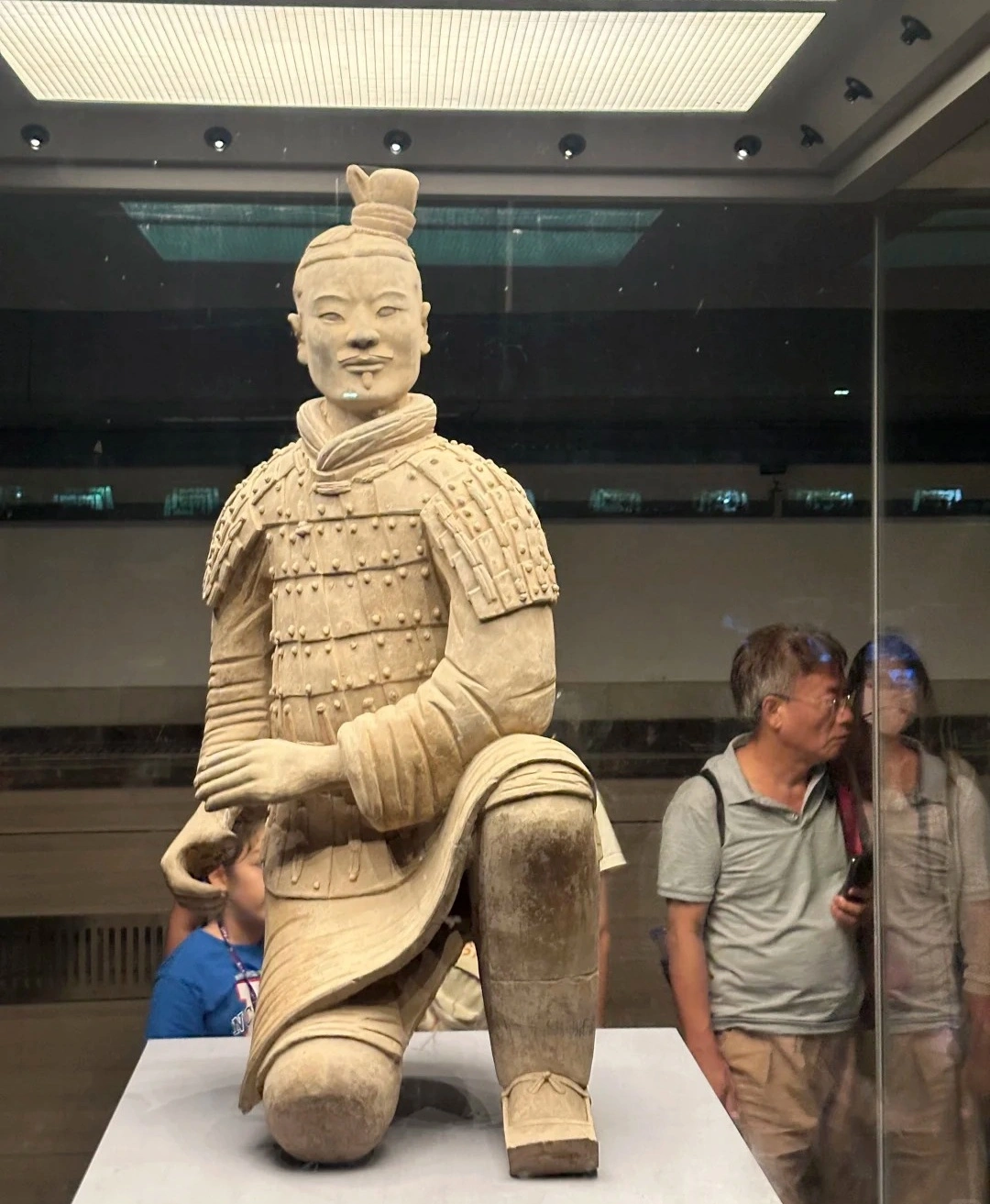
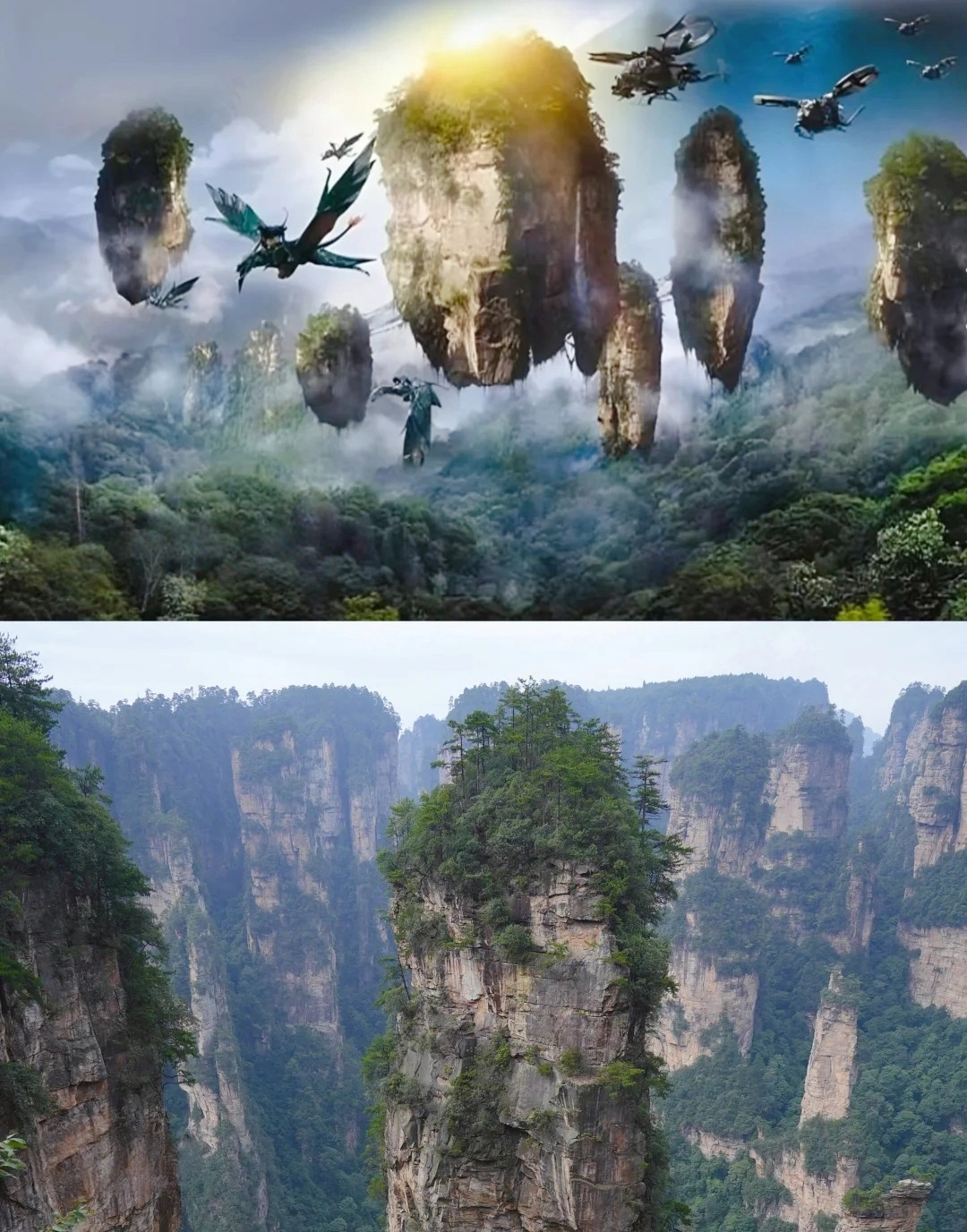
As a solo traveler from Canada, I was nervous about navigating China alone—but this 11-day tour was PERFECT! From hiking the Great Wall at sunrise (Day 3) to gasping at the Terracotta Army (Day 5), every day delivered ‘pinch-me’ moments. The real showstopper? Zhangjiajie’s Avatar Mountains (Day 7)! Our guide made the stone pillars come alive with stories. Massive thanks for handling all logistics—bullet train tickets, entry passes, car! And the 4-star hotels surprised me.
Destination(s): Beijing Xian Zhangjiajie Shanghai
Date of Experience: June 02,2025
... ... ...
...
Simon
America
Reviewed on May 29,2025
Our 2-day Zhangjiajie tour was beyond spectacular! As someone who’s visited Beijing and Shanghai for work, this trip revealed China’s wild, magical heart. Day 1 in Zhangjiajie National Forest Park felt like stepping onto Pandora—I’m a huge Avatar fan, and Yuanjiajie’s floating peaks left me breathless. The misty pillars and lush valleys like pure movie magic! Then came Fenghuang Ancient Town, we eat dinner beside the thundering waterfall. It seems Unreal! The night views of stilt houses glowing over the river were straight from a fairy tale. For fellow Avatar lovers and adventure seekers: Don’t miss this bucket-list experience! 10/10 would return. A Well-Traveled Film Buff, May 2025
Destination(s): Zhangjiajie
Date of Experience: May 08,2025
... ...

Ask a Question

Question Summary (100 characters)
Details (optional) (2,000 characters)
Name
Country
Email