
Yingjiang Temple
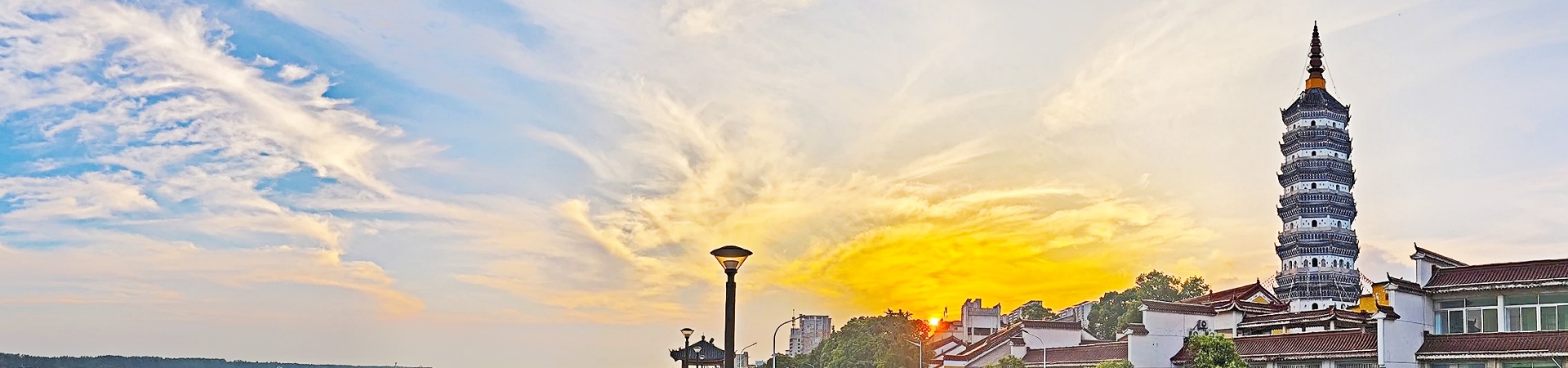
Yingjiang Temple, located on the banks of the Yangtze River in Anqing City, Anhui Province, is a thousand-year-old Buddhist temple complex founded in 974 CE during the Northern Song Dynasty. Revered as the "Guardian of the Yangtze," it spans 30,000 square meters and integrates Buddhist architecture with riverfront scenery. The temple’s centerpiece, the Zhenfeng Pagoda, stands 72.74 meters tall, earning it the title "First Tower of the Yangtze" and "No Need to See Other Towers After Anqing." Designated a national key cultural relic in 1983, Yingjiang Temple blends historical grandeur with spiritual serenity.
Historical Overview
- 974 CE: Founded as "Guwanfo Temple" during the Northern Song Dynasty.
- 1619 CE: Rebuilt by scholar-official Ruan Zihua during the Ming Dynasty, renamed "Huguo Yongchang Chan Temple."
- 1663 CE: Reconstructed under Emperor Kangxi of the Qing Dynasty, with additions including the Zhenfeng Pagoda.
- 1862 CE: Renamed "Yingjiang Temple" ("Welcoming the River Temple") after post-war reconstruction.
- 1983 CE: Listed as a national key Buddhist temple in China.
- 2006 CE: Zhenfeng Pagoda designated a national cultural relic.
Structural Layout
The temple follows a traditional Chinese axial layout with four main sections:
- Mountain Gate Zone: Features the "Yingjiang Temple" plaque inscribed by Emperor Guangxu of the Qing Dynasty and two 3-ton iron anchors symbolizing stability.
- Hall Zone:
- Heavenly King Hall: Houses a laughing Maitreya Buddha and the Four Heavenly Kings.
- Mahavira Hall: Contains three golden Buddha statues (Shakyamuni, Bhaisajyaguru, and Amitabha) and 18 Arhats.
- Pagoda Zone: The 72.74-meter Zhenfeng Pagoda, with seven octagonal tiers and 168 stone steps.
- Cultural Relic Zone: Includes the Scripture Hall, PuXian Hall, and a 900-year-old Ming Dynasty gold-inscribed Buddhist scripture.
Major Attractions
- Zhenfeng Pagoda: A Ming Dynasty brick-stone pagoda with 600+ reliefs of Buddha and bodhisattvas. Climb to the top for panoramic Yangtze River views.
- Mahavira Hall: Admire Qing Dynasty murals and a 5-meter-tall gilded Shakyamuni statue.
- Scripture Hall: Preserves a Ming Dynasty gold-inscribed Lotus Sutra (over 500 years old) and calligraphy by Qing officials Zeng Guofan and Peng Yulin.
- Iron Anchors: Symbolic artifacts at the entrance, weighing 3 tons each, believed to "anchor" Anqing City.
- Yingjiang Tower: A modern pavilion offering tea ceremonies and riverfront relaxation.
Suggested Itineraries
Classic Route (1.5–2 hours):
Mountain Gate → Heavenly King Hall → Mahavira Hall → Zhenfeng Pagoda → Scripture Hall → Yingjiang Tower.
Highlights: Core temples, pagoda climb, and river views.
Cultural Route (3–4 hours):
Mountain Gate → Iron Anchors → Mahavira Hall → Puxian Hall → Scripture Hall → Ming Dynasty Sutra Exhibition → Zhenfeng Pagoda.
Highlights: Religious artifacts, ancient scriptures, and pagoda history.
Comprehensive Route (Full Day):
Morning: All sites above + Vegetarian Restaurant lunch.
Afternoon: Guided tour of the Ming Dynasty sutra, meditation session, and sunset photography at the pagoda.
Ticket Purchase
- Online: Book via Ctrip or “Yingjiang Temple Official” WeChat mini-program (up to 3 days in advance).
- Prices (2025):
- Temple Entry: ¥10 (adults), ¥5 (students/seniors).
- Zhenfeng Pagoda: ¥20 (adults), ¥10 (concessions).
- Combined Ticket: ¥25 (adults), ¥12 (concessions).
- Free: Children under 1.2m, disabled visitors.
Transportation
From Anqing City Center:
- Bus: Routes 1, 3, 7, or 10 to "Yingjiang Temple Stop" (10 minutes).
- Taxi: ¥15–20 from downtown (15 minutes).
From Hefei: - High-Speed Rail: Hefei South Station → Anqing Station (1.5 hours), then taxi (¥15, 20 minutes).
Best Time & Tips
- Peak Seasons: spring (March–May) for azaleas; autumn (October–November) for clear pagoda views.
- Avoid Crowds: Visit early morning (7:30–9:30 AM) or late afternoon (3:00–5:00 PM).
- Essentials:
- Wear comfortable shoes (pagoda steps are steep).
- Bring a camera for sunset over the Yangtze.
- Photography allowed except in temple sanctums.
- Prohibited: Smoking, loud conversations in prayer areas.
Contact Us
What Our Clients Say?
Based on 10,000+ traveler reviews

Daniel Dorothea
Canada
Reviewed on April 29,2025
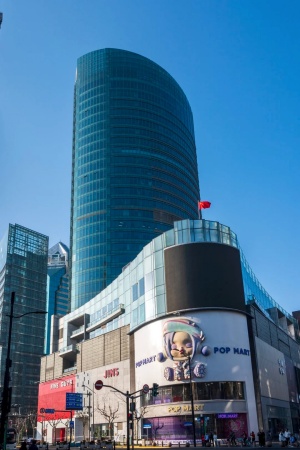
Shopping on Nanjing Road in Shanghai was just amazing! It's truly the "First Commercial Street of China", where tradition and modernity blend perfectly. You can find awesome souvenirs and experience the trendy vibes in cool stores. The neon lights at night are just spectacular, shining bright like Times Square in New York. The food here is incredible too. I had a feast for my taste buds. Shanghai, I'll definitely be back!
Destination(s):
Shanghai
Date of
Experience:
May 08,2024

Elvis Eva
Canada
Reviewed on June 20,2025
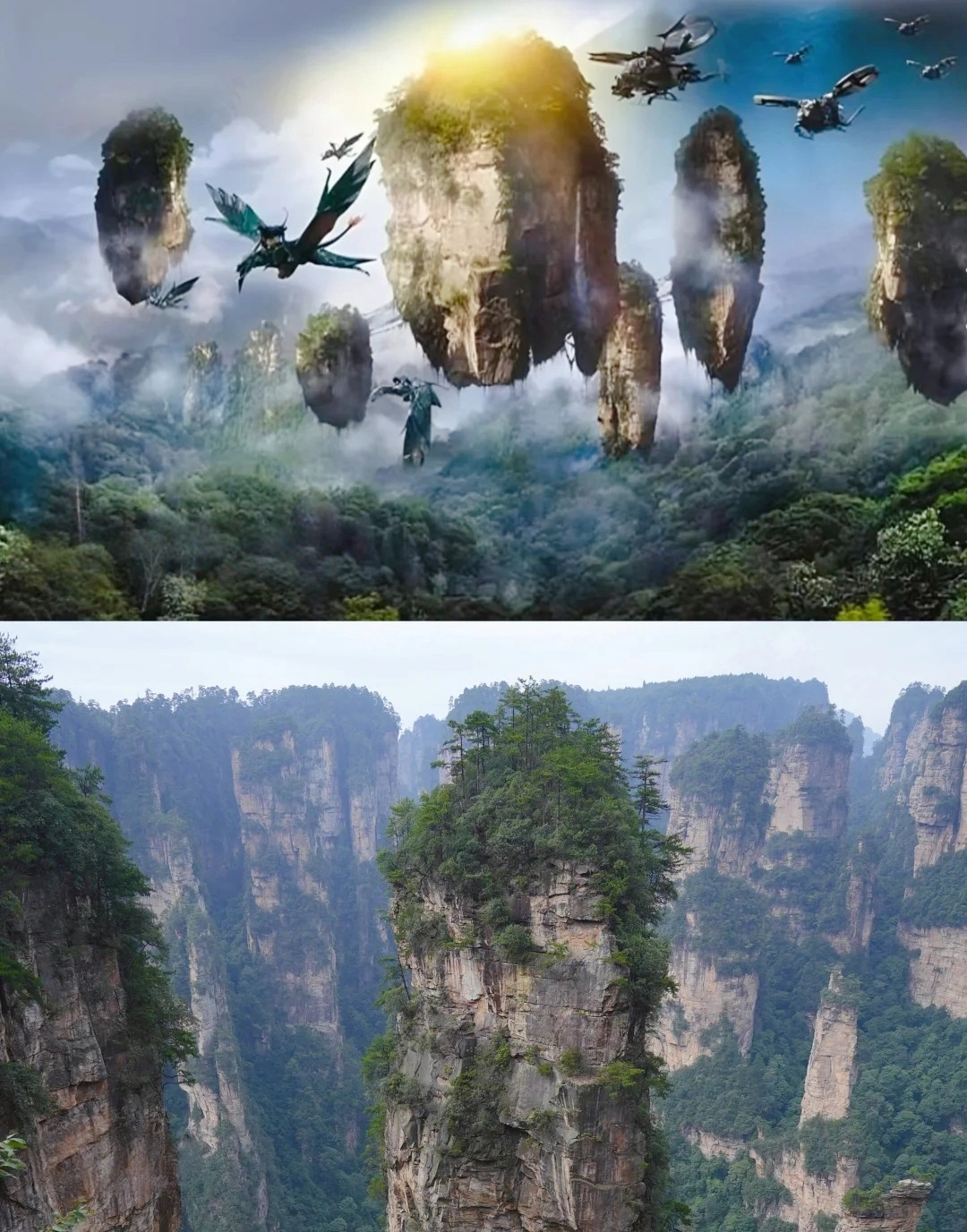
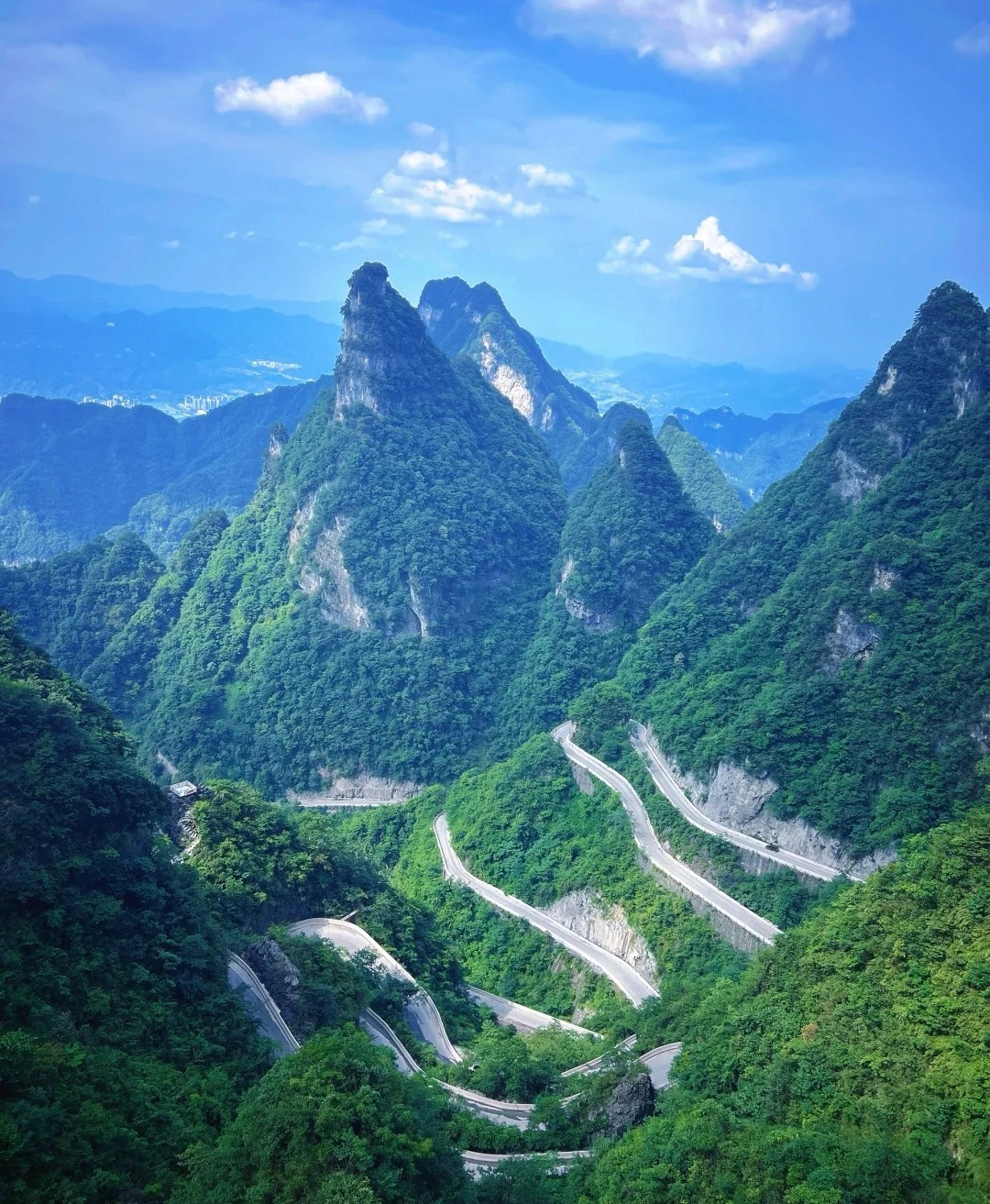
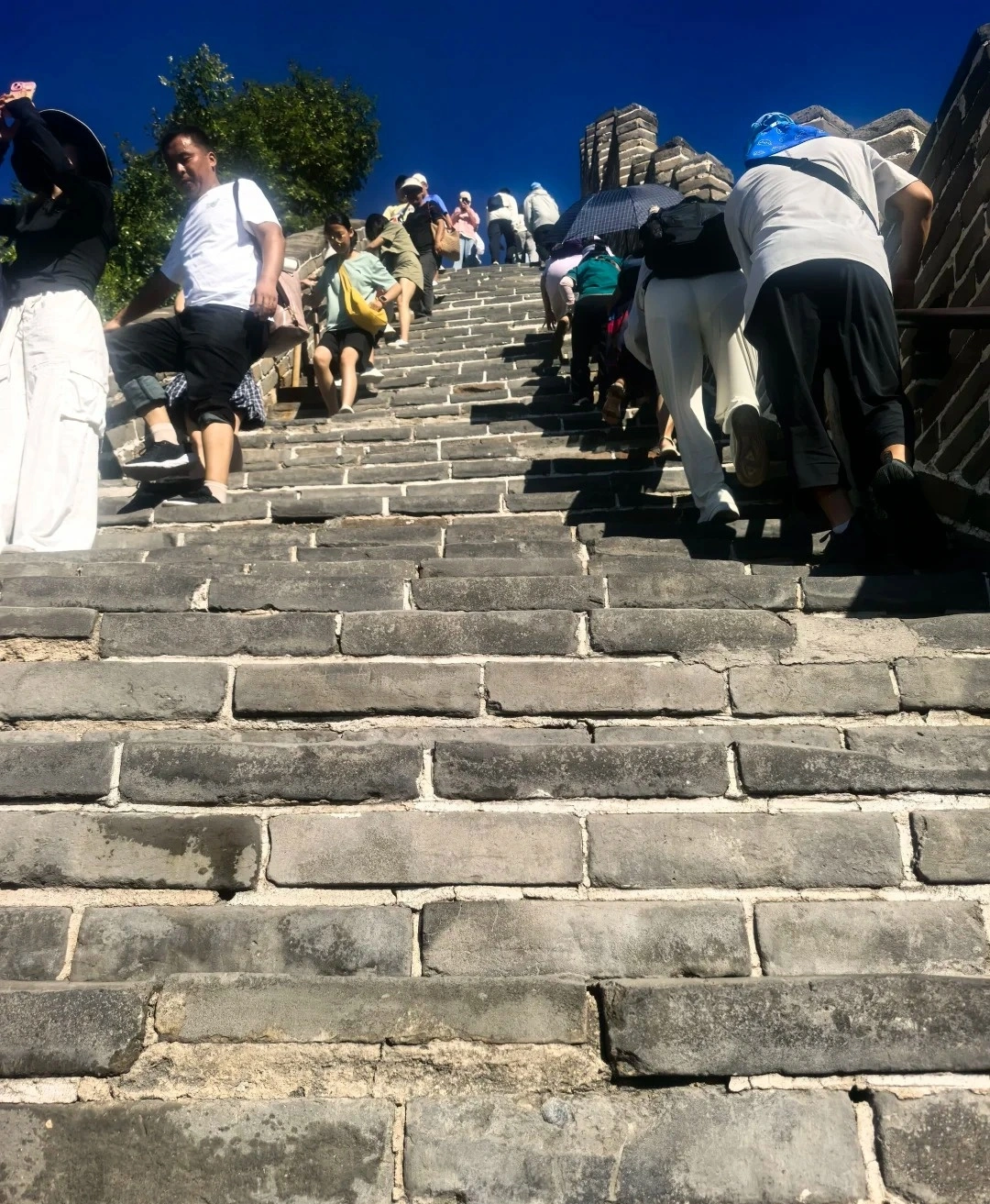
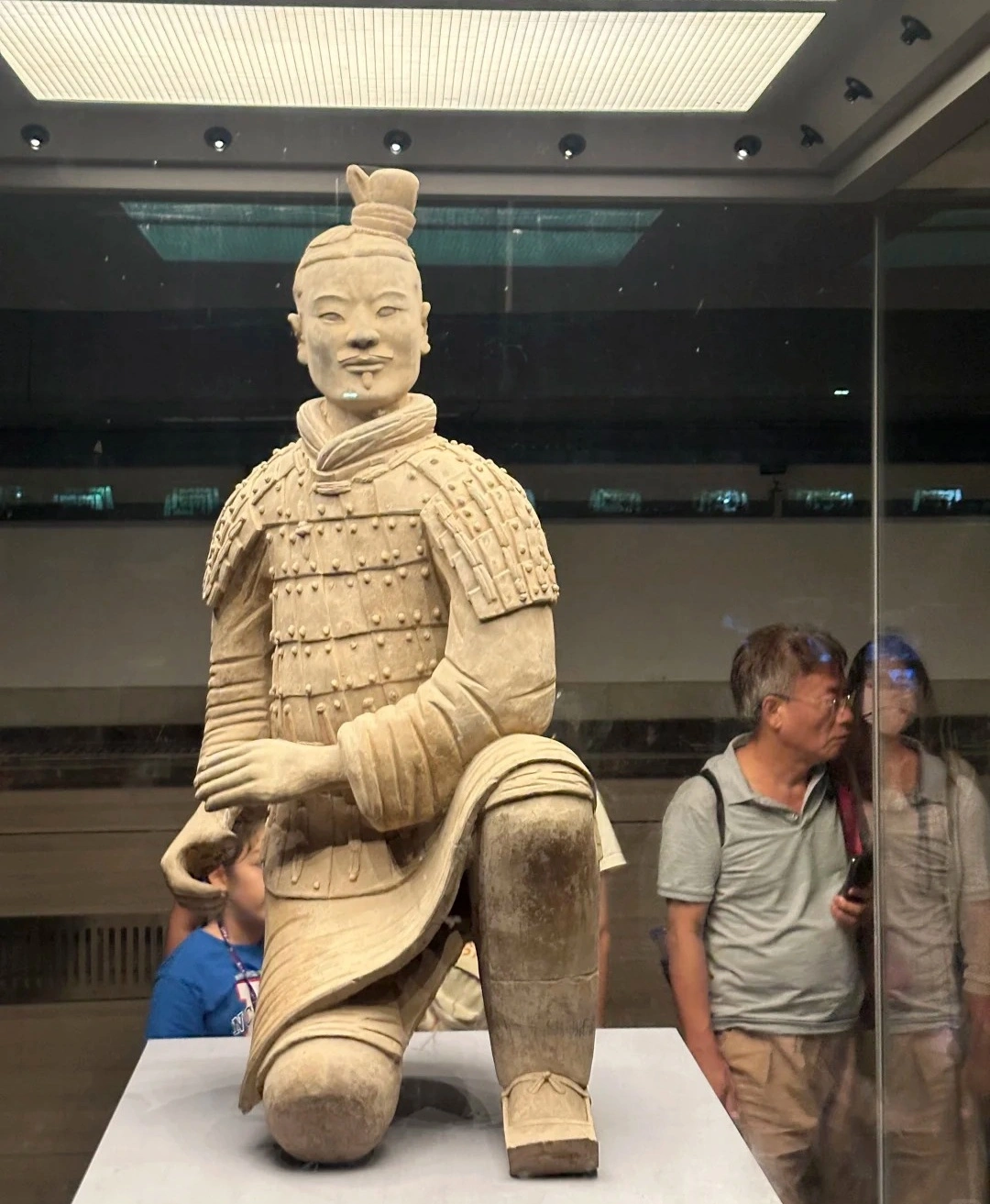
As a solo traveler from Canada, I was nervous about navigating China alone—but this 11-day tour was PERFECT! From hiking the Great Wall at sunrise (Day 3) to gasping at the Terracotta Army (Day 5), every day delivered ‘pinch-me’ moments. The real showstopper? Zhangjiajie’s Avatar Mountains (Day 7)! Our guide made the stone pillars come alive with stories.
Massive thanks for handling all logistics—bullet train tickets, entry passes, car! And the 4-star hotels surprised me.
Destination(s):
Beijing Xian Zhangjiajie Shanghai
Date of
Experience:
June 02,2025

Simon
America
Reviewed on May 29,2025
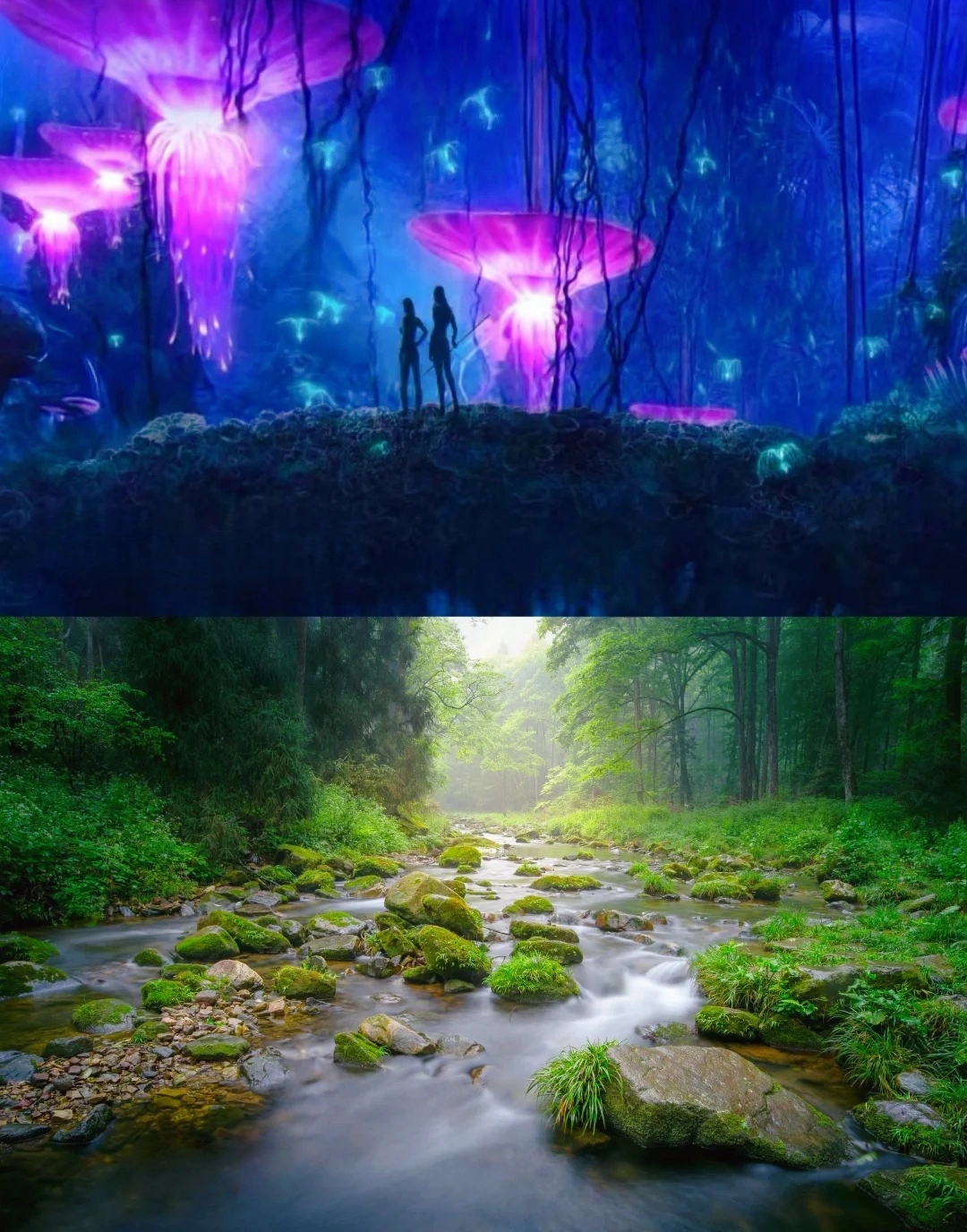
Our 2-day Zhangjiajie tour was beyond spectacular! As someone who’s visited Beijing and Shanghai for work, this trip revealed China’s wild, magical heart. Day 1 in Zhangjiajie National Forest Park felt like stepping onto Pandora—I’m a huge Avatar fan, and Yuanjiajie’s floating peaks left me breathless. The misty pillars and lush valleys like pure movie magic!
Then came Fenghuang Ancient Town, we eat dinner beside the thundering waterfall. It seems Unreal! The night views of stilt houses glowing over the river were straight from a fairy tale.
For fellow Avatar lovers and adventure seekers: Don’t miss this bucket-list experience! 10/10 would return.
A Well-Traveled Film Buff, May 2025
Destination(s):
Zhangjiajie
Date of
Experience:
May 08,2025