Natural Creation - Simulating Urban Habitats in Mountains and Forests
Although the base is located in the outskirts of the city, it has carefully created an ecological environment that simulates the original habitat of giant pandas.
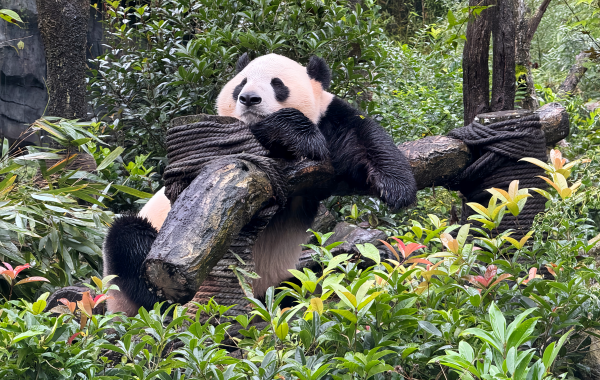
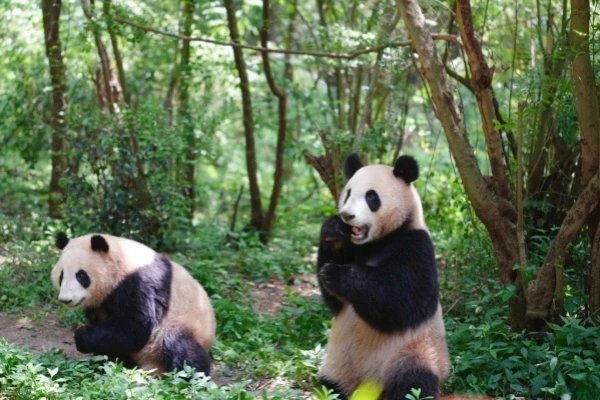
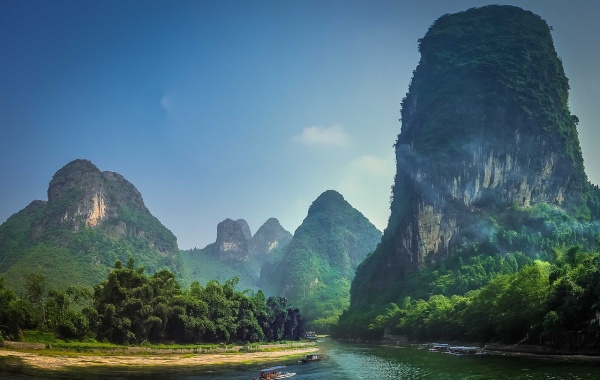
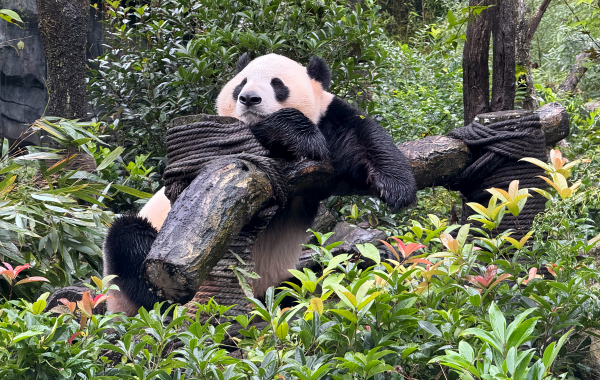
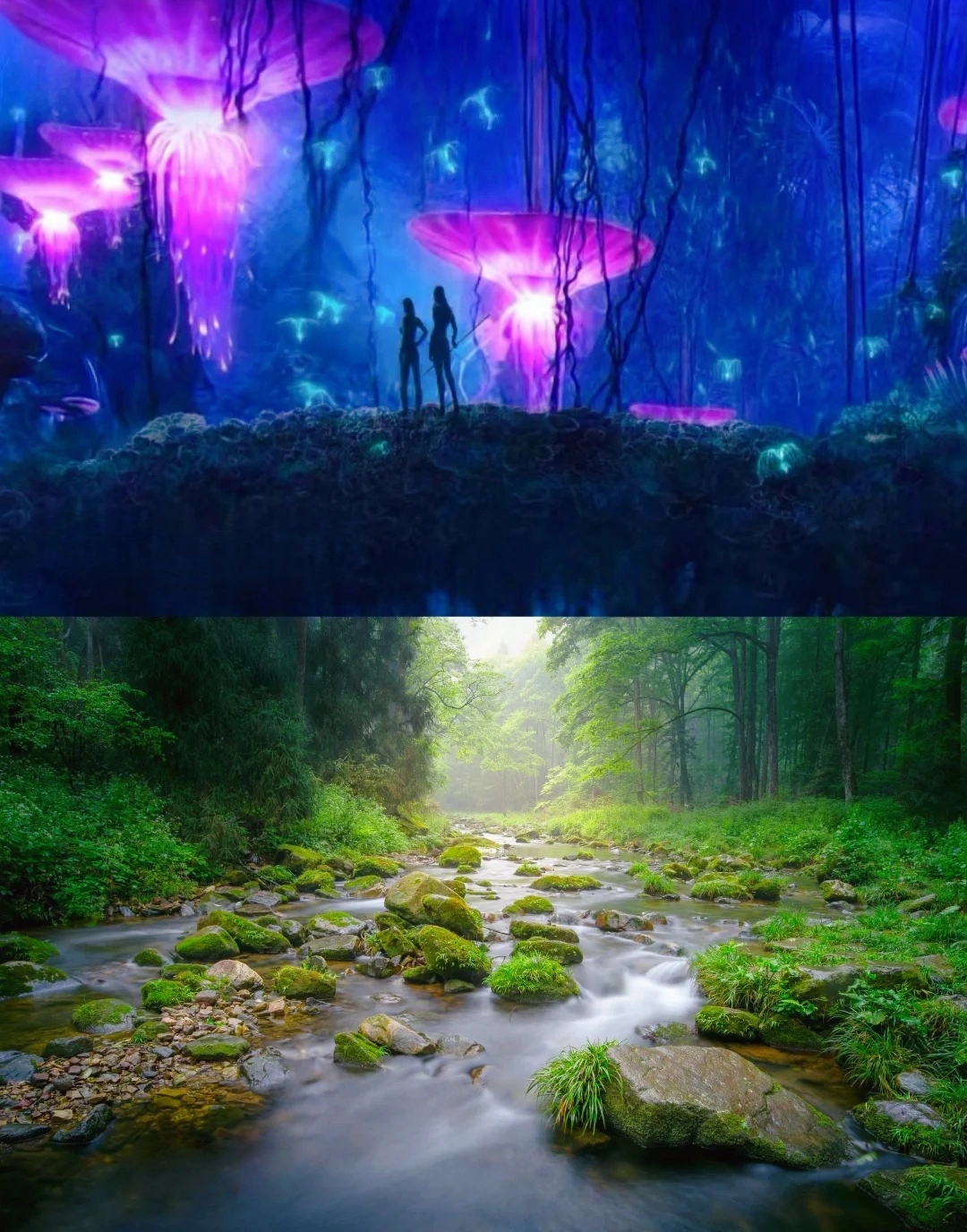
Bamboo forest paths and lake and mountain scenery: The park is covered with green bamboo, tall trees, and various local plants, with lush forests and bird songs and fragrant flowers. Swan Lake and other water bodies are dotted among it, not only beautifying the environment, but also adding a lively atmosphere to the park. Strolling through it feels like stepping into a peaceful forest, completely forgetting the hustle and bustle of the city.
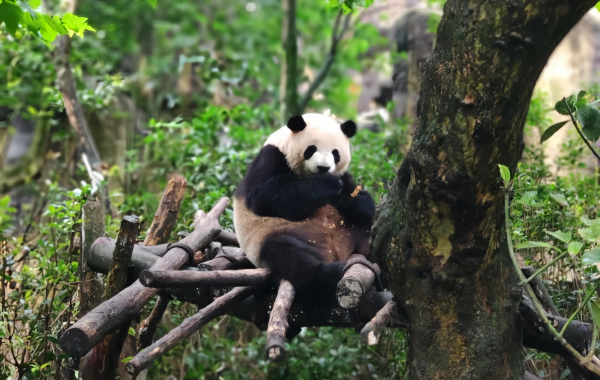
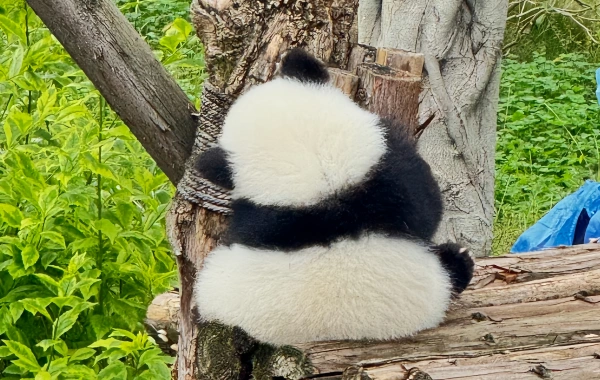
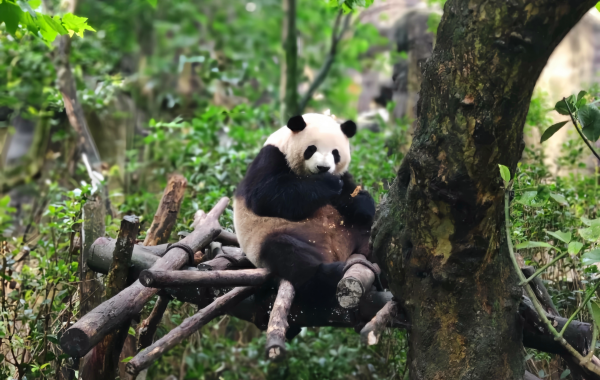
Ecological buildings and activity areas: Each giant panda building is not a simple cage, but a composite space designed according to the habits of pandas, including indoor resting areas and outdoor activity areas. There are shelters, wooden ladders, pools, and abundant toys in the activity area to meet the natural needs of giant pandas for climbing, playing, and cooling off. Visitors can observe their most natural and energetic behavior.
Humanistic Craftsmanship - Visible Research and Protection
Every design here embodies humanistic care centered on animal welfare and science education.
Panda Sun Delivery Room and Moon Delivery Room: This is the place where new life is born and also the warmest and most popular area of the base. During the breeding season, tourists can observe the pink panda newborns inside the conservation box through the observation window, or witness the warm scene of a panda mother holding her cubs, and intuitively feel the miracle of life and the meticulous scientific research and conservation work.
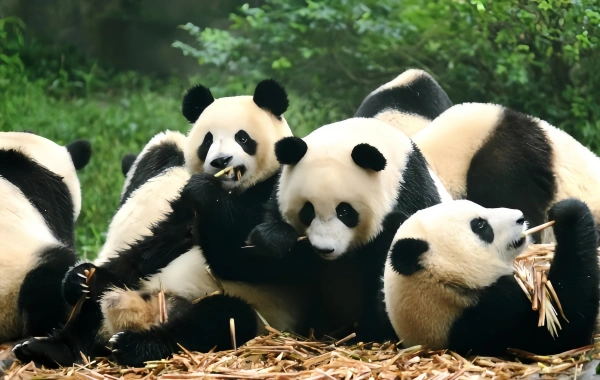
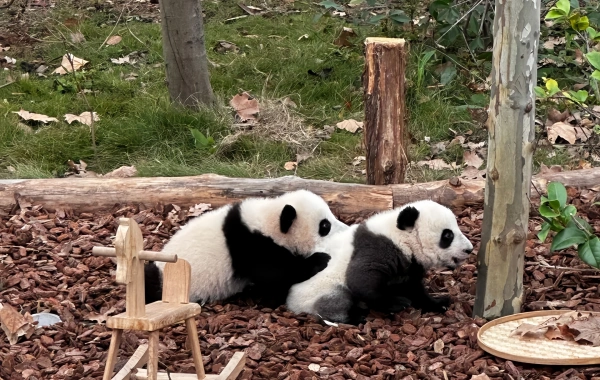
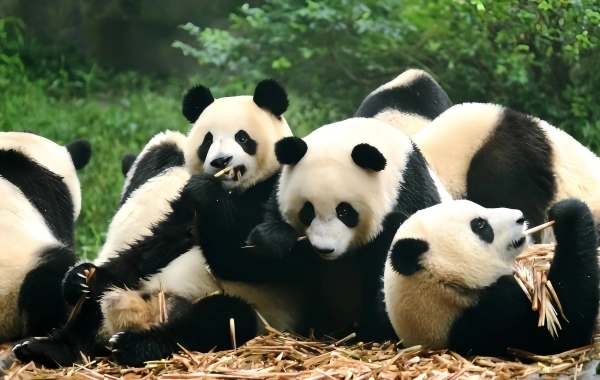
Panda Kindergarten: When the cubs reach a certain age, they will enter the "kindergarten" life. This is usually the happiest place in the park, where you can see multiple sub adult pandas playing, fooling around, and learning to climb trees together. Their cute and adorable appearance makes it a great place to take cute photos of pandas.
Giant Panda Museum: This is the first specialized museum in China with the theme of giant pandas. Through rich specimens, models, graphics, and interactive displays, the system introduces the evolutionary history, biological characteristics, conservation status, and scientific research achievements of giant pandas, providing a knowledge palace for in-depth understanding of the past and present of the "national treasure".
Panda Science Exploration Hall: Using multimedia and modern technology, it reveals the behind the scenes scientific research stories of artificial breeding, genetic research, disease prevention and control of giant pandas, allowing the public to understand the scientific and complex nature of conservation work in a fun way.
Photography tips:
The best time for viewing and filming is from 9am to 11am, when giant pandas are most active, with frequent feeding and activity.
The activity fields outside the "Moon Delivery Room" and "Sun Delivery Room" often capture the adorable moments of panda cubs.
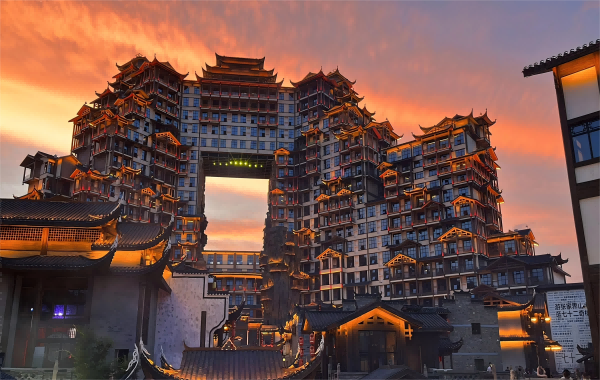
The modern design and open environment of new venues such as "Infinite Hills" make it a great background for capturing the integration of giant pandas and natural landscapes.
Please be sure to follow the regulations, turn off the flash, do not tap the glass, and observe quietly to avoid disturbing the animals.