Nature's Handiwork — The Eternal Dialogue Between Lava and Waves
The natural landscape of Weizhou Island is a "play of water and fire" that has endured for tens of thousands of years, with every inch of land telling a story from the depths of the Earth.
Volcanic Traces: The Earth's Black Epic
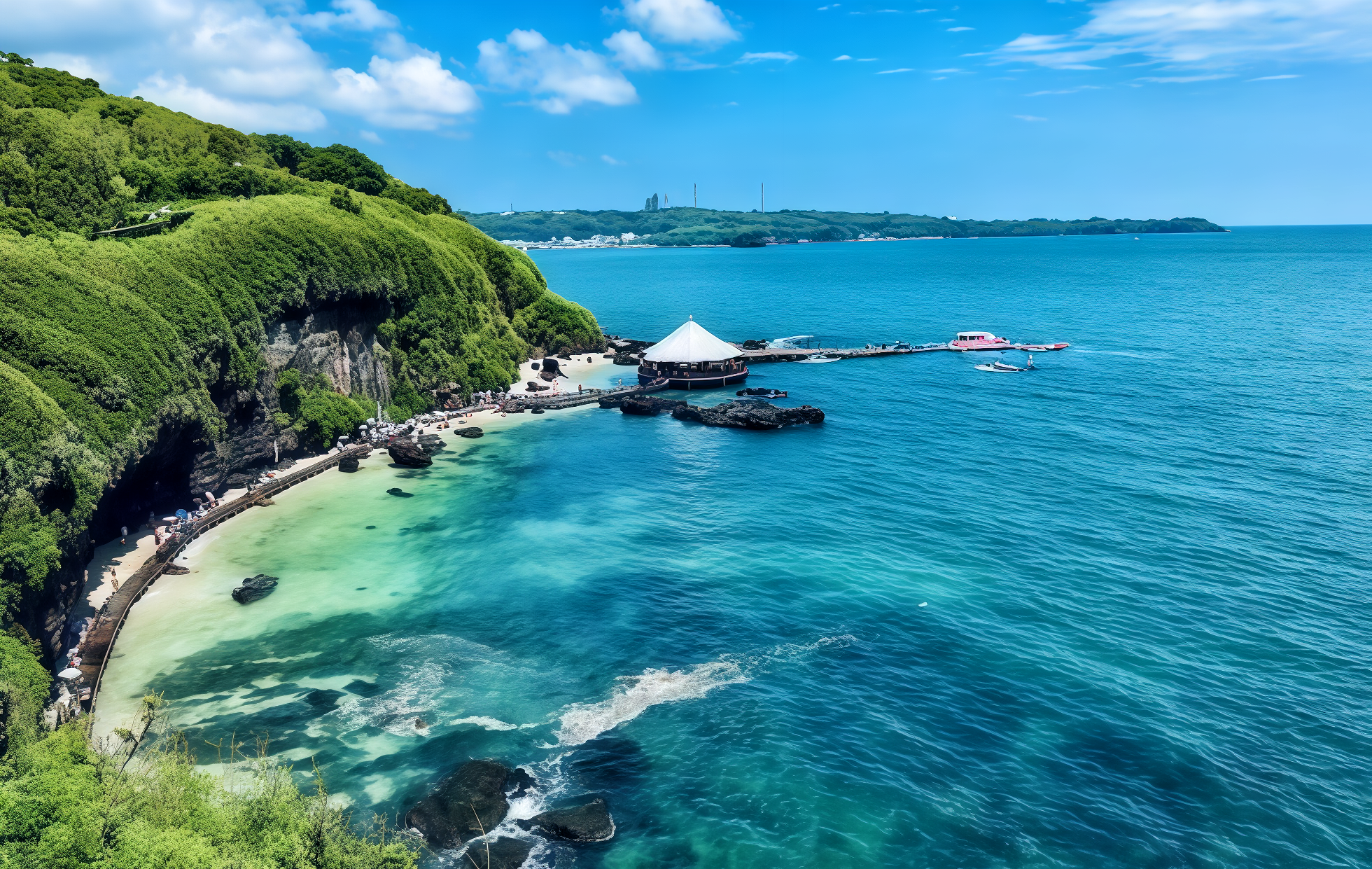
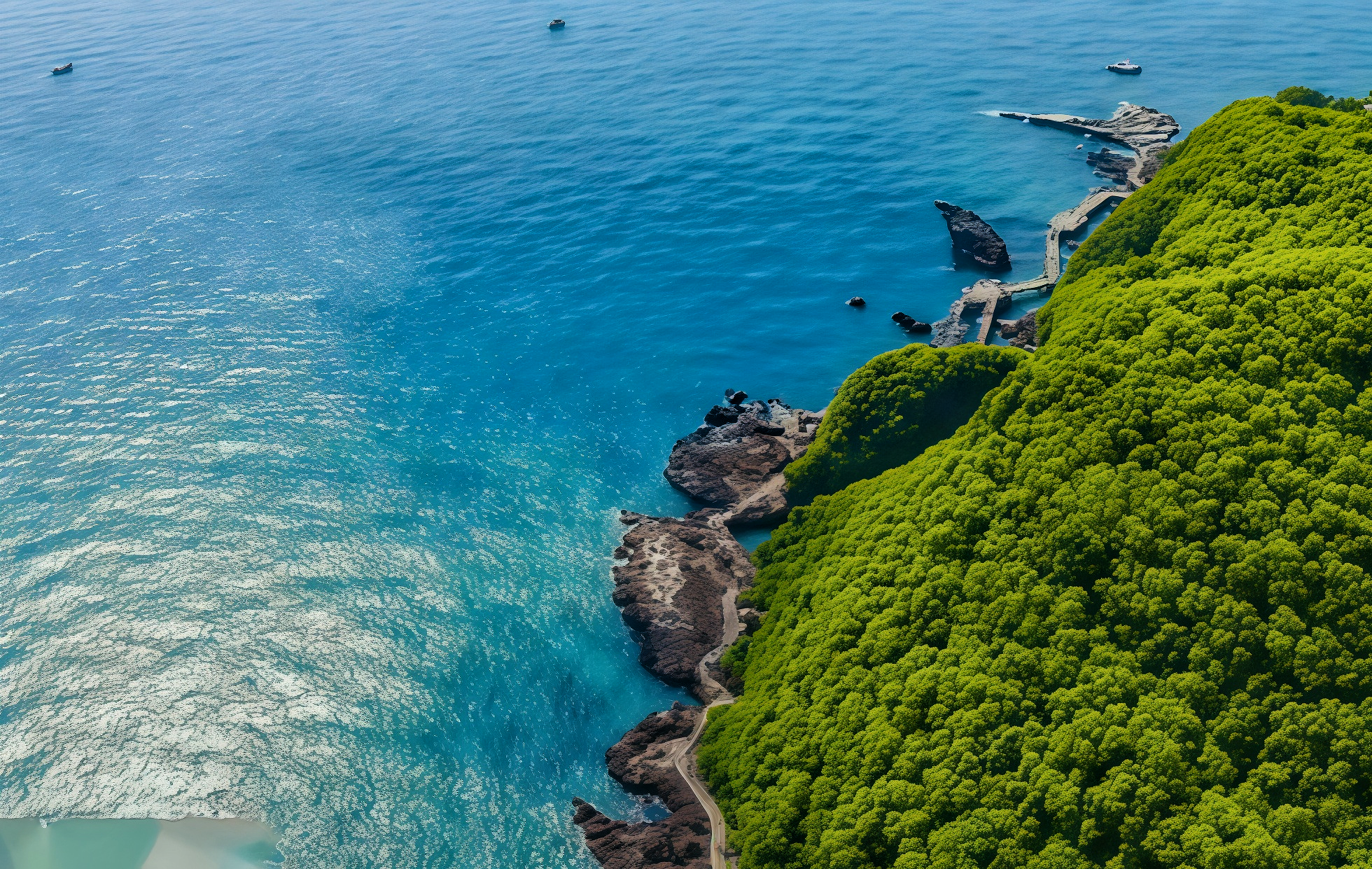
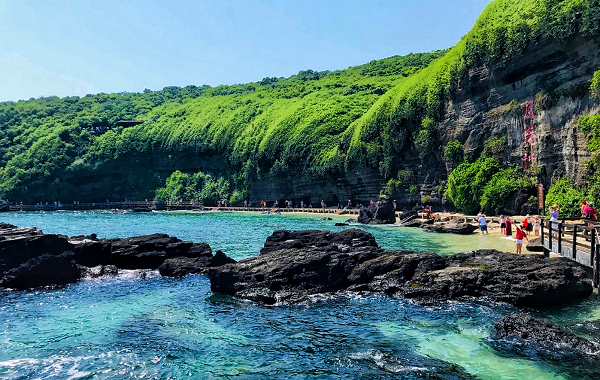
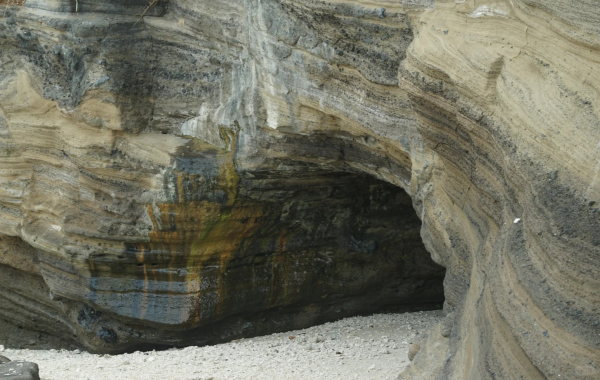
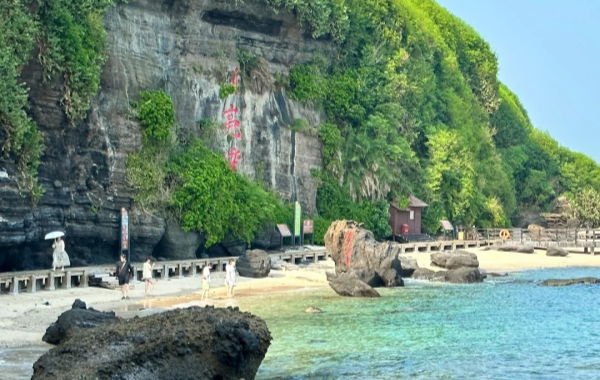
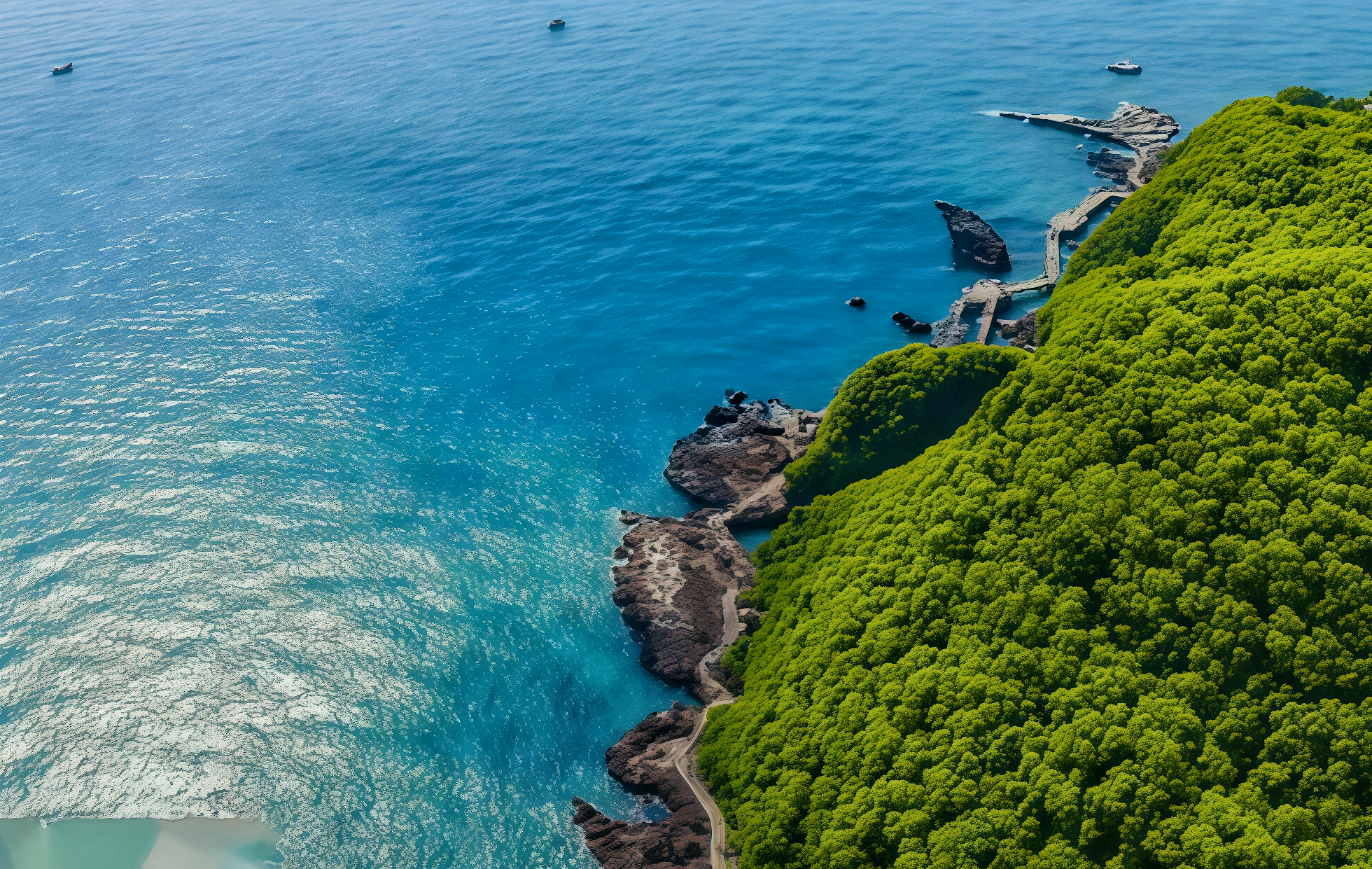
Upon catching your first glimpse of Weizhou Island, you will likely be struck by its black coastline. This is no ordinary beach; rather, it is composed of basalt—volcanic lava that erupted millions of years ago and cooled rapidly upon contact with the sea. Layered upon one another, these formations resemble a massive, open history book, with every distinct grain and texture recording one of the Earth's deep, ancient breaths.
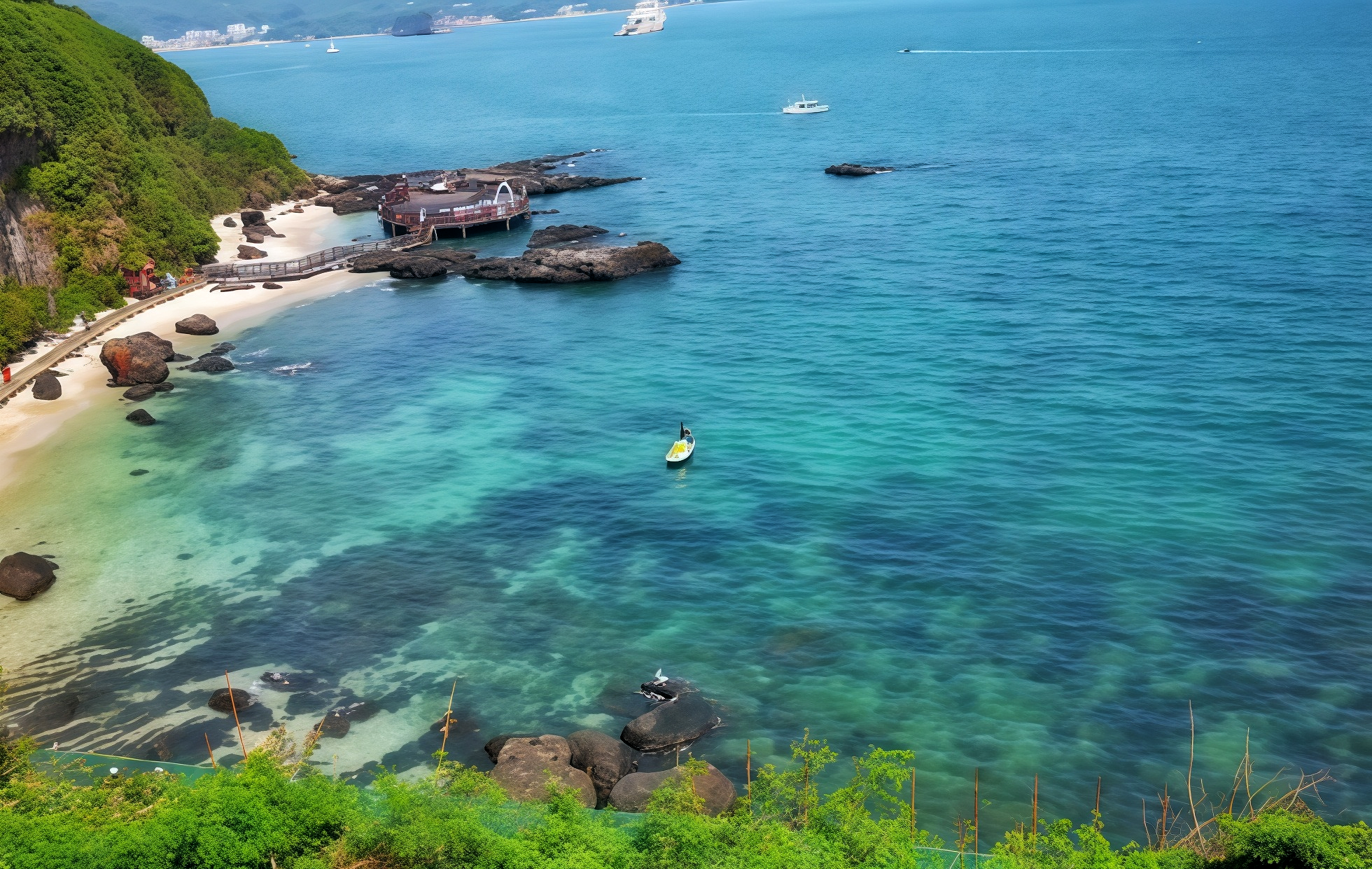
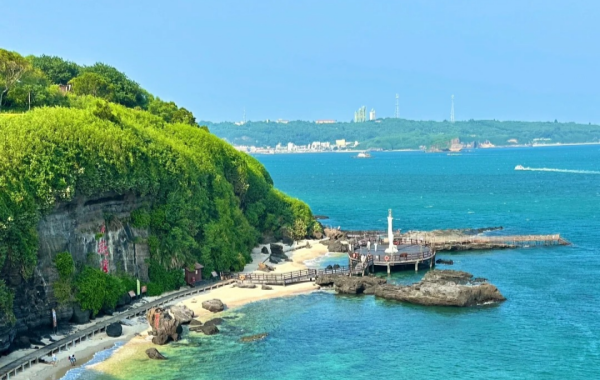
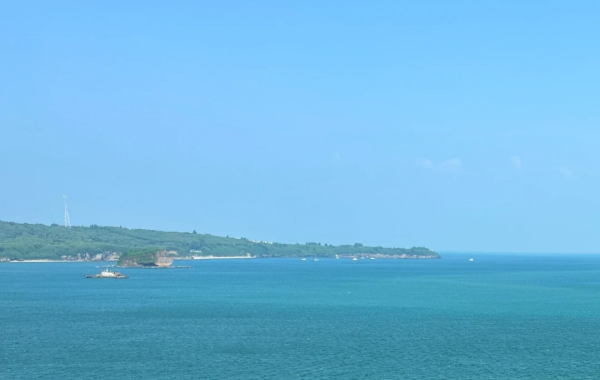
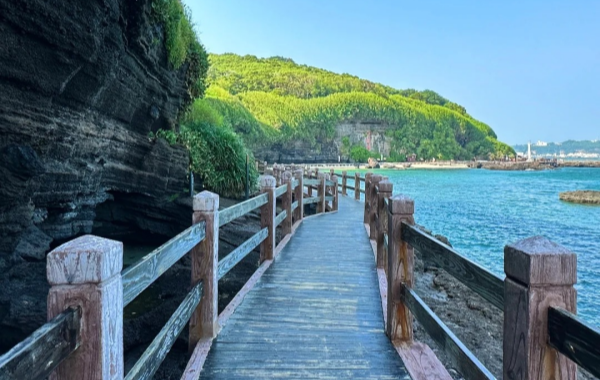
- Crocodile Hill Volcanic Park: The "Crown Jewel" of Weizhou Island and the island's only core scenic area rated 5A—the highest national tourism standard. Viewed from above, Crocodile Hill is surrounded by water on three sides, appearing like a massive crocodile lying prone in the sea. This site brings together China's most quintessential volcanic structures, its richest array of volcanic landscapes, and the most well-preserved geological remnants of multi-stage volcanic activity. As you descend along the wooden boardwalk toward the coast, a succession of geological wonders unfolds beneath your feet: the volcanic crater ruins, sea-eroded arches, Turtle-Hiding Cave, Bandit's Cave, and the "Hundred Beasts Frolicking in the Sea" formations. Each site inspires awe at the sheer artistry and power of nature. A visit to Crocodile Hill involves approximately 1.5 hours of walking and climbing a total of 871 steps (up and down); the seaside wooden boardwalk spans 1,645 meters in length. Comfortable, non-slip athletic shoes are highly recommended. Standing on the observation deck at Moon Bay, you can gaze out across the entire expanse of the South Bay waters; on days when the wind and waves are strong, the thunderous roar of the waves crashing against the black reefs resonates deep within your chest, evoking an indescribable sense of grandeur.
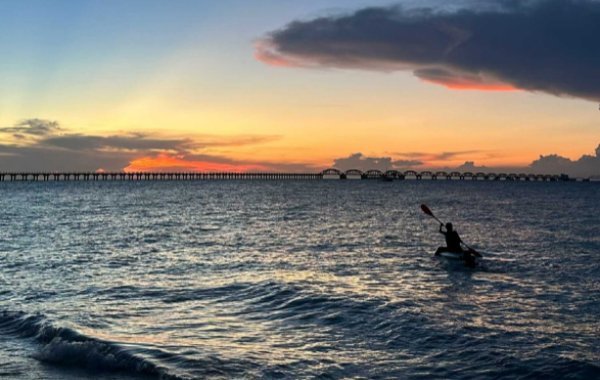
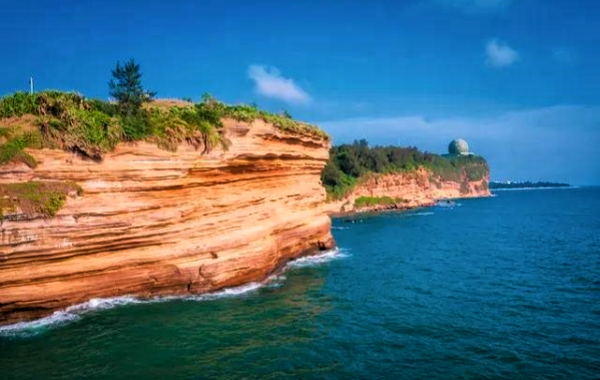
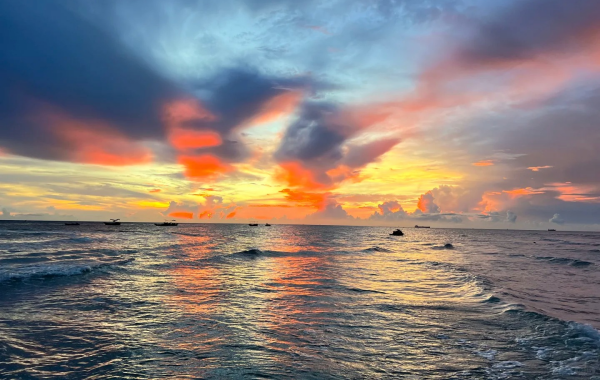
- Dishui Danping (Water-Dripping Red Cliff): Located in the southwest of Weizhou Island, this site is an unforgettable natural wonder featuring spectacular sea-eroded cliffs. The exposed rock strata display an alternating palette of red, yellow, purple, green, and cyan, featuring textures as distinct and picturesque as a painting. Above the cliffs, vines and trees intertwine, with red blossoms and lush green leaves cascading down the cliff face, creating a vibrant and enchanting display of color. Water droplets constantly seep from the rock layers of the massive cliff, dripping ceaselessly onto the ground below—a phenomenon that earned the site its name: "Dishu" (Dropping Water). This spot is widely recognized as the island's premier location for watching the sunset; in the late afternoon, golden rays of twilight bathe the crimson cliffs, while the sea is stained a molten gold—offering a perfect opportunity to capture stunning human silhouettes against the radiant backdrop.
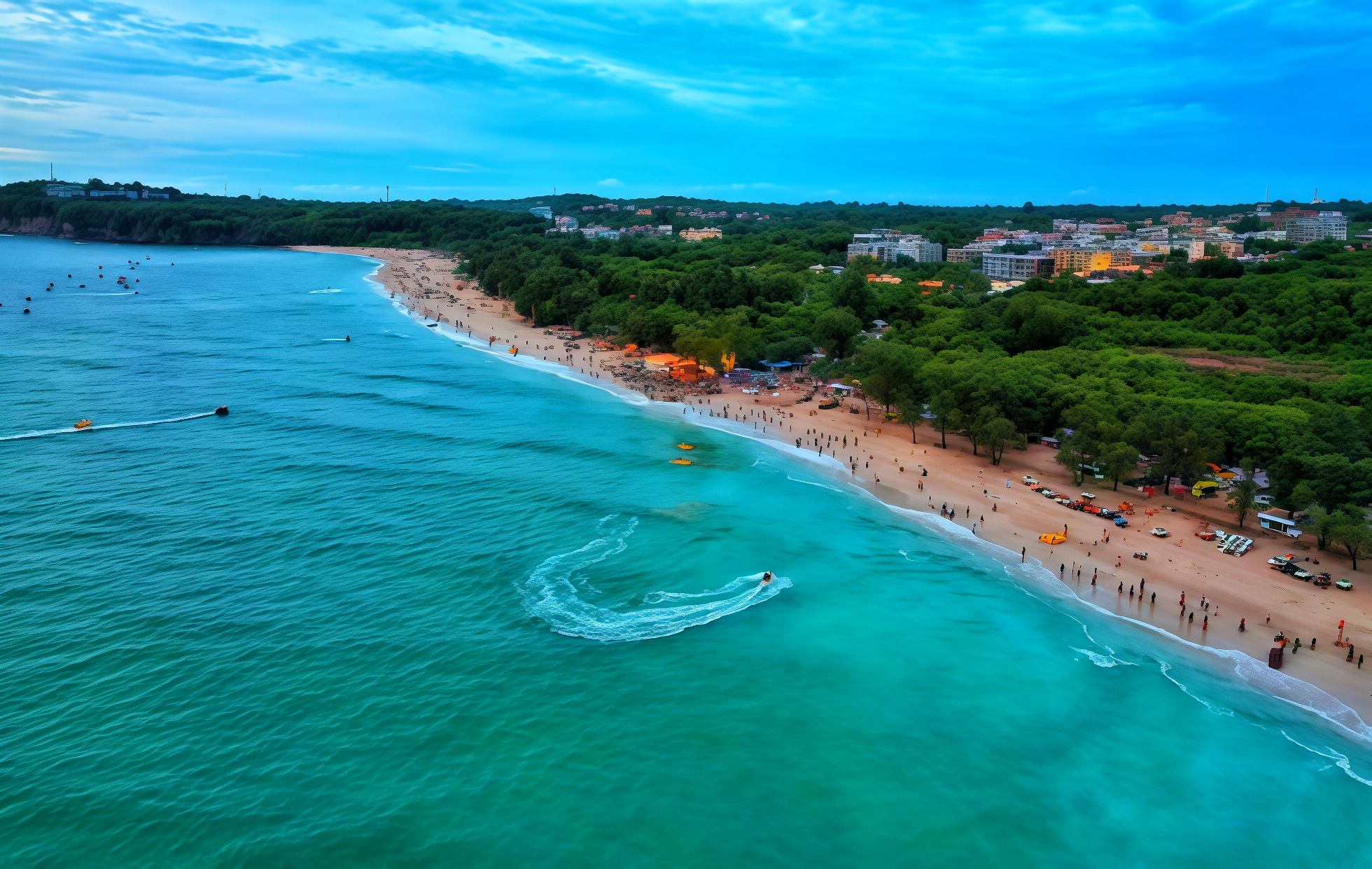
- Shiluokou Beach: Named after a nearby village whose shape resembles a shiluo (stone snail). The coastal landscape here is characterized by rich and unique volcanic rock formations sculpted by marine erosion. In the northwestern section of the beach stands a sea-eroded rock known as the "Wangfushi" (Husband-Watching Stone); it bears a striking resemblance to a young woman—carrying an infant on her back—standing on the shore, gazing out to sea as she awaits her husband's return. This area serves as a hub for water sports and activities, offering a full range of options such as snorkeling and jet skiing, all set against the backdrop of crystal-clear waters where the seabed is visible.
A Poem of Light and Shadow: An Impressionist Canvas Painted by the Tides
- Wucaitan (Five-Color Beach): Located on the eastern side of Weizhou Island, this is an exceptional spot for witnessing the sunrise over the sea. At low tide, vast expanses of sea-eroded rock platforms are exposed. Polished smooth by the ceaseless action of the waves over time, these platforms shimmer with a kaleidoscope of colors under the sunlight, resembling a series of Impressionist masterpieces—a truly spectacular sight. At Wucaitan, visitors can observe a unique geological trinity—the simultaneous presence of sea-eroded cliffs, sea caves, and sea-eroded platforms—a combination so rare that it is often described as "seldom seen anywhere else in the world." The optimal time to visit is one hour before sunrise; as the tide recedes, the volcanic rocks interweave with their reflections on the water's surface, creating a dreamlike "Mirror of the Sky" effect.
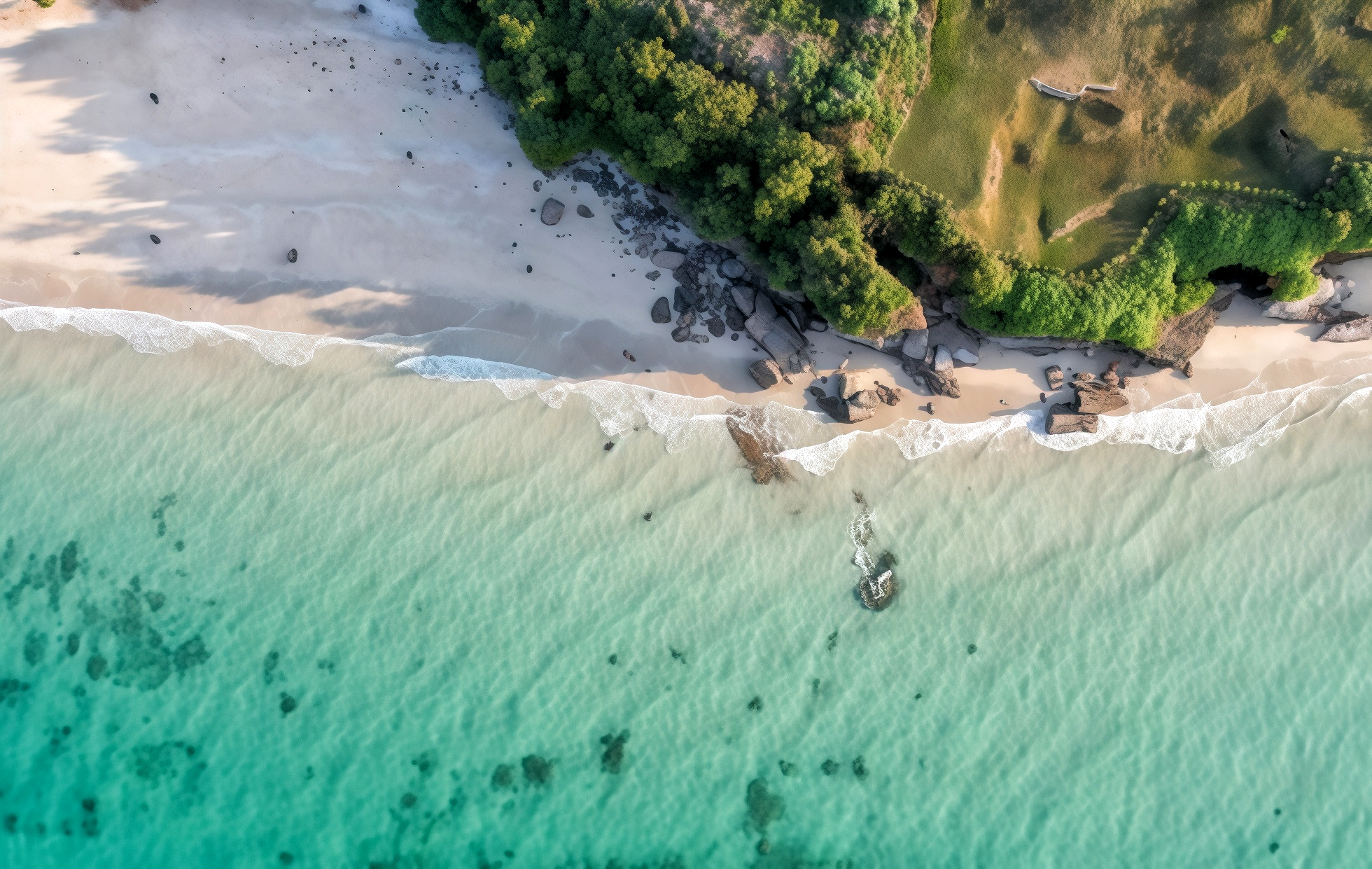
- Beike Beach (Shell Beach): Boasting a coastline stretching 24 kilometers, this beach features sand as fine and silvery as dust. It is a popular destination on the island for beachcombing and snorkeling, yet it remains relatively uncrowded—making it an ideal retreat for travelers seeking to escape the throngs and enjoy moments of peaceful tranquility.
Secrets of the Deep: The Blue Kingdom of Coral and Whales
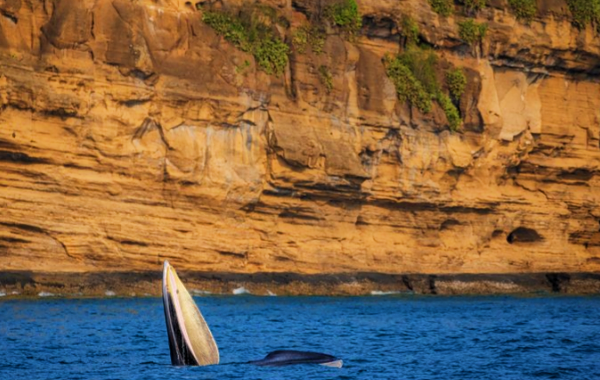
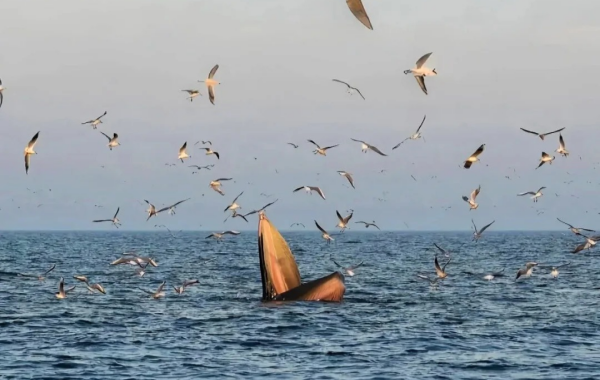
The waters surrounding Weizhou Island serve as a sanctuary for coral reefs—the only such reef system along the coast of Guangxi. These reefs are primarily concentrated to the north, east, and southwest of the island. During seasons of clear skies and crystal-clear waters (May through September being particularly ideal), visitors can enjoy snorkeling in the "Glass Sea" near the Blue Bridge. With exceptional underwater visibility, colorful coral reefs and schools of tropical fish appear right before your eyes, creating the sensation of having stumbled into a vibrant underwater garden. Furthermore, the period from December to April marks the prime season for whale watching; visitors can board specialized whale-watching vessels to venture out into the open sea in search of Bryde's whales.
Photography Tips:
- Crocodile Hill Lighthouse: Ascend the lighthouse at sunset to capture panoramic views of Nanwan Bay and the magnificent silhouette of the volcanic crater.
- Wucaotan (Colorful Beach) Sunrise: It is recommended to bring a tripod and a wide-angle lens; the wave-cut platforms exposed at low tide—along with their shimmering reflections in the water—make for the perfect photographic subjects.
- Dishuidanping Sunset: Try shooting backlit silhouettes of people against the backdrop of the crimson cliffs; this technique yields stunning, high-quality results.
- Drones: Drone flight is permitted on the island (though be sure to observe designated no-fly zones); an aerial perspective, offering a panoramic view of Crocodile Hill from above, provides the most breathtaking visual experience.
Cultural Craftsmanship: Island Memories—A Blend of East and West
Over 85% of Weizhou Island's residents are Hakka people—a community known for their warmth, hospitality, diligence, and simplicity—who have firmly rooted their cultural heritage within this volcanic soil. The island's cultural landscape is a rich tapestry, reflecting both the deep-seated traditions of indigenous beliefs and the indelible marks left by the fusion of Chinese and Western cultures.
Sheng Tang Catholic Church: A Century of Faith Built from Coral Stone
Located in Sheng Tang Village on Weizhou Island, the Sheng Tang Catholic Church is a designated Major Historical and Cultural Site Protected at the National Level. It is celebrated as one of the "Four Great Catholic Churches of the Late Qing Dynasty." The church was originally commissioned by French missionaries from the Paris Foreign Missions Society in 1853; after a decade of construction, the main structure was completed and remains remarkably well-preserved to this day. Constructed primarily from submarine coral sedimentary rock and built using meticulous structural engineering, the entire edifice stands as a quintessential example of a French Gothic church from the Renaissance era. Its towering Romanesque spires possess a dynamic thrust—a "strike toward the heavens"—creating an illusion of "celestial mystery." The church stands 13.5 meters tall, spans 56 meters in length and 17 meters in width, covers a total floor area of 1,500 square meters, and can accommodate up to 1,500 people. As one passes through the church's cloisters, the dappled light filtering through the stained-glass windows refracts into a mysterious halo; meanwhile, the pealing of the bell tower—echoing across centuries—intertwines with the sound of the waves to form the island's most unique melody.
Sanpo Temple (Temple of the Heavenly Empress): The Spiritual Home of Fisherfolk
Much like other coastal regions, the residents of Weizhou Island predominantly revere Mazu, whom the locals affectionately refer to as "Sanpo" (Third Grandmother). Sanpo Temple was originally established in 1732. The initial structure was built beneath a volcanic cliff face, nestled between the mountains and the sea; the temple ingeniously utilized a sea-eroded cave as a natural shelter, creating a perfect fusion of architecture and grotto that profoundly demonstrates the architectural wisdom of Weizhou’s early inhabitants. Islanders frequently visit to offer prayers and seek divine guidance through oracle sticks, maintaining a continuous tradition of worship that has endured for nearly three centuries. Outside the temple, ancient trees tower toward the sky, standing silently amidst the azure sea and blue heavens, standing guard over the safety of generations of fisherfolk as they set out to sea.
Tangweng Terrace and the Weizhou Lighthouse: Cultural Landmarks of the Island
Located within the Crocodile Mountain Scenic Area, Tangweng Terrace is a scenic lookout platform dedicated to commemorating Tang Xianzu, a renowned playwright of the Ming Dynasty. Legend has it that when Tang Xianzu was exiled and passed through Weizhou Island, he paused at this very spot to gaze out at the horizon, leaving behind a poem inspired by the view. The platform offers an exceptionally expansive vista, providing a panoramic overlook of the entire South Bay area. The Weizhou Lighthouse stands atop the summit of Crocodile Mountain; as one of the island's most iconic structures, it stands in harmonious dialogue with Tangweng Terrace, and together they bear witness to the century-long transformation of Weizhou Island—from a desolate isle into a celebrated scenic destination.