
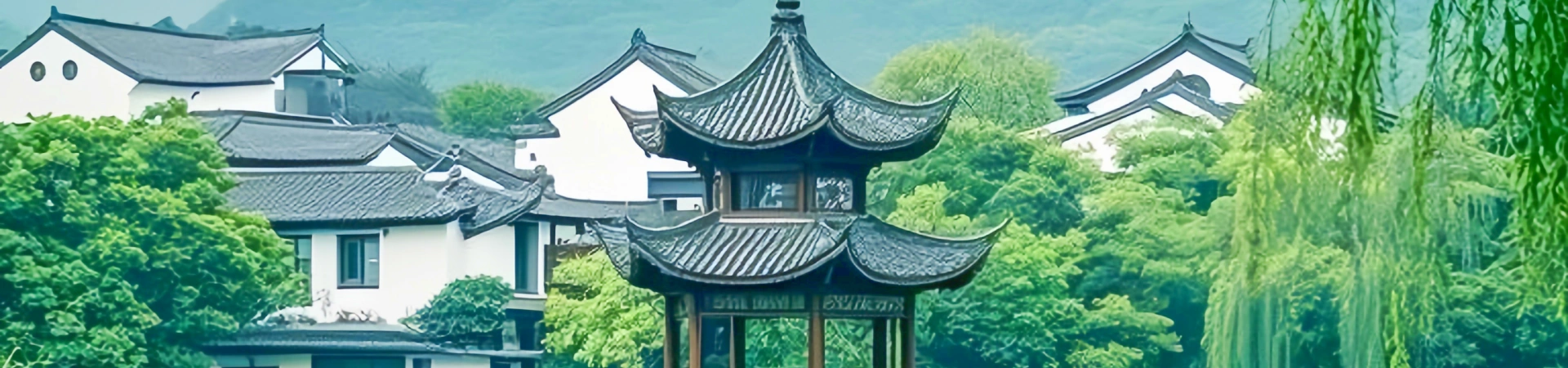
Jiangnan Unveiled: A Traveler’s Love Letter to China’s Water Town Paradise
1. First Impressions: When the Air Hummed with History
The moment I stepped off the high-speed train in Suzhou, the modern world seemed to soften. Skyscrapers faded into misty horizons, replaced by the gentle clatter of bicycle bells and the earthy scent of wet soil after rain. My Airbnb host, a retired art teacher named Mrs. Chen, greeted me with a steaming cup of chrysanthemum tea. “Jiangnan’s magic,” she said, gesturing to the willow trees swaying outside her window, “is in its contradictions—ancient yet alive, quiet but full of stories.”
Her words proved true within hours. At Pingjiang Road, a cobblestone street flanked by canals, I watched a man in a blue Mao suit repair a wooden boat using tools older than his grandchildren. Nearby, a teenager practiced calligraphy with a brush dipped in ink, her characters flowing like the water beside her. Even the pigeons here seemed to strut with purpose, pecking at rice scattered by a laughing grandmother.
2. Boating Through Time: Zhouzhuang’s Liquid Labyrinth
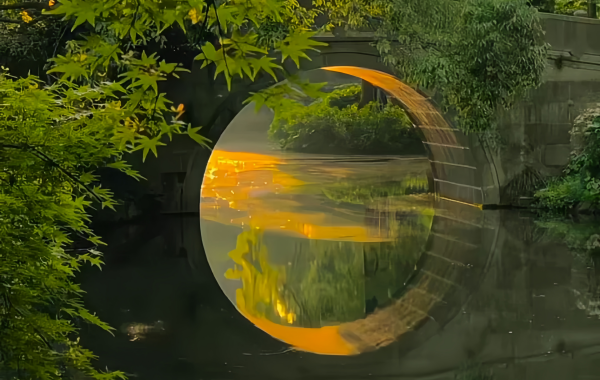
“Hold tight!” laughed the boatman as our wooden vessel dipped beneath a low stone bridge. In Zhouzhuang, navigating the canals feels like solving a puzzle where every turn reveals a new secret: a woman washing silk in a wooden tub, a cat snoozing on a windowsill draped with red lanterns, or a couple in traditional hanfu dress posing for wedding photos.
At one point, we paused beneath a bridge adorned with carved lotus flowers. “These bridges,” the boatman explained, tapping his oar, “are like people—some are straightforward, some twist and turn. But they all connect.” His words lingered as we passed a teahouse where patrons sipped from tiny cups, their conversations muffled by the gentle splash of oars. Here, time isn’t measured in minutes but in the rhythm of water and shadow.
3. Taste Buds Awakened: Hangzhou’s Culinary Symphony
Jiangnan’s food is a rebellion against blandness. In Hangzhou, I joined a local food tour led by a chef named Xiao Li, who insisted we start at 5 a.m. “The best breakfast,” she declared, “is eaten while the city is still yawning.” At Wang’s Congee Stand, we slurped bowls of silky rice porridge topped with pickled radish, century eggs, and crispy youtiao (fried dough sticks). “This,” Xiao Li said, “is how Hangzhou wakes up.”
Later, at a lakeside restaurant, she taught me to eat xiao long bao properly: “Poke a hole, let the steam escape, then sip the broth like it’s liquid gold.” The dumplings, filled with pork and a hint of ginger, were so good I almost forgot to breathe. But the real showstopper was West Lake Fish in Vinegar Gravy—tender carp simmered in a tangy sauce that made my taste buds dance. “Food here,” Xiao Li said, wiping her hands, “is about balance. Sweet and sour, soft and crunchy, old and new.”
4. Gardens of the Soul: Suzhou’s Living Art
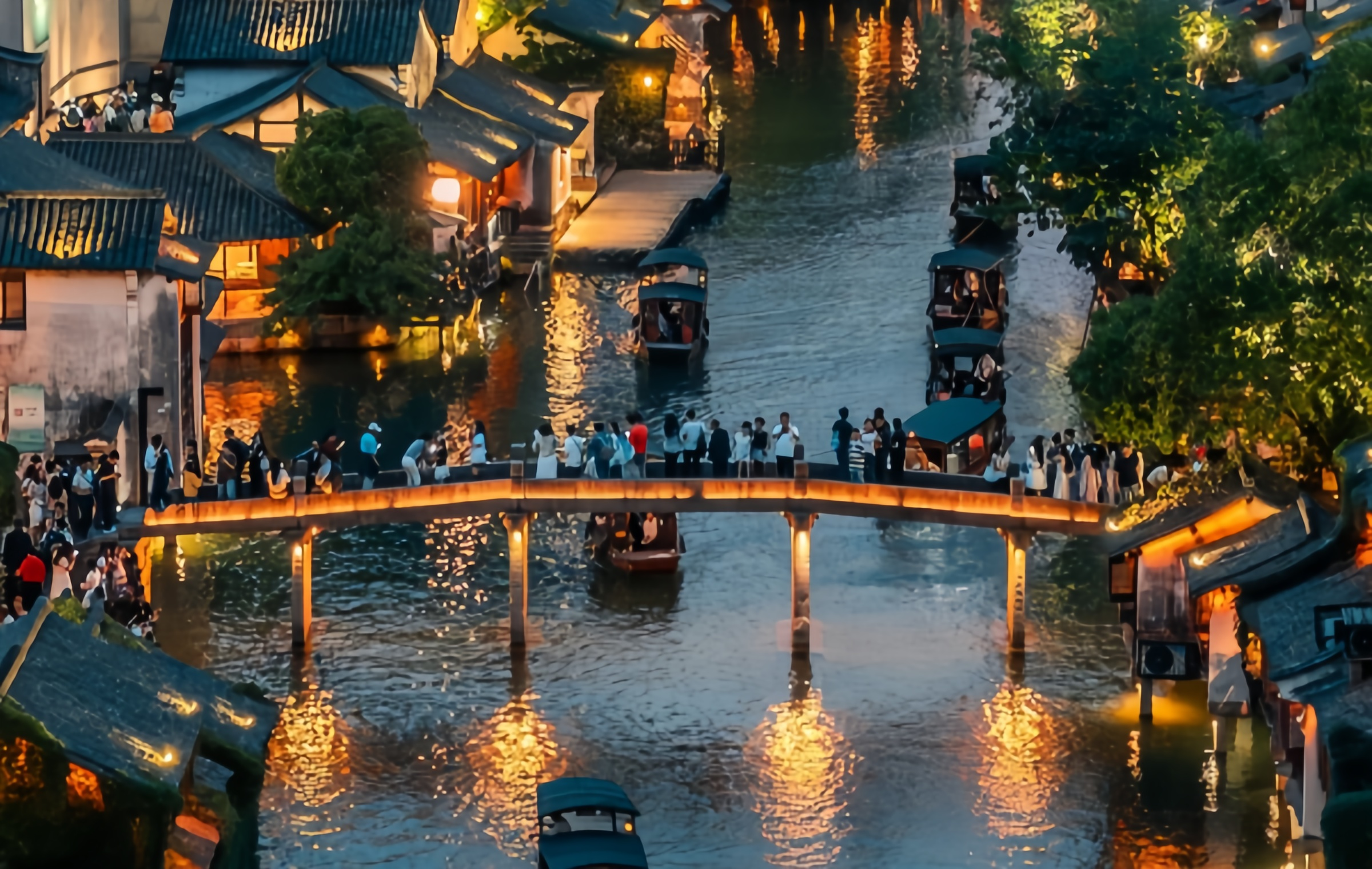
Suzhou’s classical gardens are less landscapes than poetry in stone and water. At the Master-of-Nets Garden, I followed a winding path past bamboo groves and moon gates, each turn framing a new tableau: a pavilion reflected in a lotus pond, a rock formation resembling a crane in flight, or a single pine tree twisted into a perfect question mark.
In the Humble Administrator’s Garden, I stumbled upon a group of elderly men playing mahjong beneath a pavilion. “Join us!” one called, pushing a chair my way. For the next hour, I fumbled with tiles while they laughed at my clumsy attempts to speak Mandarin. “Don’t worry,” the oldest man said, patting my hand, “even Confucius made mistakes.” As the sun dipped low, casting long shadows across the garden, I realized this was the true beauty of Jiangnan—not its perfect scenery, but its ability to make strangers feel like family.
5. Wuzhen by Night: When Lanterns Paint the Canals
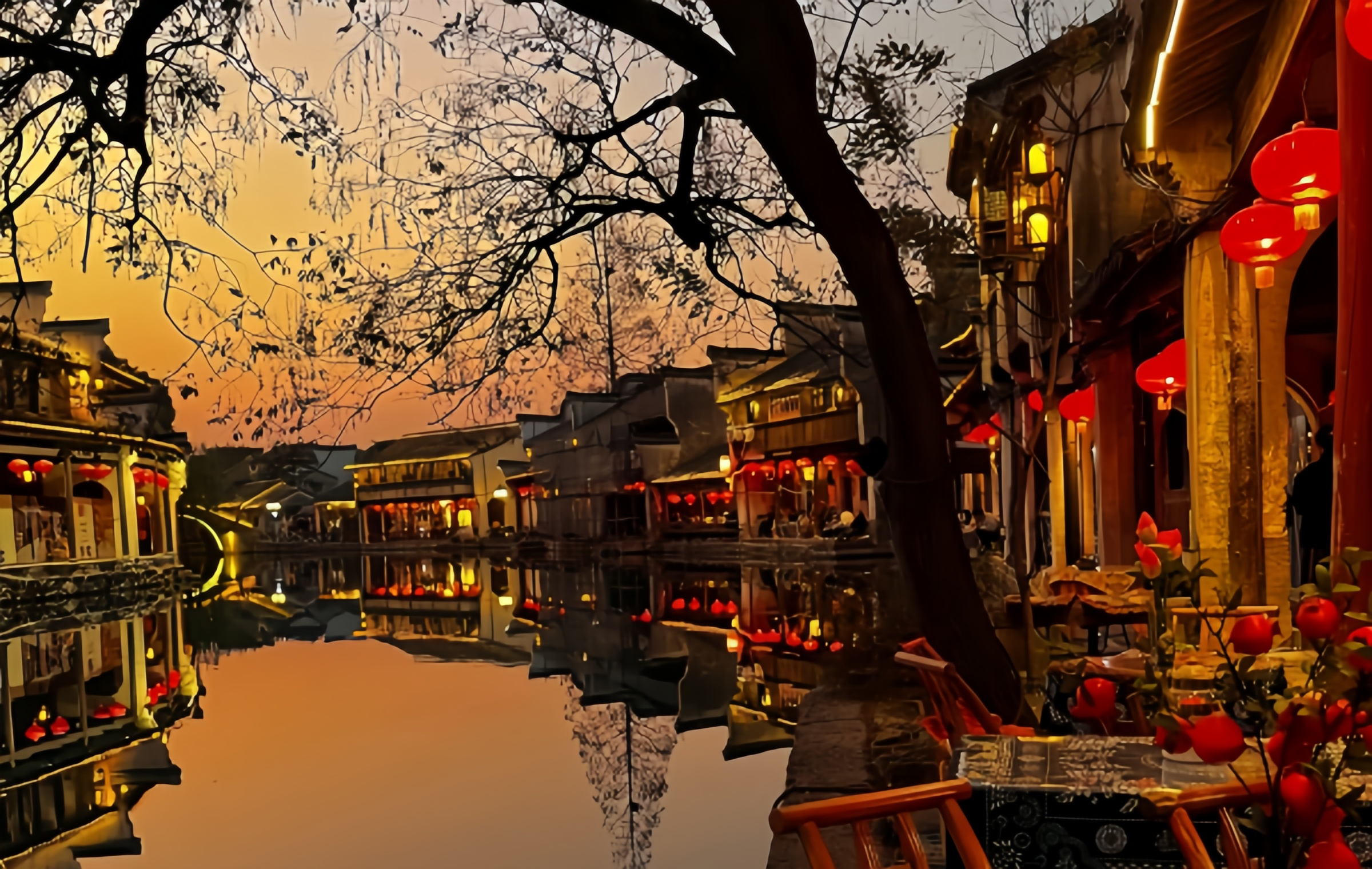
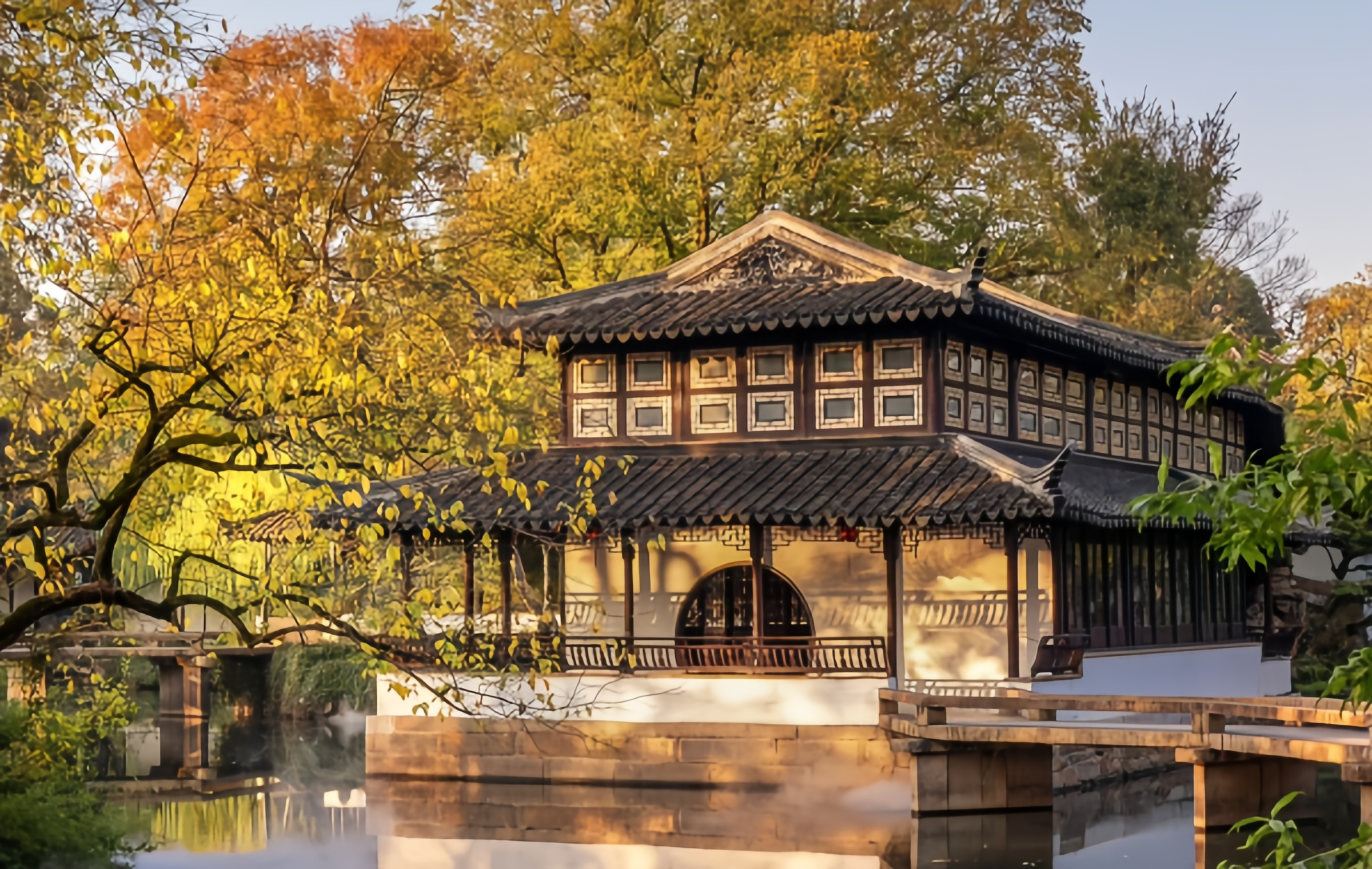
My final evening in Jiangnan was spent in Wuzhen, a water town that transforms after dark into a dreamscape of light and shadow. I wandered past silversmiths hammering delicate earrings, bookstores selling handbound poetry collections, and bars serving huangjiu (yellow rice wine) in tiny ceramic cups. At a riverside tavern, I struck up a conversation with a local artist named Lin. “Jiangnan,” he said, sketching my face in bold ink strokes, “is like a woman who wears both a qipao and sneakers. Traditional, but never stuck in the past.”
Later, as I boarded a ferry back to reality, the boatman handed me a lotus seed pod. “Take it,” he said. “Crack it open, and you’ll find something sweet inside.” I did, and there, nestled among the bitter seeds, was a single, perfect kernel—a metaphor for Jiangnan itself.
Epilogue: Why You’ll Never Forget It
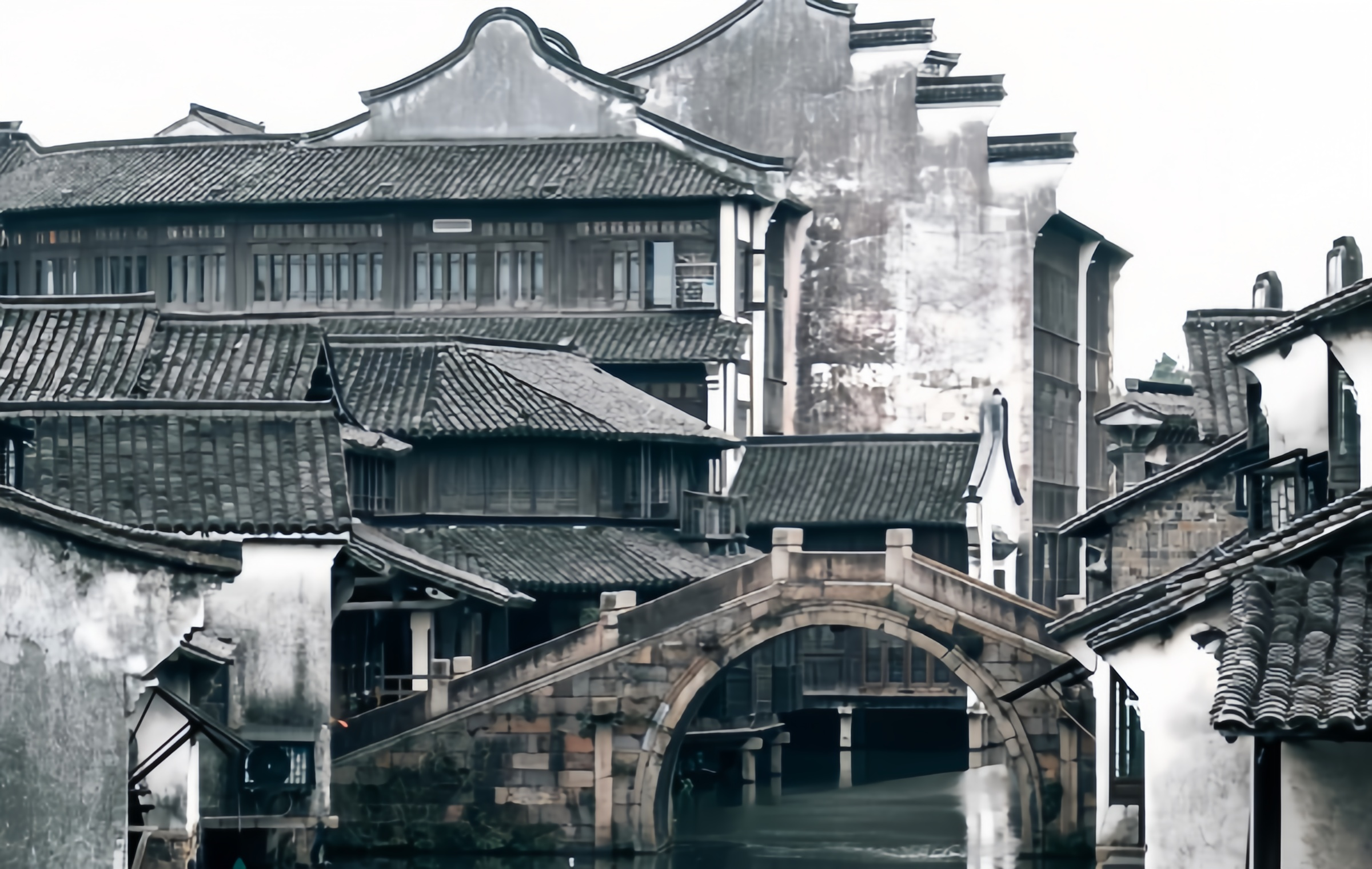
Jiangnan isn’t a destination; it’s a feeling. It’s the way sunlight filters through a lattice window, the taste of tea brewed in a clay pot, the sound of a boatman’s song echoing off stone bridges. Here, history isn’t locked behind glass—it’s woven into the fabric of daily life, from the way a grandmother folds dumplings to the calligraphy brushstrokes drying on a pavement.
So come with an empty stomach, a full heart, and a willingness to slow down. Jiangnan will meet you halfway, offering not just sights, but stories. Not just meals, but memories. And when you leave, you’ll carry a piece of its soul—quiet, enduring, and forever beautiful.
Contact Us
What Our Clients Say?
Based on 10,000+ traveler reviews

Daniel Dorothea
Canada
Reviewed on April 29,2025
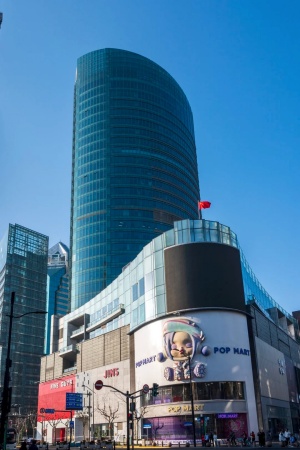
Shopping on Nanjing Road in Shanghai was just amazing! It's truly the "First Commercial Street of China", where tradition and modernity blend perfectly. You can find awesome souvenirs and experience the trendy vibes in cool stores. The neon lights at night are just spectacular, shining bright like Times Square in New York. The food here is incredible too. I had a feast for my taste buds. Shanghai, I'll definitely be back!
Destination(s):
Shanghai
Date of
Experience:
May 08,2024

Elvis Eva
Canada
Reviewed on June 20,2025
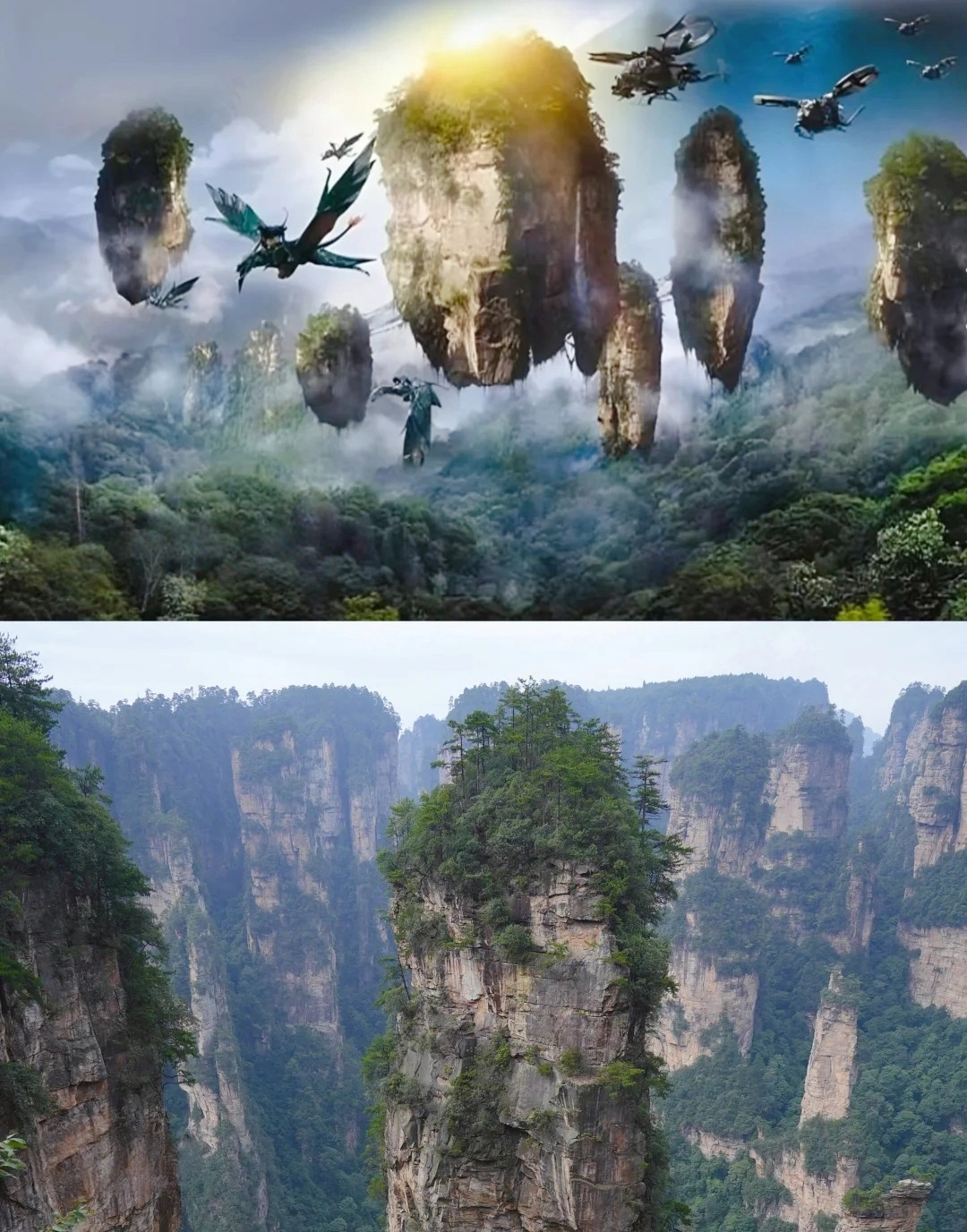
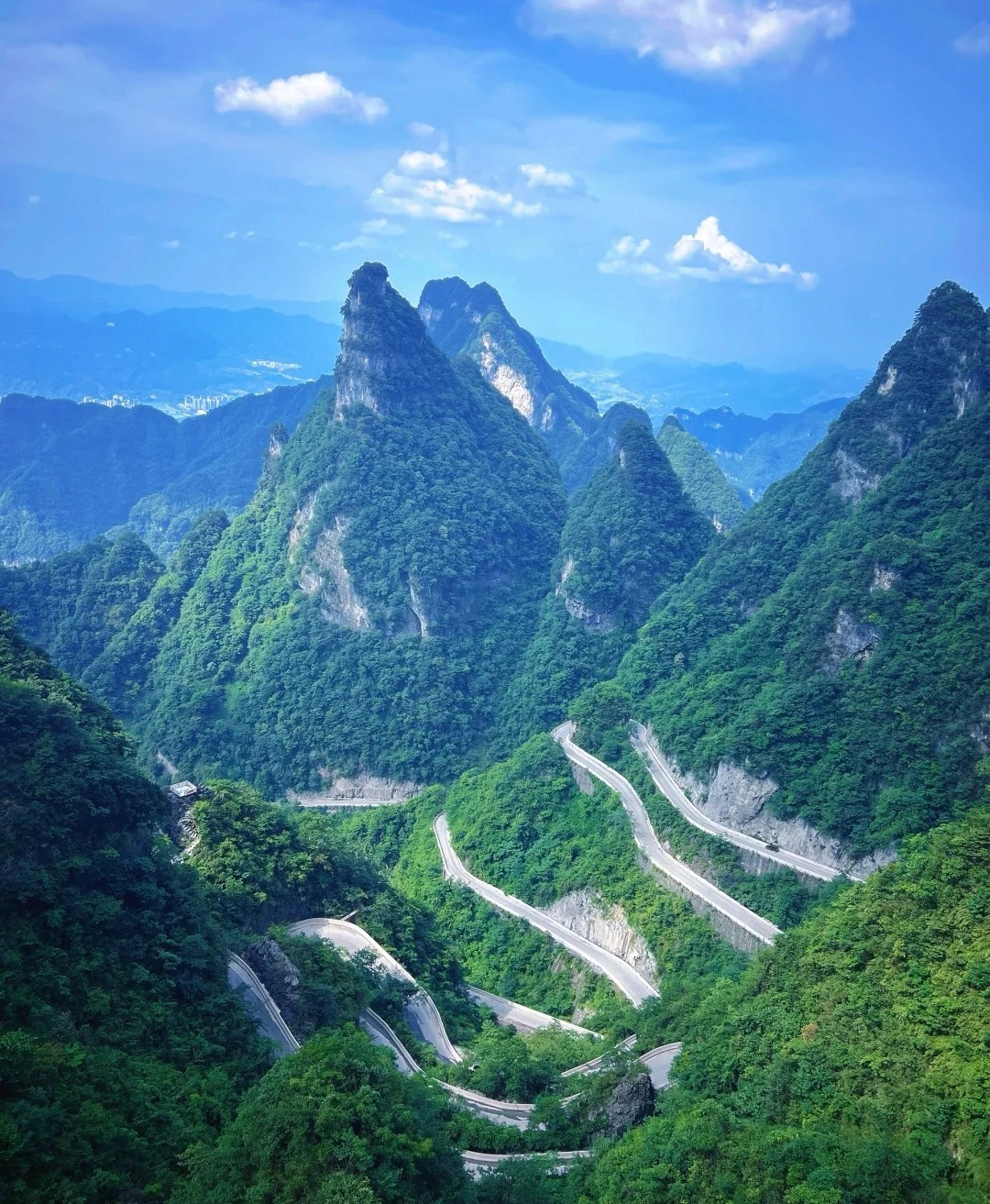
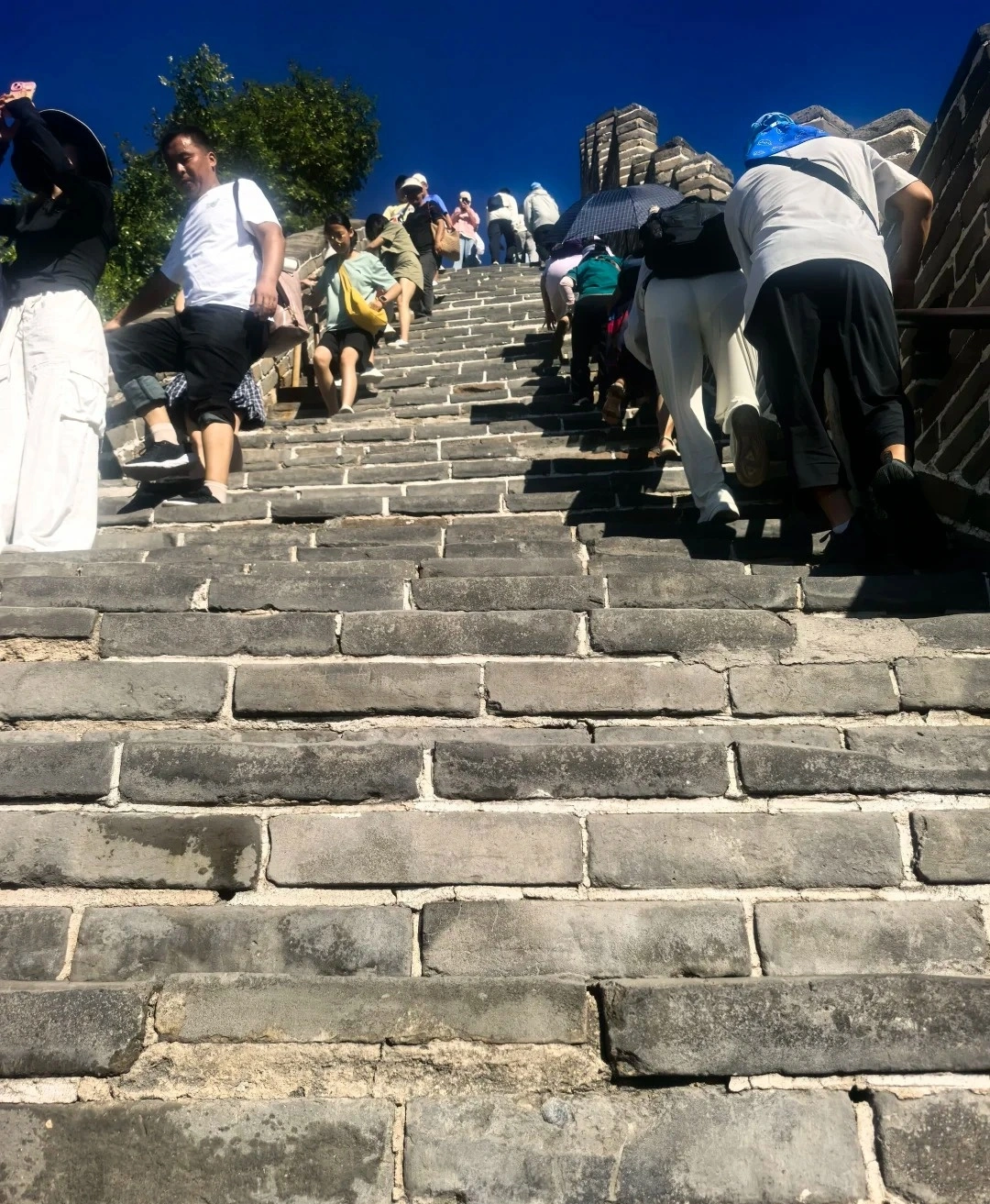
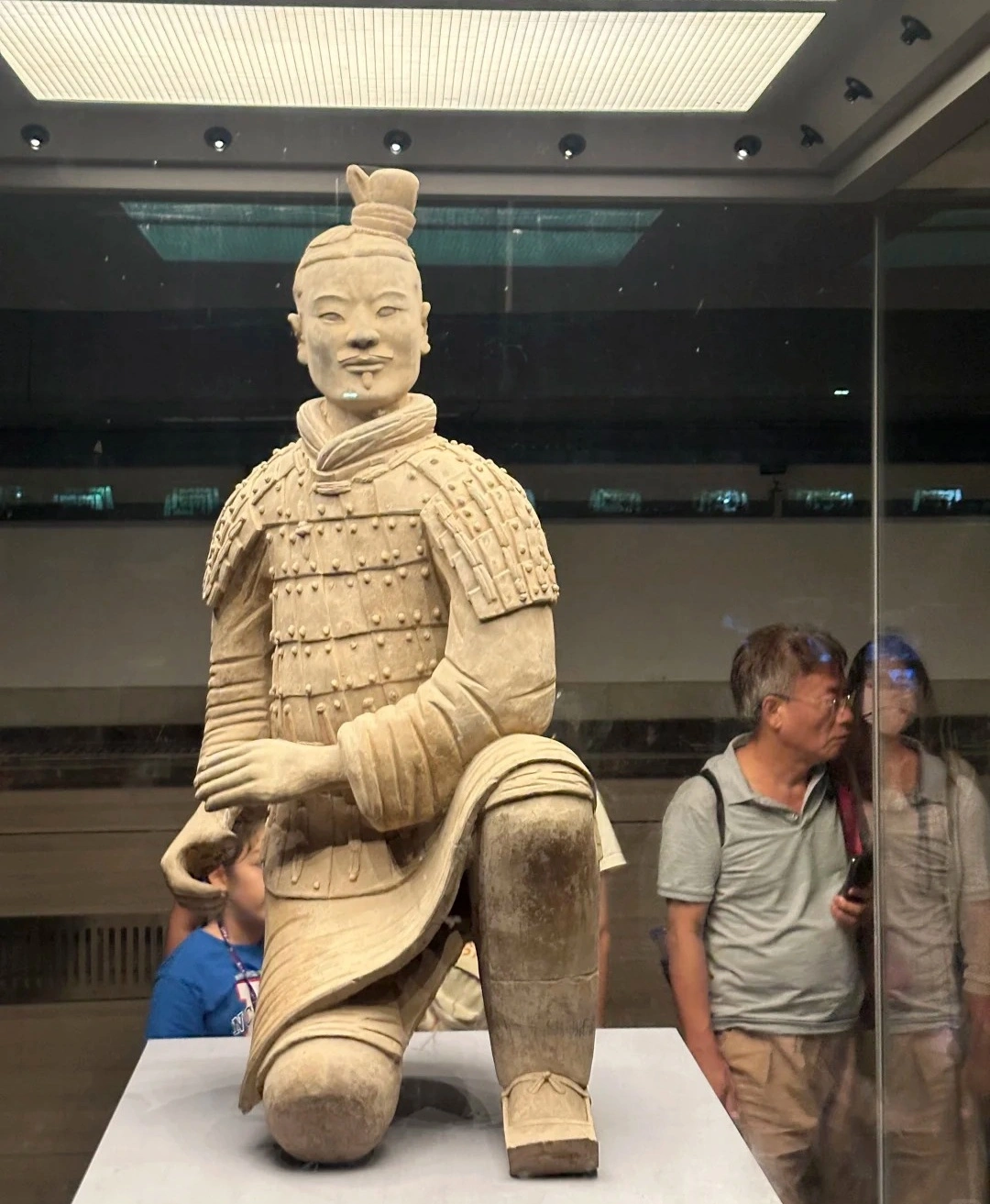
As a solo traveler from Canada, I was nervous about navigating China alone—but this 11-day tour was PERFECT! From hiking the Great Wall at sunrise (Day 3) to gasping at the Terracotta Army (Day 5), every day delivered ‘pinch-me’ moments. The real showstopper? Zhangjiajie’s Avatar Mountains (Day 7)! Our guide made the stone pillars come alive with stories.
Massive thanks for handling all logistics—bullet train tickets, entry passes, car! And the 4-star hotels surprised me.
Destination(s):
Beijing Xian Zhangjiajie Shanghai
Date of
Experience:
June 02,2025

Simon
America
Reviewed on May 29,2025
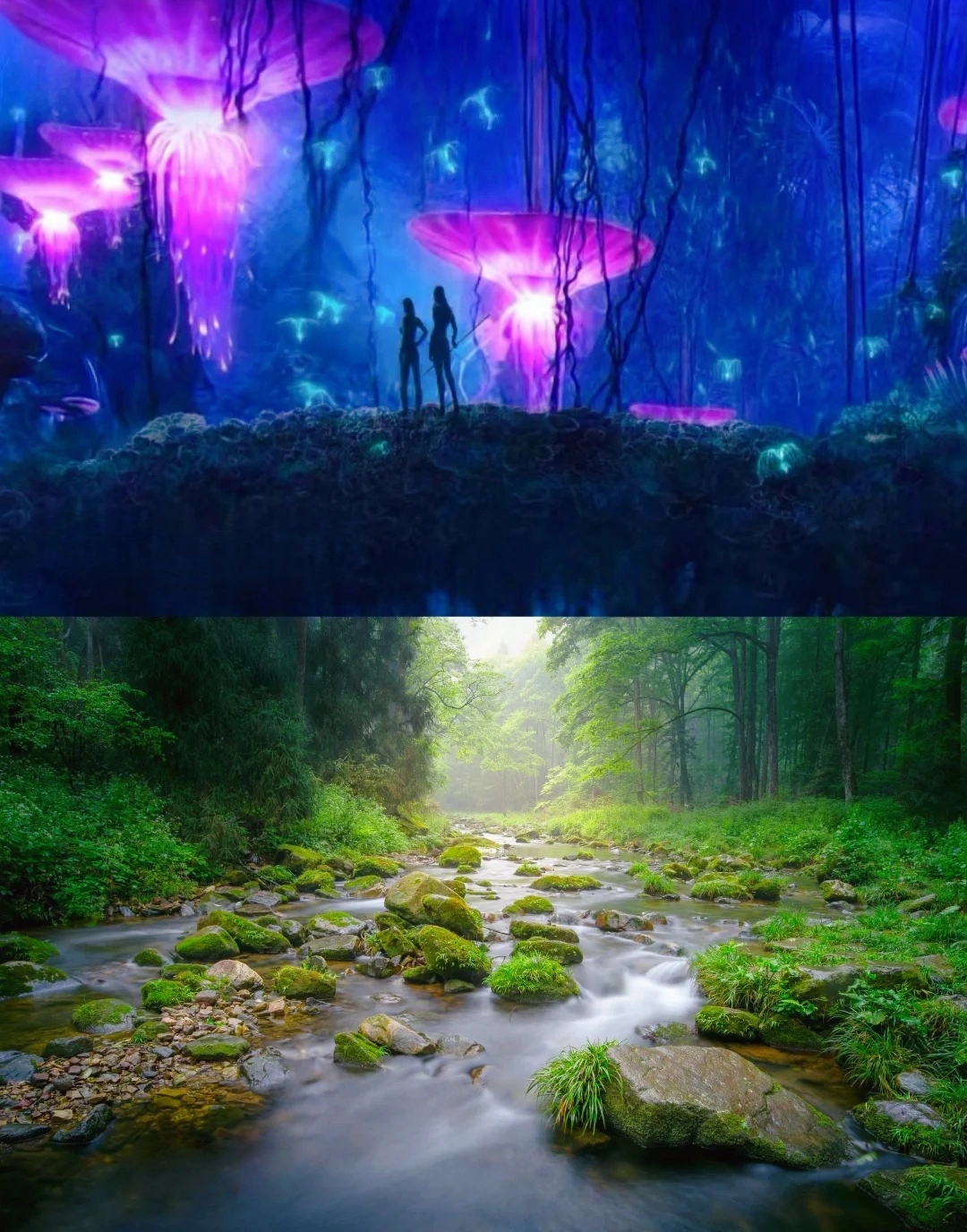
Our 2-day Zhangjiajie tour was beyond spectacular! As someone who’s visited Beijing and Shanghai for work, this trip revealed China’s wild, magical heart. Day 1 in Zhangjiajie National Forest Park felt like stepping onto Pandora—I’m a huge Avatar fan, and Yuanjiajie’s floating peaks left me breathless. The misty pillars and lush valleys like pure movie magic!
Then came Fenghuang Ancient Town, we eat dinner beside the thundering waterfall. It seems Unreal! The night views of stilt houses glowing over the river were straight from a fairy tale.
For fellow Avatar lovers and adventure seekers: Don’t miss this bucket-list experience! 10/10 would return.
A Well-Traveled Film Buff, May 2025
Destination(s):
Zhangjiajie
Date of
Experience:
May 08,2025