
Best Beijing Street Food in 2026: A Local's Guide to Must-Try Snacks & Hidden Gems
If you're visiting Beijing in 2026, you need to eat the street food — and I'm not just saying that as someone who writes about travel. I've lived in this city for years, and nothing beats grabbing a skewer of lamb off a street cart at 10 PM or biting into a crispy jianbing at a morning stall near my apartment. Beijing street food is cheap, bold, and literally everywhere. Whether you're a first-time traveler or a repeat visitor hunting for local secrets, this guide covers my go-to spots, the dishes worth queuing for, and the hidden gems most travel blogs skip.
Let's get into it.
The Classics: Best Beijing Street Food You Can't Skip
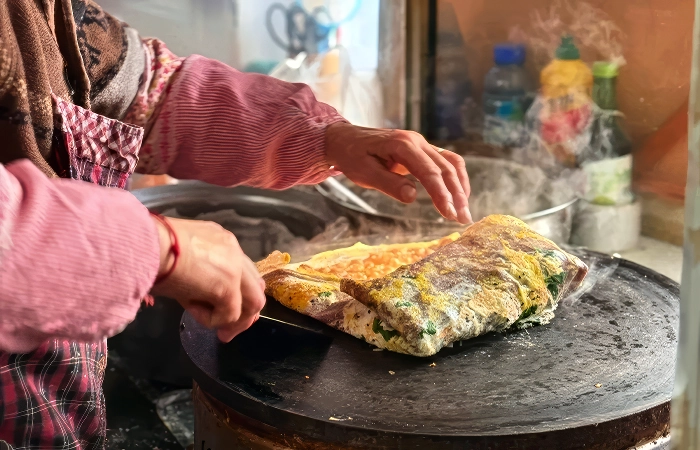
Every city has its iconic snacks, and Beijing's are no exception — they're loud, they're messy, and they're absolutely worth every bite. Start with jianbing, that savory crepe loaded with egg, crispy wonton, cilantro, and a sweet bean sauce. You'll find jianbing stalls on nearly every corner in the morning, and a good one costs about 8–12 RMB. My local tip: skip the ones near major tourist spots like Tiananmen or the forbidden city. The best jianbing I've ever had was from a woman near Dongzhimen who's been there for over 15 years. She doesn't speak much English, but her crepe speaks for itself.
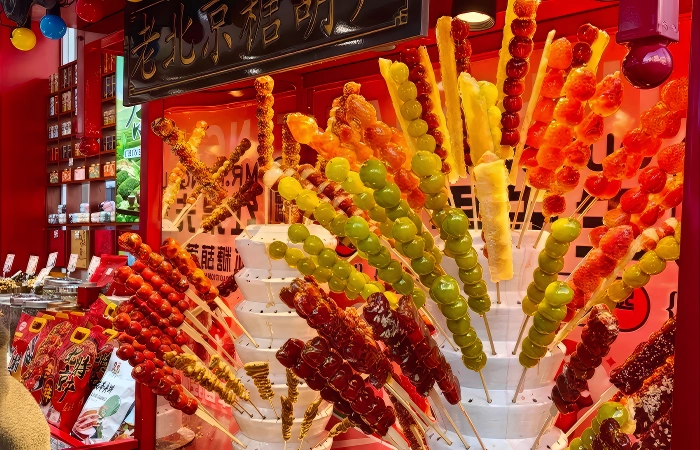
Then there's tanghulu — candied hawthorn berries on a stick. They're everywhere in winter, especially around holiday markets, and yes, they're as good as they look and taste. The sour-sweet balance is perfect, and at 5–10 RMB per stick, they're an absolute steal. I've seen tourists walk past these without trying them, and that's a mistake.
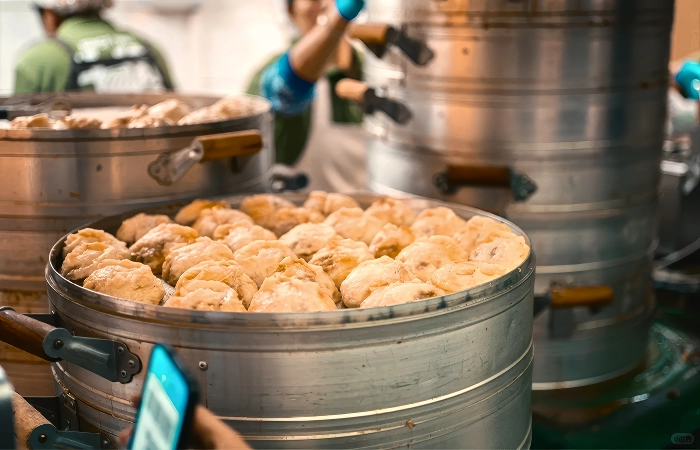
But if you want something heartier, head to Niujie (Beef Street) in Xuanwu District. This is Beijing's most famous Muslim food street, and it's been serving locals for decades — not just tourists. Try the lamb buns — flaky, juicy, and packed with spiced lamb filling that practically melts in your mouth. One bun runs about 6 RMB, and you'll want at least three. The locals I talked to all said the same thing: "Don't go on weekends. The line will kill you." Go on a weekday morning instead, and you'll eat like a king for under 20 RMB.
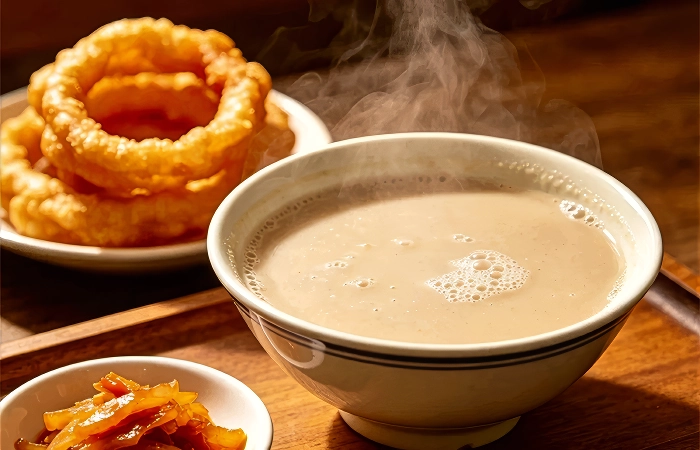
Oh, and don't sleep on douzhi — that fermented mung bean drink. It smells like something went wrong, but pair it with a jiaoquan (fried ring dough) and you'll understand why Beijingers are obsessed. It's an acquired taste, sure, but it's part of the experience.
Beijing Street Food After Dark: Night Markets & Late-Night Bites
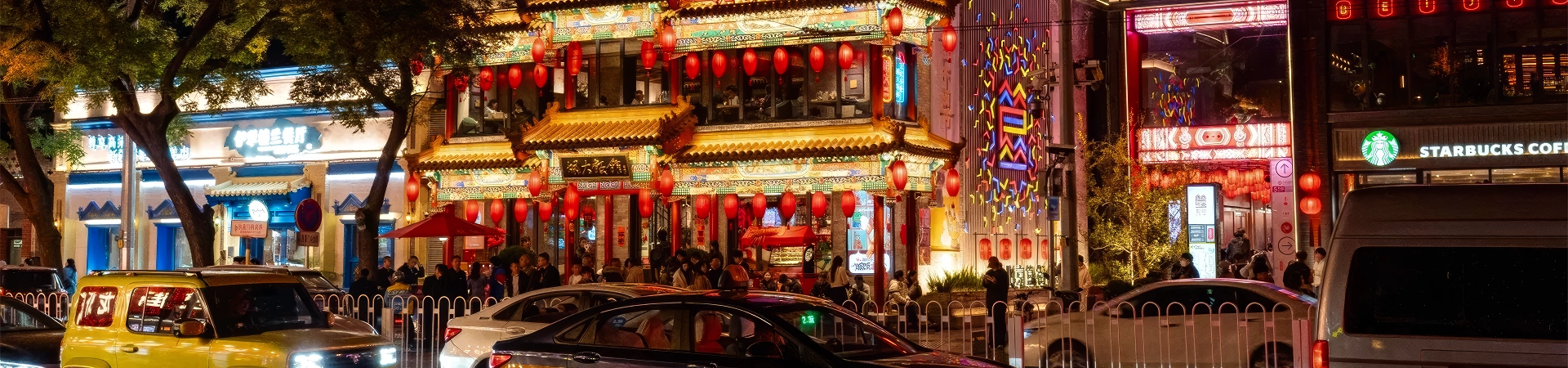
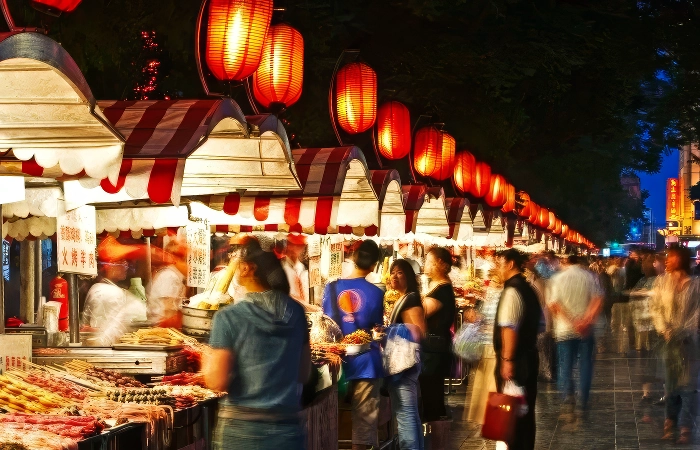
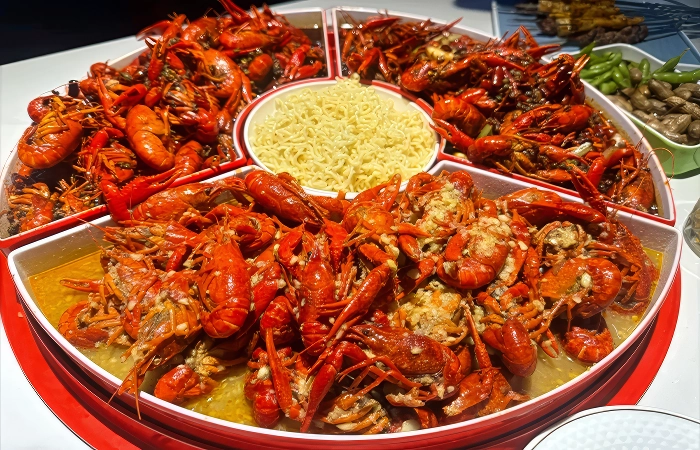
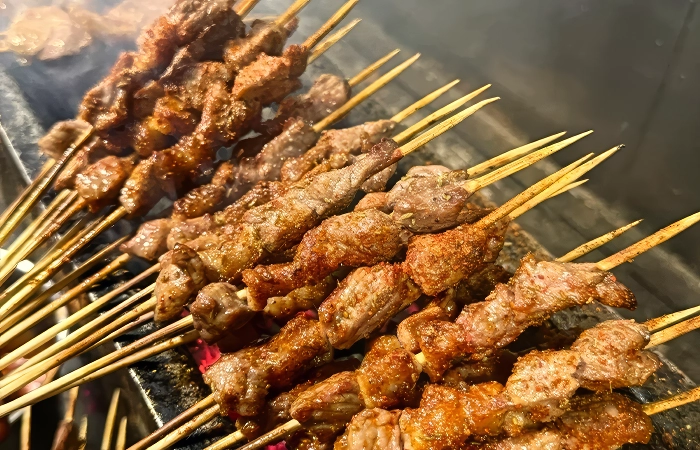
Beijing really comes alive at night, and the street food scene transforms into something else entirely. Guijie (Ghost Street) in Dongcheng is the most famous night food street in the city. It's loud, crowded, smoky, and absolutely worth it. Seafood grills, spicy crayfish, and lamb skewers dominate the scene. A plate of mala crayfish can run 80–120 RMB, but sharing with friends makes it worth every penny. The numbing spice hits you fast, and your lips go tingly — that's how you know it's authentic.
But here's a local secret: skip the main strip on Guijie and walk two blocks east. The side streets have smaller stalls with better prices and fresher food. I found a lamb skewer stand there where the owner grills everything over real charcoal — no gas, no shortcuts. Ten skewers for 30 RMB. The meat is tender, the fat renders perfectly, and the smoky flavor is something you can't fake. That's real Beijing street food.
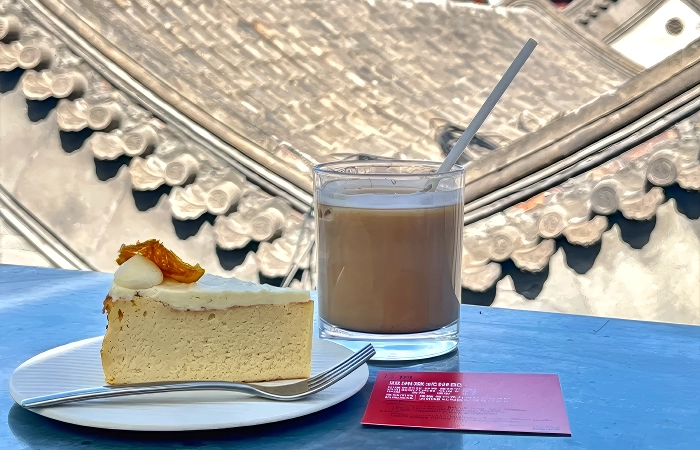
For something more chill, check out Wudaoying Hutong near the Lama Temple. It's become a hotspot in 2025–2026, mixing traditional snacks with indie coffee shops and small plates. It's not purely "street food" anymore, but the vibe is perfect for a late-night walk with a jianbing in one hand and a craft beer in the other. You'll also find baozi sellers and roasted sweet potato carts tucked between the trendy spots — a nice mix of old and new.
Hidden Gems: Beijing Street Food Most Tourists Never Find
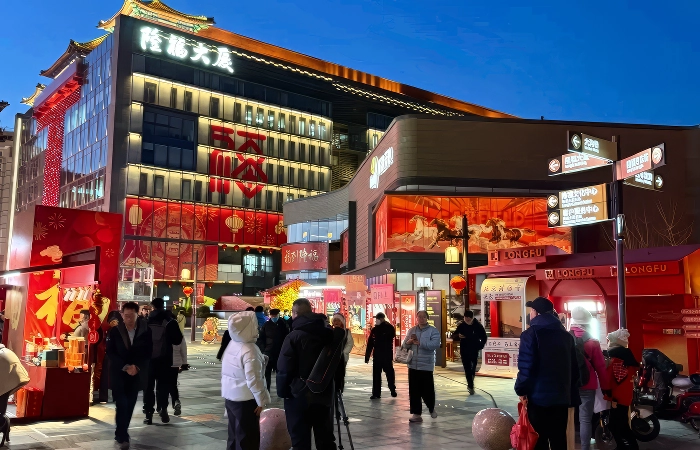
Here's where it gets fun. Most travel guides send you to Wangfujing Snack Street or Qianmen Street, and honestly? They're fine for a quick look, but the food is overpriced and caters to tourists. If you want what locals actually eat, go to Longfusi. This area near Wangfujing has been revitalized and now hosts a night market with stalls selling everything from hand-pulled noodles to stinky tofu. Yes, it's as funky as it sounds, and yes, it's delicious. The night market runs until about midnight and draws a young, local crowd.
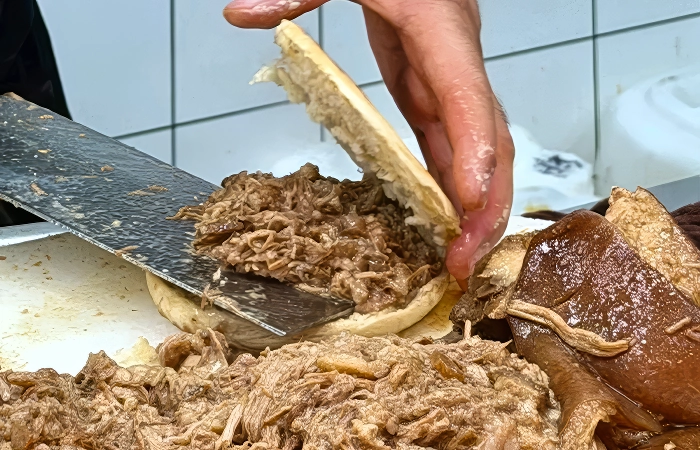
My personal hidden gem is a tiny stall near Fuxingmen that sells roujiamo — Chinese-style burgers with slow-braised pork. The woman running it has been there for 20 years, and her roujiamo costs 10 RMB. The bread is crispy on the outside, soft on the inside, and the meat falls apart. No sign, no English menu, just a line of locals who know. This is the kind of spot you'll never find on a tourist map, but it's the kind of meal you'll remember forever.
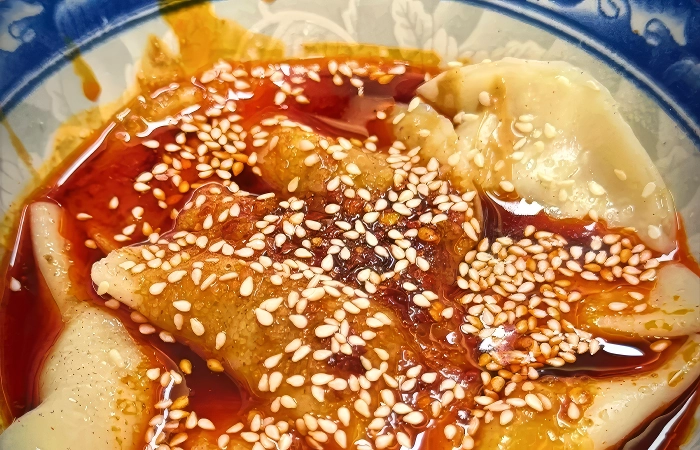
Another one: the 24-hour dumpling spot near Sanlitun. It's not flashy, but at 2 AM after a night out, a plate of boiled dumplings with chili oil hits different. Around 15 RMB for a generous portion. The dumplings are handmade, the chili oil is house-made, and the whole experience feels like a hug from the city.
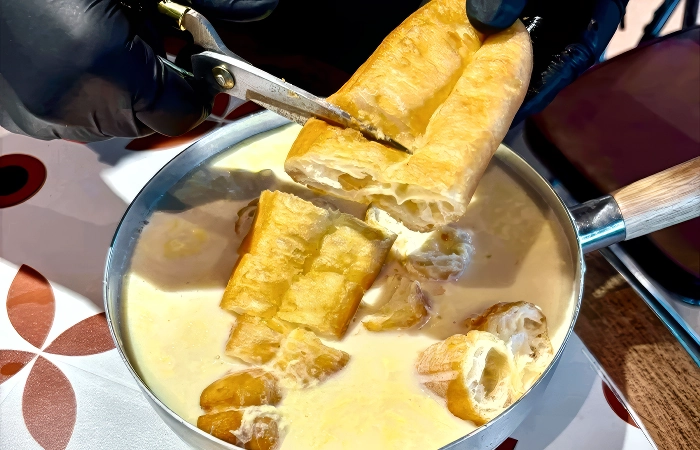
If you're feeling adventurous, try the breakfast spots around Hepingmen. They open at 5 AM and serve congee with pickled vegetables and fried dough sticks. It's the kind of meal that makes you feel like you've unlocked a secret level of the city.
Wrapping It Up: Your Beijing Street Food Cheat Sheet
So there you have it — my no-nonsense guide to Beijing street food in 2026. From jianbing at dawn to lamb skewers at midnight, this city feeds you well and cheap. Stick to the local spots, follow the lines of Beijingers, and don't be afraid to point at something you don't recognize. That's half the fun. Beijing street food isn't just about eating — it's about soaking in the energy of a city that never stops moving. Grab your phone, save this guide, and start eating your way through Beijing. Your stomach will thank you.
Contact Us
What Our Clients Say?
Based on 10,000+ traveler reviews

Daniel Dorothea
Canada
Reviewed on April 29,2025
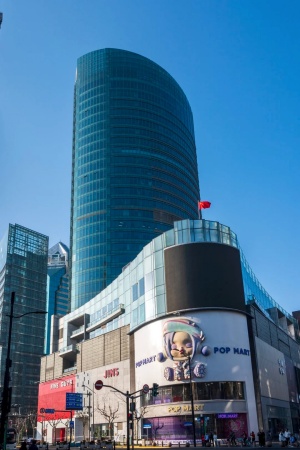
Shopping on Nanjing Road in Shanghai was just amazing! It's truly the "First Commercial Street of China", where tradition and modernity blend perfectly. You can find awesome souvenirs and experience the trendy vibes in cool stores. The neon lights at night are just spectacular, shining bright like Times Square in New York. The food here is incredible too. I had a feast for my taste buds. Shanghai, I'll definitely be back!
Destination(s):
Shanghai
Date of
Experience:
May 08,2024

Elvis Eva
Canada
Reviewed on June 20,2025
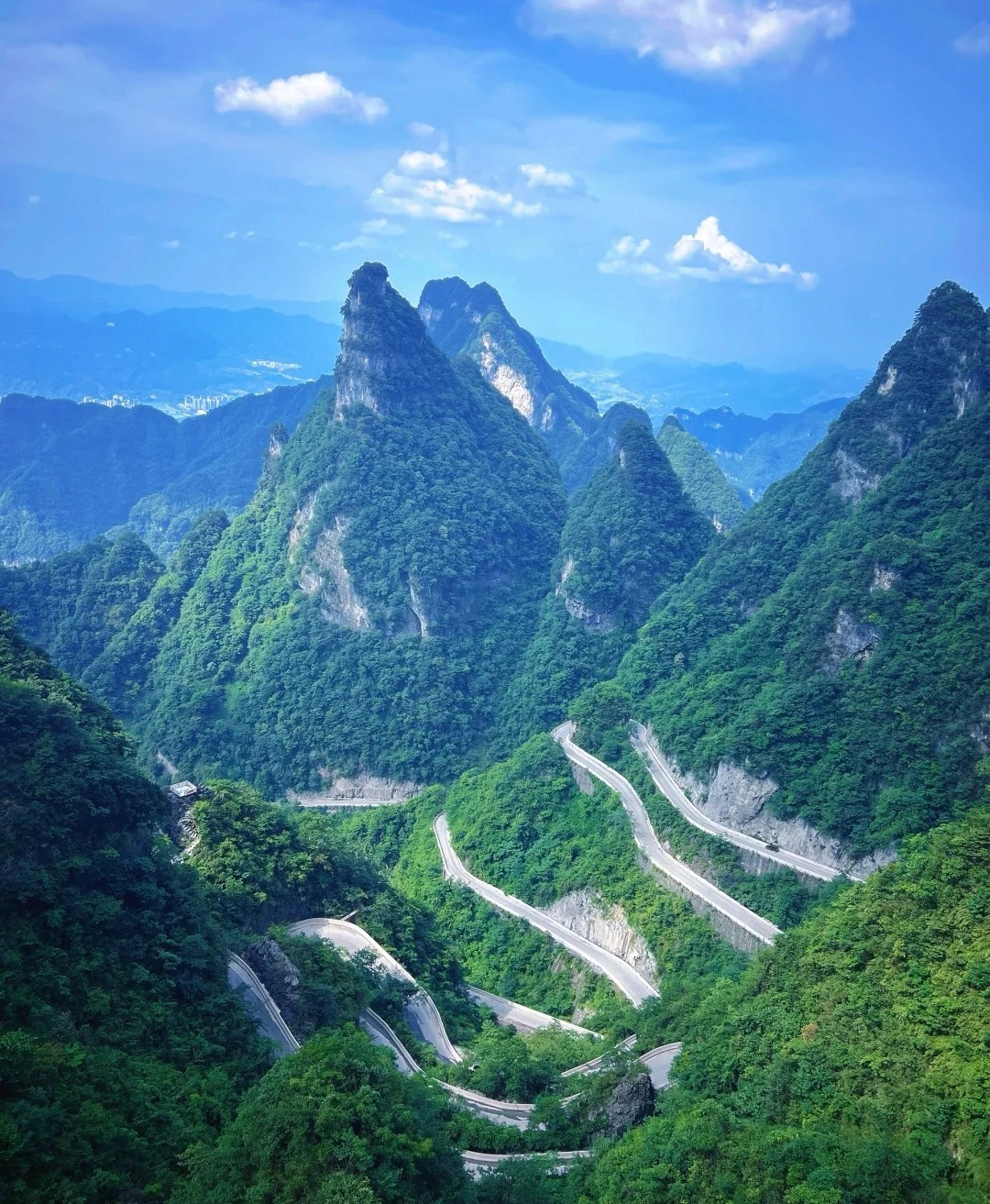
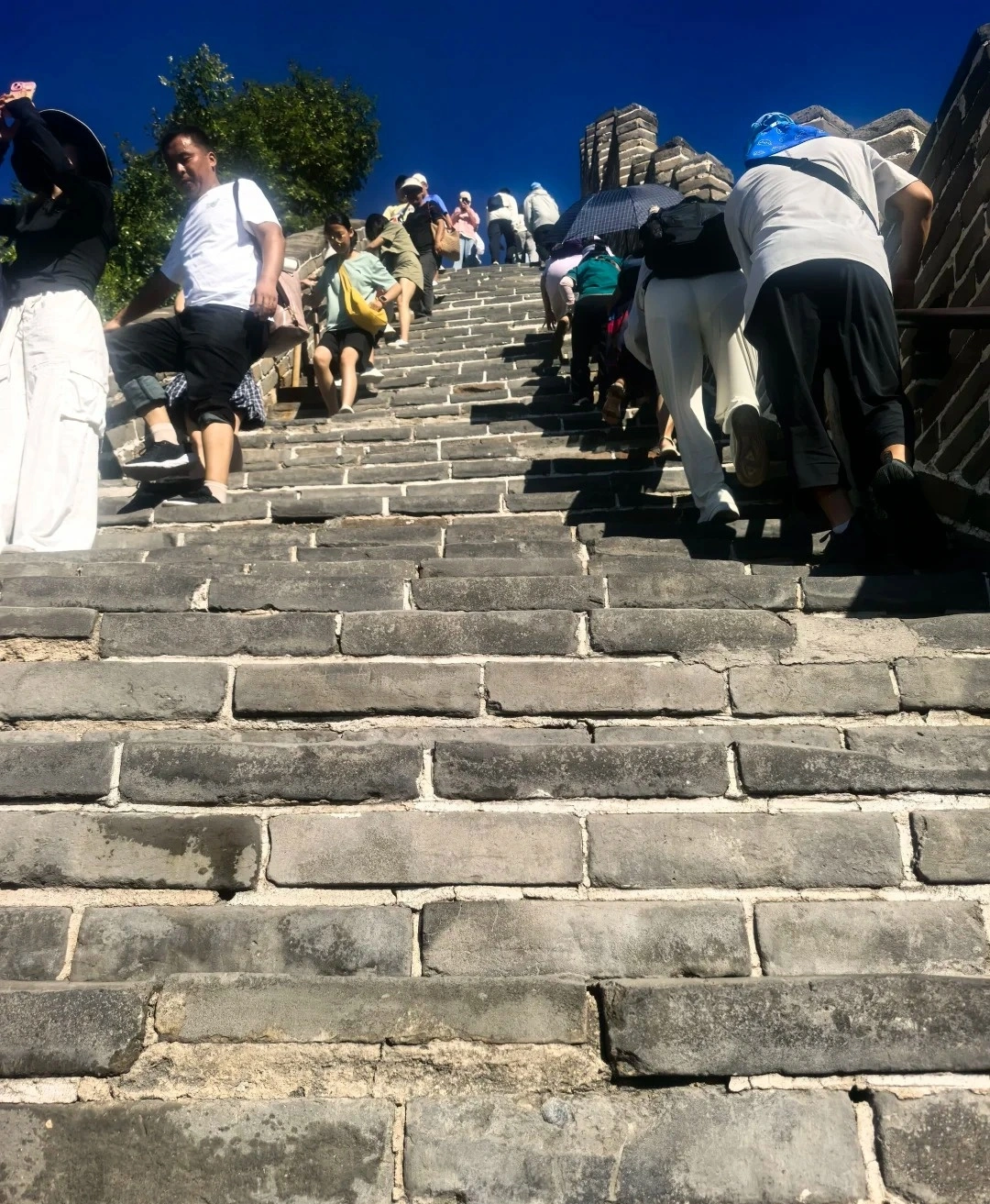
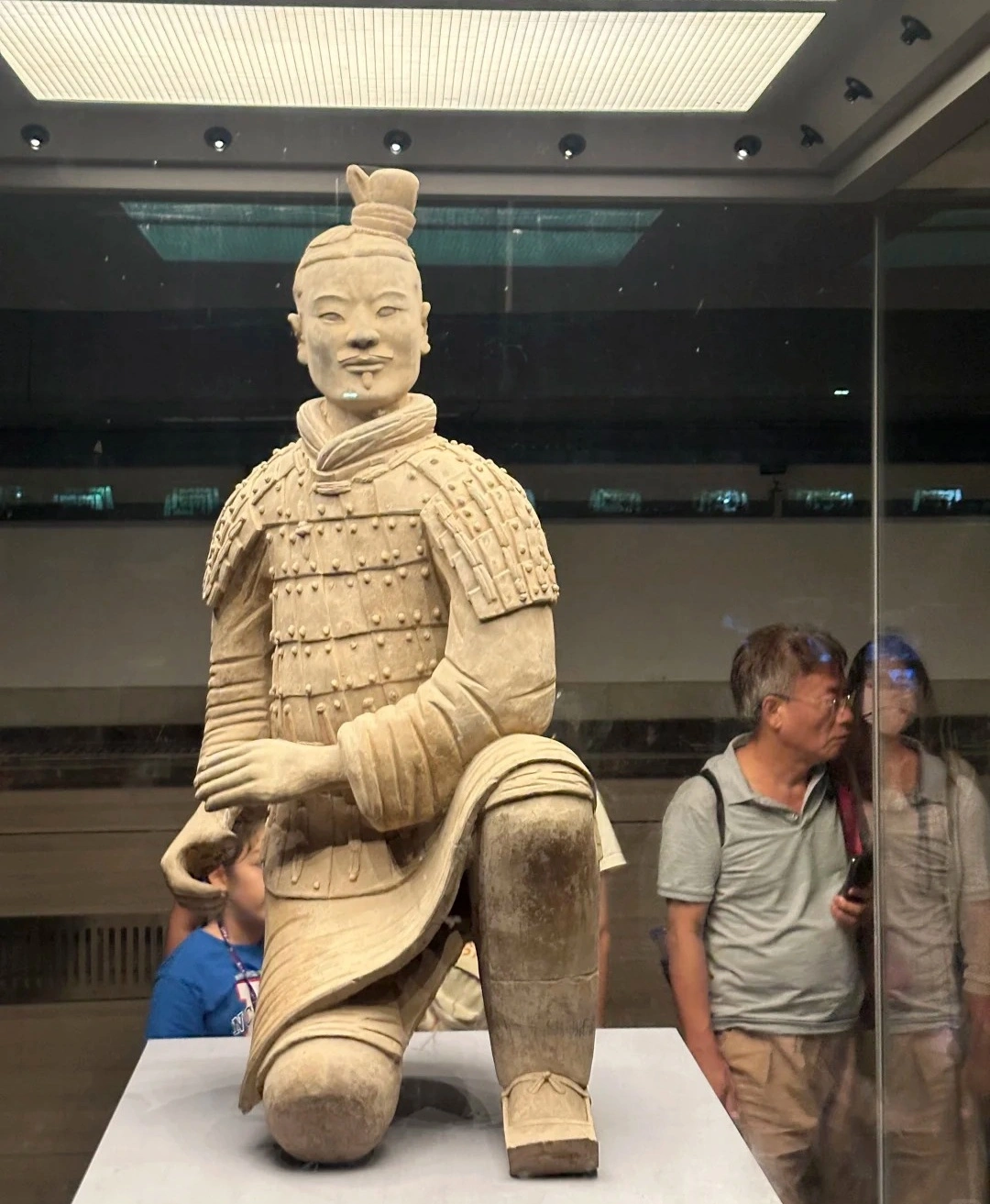
As a solo traveler from Canada, I was nervous about navigating China alone—but this 11-day tour was PERFECT! From hiking the Great Wall at sunrise (Day 3) to gasping at the Terracotta Army (Day 5), every day delivered ‘pinch-me’ moments. The real showstopper? Zhangjiajie’s Avatar Mountains (Day 7)! Our guide made the stone pillars come alive with stories.
Massive thanks for handling all logistics—bullet train tickets, entry passes, car! And the 4-star hotels surprised me.
Destination(s):
Beijing Xian Zhangjiajie Shanghai
Date of
Experience:
June 02,2025

Simon
America
Reviewed on May 29,2025
Our 2-day Zhangjiajie tour was beyond spectacular! As someone who’s visited Beijing and Shanghai for work, this trip revealed China’s wild, magical heart. Day 1 in Zhangjiajie National Forest Park felt like stepping onto Pandora—I’m a huge Avatar fan, and Yuanjiajie’s floating peaks left me breathless. The misty pillars and lush valleys like pure movie magic!
Then came Fenghuang Ancient Town, we eat dinner beside the thundering waterfall. It seems Unreal! The night views of stilt houses glowing over the river were straight from a fairy tale.
For fellow Avatar lovers and adventure seekers: Don’t miss this bucket-list experience! 10/10 would return.
A Well-Traveled Film Buff, May 2025
Destination(s):
Zhangjiajie
Date of
Experience:
May 08,2025