
Xiezhou Guandi Temple
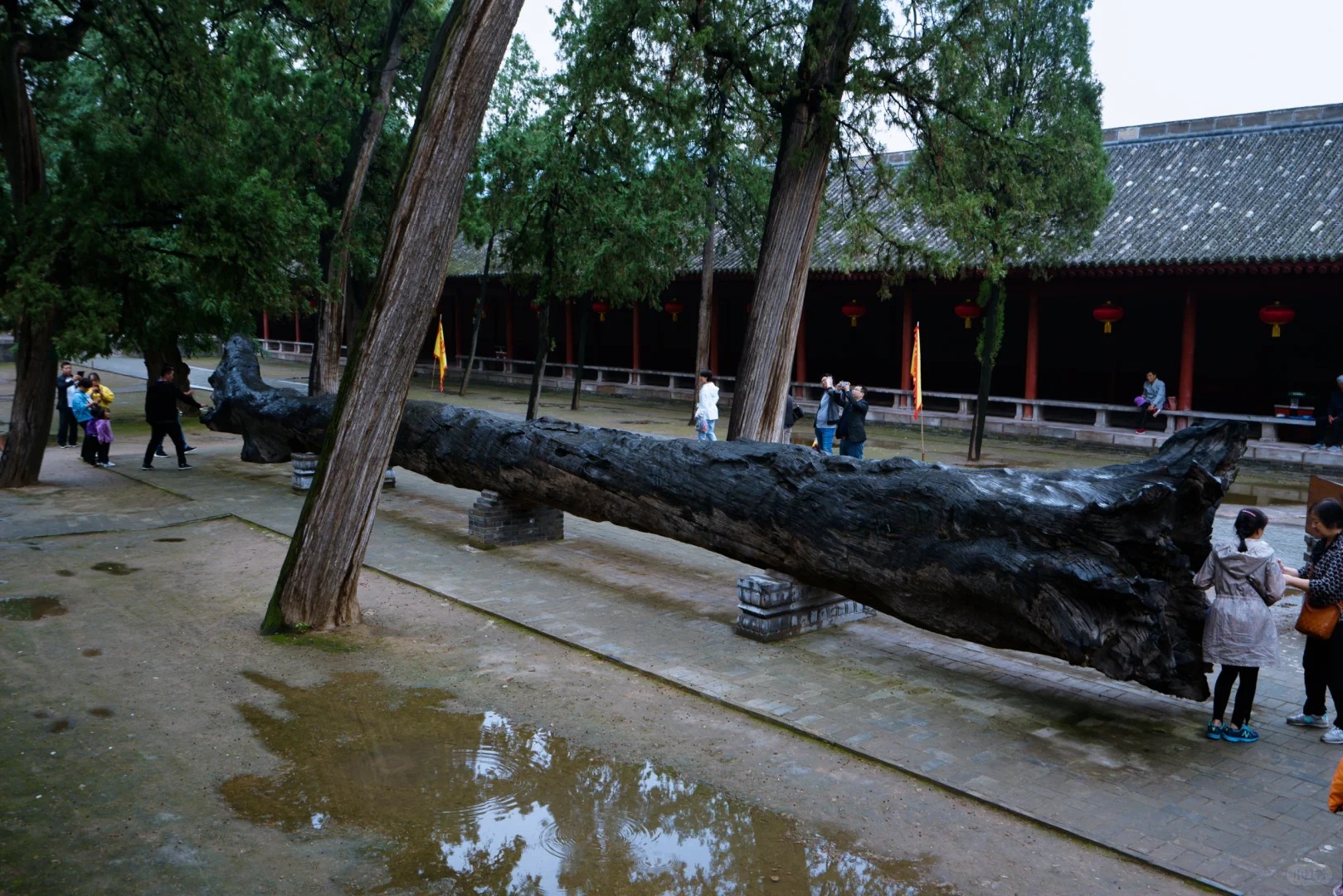
The Guandi Temple in Xiezhou, also known as the Xiezhou Guandi Temple, is one of the most renowned and well - preserved temples dedicated to Guan Yu, a legendary figure in Chinese history and culture. Guan Yu is widely revered as a symbol of loyalty, righteousness, and bravery. This temple, with a long - standing history and profound cultural significance, attracts numerous visitors and pilgrims from all over the world. It stands as a testament to the deep - rooted admiration for Guan Yu and the rich cultural heritage of China.
Historical Overview
The construction of the Guandi Temple in Xiezhou can be traced back to the Sui Dynasty. Over the centuries, it has undergone multiple renovations and expansions. During the Tang Dynasty, Guan Yu was gradually deified, and the temple gained more prominence. In the Song Dynasty, with the further elevation of Guan Yu's status in the imperial court and among the people, the temple received significant royal patronage, leading to large - scale construction projects. The Ming and Qing dynasties also saw continuous improvements, with new buildings added and existing ones refurbished. These historical developments not only enriched the architectural features of the temple but also deepened its cultural connotations, making it a spiritual center for the worship of Guan Yu.
Structural Layout
The Guandi Temple in Xiezhou follows a traditional Chinese temple layout with a clear axis and symmetrical design. It mainly consists of the following parts:
- Front Gate Area: The main entrance is marked by a grand gate, which serves as the first impression for visitors. It is often decorated with intricate carvings and colorful paintings, setting a solemn and sacred tone.
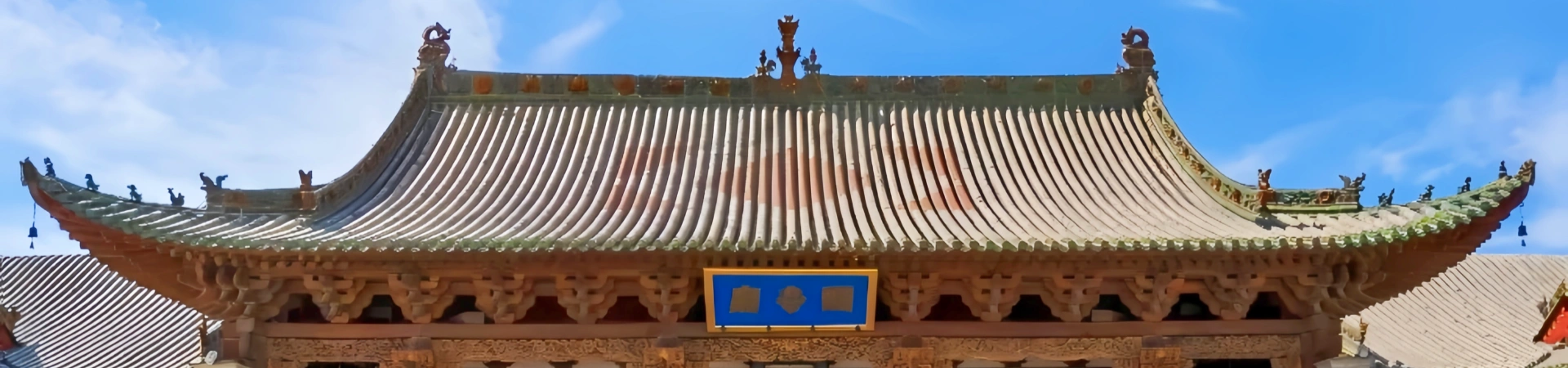
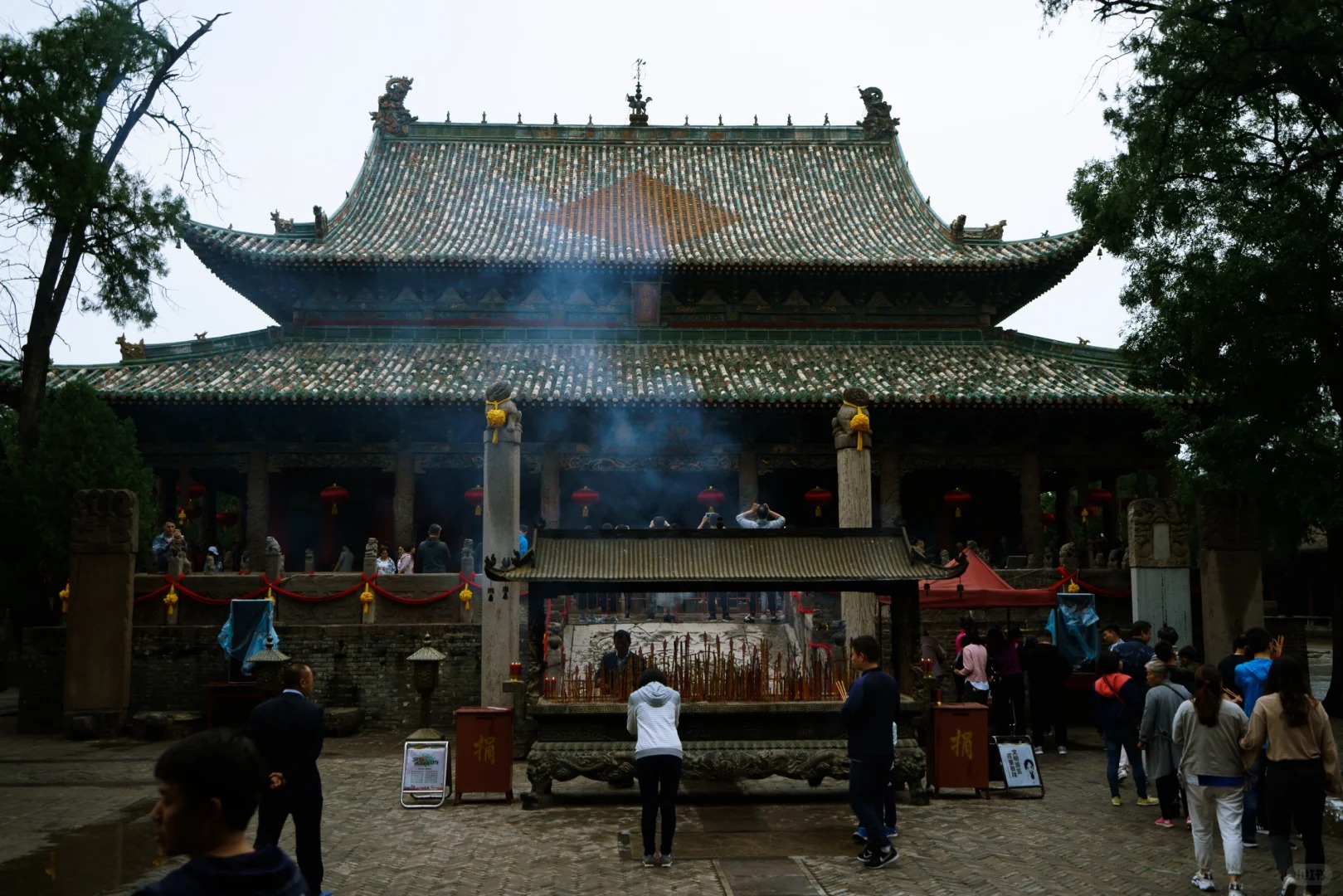
- Sacrificial Hall Area: This is the core part of the temple, including the main hall where the statue of Guan Yu is enshrined. The main hall is usually the largest and most magnificent building in the complex, with a high - pitched roof and a spacious interior. Surrounding the main hall are auxiliary halls that house statues of other deities or important figures related to Guan Yu's legend.
- Back Garden Area: At the rear of the temple, there is often a peaceful garden. It provides a place for visitors to relax and reflect after visiting the main halls. The garden may feature pavilions, ponds, and traditional Chinese landscaping elements, creating a harmonious and tranquil atmosphere.
Major Attractions
- Main Hall of Guan Yu: This is the most important building in the temple. Inside, a large and lifelike statue of Guan Yu sits majestically on a high platform. The statue is usually dressed in traditional military attire, holding his famous Green Dragon Crescent Blade. The hall is richly decorated with wooden carvings, murals, and golden ornaments, showcasing exquisite craftsmanship.
- spring and autumn Pavilion: Located in the temple complex, this pavilion is named after the historical book "Spring and Autumn Annals," which is associated with Guan Yu's love for reading. It is a quiet place where visitors can sit and contemplate the virtues of Guan Yu. The pavilion has a unique architectural style, with elegant eaves and delicate lattice windows.
- Sword Pavilion: This pavilion is dedicated to displaying replicas or related artifacts of Guan Yu's Green Dragon Crescent Blade. The blade is an iconic symbol of Guan Yu's martial prowess. The pavilion is often designed to resemble a treasure vault, emphasizing the significance of the weapon.
- Stele Forest: There are numerous stone steles in the temple, forming a stele forest. These steles record important historical events, inscriptions by famous scholars, and tributes to Guan Yu. They are valuable historical documents that provide insights into the development of the temple and the cultural context of the time.
Suggested Itineraries
- Quick Visit (1 - 1.5 hours):
Start at the front gate → Enter the main hall area to pay respects to Guan Yu → Visit the Spring and Autumn Pavilion → Exit through the side gate.
Highlights: Get a general understanding of the temple's layout and pay homage to the main deity. - In - depth Visit (2 - 3 hours):
Begin at the front gate → Explore the main hall area in detail, including the main hall and its surrounding auxiliary halls → Visit the Sword Pavilion → Stroll through the back garden → Examine the stele forest → End the visit at the front gate.
Highlights: Have a comprehensive experience of the temple's architecture, culture, and history. - Cultural Immersion Visit (Half - day):
Start at the front gate → Participate in a guided tour to learn about the historical and cultural background of the temple → Visit all the major attractions mentioned above → Attend a traditional cultural performance or lecture related to Guan Yu's legend (if available) → Have a meal at a local restaurant near the temple to taste traditional Chinese cuisine.
Highlights: Fully immerse yourself in the cultural atmosphere of the Guandi Temple and gain a deeper understanding of Chinese traditional values.
Ticket Purchase
- Online: You can book tickets through the official website of the Guandi Temple in Xiezhou or popular online travel platforms such as Ctrip and Qunar. It is advisable to book in advance, especially during peak tourist seasons, to ensure your visit. Online booking usually allows you to choose the date and time of your visit conveniently.
- On - Site: Tickets are also available for purchase at the ticket office near the front gate of the temple. However, during busy periods, there may be long queues, so online booking is recommended.
- Prices:
- Peak Season (April - October): ¥50 (adults), ¥25 (students/seniors).
- Off - Season (November - March): ¥30 (adults), ¥15 (students/seniors).
- Free: Children under 1.2m, disabled visitors, and military personnel with valid certificates.
Transportation
- By Bus: If you are coming from a nearby city or town, you can take a long - distance bus to Xiezhou. Once you arrive at the Xiezhou bus station, you can take a local bus or a taxi to the Guandi Temple. The local bus routes may vary, so it is advisable to ask the staff at the bus station for the most up - to - date information.
- By Train: Check if there is a train station near Xiezhou. If so, take a train to the station and then transfer to a bus or taxi to reach the temple. Trains are usually a more comfortable and convenient option for long - distance travel.
- By Car: If you have the means, driving to the Guandi Temple can be a good choice. You can use a navigation system to find the best route. There is usually a parking lot near the temple where you can park your car.
Best Time & Tips
- Peak Hours: The temple is usually most crowded between 10 AM and 2 PM. To avoid the crowds, it is better to visit early in the morning when the temple opens (around 8:30 AM) or in the late afternoon (after 3 PM).
- Crowds: Weekends and public holidays are the busiest times. If possible, plan your visit on a weekday to enjoy a more peaceful and serene experience.
- Weather: Spring (April - May) and autumn (September - October) are the ideal seasons to visit. The weather is mild, and the scenery is beautiful. Summers can be hot and humid, while winters can be cold, so dress appropriately according to the season.
- Essentials:
- Wear comfortable shoes as you will be doing a lot of walking around the temple complex.
- Bring a bottle of water to stay hydrated, especially during hot weather. You can also purchase snacks or drinks inside the temple, but the prices may be slightly higher.
- Photography is generally allowed in most areas of the temple, but no flash is permitted in the halls to protect the cultural relics.
- Prohibited items include large bags, selfie sticks, and drones. It is advisable to check the temple's regulations before your visit to avoid any inconvenience.


Contact Us
Что говорят наши клиенты?
На основе более 10 000 отзывов путешественников

Daniel Dorothea
Canada
Reviewed on April 29,2025
Shopping on Nanjing Road in Shanghai was just amazing! It's truly the "First Commercial Street of China", where tradition and modernity blend perfectly. You can find awesome souvenirs and experience the trendy vibes in cool stores. The neon lights at night are just spectacular, shining bright like Times Square in New York. The food here is incredible too. I had a feast for my taste buds. Shanghai, I'll definitely be back!
Destination(s):
Shanghai
Date of
Experience:
May 08,2024


Elvis Eva
Canada
Reviewed on June 20,2025
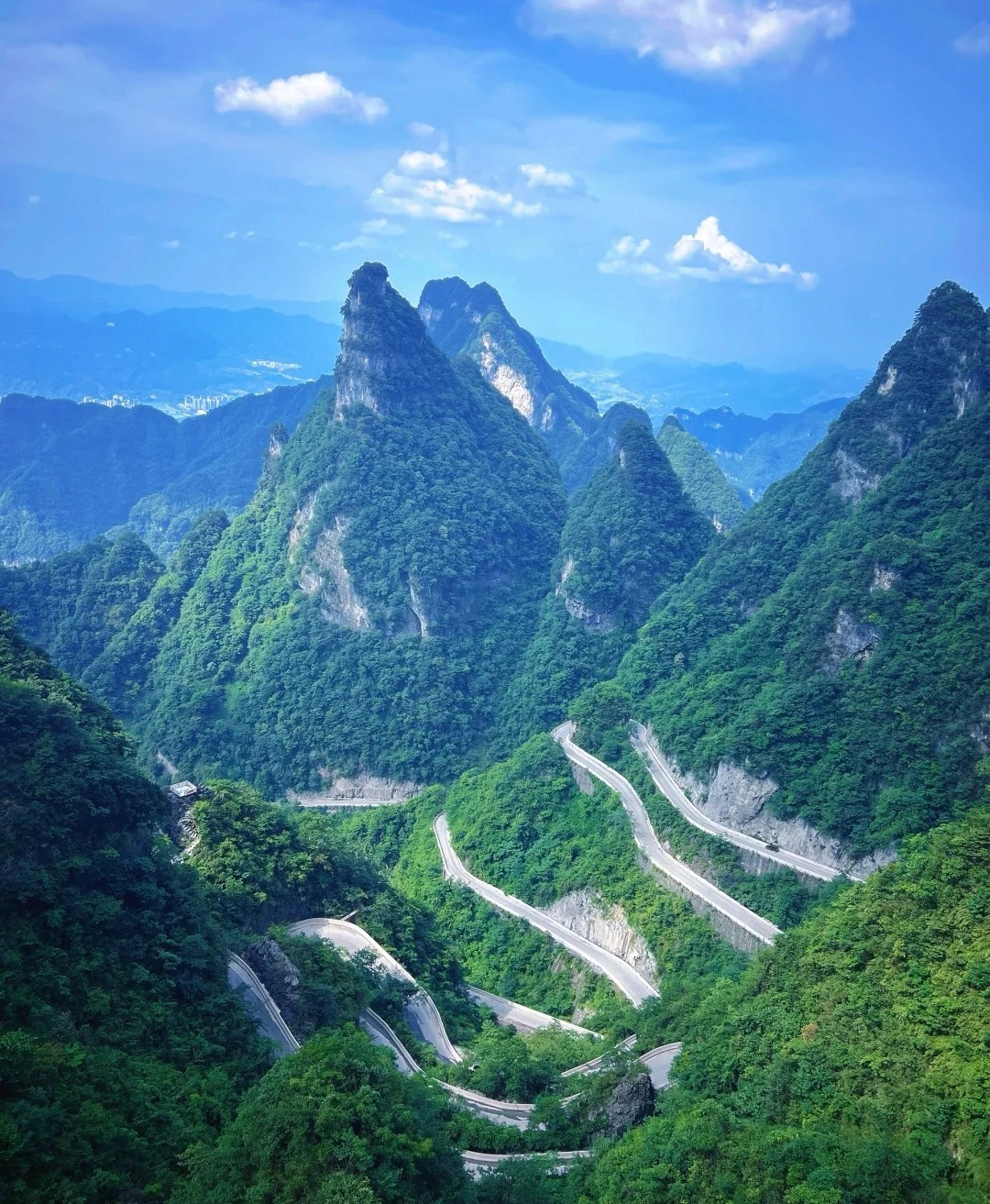
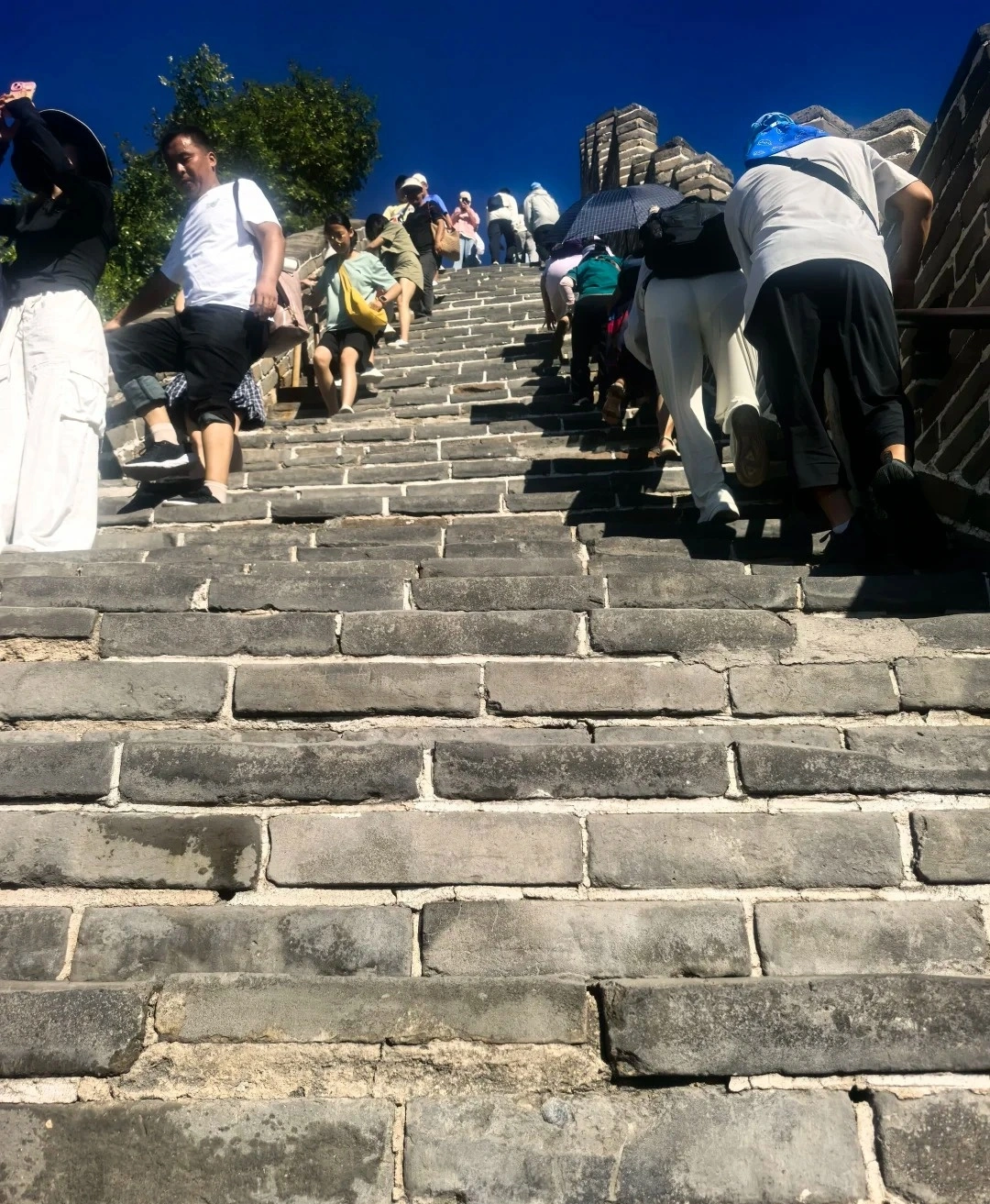
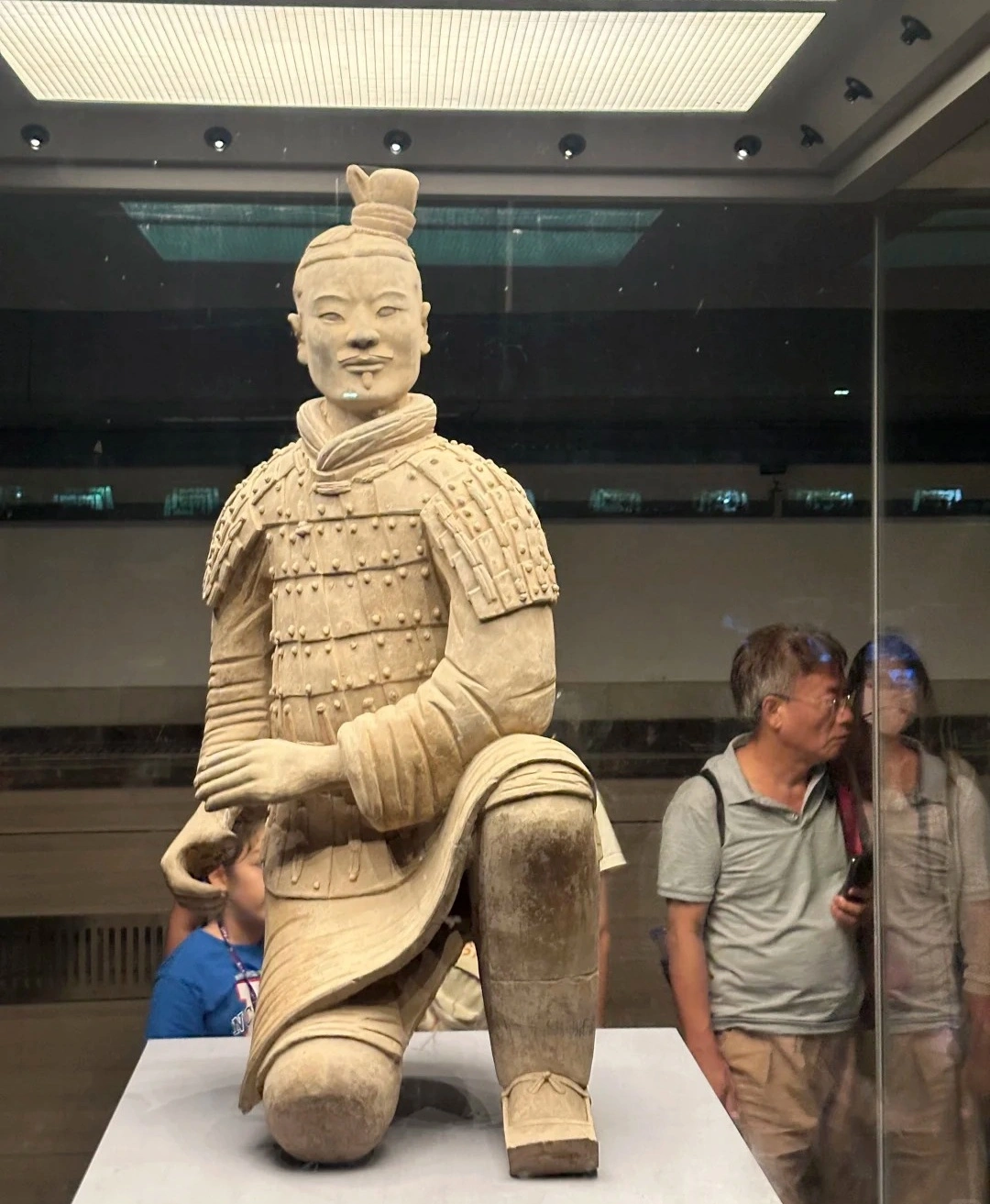
As a solo traveler from Canada, I was nervous about navigating China alone—but this 11-day tour was PERFECT! From hiking the Great Wall at sunrise (Day 3) to gasping at the Terracotta Army (Day 5), every day delivered ‘pinch-me’ moments. The real showstopper? Zhangjiajie’s Avatar Mountains (Day 7)! Our guide made the stone pillars come alive with stories.
Massive thanks for handling all logistics—bullet train tickets, entry passes, car! And the 4-star hotels surprised me.
Destination(s):
Beijing Xian Zhangjiajie Shanghai
Date of
Experience:
June 02,2025

Simon
America
Reviewed on May 29,2025
Our 2-day Zhangjiajie tour was beyond spectacular! As someone who’s visited Beijing and Shanghai for work, this trip revealed China’s wild, magical heart. Day 1 in Zhangjiajie National Forest Park felt like stepping onto Pandora—I’m a huge Avatar fan, and Yuanjiajie’s floating peaks left me breathless. The misty pillars and lush valleys like pure movie magic!
Then came Fenghuang Ancient Town, we eat dinner beside the thundering waterfall. It seems Unreal! The night views of stilt houses glowing over the river were straight from a fairy tale.
For fellow Avatar lovers and adventure seekers: Don’t miss this bucket-list experience! 10/10 would return.
A Well-Traveled Film Buff, May 2025
Destination(s):
Zhangjiajie
Date of
Experience:
May 08,2025