Nature's Masterpiece—A Stunning Tapestry of Three-Dimensional Grasslands
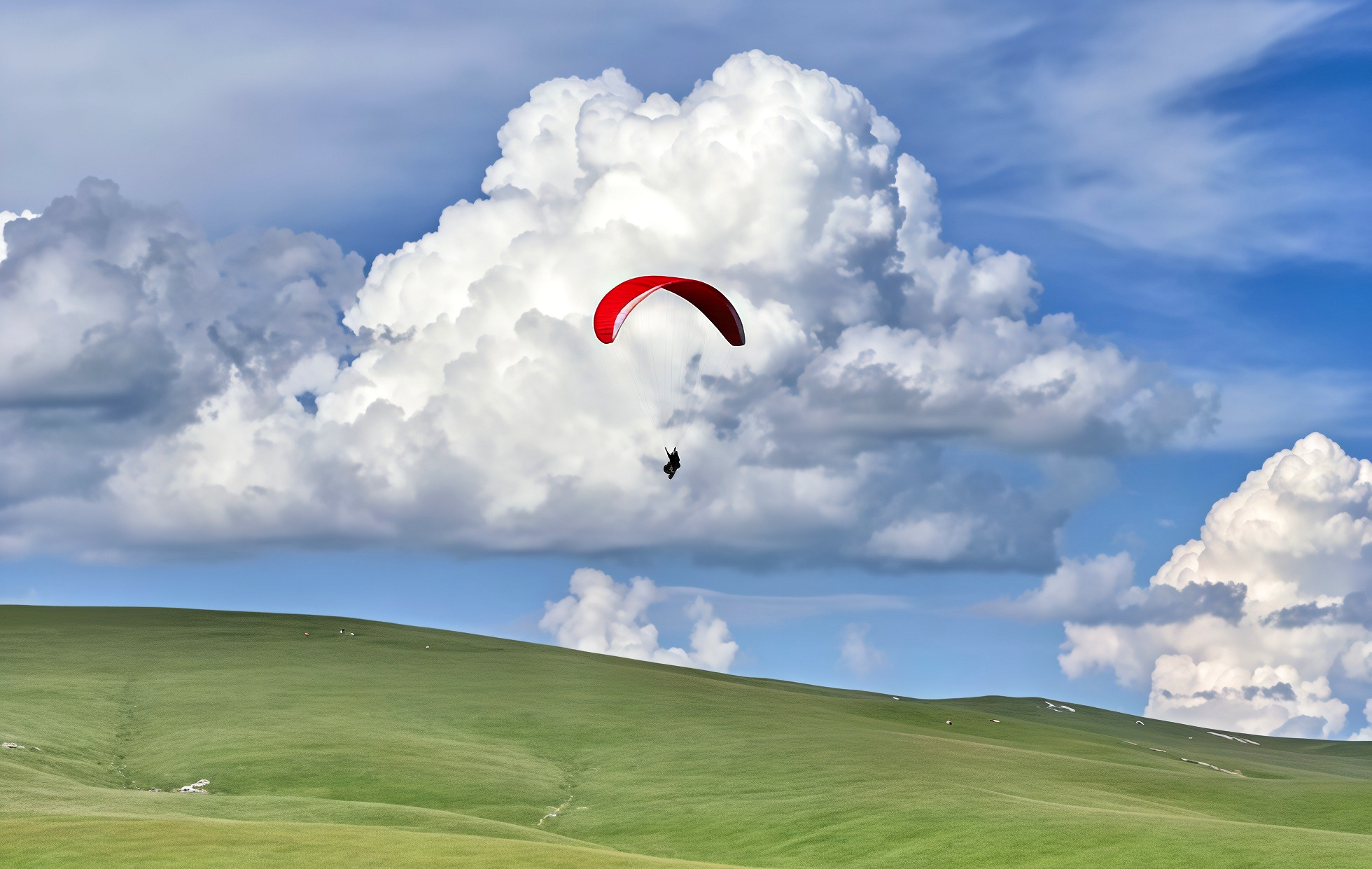
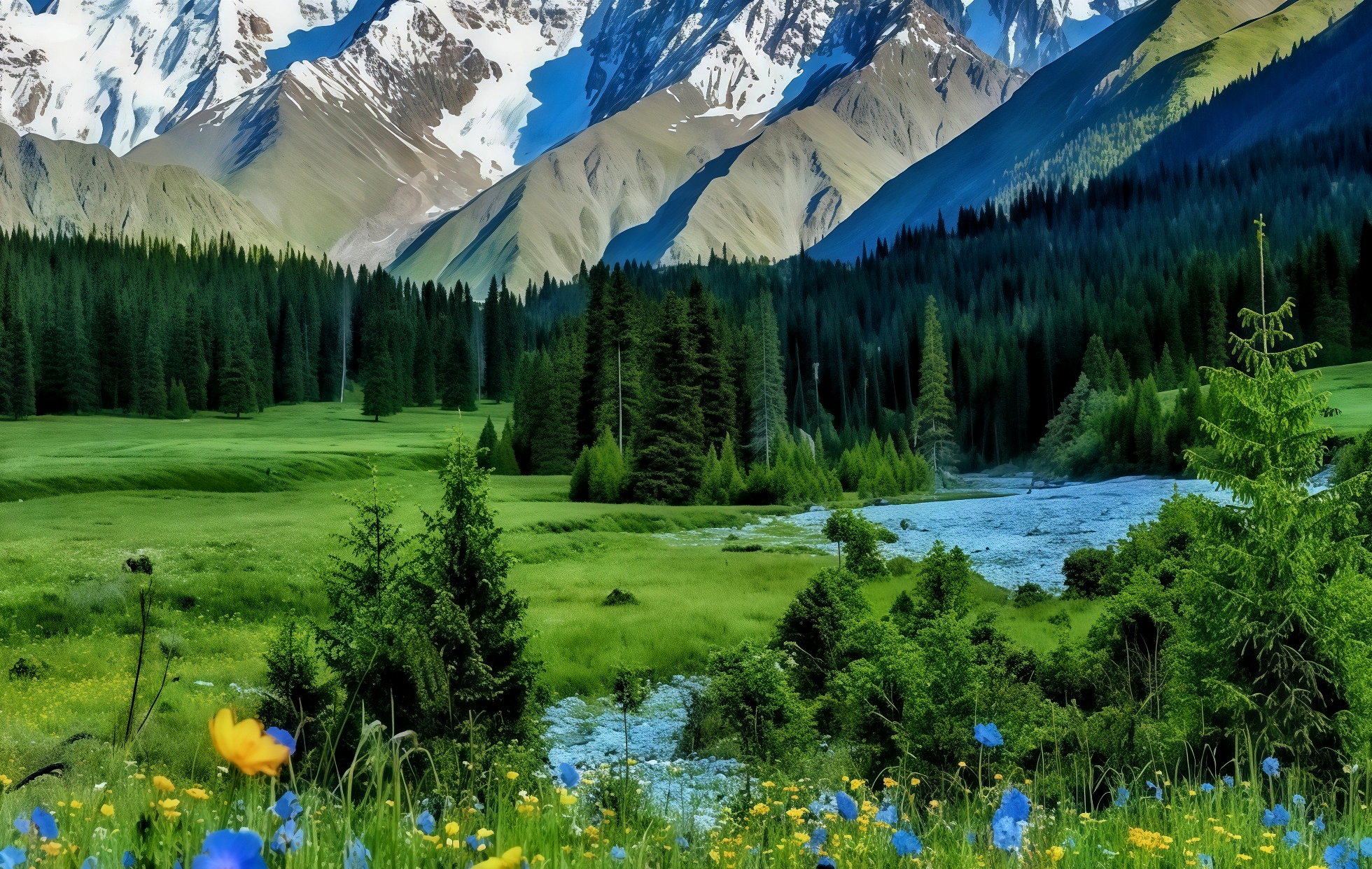
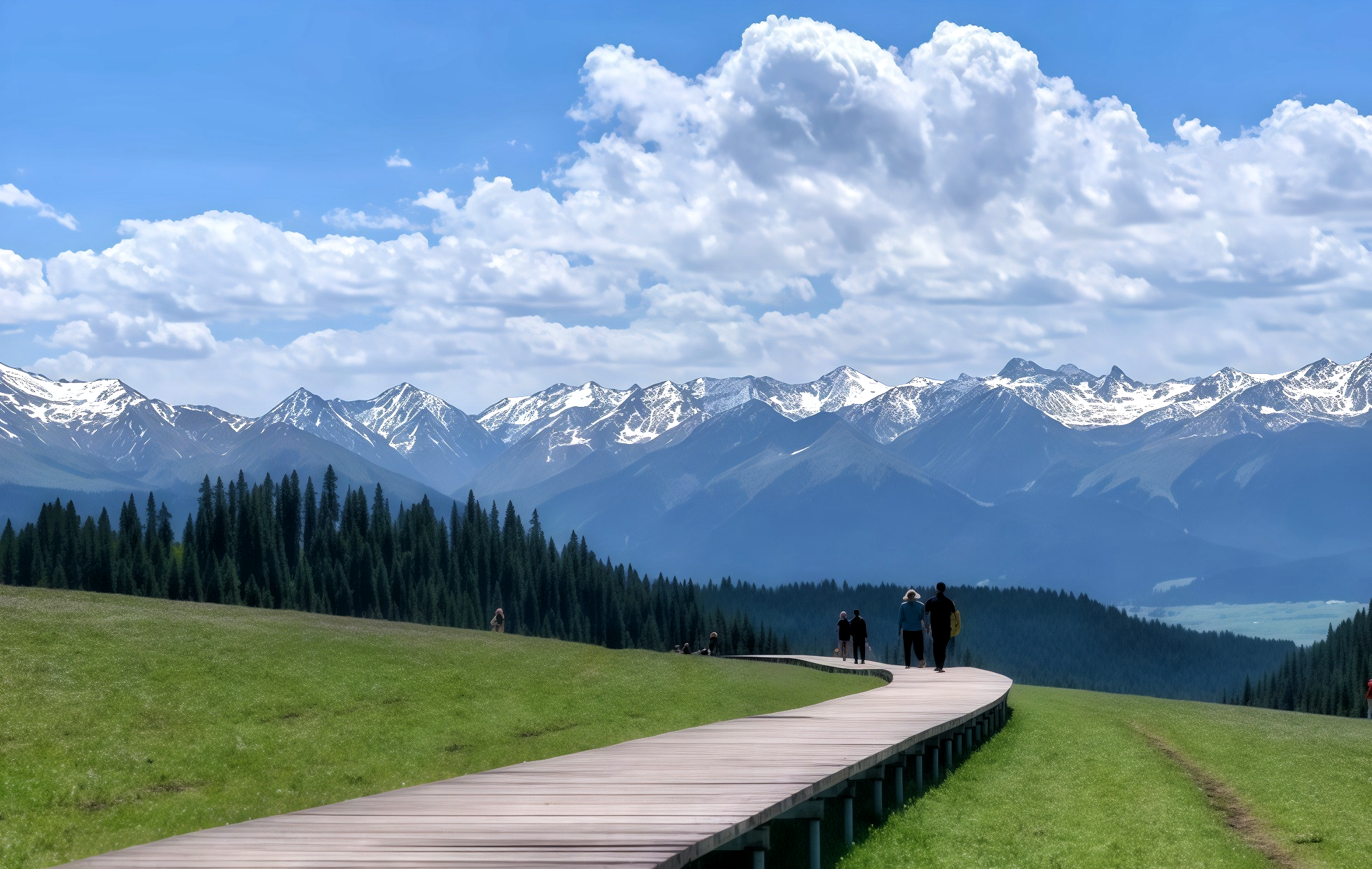
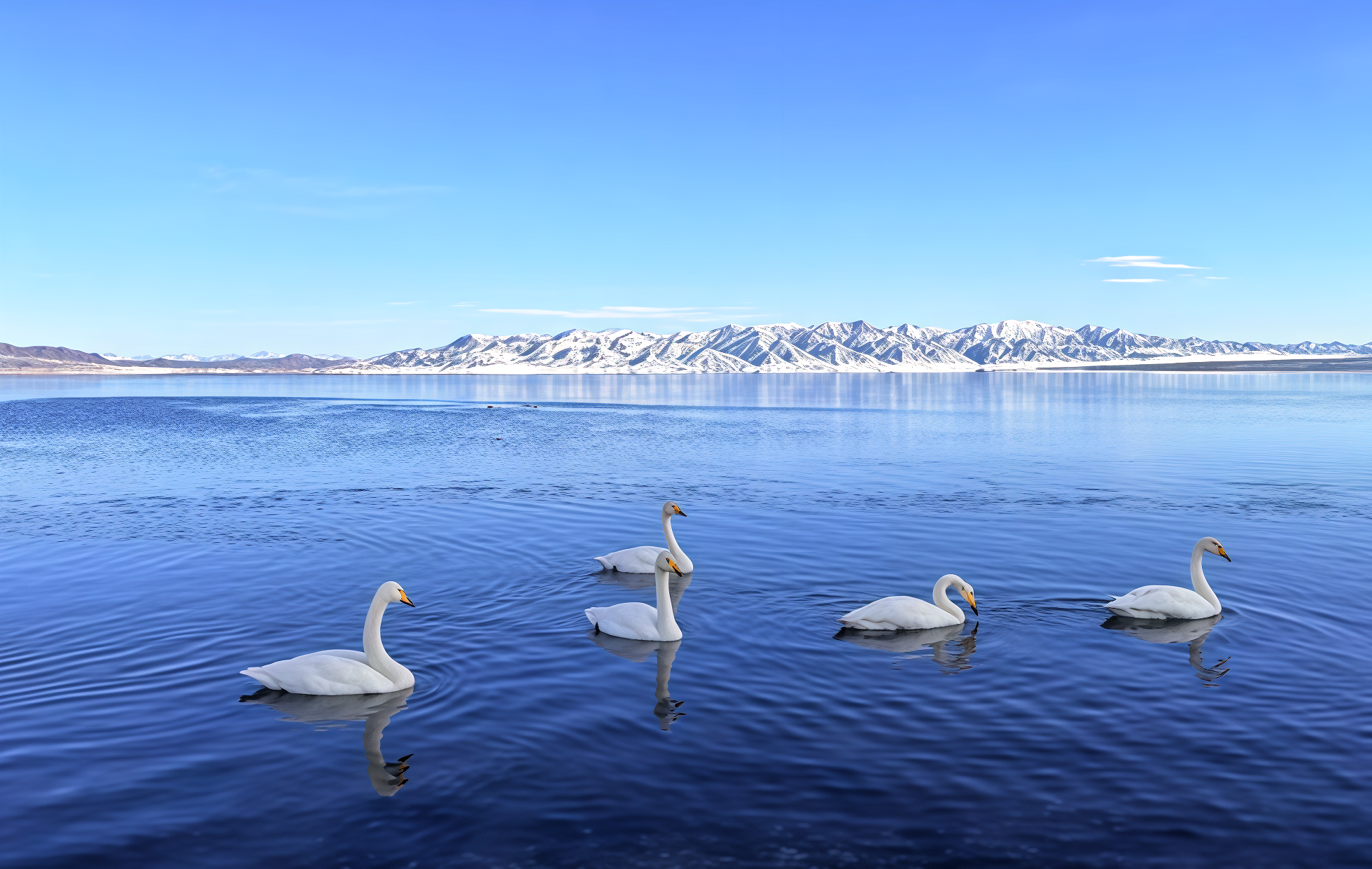
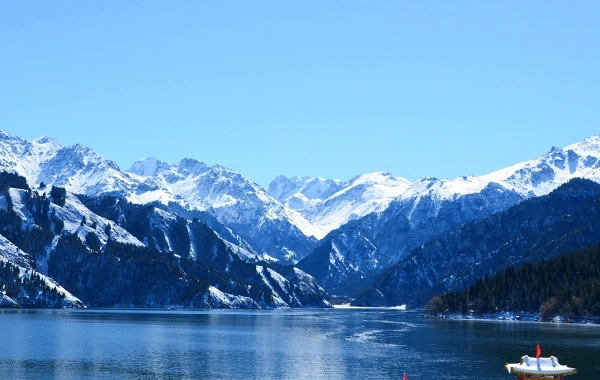
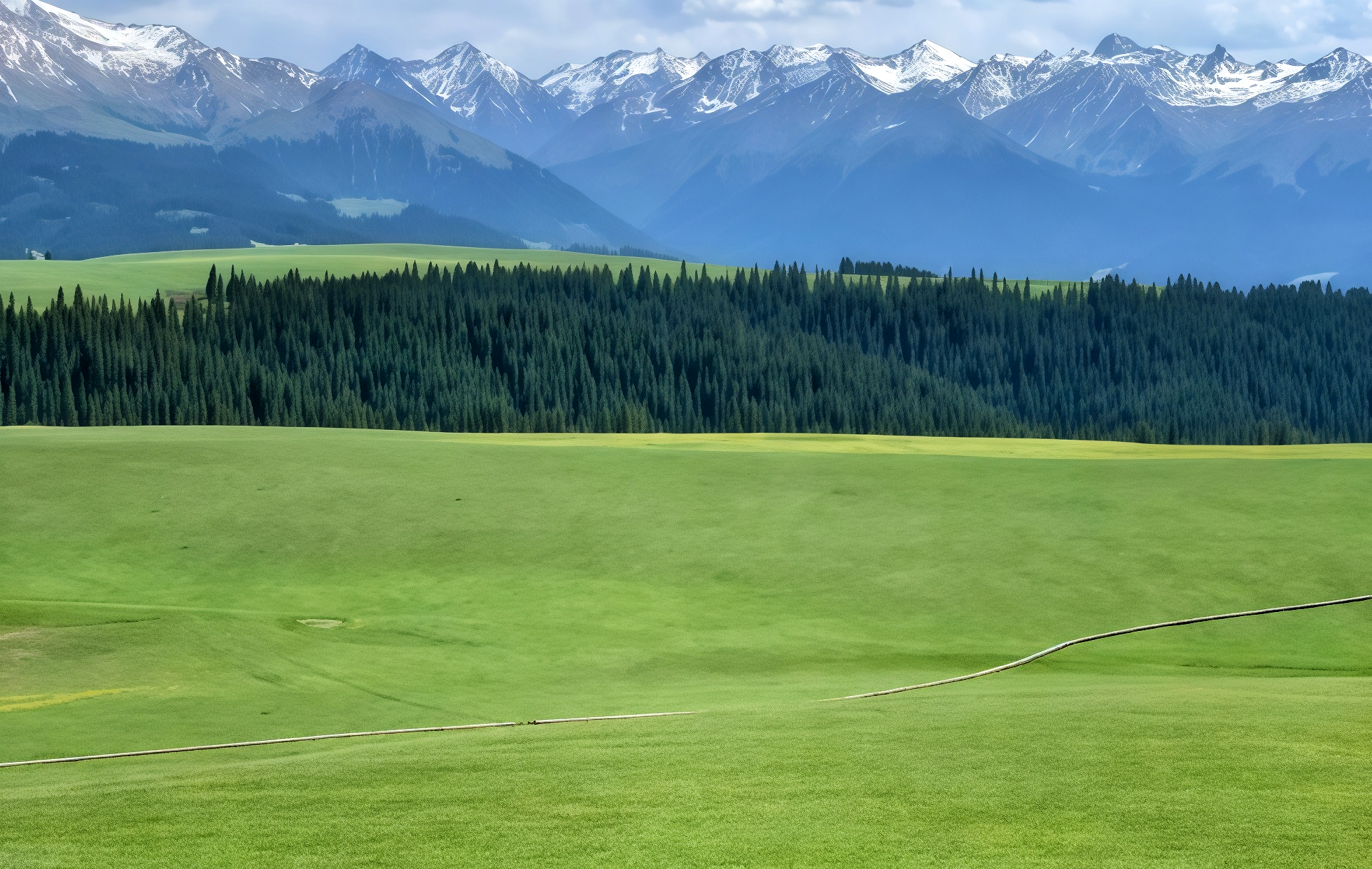
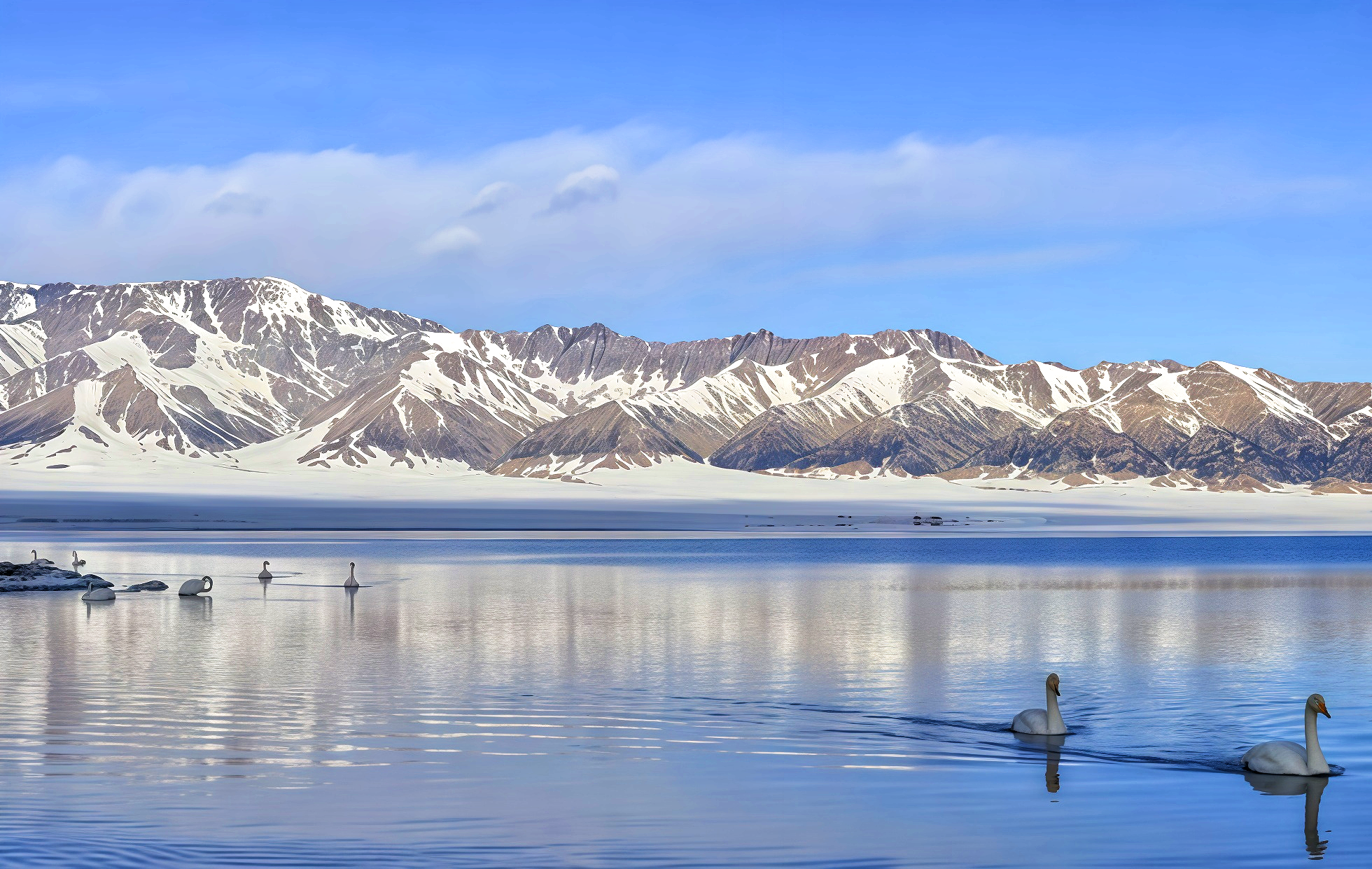
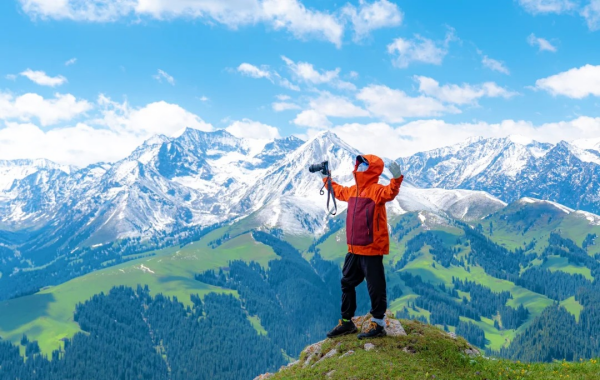
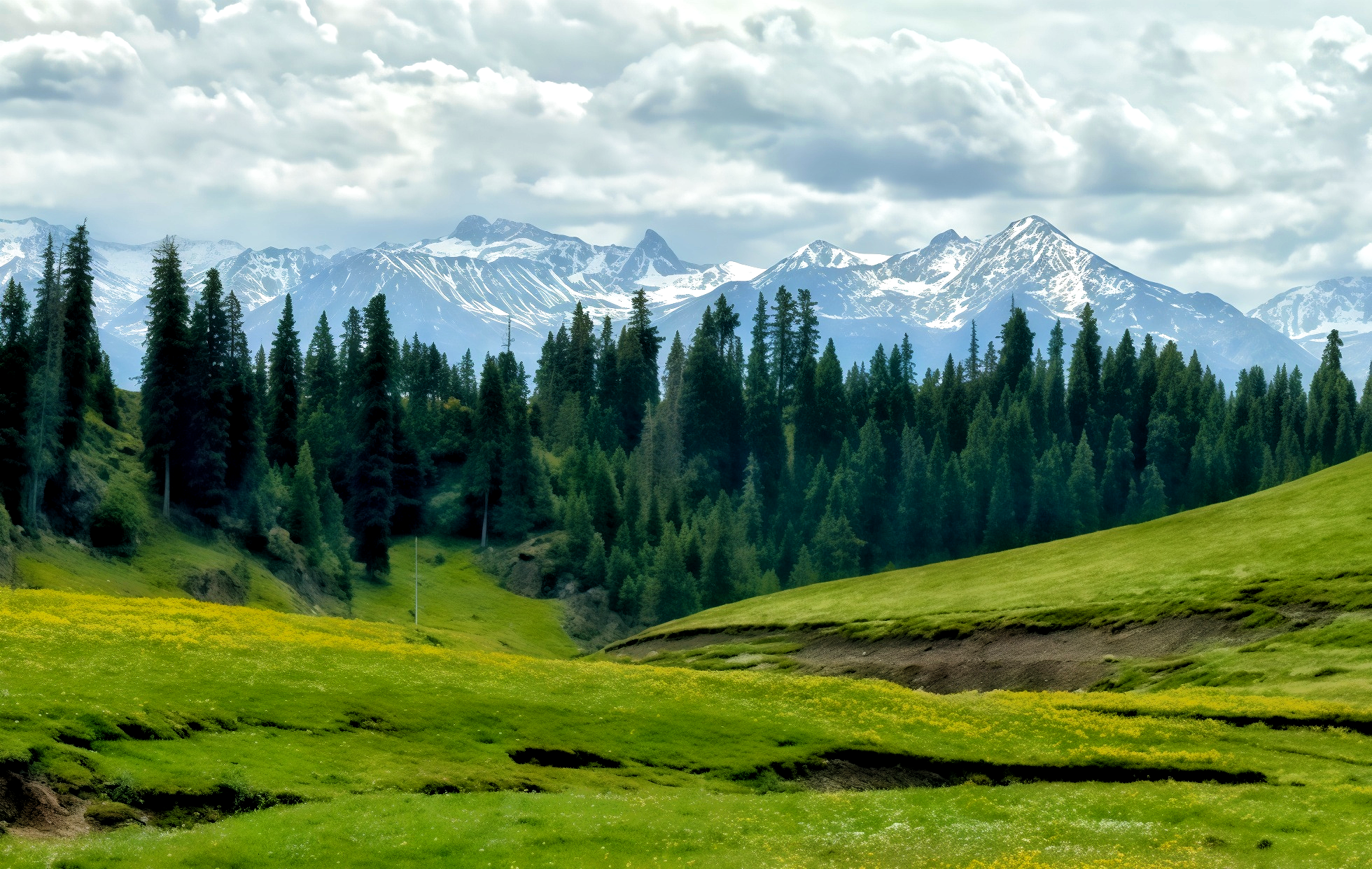
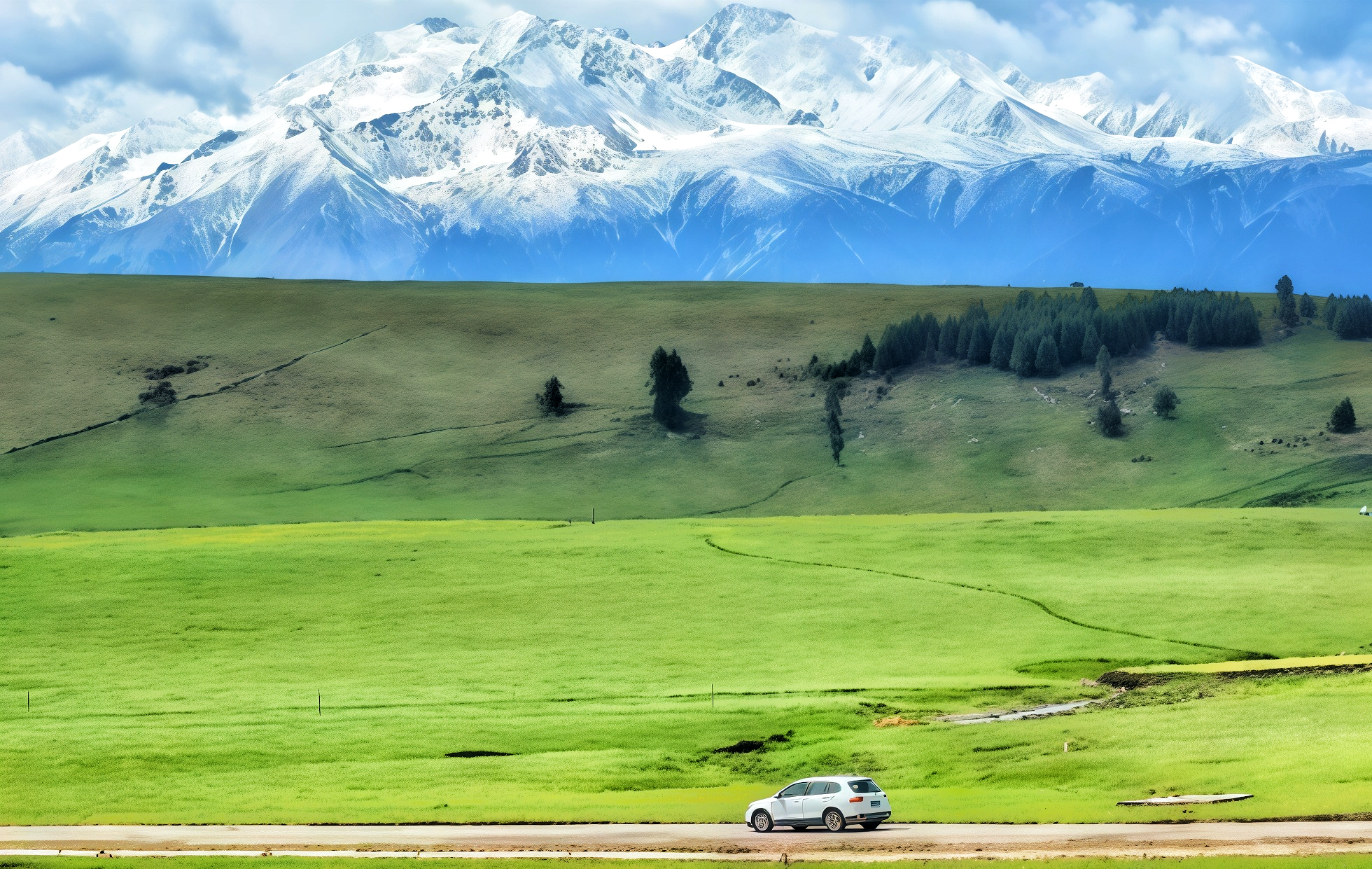
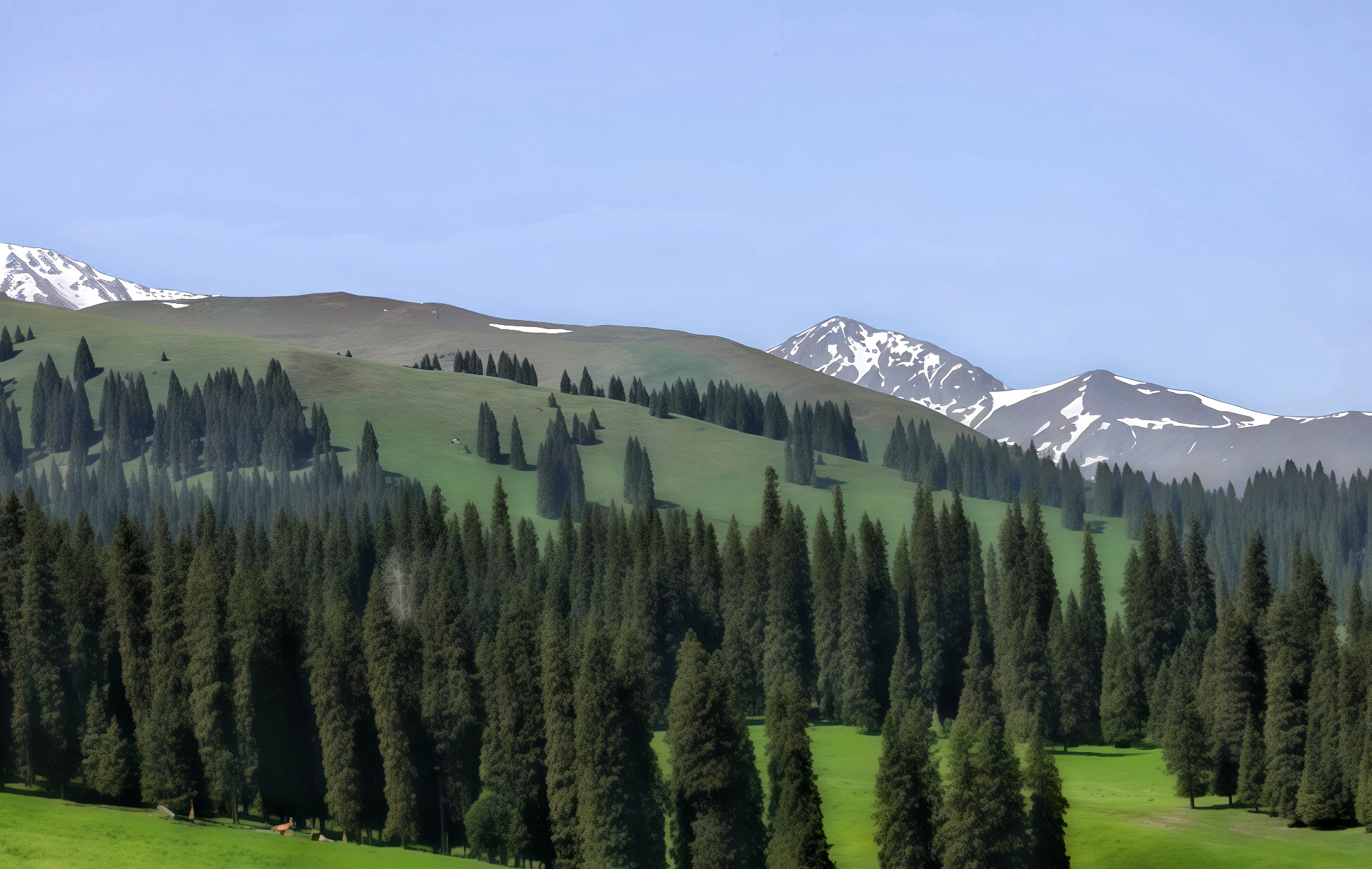
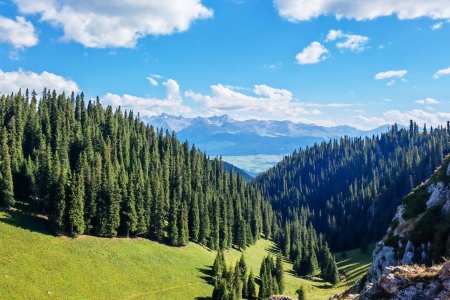
The natural landscape of the Kalajun Grassland offers a visual feast—a captivating interplay of grasslands, canyons, and the dance of light and shadow.
The "Human Body Grassland": The Earth's Gentle Curves
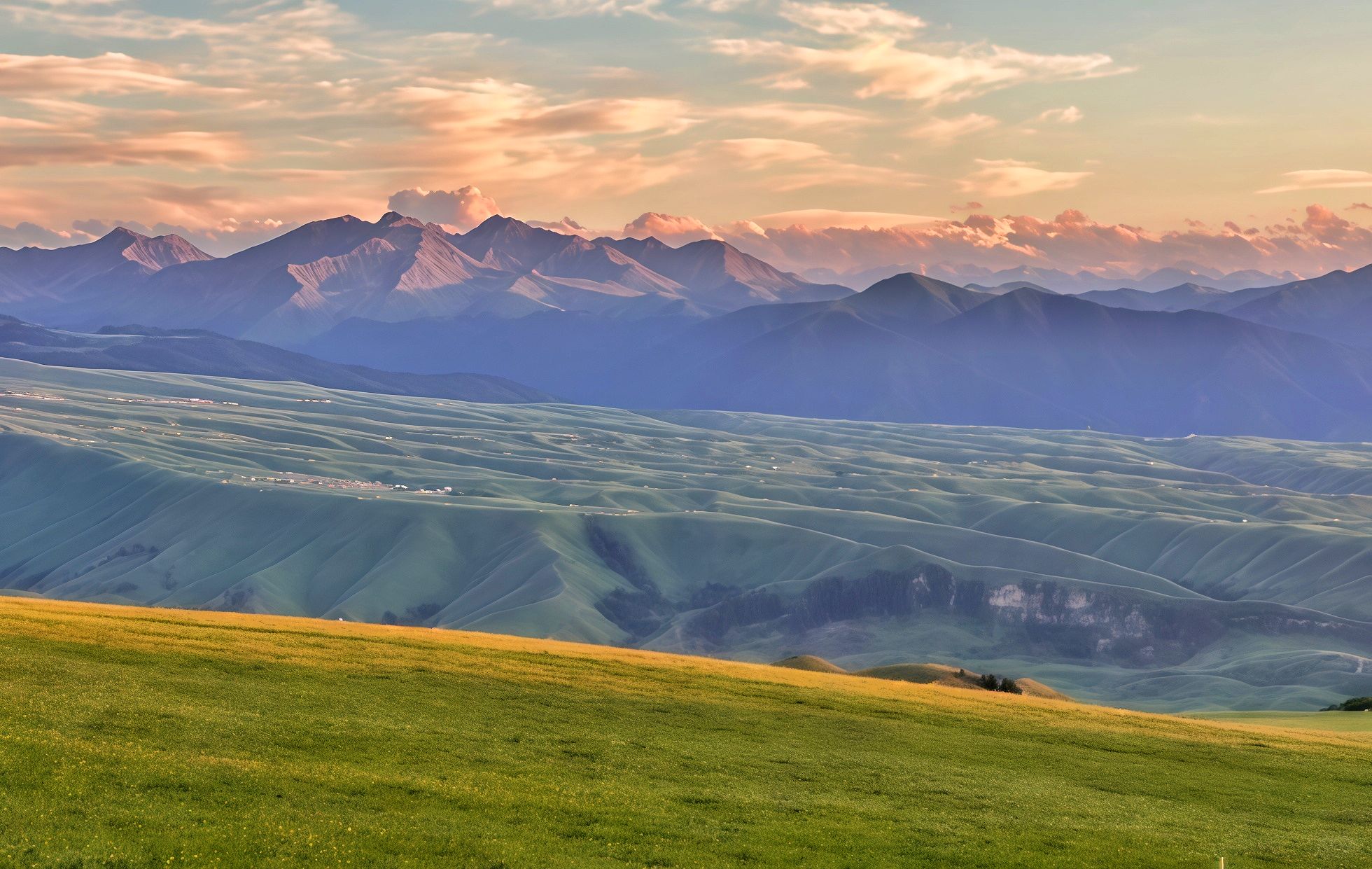
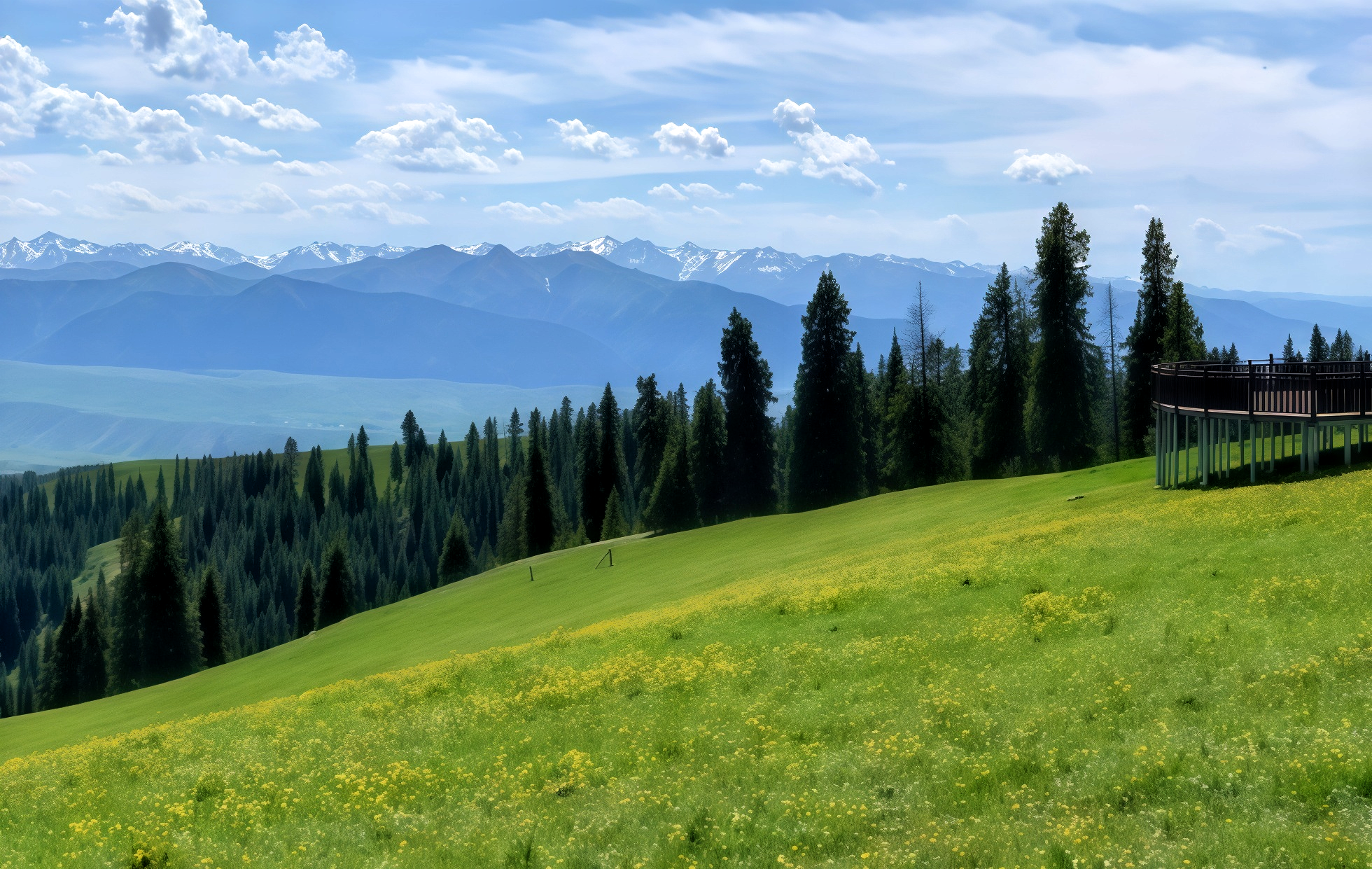
Karajun’s most breathtaking spectacle is undoubtedly the "Human Body Grassland." Here, the meadows rise and fall in harmony with the terrain, forming a series of fluid arcs that resemble the reclining form of a female body resting upon the earth. As the sun casts its oblique rays, light and shadow dance across these contours, endowing the grassland with a silky texture that is truly breathtaking. The optimal time to witness this marvel is in the late afternoon (one to two hours before sunset), when the angle of the light is perfect and the interplay of light and shadow creates the most dramatic contrasts—making it the ultimate dream for photographers.
The "Five-Colored Sea of Flowers": An Aerial Garden on the Grassland
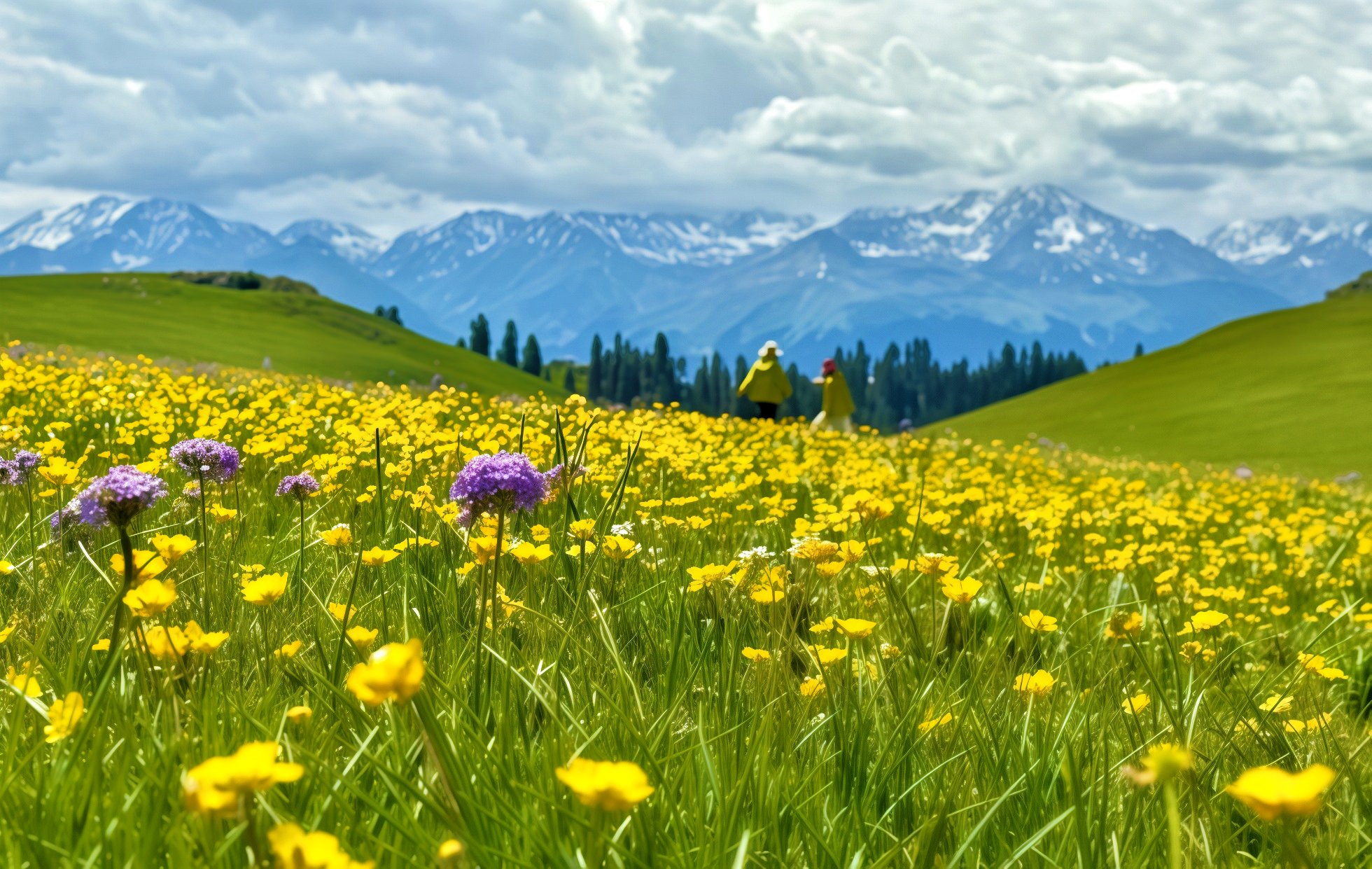
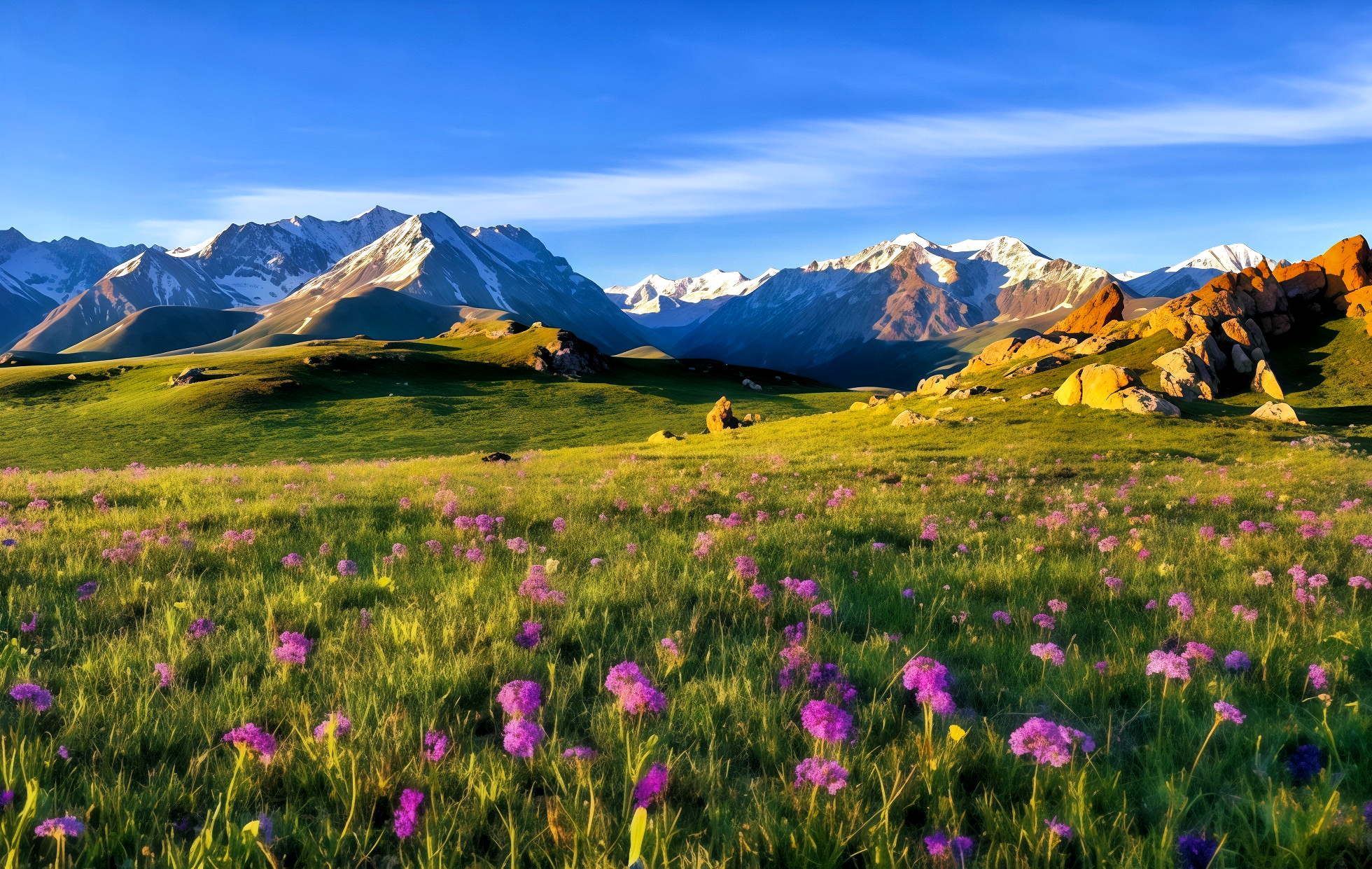
Every year from June to July, the Karajun Grassland enters its blooming season; hundreds of wildflower species burst into bloom simultaneously, creating a spectacular "Five-Colored Sea of Flowers." Golden lotus flowers, wild poppies, irises, geraniums, asters, and a myriad of other blossoms interweave to form a vibrant, multicolored carpet that blankets the entire grassland. Walking amidst this sea of flowers feels akin to stepping into a fairytale world. The best time to visit is from mid-to-late June through mid-July, when the floral display is at its most luxuriant.
The Kuokesu Grand Canyon: A Stunning Rift Deep Within the Grassland
The Kuokesu Grand Canyon stands as one of the most awe-inspiring features of the Karajun Grassland. Plunging to depths of several hundred meters, the canyon is carved by the winding Kuokesu River flowing along its floor—creating the magnificent spectacle known as the "Nine Bends and Eighteen Turns." The canyon's steep cliffs and rugged, jagged rock formations stand in stark contrast to the boundless grassland stretching out above them. Whether traversing the canyon by boat or hiking along the wooden walkways perched on its rim, visitors can experience the sheer artistry of nature's handiwork. Within the canyon lies another famous landmark: "Crocodile Bay"—a massive boulder resembling a crocodile lying submerged in the river, serving as one of the canyon's most iconic sights.
Qiongkushitai: A Pristine Village Deep in the Grassland
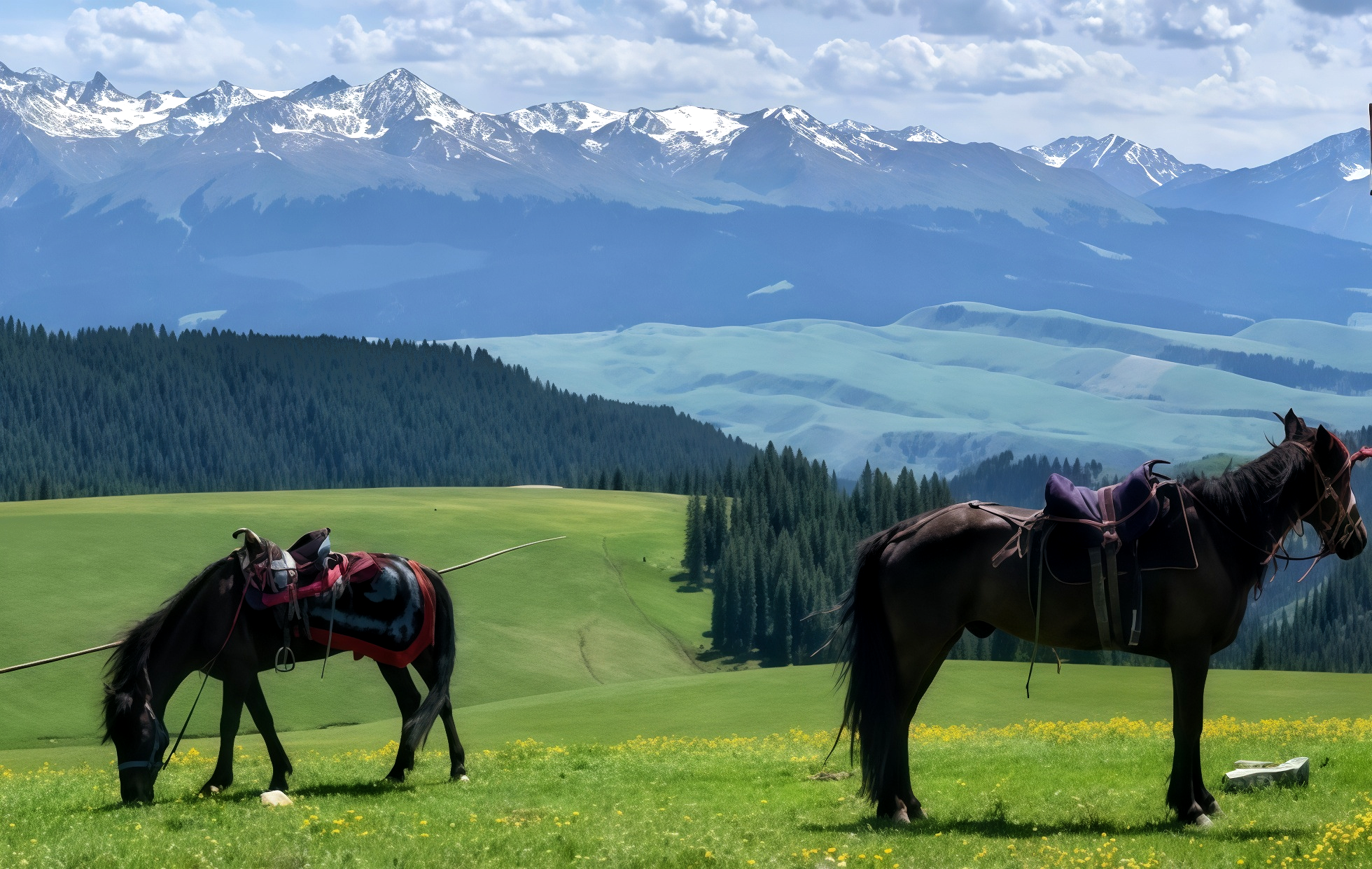
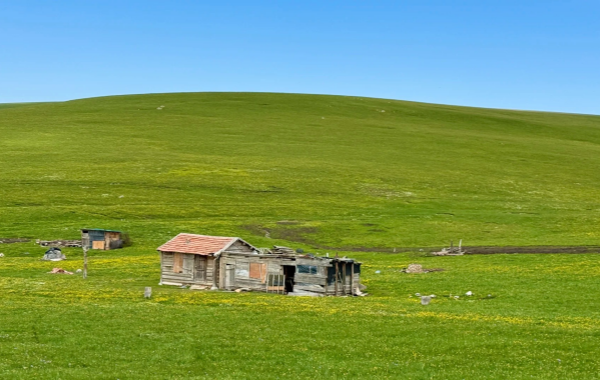
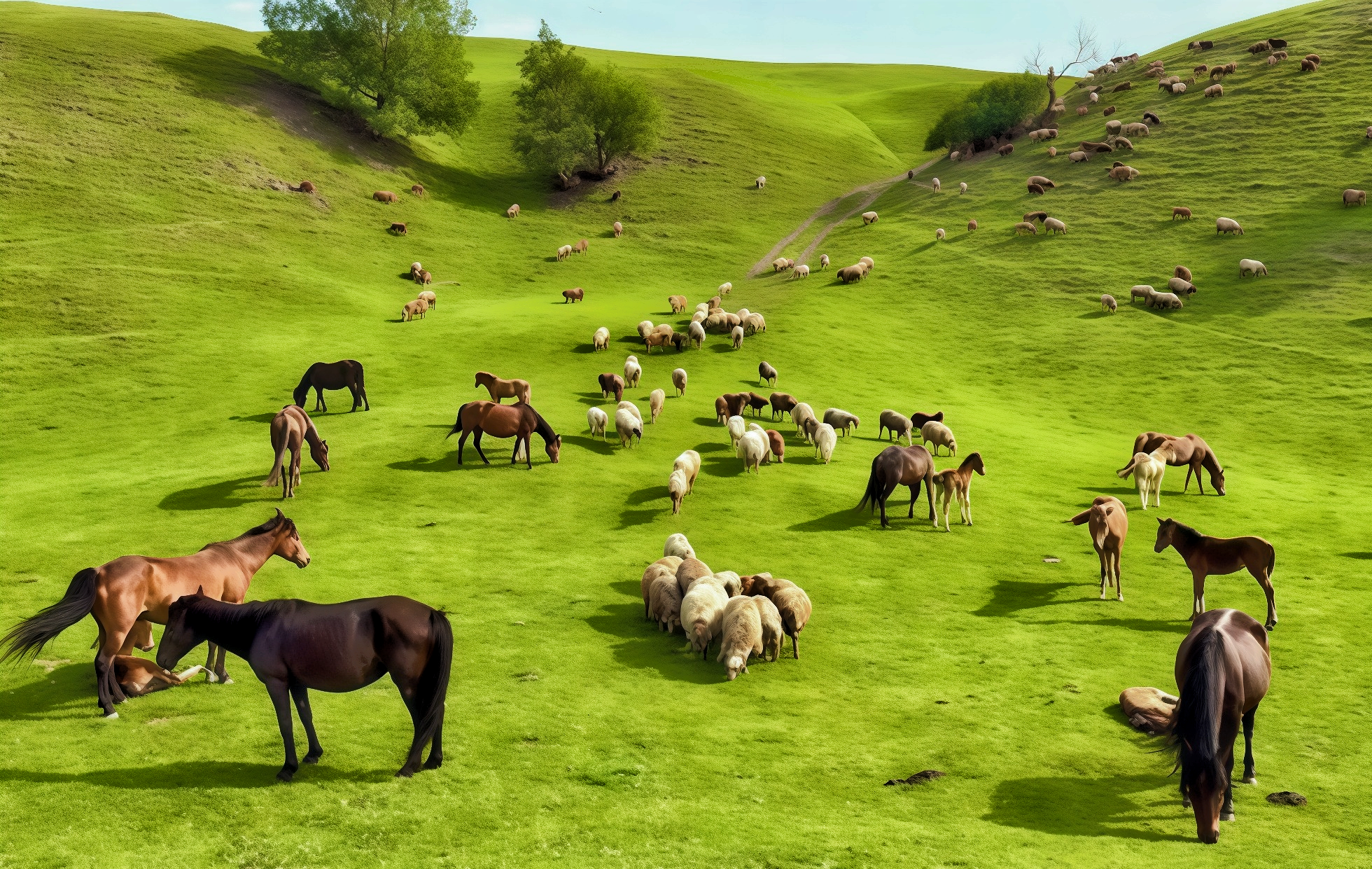
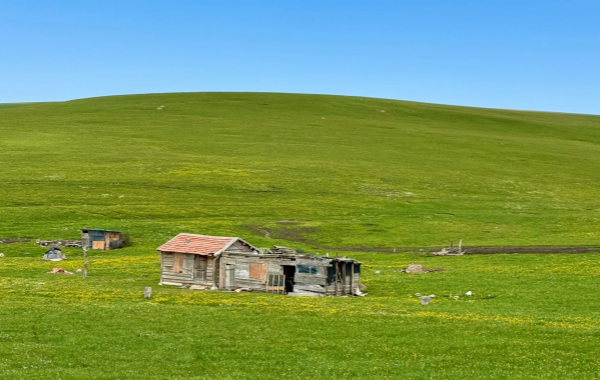
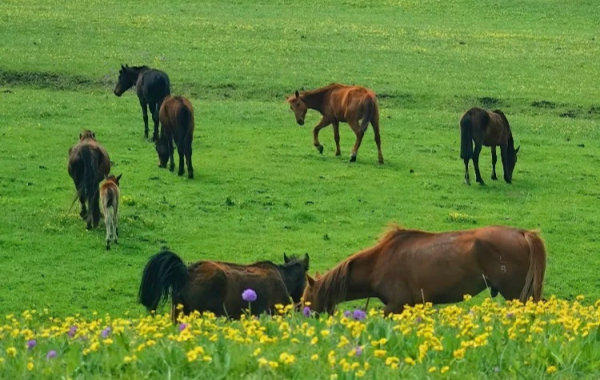
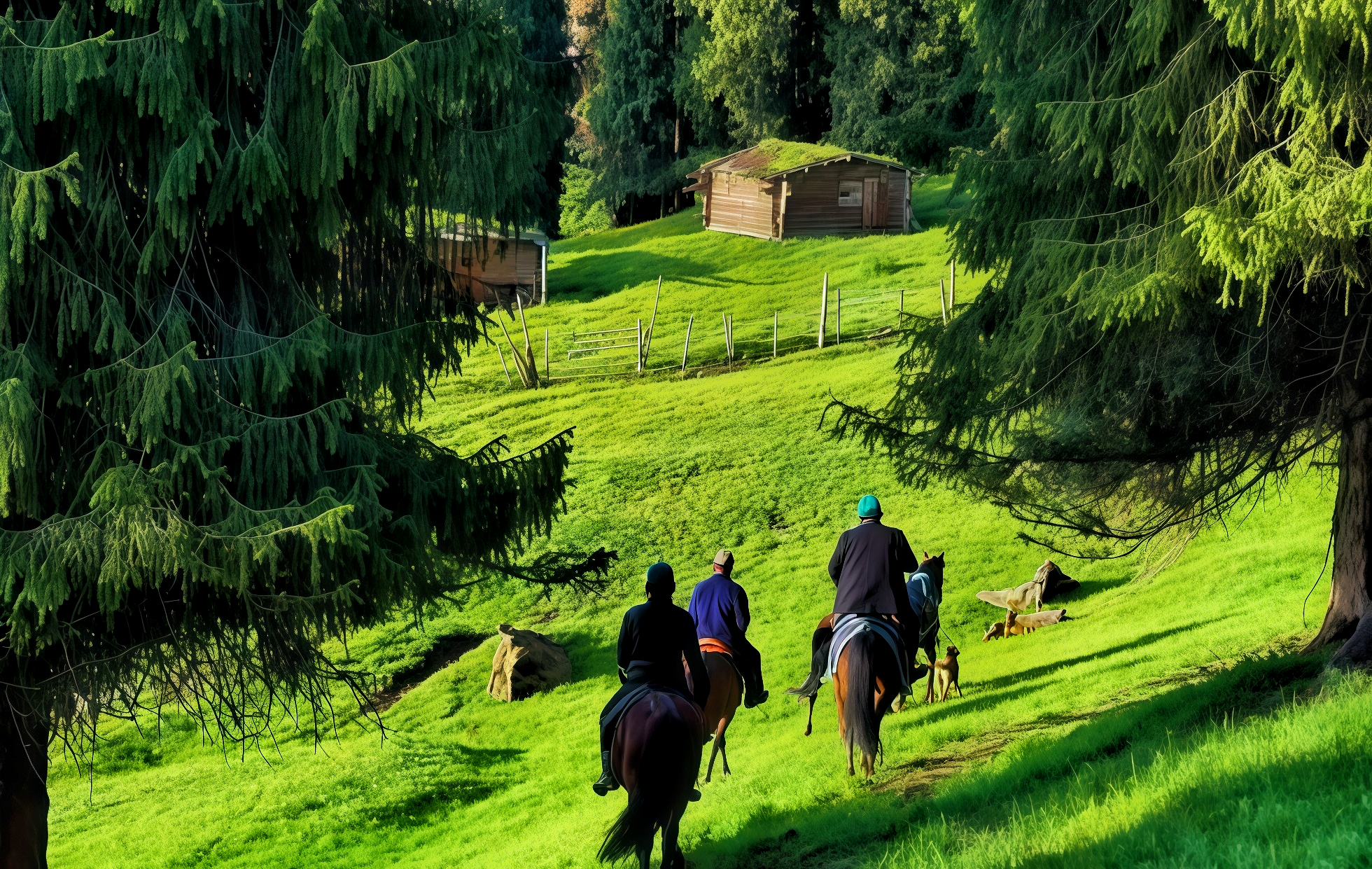
Qiongkushitai is a Kazakh village nestled deep within the Karajun Grassland—a destination hailed by visitors as "Xinjiang's most beautiful pristine village." Here, the most traditional Kazakh way of life is preserved; wooden cabins, felt yurts, herds of cattle and sheep, and groups of horses are scattered across the grasslands and forests, creating a scene akin to a secluded paradise. Qiongkushitai also serves as the starting point for the Wusun Ancient Road trekking route, attracting a multitude of hiking enthusiasts.
Falcon Platform: An Eagle's-Eye View from the Grassland's Highest Point
Falcon Platform (Lieyingtai) is one of the highest vantage points on the Kalajun Grassland, standing at an elevation of approximately 2,800 meters. From the summit, visitors can look out over the entire Kalajun Grassland and the Koksu Grand Canyon, enjoying a truly expansive panoramic view. This is an exceptional spot for watching sunrises and sunsets, as well as for viewing the "Human Body Grassland" (a unique landscape feature resembling the curves of the human body); in the early morning, sunlight floods the grassland, while in the evening, golden afterglow outlines the gentle contours of the earth.
Wusun Ancient Tombs and Grassland Stone Figures: Echoes of History
Scattered across the Kalajun Grassland and its surrounding areas are numerous Wusun ancient tombs and grassland stone figures—historical relics left behind by the Wusun Kingdom of the Han Dynasty era. The Wusun tombs are predominantly earthen mounds scattered across the grassland, bearing witness to the prosperity of the nomadic peoples who lived here over two thousand years ago. The grassland stone figures, carved from single blocks of stone with a rustic, ancient aesthetic, are believed to have served as guardians for the burial sites of these ancient nomadic tribes.
A Four-Season Tapestry: Kalajun's Symphony of Colors
The beauty of the Kalajun Grassland transforms with the passing of the seasons:
- Spring (April–May): As the ice and snow melt, the grassland begins to turn green again; wild lilies (white crocuses) push through the snow, serving as the grassland's earliest heralds of spring.
- Summer (June–August): The grassland enters its most magnificent season. From June to July, a vibrant "sea of five-colored flowers" blooms, creating a dazzling display of color; from July to August, the grassland becomes a lush green carpet, dotted with herds of cattle and sheep.
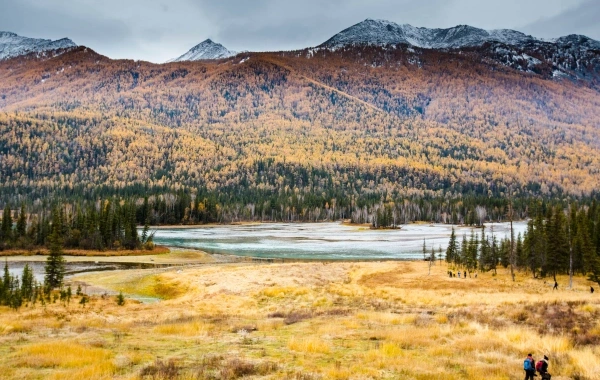
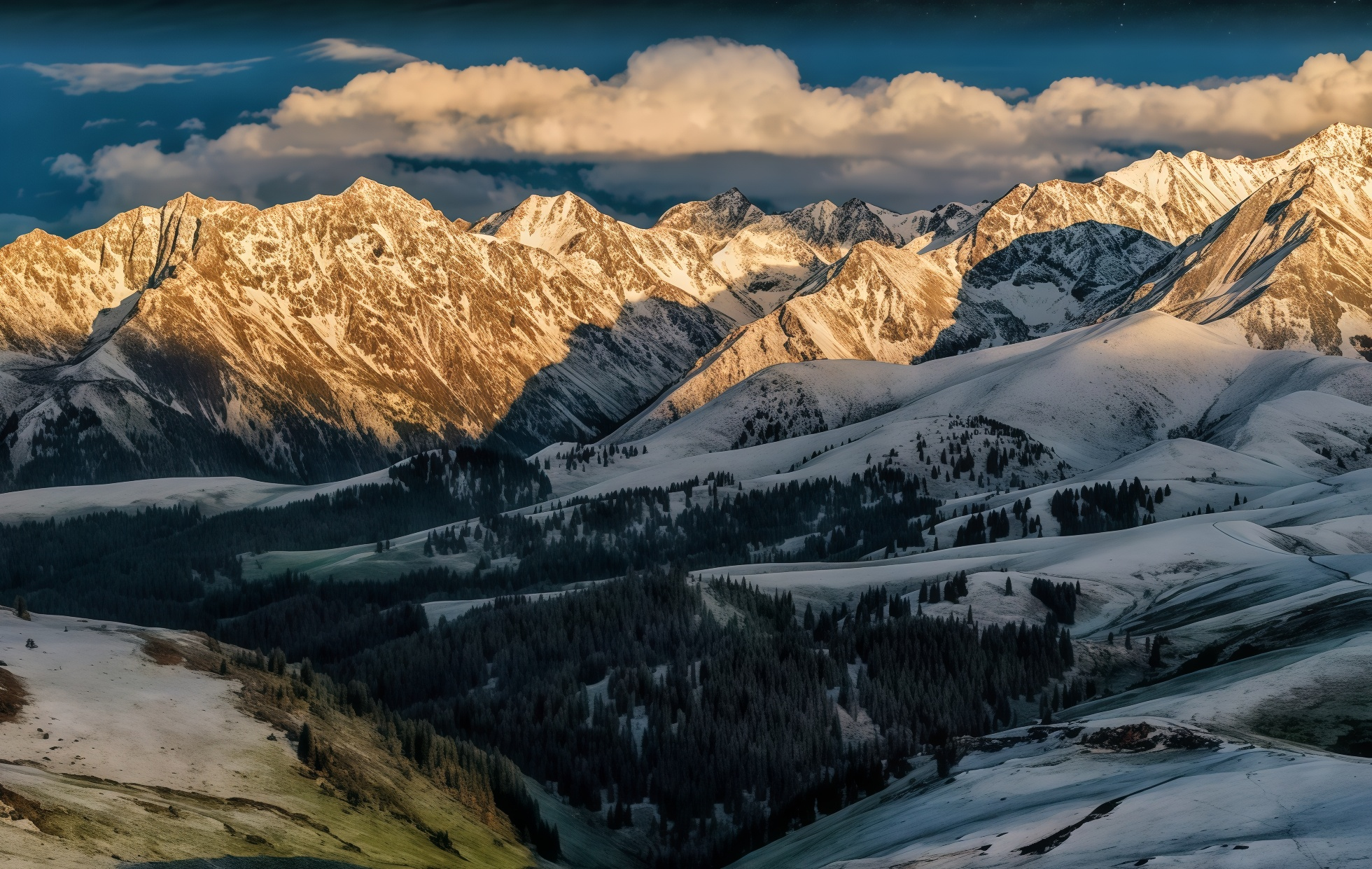
- Autumn (September–October): The grassland turns a golden yellow, creating a striking contrast with the distant snow-capped mountains and canyons, resulting in a landscape rich in layered colors.
- Winter (November–March): Covered in white snow, the grassland becomes a tranquil, picturesque scene. With few visitors present, it offers the perfect opportunity to experience a sense of absolute serenity. > Photography Tips:
> - The best time to photograph the "Human Body Grassland" (Ren Ti Cao Yuan) is 1–2 hours before sunset; at this time, the low angle of the light accentuates the curves of the grassland most vividly. The prime photography spots are concentrated on the slopes opposite the Kuokesu Grand Canyon.
> - The best time to photograph the "Five-Color Flower Sea" is from mid-to-late June through mid-July; the morning light is soft, and the colors of the flowers appear at their most vibrant.
> - Falcon Platform (Lieying Tai) offers panoramic views of the grassland as well as opportunities to capture both sunrise and sunset; it is recommended to arrive early to secure a prime shooting position.
> - Crocodile Bay and the "Nine Bends and Eighteen Turns" within the Kuokesu Grand Canyon are the canyon's quintessential photography highlights; it is recommended to visit in the afternoon, when the lighting conditions are optimal.
Human Ingenuity: The Kazakh People and Their Grassland Homeland
The beauty of Kalajun lies not merely in its scenery, but equally in the Kazakh people who have inhabited this land for generations, and in their unique culture.
A Visit to a Kazakh Home: Stepping into the Daily Life of Nomads
The Kalajun Grassland serves as one of the most vital summer pastures for the Kazakh people; every summer, hundreds of thousands of livestock are driven here during the seasonal migration. Step inside a traditional Kazakh yurt (felt tent), and you can:
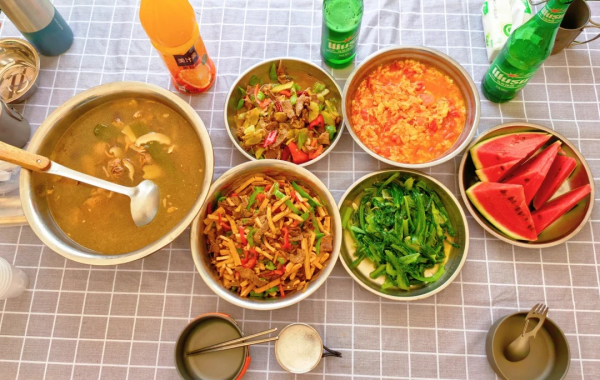
- Savor the Cuisine: Your hosts will serve up steaming hot milk tea, shouzhua (hand-grabbed) mutton, baursaki (fried dough puffs), kumis (fermented mare's milk), and other traditional delicacies.
- Experience Local Customs: Gain insight into the Kazakh culture of seasonal migration, wedding rituals, festive celebrations, and more.
- Listen to the Music: Enjoy a performance of Aken Danchang—an improvised musical tradition featuring the dombra (a two-stringed lute), with lyrics that may praise the grassland, tell tales of romance, or sing the praises of heroes.
- Learn Traditional Crafts: Watch as Kazakh women demonstrate traditional handicrafts such as embroidery, felt-making, and weaving.
The Culture of Migration: A Journey of Life Across the Grassland
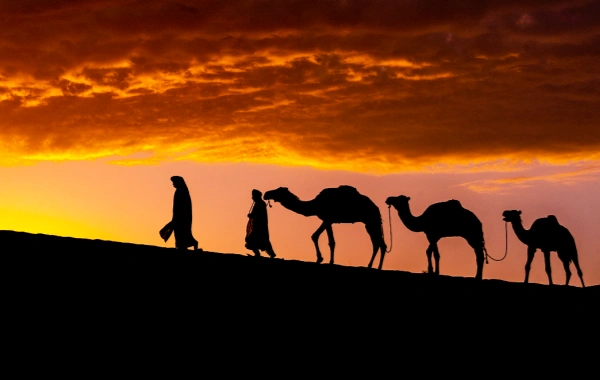
Every year in June and September, a spectacular migration unfolds across the Kalajun Grassland: Kazakh herders drive thousands upon thousands of cattle and sheep—moving them from their winter pastures to their summer pastures, or guiding them back again. Thousands of livestock march majestically across the grasslands, kicking up clouds of dust in a truly awe-inspiring spectacle. This represents a living manifestation of the Kazakh people's millennia-old nomadic culture, as well as a prime opportunity for photographers to capture the dynamic energy of the steppe.
Grassland Horse Racing and Kokpar: A Carnival on Horseback
The Kazakhs are a people of the horse; traditional activities such as horse racing, Kokpar (goat grabbing), and Kyz Kuu (the "Maiden Chase") create some of the most exhilarating scenes found on the grasslands:
- Horse Racing: Every summer, the Kalajun Grassland hosts a grand horse racing festival where riders gallop at full speed—a truly magnificent sight.
- Kokpar (Goat Grabbing): Riders compete to seize a goat carcass, a contest that tests both horsemanship and teamwork; it is arguably the most iconic traditional sport of the Kazakh people.
- Kyz Kuu (The Maiden Chase): Young men and women ride side-by-side; the young woman chases the young man with a whip—a playful game that also serves as a unique way to express romantic affection.
The Wusun Ancient Trail: A Pilgrim's Path for Hikers
The Wusun Ancient Trail is an ancient passage connecting the Ili River Valley with Aksu in Southern Xinjiang. Spanning approximately 130 kilometers, it cuts through the heart of the Tianshan Mountains and ranks as one of Xinjiang's three premier hiking routes. The trailhead for the Wusun Ancient Trail is located deep within the Kalajun Grassland, in the village of Qiongkushitai. Hiking the Wusun Ancient Trail involves traversing primeval forests, alpine meadows, and glacial lakes before finally reaching Southern Xinjiang—making it the ultimate challenge for avid hikers.