Пять обязательных мероприятий для полного путешествия по городу на границе Минг
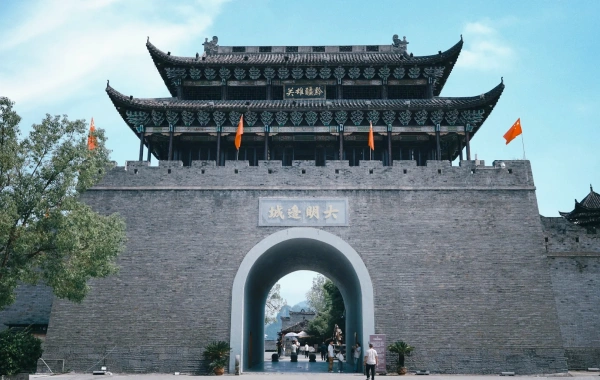
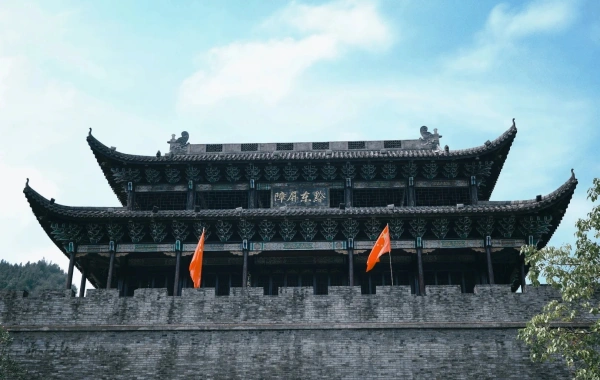
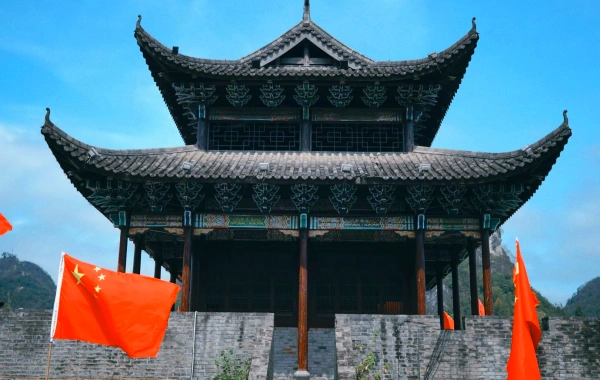
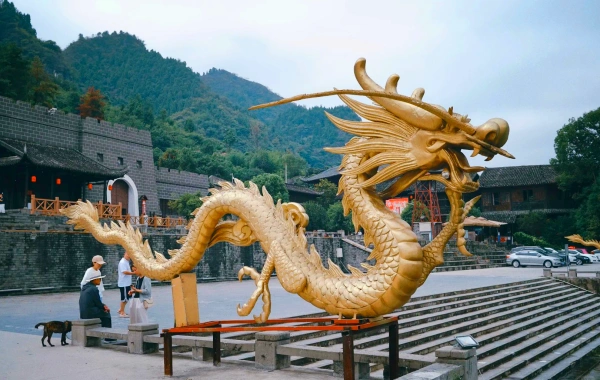
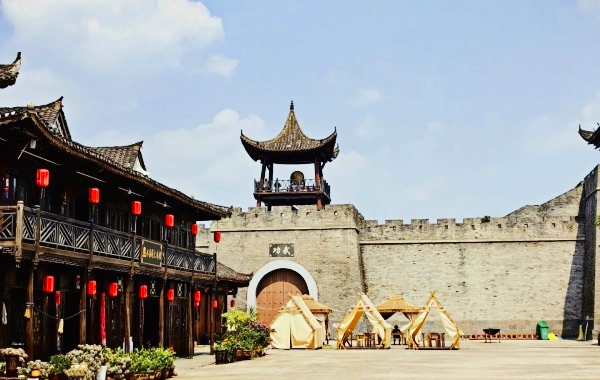
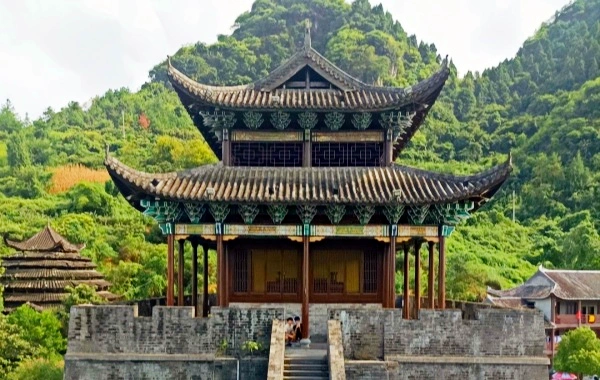
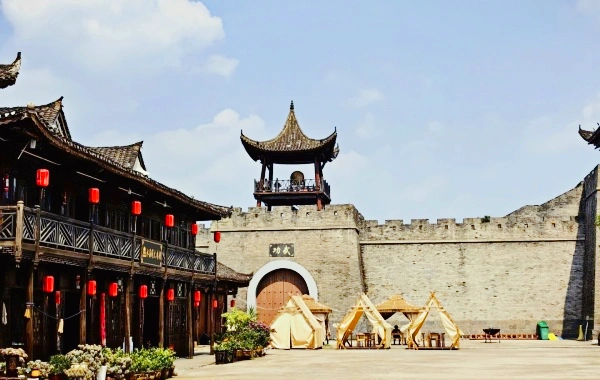
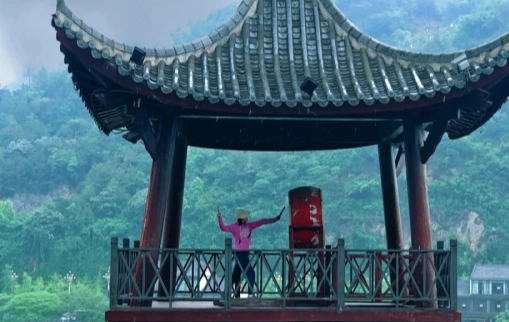
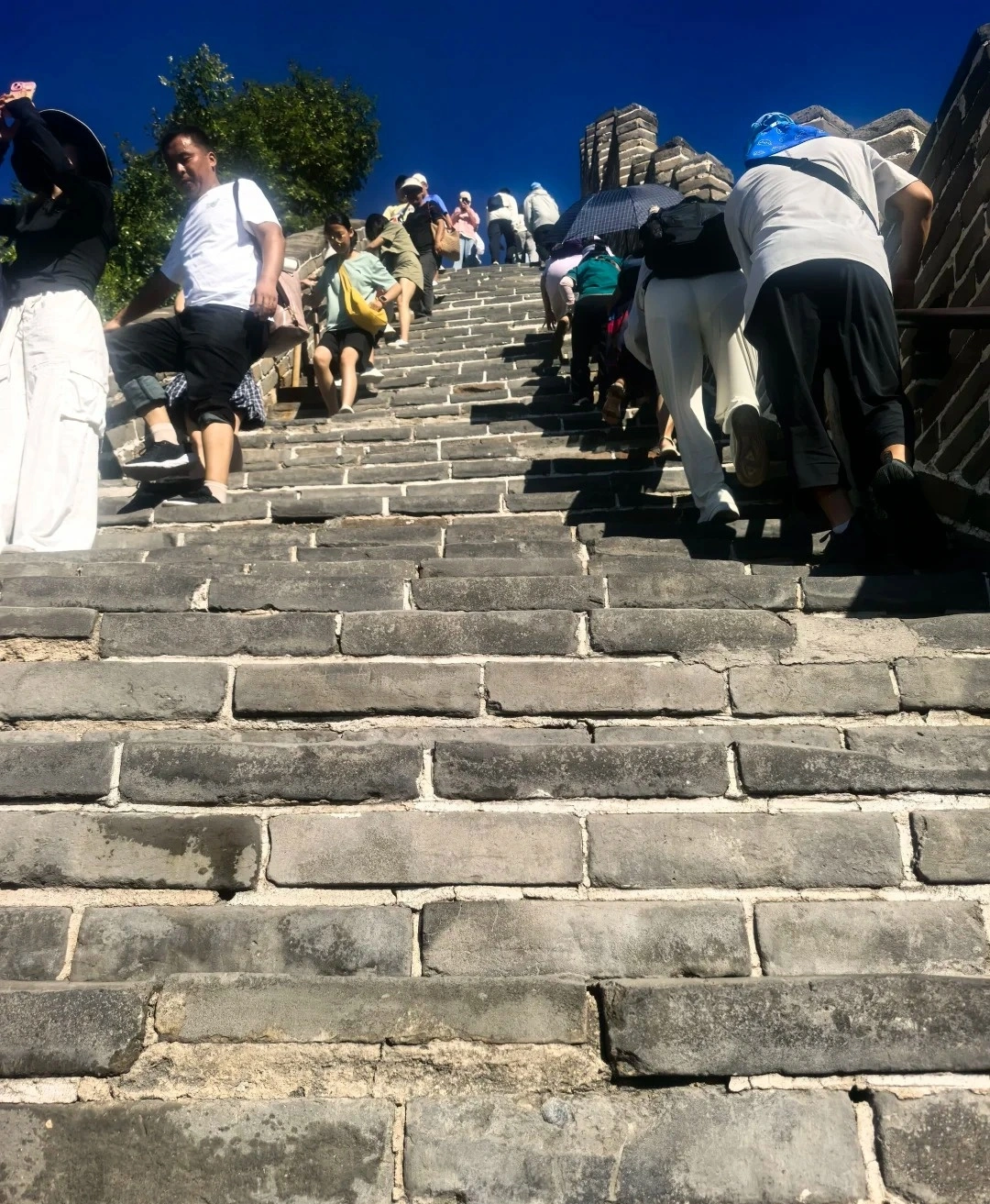
1.Поднимитесь на городскую стену, чтобы посмотреть церемонию открытия города
Время:9:00 Церемония открытия города.
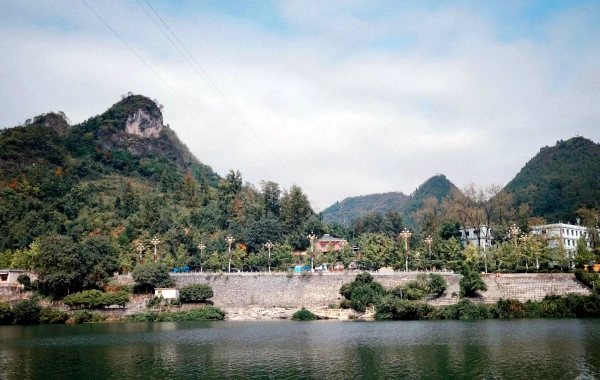
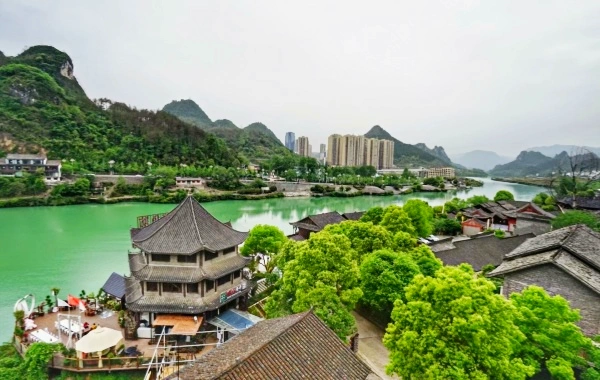
Опыт:Поднимитесь на древние руины городской стены, посмотрите на всю живописную область и пейзажи реки Цзиньцзян, посмотрите, как воины в древнем костюме выстраиваются в очередь, чтобы приветствовать гостей среди звука барабанов и гонгов, воссоздавая ритуалы городских ворот династии Мин.
Фотография:Раннее утро или сумерки предлагают самый мягкий свет; башня со стрелами - отличное место для стрельбы.
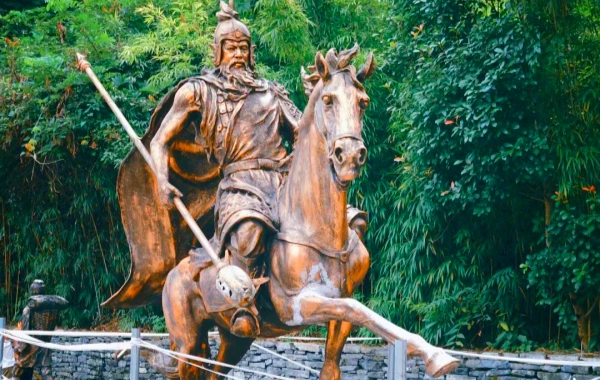
2.Отважный военный опыт, будьте солдатом Мин на один день
Опыт:Симулируйте обучение солдат Мин в районе военного лагеря, донируйте доспехи для фотографий и участвуйте в интерактивных мероприятиях, таких как стрельба из лука и питч-пот. Ежедневное 2:30 вечера «Шоу боевых искусств City Wall» показывает захватывающие выступления с мечами и оружием.
Совет:Военные действия имеют ограничения по возрасту и здоровью; пожалуйста, внимательно прочитайте инструкции по безопасности.
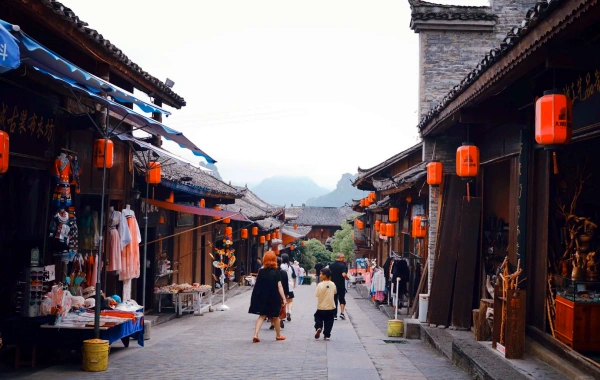
3.Прогуляйтесь по улице культуры рынка, испытайте нематериальное культурное наследие из первых рук
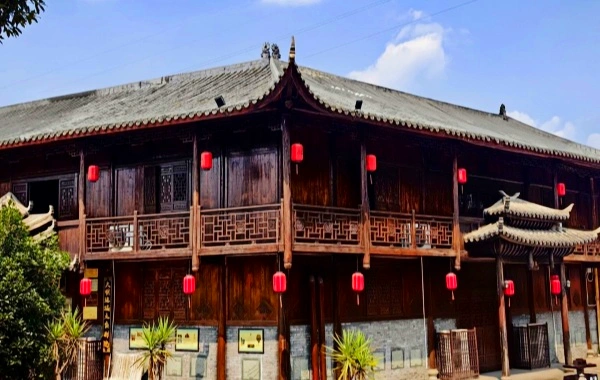
Опыт:Прогуляйтесь по улице Цинланг, посетите мастерскую печати подвижного типа, чтобы напечатать свой собственный кусок. Попробуйте традиционные ремесла, такие как батик и вышивка Мяо, в мастерской нематериального культурного наследия.
Глубокий опыт:В субботу утром вы можете присоединиться к свадебному параду династии Мин, надев ханьфу, чтобы принять участие в шествии, приветствующем невесту (прокат ханьфу около 50 иен / час).
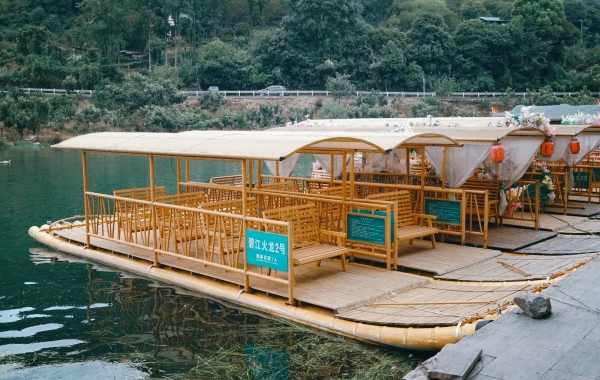
4.Посещение военно-морского лагеря драконов, ощутите очарование национального нематериального культурного наследия
Опыт:Посетите тренировочную базу драконьих лодок национального уровня, чтобы узнать о культуре драконьих лодок. В обычные дни попробуйте кататься на байдарках (50/30 минут); во время фестиваля лодок-драконов смотрите профессиональные гонки на лодках-драконах.
Культура:На этой площадке были проведены национальные мероприятия, такие как Открытая лодка китайского дракона 2011 года и Китайская гонка лодок дракона 2012 года.
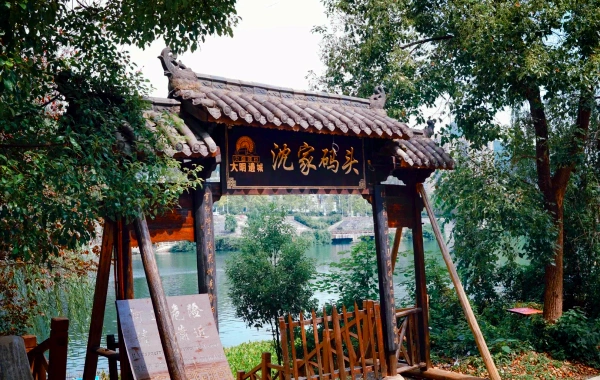
5.Сохранить рыболовный праздник в Цзиньцзяне, попробовать чашку из винодельни Great Ming
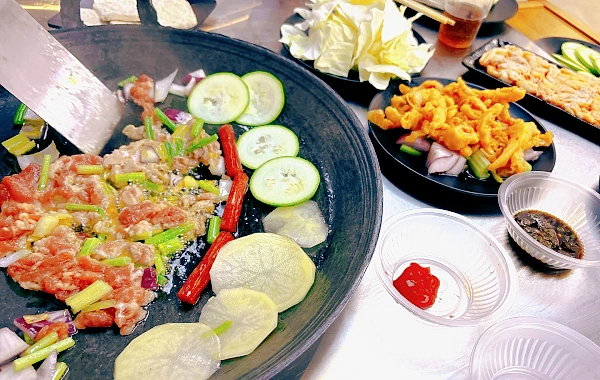
Блюда Must-Order:Кислая рыбная горячая точка (сделанная со свежевыловленной рыбой реки Цзиньцзян), Праздник вождя (праздник с большими чашами вина и кусками мяса), Шефан (традиционная еда войск гарнизона династии Мин), Мьянсиба (закуска нематериального культурного наследия).
Где найти:Ресторан Great Ming Water Village Jinjiang Fishing Village, винодельня Great Ming.
Предлагаемые маршруты
Однодневный тур «Панорамические путешествия во времени» (для ограниченных во времени путешественников):
Прибытие к Южным воротам живописной зоны до 9:00 утра → Смотрите церемонию открытия города на башне ворот (20 минут) → Поднимитесь на древние руины городской стены для панорамного вида (30 минут) → Прогуляйтесь по Зоне культуры рынка (30 минут) → Прогуляйтесь по рабочей типографской мастерской (1 час) → Смотрите живое выступление «Эпопея Великого Мина» в Театре здания Уцзяо (11:00 шоу, 40 минут) → Обед внутри живописной зоны (рекомендуется: кислая рыба в ресторане Рыбацкой деревни) → После обеда: Участвуйте в стрельбе из лука и питч в военном опытном лагере (1 час) → Вкусное вино в Винодельческом лагере морского дракона (30 минут) → Вкусное вино в Винодельческом лагере Великого Минг (30 минут) → Посетите смотровую площадку Great Ming Water Village Jinjiang Fishing Village (40 минут) → Отправляйтесь на смотровую площадку Great Ming Water Village для фотографий заката вечером → Присоединяйтесь к свадебно
Путешествие Китай Совет: Этот маршрут включает в себя значительную ходьбу; рекомендуется удобная спортивная обувь. Бронируйте билеты на платформе за один день заранее для скидок и носите Hanfu для входа, чтобы насладиться сокращением билетов.
Двухдневный тур «Tongren Cultural Depth»
День 1: Великое минское пограничное погружение
Прибыв утром, следуйте однодневному маршруту эссенции, чтобы исследовать Граничный город Грейт-Мин.
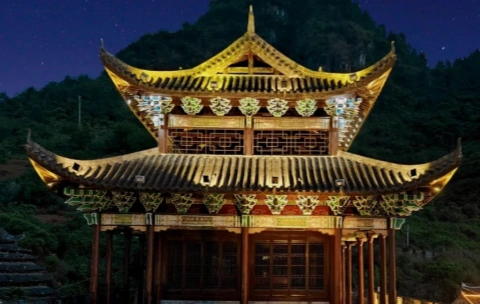
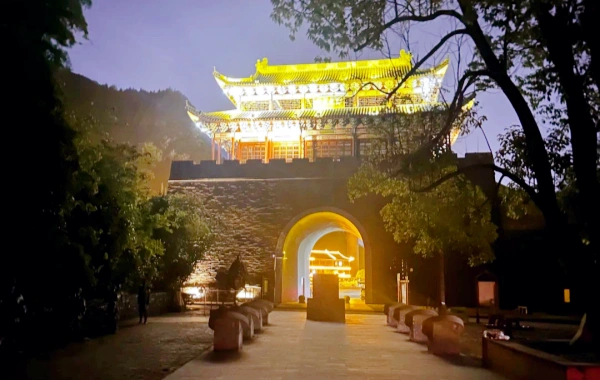
Наслаждайтесь вечерним световым шоу и участвуйте в ночных представлениях
Ночь в городе Тонгрен или отель рядом с живописным районом
День 2: Периферийный тур (выберите один вариант)
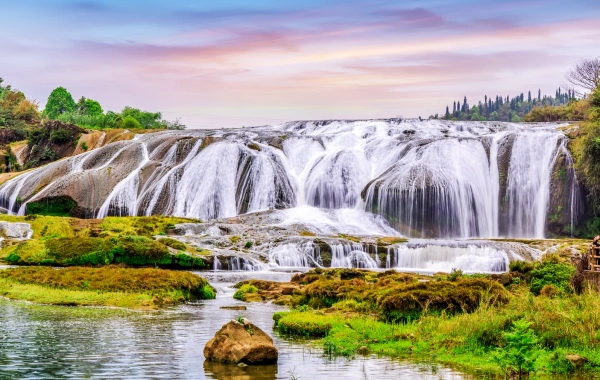
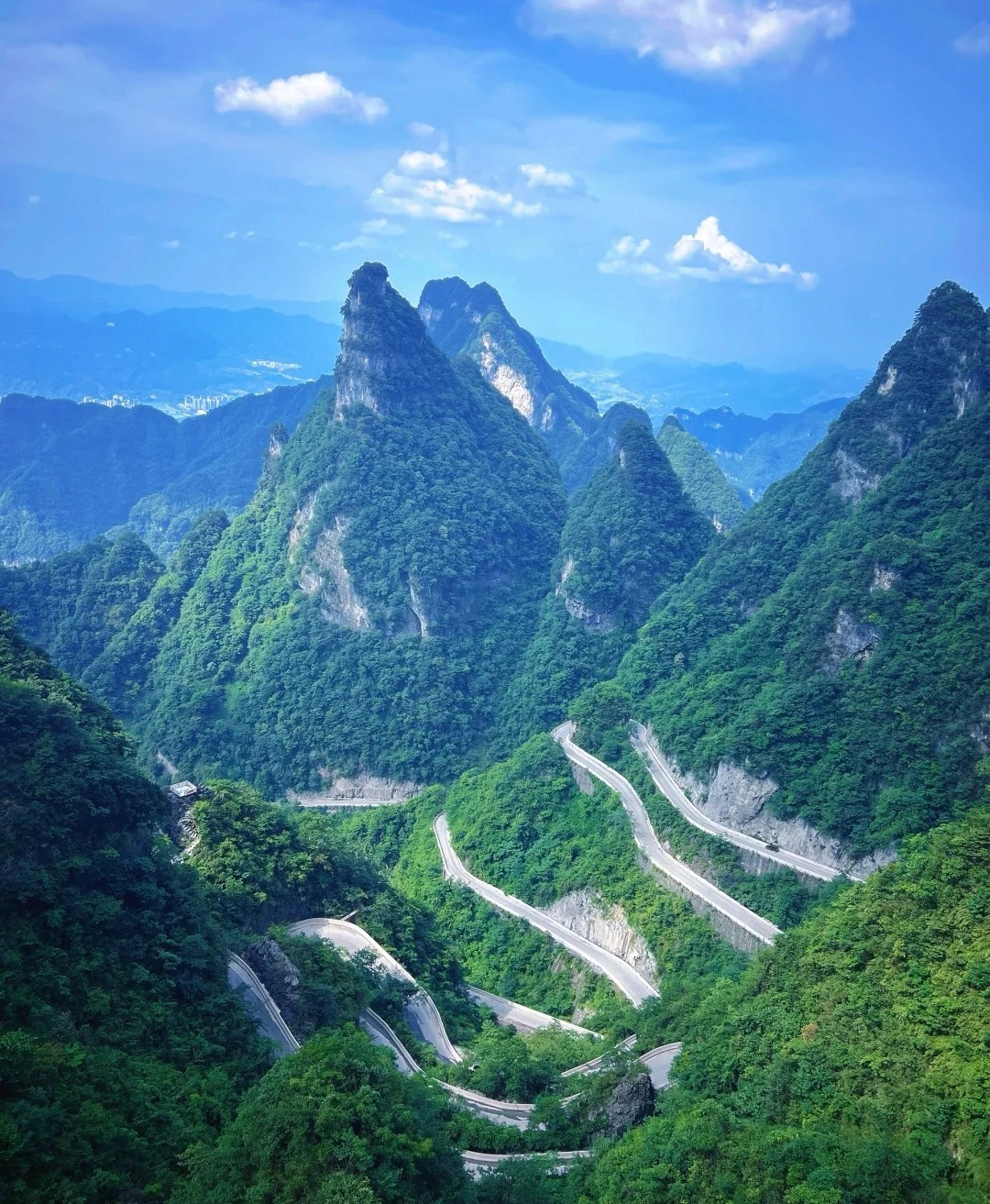
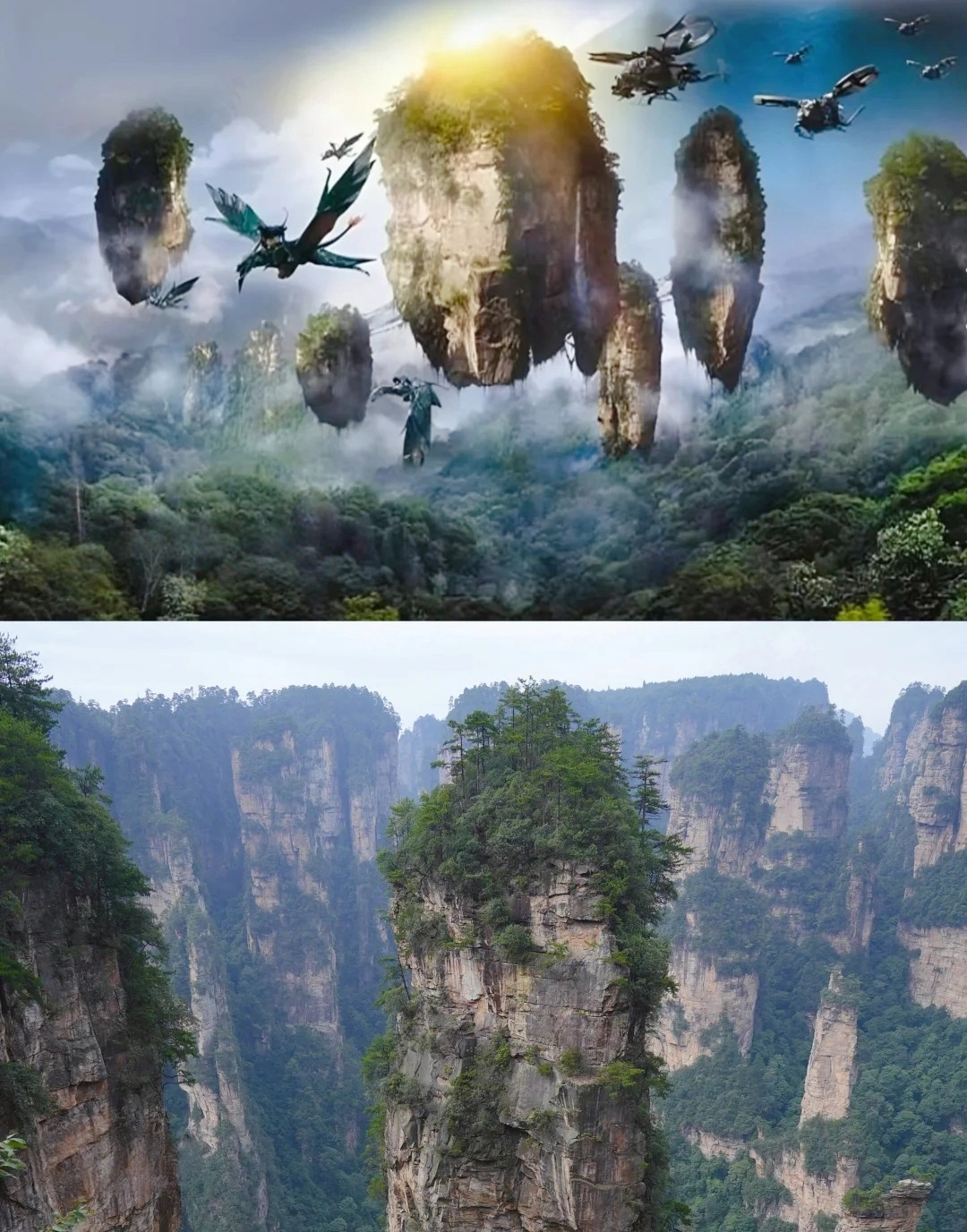
Вариант А (Всемирное наследие):Фаньцзиншань(примерно 1,5 часа езды), испытать очарование объекта Всемирного природного наследия ЮНЕСКО
Вариант Б (Древний городской шарм):Древний город Фэнхуан(приблизительно 46,8 км езды), испытать Мяо этнические обычаи Западного Хунаня
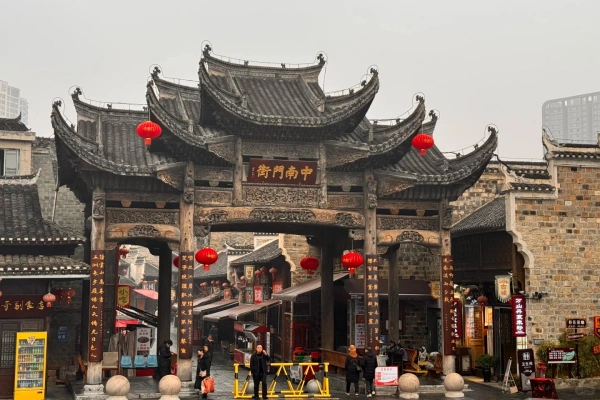
Вариант С (городская культура):Район историко-культурного туризма Чжуннаньмэнь(примерно 2,1 км езды), исследовать древний город династии Мин и насладиться вечерним световым шоу
Путешествие Китай Преимущества: Мы можем зарезервировать для вас наиболее подходящие номера, организовать бронирование билетов, транспортное сообщение и культурные мероприятия, а также предоставить подробные карты маршрутов и рекомендации по управлению временем.
Руководство для экспертов: IntoTravelChina предлагает частные индивидуальные маршруты с выделенными гидами, транспортом и координацией деятельности для глубокого, беззаботного опыта.>> [Консультация по кастомизации сейчас]