
Jingting Mountain
Jingting Mountain, renowned as the "Mountain of Poetry," is a celebrated cultural and natural landmark in southeastern China. Located in Xuancheng City, Anhui Province, it has inspired poets, artists, and scholars for over 1,200 years. Rising 317 meters above sea level, the mountain combines mist-shrouded peaks, ancient temples, and lush bamboo forests with profound historical significance. Designated a national scenic area, it serves as a living museum of Chinese literature and traditional aesthetics, attracting visitors seeking both natural beauty and cultural depth.
Historical Overview
Jingting Mountain’s literary legacy dates to the Tang Dynasty (618–907 CE), when poets like Li Bai praised its "serene beauty." During the Qing Dynasty, Emperor Qianlong honored it as one of China’s "Ten Famous Mountains." The mountain’s cultural zenith came during the Ming and Qing dynasties, when scholars built pavilions and inscribed poems on cliffs. In 1987, it was declared a national-level scenic spot, preserving its 300+ historical inscriptions and 50+ ancient temples. Today, it stands as a testament to China’s harmonious blend of nature and human creativity.
Structural Layout
Jingting Mountain’s layout harmonizes natural topography with cultural structures:
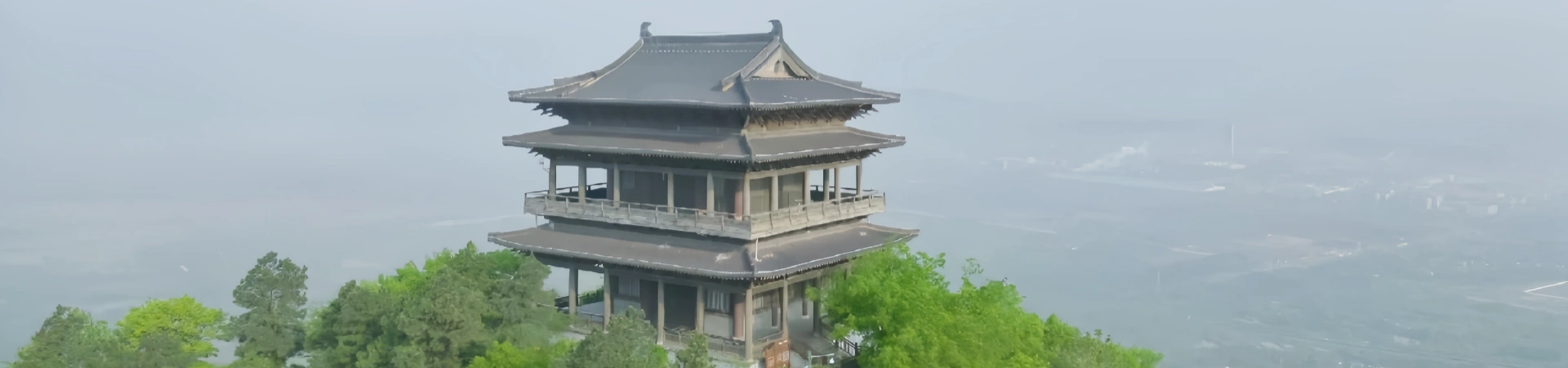
Northern Zone: The main entrance area features the iconic Xie Tiantai Pavilion, a Ming-era structure overlooking the Yangtze River plain. Nearby, the Guangjia Temple houses Tang Dynasty relics.
Central Zone: The mountain’s core includes the Shuangta Peak, crowned by twin 12th-century stone pagodas, and the Yuntai Pavilion, where poets gathered to recite verses.
Southern Zone: The tranquil Bamboo Sea covers 200 hectares, with winding paths leading to the Cuiyun Pavilion, a secluded spot for meditation. Supporting facilities include tea houses, art galleries, and a small museum displaying ancient calligraphy.
Major Attractions
- Xie Tiantai Pavilion: Built in 1534, this wooden pavilion offers panoramic views of the Yangtze River and surrounding mountains. Its name honors Li Bai’s poem about the mountain.
- Shuangta Peak: Two 15-meter-tall stone pagodas stand as architectural marvels, with intricate carvings depicting Buddhist deities.
- Yuntai Pavilion: A Tang Dynasty relic rebuilt in the Qing era, famous for its inscriptions by Su Shi and other literary giants.
- Bamboo Sea: A dense forest of moso bamboo, where sunlight filters through leaves, creating a surreal green cathedral.
- Guangjia Temple: A 1,000-year-old Buddhist temple housing a rare jade Buddha statue and Tang Dynasty scriptures.
- Cuiyun Pavilion: A secluded spot near a natural spring, where visitors can enjoy tea while listening to mountain streams.
Suggested Itineraries
- Classic Half-Day Route (3–4 hours):
Start at Xie Tiantai Pavilion → Descend to Yuntai Pavilion → Hike through Bamboo Sea → Visit Guangjia Temple → End at Cuiyun Pavilion.
Highlights: Iconic views, literary heritage, and natural serenity. - Cultural Immersion Route (5–6 hours):
Begin at Shuangta Peak → Explore Yuntai Pavilion inscriptions → Tour Guangjia Temple → Lunch at a tea house → Stroll through Bamboo Sea → Visit the mountain museum.
Highlights: Architectural wonders, ancient artifacts, and local cuisine. - Full-Day Exploration (7–8 hours):
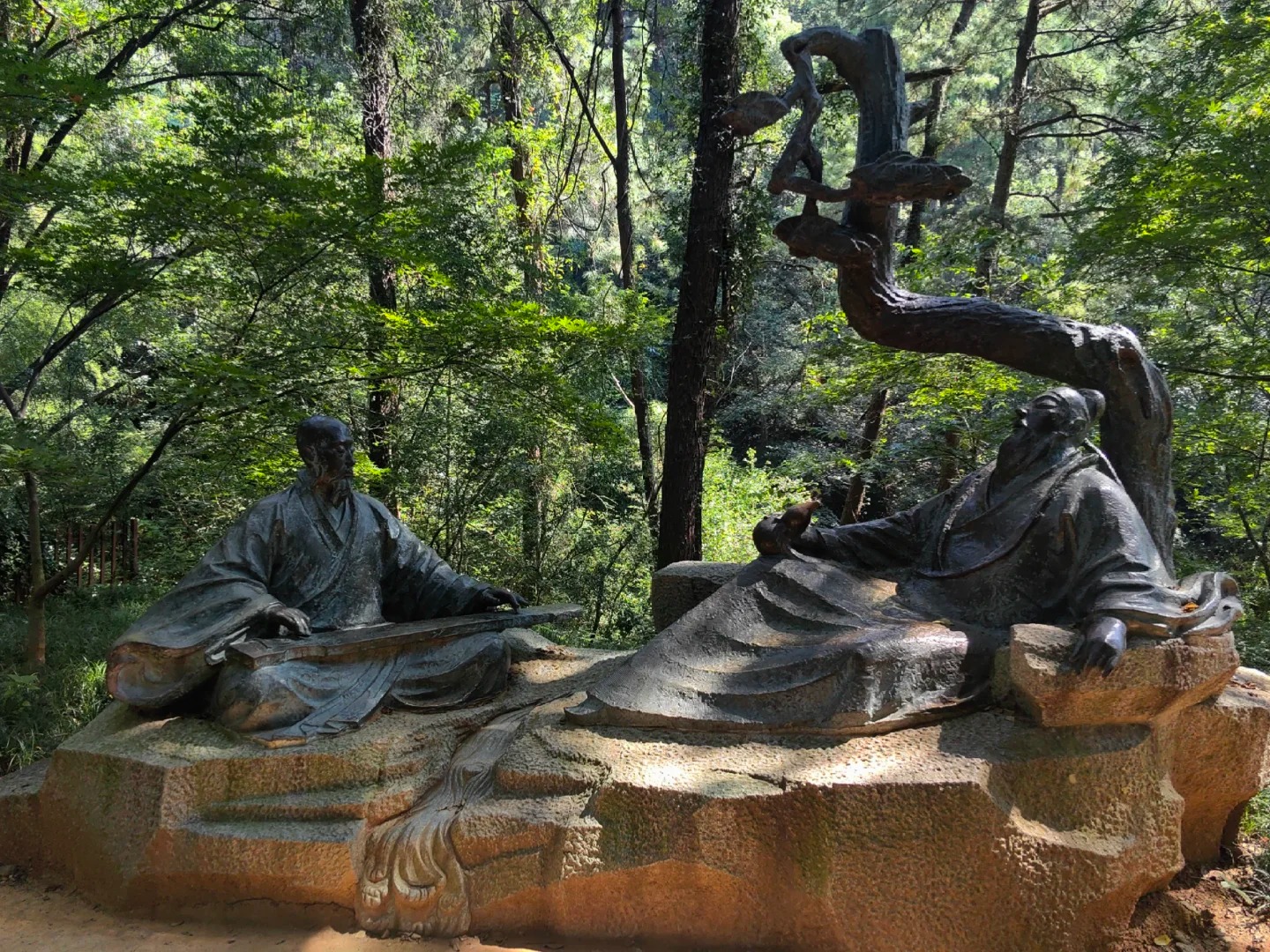
Combine both routes above, adding a guided tour of lesser-known trails like the Poets’ Path, lined with stone carvings of classic verses.
Highlights: Comprehensive cultural and natural experience, including hidden gems.
Ticket Purchase
- Online: Book via the official Jingting Mountain website or WeChat mini-program (up to 3 days in advance).
- On-Site: Tickets available at the northern entrance (Xie Tiantai Pavilion) and southern gate (Bamboo Sea).
- Prices:
- Peak Season (March–November): ¥80 (adults), ¥40 (students/seniors).
- Off-Season (December–February): ¥60 (adults), ¥30 (students/seniors).
- Free: Children under 1.2m, disabled visitors, and active military personnel.
Transportation
- By Subway: The nearest subway is in Xuancheng City (Line 1, Jingting Station). From there, take bus #12 or a taxi (15-minute ride) to the northern entrance.
- By Bus: Direct buses run from Xuancheng’s main station to Jingting Mountain (30 minutes, ¥5).
- By Taxi: A direct taxi from downtown Xuancheng costs ¥30–40 (20-minute ride).
- Departure: Exit via the southern gate to visit nearby villages or the northern gate to return to Xuancheng.
Best Time & Tips
- Peak Hours: Avoid 10 AM–2 PM; arrive early (7:30 AM opening) or visit after 3 PM.
- Crowds: Weekends and holidays are busiest; weekdays offer quieter trails.
- Weather: Spring (March–May) and autumn (September–November) provide mild temperatures and clear views.
- Essentials:
- Wear sturdy shoes (trails can be steep and rocky).
- Bring a water bottle and snacks (few vendors at higher elevations).
- Photography allowed everywhere except inside temples.
- Prohibited items: Drones, large backpacks, and loud music.


Contact Us
Что говорят наши клиенты?
На основе более 10 000 отзывов путешественников

Daniel Dorothea
Canada
Reviewed on April 29,2025
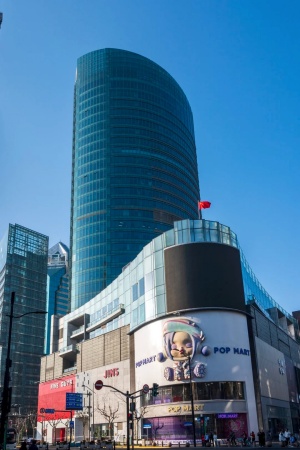
Shopping on Nanjing Road in Shanghai was just amazing! It's truly the "First Commercial Street of China", where tradition and modernity blend perfectly. You can find awesome souvenirs and experience the trendy vibes in cool stores. The neon lights at night are just spectacular, shining bright like Times Square in New York. The food here is incredible too. I had a feast for my taste buds. Shanghai, I'll definitely be back!
Destination(s):
Shanghai
Date of
Experience:
May 08,2024

Elvis Eva
Canada
Reviewed on June 20,2025
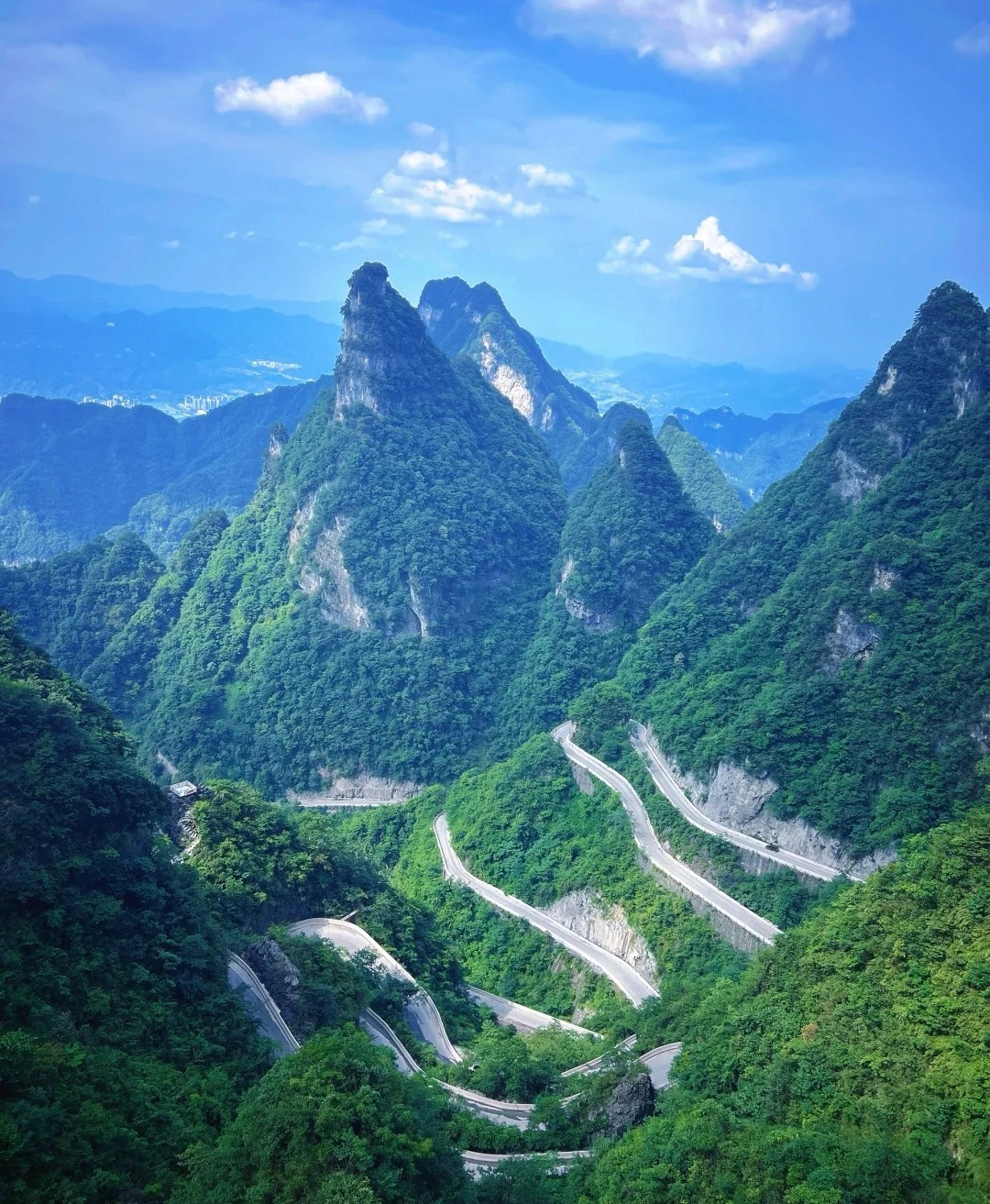
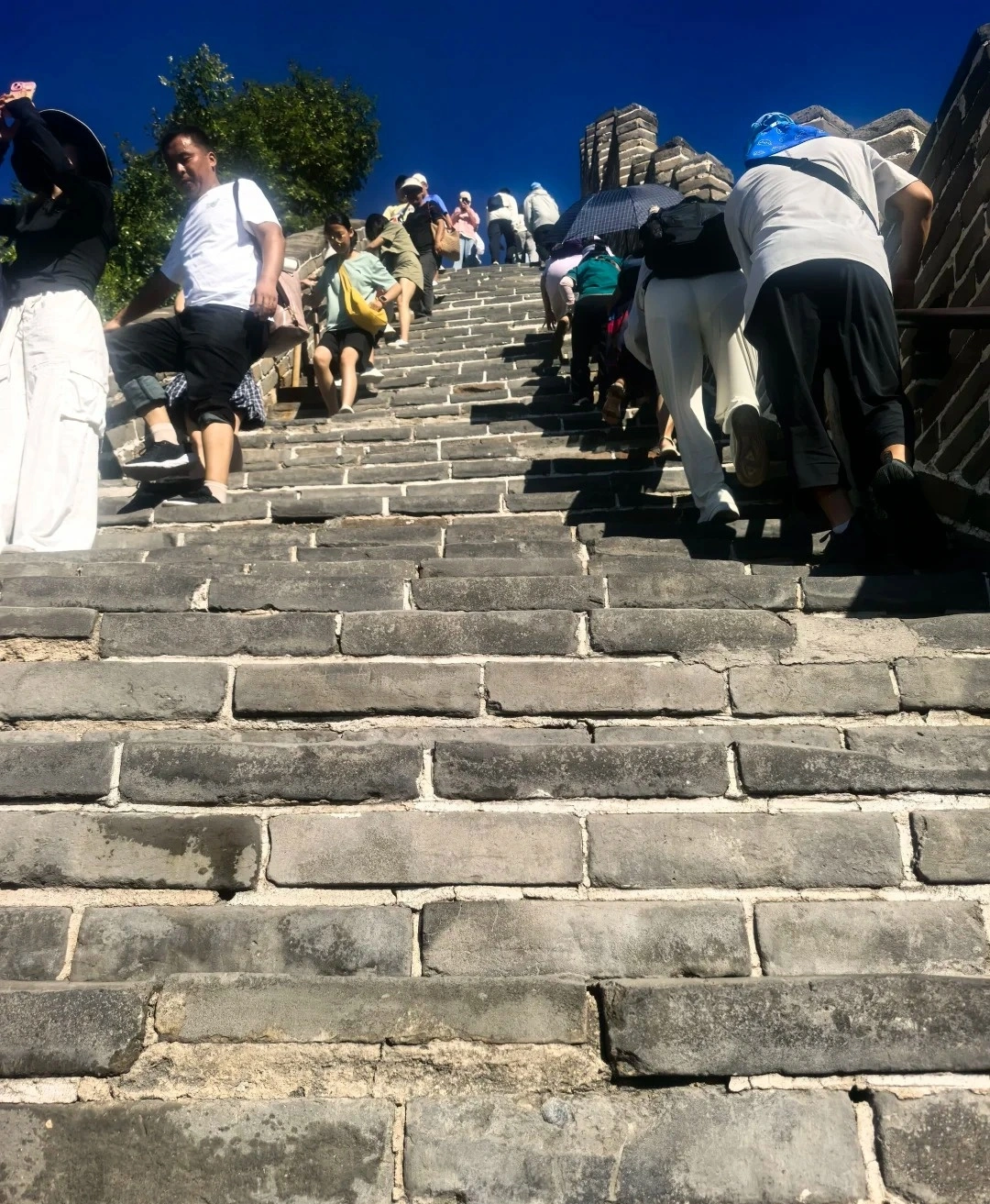
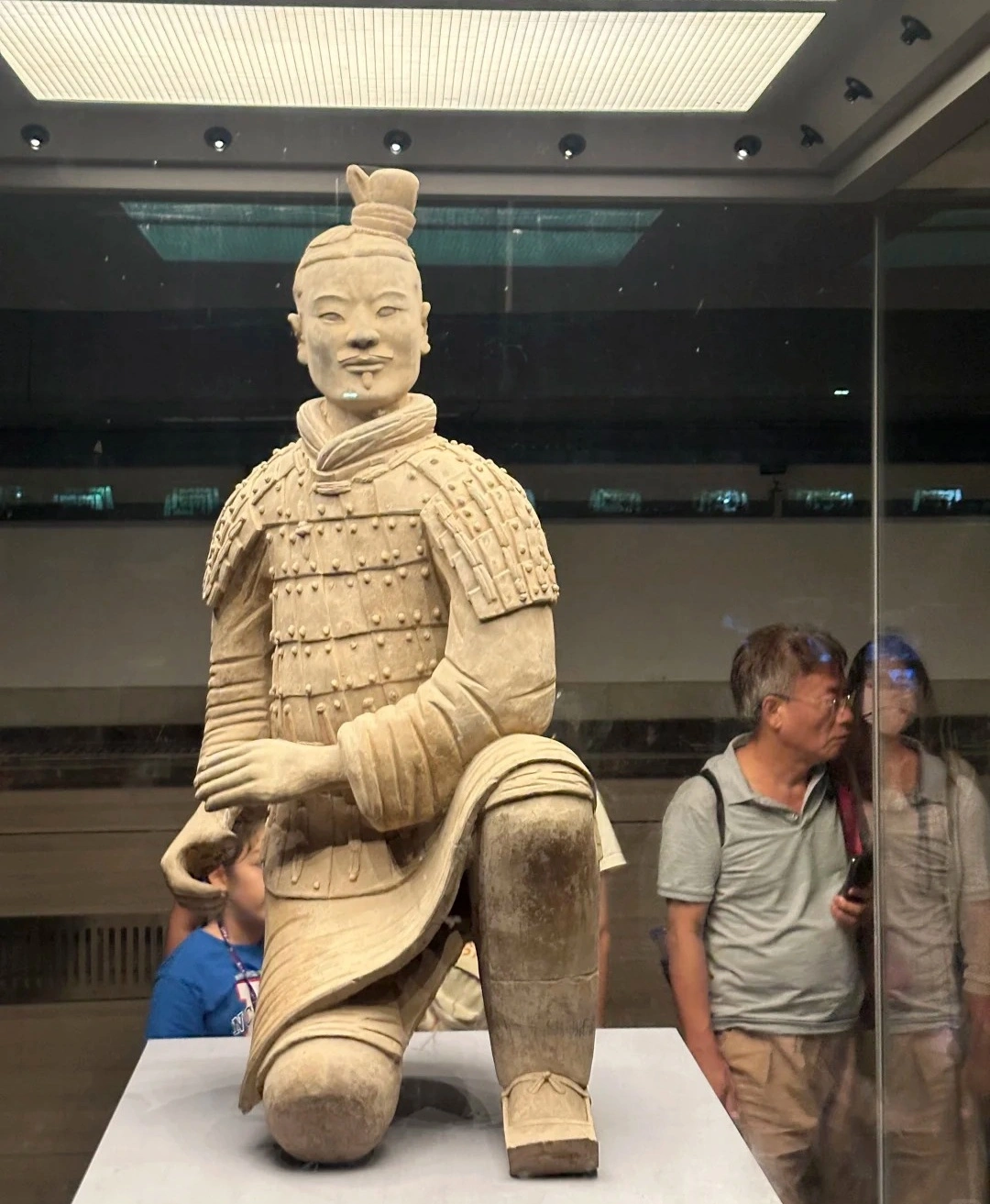
As a solo traveler from Canada, I was nervous about navigating China alone—but this 11-day tour was PERFECT! From hiking the Great Wall at sunrise (Day 3) to gasping at the Terracotta Army (Day 5), every day delivered ‘pinch-me’ moments. The real showstopper? Zhangjiajie’s Avatar Mountains (Day 7)! Our guide made the stone pillars come alive with stories.
Massive thanks for handling all logistics—bullet train tickets, entry passes, car! And the 4-star hotels surprised me.
Destination(s):
Beijing Xian Zhangjiajie Shanghai
Date of
Experience:
June 02,2025

Simon
America
Reviewed on May 29,2025
Our 2-day Zhangjiajie tour was beyond spectacular! As someone who’s visited Beijing and Shanghai for work, this trip revealed China’s wild, magical heart. Day 1 in Zhangjiajie National Forest Park felt like stepping onto Pandora—I’m a huge Avatar fan, and Yuanjiajie’s floating peaks left me breathless. The misty pillars and lush valleys like pure movie magic!
Then came Fenghuang Ancient Town, we eat dinner beside the thundering waterfall. It seems Unreal! The night views of stilt houses glowing over the river were straight from a fairy tale.
For fellow Avatar lovers and adventure seekers: Don’t miss this bucket-list experience! 10/10 would return.
A Well-Traveled Film Buff, May 2025
Destination(s):
Zhangjiajie
Date of
Experience:
May 08,2025