
Explore Chongqing: A Guide to Must-Visit Attractions, Authentic Experiences, and Cultural Traditions
1. Iconic Landmarks: Where Modernity Meets Tradition
Jiefangbei Pedestrian Street (Liberation Monument Square)
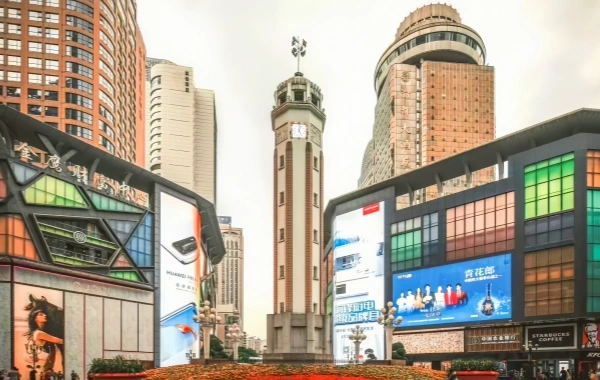
As the bustling heart of downtown Chongqing, Jiefangbei is a vibrant hub of shopping, dining, and entertainment. Built in 1945 to commemorate victory in World War II, the 27.5-meter-tall monument stands amidst a pedestrian plaza lined with luxury stores, local boutiques, and street food stalls. For a taste of authentic Chongqing noodles, head to Shibati Tantan Noodles on Zhongxing Road, where the signature wān zá miàn (noodles with minced meat and chickpeas) offers a fiery yet savory experience. Nearby, Li Chuanchuan Old Restaurant serves skewered hotpot (chuàn chuàn xiāng), a local favorite where ingredients are grilled on sticks for easy sharing.
Hongya Cave (Hongyadong)
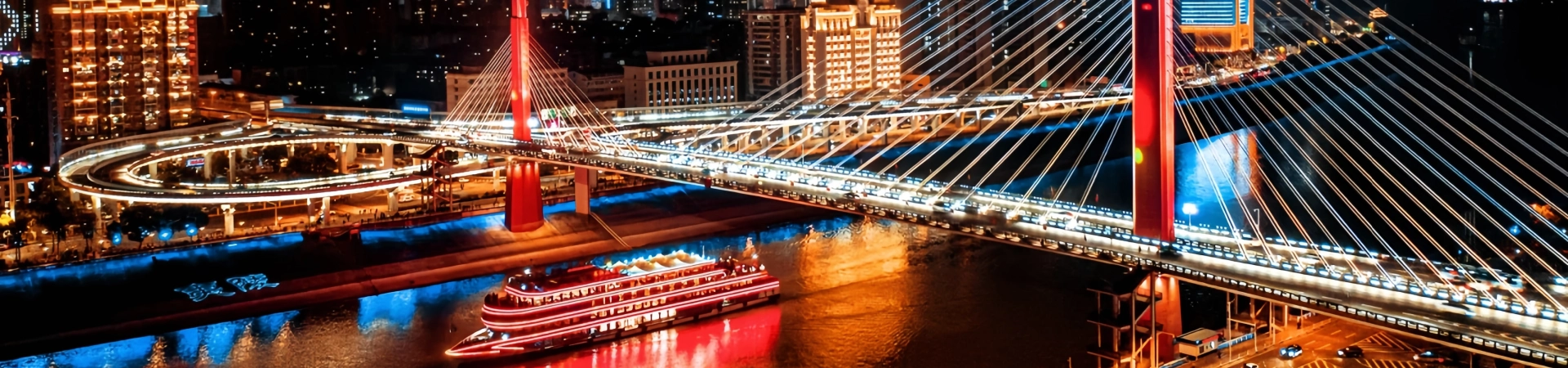
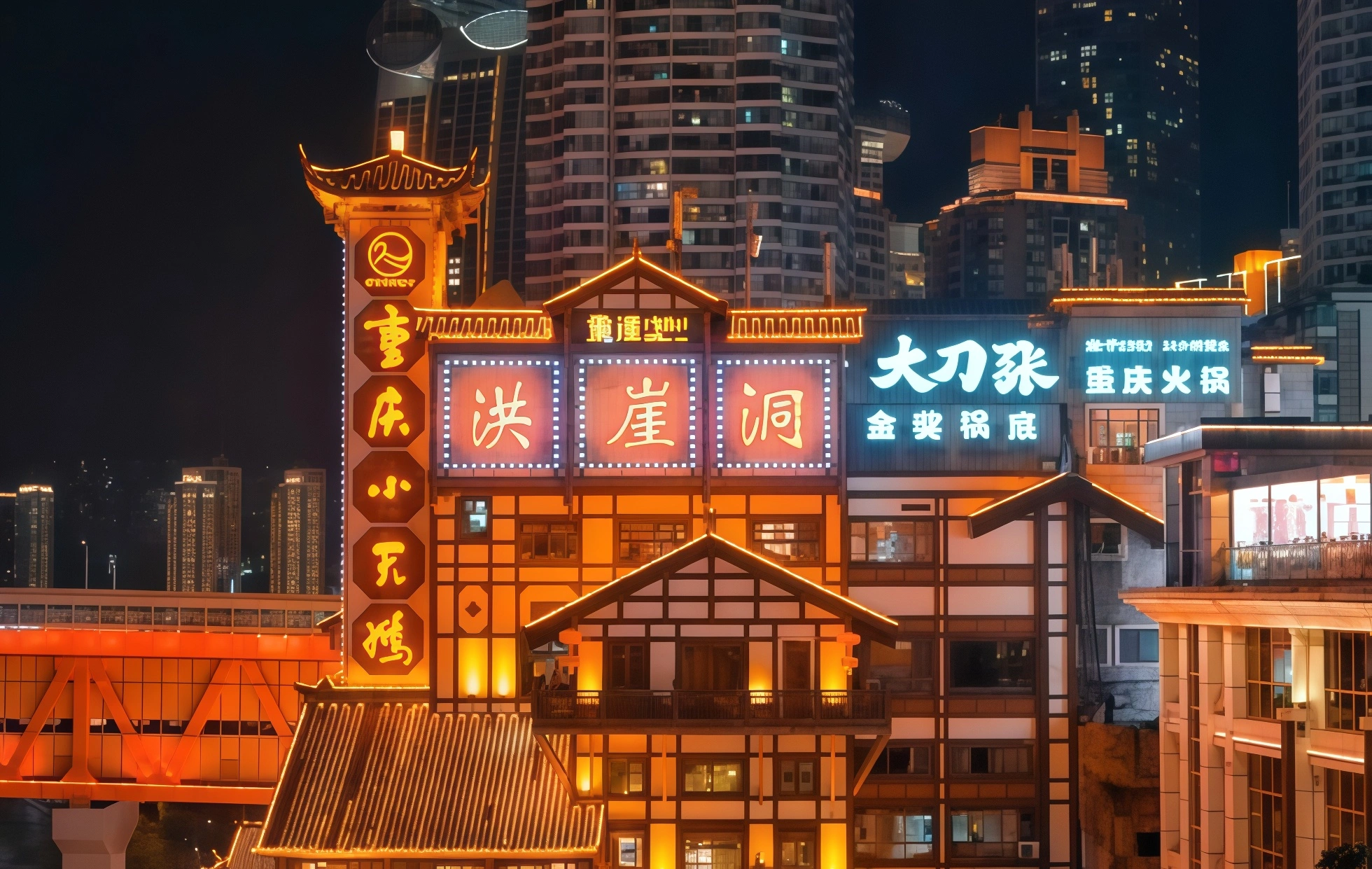
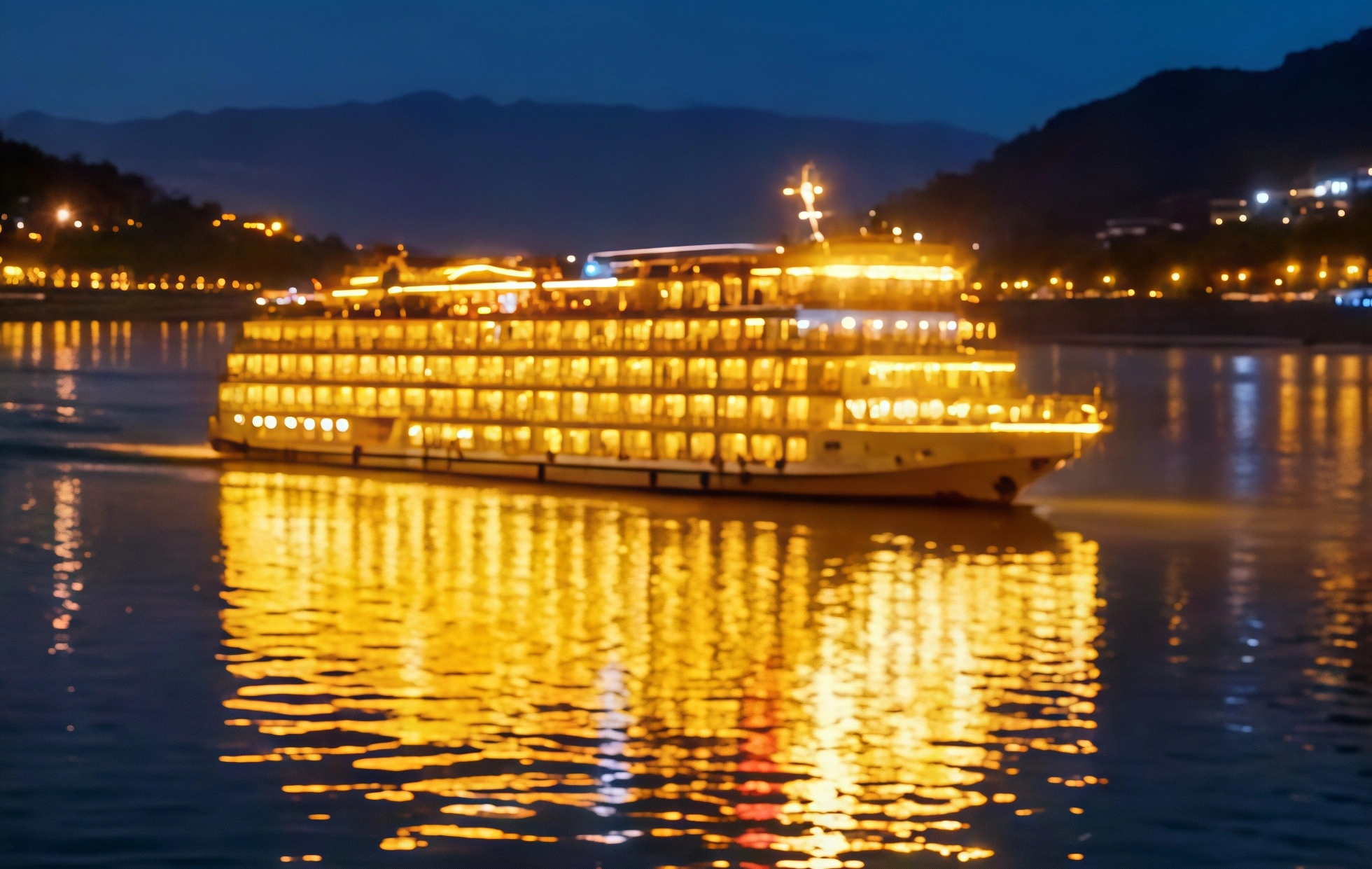
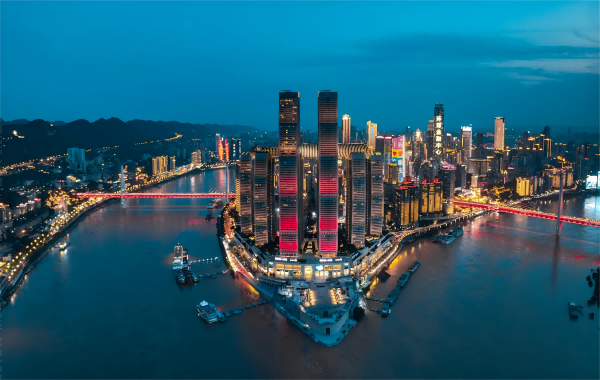
Perched along the Yangtze River, Hongya Cave is a mesmerizing complex of stilted buildings illuminated at night like a scene from Spirited Away. This 11-story architectural marvel blends traditional Ba-Yu style with modern commercial zones, offering panoramic river views and a labyrinth of bars, tea houses, and spicy snack vendors. Don’t miss the Dynamic Bar Street for nightlife or Feast Food Street for local delicacies like lazi ji (crispy chili chicken).
Dazu Rock Carvings
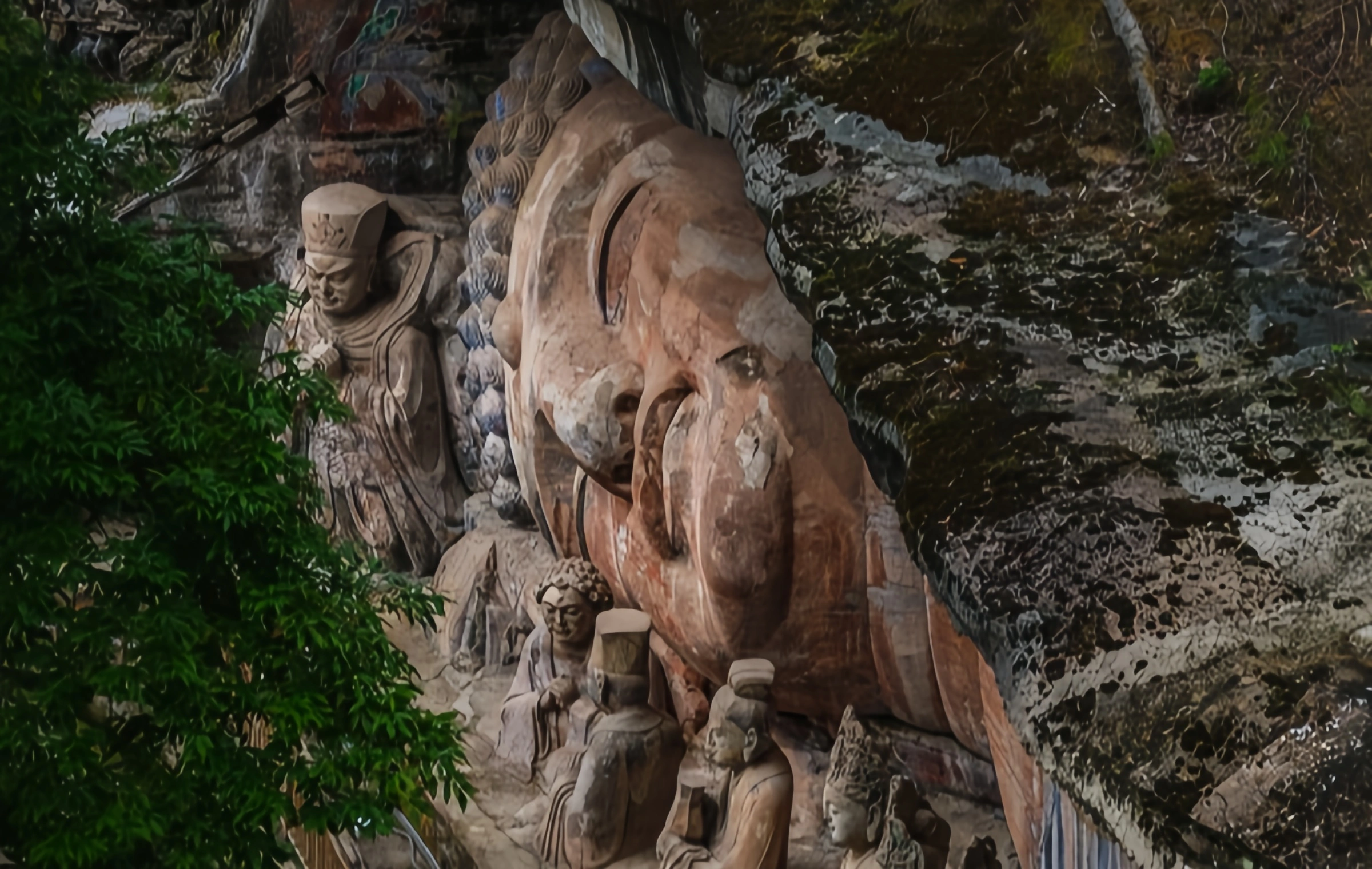
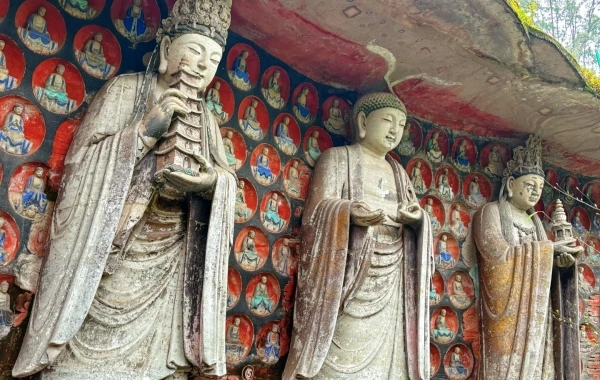
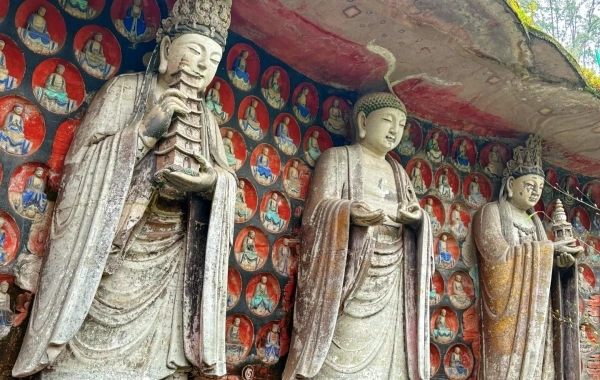
A UNESCO World Heritage Site, the Dazu Rock Carvings feature over 50,000 Buddhist, Taoist, and Confucian sculptures carved into limestone cliffs between the 9th and 13th centuries. Highlights include the Northern Mountain’s Thousand-Hand Guanyin and the Southern Mountain’s Hell Scrolls, which depict moral lessons through intricate detail. Located 2 hours from downtown by car, this site is best visited in spring or autumn for mild weather and clearer views.
2. Authentic Experiences: Immersive Cultural Adventures
Take a Ride on the Light Rail Through Buildings
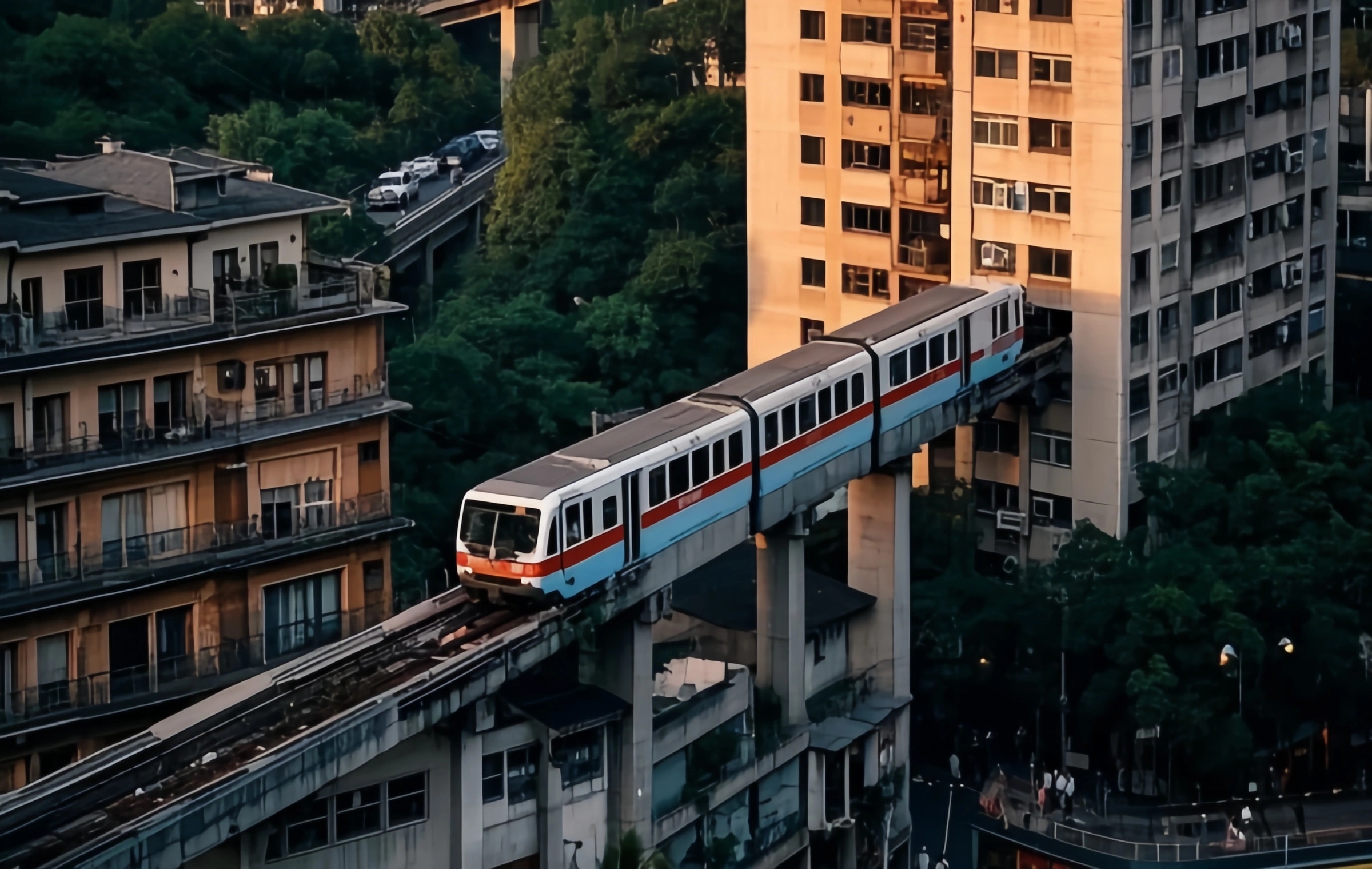
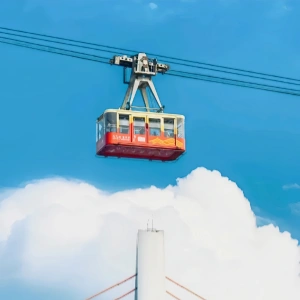
Chongqing’s Liziba Station is famous for its light rail trains passing through a residential apartment block. For the best view, board Line 2 from Jiefangbei and ride west along the Jialing River. Exit at Niujiaotuo Station and walk to the viewing platform to capture the train’s dramatic entrance into the building. Nearby, the Yangtze River Cableway offers aerial views of the city’s skyline and winding rivers.
Sichuan Opera Face-Changing Show
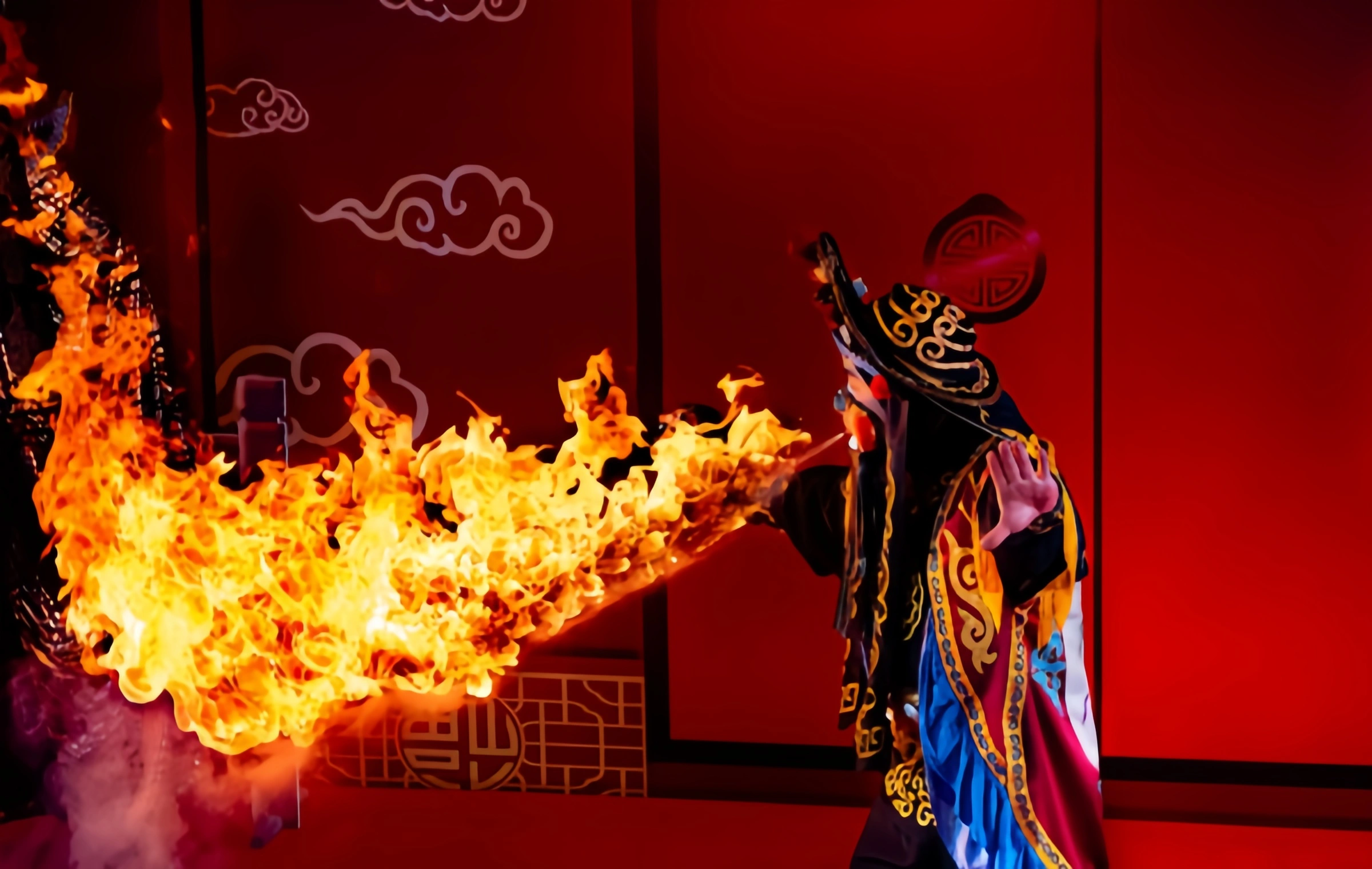
Witness the ancient art of bian lian (face-changing) at the Chongqing Sichuan Opera Theater. Performers use rapid mask changes, acrobatics, and folk music to tell stories rooted in Ba-Yu culture. The 90-minute show includes other traditional acts like fire-spitting and puppetry, making it a captivating introduction to local performing arts.
Hands-On Cooking Class: Master Chongqing Spices
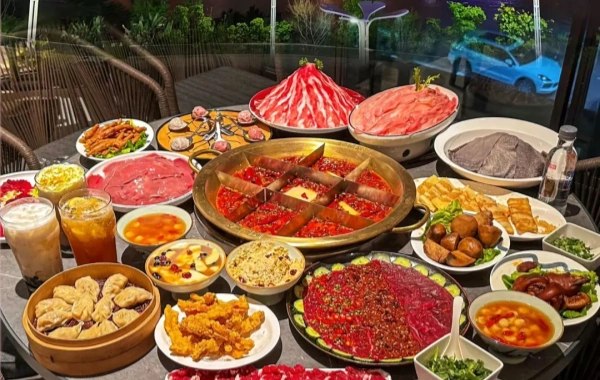
Join a local chef to learn the secrets of Chongqing cuisine, from crafting the perfect chili oil to slicing meats for hotpot. Classes often include trips to markets to source ingredients like Sichuan peppercorns and fermented black beans. After cooking, savor your creations, such as ma la (numbing-spicy) hotpot or sour and spicy fish, paired with local beer or baijiu (rice liquor).
3. Cultural Traditions: Festivals and Folk Customs
Dragon Boat Festival (Duanwu Festival)
Held annually on the 5th day of the 5th lunar month, this festival honors poet Qu Yuan with dragon boat races on the Yangtze and Jialing rivers. Teams paddle colorful boats adorned with dragon heads, while spectators cheer from the banks. The day also features zongzi (glutinous rice wrapped in bamboo leaves), stuffed with pork, red beans, or dates. Try the Chongqing-style zongzi, known for their bold flavors and sticky texture.
Mid-Autumn Festival: Mooncakes and Lanterns
Chongqing celebrates this harvest festival with moon-viewing parties and lantern displays. Families gather to eat mooncakes filled with lotus seed paste or salted egg yolk, while children carry paper lanterns through streets. For a unique twist, visit Ciqikou Ancient Town, where lantern-lit alleys and traditional tea houses create a nostalgic atmosphere.
Spring Festival (Chinese New Year) Traditions
During China’s biggest holiday, Chongqing comes alive with fireworks, lion dances, and hongbao (red envelopes) exchanged for good luck. The Shibati Historic District hosts lantern festivals and folk performances, while rural villages like Hero Bay showcase iron flower shows—a dazzling display of molten iron thrown into the air to create sparkling “fireworks.”
Practical Tips for Travelers
- Transport: Use metro Line 1-6 for efficient city travel; taxis are affordable but navigate hilly terrain.
- Weather: Summers are hot and humid; spring (March-May) and autumn (September-November) offer milder temperatures.
- Language: Learn basic phrases like “nǐ hǎo” (hello) and “xiè xiè” (thank you). Many locals speak Sichuan dialect, but Mandarin is widely understood.
- Safety: Wear comfortable shoes for steep streets; carry an umbrella for sudden rain.
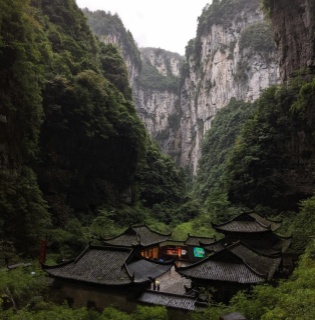
Chongqing’s blend of 8D landscapes, fiery cuisine, and time-honored traditions makes it a destination like no other. Whether you’re marveling at ancient rock carvings, riding a train through a skyscraper, or savoring a bowl of noodles in a hidden alley, this city promises an unforgettable adventure. Plan your trip today and discover why Chongqing is China’s “Magic Mountain City.”

Contact Us
Что говорят наши клиенты?
На основе более 10 000 отзывов путешественников

Daniel Dorothea
Canada
Reviewed on April 29,2025
Shopping on Nanjing Road in Shanghai was just amazing! It's truly the "First Commercial Street of China", where tradition and modernity blend perfectly. You can find awesome souvenirs and experience the trendy vibes in cool stores. The neon lights at night are just spectacular, shining bright like Times Square in New York. The food here is incredible too. I had a feast for my taste buds. Shanghai, I'll definitely be back!
Destination(s):
Shanghai
Date of
Experience:
May 08,2024

Elvis Eva
Canada
Reviewed on June 20,2025
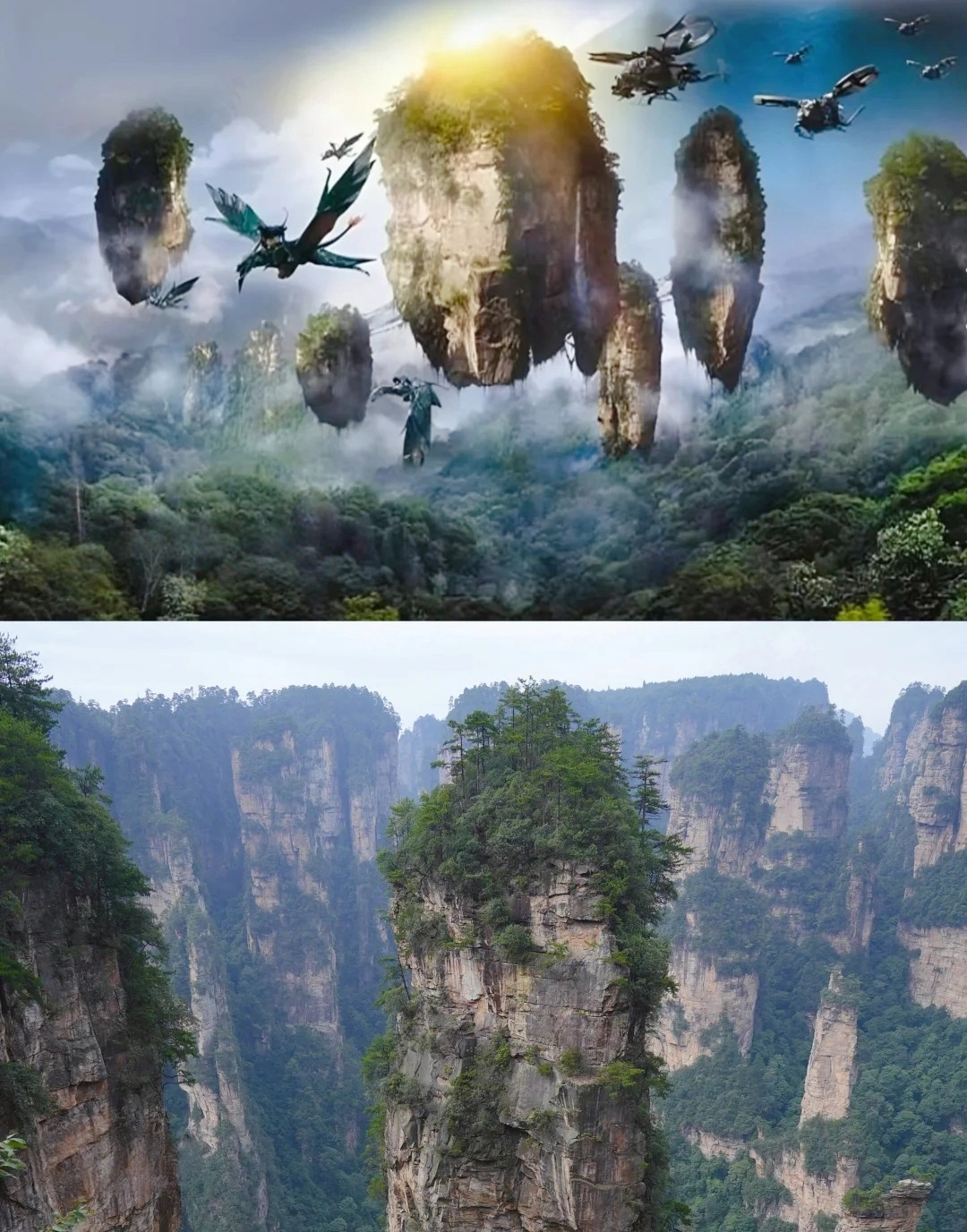
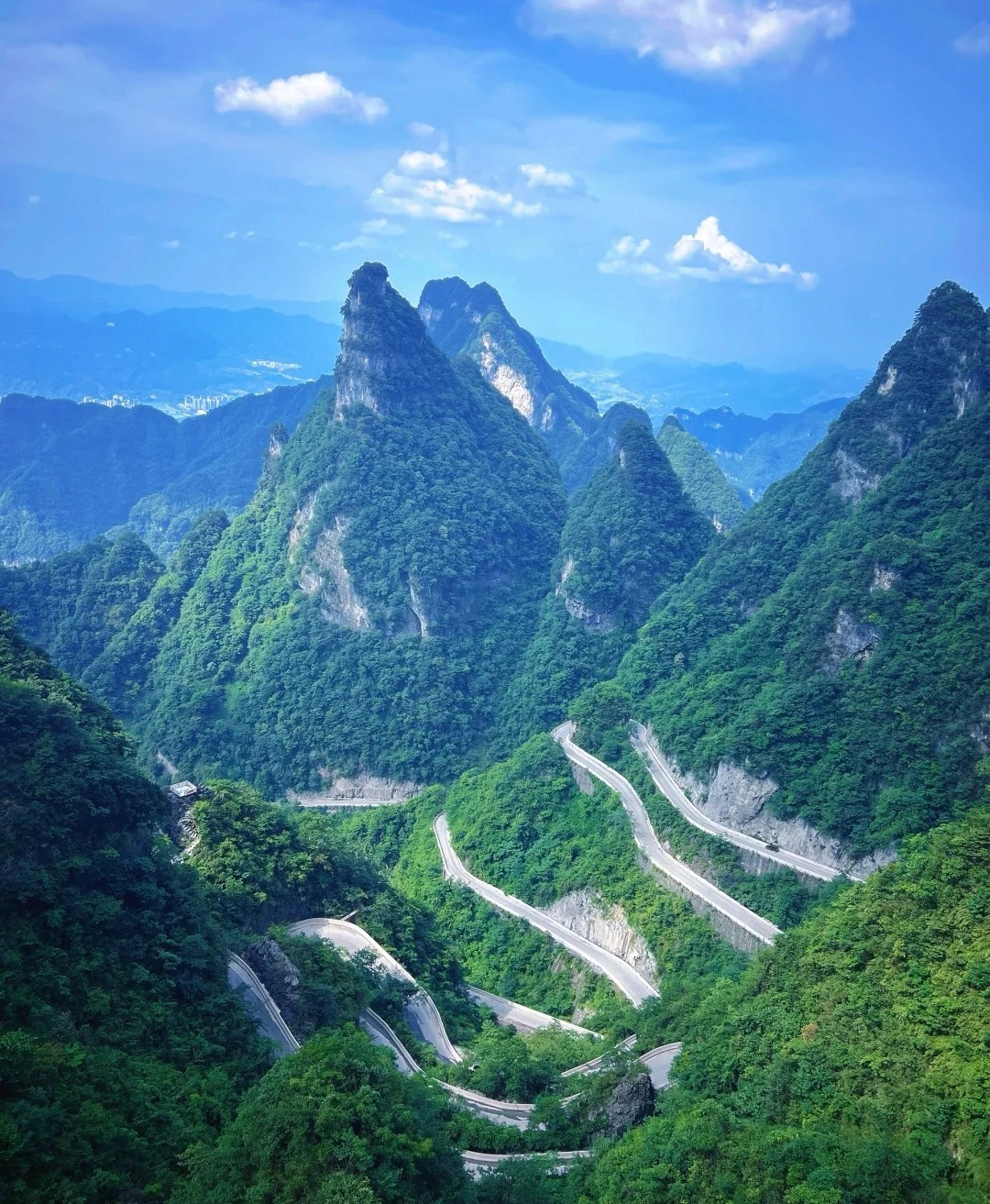
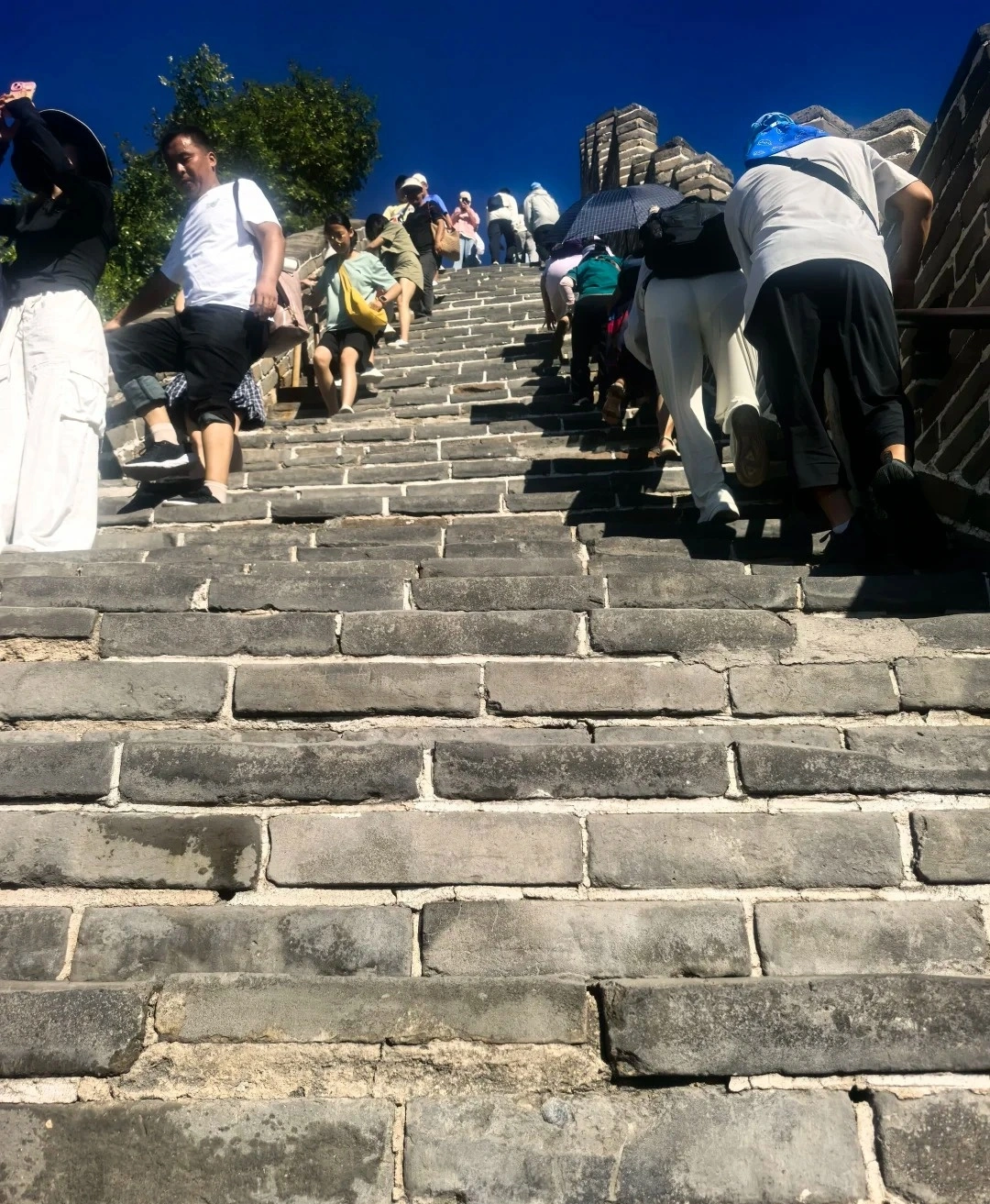
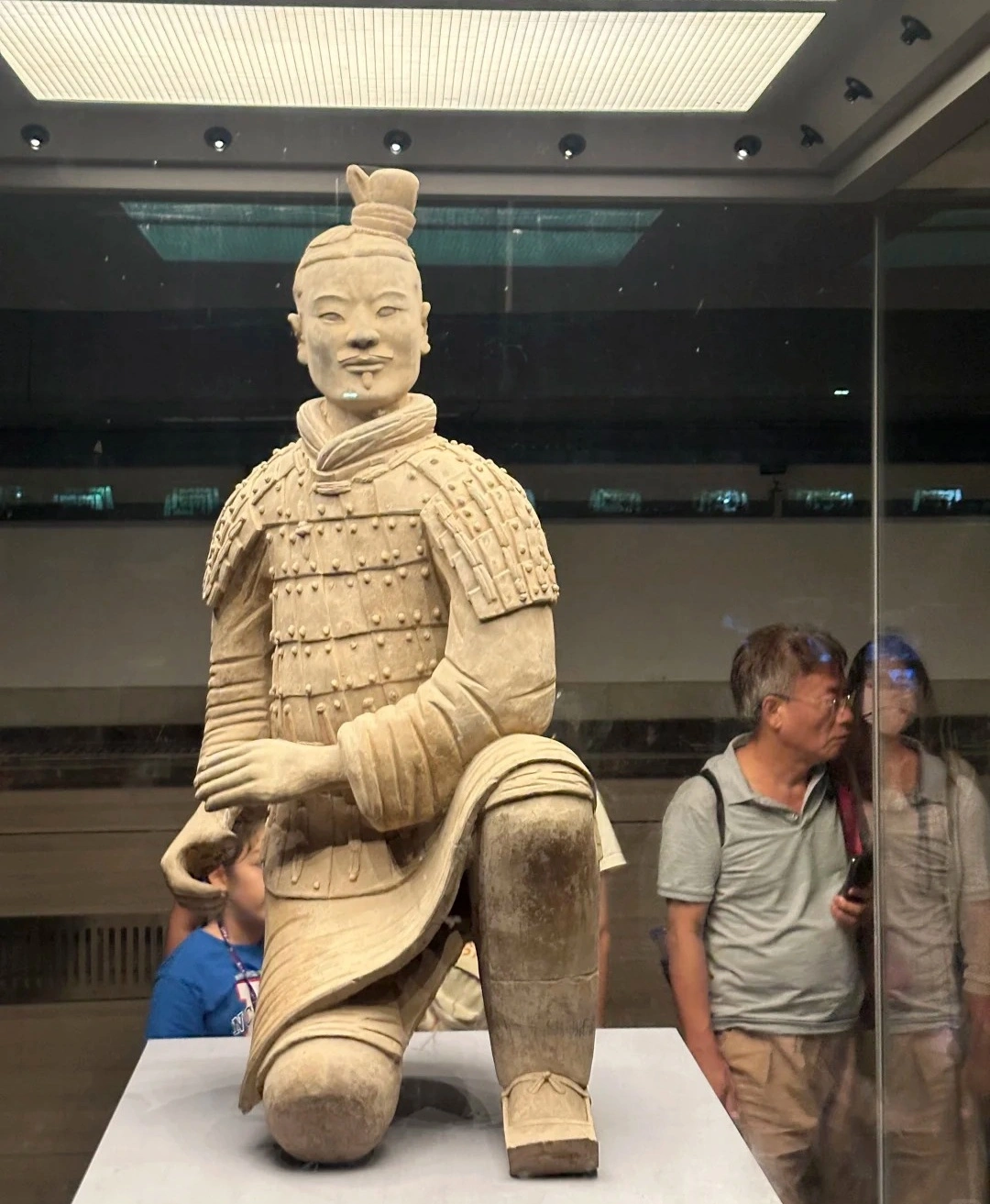
As a solo traveler from Canada, I was nervous about navigating China alone—but this 11-day tour was PERFECT! From hiking the Great Wall at sunrise (Day 3) to gasping at the Terracotta Army (Day 5), every day delivered ‘pinch-me’ moments. The real showstopper? Zhangjiajie’s Avatar Mountains (Day 7)! Our guide made the stone pillars come alive with stories.
Massive thanks for handling all logistics—bullet train tickets, entry passes, car! And the 4-star hotels surprised me.
Destination(s):
Beijing Xian Zhangjiajie Shanghai
Date of
Experience:
June 02,2025

Simon
America
Reviewed on May 29,2025
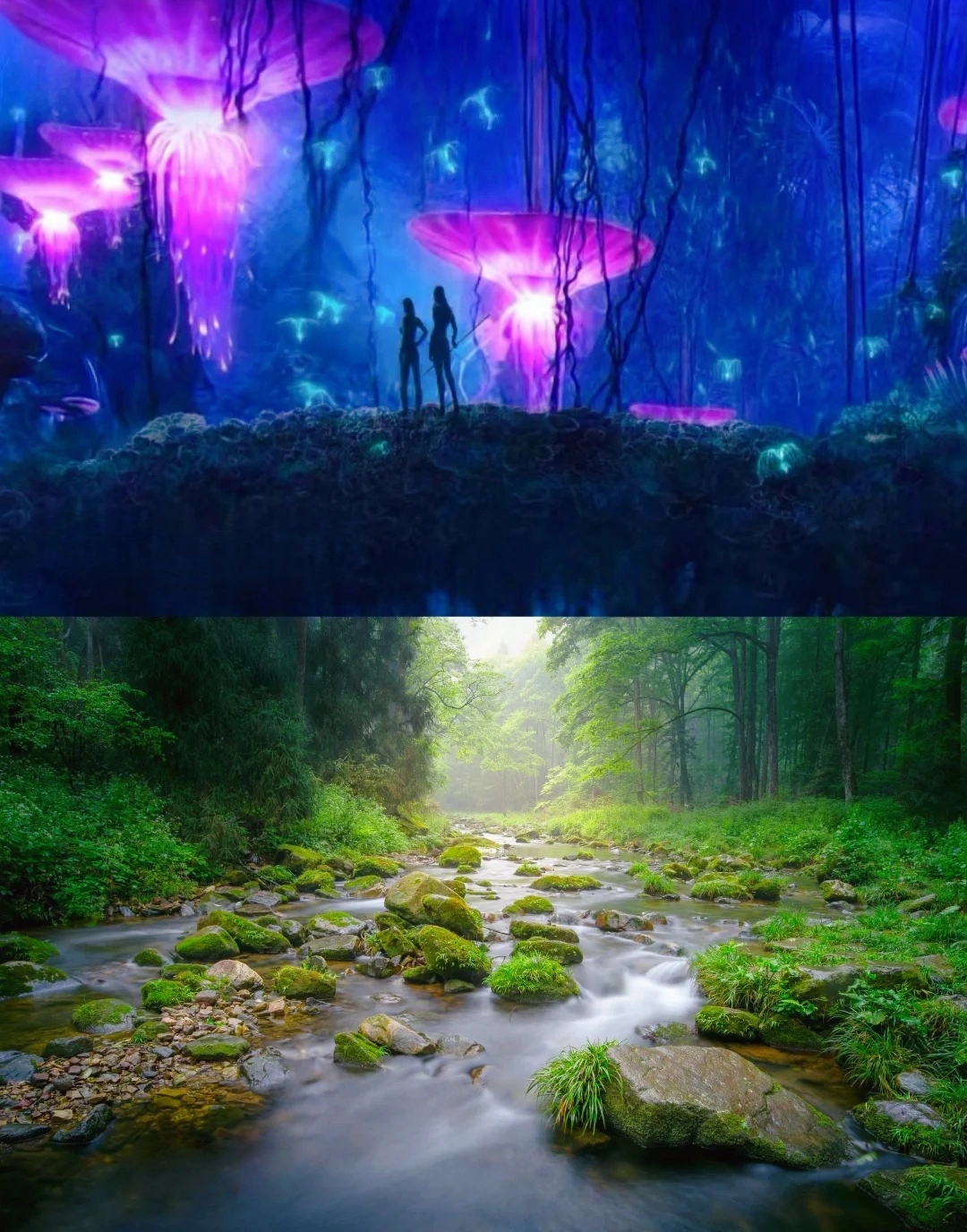
Our 2-day Zhangjiajie tour was beyond spectacular! As someone who’s visited Beijing and Shanghai for work, this trip revealed China’s wild, magical heart. Day 1 in Zhangjiajie National Forest Park felt like stepping onto Pandora—I’m a huge Avatar fan, and Yuanjiajie’s floating peaks left me breathless. The misty pillars and lush valleys like pure movie magic!
Then came Fenghuang Ancient Town, we eat dinner beside the thundering waterfall. It seems Unreal! The night views of stilt houses glowing over the river were straight from a fairy tale.
For fellow Avatar lovers and adventure seekers: Don’t miss this bucket-list experience! 10/10 would return.
A Well-Traveled Film Buff, May 2025
Destination(s):
Zhangjiajie
Date of
Experience:
May 08,2025