
How to Get to Summer Palace Beijing: The Ultimate Guide to Navigation, Highlights, Tickets & Optimal Visiting Seasons
Introduction
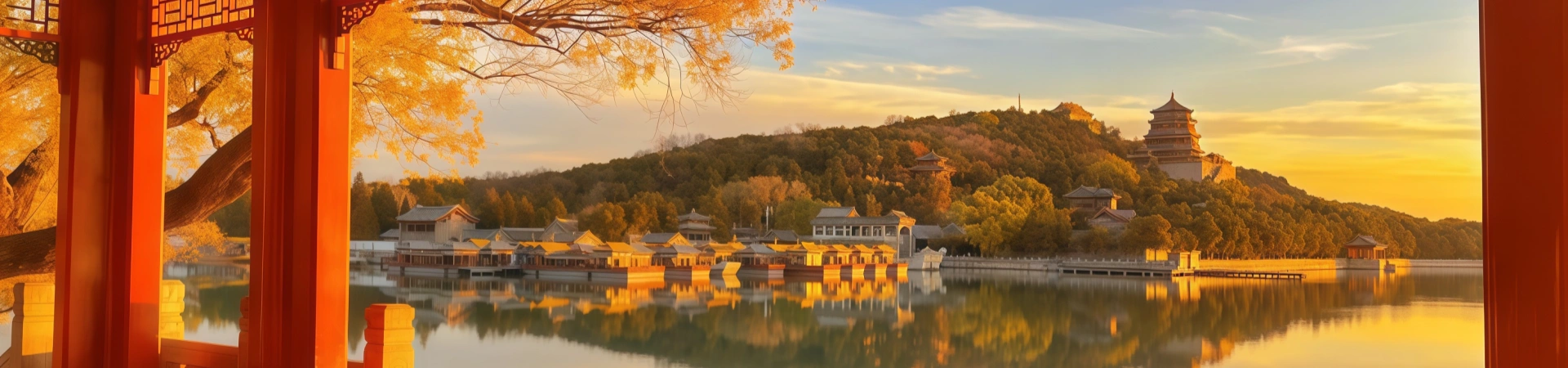
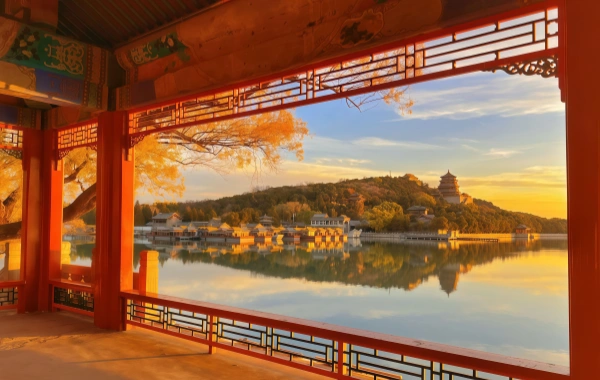
The Summer Palace (Yíhé Yuán), Beijing’s UNESCO-listed imperial garden retreat, blends natural landscapes with man-made marvels. Built in 1750 and restored after 1860, its 2.9 square kilometers encompass Kunming Lake, Longevity Hill, and iconic structures like the 728-meter Long Corridor. This guide provides a detailed roadmap for reaching the palace, uncovering its highlights, navigating ticket logistics, and selecting the best times to savor its serenity—all while optimizing for SEO keywords like “Summer Palace Beijing transport” and “best season for Summer Palace visit.”
Highlights: Architectural & Natural Wonders
Kunming Lake & Seventeen-Arch Bridge
The lake, covering 2.2 square kilometers, mirrors the sky and frames the Tower of Buddhist Incense. The Seventeen-Arch Bridge—adorned with 544 stone lions—connects East堤 to South湖岛, offering sunrise views over misty waters.
Long Corridor & Painted Scenes
The world’s longest covered walkway features 14,000 traditional Chinese paintings depicting landscapes, myths, and historical tales. Its four pavilions (representing seasons) and 琉璃瓦 roof shimmer in sunlight, making it a photographer’s paradise.
Suzhou Street & Marble Boat
The Suzhou Street recreates Jiangnan water-town charm with teahouses and shops. The Marble Boat, a Qing-dynasty floating pavilion, symbolizes imperial grandeur.
Garden of Virtue & Harmony
This theater complex hosted royal performances; its 三层 stage and intricate wood carvings reflect Ming-Qing craftsmanship.
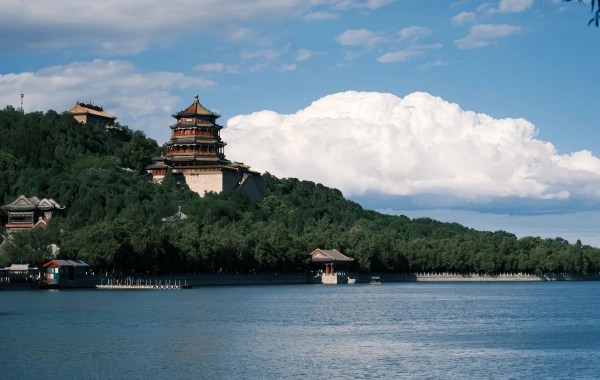
Transportation Guide: Reaching the Palace Efficiently
Metro Routes
- Line 4: Exit at Xiyuan Station (West Gate) or Beigongmen Station (North Gate). The palace is a 10-minute walk from Xiyuan Station’s Exit C.
- Line 16: Connects to Xiyuan Station for West Gate access.
- Transfer Tips: From central Beijing (e.g., Wangfujing), take Line 1 to Xidan Station, transfer to Line 4 towards Anheqiao North, and alight at Xiyuan.
Bus Networks
- Key Routes:
- Bus 346: From Foshouling to Bei Gong Men (North Gate).
- Bus 330/331/332/346/584: To Yiheyuan East Gate.
- Tourist Bus 1/2/3: Direct routes from Temple of Heaven, Tiananmen Square, and Summer Palace.
- Night Buses: Route 360 and 331 operate late for post-sunset visits.
Taxi/Ride-Hailing
- Didi/Uber: From downtown (e.g., Sanlitun), fares average ¥40-60. Specify “Yiheyuan East Gate” or “North Gate” for direct drop-offs.
- Traffic Tips: Avoid rush hours (7:30-9:30 AM, 5:30-7:30 PM); use real-time apps like Amap for route optimization.
Driving & Parking
- Parking Lots: East Gate (¥10/hour), North Gate (¥8/hour). Electric vehicle charging stations available.
- Navigation: Use Baidu Maps for live updates on road closures during Festivals.
Walking & Cycling
- Riverside Paths: A 30-minute walk from Yuanmingyuan (old summer palace) connects via the West Gate.
- Bike Rentals: Mobike stations near metro exits offer eco-friendly transport.
Ticket Information: Pricing, Packages & Booking
Standard Tickets
- Main Entrance (East Gate/North Gate):
- Peak Season (April–October): ¥30 (adult), ¥15 (student/senior).
- Off-Peak Season (November–March): ¥20 (adult), ¥10 (student/senior).
- Combined Tickets (Park + Attractions):
- ¥50 (peak) / ¥40 (off-peak): Includes access to Tower of Buddhist Incense, Wenchang Hall, and Suzhou Street.
Discounts & Free Entry
- Free Entry: Children under 1.3m, seniors over 60 (with ID), disabled visitors.
- Half-Price: Students (with valid ID) in peak/off-peak seasons.
- Group Rates: 20+ visitors receive 20% off standard tickets.
Booking Tips
- Online Platforms: Reserve via WeChat mini-programs or Ctrip for 10% off.
- On-Site Tickets: Queue at ticket booths; cash and cards accepted.
- Peak Season: Arrive early (before 9 AM) to avoid lines.
Best Visiting Time: Seasonal Insights & Timing
Seasonal Highlights
- Spring (March–May): Blossoming peach and cherry trees frame the lake; mild temperatures (10–22°C) suit long walks.
- Summer (June–August): Lotus blooms in Kunming Lake; evening visits avoid midday heat (25–35°C).
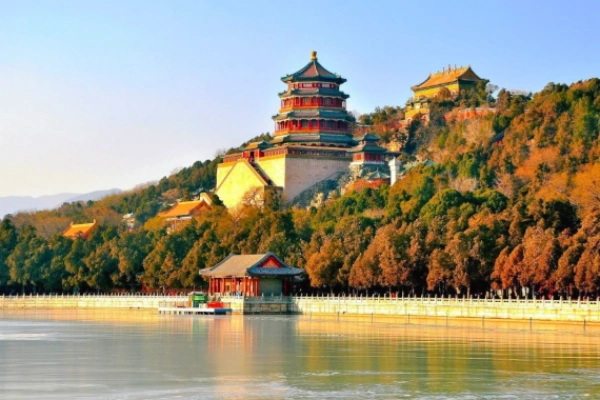
- Autumn (September–November): Gold-leafed ginkgo trees create ethereal landscapes; crisp air enhances photography.
- Winter (December–February): Snow-dusted halls and frozen lakes offer serene, crowd-free vistas.
Optimal Timing Strategies
- Early Morning (7–9 AM): Fewer crowds; mist over the lake creates magical scenes.
- Late Afternoon (3–5 PM): Golden-hour lighting illuminates the Long Corridor and Tower of Buddhist Incense.
- Avoid Holidays: National holidays (Golden Week, Spring Festival) draw massive crowds; opt for weekdays.
Crowd Management
- Peak Hours: 10 AM–3 PM is busiest; arrive early or stay late.
- Off-Peak Strategy: Visit on weekdays or during winter for quieter experiences.
Practical Tips for a Seamless Visit
- Dress Code: Wear comfortable shoes for hilly paths; bring layers for changing weather.
- Amenities: Free Wi-Fi, multilingual signage, and English-speaking staff at visitor centers.
- Safety: Stay on marked paths; avoid climbing on restricted areas.
- Local Cuisine: Sample traditional snacks like 糖葫芦 (candied hawthorns) or 豆汁儿 (fermented soy milk) near East Gate.
- Photography: Use a tripod for long-exposure shots of the lake at dusk.
Conclusion
The Summer Palace transcends mere tourism—it’s a journey through imperial aesthetics and natural harmony. Whether strolling the Long Corridor, sailing on Kunming Lake, or marveling at the Seventeen-Arch Bridge, visitors encounter Beijing’s soul. Strategic planning—booking tickets early, choosing optimal seasons, and embracing seasonal rhythms—ensures an unforgettable exploration. As the sun sets over Longevity Hill, the palace’s timeless beauty reminds us of China’s enduring cultural legacy.
Contact Us
Что говорят наши клиенты?
На основе более 10 000 отзывов путешественников

Daniel Dorothea
Canada
Reviewed on April 29,2025
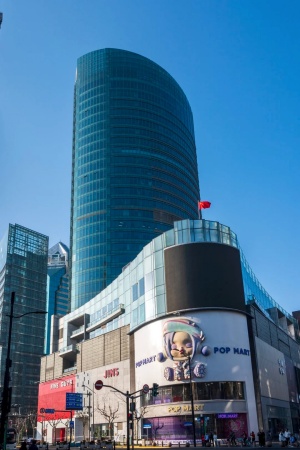
Shopping on Nanjing Road in Shanghai was just amazing! It's truly the "First Commercial Street of China", where tradition and modernity blend perfectly. You can find awesome souvenirs and experience the trendy vibes in cool stores. The neon lights at night are just spectacular, shining bright like Times Square in New York. The food here is incredible too. I had a feast for my taste buds. Shanghai, I'll definitely be back!
Destination(s):
Shanghai
Date of
Experience:
May 08,2024

Elvis Eva
Canada
Reviewed on June 20,2025
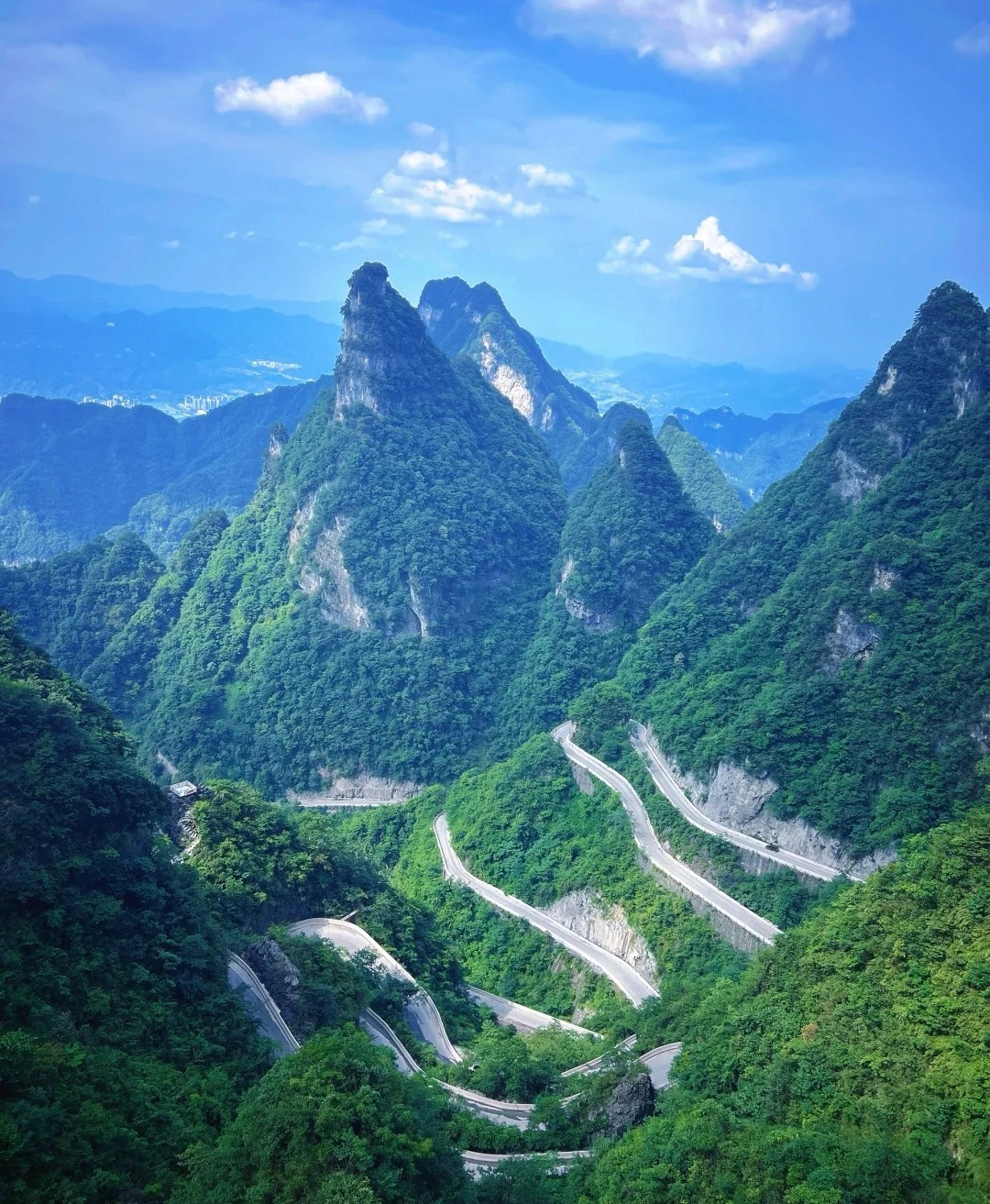
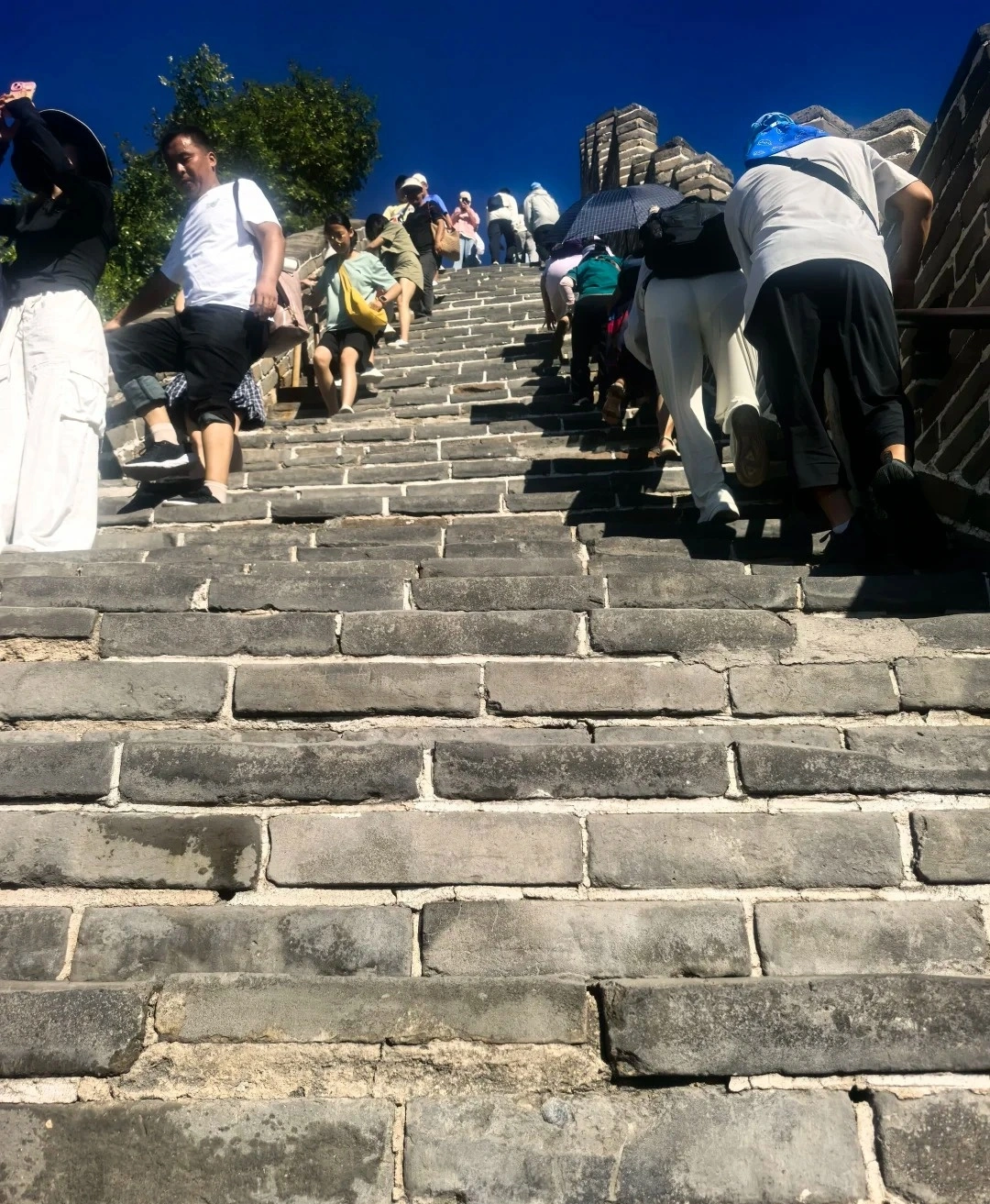
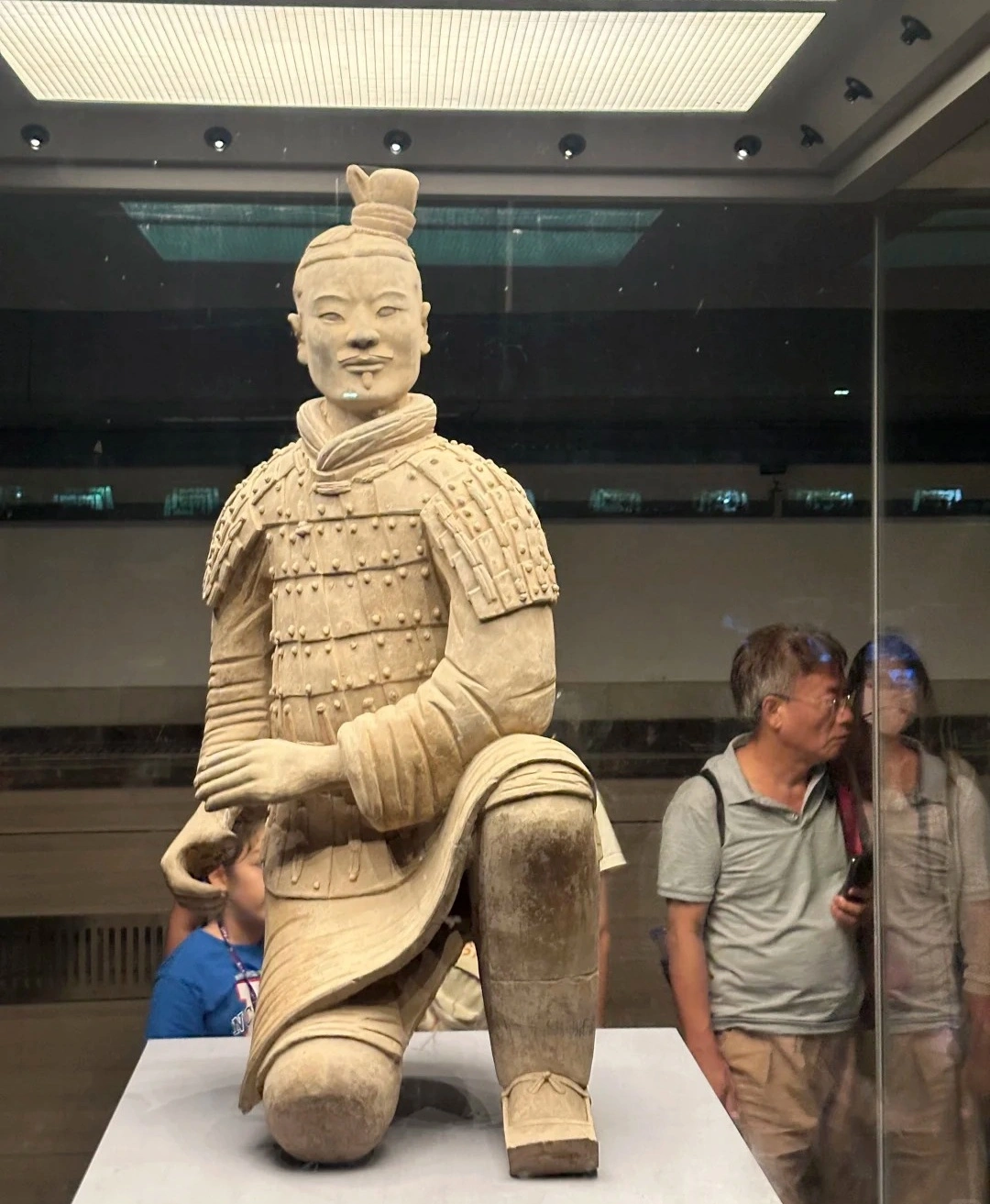
As a solo traveler from Canada, I was nervous about navigating China alone—but this 11-day tour was PERFECT! From hiking the Great Wall at sunrise (Day 3) to gasping at the Terracotta Army (Day 5), every day delivered ‘pinch-me’ moments. The real showstopper? Zhangjiajie’s Avatar Mountains (Day 7)! Our guide made the stone pillars come alive with stories.
Massive thanks for handling all logistics—bullet train tickets, entry passes, car! And the 4-star hotels surprised me.
Destination(s):
Beijing Xian Zhangjiajie Shanghai
Date of
Experience:
June 02,2025

Simon
America
Reviewed on May 29,2025
Our 2-day Zhangjiajie tour was beyond spectacular! As someone who’s visited Beijing and Shanghai for work, this trip revealed China’s wild, magical heart. Day 1 in Zhangjiajie National Forest Park felt like stepping onto Pandora—I’m a huge Avatar fan, and Yuanjiajie’s floating peaks left me breathless. The misty pillars and lush valleys like pure movie magic!
Then came Fenghuang Ancient Town, we eat dinner beside the thundering waterfall. It seems Unreal! The night views of stilt houses glowing over the river were straight from a fairy tale.
For fellow Avatar lovers and adventure seekers: Don’t miss this bucket-list experience! 10/10 would return.
A Well-Traveled Film Buff, May 2025
Destination(s):
Zhangjiajie
Date of
Experience:
May 08,2025