
Foshan Temple
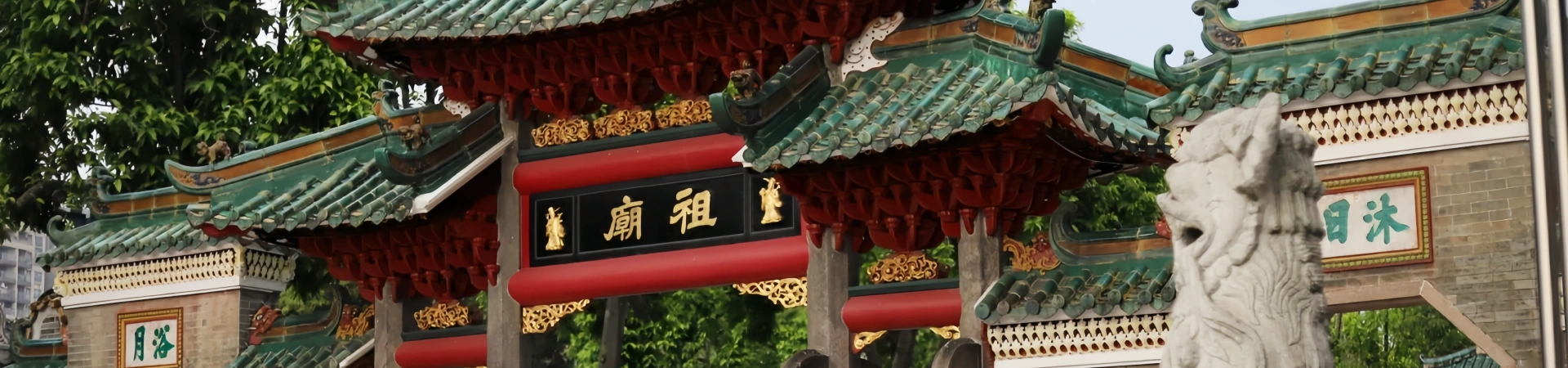
Foshan Zumiao, nestled in the heart of Foshan City’s Chancheng District, is a UNESCO-recognized National Key Cultural Relic and AAAA-rated scenic area. Originating in the Northern Song Dynasty (1078–1085 CE) and reconstructed in 1372 during the Ming Dynasty, it is dedicated to the North Emperor (Beidi), the deity of water and fire.
Introduction & Historical Significance
Foshan Zumiao, nestled in the heart of Foshan City’s Chancheng District, is a UNESCO-recognized National Key Cultural Relic and AAAA-rated scenic area. Originating in the Northern Song Dynasty (1078–1085 CE) and reconstructed in 1372 during the Ming Dynasty, it is dedicated to the North Emperor (Beidi), the deity of water and fire. As the spiritual and cultural heart of Foshan, it embodies the city’s identity as a “Mountain-Water-City” symbiosis, harmonizing Taoist worship, martial arts heritage, and Lingnan architectural artistry. Revered as the “Oriental Folk Art Palace,” it ranks among the “Three Great Lingnan Architectural Treasures” alongside Chen Clan Ancestral Hall in Guangzhou and Yuecheng Longmu Temple in Zhaoqing.
Architectural Layout & Artistic Masterpieces
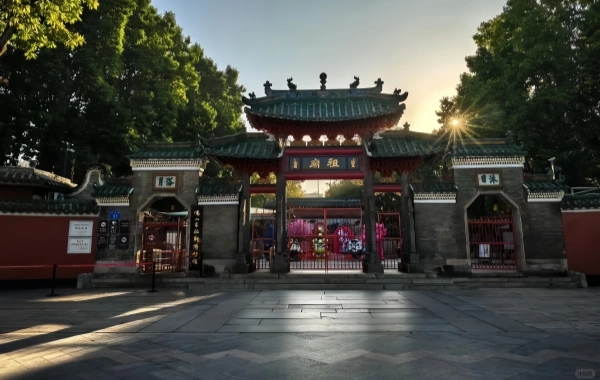
The 3,600㎡ temple complex follows a north-south axis, featuring iconic structures:
- Wanfu Tai (Auspicious Stage): A 1685-built Qing Dynasty theater with a triple-tiered pagoda roof, hosting daily Cantonese Opera performances that echo through its 8,000-seat amphitheater.
- Lingying Archway: A Ming-era triple-eave stone archway adorned with intricate brick-carved dragons and phoenixes, symbolizing imperial favor.
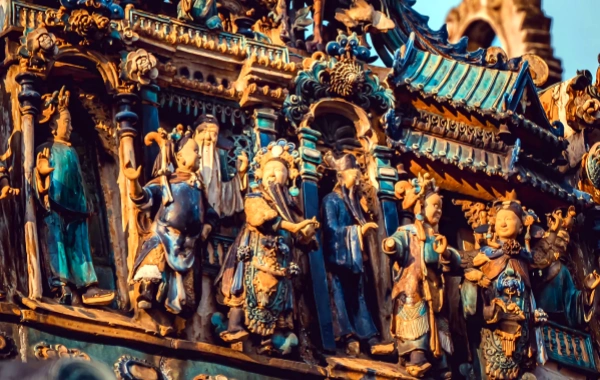
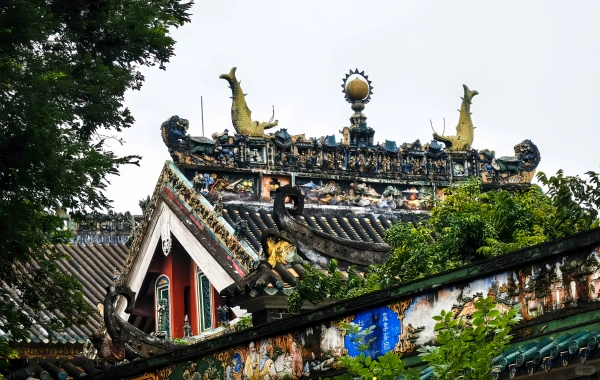
- Sanmen (Three Gates): Boasting a 31.7m-long, 1.78m-high ceramic-tiled roof sculpted with 200+ lifelike figures from Guangdong’s famed Shiwang kilns, dubbed the “King of Tiled Ridges.”
- Main Hall: Preserving Northern Song-era dougong brackets—one of Guangdong’s three surviving examples—with a Ming-era bronze statue of Beidi and Qing-dynasty lacquered altars.
- Ceramic Sculptures & Carvings: Over 1,000 pieces of “Three Sculptures & Two Plasters” (wood, brick, stone carvings; ceramic and plaster reliefs) depicting mythological scenes, including the “Peach Garden Oath” and “Niu Gao Guarding the City.”
Cultural & Spirtual Significance
The temple is a living repository of Foshan’s traditions:
- Rituals & Festivals: Annual North Emperor Birthday Parades, lion dances, and martial arts demonstrations (linked to Huang Feihong and Cai Li Fo Kung Fu) draw millions. The “Burning Firecrackers” and “Autumn Colors” festivals date to the Ming Dynasty.
- Historical Role: As a political-religious hub, it hosted the “Jiahui Hall” (Ming) and “Dakui Hall” (Qing), where local gentry debated urban governance, shaping Foshan’s unique district management system.
- Artistic Legacy: Integral to Guangdong’s “Cultural Trinity” (Cantonese opera, martial arts, and culinary arts), it houses the Guangdong Yueju Art Museum and hosts calligraphy workshops.
Ticket Information & Accessibility
- General Admission: ¥20 (adult), ¥10 (student/senior); free for children under 1.2m. 2025 discounts: 20% off for National Games staff (Nov 1–Dec 31) and 25% off standard tickets during Nov 9–21 & Dec 8–15.
- Opening Hours: 08:30–18:00 (last entry 17:30); guided tours (¥50–100) require reservation.
- Transportation:
- Metro: Line 1 to Zumiao Station (Exit D, 5-min walk).
- Bus: Routes 101/107/112 to “Zumiao Stop.”
- Self-Drive: Parking at East/West Gates (¥5/hour); EV charging stations available.
- Airport/Rail: 30-min drive from Foshan Shadi Airport; high-speed rail to Foshan West Station (20 mins).
Best Time & Etiquette
- Optimal Seasons: October–November (cool, clear skies) and March–April (spring blooms). Avoid July–August monsoons.
- Cultural Etiquette: Remove shoes in temples; respect quiet zones; avoid touching carvings.
- Photography: Dawn for misty courtyard vistas; golden hour for warm hues on ceramic tiles.
- Packing Essentials: Light layers, polarized sunglasses, reusable water bottle, and comfortable shoes for cobbled lanes.
Nearby Attractions & Itineraries
- Combined Tours:
- Morning: Explore Zumiao + visit Liangyuan Garden (1km walk) for classical Chinese landscaping.
- Afternoon: Tour the Nanhai Guanyin Temple or Foshan Ancestral Temple Museum.
- Evening: Cantonese opera performance at Wanfu Tai or night market dining in Panyu.
- Cultural Synergy: Pair with Kaiping Diaolou (UNESCO World Heritage) or Danxia Mountain for natural wonders.
- Extended Itineraries: 3-day Foshan tour including hotpot dining, Sichuan Opera, and helicopter tours over the Pearl River Delta.
Environmental & Safety Measures
- Eco-Design: Solar-powered lighting, rainwater harvesting systems, and zero-waste initiatives align with China’s “Green Heritage” standards.
- Safety Protocols: Mandatory safety briefings for tours; 24/7 security teams onsite. The 2025 upgrade added AI-powered crowd management for enhanced visitor experience.
Foshan Zumiao is a symphony of stone, wood, and spirit—where ancient carvings whisper tales of emperors and artisans, and modern vitality breathes new life into centuries-old traditions. As a UNESCO-recognized cultural district, it continues to inspire global travelers seeking both historical depth and contemporary urban charm in China’s Lingnan heartland.




Contact Us
Que disent nos clients?
Basé sur plus de 10 000 avis de voyageurs

Daniel Dorothea
Canada
Reviewed on April 29,2025
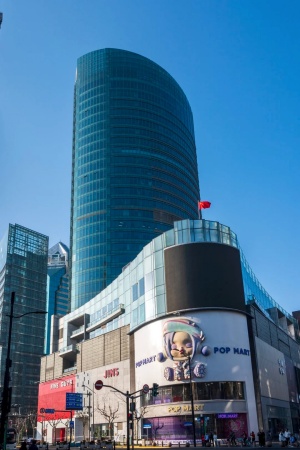
Shopping on Nanjing Road in Shanghai was just amazing! It's truly the "First Commercial Street of China", where tradition and modernity blend perfectly. You can find awesome souvenirs and experience the trendy vibes in cool stores. The neon lights at night are just spectacular, shining bright like Times Square in New York. The food here is incredible too. I had a feast for my taste buds. Shanghai, I'll definitely be back!
Destination(s):
Shanghai
Date of
Experience:
May 08,2024

Elvis Eva
Canada
Reviewed on June 20,2025
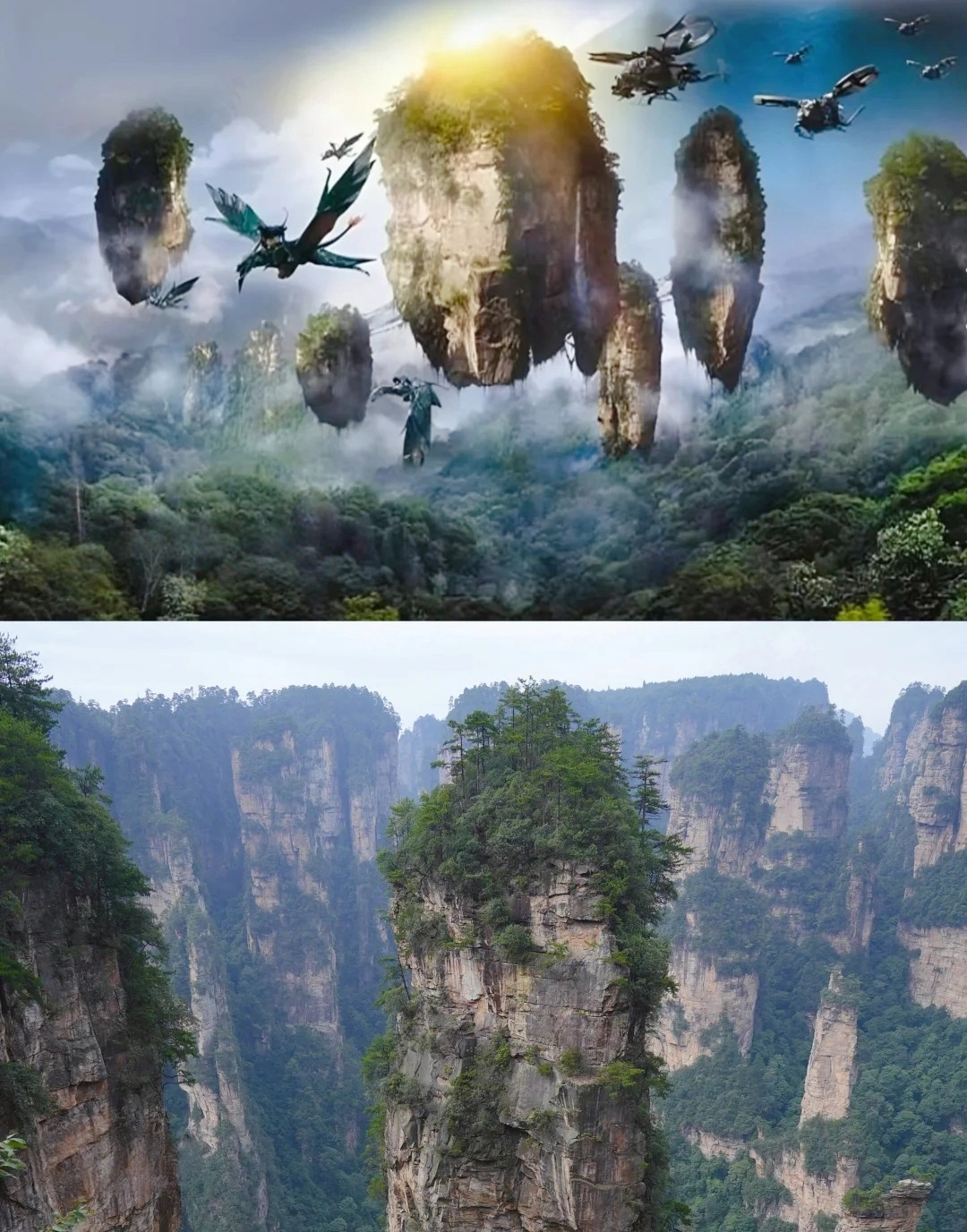
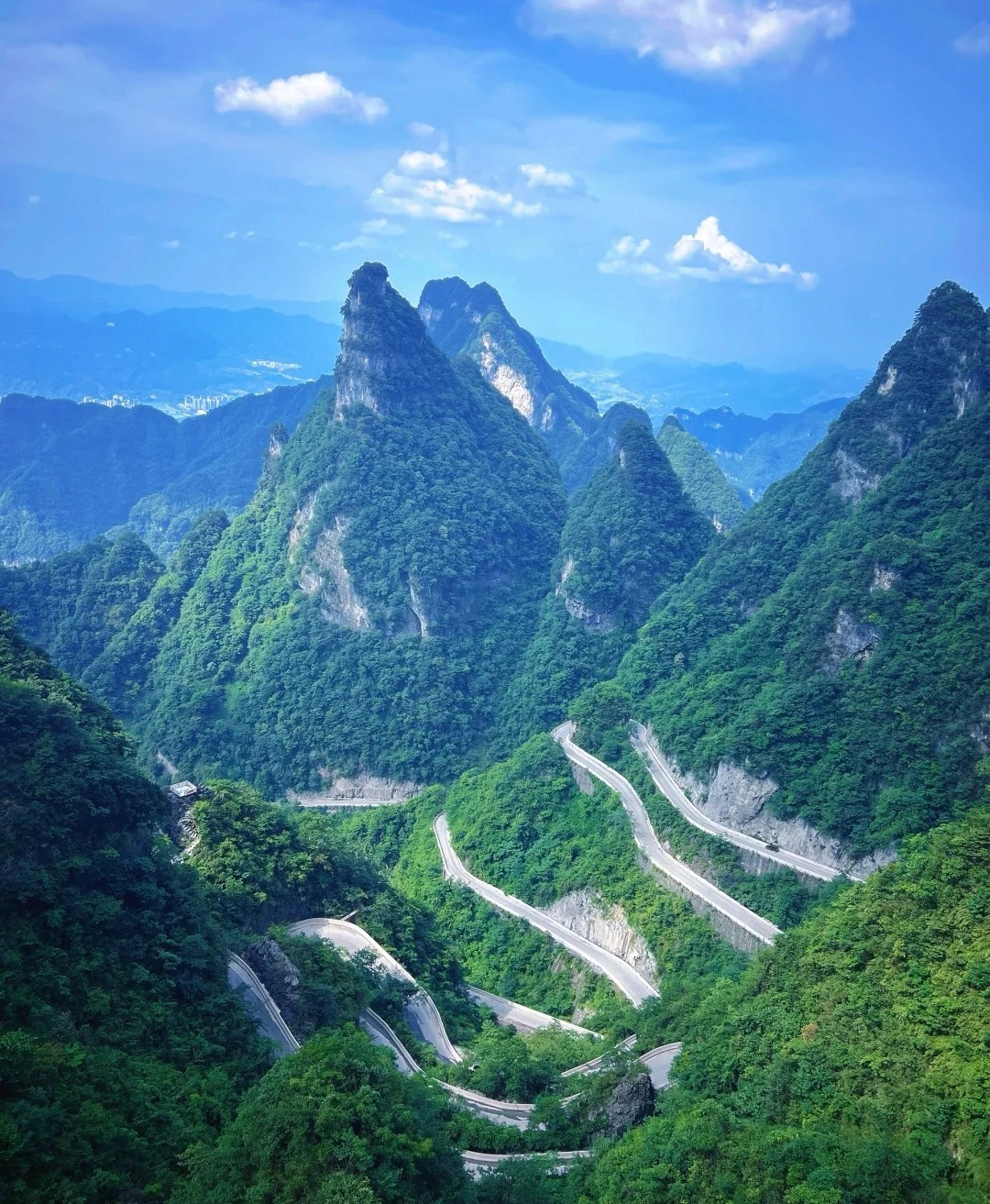
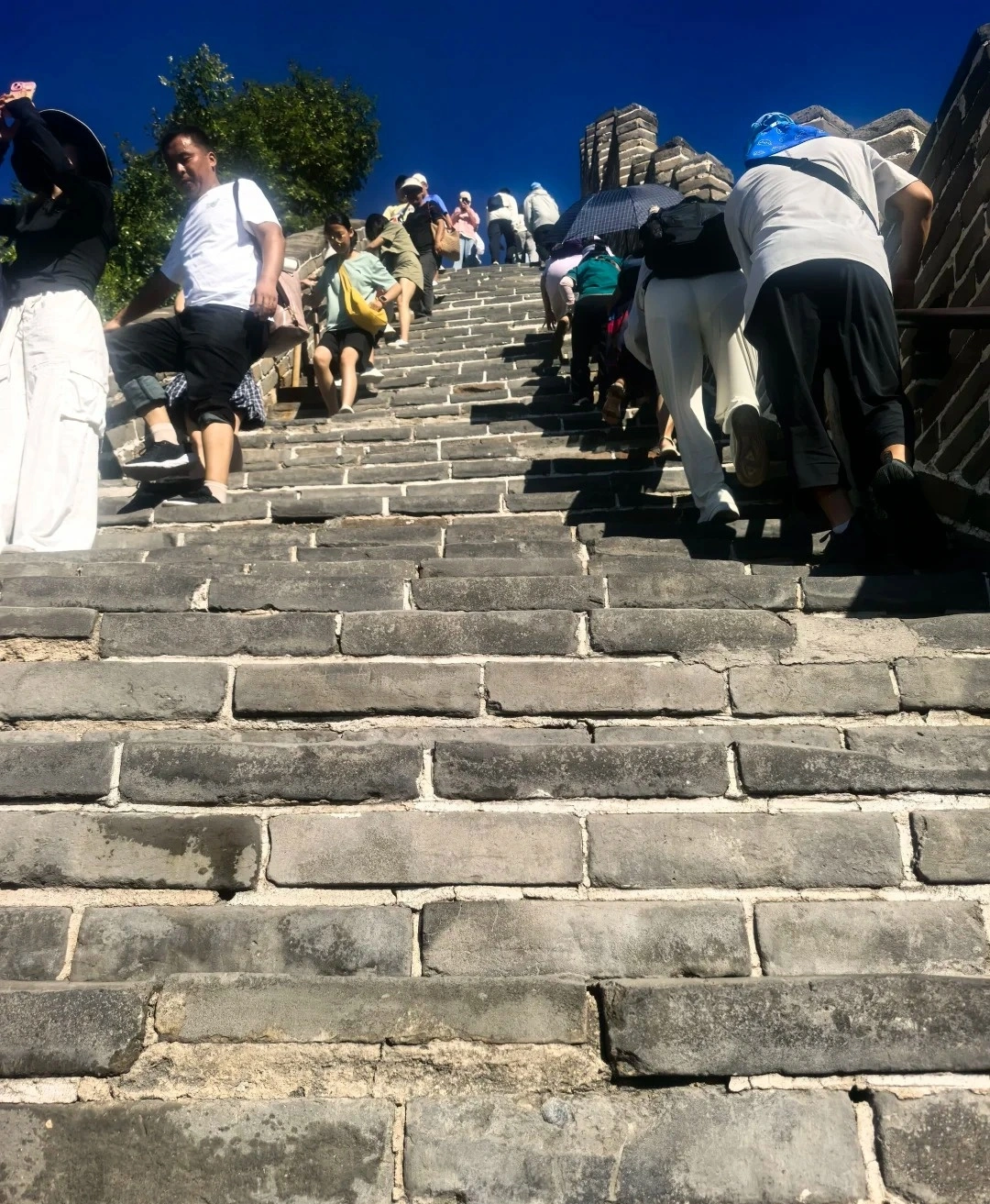
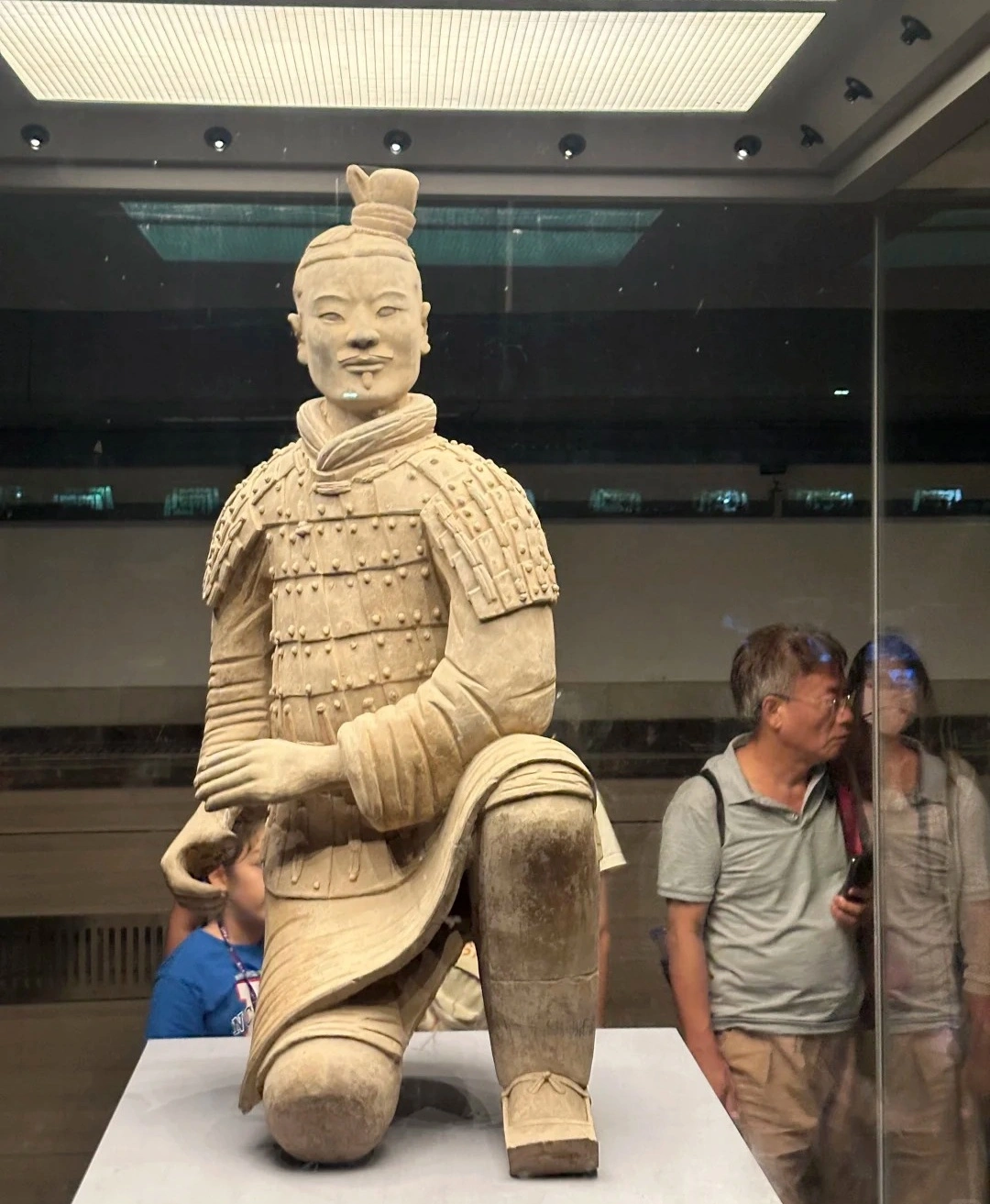
As a solo traveler from Canada, I was nervous about navigating China alone—but this 11-day tour was PERFECT! From hiking the Great Wall at sunrise (Day 3) to gasping at the Terracotta Army (Day 5), every day delivered ‘pinch-me’ moments. The real showstopper? Zhangjiajie’s Avatar Mountains (Day 7)! Our guide made the stone pillars come alive with stories.
Massive thanks for handling all logistics—bullet train tickets, entry passes, car! And the 4-star hotels surprised me.
Destination(s):
Beijing Xian Zhangjiajie Shanghai
Date of
Experience:
June 02,2025

Simon
America
Reviewed on May 29,2025
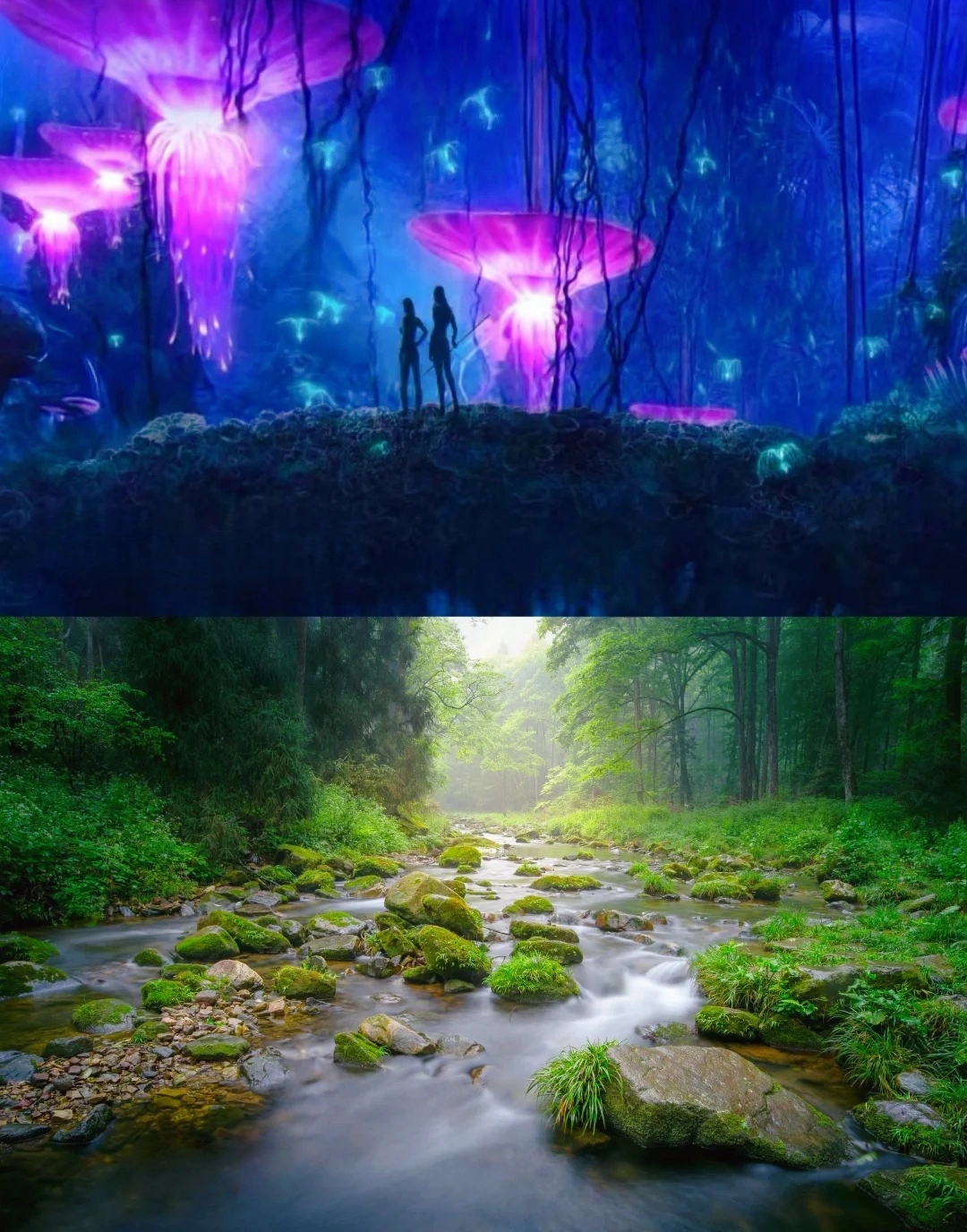
Our 2-day Zhangjiajie tour was beyond spectacular! As someone who’s visited Beijing and Shanghai for work, this trip revealed China’s wild, magical heart. Day 1 in Zhangjiajie National Forest Park felt like stepping onto Pandora—I’m a huge Avatar fan, and Yuanjiajie’s floating peaks left me breathless. The misty pillars and lush valleys like pure movie magic!
Then came Fenghuang Ancient Town, we eat dinner beside the thundering waterfall. It seems Unreal! The night views of stilt houses glowing over the river were straight from a fairy tale.
For fellow Avatar lovers and adventure seekers: Don’t miss this bucket-list experience! 10/10 would return.
A Well-Traveled Film Buff, May 2025
Destination(s):
Zhangjiajie
Date of
Experience:
May 08,2025