

Chinese Cold Weapons - Saber
Saber (刀,Dao)
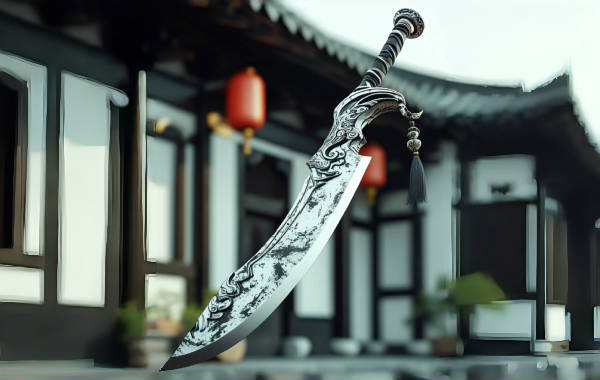
The saber is a single-edged weapon that is known for its slicing and chopping actions. It is a more aggressive weapon than the sword, requiring a different set of skills and strategies to wield effectively. Saber techniques emphasize powerful strikes, quick changes of direction, and the ability to maintain balance and control while moving rapidly. Training in saber techniques involves mastering various cuts, parries, and footwork patterns, as well as developing the ability to read an opponent's movements and adapt your tactics accordingly.
 Types of sabers
Each type of saber in Chinese cold weapons offers unique advantages and challenges, reflecting the rich diversity and depth of this ancient martial tradition. Whether wielded for combat, ceremonial purposes, or artistic expression, these sabers continue to captivate and inspire martial artists and enthusiasts around the world.
1. Broadsword (Dao with a Wide Blade - 大刀, Dàdāo)
The broadsword is characterized by its large, curved blade that is ideal for powerful slashing and chopping motions. Its heavy blade allows for devastating blows, making it a formidable weapon in close combat. Historically, it was widely used by infantry units due to its effectiveness in breaking through enemy lines. Training with the broadsword emphasizes strength, balance, and the ability to deliver forceful strikes while maintaining control.
2. Willow Leaf Saber (柳叶刀, Liǔyèdāo)
Named for its resemblance to a willow leaf, this saber features a slender, curved blade that is both sharp and agile. The willow leaf saber is designed for quick, fluid movements, allowing practitioners to execute rapid slashes and thrusts with precision. Its lightweight construction makes it suitable for extended combat sessions without causing excessive fatigue. This type of saber is often favored by martial artists who prioritize speed and agility over brute force.
3. Ox Tail Saber (牛尾刀, Niúwěidāo)
The ox tail saber is distinguished by its wide, slightly curved blade that tapers towards the tip, resembling the tail of an ox. This design provides a balance between slicing and chopping capabilities, making it versatile in various combat scenarios. The ox tail saber is known for its durability and strength, often used by both military personnel and civilians for self-defense. Training with this weapon involves mastering a combination of powerful strikes and deft parries.
4. Butterfly Saber (蝴蝶双刀, Húdié Shuāngdāo)
The butterfly saber is a pair of short, curved sabers wielded simultaneously, one in each hand. Its name derives from the way the blades flutter like butterfly wings during combat. This weapon setup allows for a wide range of offensive and defensive techniques, including simultaneous slashes, parries, and traps. The butterfly saber requires a high level of coordination and dexterity, as practitioners must control two weapons independently while maintaining overall balance and flow.
5. Ring Saber (环首刀, Huánshǒudāo)
The ring saber is easily recognizable by the large ring attached to the end of its hilt, which serves both as a decorative element and a functional grip aid. This design allows for greater control over the weapon during rapid movements and changes in direction. The blade of the ring saber is typically straight or slightly curved, making it suitable for both thrusting and slashing attacks. Its historical significance dates back to ancient China, where it was used by soldiers and warriors alike.
6. Nine-Ring Broadsword (九环大刀, Jiǔhuán Dàdāo)
A variant of the broadsword, the nine-ring broadsword features nine metal rings attached to the back of the blade. These rings produce a distinctive jingling sound when the weapon is swung, which can serve to intimidate opponents or distract them during combat. Beyond its auditory effect, the nine-ring broadsword retains the powerful slashing and chopping capabilities of its traditional counterpart, requiring significant strength and skill to wield effectively.
7. Goose Quill Saber (鹅毛刀, Émáodāo)
The goose quill saber is named for its slender, straight blade that resembles a goose feather in shape. This weapon is designed for precision strikes and quick thrusts, making it ideal for targeting specific vital points on an opponent's body. Its lightweight construction and balanced design allow for rapid movements and agile footwork, enabling practitioners to evade attacks while launching their own counterstrikes. The goose quill saber is often associated with stealth and finesse in combat.
8. Dragon Phoenix Saber (龙凤刀, Lóngfèngdāo)
The dragon phoenix saber is a ceremonial and symbolic weapon that combines elements of both the dragon and phoenix, two revered creatures in Chinese mythology. The blade often features intricate engravings or designs depicting these mythical beings, adding an aesthetic appeal to its functional purpose. In combat, the dragon phoenix saber is used similarly to other sabers, with an emphasis on graceful movements and powerful strikes. Its symbolic significance makes it a prized possession among collectors and martial arts enthusiasts.
9. Single-Edged Straight Saber (单刃直刀, Dānrèn Zhídāo)
While not strictly a traditional "saber" in the curved-blade sense, the single-edged straight saber holds an important place in Chinese cold weapon history. Its straight blade is designed for thrusting and precise slicing, making it suitable for both offensive and defensive maneuvers. This weapon requires a different set of skills compared to curved sabers, focusing more on linear movements and controlled strikes. The single-edged straight saber was commonly used by soldiers and guards throughout various dynasties in China.






What Our Clients Say?
Based on 10,000+ traveler reviews

Daniel Dorothea
Canada
Reviewed on April 29,2025
Shopping on Nanjing Road in Shanghai was just amazing! It's truly the "First Commercial Street of China", where tradition and modernity blend perfectly. You can find awesome souvenirs and experience the trendy vibes in cool stores. The neon lights at night are just spectacular, shining bright like Times Square in New York. The food here is incredible too. I had a feast for my taste buds. Shanghai, I'll definitely be back!
Destination(s):
Shanghai
Date of
Experience:
May 08,2024


Elvis Eva
Canada
Reviewed on June 20,2025
As a solo traveler from Canada, I was nervous about navigating China alone—but this 11-day tour was PERFECT! From hiking the Great Wall at sunrise (Day 3) to gasping at the Terracotta Army (Day 5), every day delivered ‘pinch-me’ moments. The real showstopper? Zhangjiajie’s Avatar Mountains (Day 7)! Our guide made the stone pillars come alive with stories.
Massive thanks for handling all logistics—bullet train tickets, entry passes, car! And the 4-star hotels surprised me.
Destination(s):
Beijing Xian Zhangjiajie Shanghai
Date of
Experience:
June 02,2025



Simon
America
Reviewed on May 29,2025
Our 2-day Zhangjiajie tour was beyond spectacular! As someone who’s visited Beijing and Shanghai for work, this trip revealed China’s wild, magical heart. Day 1 in Zhangjiajie National Forest Park felt like stepping onto Pandora—I’m a huge Avatar fan, and Yuanjiajie’s floating peaks left me breathless. The misty pillars and lush valleys like pure movie magic!
Then came Fenghuang Ancient Town, we eat dinner beside the thundering waterfall. It seems Unreal! The night views of stilt houses glowing over the river were straight from a fairy tale.
For fellow Avatar lovers and adventure seekers: Don’t miss this bucket-list experience! 10/10 would return.
A Well-Traveled Film Buff, May 2025
Destination(s):
Zhangjiajie
Date of
Experience:
May 08,2025