
Yunnan Cuisine: A Vibrant Tapestry of Ethnic Diversity, Tropical Bounty, and Wild Elegance
Yunnan Cuisine, shaped by 25 ethnic minorities and tropical biodiversity, blends Southeast Asian spices with wild mushrooms and flowers. The province's Lijiang Old Town and Shangri-La landscapes inspire dishes like cross-bridge rice noodles and insect snacks.
Chinese name:
云南菜
English name:
Yunnan Cuisine
Techniques:
Steam-cooking, flower-infusing, grilling
Features:
Colorful, sour-spicy, exotic
Representative dishes:
Cross-Bridge Rice Noodles, Pineapple Rice, Fried Bamboo Worms
 Historical Background
Yunnan cuisine, shaped by the province’s tropical climate, Ethnic Diversity, and role as the ancient "Southern Silk Road," reflects the fusion of Han, Bai, Dai, Yi, and Tibetan traditions. Its evolution was marked by:
- Ancient Roots: The Nanzhao Kingdom (738–902 CE) introduced rice cultivation and Tea Culture, while the Dali Kingdom (937–1253 CE) popularized mushroom-based dishes.
- Cultural Peak: The Ming Dynasty (1368–1644) saw Han migrants introduce soy sauce and braising techniques, blending with local acidic flavors.
- Modern Globalization: The 20th century popularized Yunnan dishes like "Crossing the Bridge Rice Noodles" globally, while wild mushroom foraging became a culinary tourism draw.
Regional Variations
Yunnan cuisine is divided into four major sub-styles, each reflecting local geography and ethnic heritage:
- Dai Ethnic Style (傣族菜 Dǎizú Cài):
- Focus: Tropical fruits and herbs. Techniques include "banana-leaf wrapping" and "grilling with bamboo sticks."
- Examples: Dai-Style Grilled Fish, Pineapple Rice.
- Bai Ethnic Style (白族菜 Báizú Cài):
- Emphasis: Dali’s dairy and river fish. Dishes often feature "three-course tea" rituals and rose petals.
- Examples: Bai Milk Fan, Erhai Lake Carp Stew.
- Yi Ethnic Style (彝族菜 Yízú Cài):
- Characteristics: Highland barley and spicy meat. Known for "roasted whole lamb" and sorghum wine.
- Examples: Yi-Style Roasted Lamb, Sour Soup with Pork.
- Han Chinese Style (汉族菜 Hànzú Cài):
- Focus: Sour-spicy flavors and wild mushrooms. Inspired by Sichuan and Guizhou influences.
- Examples: Wild Mushroom Hotpot, Sour Fish Soup.
Cultural Significance
Yunnan cuisine embodies the harmony of China’s "kingdom of plants" and ethnic diversity:
- Dining Philosophy: “Tiān rén hé yī, zìrán wéi shàng” (天人合一,自然为上, “harmony between humanity and nature, nature is supreme”), prioritizing seasonal and wild ingredients.
- Ethnic Legacy: Dishes like "Dai-Style Grilled Fish" reflect tropical traditions, while "Bai Milk Fan" symbolizes Dali’s dairy heritage.
- Wild Bounty: Yunnan produces 80% of China’s wild mushrooms, making fungi central to local diets.
Key Characteristics
- Flavor Profile:
- Sour-spicy (酸辣 suānlà) from fermented vegetables, chili, and lime.
- Earthy-umami (鲜醇 xiānchún) from wild mushrooms and bone broths.
- Floral-sweet (花香 huāxiāng) from rose, jasmine, and osmanthus in Bai dishes.
- Techniques:
- Banana-leaf wrapping (芭蕉叶包 bājiāo yè bāo): Steaming or grilling ingredients in leaves for aromatic depth.
- Mushroom foraging (采菌 cǎi jūn): Hand-picking seasonal fungi like matsutake and chanterelles.
- Dipping sauces (蘸水 zhànshuǐ): Customizing flavors with chili, garlic, and herbs.
- Core Ingredients:
- Wild mushrooms, rice noodles, chili peppers, rose petals, river fish, and tropical fruits.
Signature Dishes
- Crossing the Bridge Rice Noodles (过桥米线 Guòqiáo Mǐxiàn):
- A ritual dish of hot chicken broth poured over raw meat, vegetables, and rice noodles, symbolizing a scholar’s wife’s devotion.
- Steam Pot Chicken (汽锅鸡 Qìguō Jī):
- Chicken steamed in a clay pot with ginger, ham, and mushrooms, preserving natural juices.
- Dai-Style Grilled Fish (傣味烤鱼 Dǎiwèi Kǎoyú):
- Fish marinated in lemon, chili, and herbs, wrapped in banana leaves, and grilled over charcoal.
- Wild Mushroom Hotpot (野生菌火锅 Yěshēng Jùn Huǒguō):
- A seasonal hotpot of mixed mushrooms (matsutake, morel) simmered in chicken broth.
- Bai Milk Fan (白族乳扇 Báizú Rǔshàn):
- Dried milk sheets served fried or with rose jam, a specialty of Dali.
Notable Restaurants & Old Brands
- Kunming:
- Qiao Xiang Yuan (桥香园 Qiáoxiāng Yuán): Founded in 1988, renowned for Crossing the Bridge Rice Noodles.
- Bai Jia Yuan (白家苑 Báijiā Yuàn): Established in 1902, famous for Bai Milk Fan and Erhai Lake Carp Stew.
- Xishuangbanna:
- Manfei Dai Restaurant (曼飞傣味 Mànfēi Dǎiwèi): A 1990s venue specializing in Dai-Style Grilled Fish and Pineapple Rice.
- Dali:
- Cangshan Tea House (苍山茶社 Cāngshān Chásuǒ): Offers Bai-style tea ceremonies with milk fan and rose desserts.
Cultural Heritage & Attractions
- UNESCO Intangible Cultural Heritage:
- Yunnan Tea Culture: The 1,700-year-old tradition of Pu’er tea production, recognized in 2008.
- Culinary Landmarks:
- Xishuangbanna Tropical Botanical Garden (西双版纳热带植物园 Xīshuāngbǎnnà Rèdài Zhíwùyuán): Inspires dishes using tropical herbs and fruits.
- Dali Ancient Town (大理古城 Dàlǐ Gǔchéng): A Bai ethnic enclave where vendors sell milk fan and rose jam.
- Kunming Wild Mushroom Market (昆明野生菌市场 Kūnmíng Yěshēng Jùn Shìchǎng): A seasonal hub for foraged mushrooms.
Modern Innovations
- Fusion Trends: Yunnan-style truffle rice noodles, Dai-inspired coconut curry, and rose-flavored macarons.
- Sustainability: Organic farms in Dali supplying rose petals and mushrooms to eco-conscious restaurants.
- Global Presence: Michelin-starred Yunnan restaurants in Shanghai (Qiao Xiang Yuan) and Paris (Le Yúnnán).
Yunnan cuisine is a testament to China’s "southwest frontier"—a culinary tradition that thrives on biodiversity, ethnic creativity, and the simple joy of sharing a meal amidst nature’s bounty.




Contact Us
What Our Clients Say?
Based on 10,000+ traveler reviews

Daniel Dorothea
Canada
Reviewed on April 29,2025
Shopping on Nanjing Road in Shanghai was just amazing! It's truly the "First Commercial Street of China", where tradition and modernity blend perfectly. You can find awesome souvenirs and experience the trendy vibes in cool stores. The neon lights at night are just spectacular, shining bright like Times Square in New York. The food here is incredible too. I had a feast for my taste buds. Shanghai, I'll definitely be back!
Destination(s):
Shanghai
Date of
Experience:
May 08,2024


Elvis Eva
Canada
Reviewed on June 20,2025
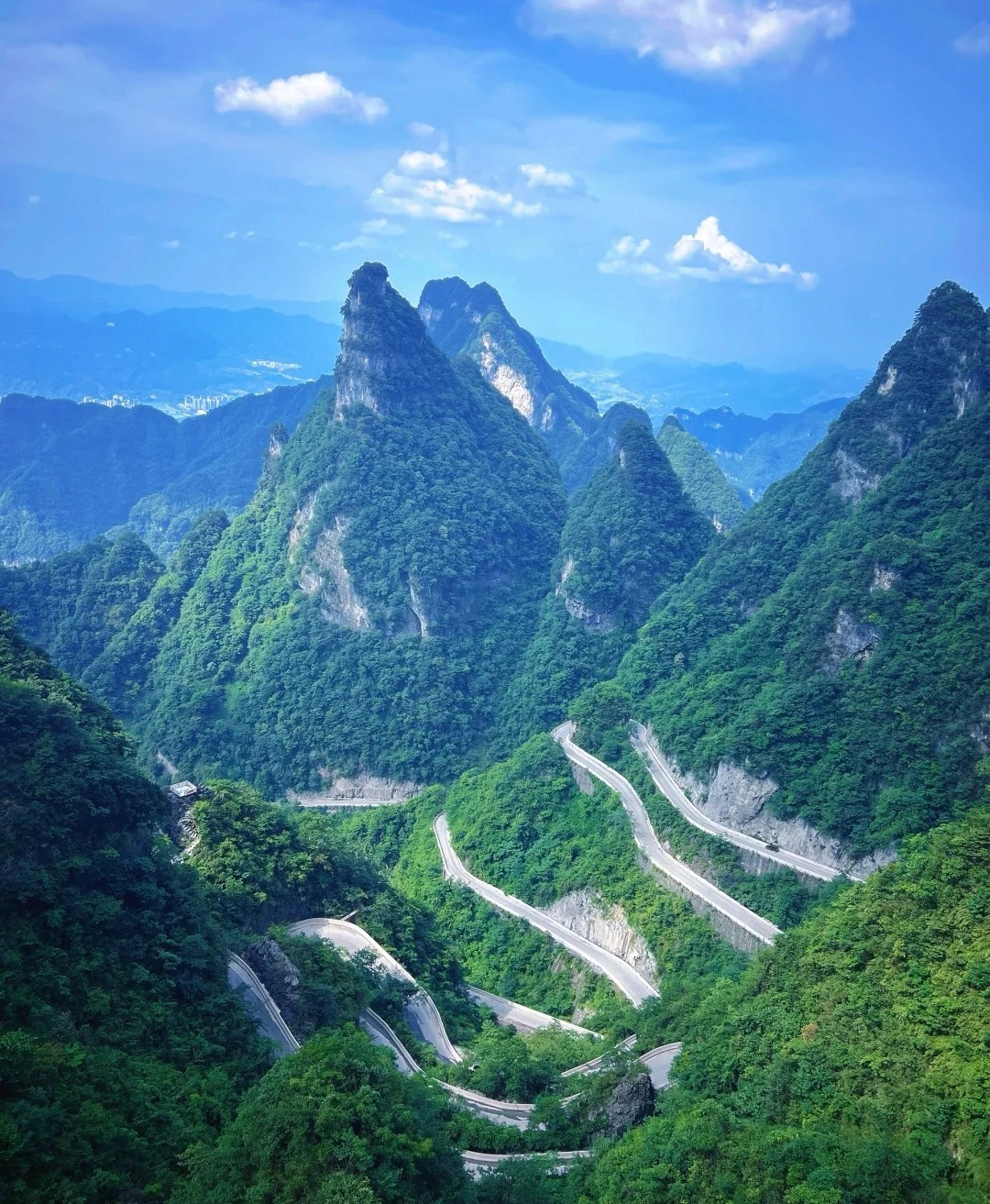
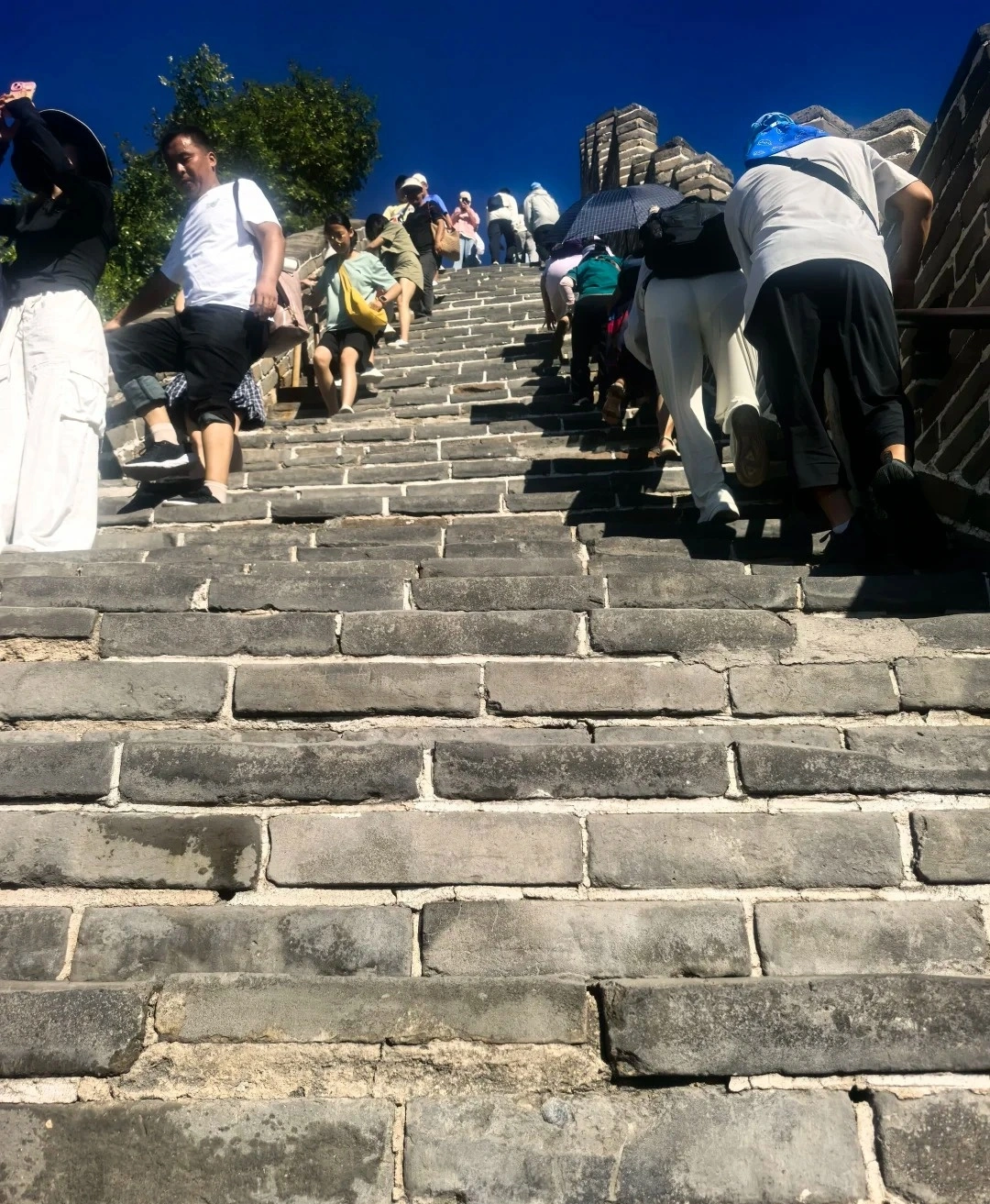
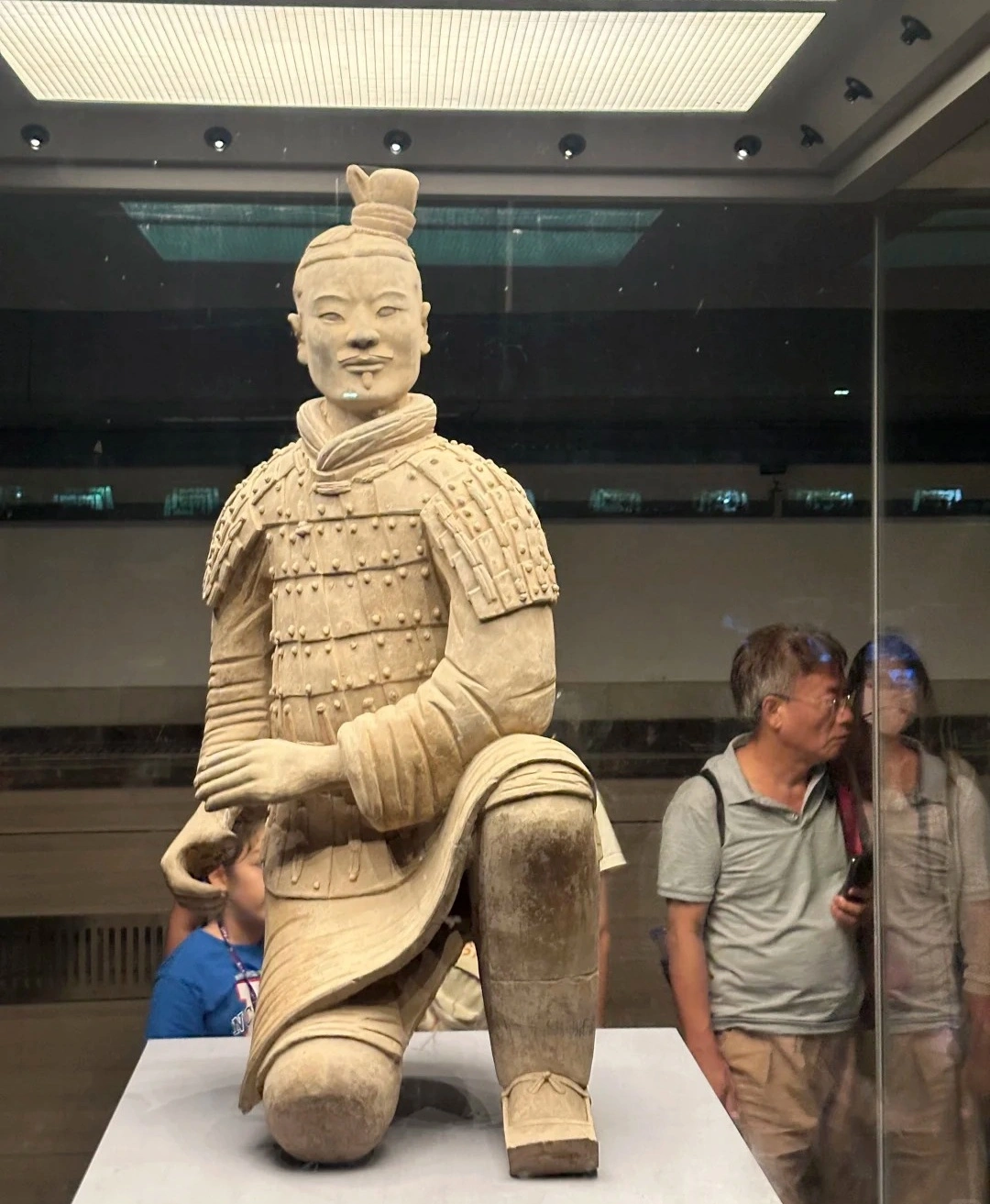
As a solo traveler from Canada, I was nervous about navigating China alone—but this 11-day tour was PERFECT! From hiking the Great Wall at sunrise (Day 3) to gasping at the Terracotta Army (Day 5), every day delivered ‘pinch-me’ moments. The real showstopper? Zhangjiajie’s Avatar Mountains (Day 7)! Our guide made the stone pillars come alive with stories.
Massive thanks for handling all logistics—bullet train tickets, entry passes, car! And the 4-star hotels surprised me.
Destination(s):
Beijing Xian Zhangjiajie Shanghai
Date of
Experience:
June 02,2025

Simon
America
Reviewed on May 29,2025
Our 2-day Zhangjiajie tour was beyond spectacular! As someone who’s visited Beijing and Shanghai for work, this trip revealed China’s wild, magical heart. Day 1 in Zhangjiajie National Forest Park felt like stepping onto Pandora—I’m a huge Avatar fan, and Yuanjiajie’s floating peaks left me breathless. The misty pillars and lush valleys like pure movie magic!
Then came Fenghuang Ancient Town, we eat dinner beside the thundering waterfall. It seems Unreal! The night views of stilt houses glowing over the river were straight from a fairy tale.
For fellow Avatar lovers and adventure seekers: Don’t miss this bucket-list experience! 10/10 would return.
A Well-Traveled Film Buff, May 2025
Destination(s):
Zhangjiajie
Date of
Experience:
May 08,2025