Nature's Masterpiece:The Tears and Heartbeat of Meili Snow Mountain
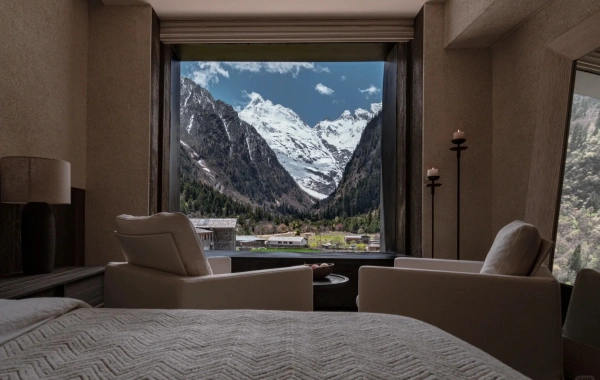
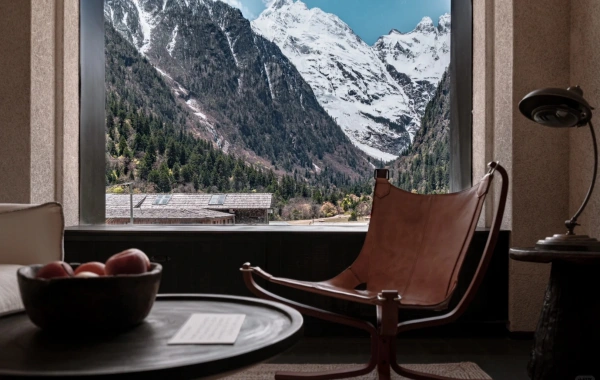
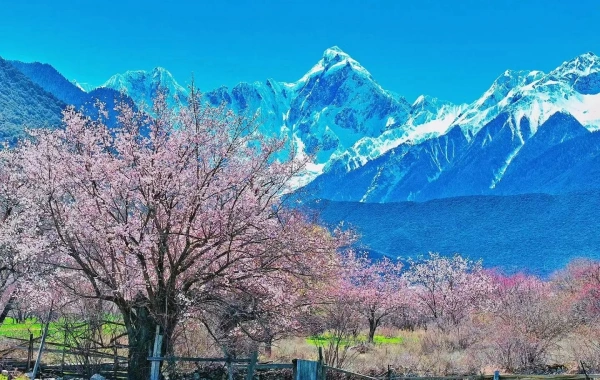
The natural landscape of Yubeng Village is an eternal symphony woven from snow-capped mountains,pristine lakes,lush forests,and profound faith.
The"Golden Mountain Bathed in Sunlight":Kawagebo's Crimson Cloak
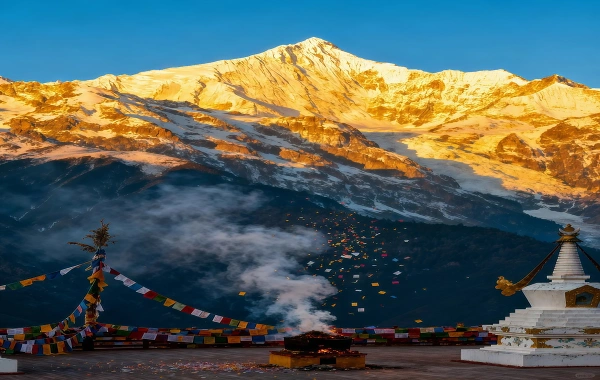
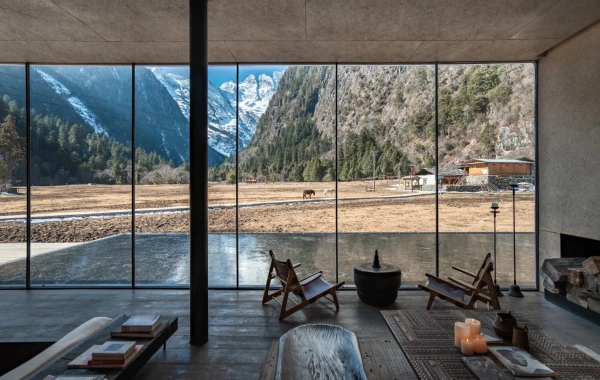
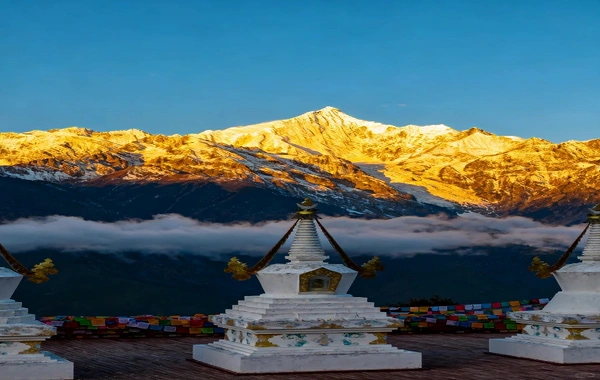
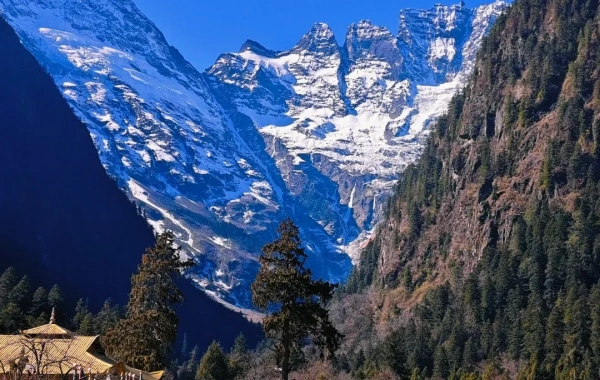
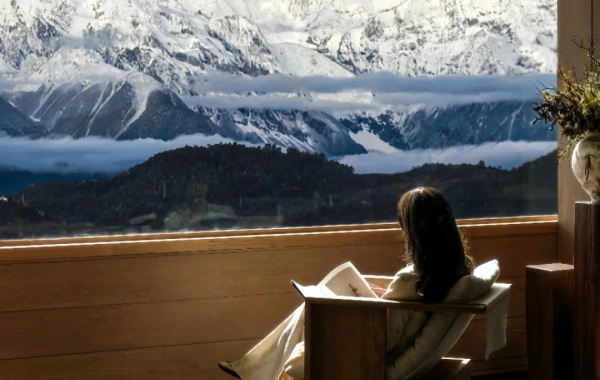
Gazing out at Meili Snow Mountain from the Feilai Temple Observation Deck serves as the perfect"appetizer"before venturing into Yubeng.As the first rays of dawn illuminate the very pinnacle of the main peak—Kawagebo—the pyramid-shaped summit begins to slowly transform,shifting from gold to crimson as the light descends from top to bottom;it is as if a heroic figure is being draped in a vibrant scarlet cloak.Meanwhile,the southernmost peak—Miancimu(the Goddess Peak),fabled to be Kawagebo's consort—is also gently touched by the light,revealing her graceful and elegant silhouette.This spectacular phenomenon,known as the"Golden Mountain Bathed in Sunlight,"represents the ultimate pilgrimage dream—the driving obsession that draws countless travelers to Meili.
The best seasons for viewing this spectacle are winter and spring(November through April of the following year),when the skies are typically clear,offering the highest probability of witnessing the"Golden Mountain Bathed in Sunlight."Feilai Temple is widely recognized as the premier spot for photography;alternatively,you can gaze up at the majestic peaks from a closer vantage point within Yubeng Village itself.
The Sacred Waterfall(Shenpu):A Spiritual Cleansing through Holy Baptism
Located at the foot of the Goddess Peak(ShennüPeak)of the Meili Snow Mountains,the Sacred Waterfall is a cascade formed by glacial meltwater,situated at an elevation of approximately 3,660 meters.The water plunges directly down from a cliff roughly 100 meters high,with droplets scattering in the wind;the water flow is at its most abundant during the summer months.To the local Tibetan people,the Sacred Waterfall is revered as holy water bestowed by the deities;pilgrims seeking blessings will circle the falls three times and bathe in the water to purify their souls.
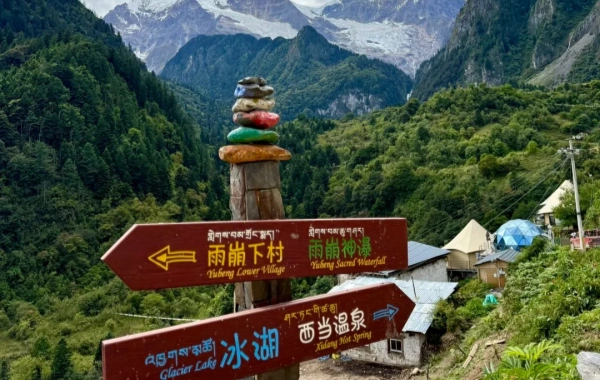
The Sacred Waterfall hiking route covers a total distance of about 12 kilometers,taking approximately 5 to 6 hours for a round trip.It is considered the easiest of Yubeng’s trails,consisting primarily of stone-paved paths,making it suitable for beginners.Along the way,prayer flags flutter overhead and Mani stone piles are scattered throughout the landscape,creating a deeply spiritual atmosphere.Upon reaching the foot of the falls,visitors can walk clockwise in odd-numbered loops—such as one,three,or five times—to offer prayers;the water from the Sacred Waterfall is clean and safe to drink directly.
The Ice Lake:A Forest Sanctuary of Azure Glaciers
The Ice Lake is an alpine lake formed by the glacial meltwater of the Meili Snow Mountains,situated at an elevation of approximately 3,900 meters.Its deep green waters are nestled amidst the snow-capped peaks,creating a visually stunning spectacle.It serves as a quintessential example of the adage:"Your body is in hell,but your eyes are in heaven."
The Ice Lake hiking route spans approximately 14 kilometers,requiring about 8 to 10 hours for a round trip.It is considered one of the most physically demanding of Yubeng’s standard hiking trails.The path winds through pristine old-growth forests and passes by the Xiaonong Base Camp—the expedition base left behind by the 1991 Sino-Japanese Joint Mountaineering Team,and the site of the infamous Meili Snow Mountain climbing tragedy.The latter half of the trek involves a steep ascent,necessitating the use of non-slip hiking boots.Hikers must begin their return journey before 3:00 PM to avoid descending in the dark.
Ninong Gorge:The Gateway to a Secret Realm of Sheer Cliffs
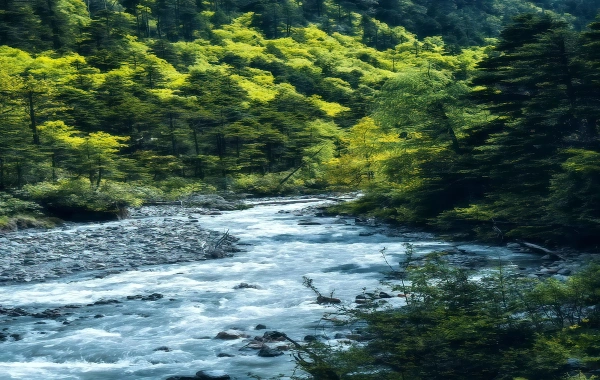
Ninong Gorge serves as the essential access route for travelers entering Yubeng Village from Ninong Village.Spanning approximately 14 kilometers,the trail consists primarily of flat terrain and downhill sections,requiring about 3 to 5 hours to hike.The canyon is deep and profound;on one side rise sheer cliffs,while on the other rushes the turbulent Yubeng River.The latter half of the journey follows the course of the Lancang River Gorge,offering scenery that is both rugged and magnificent.
It is important to note that during the rainy season(July–August),the Ninong Canyon poses risks of falling rocks and flash floods.Should you encounter prolonged rainfall,it is advisable to opt for the original route—entering and exiting via the Xidang direction.However,due to road construction in the Xidang area(commencing in June 2025),all visitors are currently required to enter and exit Yubeng via the Ninong route.
Primeval Forests and the"Five Trees from One Root"Phenomenon
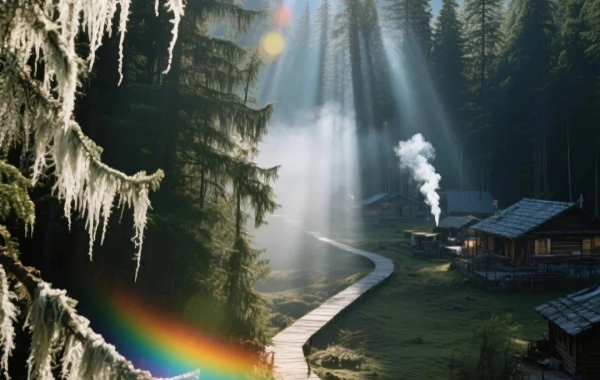
Thanks to abundant rainfall,as well as its unique geographical setting and climatic conditions,Yubeng Village boasts lush and exotic vegetation.On the trunks of many ancient trees,one can often observe numerous other plants growing parasitically—a peculiar phenomenon known as"Five Trees from One Root."Throughout the trek,towering ancient trees,babbling streams,and various wild fungi can be spotted everywhere(please refrain from picking or consuming any wild fungi).
Cultural Craftsmanship:Tibetan Villages and Pilgrimage Faith
Upper Yubeng and Lower Yubeng:Twin Villages at the Foot of the Snow Mountains
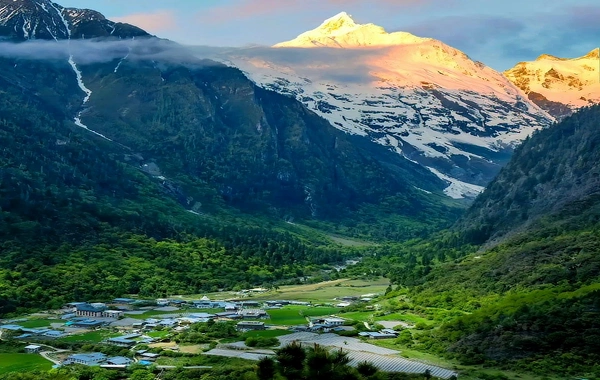
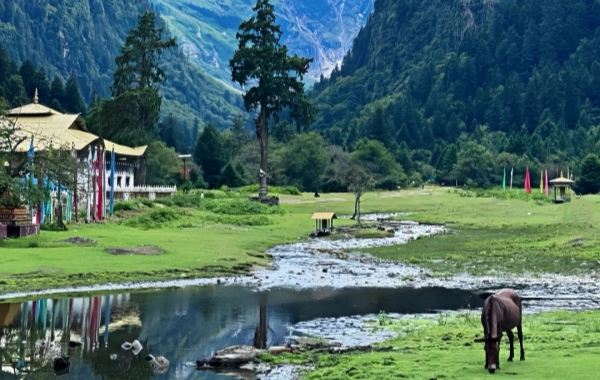
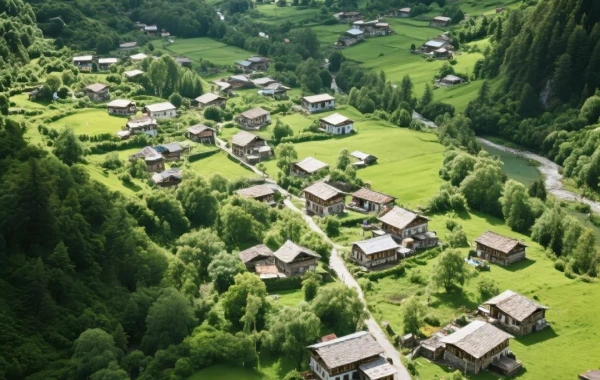
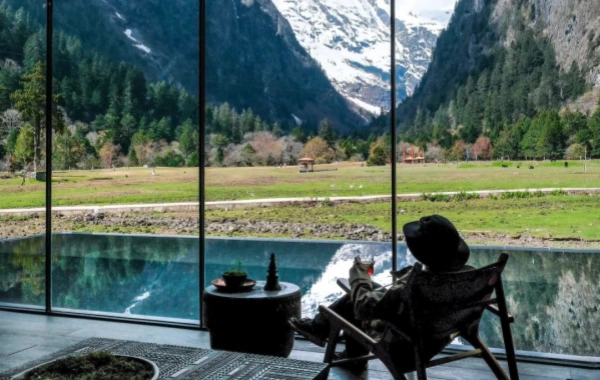
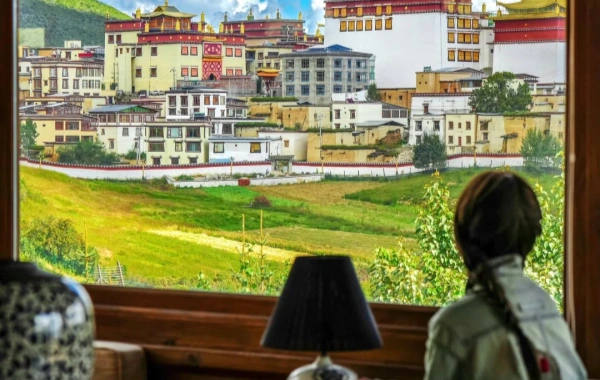
Due to the terrain,Yubeng Village is divided into two sections:Upper Yubeng and Lower Yubeng.Lower Yubeng is situated in a depression within the mountain gorge;its terrain is relatively flat and open,making it an excellent vantage point for viewing the Goddess Peak and the Five-Crown Peak.The village also features a small pond where visitors can capture stunning reflections of the snow-capped mountains.Upper Yubeng,conversely,is built directly into the mountainside;it offers more expansive vistas,lies closer to the majestic Kawagarbo Peak,and serves as the mandatory route leading to the Ice Lake.
Although the two villages are separated by a mere few hundred meters,traversing the mountain path between them requires a walk of approximately 40 minutes.The wooden bungalows,the courtyard fences constructed from local stone,and the cattle,sheep,and mules ambling leisurely along the dirt roads—all serve to underscore the village's secluded nature and its atmosphere of profound tranquility.
A Peculiar Custom:Fraternal Polyandry
Due to its long-standing isolation from the outside world,Yubeng Village has preserved a wealth of authentic and simple Tibetan customs.Among these customs,the phenomenon that most intrigues outsiders is the practice of"fraternal polyandry"—a household with only one female mistress.Once the eldest brother brings a wife home,as long as the brothers remain within the same household,the younger brother may also regard her as his own wife,and the entire family lives together communally.Even if a child is not biologically fathered by a specific brother,the children address all the brothers as"Dad,"making no distinction between biological and non-biological fathers,and the family lives together in perfect harmony.
Tibetan Cuisine and Butter Tea
In Yubeng Village,you can savor the most authentic Tibetan cuisine.Butter tea paired with barley cakes constitutes a classic Tibetan breakfast—both invigorating and filling.Yak meat hotpot is the signature dish at Yubeng's guesthouses,featuring generous portions of meat served piping hot.Additionally,barley cakes and tsampa(roasted barley flour)make for excellent choices to replenish your energy.
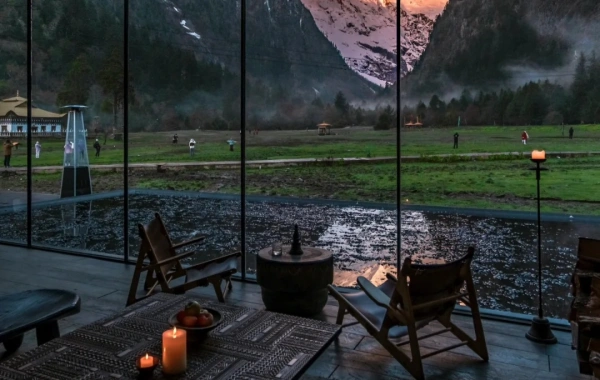
>Photography Tips:The pool in Lower Yubeng Village offers a perfect spot to capture reflections of the Goddess Peak;the best lighting occurs in the early morning.The large boulders near the Ice Lake provide an ideal vantage point for panoramic shots with the Meili Snow Mountain range as a backdrop.The guesthouses situated at higher elevations in Upper Yubeng Village offer superb locations for capturing panoramic views of the entire village.