Huishan Ancient Town: A Pilgrimage from the Secret Realm of Ancestral Halls to the Cultural Heritage of Jiangnan

Huishan Ancient Town: A Pilgrimage from the Secret Realm of Ancestral Halls to the Cultural Heritage of Jiangnan

Overview: An open-air museum without walls
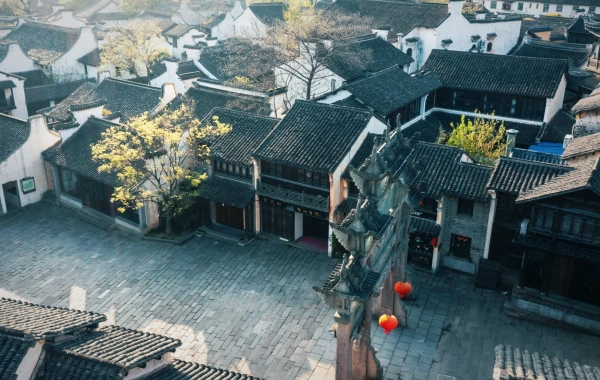
Huishan Ancient Town is a hidden gem of Jiangnan culture covering an area of approximately 1 square kilometer. This is the most complete and diverse gathering area of Chinese ancestral hall culture. Over a hundred ancestral halls of various dynasties are scattered along the ancient canal and the "Nine Peaks and Eighteen Streams", resembling a three-dimensional family epic.

A quick overview of key highlights
Identity tags: The First Ancient town at the foot of the First mountain in Jiangnan/China's Open-air Ancestral Hall Museum/Birthplace of Tea and Spring Culture
Core experiences: Exploration of ancestral hall culture, tea tasting at the Second best spring in the world, and appreciation of Jichang Garden
Suggested tour: 1 day. It is recommended to arrive in the morning to fully appreciate the charm of the garden and the spring tea
Address: Guhua Mountain Road, Liangxi District, Wuxi City, Jiangsu Province

  • Huishan Ancient Town: A Pilgrimage from the Secret Realm of Ancestral Halls to the Cultural Heritage of Jiangnan-1
  • Huishan Ancient Town: A Pilgrimage from the Secret Realm of Ancestral Halls to the Cultural Heritage of Jiangnan-2
  • Huishan Ancient Town: A Pilgrimage from the Secret Realm of Ancestral Halls to the Cultural Heritage of Jiangnan-3
  • Huishan Ancient Town: A Pilgrimage from the Secret Realm of Ancestral Halls to the Cultural Heritage of Jiangnan-4

Origin: The Footprints of Emperors and the Thousand-Year-old Cultural Heritage

Furong Ancient Town Furong Ancient Town

The name of Xihui - the source of mountain spring beauty
The name "Hui Mountain" originated from the fact that the Western Regions monk Hui Zhao once built a hut here for spiritual practice, and it was called "Hui Mountain" in ancient times. At the foot of the mountain, there are many clear springs, and it is known as the "Thirteen Springs in Nine Dragons". Among them, Huishan Spring, which was rated as the "second best spring in the world" by Lu Yu, the tea sage of the Tang Dynasty, is the most famous. The ancient town thrived because of its mountains and springs. Since the Northern and Southern Dynasties, it has been a popular destination for emperors, generals, scholars and literati to enjoy outings and tea. Emperor Qianlong made six southern Tours and visited Huishan seven times, leaving behind a large number of poems and inscriptions, which brought it to its peak.

The Gathering at the ancestral Hall - The Engraving of a family epic
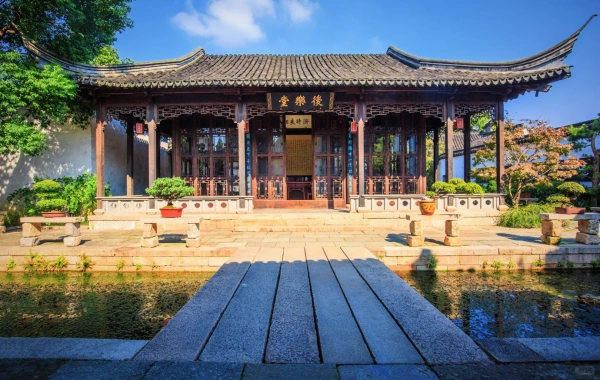
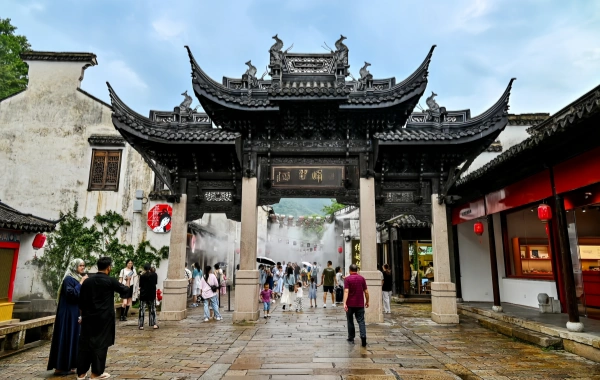
The unique soul of Huishan Ancient Town lies in the ancestral hall complex that gradually formed from the Tang and Song Dynasties to the Republic of China era. Most of these ancestral halls were built to honor sages, meritorious officials and famous scholars, and many families have also set up ancestral halls here. They are built along rivers, along streets and against mountains, with diverse architectural forms. They integrate different styles such as official residences, gardens and residential houses, forming a grand and profound cultural field. Wandering through it, it feels as if one is walking through a long corridor of family memories of different surnames, with every step following the veins of history.

> In-depth Understanding: Explore More Chinese Ancient Town Cultures >> [Zhouzhuang Ancient Town]

Must-see Wonders: The Symphonic Poem of the Spring Forest and the Ancestral Hall

Furong Ancient Town Furong Ancient Town Furong Ancient Town Furong Ancient Town Furong Ancient Town Furong Ancient Town

Natural creation - a model of spring and stone gardens
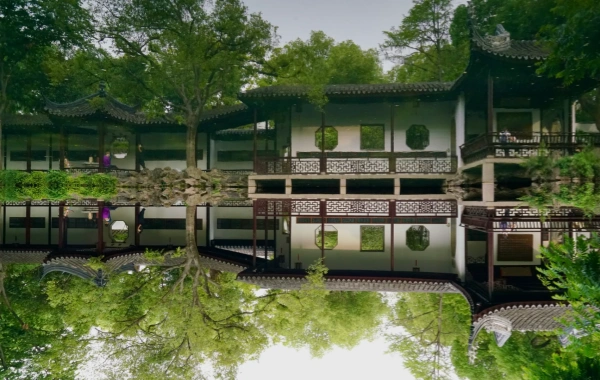
The natural and artificial landscapes of Huishan Ancient Town blend seamlessly, with the core lies in Jichang Garden, which is known as the "Second Best Spring in the World" and one of the "Four Famous Gardens of Jiangnan".
Lingyun Spring: The Thousand-Year Echoes of Huishan Spring
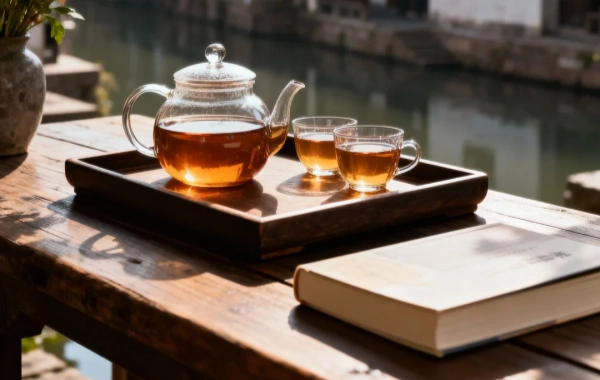
- The Second Best Spring in the World: This is the soul of the ancient town. The spring is divided into three pools: upper, middle and lower. The water quality in the upper pool is the best. Sipping tea here is not only for that refreshing taste, but also to experience an elegant ritual that has been passed down since the Tang Dynasty. Tingsongshi and Yilan Hall are both cultural Spaces built around Erquan. The best experience is to order a cup of downy tea brewed with two springs in the Yilan Hall, watch the tea leaves unfurl, and listen to the sound of the spring and the rustling of the pine trees.
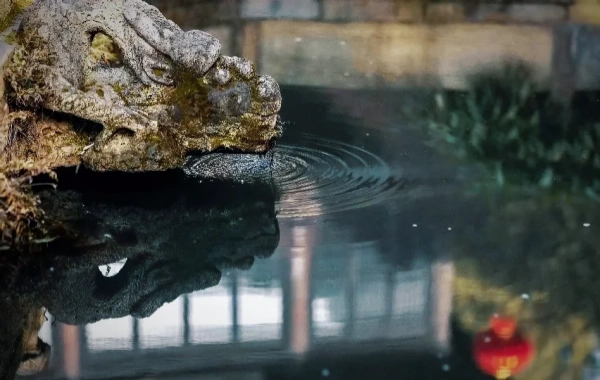
The Thirteen Springs of Jiulong: Besides the Two Springs, there are also famous springs such as Longyan Spring, Ruobing Spring and Luohan Spring scattered throughout the ancient town. They are either hidden in the courtyard or visible by the roadside, weaving together a clear and sharp thread. Photography tip: In the early morning or after rain, the stone railings and moss beside the spring pool have a particularly warm and lustrous color in the moist air, making them suitable for capturing the details of still life.
The Garden of Craftsmanship: The nearby mountain forest of Jichang Garden
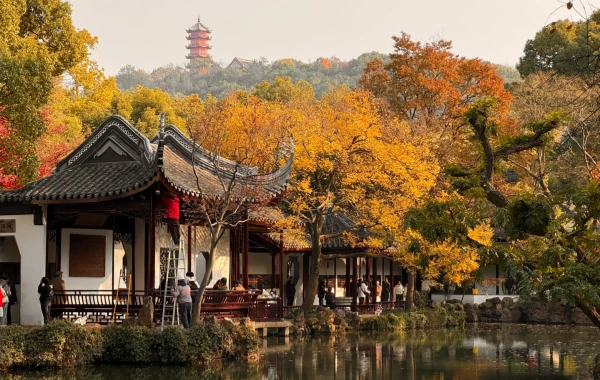
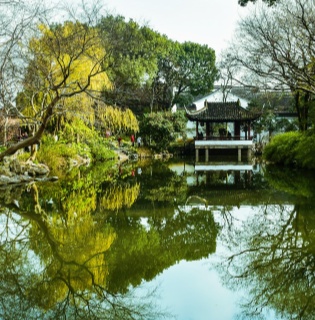
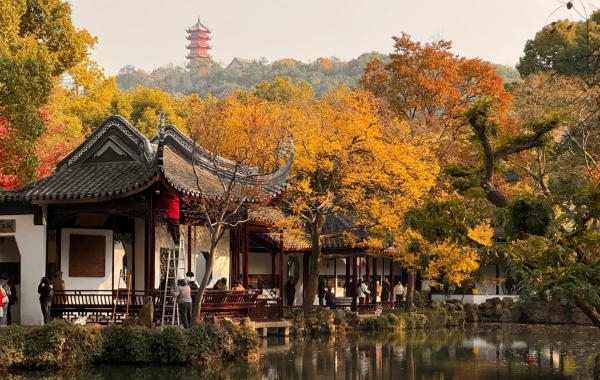
Jichang Garden: This Ming Dynasty garden stands out in the south of the Yangtze River for drawing on the flowing water from Jinghui Mountain and the two Springs. In the garden, a pool of ripples is gathered, and the Xishan Longguang Pagoda is "borrowed" into the garden, which is the peak work of classical garden art. Watching the fish along the Zhiyu Railing and taking a short rest at the Yupan Pavilion, every step was carefully planned yet seemed to come naturally. Emperor Kangxi and Emperor Qianlong visited many times and ordered the construction of a replica of the "Huishan Garden" (now the Harmonious Garden) within the Summer Palace in Beijing.
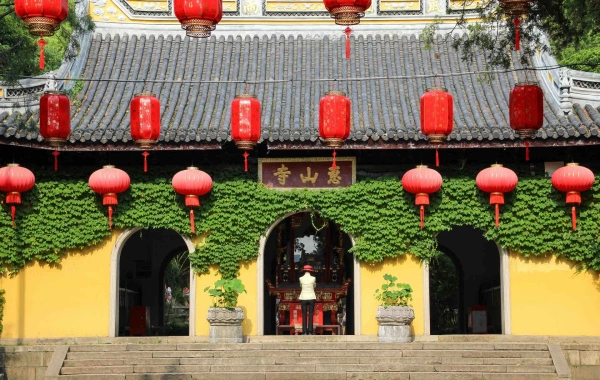
Huishan Temple and Tang and Song Dynasty Stone Sutra Pagodas: Huishan Temple, which was first built in the Northern and Southern Dynasties, has a continuous stream of incense offerings. The well-preserved Tang Dynasty Dharani stupa and the Song Dynasty large white umbrella-shaped mantra stupa in front of the temple are extremely precious ancient stone carvings, which bear witness to the depth of the religious culture of the ancient town.

Humanistic Craftsmanship - Ancestral Hall Museums without Walls
The ancestral hall here is not only a space for sacrificial ceremonies, but also an artistic complex integrating architecture, history and the inheritance of family traditions.
- Ancestral Hall Complex (over a hundred) : The core cultural landscape of Huishan Ancient Town. Among them, the Hua Xiaozi Shrine was built in memory of Hua Bao, a filial son of the Jin Dynasty. The "brick-carved gate tower" inside the shrine is exquisitely crafted. The Zhide Shrine enshrines Wu Taibo and extols the spirit of humility and modesty of "the greatest virtue is nameless". The Qianwang Shrine commemorates Qian Liu, the King of Wuyue, and its architecture is grand and imposing. The numerous ancestral halls, their buildings, plaques and inscriptions together form a three-dimensional history of the patriarchal society in China.
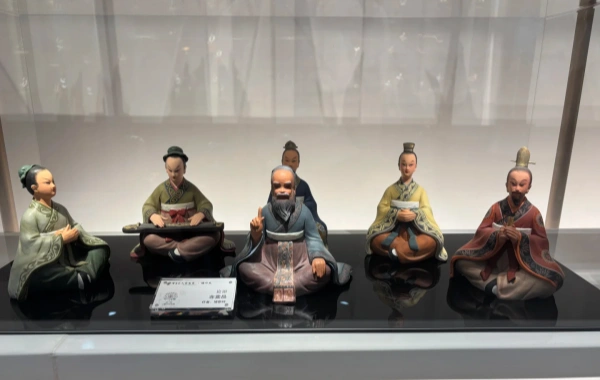
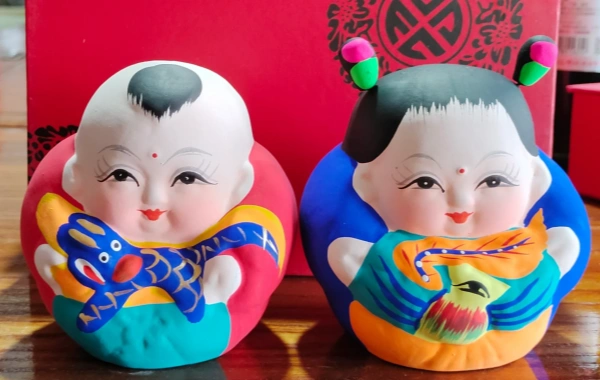
- China Clay Figurine Museum: Located within the ancient town, it systematically showcases the national intangible cultural heritage of Wuxi Huishan Clay figurines. From the classic "Big Ah Fu" to the delicate hand-molded plays, visitors can not only watch but also experience clay figurine making in the workshop.
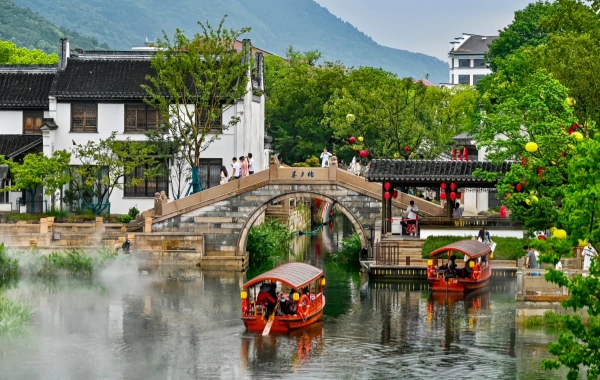
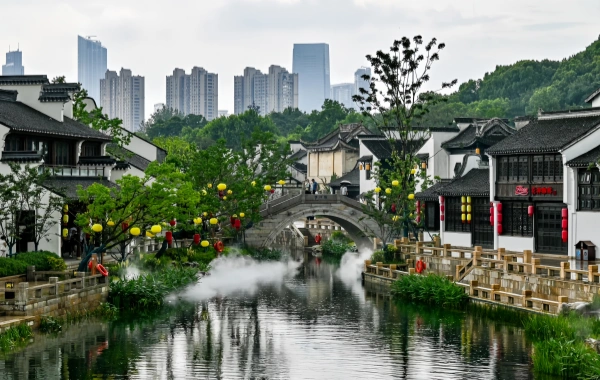
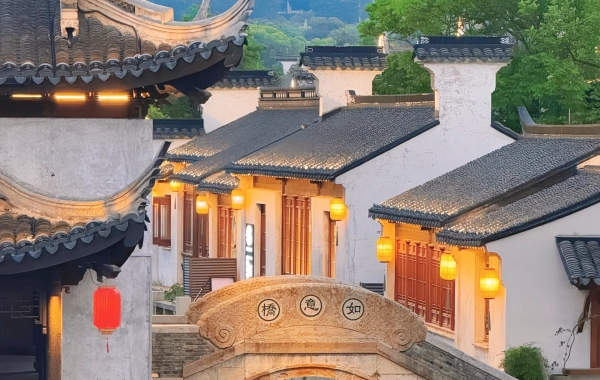
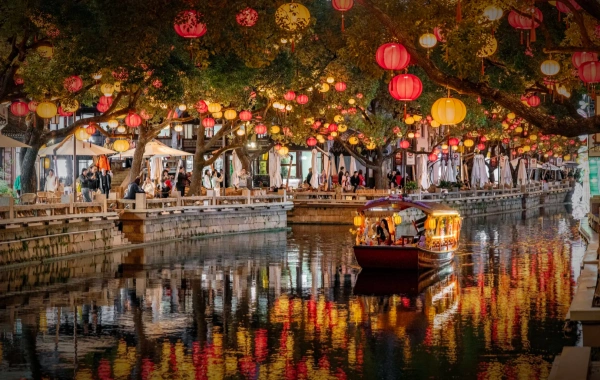
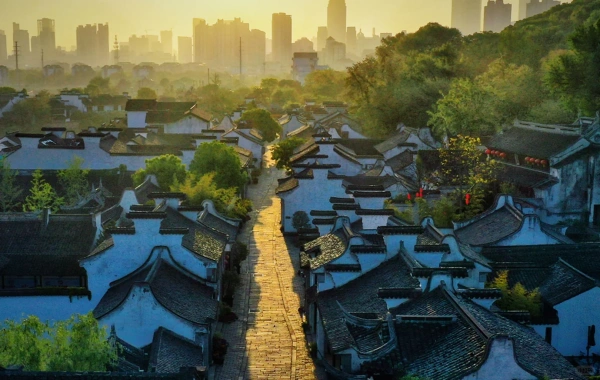
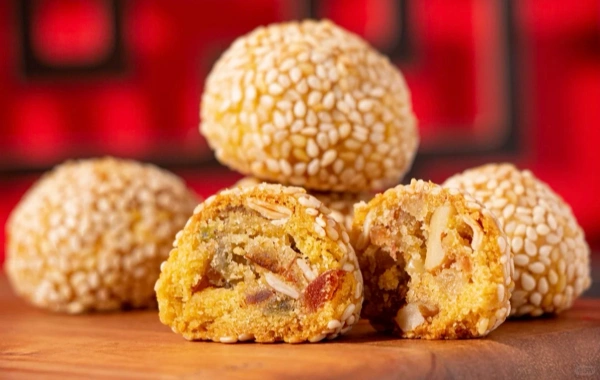
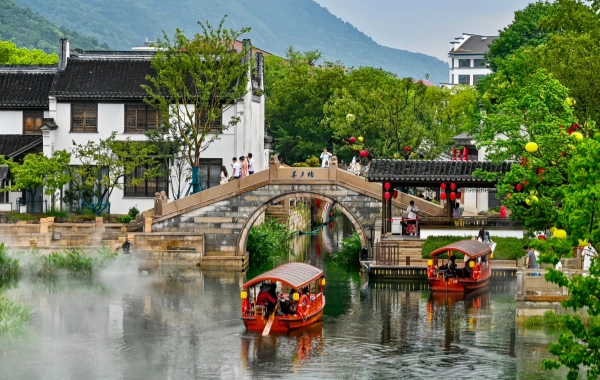
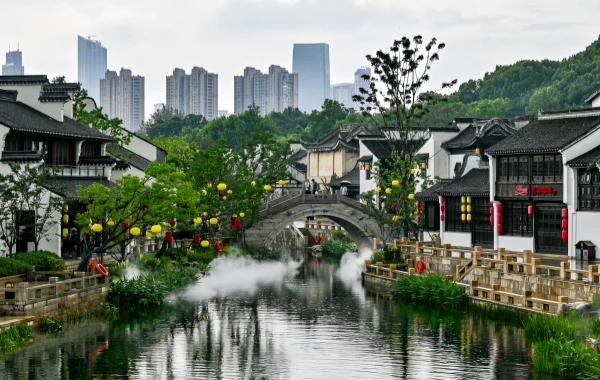
The old Street and the City River: Along the banks of the Longtou River, the white-walled and black-tiled houses and ancestral halls are reflected in the water, forming a typical scene of a water town in the south of the Yangtze River. On both sides of the old street, shops stand in rows, selling traditional snacks such as Huishan oil pastries and tofu pudding. The hustle and bustle of daily life and cultural atmosphere coexist.

Photography Tips:
The best panoramic view is from Longguang Pagoda on the top of Xishan Mountain, offering a panoramic view of the entire ancient town and Jichang Garden.
The Jinhui Yibian in Jichang Garden is a classic spot for taking pictures of the borrowed scenery of the garden (the shadow of Xishan Pagoda).
In the deep alleys of the ancestral hall complex, by using depth perception and door frame composition, one can capture pictures with a strong sense of story.
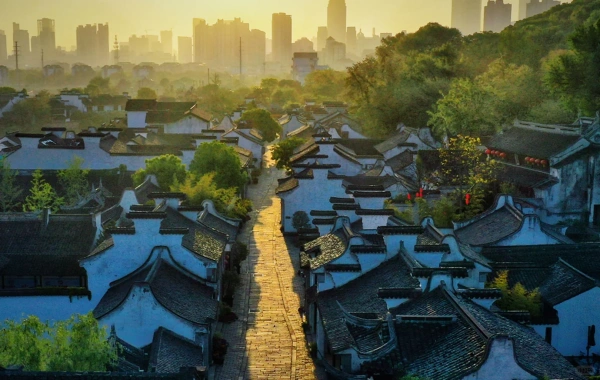
The flight of drones must comply with the regulations of the scenic area. From a high place, the unique texture of the ancient town, which features "ancestral halls nestled against the mountains and rivers and streets running parallel", can be clearly displayed.

Core Experience: An Immersive Guide to the refined life of Jiangnan

Furong Ancient Town Furong Ancient Town Furong Ancient Town Furong Ancient Town

Five must-do things to unlock a Complete Ancient Town Tour
Savor a cup of the second best spring tea in the world
- Location: Yilan Hall beside the second spring in the world or any tea house that uses the second spring water.
- Experience: Use genuine No. 2 Spring water to brew Wuxi Hao Cha or Yangxian Xue Ya tea, and personally experience the tasting and evaluation in Lu Yu's "Tea Classic". Listening to the tinkling of the spring water is a dual treat for both taste and hearing.
2. Visit a thousand-year-old family ancestral temple
Key point: There is no need to aim for a comprehensive list. Choose 2 to 3 of the most representative ancestral halls for in-depth exploration (such as Hua Xiaozi Ancestral Hall, Zhide Ancestral Hall, and Gu Duanwen Gong Ancestral Hall).
Method: Pay attention to the brick carvings on the gate tower of the ancestral hall and the plaques and couplets in the hall. Every detail contains the story and teachings of a family. You can get to know the relevant historical figures in advance, which will make you feel more deeply when visiting.
3. Enjoy the charm of a garden in the mountains and forests of Jiangnan
- Essence: At least 1.5 hours should be reserved for Jichang Garden. Follow the guide map or the explanations on your mobile phone to understand the essence of its garden-making, which includes "borrowing scenery", "managing water" and "arranging mountains".
- Time: When the park opens in the early morning or in the afternoon when there are fewer visitors, you can better appreciate the tranquility and artistic charm of the garden.
4. Try a genuine Wuxi snack
Must-order snacks: Huishan Oil Pastry (time-honored brand "Zhu Shunxing"), Huishan Tofu Pudding (salty and fresh flavor), Plum Blossom Cake.
- Main meal recommendation: You can find a local cuisine restaurant in the ancient town and try classic dishes such as Wuxi-style braised pork ribs and clear water oil gluten.
5. Experience a handicraft of intangible cultural heritage once
- Cultural Interaction: In the workshop of the China Clay Figurine Museum, try to draw a "Big Ah Fu" by hand and take it home.
- Fun Experience: Search for traditional handicraft shops on the old street. You might catch a glimpse of demonstrations of bamboo carving, paper-cutting and other skills.

Suggested tour route
One-day "Deep Cultural Heritage" Tour (Classic Recommendation)
Morning (Cultural Core) : Entrance to the ancient town → Visit the Huaxiaozi Shrine (brick-carved gate tower) → Walk to Huishan Temple to see the Tang and Song Dynasty stone sutra pagoda → Enter Jichang Garden for an in-depth tour (1.5-2 hours) → Have a meal in the garden or nearby.
In the afternoon (Spring Tea and Folk Customs) : Exit from Jichang Garden and go to the Second Spring in the World for tea and rest → Visit the China Clay Figurines Museum and experience handicrafts → Stroll along the Longtou River and choose 1-2 interesting ancestral halls (such as Zhide Ancestral Hall) to visit → Stroll along the old street, taste snacks and purchase local specialties → Leave in the evening.
IntoTravelChina Tips: This itinerary covers the essence of ancient towns, with a moderate walking distance. It is recommended to wear comfortable shoes.

Two-day "Wuxi Charm" In-depth Tour (Extended Recommendation)
Day 1: Immerse yourself in Huishan Ancient Town throughout the day, allowing you to visit more ancestral halls more leisurely, sit by the Second Spring for a while longer, and watch possible Xiju performances or folk activities (subject to the announcements of the scenic area on that day). We checked into a hotel in the urban area of Wuxi that night.
Day 2: In the morning, head to Yuantouzhu Scenic Area in Wuxi (the most beautiful part of Taihu Lake) or Qingmingqiao Ancient Canal Scenic Area (Jiangnan Water Lane) to experience the beautiful lake and mountain scenery and canal culture of Wuxi. Return in the afternoon.
IntoTravelChina's advantages: We can design routes connecting the core scenic spots in Wuxi for you, book special accommodation and transportation, and provide professional cultural interpretation services to help you deeply understand the Jiangnan culture. >> [Consult for Customization Now]

Comprehensive Travel Guide: Transportation, Accommodation and Seasons

Furong Ancient Town Furong Ancient Town

How to Get There: A Seamless Connection Guide
Huishan Ancient Town enjoys convenient transportation, and Wuxi City is a regional transportation hub.
From all over the country, it is recommended to take the high-speed rail to Wuxi Railway Station or Wuxi East Railway Station. Travel Tip: Wuxi Railway Station is closer to the ancient town. After getting off the station, take Metro Line 3 or 4 to "Huishan Ancient Town" Station. You will arrive right after getting off the station, which is extremely convenient.
Starting from the urban area of Wuxi, it is recommended to take the subway or a taxi. Travel time: About 20 to 30 minutes by subway. It takes about 20 minutes by taxi from the city center (such as Sanyang Square).
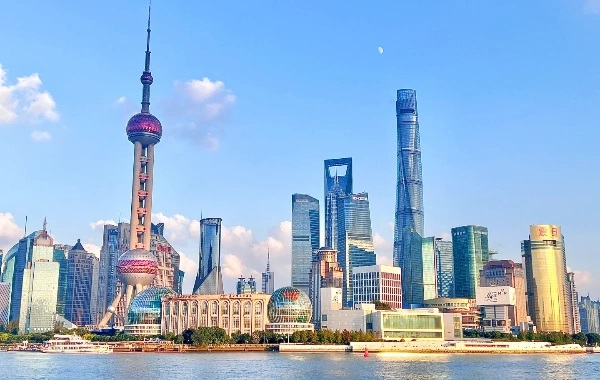
Starting from nearby scenic spots, high-speed rail or self-driving is recommended. Travel time: Suzhou (0.5-hour high-speed rail)/ Changzhou (0.5-hour high-speed rail)/ Shanghai (1-hour high-speed rail). Travel tip: It is very suitable for a connected tour with the gardens of Suzhou and the urban landscapes of Shanghai.

Best visiting time
Huishan Ancient Town is suitable for use all year round, but the climate and scenery are most pleasant in spring and autumn.
- Spring and Autumn golden seasons (March to May, September to November) : The climate is pleasant and the scenery is the best. In spring, the Jichang Garden is filled with lush flowers and trees, and in autumn, the ginkgo trees turn golden, making the ancient buildings look particularly beautiful.
- Summer quiet season (June to August) : The ancient town is filled with towering ancient trees and is relatively cool, but it is necessary to pay attention to rain and sun protection. At this moment, sipping tea from Erquan makes one feel even more refreshed.
- Winter quiet season (December to February) : There are relatively fewer tourists. If you encounter a light snowfall, the ancient town covered in white will have a unique charm.

Accommodation options
- Accommodation outside the scenic area (first choice) :
Huishan Ancient Town itself is mainly for day Tours and there are no accommodation options within the scenic area. However, it is located in the urban area of Wuxi, offering an extremely wide range of accommodation choices.
Liangxi District Central Hotel: Located in the city center (such as near Sanyang Square and Zhongshan Road), it is extremely convenient for dining, shopping and transportation (subway), making it suitable for most tourists.
2. Hotels in Taihu Scenic Area: Such as those near Yuantouzhu or Lihu Lake, with beautiful surroundings, are suitable for vacation-type tourists, but they are about a certain driving distance from the ancient town (about 30 to 40 minutes).
- Characteristic Homestays: There are some design-oriented homestays in the old urban area of Wuxi or along the ancient Grand Canal, where you can better experience the local life atmosphere.

IntoTravelChina Accommodation Booking Suggestions
We suggest arranging accommodation based on your overall itinerary. If you only want to visit Huishan Ancient Town and the urban area of Wuxi, choosing a hotel along the metro line in the city center is the most convenient. If the plan is to connect places like Suzhou and Changzhou, it is recommended to take transportation hubs as the main consideration. Tell us your itinerary plan and budget, and we will match the most suitable hotel for you. [Click to contact IntoTravelChina Travel Consultant]

Join hands with IntoTravelChina and embark on your exclusive journey through the cultural heritage of Jiangnan

Furong Ancient Town Furong Ancient Town

The story of Huishan Ancient Town is about the memories of families, the refined tastes of scholars and the inheritance of artisans. IntoTravelChina is dedicated to creating in-depth, personalized and worry-free travel experiences in China. Our travel experts can help you
Tailor-made itinerary: Based on your different interests in culture, gardens and cuisine, we design a perfect route that includes Huishan Ancient Town and surrounding scenic spots.
One-stop service: Handle ticket sales, special accommodation, inter-city transportation, local cultural tour guides and intangible cultural heritage experience reservations.
Exclusive in-depth experience: Arranging guided Tours by garden experts, private tea banquet experiences, and courses by master craftsmen of intangible cultural heritage, etc.

Let your visit to Huishan Ancient Town be more than just a cursory glance, but a dialogue with the thousand-year-old cultural heritage of Jiangnan.
Start planning your journey right away
Welcome to contact our professional travel consultants. We will provide you with a customized itinerary plan and quotation within 24 hours. [Click to contact IntoTravelChina Travel Consultant]

Recommended Tours

Top 3 tours chosen by most customers to explore in the best way. Check the detailed itinerary, or tailor your own trip now with us.

Zhangjiajie Tour
5-Day Suzhou & Hangzhou & Shanghai Tour

5 Days  |  Shanghai-Xitang-Suzhou-Hangzhou

Zhangjiajie Tour
3-Day Shanghai to Suzhou Trip

3 Days  |  Shanghai-Xitang Ancient Town-Suzhou

Zhangjiajie Tour
4-Day Shanghai and Nanjing Trip

4 Days  |  Shanghai-Nanjing

What Our Clients Say?

Based on 10,000+ traveler reviews

...
Daniel Dorothea
Canada
Reviewed on April 29,2025
Shopping on Nanjing Road in Shanghai was just amazing! It's truly the "First Commercial Street of China", where tradition and modernity blend perfectly. You can find awesome souvenirs and experience the trendy vibes in cool stores. The neon lights at night are just spectacular, shining bright like Times Square in New York. The food here is incredible too. I had a feast for my taste buds. Shanghai, I'll definitely be back!
Destination(s): Shanghai
Date of Experience: May 08,2024
...
...
Elvis Eva
Canada
Reviewed on June 20,2025
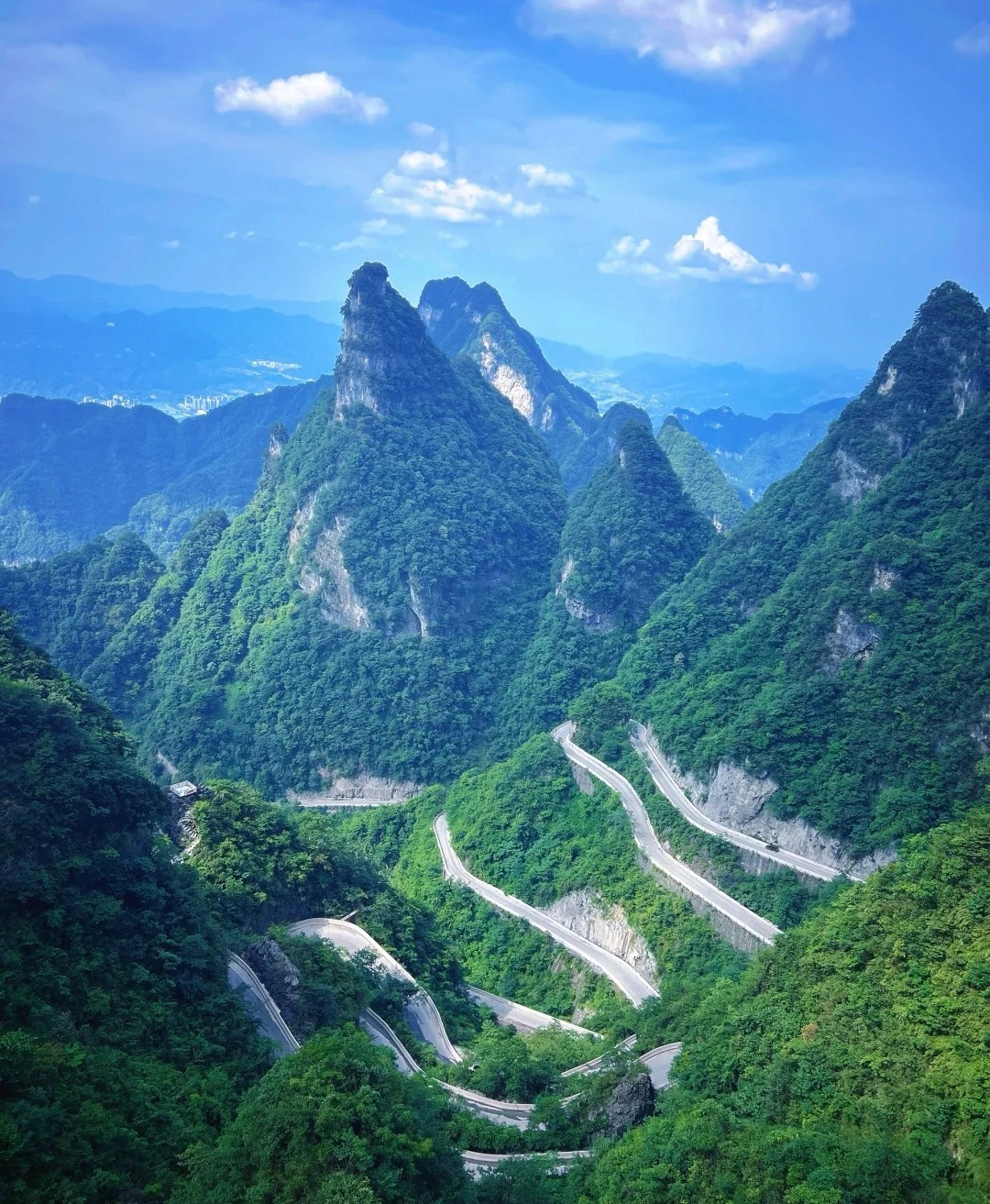
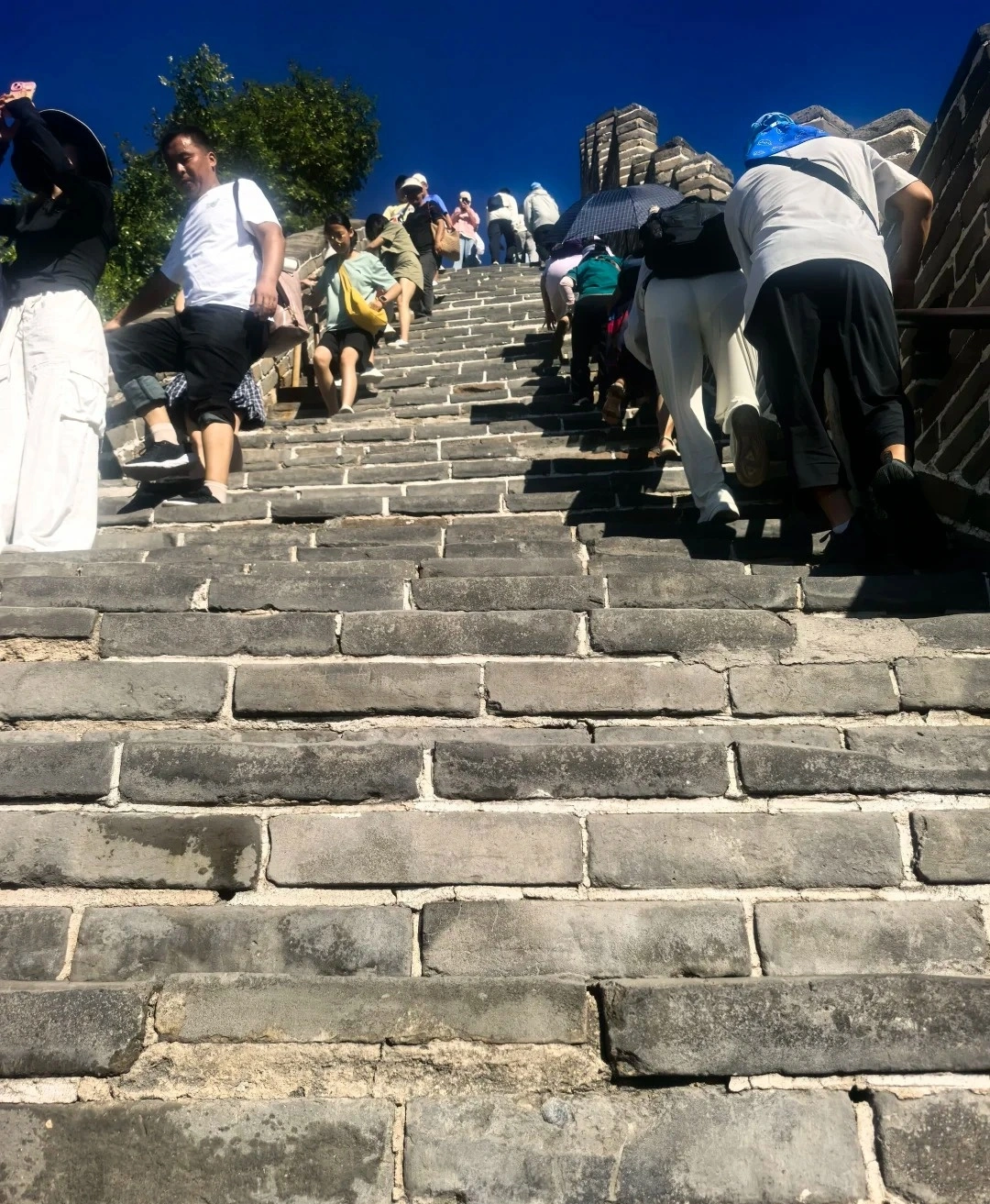
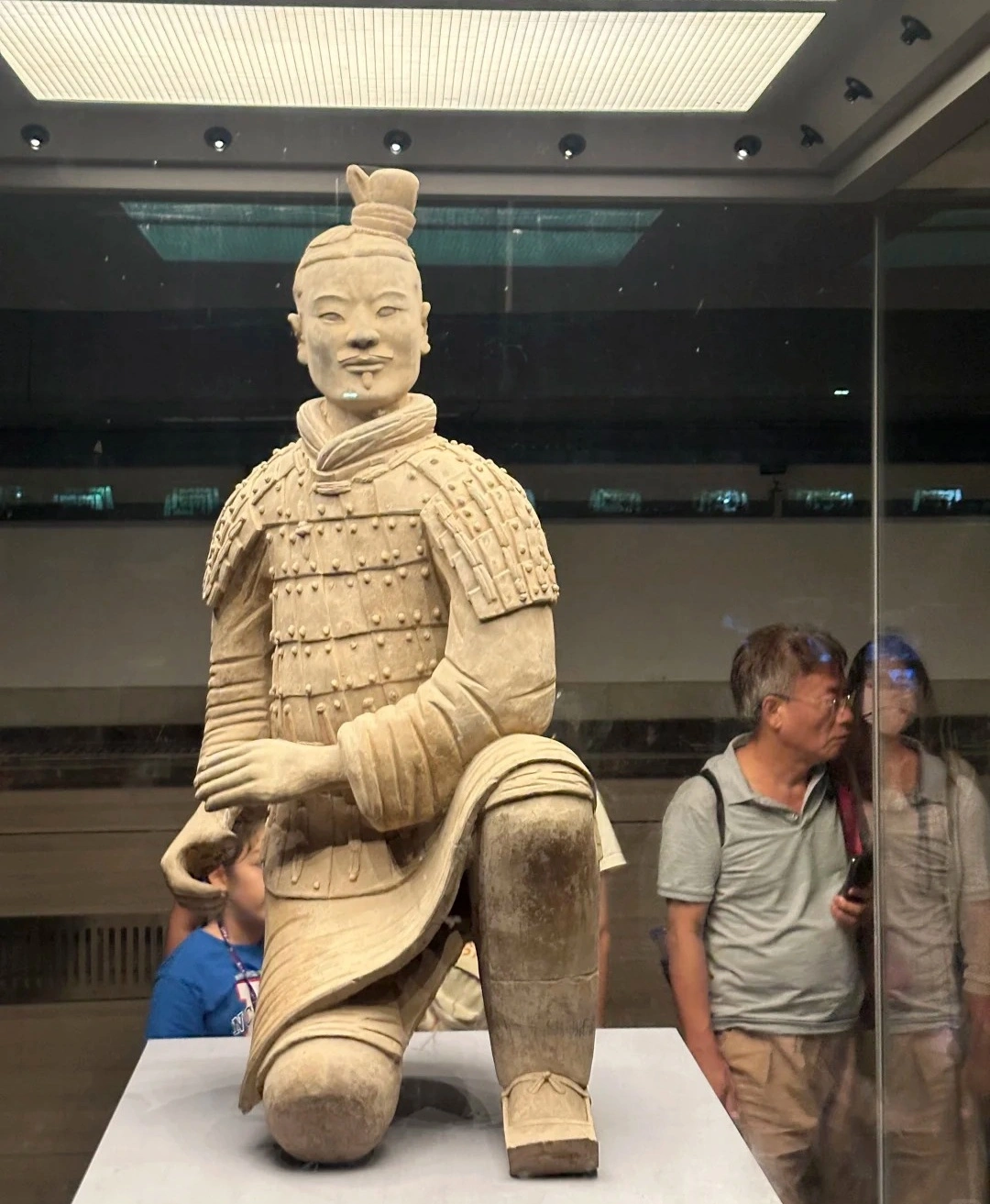
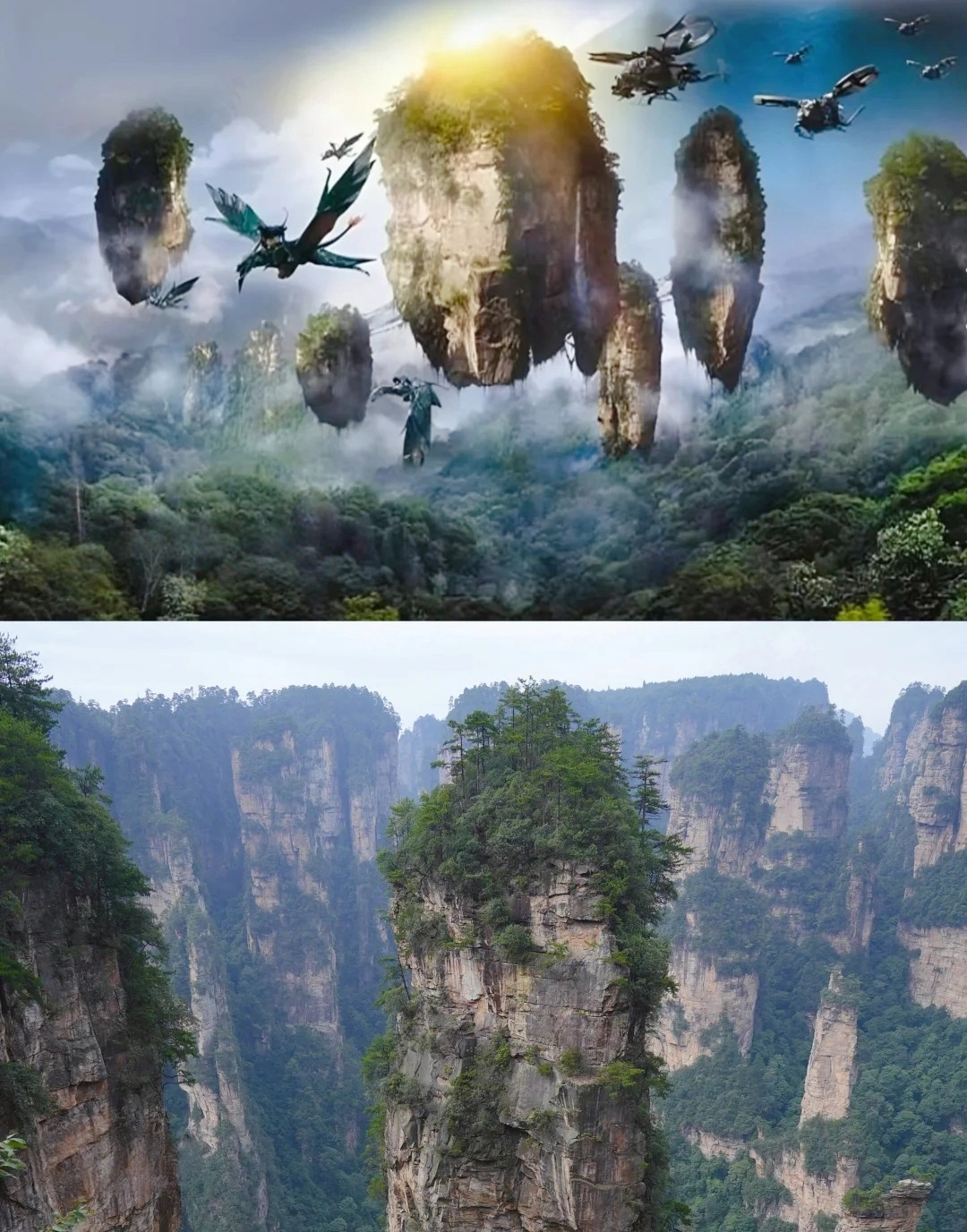
As a solo traveler from Canada, I was nervous about navigating China alone—but this 11-day tour was PERFECT! From hiking the Great Wall at sunrise (Day 3) to gasping at the Terracotta Army (Day 5), every day delivered ‘pinch-me’ moments. The real showstopper? Zhangjiajie’s Avatar Mountains (Day 7)! Our guide made the stone pillars come alive with stories. Massive thanks for handling all logistics—bullet train tickets, entry passes, car! And the 4-star hotels surprised me.
Destination(s): Beijing Xian Zhangjiajie Shanghai
Date of Experience: June 02,2025
... ... ...
...
Simon
America
Reviewed on May 29,2025
Our 2-day Zhangjiajie tour was beyond spectacular! As someone who’s visited Beijing and Shanghai for work, this trip revealed China’s wild, magical heart. Day 1 in Zhangjiajie National Forest Park felt like stepping onto Pandora—I’m a huge Avatar fan, and Yuanjiajie’s floating peaks left me breathless. The misty pillars and lush valleys like pure movie magic! Then came Fenghuang Ancient Town, we eat dinner beside the thundering waterfall. It seems Unreal! The night views of stilt houses glowing over the river were straight from a fairy tale. For fellow Avatar lovers and adventure seekers: Don’t miss this bucket-list experience! 10/10 would return. A Well-Traveled Film Buff, May 2025
Destination(s): Zhangjiajie
Date of Experience: May 08,2025
... ...

Ask a Question

Question Summary (100 characters)
Details (optional) (2,000 characters)
Name
Country
Email