Xinjiang International Grand Bazaar: A Modern Echo of a Thousand Years of Silk Road Prosperity

Xinjiang International Grand Bazaar: A Modern Echo of a Thousand Years of Silk Road Prosperity

Overview: A Living Museum of Western Regions Civilization

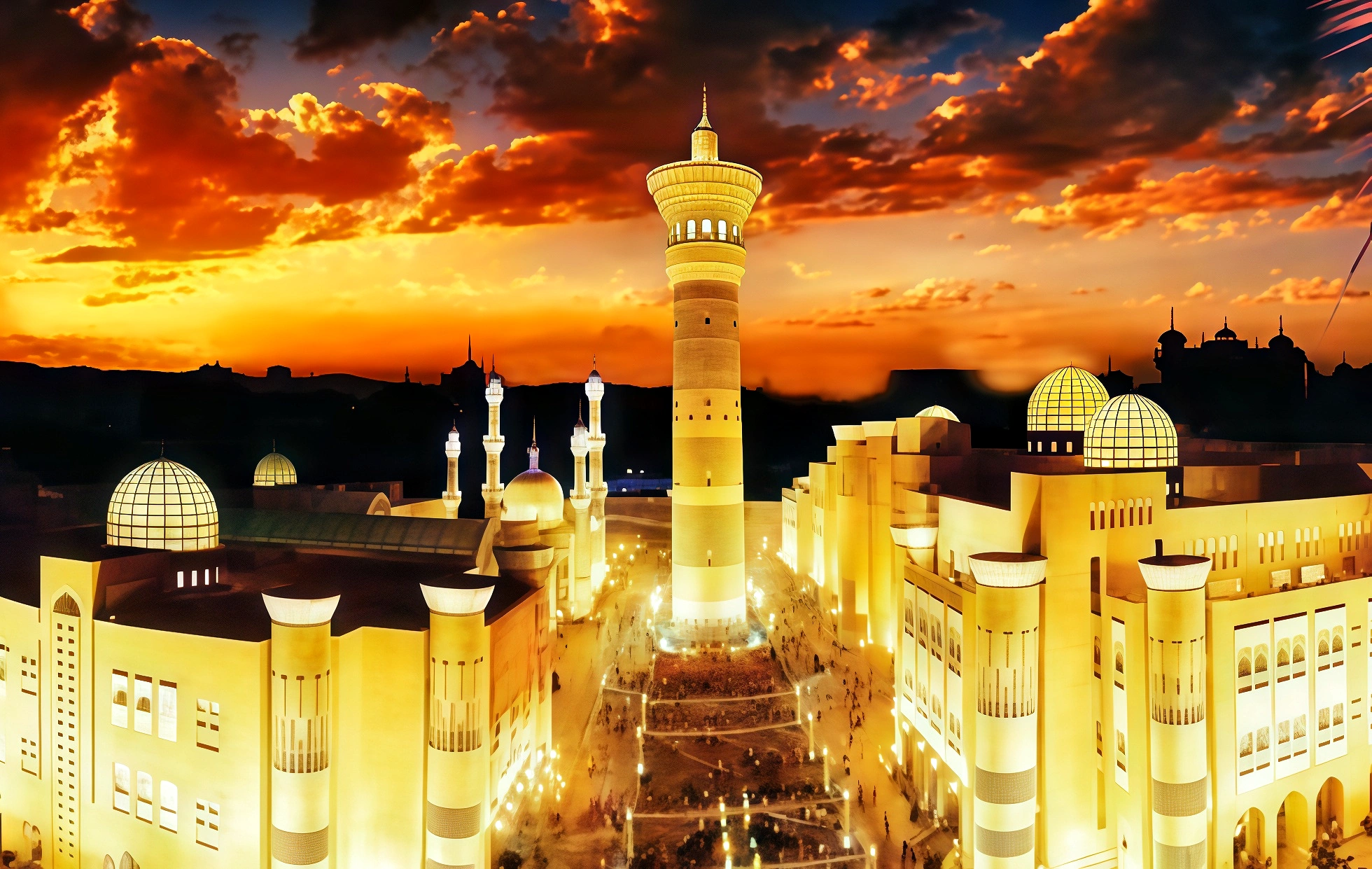
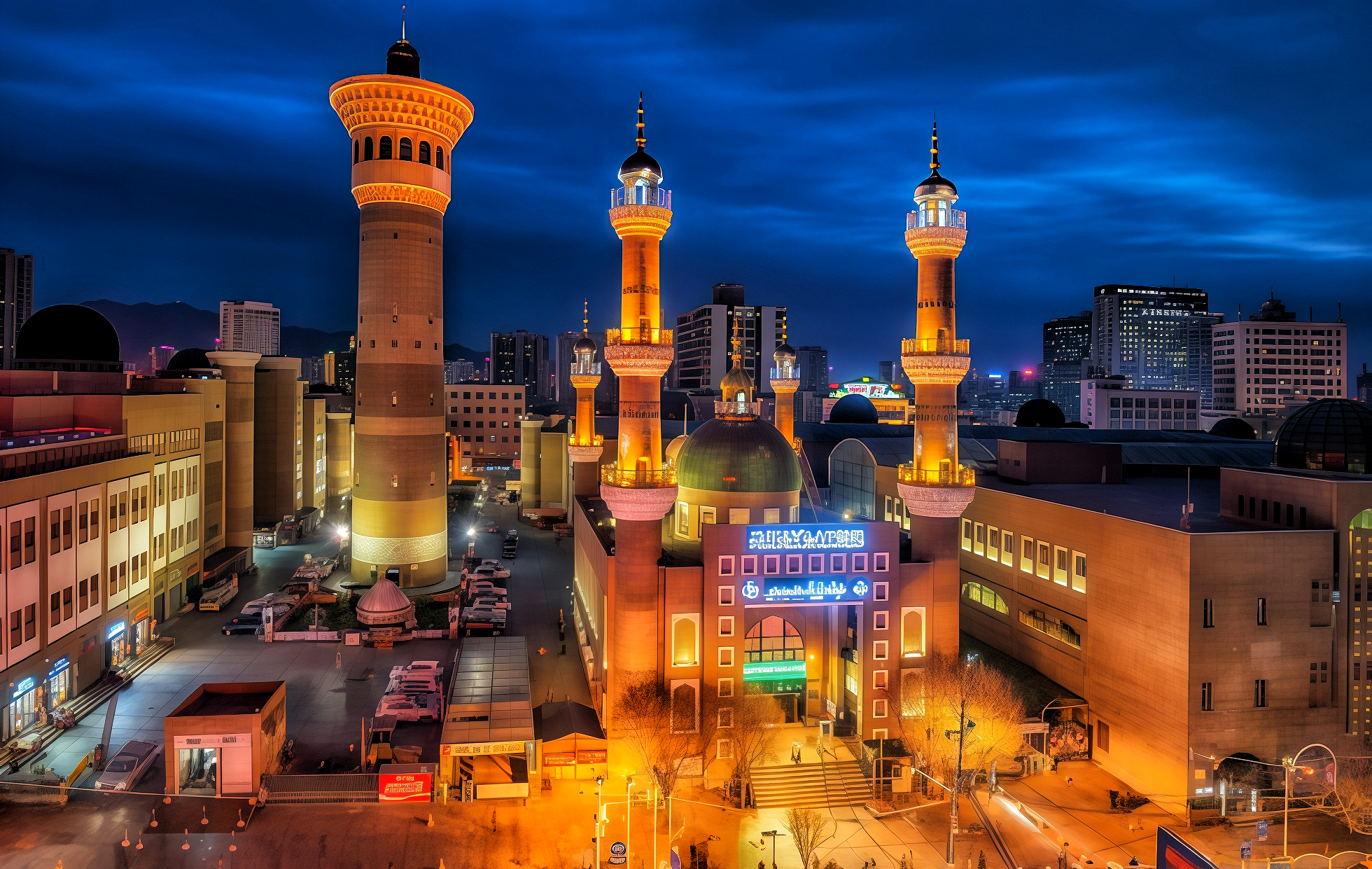
Situated in the bustling heart of Urumqi’s Tianshan District, the Xinjiang International Grand Bazaar stands as the world's largest castle-style bazaar (a Uyghur term meaning "marketplace"), boasting a total architectural area of 100,000 square meters.

Key Highlights at a Glance

- Distinguishing Titles: World's Largest Bazaar /National-Level Cultural Industry Demonstration Base

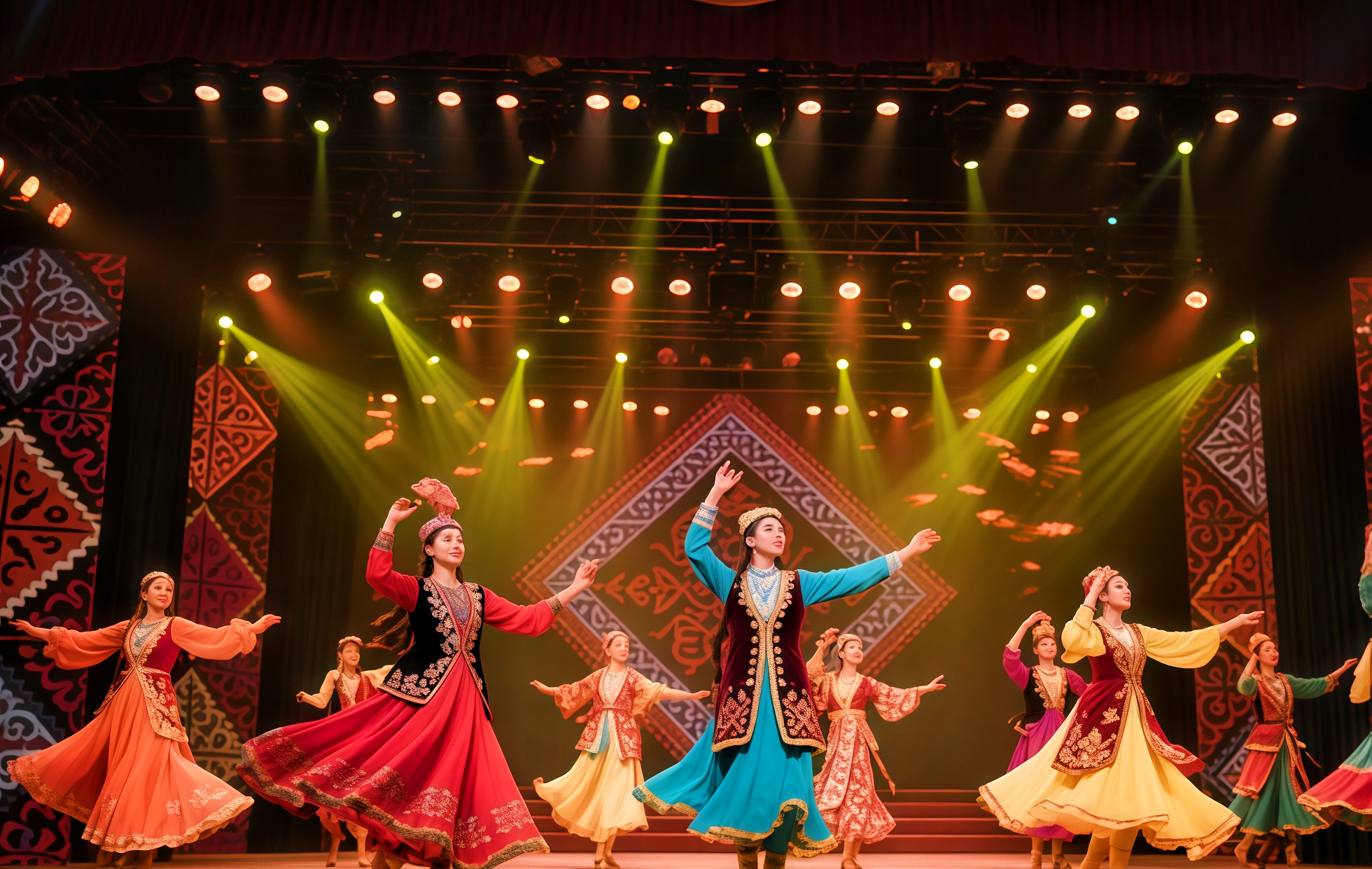
- Core Experiences: Ascend the Silk Road Sightseeing Tower for panoramic city views; enjoy a feast of song and dance at the Grand Theater.

- Recommended Duration: Half a day to one full day; arriving after 3:00 PM is highly recommended to seamlessly transition from the daytime bustle to the evening's dazzling brilliance.

- Address: No. 510 Jiefang South Road, Tianshan District, Urumqi, Xinjiang Uyghur Autonomous Region.

  • Xinjiang International Grand Bazaar: A Modern Echo of a Thousand Years of Silk Road Prosperity-1
  • Xinjiang International Grand Bazaar: A Modern Echo of a Thousand Years of Silk Road Prosperity-2
  • Xinjiang International Grand Bazaar: A Modern Echo of a Thousand Years of Silk Road Prosperity-3
  • Xinjiang International Grand Bazaar: A Modern Echo of a Thousand Years of Silk Road Prosperity-4

Origins: The Silk Road's Lifeline and an Urban Landmark

Furong Ancient Town Furong Ancient Town Furong Ancient Town Furong Ancient Town

The Soul of the Bazaar—The Continuation of a Thousand-Year-Old Commercial Artery

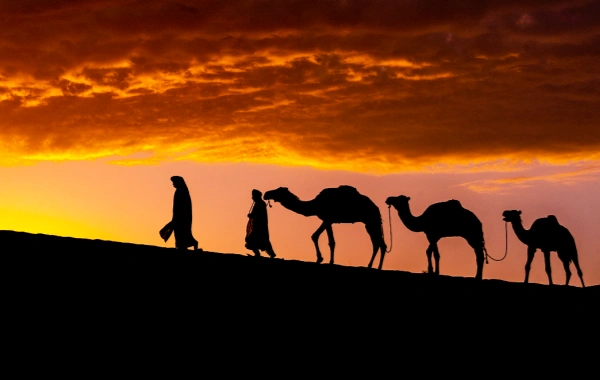
The word "Bazaar" originates from ancient Persian and simply means "marketplace." Situated in the central section of the Silk Road, Xinjiang has historically served as a vital gateway for trade between East and West. For centuries—from the era of Sogdian merchants to that of Uyghur traders—the bazaar has remained the beating heart of daily life for the diverse ethnic groups of Xinjiang. Whether one needed to spend some money, sought solace from a troubled mind, or—most importantly—wished to celebrate a joyous occasion, the bazaar was always the place to be. This "Bazaar Consciousness"—a spirit that runs deep in the very bloodstream of the people—finds its most magnificent expression at the Xinjiang International Grand Bazaar. Far from being a mere commercial complex conjured out of thin air, it stands as a modern tribute to—and a vibrant rebirth of—the bustling trade and prosperity of the ancient Silk Road.

The Birth of a Landmark: From Barren Land to a Window on the World

The completion of the Xinjiang International Grand Bazaar serves as a testament to the prosperity and development of Xinjiang in the modern era:

- Inauguration (2003): On June 26, this colossal complex—spanning nearly 40,000 square meters of land with a total floor area of ​​100,000 square meters—was officially inaugurated, making a stunning debut as the largest bazaar in the world.

- Accolades and Honors (2003–2011): In the very year of its completion, it was named one of the "Ten New Scenic Spots of Urumqi." The following year, it was selected as one of the "Top Ten Buildings," and in 2011, it was awarded the title of "National-Level Cultural Industry Demonstration Base" by the Ministry of Culture.

- Cultural Icon (To Present): After more than two decades of growth, the Grand Bazaar has evolved into an iconic landmark and a "barometer" for Xinjiang tourism. Welcoming over ten million visitors annually, it serves as the "first stop" for virtually every traveler visiting the region.

> Dive Deeper: Explore more cultural landmarks along the Silk Road >> Wangfujing

Must-See Wonders: A Symphonic Poem of Architecture and Humanity

Furong Ancient Town Furong Ancient Town Furong Ancient Town Furong Ancient Town Furong Ancient Town

Architectural Marvels: The Aesthetics of the Western Regions Frozen in Stone

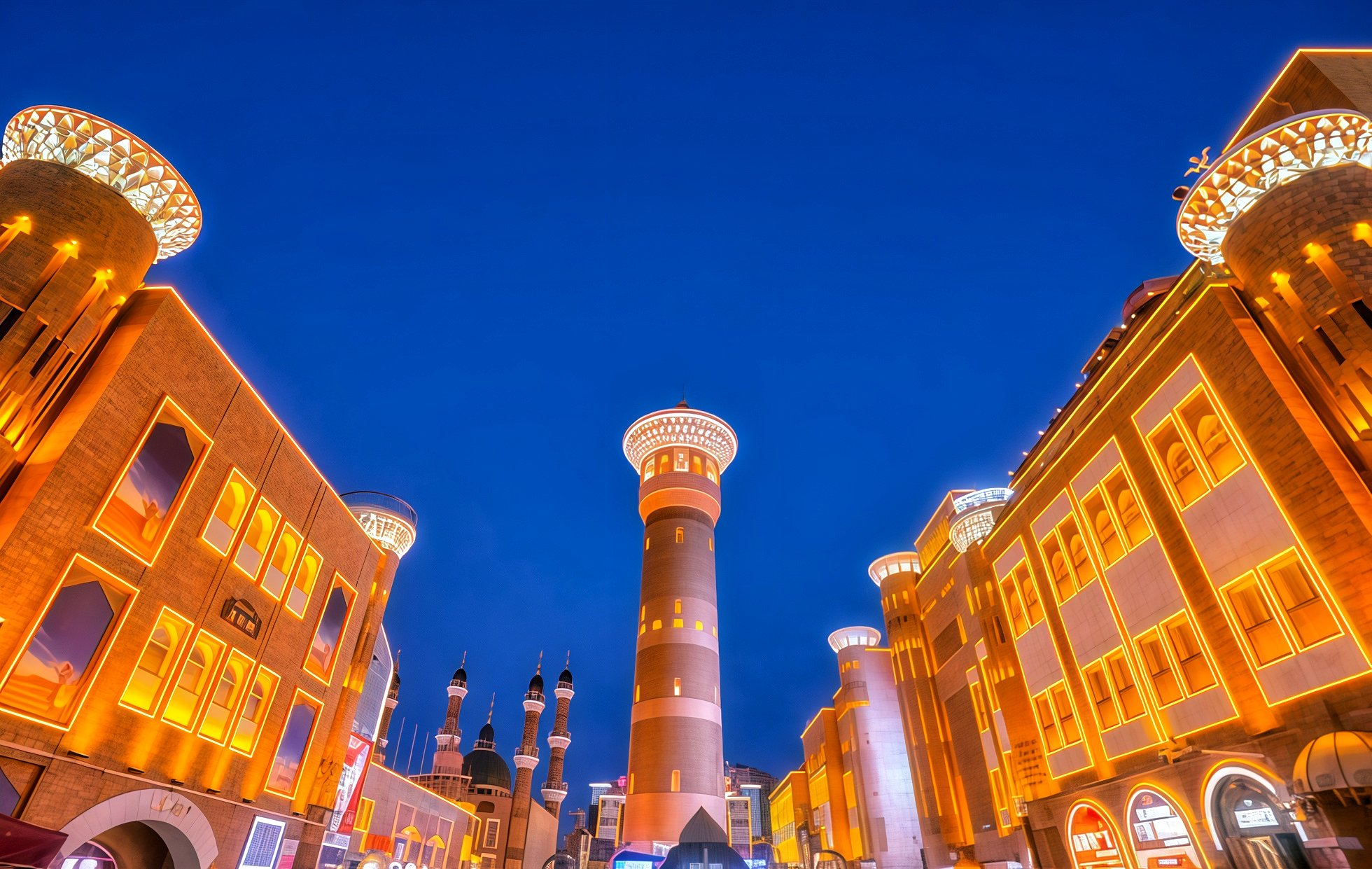
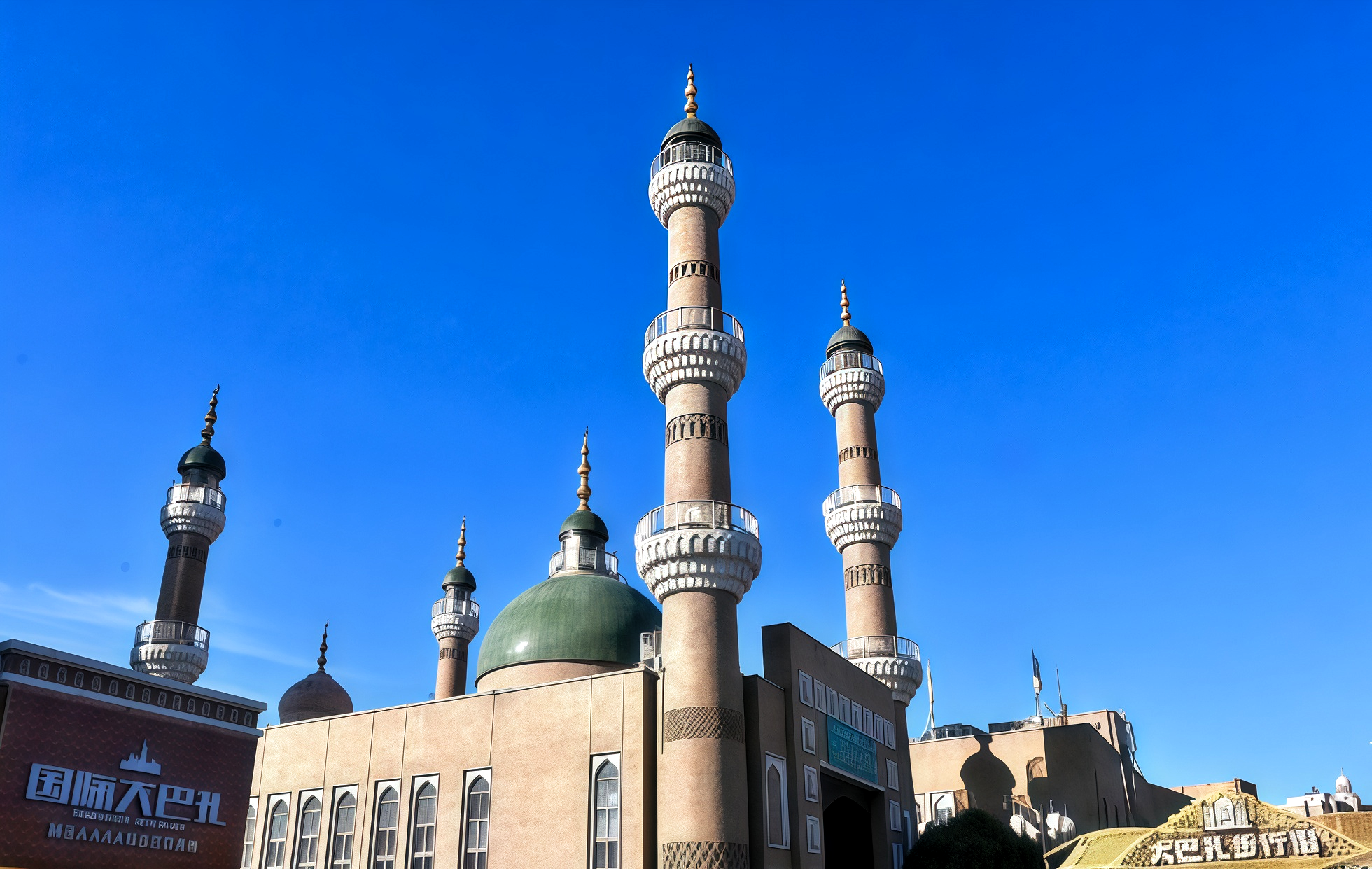
The Grand Bazaar complex is, in itself, a monumental work of art. It seamlessly blends diverse architectural vocabularies—drawing from Islamic, Central Plains (Han Chinese), Ancient Roman, and Uyghur traditions—to create a visual spectacle of unparalleled impact.

The Beauty of Asymmetry: A Dance of Light and Shadow

If you examine the Grand Bazaar's architecture closely, you will uncover a fascinating secret: you won't find two buildings here that are perfectly symmetrical. This is a hallmark of Xinjiang's architectural heritage—an artistic tradition spanning millennia. Through asymmetrical spatial layouts, the design orchestrates a dynamic interplay of light and shadow, ensuring that anyone standing within its precincts constantly senses the mystery and vibrant diversity of Xinjiang. "Ground-Brick-to-Seam" Masonry: Craftsmanship at Your Fingertips

The exterior walls of the Grand Bazaar feature an ancient, high-level architectural technique known as "Ground-Brick-to-Seam" masonry. Each fire-resistant brick is meticulously ground and precisely fitted together; requiring no excessive ornamentation, the walls—relying solely on the texture of the bricks themselves and the interplay of light and shadow—transform from a monotonous surface into a canvas rich with visual expression. This technique, born from Xinjiang's unique geological and climatic conditions, has evolved over a millennium to become a distinct architectural language in its own right.

The Silk Road Observation Tower: A Vantage Point Overlooking Past and Present

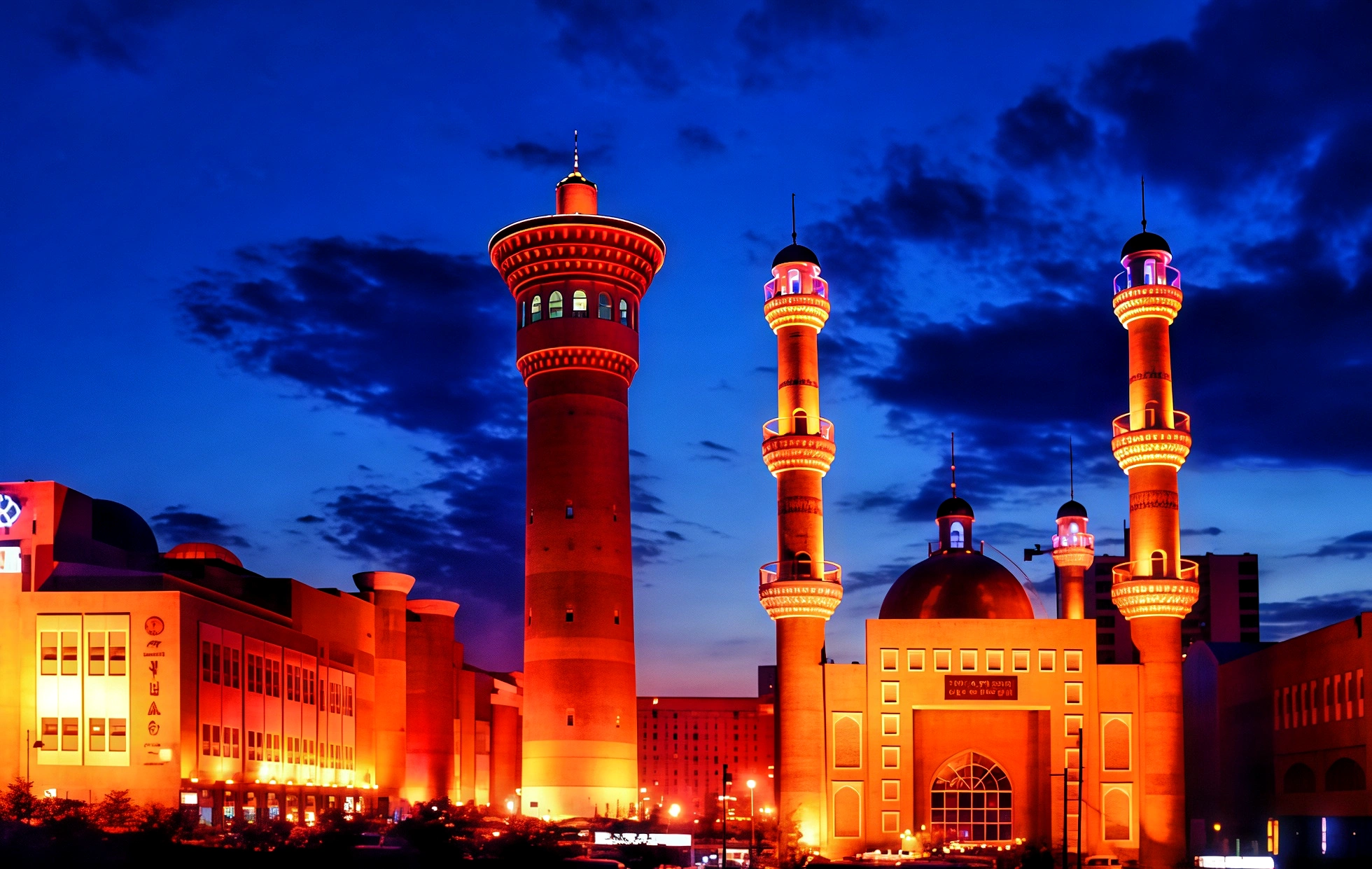
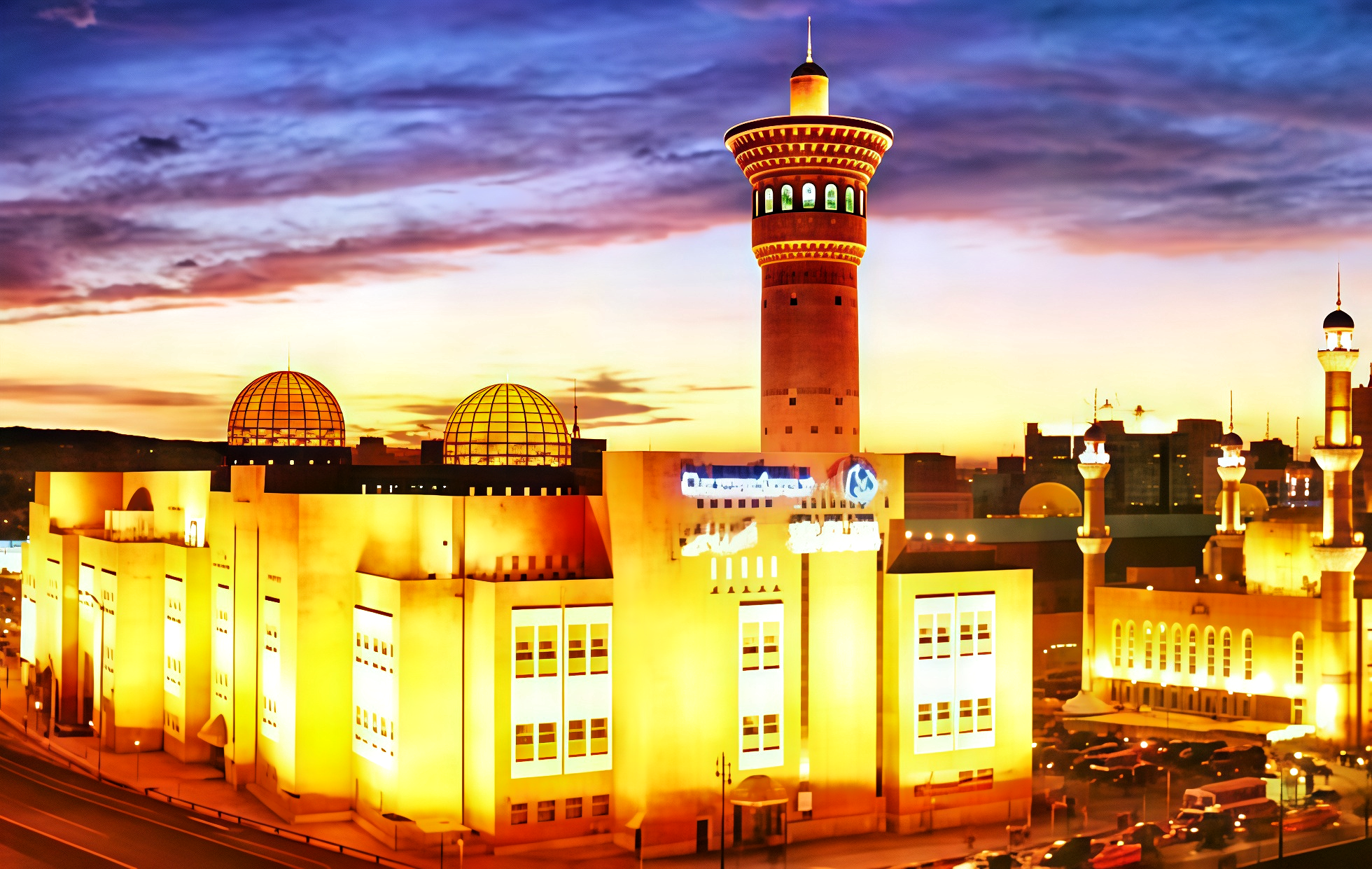
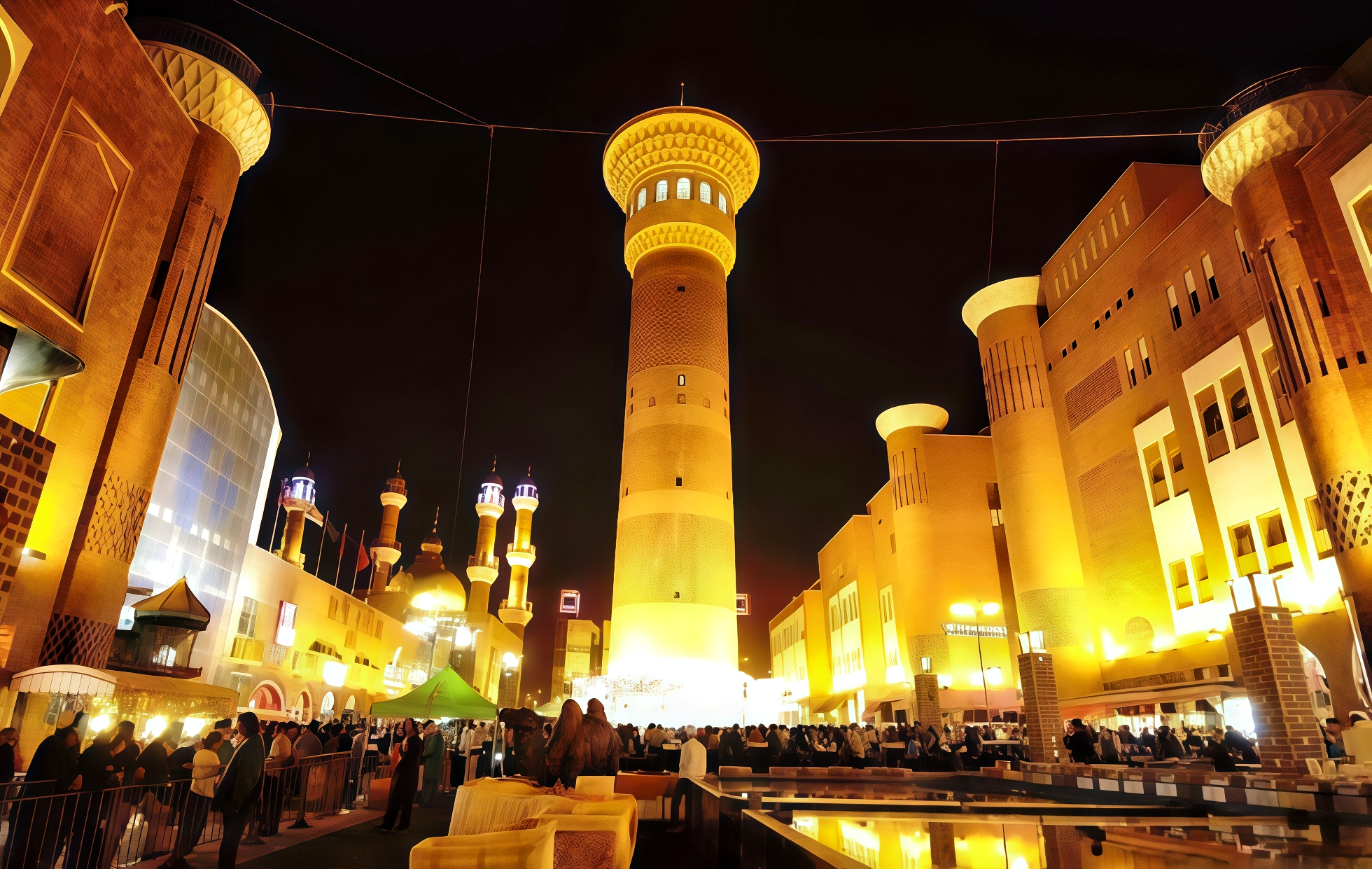
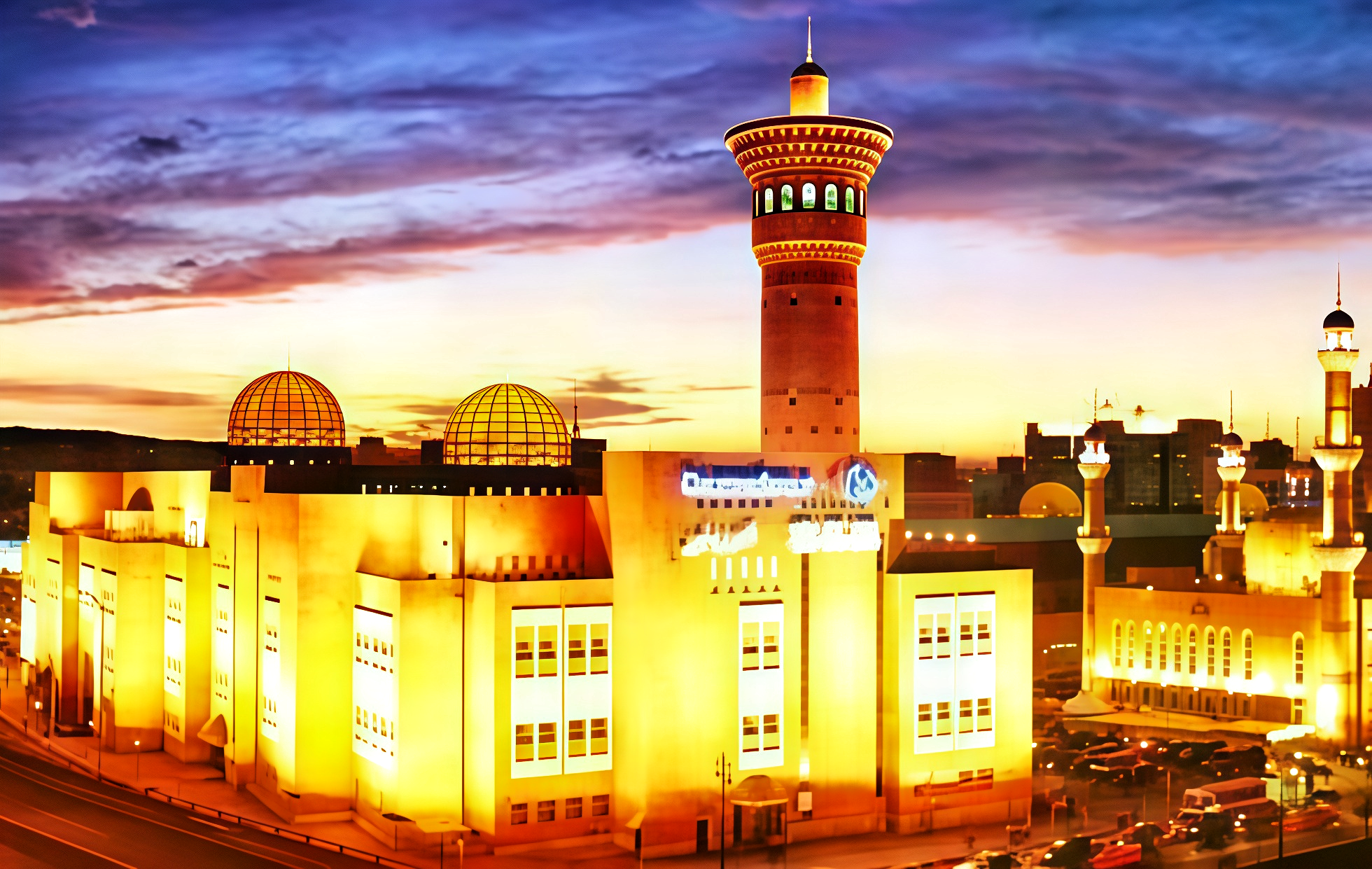
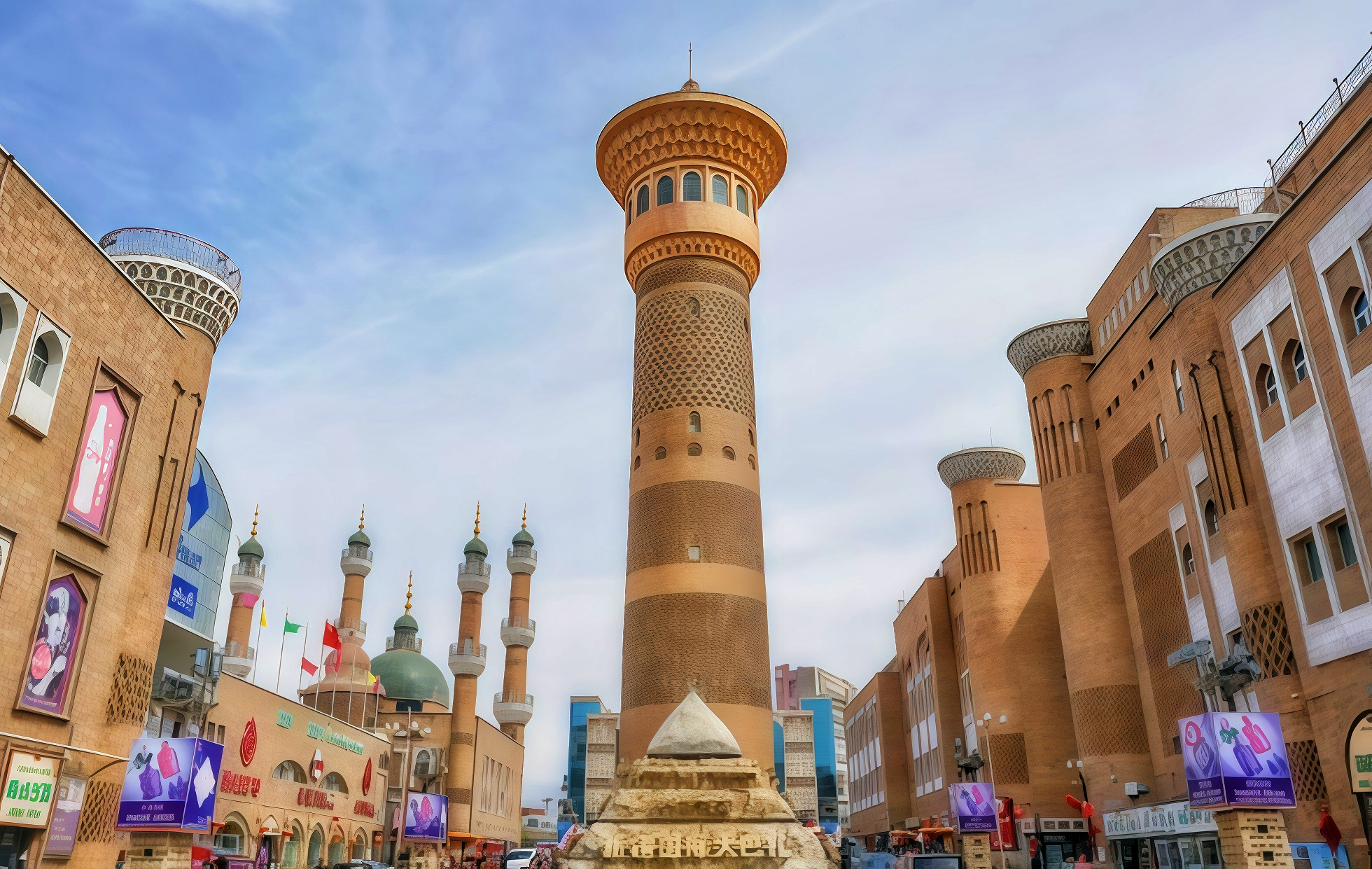
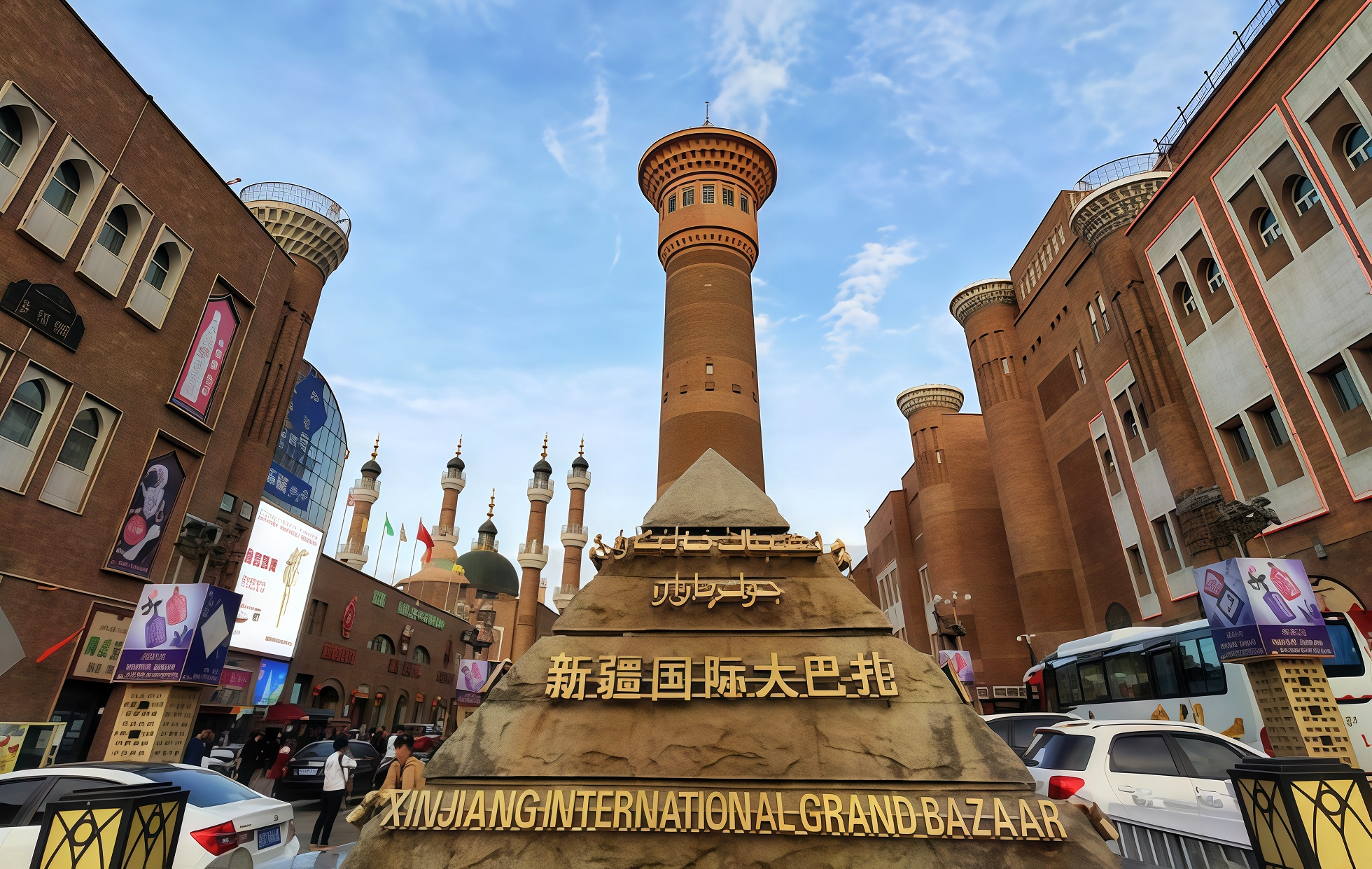
Standing 80 meters tall (approximately 100 meters including the spire), the Observation Tower serves as the spiritual landmark of the Grand Bazaar—often hailed as the "First Tower of Xinjiang." The tower's exterior is adorned with massive bas-reliefs, while its interior reveals a world of wonders: as you ascend, three-dimensional reliefs depicting the "Thirty-Six Kingdoms" of the ancient Silk Road, along with murals and artifact displays, unfold before your eyes—seemingly condensing two millennia of Silk Road history into a journey where every step reveals a new scene. Upon reaching the summit, panoramic views of Urumqi's southern district—a blend of modern vibrancy and ethnic charm—stretch out beneath you through the circular glass windows. By day, crowds surge below; by night, neon lights shimmer—a place where the ancient and the modern converge.

> Photography Tip: The best vantage point for photographing the Observation Tower is from the center of the plaza. During the evening illumination hours (approximately 19:30–20:30), the tower's lights harmonize with the glow of the sunset, creating a scene worthy of a cinematic masterpiece.

The Islamic Mosque: The Serenity of Faith and Architecture

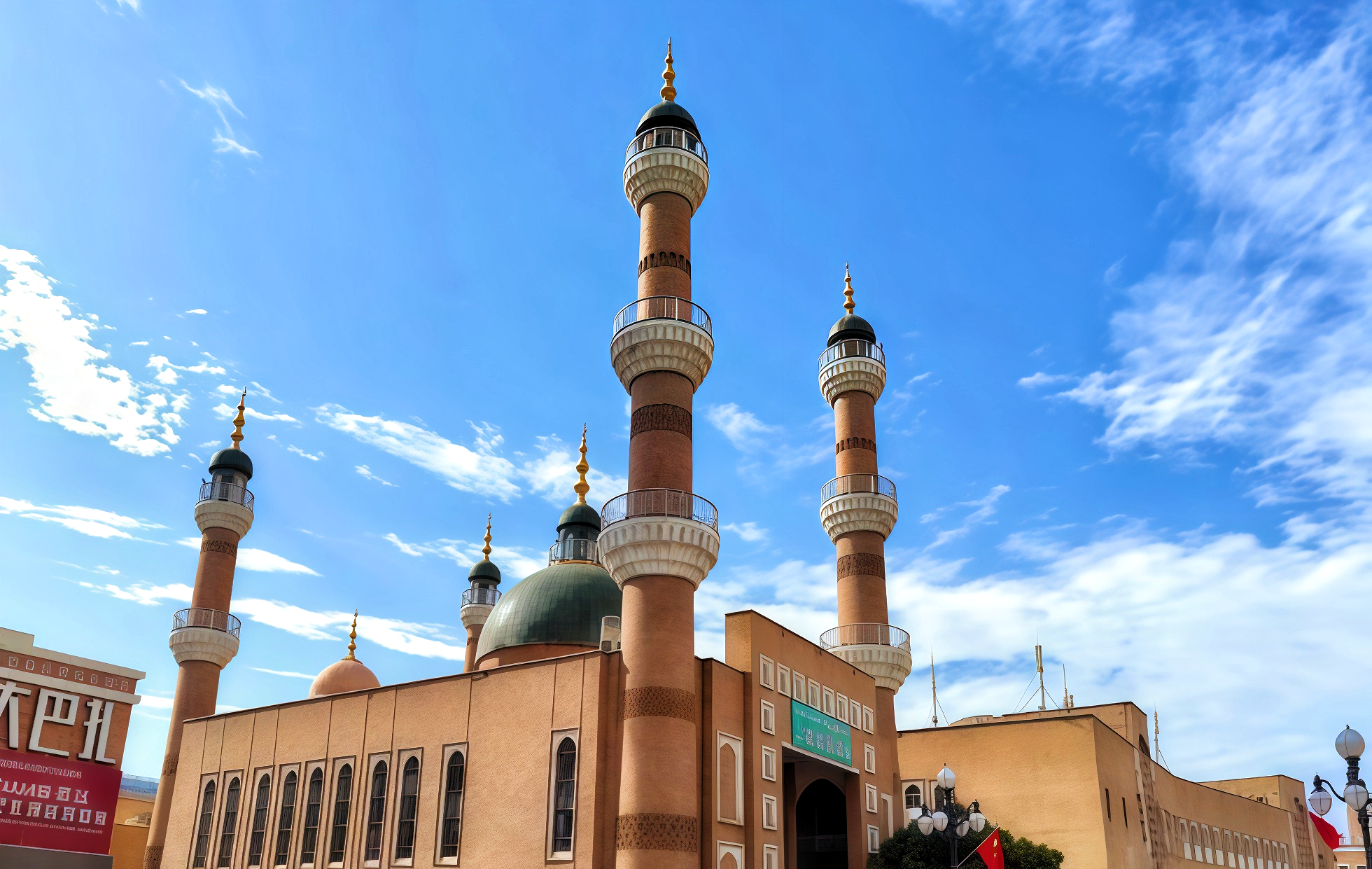
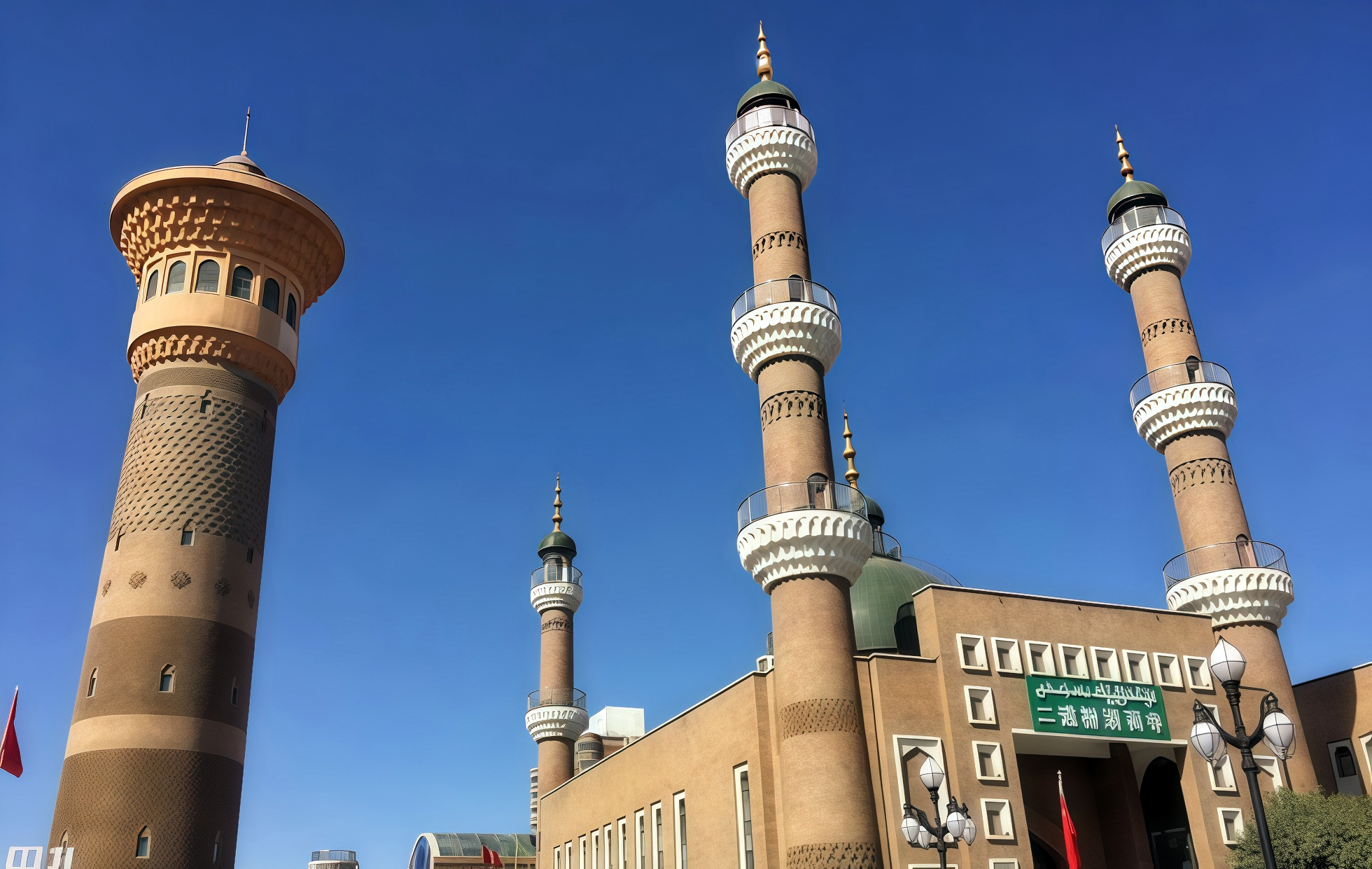
Situated on one side of the plaza, the visitor-accessible mosque—though modest in scale—seamlessly integrates quintessential Islamic architectural elements: arched windows, a central dome, and a minaret. Existing in harmonious coexistence with the surrounding complex, it imbues the Grand Bazaar with an air of solemnity and tranquility.

Humanistic Craftsmanship: An Endless "Living Museum"

The true soul of the Grand Bazaar lies in its ceaseless, vibrant atmosphere of daily life and its enduring legacy of craftsmanship. Three Major Pedestrian Streets: A Living Tapestry of Shopping, Dining, and Exploration

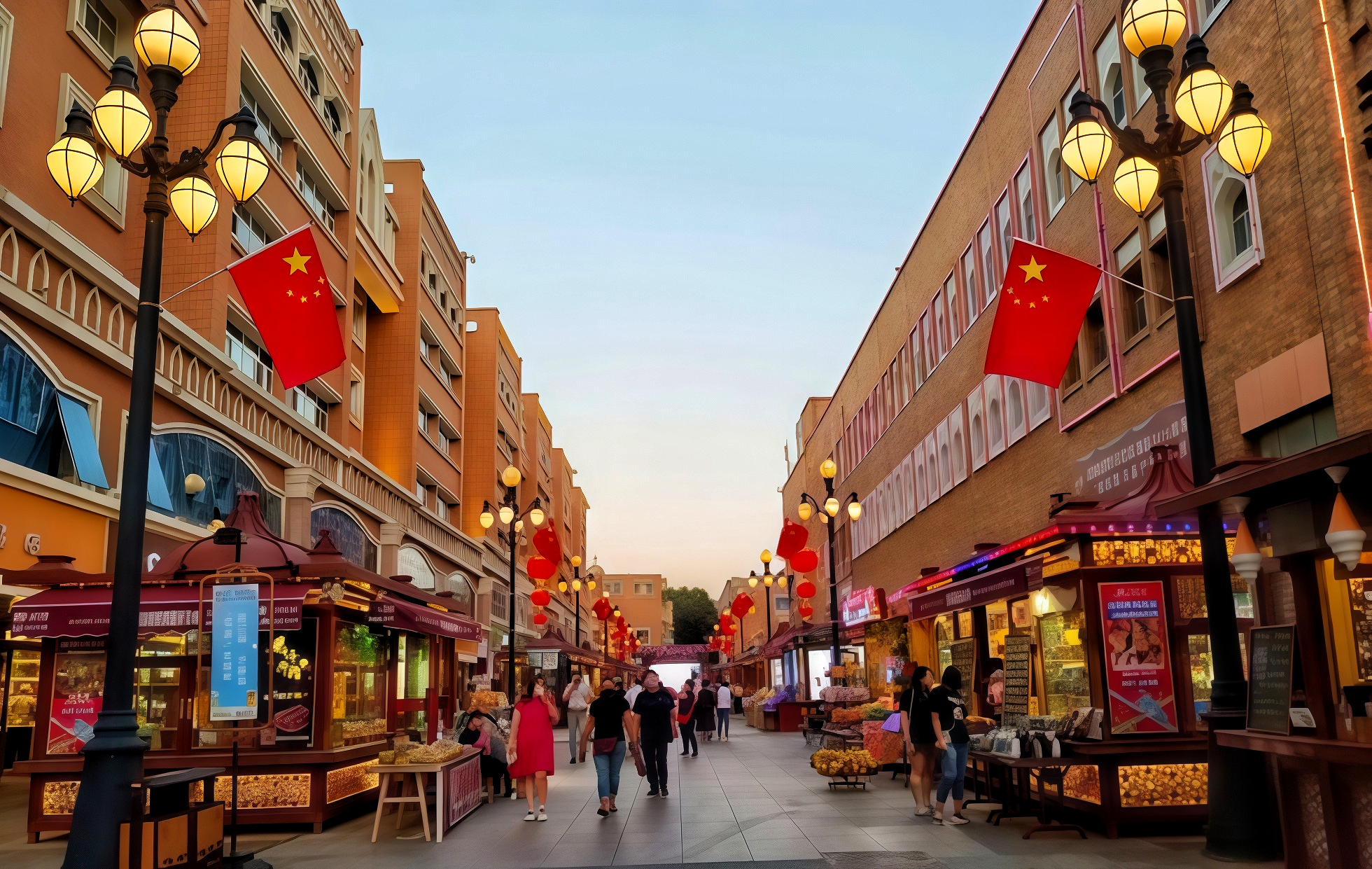
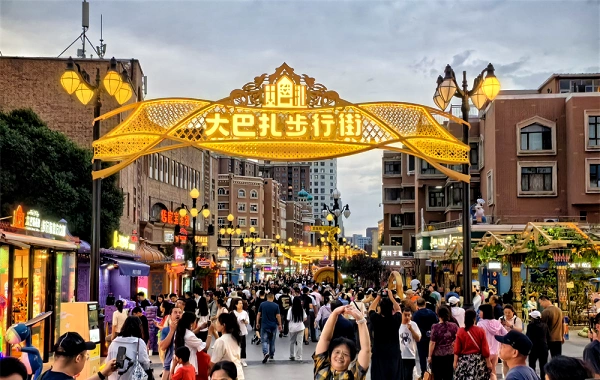
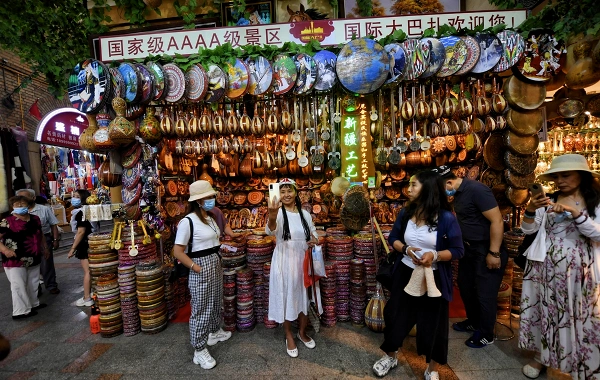
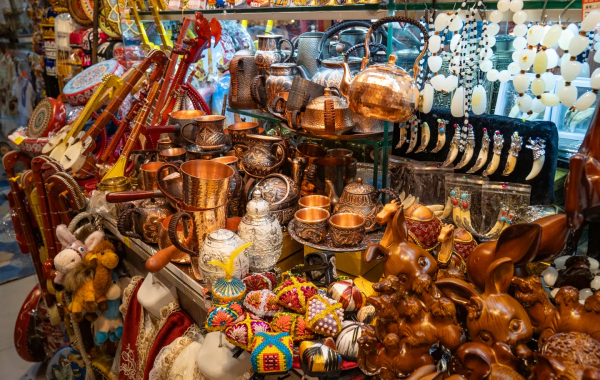
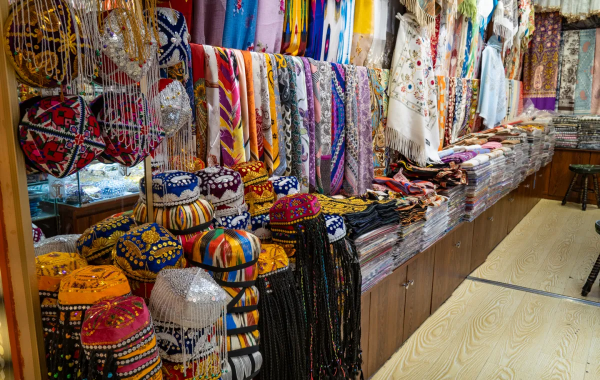
- Pedestrian Street No. 1 (Intangible Cultural Heritage & Creative Arts Zone): As you stroll along this street, you are greeted by a dazzling array of dried fruits, medicinal herbs, shawls, silk scarves, and traditional musical instruments. The defining feature of this street is its fusion of "international flair and ethnic character"; all merchandise is clearly priced, and round-the-clock courier services are available to ship your purchases directly to your doorstep.

- Pedestrian Street No. 2 (Folk Culture Experience Zone): Here, you will find every variety imaginable—from Turpan raisins, Kashgar almonds, and Korla "Snow Plums" to a treasure trove of traditional remedies. The "Secret Medicine Pavilion" gathers the most comprehensive collection of medicinal herbs from across the entire region, including Tianshan snow lotus, wild Gastrodia (Tianma), and Cistanche (Dayun). This street also conceals an Antique Row and a Hall of Exotic Stones, where every precious artifact tells a story of the passage of time and history.

- Pedestrian Street No. 6 (Handicraft Heritage Street): Though only 50 meters long, this street serves as a concentrated museum of the artisan spirit. You can witness firsthand how an Ingisha knife transforms from a mere piece of metal into a sharp, exquisite work of art; observe the metamorphosis of a handmade Hotan carpet from raw wool into a finished masterpiece; and experience the captivating charm of the hand-weaving process behind Atlas silk—a UNESCO Intangible Cultural Heritage.

Eight Specialized Markets: A Paradise for Treasure Hunters

The Grand Bazaar houses eight specialized markets within its complex, collectively serving as a veritable "Encyclopedia of Xinjiang Specialties":

- Xinjiang’s Largest Market for Dried Fruits and Local Specialties

- Xinjiang’s Premier Market for Petrified Wood, Exotic Stones, Antiques, Calligraphy, and Paintings

- Xinjiang’s Largest Wholesale and Retail Market for Shawls and Silk Scarves

- Xinjiang’s Largest Market for Ethnic-Style Fashion (Men’s and Women’s Wear)

- Xinjiang’s Most Comprehensive Trading Hub for Medicinal Herbs and Local Remedies

- Xinjiang’s Largest Specialized Market for Jewelry and Hotan Jade

- Xinjiang’s Most Distinctive Hub for Traditional Handicrafts

- Xinjiang’s Largest and Most Professional Market for Carpets, Silk Rugs, and Tapestries

The Erdaoqiao Mosque Commercial District: A Continuation of Vibrant Local Life

Adjacent to the Grand Bazaar stands the Erdaoqiao Mosque; its ground floor houses a bustling marketplace brimming with the atmosphere of everyday life, where you can unearth affordable accessories, musical instruments, and local specialties. This area serves as the social hub for local residents and offers an exceptional opportunity to immerse yourself in the authentic, down-to-earth street culture of Urumqi. 

Core Experiences: An Immersive Guide to Life on the Silk Road

Furong Ancient Town Furong Ancient Town Furong Ancient Town Furong Ancient Town Furong Ancient Town

Five Must-Do Activities to Unlock an Authentic Bazaar Journey

1. Ascend the Silk Road Sightseeing Tower

- Timing: Visit during the day for panoramic city views, or in the evening to catch the sunset and nightscape. Open daily from 10:00 AM to 8:00 PM.

- Experience: A ticket is required to ascend the tower (approx. 50 RMB). The observation deck on the first floor allows you to acclimate to the height, while the replicas of the Kizil Caves murals displayed along the circular corridor on the sixth floor are an absolute must-see. Once you reach the summit, don't forget to grab a "Sightseeing Tower Iced Americano"—the cup itself is shaped like a miniature version of the tower, making for a fantastic photo opportunity.

2. Attend a Feast for the Senses: Where Dining Meets the Performing Arts

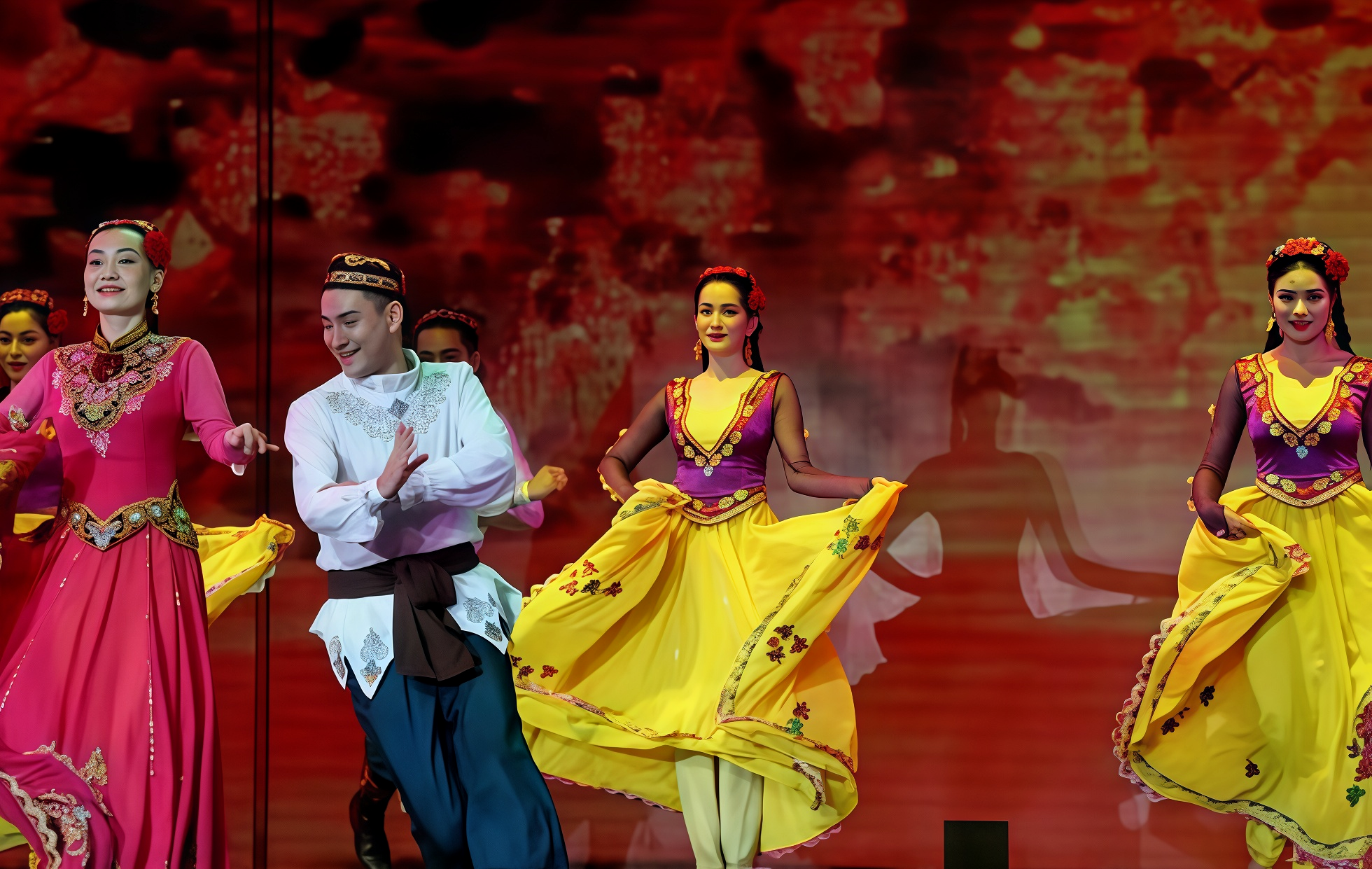
- Core Experience: The Grand Bazaar Art Theater upholds Xinjiang's millennia-old tradition of combining dining with dance as a form of hospitality. Capable of accommodating 1,000 guests for both dining and performances, the venue features a European-style dome and flickering candlelight, offering a buffet selection of over a hundred Halal dishes. Be sure to sample long-lost ancient delicacies, such as the "Bazaar Whole Roasted Lamb" and the highly nutritious "Gu Ruo Jin Tang" (Impregnable Fortress) soup.

- Performance Schedule: Doors open daily at 7:00 PM; the buffet begins at 7:20 PM; and the grand song-and-dance spectacular, The Silk Road: Impressions of a Millennium, starts promptly at 8:00 PM. Featuring a star-studded cast, the show is affectionately dubbed by visitors as "Xinjiang's Spring Festival Gala."

- Booking Tips: Reservations can be made online via the official WeChat account or purchased in person at the booking counter located on the 4th floor of Building No. 4.

3. Savor a Table Full of Authentic Xinjiang Flavors

- The "Must-Eat" List:

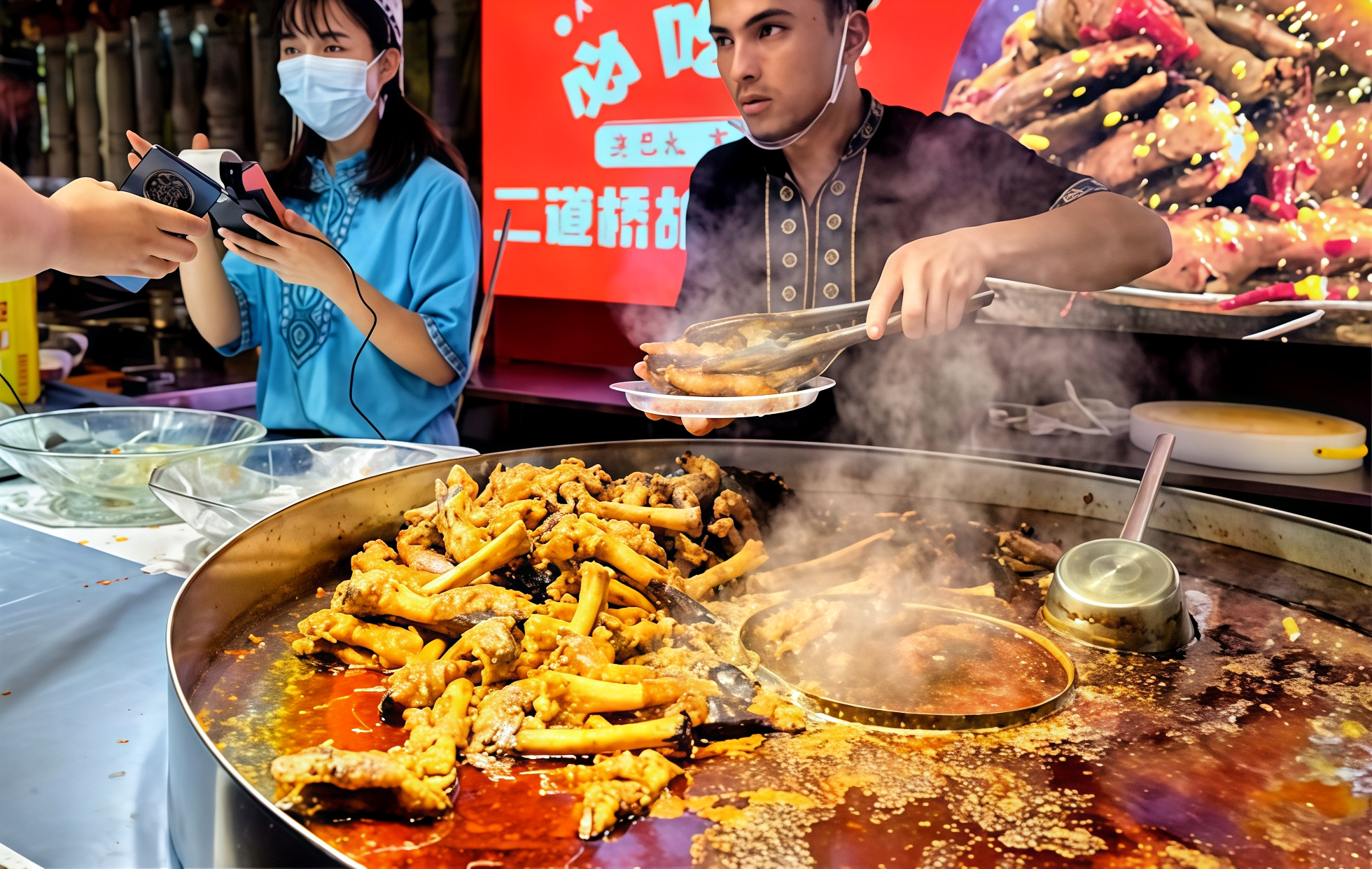
- Hardcore Carnivore Delights: Red Willow Skewers (succulent meat with no gamey odor), Nan Pit Roasted Whole Lamb (crispy skin, tender meat), and Thin-Skinned Steamed Buns (bursting with juicy flavor in every bite).

- The Reigning Carb Champions: Pilaf (golden grains of rice paired with melt-in-your-mouth lamb), Hand-Pulled Noodles (chewy texture, rich flavor), and Freshly Baked Nan Bread (so delicious you can snack on it all afternoon). - Signature Snacks: Kashgar Roasted Eggs (with a molten yolk center), Yogurt Zongzi (sweet, tangy, and refreshing), and Mianfeizi & Micangzi (a local favorite—a challenge for the adventurous!).

- Trendy Drinks: Afanti Milk Tea (a savory blend evoking nostalgic childhood memories) and Fresh-Squeezed Pomegranate Juice (pressed from pure fruit pulp—sweet enough to melt your heart).

- Culinary Hotspots: "Flavors of Xinjiang" Food Hall (a 6,000-square-meter indoor streetscape that instantly transports you to the distinct cultural atmospheres of both Northern and Southern Xinjiang), the Yanyi Grand Theater, and the various snack stalls lining the pedestrian streets.

4. Hunt for a One-of-a-Kind Treasure from the Western Regions

- Souvenir Guide:

- Hetian Jade / Jewelry: The Grand Bazaar hosts Xinjiang’s largest specialized market for jewelry and Hetian jade; remember to request an authenticity certificate when making a purchase.

- Hand-Woven Carpets / Silk Scarves: Pure wool hand-woven carpets and Atlas silk shawls make excellent gifts, available in a vast array of styles with prices ranging from a few dozen to tens of thousands.

- Ethnic Musical Instruments / Handicrafts: Dombra lutes, Rawap lutes, Yengishe knives (which must be shipped via mail), copperware, and wood carvings—each piece embodies the spirit of true craftsmanship.

- Dried Fruits / Medicinal Herbs: Raisins, figs, almonds, red dates, as well as Tianshan snow lotus, Cistanche (Rou Cong Rong), and other herbs—conveniently pack and ship them home for a hassle-free experience.

- Bargaining Tips: When buying handicrafts on the pedestrian streets, don't pay the asking price immediately. Start by offering half the quoted price, then negotiate patiently; maintain a friendly attitude, as the shopkeepers are generally honest and fair.

5. Capture Stunning Photos with an Exotic Flair

- Best Photo Spots:

- The Plaza Beneath the Observation Tower: Shoot upwards to capture the tower and the surrounding architectural complex; the background is clean, creating a grand and majestic visual effect.

- Pedestrian Street No. 1: Featuring colorful merchandise and ethnic decorations, this area is perfect for candid portrait photography.

- Handicraft Street No. 6: Capture scenes of artisans at work—an ideal spot for documentary-style photography that captures the human element and local culture. - After Dark (When Lights Turn On): As the neon lights begin to glow, the outlines of the buildings are beautifully illuminated—creating a superb setting for night-time portrait photography.

- Clothing Suggestions: We recommend wearing brightly colored outfits or bringing along a long, ethnic-style dress of your own; rental services for such attire are also available in the vicinity of the scenic area.

Suggested Itineraries

One-Day "In-Depth Experience" Tour (Recommended)

3:00 PM: Enter the park → Head straight to the Silk Road Sightseeing Tower to ascend and enjoy a panoramic view (1 hour) → Stroll along Pedestrian Streets No. 1 & 2 to sample dried fruits, purchase souvenirs, and take photos at various scenic spots along the way (1.5 hours) → Visit Handicraft Street No. 6 to watch artisans at work (0.5 hours) → Visit the "Flavors of Xinjiang" Food Hall to freely sample a variety of local snacks (1 hour) → 7:00 PM (Evening): Enter the Yan Yi Grand Theater to enjoy a buffet dinner and watch the Silk Road: Impressions of a Millennium song and dance performance (2.5 hours) → After leaving the theater, capture photos of the Grand Bazaar's dazzling nightscape → Depart after 10:00 PM.

Two-Day "Deep Immersion" Tour (Combining Nearby Attractions)

Day 1: Arrive in Urumqi in the afternoon and check into a downtown hotel → Head to the Grand Bazaar in the evening to explore the nightscape and enjoy dinner at the Yan Yi Grand Theater, following the itinerary outlined above.

Day 2: Morning: Visit the Xinjiang Uygur Autonomous Region Museum (to view national treasures such as the "Beauty of Loulan" mummy and the "Five Stars Appearing in the East" brocade) → Lunch: Savor authentic Hand-Pulled Rice (Pilaf) or Hand-Pulled Noodles (Lagman) → Afternoon: Visit Red Hill Park (Hongshan Park) to climb the Red Hill Tower and enjoy a panoramic view of Urumqi → Depart for home in the evening.

IntoTravelChina Advantages: We can reserve the best seats for you at the Yan Yi Grand Theater, arrange for a professional guide to provide in-depth insights into the architecture and history, and offer private car charter services to seamlessly connect your visits to the museum and Red Hill Park—ensuring a truly worry-free and immersive travel experience.  >> [Inquire Now for a Customized Itinerary]

Complete Travel Guide: Transport, Accommodation, and Seasons

Furong Ancient Town Furong Ancient Town Furong Ancient Town Furong Ancient Town

How to Get There: A Seamless Connection Guide

The Xinjiang International Grand Bazaar is situated in the heart of Urumqi, offering extremely convenient access.

- Arriving from Across the Country: Fly into Urumqi Diwopu International Airport or take the high-speed train to Urumqi Station.

- From the Airport: Take Metro Line 1 directly to "Erdaoqiao" Station; the Bazaar is located right outside the exit. Alternatively, a taxi ride takes approximately 40–60 minutes and costs about 50–70 RMB.

- From the High-Speed ​​Train Station: Take Metro Line 2, transfer to Line 1, and proceed to "Erdaoqiao" Station (total travel time: approx. 50 minutes). Alternatively, a taxi ride takes about 30 minutes and costs approximately 30–40 RMB.

- By Public Bus: Several bus routes serve "Erdaoqiao" Station or "Tuanjie Road" Station; simply alight and walk a short distance to reach the Bazaar.

- Important Tip: The area surrounding the Grand Bazaar experiences heavy foot traffic; it is highly recommended to prioritize taking the subway to avoid the hassle of finding parking.

Best Time to Visit

The Xinjiang International Grand Bazaar is a delightful destination year-round, though the summer and autumn months (June–October) offer the absolute best experience.

- The Golden Season (June–October): The weather is pleasant, and the air is filled with the fragrance of fresh produce—grapes, Hami melons, and watermelons are all in season. Evenings are cool and refreshing, making them ideal for strolling through the night markets and enjoying the city lights. Note that this is also the peak tourist season, so expect larger crowds.

- Spring (April–May): Temperatures begin to rise, and the first blossoms appear. With fewer tourists during this period, the overall experience is more relaxed and comfortable.

- Winter (November–March): The landscape is blanketed in snow, offering a unique and tranquil beauty. Indoor shopping and performances remain unaffected, and accommodation rates are significantly more affordable; however, be sure to dress warmly to stay comfortable.  4.3 Accommodation Options

- Areas Surrounding Scenic Spots (Prioritizing Convenience):

1. Hotels/Guesthouses Near the Grand Bazaar:

- Experience: Located within a 5–10 minute walk of the scenic area, offering the convenience of heading straight back to your accommodation after an evening stroll; ideal for families and travelers who prioritize ease of access.

- Recommendation: The vicinity of Erdaoqiao features a variety of star-rated hotels and unique guesthouses, with prices ranging from 200 to 800 RMB.

2. Hotels in Tianshan District / City Center:

- Experience: Offers a wide range of choices, spanning everything from budget-friendly options to five-star luxury hotels, with comprehensive dining and shopping amenities close at hand; ideal for: travelers who prioritize high-quality accommodation or plan to visit other attractions within the city center.

- Other City Districts (Best Value Options):

- Saybagh District / Shuimogou District: Hotel rates are relatively affordable, and transportation is convenient; however, you will need to take a vehicle to commute to and from the scenic area daily (approx. 20–30 minutes).

IntoTravelChina Accommodation Booking Tips:

During the peak travel seasons of summer and autumn, we recommend booking your accommodation 1–2 months in advance—especially for popular hotels located near scenic areas. By booking through us, you gain access to real-time room availability and exclusive rates; furthermore, we can bundle your accommodation, attraction tickets, and transportation into a single cohesive plan, ensuring a seamless and hassle-free itinerary.  >> [Click to contact an IntoTravelChina travel consultant]

Extending Your Journey: A Loop Tour Connecting the Best of Northern and Southern Tianshan

Furong Ancient Town

The Xinjiang International Grand Bazaar is by no means the end of your journey, but rather the perfect starting point for exploring the magnificent landscapes of Xinjiang.

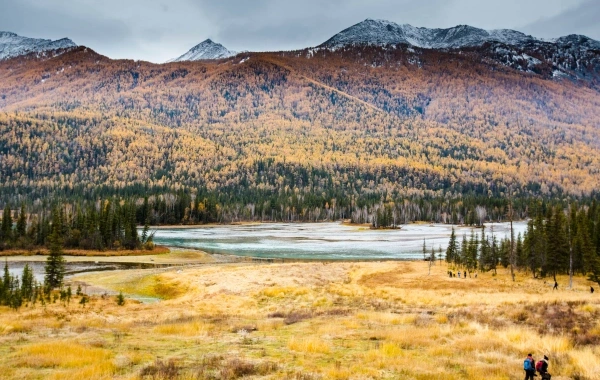
- Classic 6-Day Northern Xinjiang Loop: Urumqi (International Grand Bazaar) → Heavenly Lake of Tianshan → Koktokay → Kanas Lake → Hemu Village → Urho Ghost City → Sayram Lake → Yining. This route offers a visual feast encompassing snow-capped mountains, pristine lakes, lush forests, vast grasslands, and unique Yardang landforms.

- 7-Day Southern Xinjiang Cultural Loop: Urumqi → Turpan (Flaming Mountains, Grape Valley) → Korla → Kuqa (Kizil Caves of the Thousand Buddhas) → Aksu → Kashgar (Old City, Abakh Hoja Tomb) → Tashkurgan (Pamir Plateau). Immerse yourself in the rich Uyghur culture and the breathtaking scenery of the Pamir Plateau.

- 2-Day Tour Around Urumqi: Heavenly Lake of Tianshan + Nanshan Pastures + International Grand Bazaar—an ideal option for travelers with limited time looking for a short getaway.

Partner with IntoTravelChina to Embark on Your Exclusive Silk Road Adventure

Furong Ancient Town

The story of the Xinjiang International Grand Bazaar is one of commercial heritage, cultural fusion, and the enduring spirit of craftsmanship. IntoTravelChina specializes in crafting in-depth, personalized, and hassle-free travel experiences across China. Our travel experts are here to offer you:

- Tailor-Made Itineraries: We design the perfect route—customized to your interests and schedule—featuring the Grand Bazaar alongside the highlights of both Northern and Southern Xinjiang.

- One-Stop Service: We handle everything—securing entrance tickets, arranging unique accommodations, coordinating transportation, booking local guides, and reserving seats for performances at the Grand Bazaar Theater.

- Exclusive Experiences: We arrange immersive workshops focused on intangible cultural heritage, provide professional photography services to capture your journey, and guide you to the best viewpoints during prime viewing hours.

Let your trip to Xinjiang be more than just sightseeing; let it be an immersive journey into the living renaissance of Silk Road culture.

> Start Planning Your Journey Now

> We invite you to contact our professional travel consultants. We will provide you with a personalized itinerary proposal and a price quote within 24 hours.  >> [Click to contact an IntoTravelChina travel consultant]

What Our Clients Say?

Based on 10,000+ traveler reviews

...
Daniel Dorothea
Canada
Reviewed on April 29,2025
Shopping on Nanjing Road in Shanghai was just amazing! It's truly the "First Commercial Street of China", where tradition and modernity blend perfectly. You can find awesome souvenirs and experience the trendy vibes in cool stores. The neon lights at night are just spectacular, shining bright like Times Square in New York. The food here is incredible too. I had a feast for my taste buds. Shanghai, I'll definitely be back!
Destination(s): Shanghai
Date of Experience: May 08,2024
...
...
Elvis Eva
Canada
Reviewed on June 20,2025
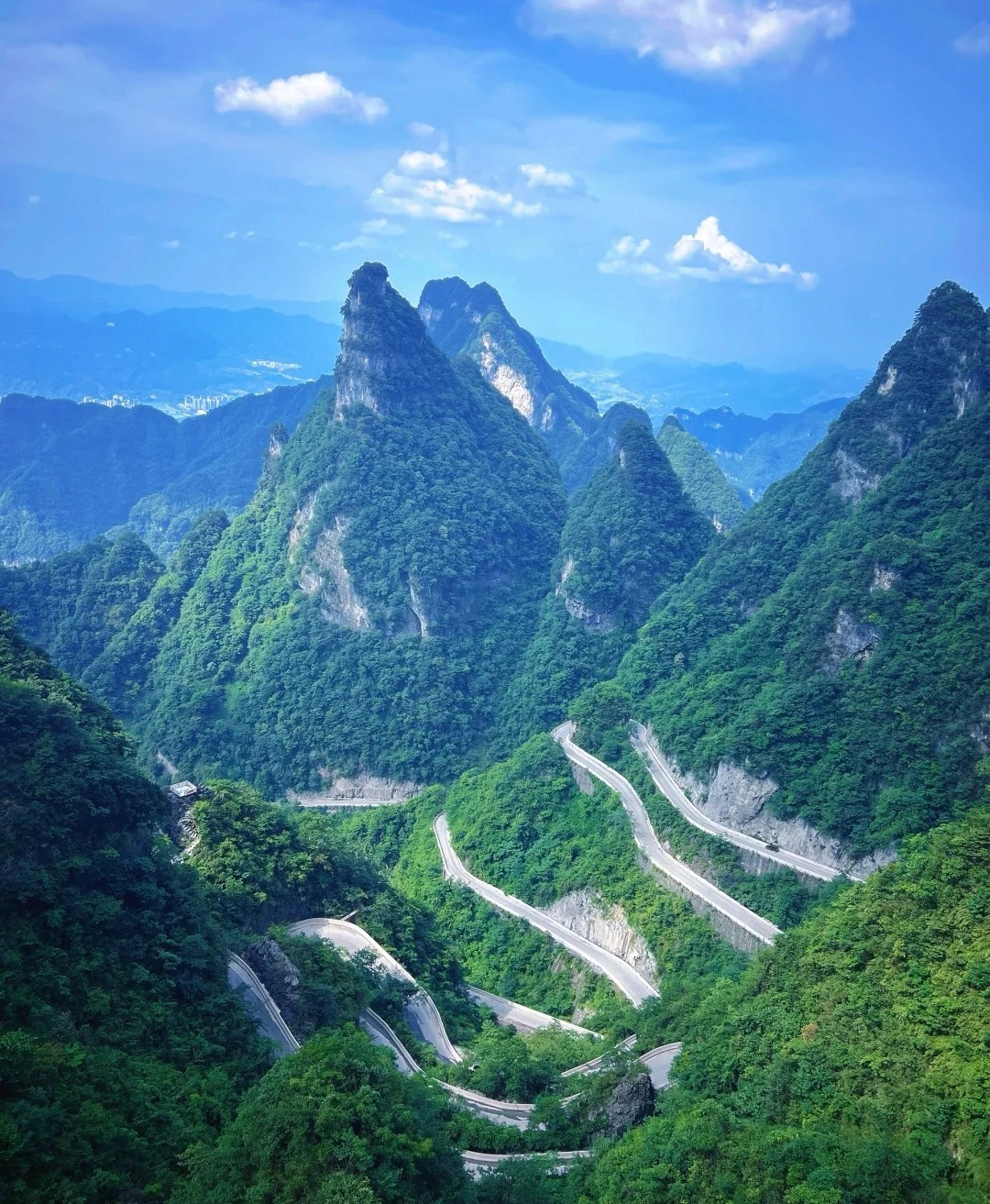
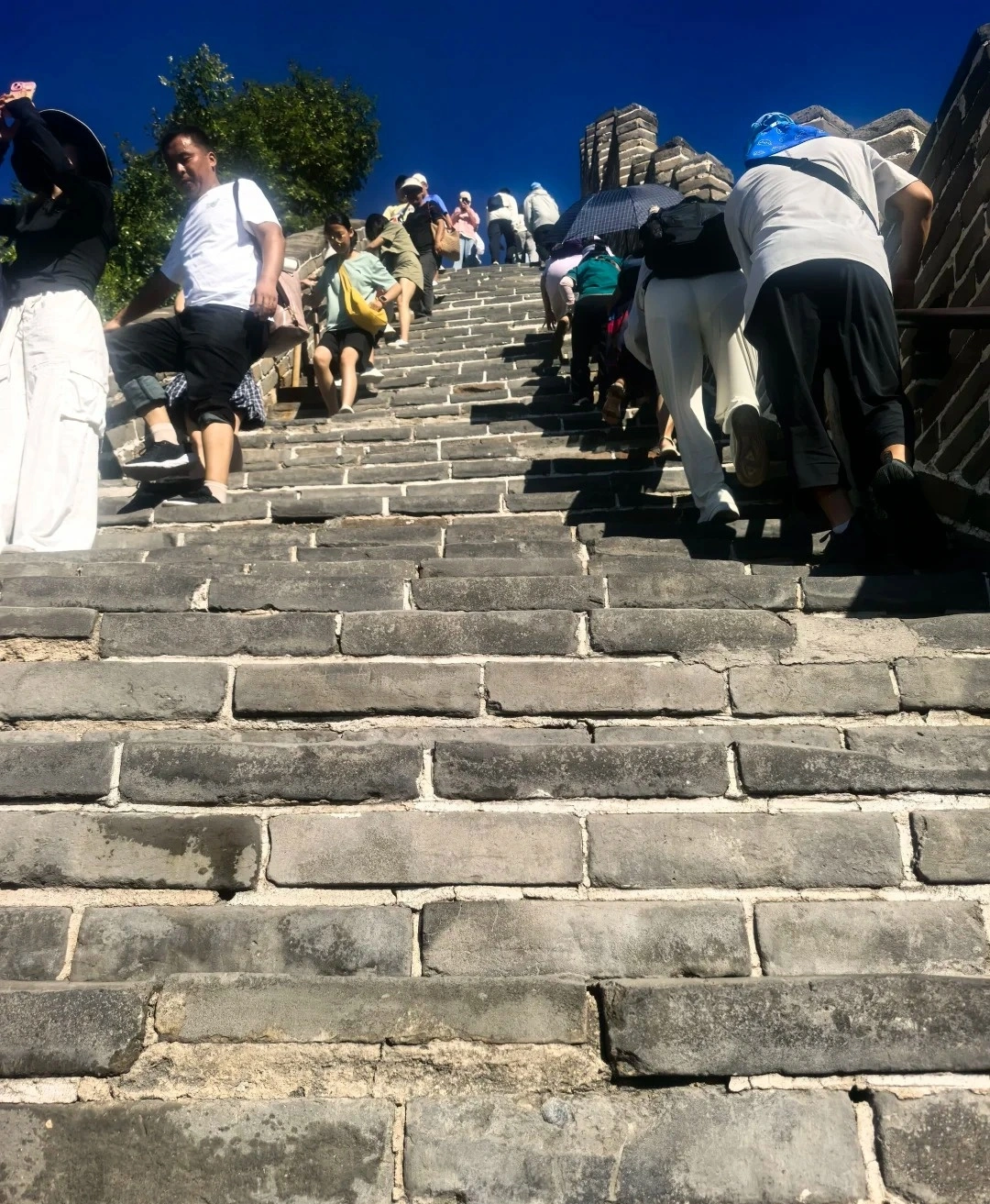
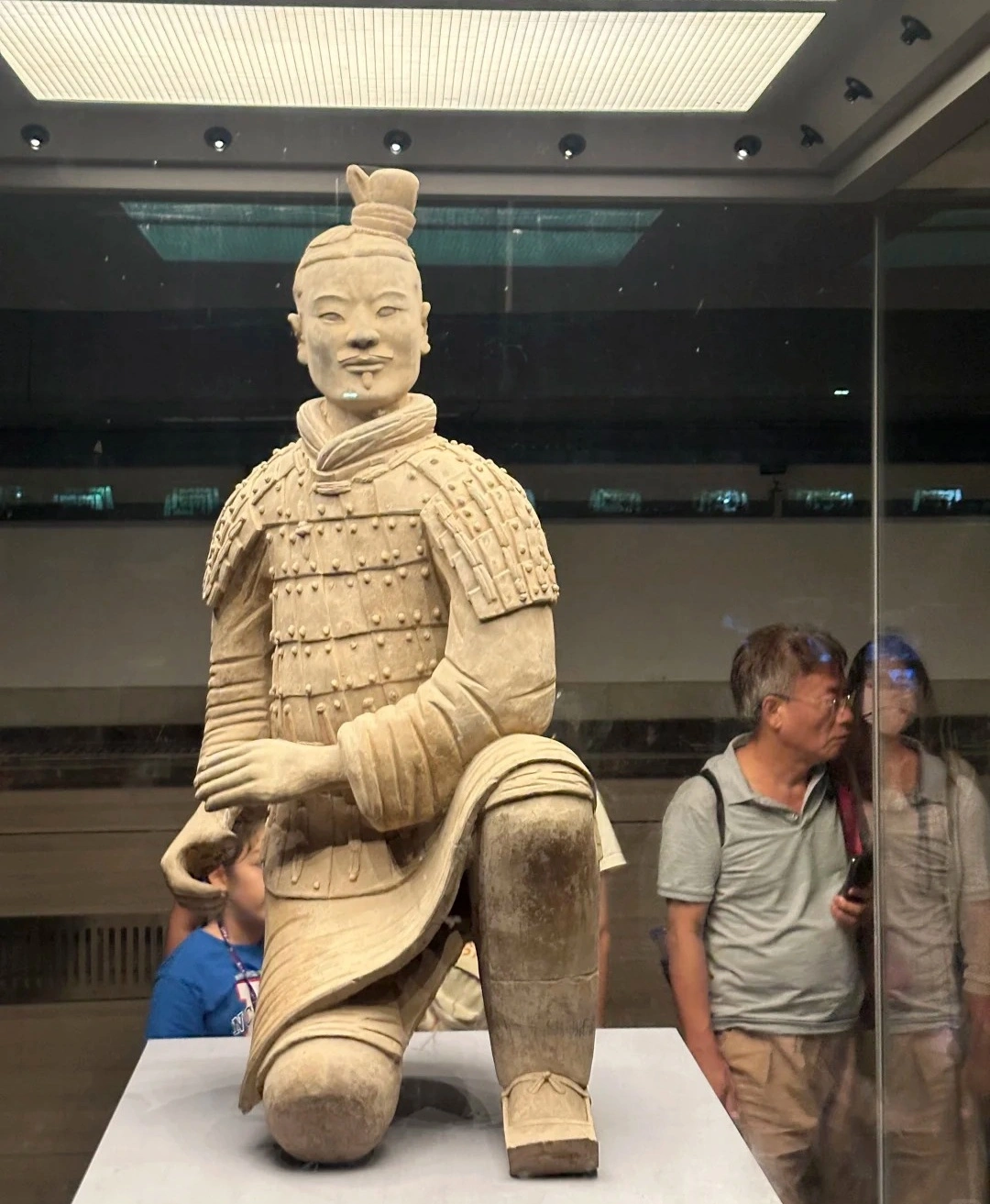
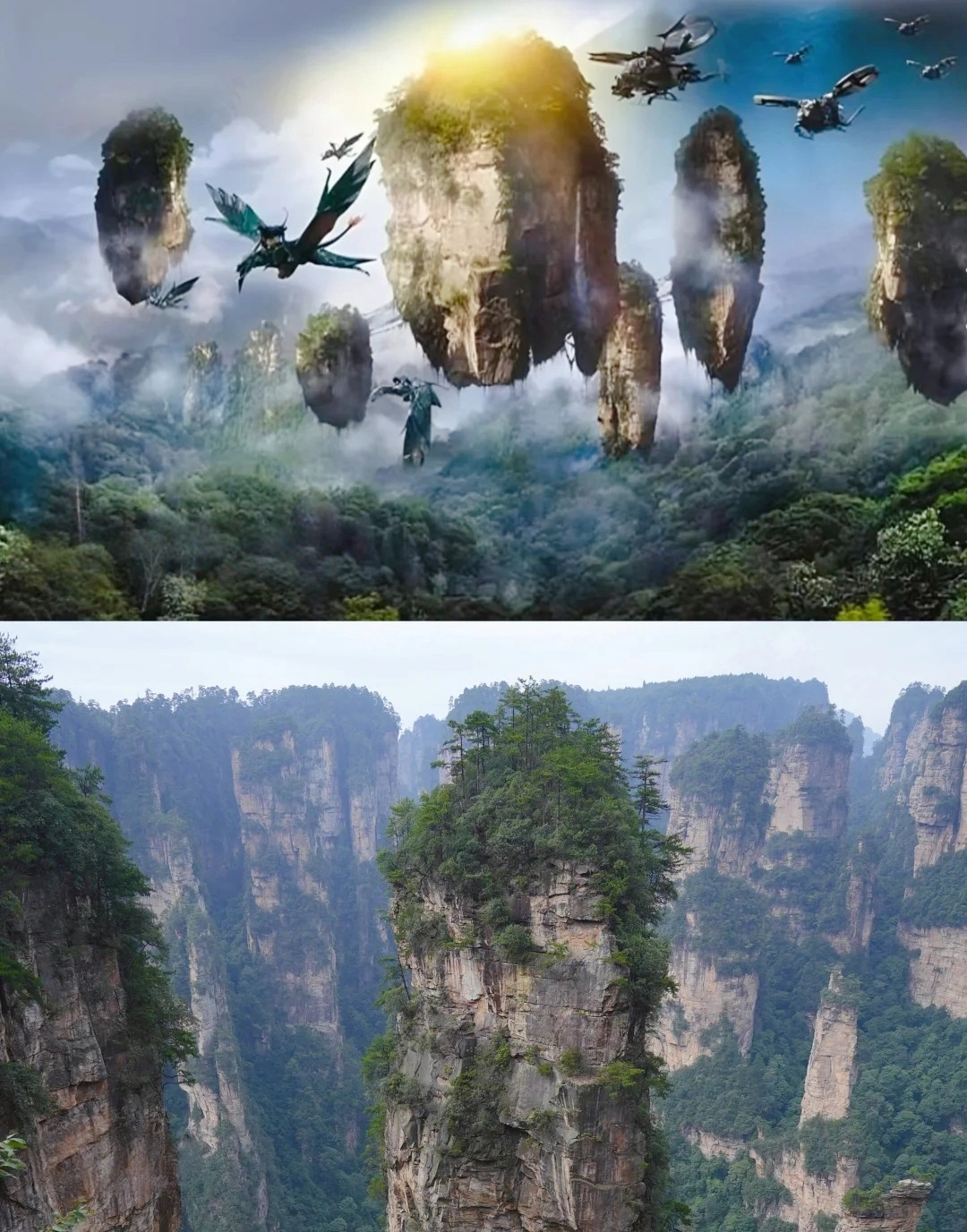
As a solo traveler from Canada, I was nervous about navigating China alone—but this 11-day tour was PERFECT! From hiking the Great Wall at sunrise (Day 3) to gasping at the Terracotta Army (Day 5), every day delivered ‘pinch-me’ moments. The real showstopper? Zhangjiajie’s Avatar Mountains (Day 7)! Our guide made the stone pillars come alive with stories. Massive thanks for handling all logistics—bullet train tickets, entry passes, car! And the 4-star hotels surprised me.
Destination(s): Beijing Xian Zhangjiajie Shanghai
Date of Experience: June 02,2025
... ... ...
...
Simon
America
Reviewed on May 29,2025
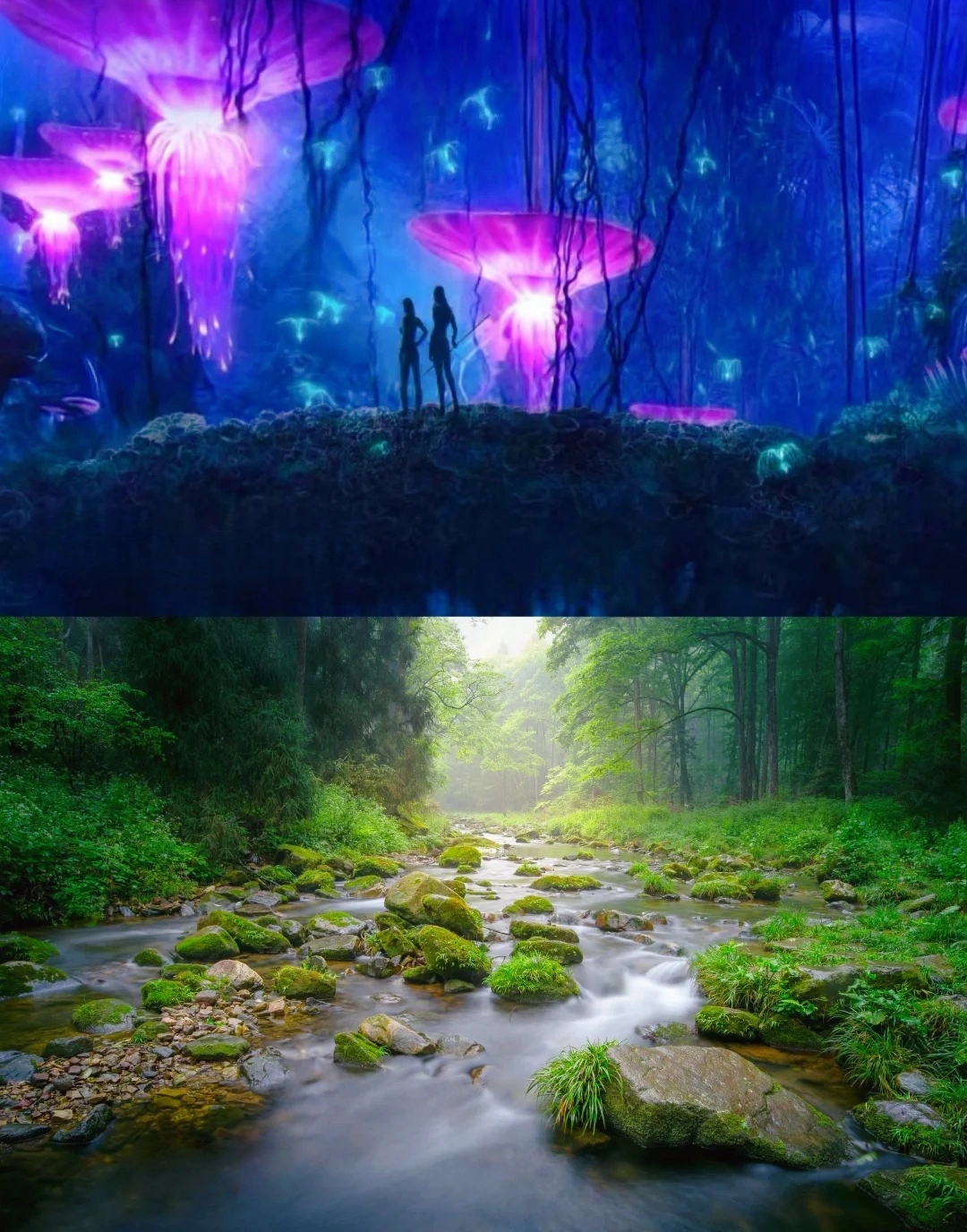
Our 2-day Zhangjiajie tour was beyond spectacular! As someone who’s visited Beijing and Shanghai for work, this trip revealed China’s wild, magical heart. Day 1 in Zhangjiajie National Forest Park felt like stepping onto Pandora—I’m a huge Avatar fan, and Yuanjiajie’s floating peaks left me breathless. The misty pillars and lush valleys like pure movie magic! Then came Fenghuang Ancient Town, we eat dinner beside the thundering waterfall. It seems Unreal! The night views of stilt houses glowing over the river were straight from a fairy tale. For fellow Avatar lovers and adventure seekers: Don’t miss this bucket-list experience! 10/10 would return. A Well-Traveled Film Buff, May 2025
Destination(s): Zhangjiajie
Date of Experience: May 08,2025
... ...

FAQ

What are the operating hours of the night market at the International Grand Bazaar?

The bazaar closes at 7:00 PM, but nearby streets like Mahmutpaşa host night markets until midnight (Friday-Saturday).

Where can visitors store luggage at the International Grand Bazaar?

Lockers are available at the Nuruosmaniye Gate entrance. Fees start at 10 lira per day.

What can visitors expect from the Grand Bazaar’s opening ceremony?

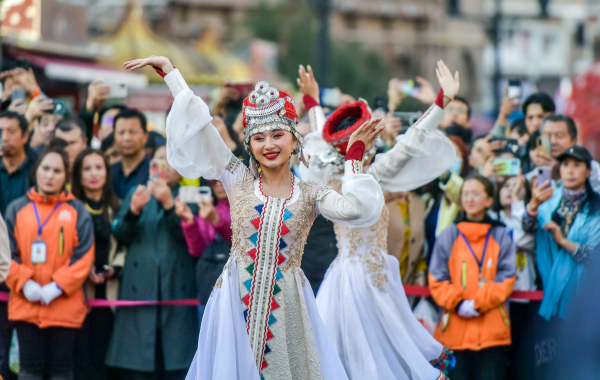
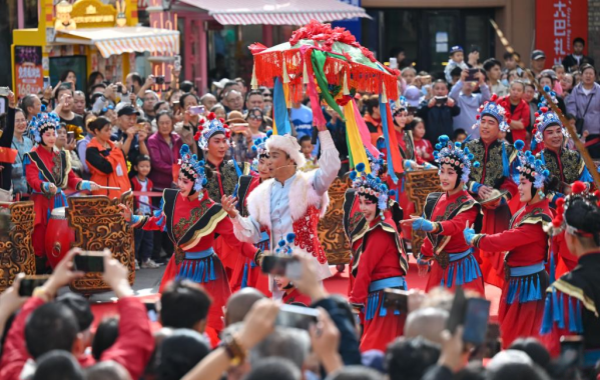
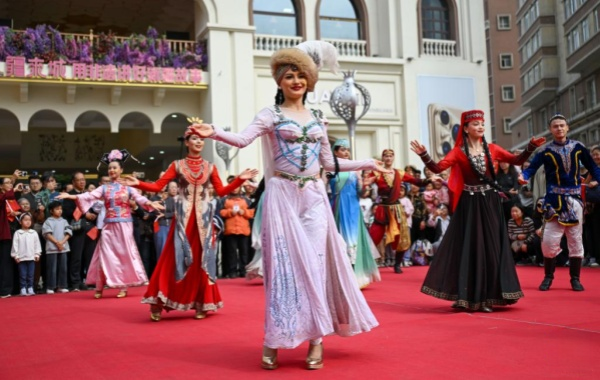
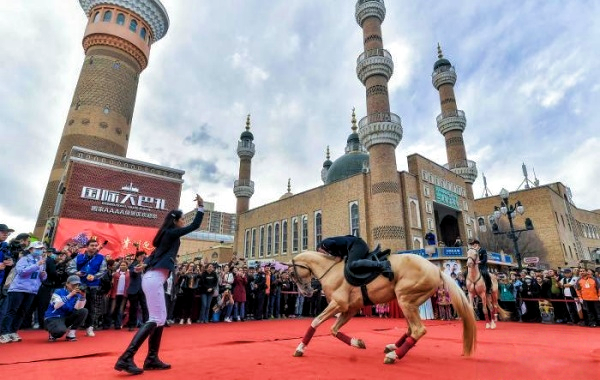
Held daily at 12:00 PM and 6:00 PM at the pedestrian street entrance, the ceremony features Uyghur folk dances (e.g., Black Horse Dance), live music performances, and cultural parades. Performers often invite visitors to join in dances, creating an immersive cultural experience.

What nearby attractions complement a visit to the Grand Bazaar?

Xinjiang Regional Museum,Hongshan Park,Tatar Mosque,Consulate Lane Food Street.

How to get from Urumqi Diwopu International Airport to The International Grand Bazaar?

Taxi; Metro: Take Line 1 to Erdaoqiao Station (Exit B), which connects directly to the bazaar’s pedestrian entrance; Airport shuttle bus: Route 2 or 16 stops near the bazaar.

Ask a Question

Question Summary (100 characters)
Details (optional) (2,000 characters)
Name
Country
Email