
Zhaohua Ancient City
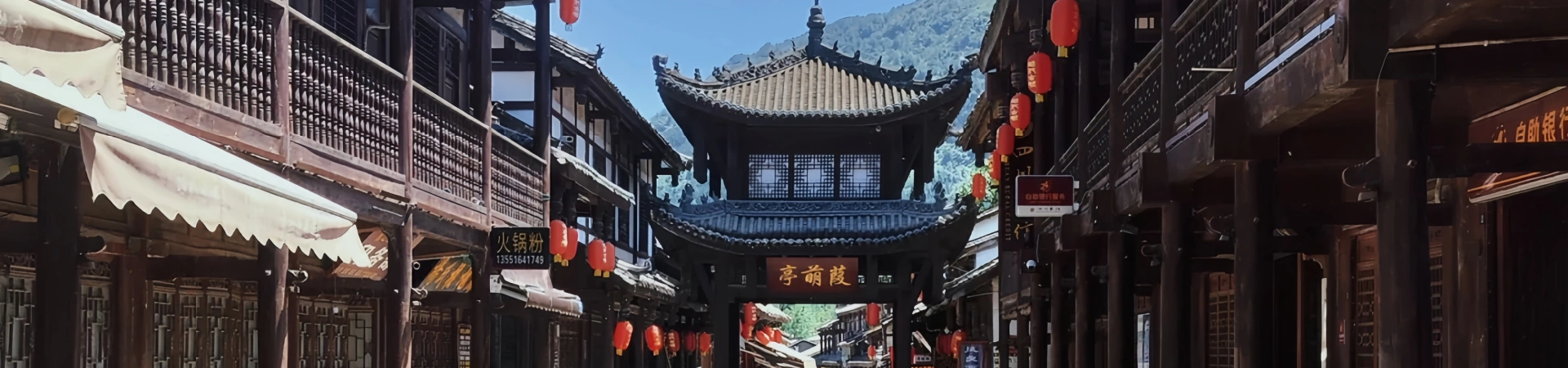
Zhaohua Ancient City, a time-honored gem nestled in Sichuan Province, is one of China’s best-preserved ancient towns with a history spanning over 2,300 years. Founded during the Qin Dynasty and later serving as the capital of the ancient state of Jin during the Three Kingdoms period, the city’s strategic location along the Jialing River has shaped its cultural and architectural heritage. Known for its intact city walls, cobblestone streets, and traditional courtyard houses, Zhaohua offers a vivid glimpse into China’s feudal past. Designated a National Historical and Cultural Town in 2007, it attracts history enthusiasts and travelers seeking an authentic immersion into ancient Chinese urban life.
HistoricalOverview
Qin Dynasty (221–206 BCE): Established as a military garrison, marking the city’s foundation.
Three Kingdoms Period (220–280 CE): Served as the capital of the Shu Han-aligned state of Jin, leaving enduring historical legends.
Tang Dynasty (618–907 CE): Flourished as a commercial hub along the Jialing River trade route.
Ming-Qing Dynasties (1368–1912): Expanded city walls and temples, solidifying its status as a regional cultural center.
20th Century: Survived wars and modernization, with preservation efforts beginning in the 1980s.
2007: Recognized as a National Historical and Cultural Town, boosting conservation and tourism.
2020s: Continues to restore ancient structures while integrating sustainable tourism practices.
Structural Layout
The city’s layout follows a classic Chinese grid pattern, with a central axis and symmetrical alleys. Key features include:
City Walls: A 3.5-kilometer-long fortification with four gates (East, West, South, North), built during the Ming Dynasty and still largely intact.
Main Streets: Two perpendicular thoroughfares, Xuanping Street and Taiping Street, lined with traditional shops and residences.
Temples: The Feihu Temple, Guanyin Temple, and Kong Temple reflect the city’s religious diversity.
Courtyard Houses: Over 100 well-preserved Siheyuan (quadrangle courtyards) showcase Ming-Qing architectural styles.
Major Attractions
Feihu Temple: A Taoist temple dedicated to the legendary general Fei Yi, featuring intricate wood carvings and a 12-meter-tall pagoda.
Kong Temple: A Confucian temple housing ancient steles and a library of Confucian classics, dating back to the Qing Dynasty.
Ancient City Gates: The East Gate (Yonghui Gate) and West Gate (Qinghui Gate) offer panoramic views of the river and surrounding hills.
Jialing River Scenic Area: A riverside promenade with boat tours, highlighting the city’s natural beauty and historical trade routes.
Traditional Workshops: Visitors can experience paper-making, Bamboo weaving, and calligraphy in restored artisan studios.
Suggested Itineraries
Classic Route (2–3Hours)
Morning: Start at Feihu Temple (40 mins) → Stroll Xuanping Street (30 mins) → Visit Kong Temple (30 mins).
Afternoon: Explore the East Gate and city walls (40 mins) → End with a riverside tea break (20 mins).
Highlights: Key temples, city walls, and local snacks.
Cultural Depth Route (4–5Hours)
Morning: Feihu Temple → Kong Temple → Guanyin Temple (60 mins).
Afternoon: Walk the city walls (90 mins) → Visit a courtyard house museum (40 mins) → Attend a traditional performance (30 mins).
Highlights: Architectural details, religious sites, and cultural performances.
All Day Exploration (FullDay)
Morning: Temple tour (Feihu, Kong, Guanyin) → City wall hike.
Afternoon: Workshop experiences (paper-making, calligraphy) → Lunch at a local courtyard restaurant.
Evening: Sunset views from the West Gate → Dinner featuring Sichuan cuisine.
Highlights: Comprehensive cultural immersion and culinary delights.
Ticket Purchase
On-Site: Purchase tickets at main gates (¥40–60 for combined attractions).
Prices: Single-entry ticket: ¥40; City wall access: ¥20; Temple combo ticket: ¥50.
Free Admission: Children under 1.2m, seniors over 70, and disabled visitors.
Guided Tours: ¥100–200 per group (1-hour English/Chinese tours available).
By Bus: Take a long-distance bus from Guangyuan City (1-hour journey) to Zhaohua Ancient City Bus Station.
By Taxi: Direct ride from Guangyuan Airport (40-minute drive, ¥80–100).
By Train: Disembark at Guangyuan Railway Station, then transfer to a local bus or taxi.
Parking: Public parking lots near the East Gate (¥5–10/hour).
Best Time & Tips
Avoid Crowds: Visit early morning (8–10 AM) or late afternoon (4–6 PM) on weekdays.
Weather: spring (March–May) and autumn (September–November) offer mild temperatures for outdoor exploration.
Essentials: Wear comfortable shoes for cobblestone streets; bring sunscreen and a hat for daytime tours.
Photography: Capture the city’s red lanterns and gray-tiled roofs during golden hour (6–7 PM).
Local Etiquette: Respect temple customs; ask permission before photographing residents.
ProhibitedItems: Drones and large backpacks may require storage at entrance gates.
Contact Us
What Our Clients Say?
Based on 10,000+ traveler reviews

Daniel Dorothea
Canada
Reviewed on April 29,2025
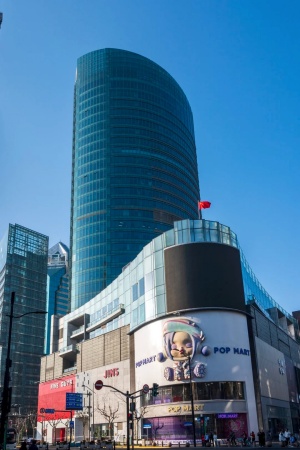
Shopping on Nanjing Road in Shanghai was just amazing! It's truly the "First Commercial Street of China", where tradition and modernity blend perfectly. You can find awesome souvenirs and experience the trendy vibes in cool stores. The neon lights at night are just spectacular, shining bright like Times Square in New York. The food here is incredible too. I had a feast for my taste buds. Shanghai, I'll definitely be back!
Destination(s):
Shanghai
Date of
Experience:
May 08,2024

Elvis Eva
Canada
Reviewed on June 20,2025
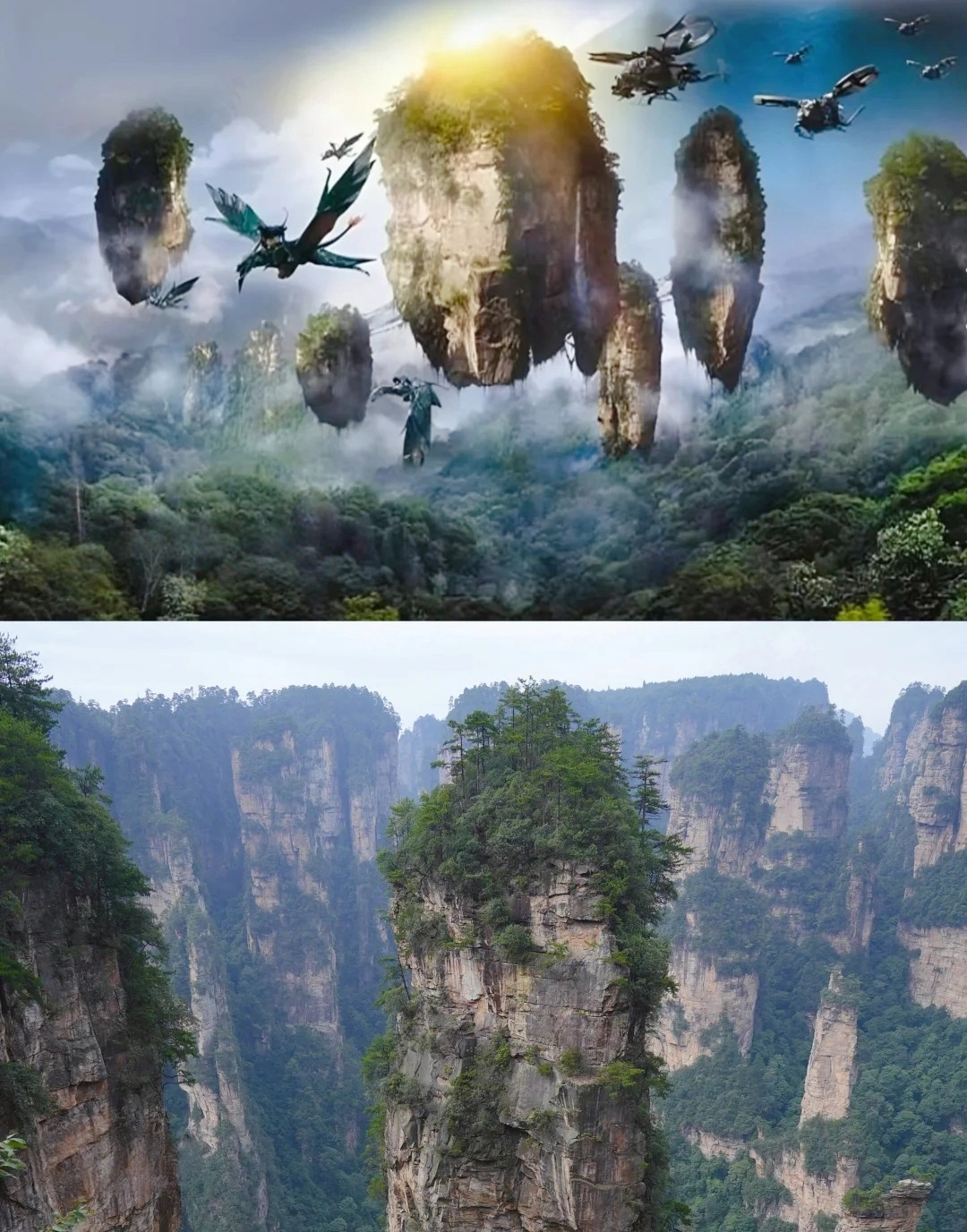
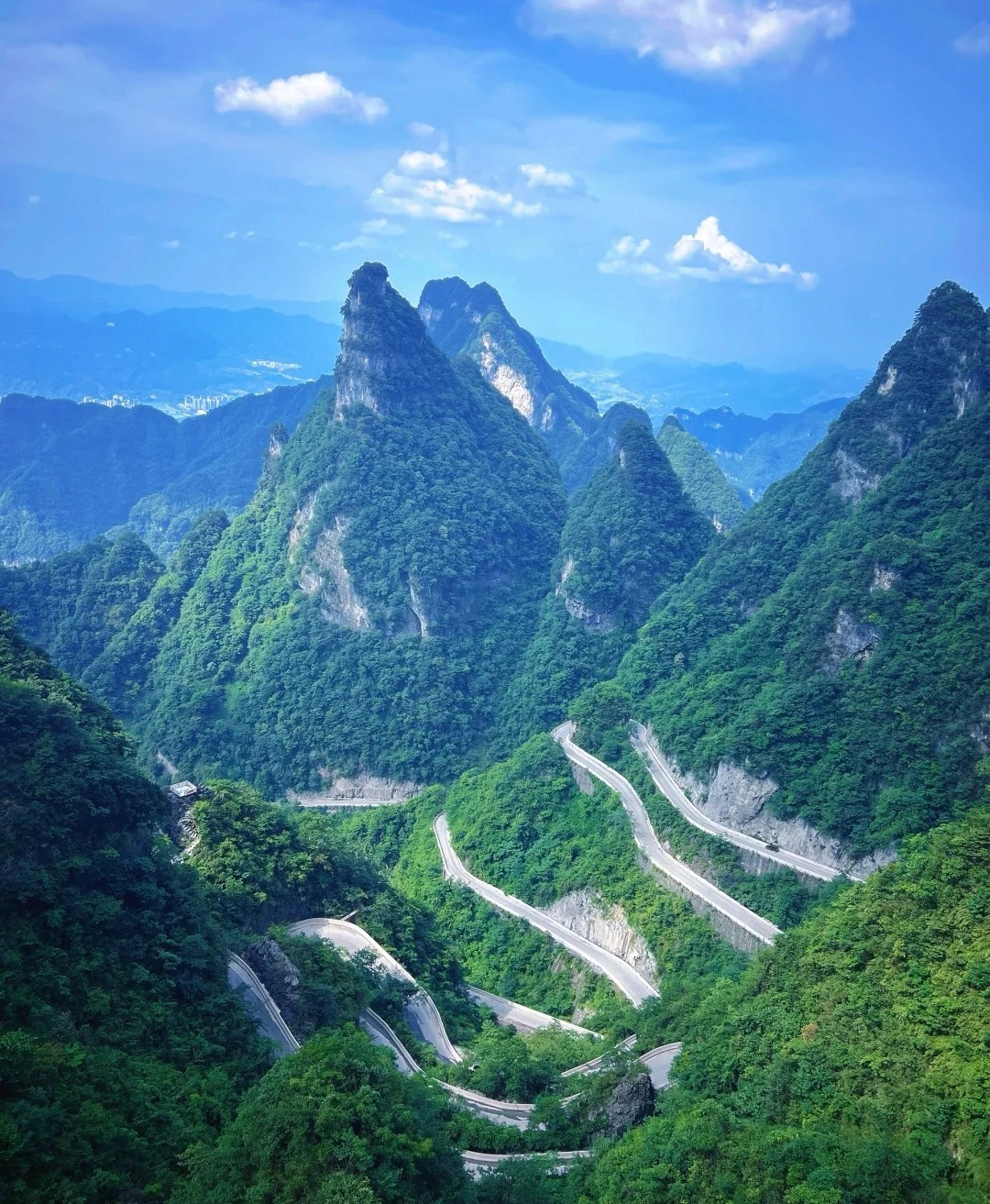
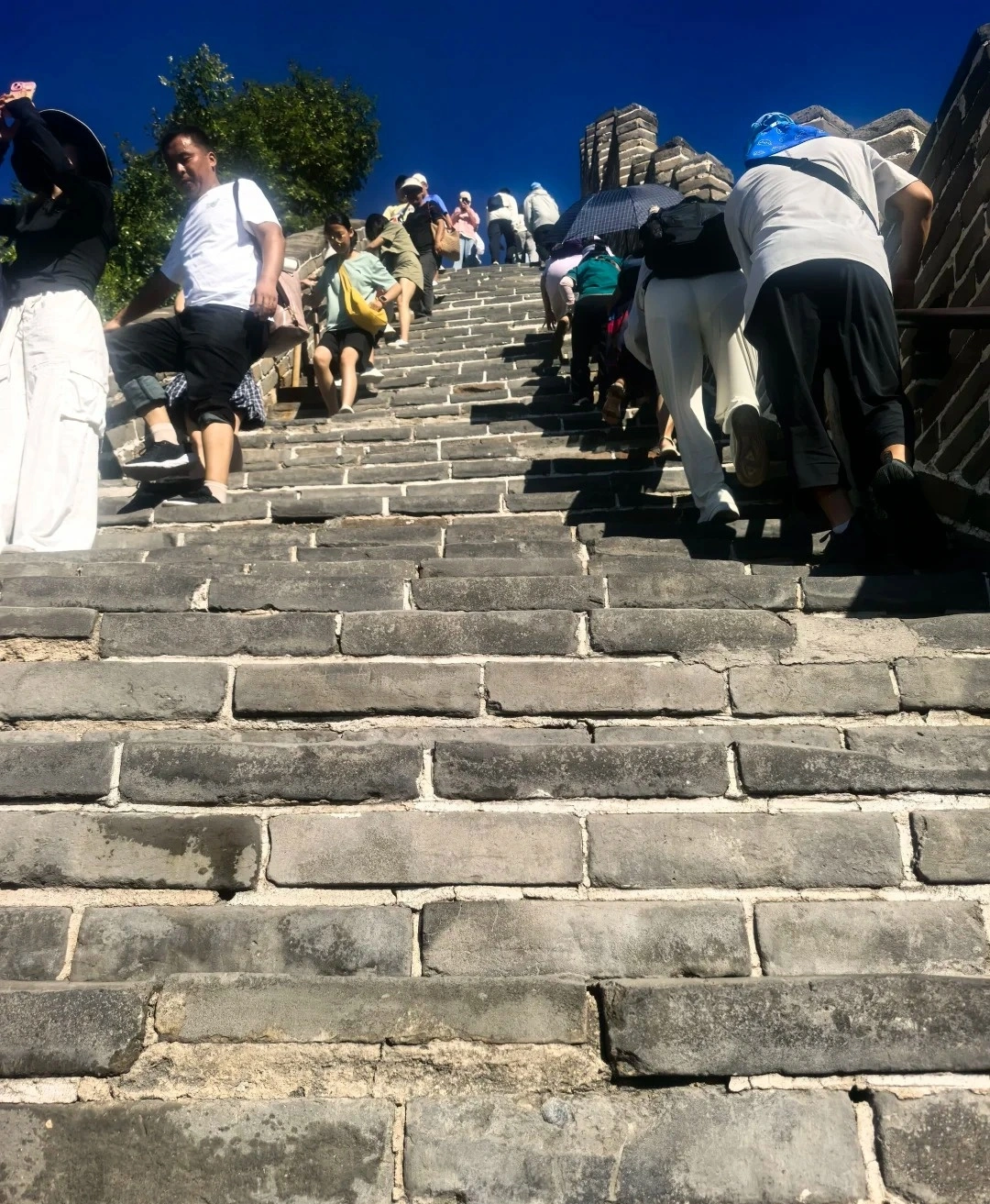
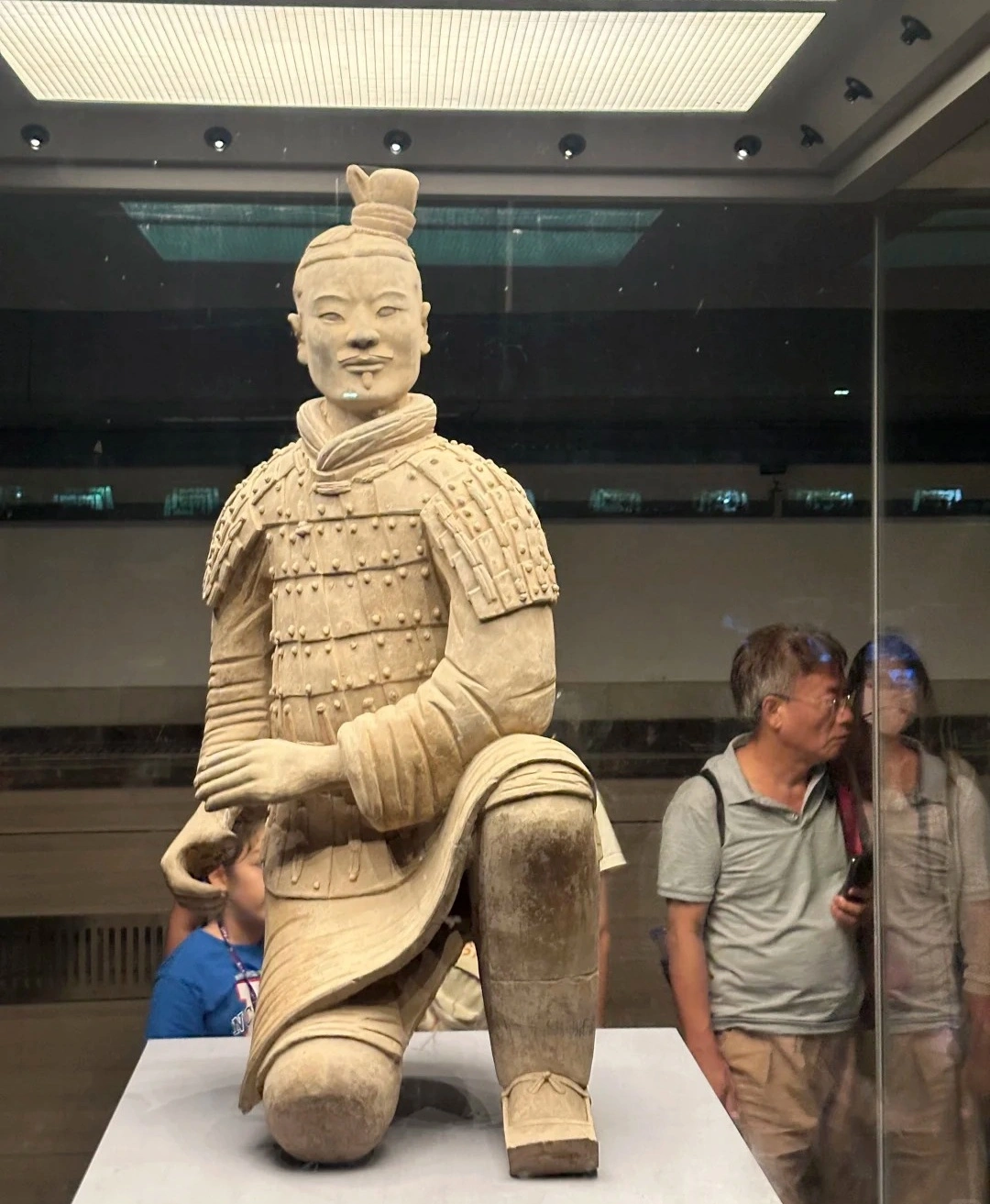
As a solo traveler from Canada, I was nervous about navigating China alone—but this 11-day tour was PERFECT! From hiking the Great Wall at sunrise (Day 3) to gasping at the Terracotta Army (Day 5), every day delivered ‘pinch-me’ moments. The real showstopper? Zhangjiajie’s Avatar Mountains (Day 7)! Our guide made the stone pillars come alive with stories.
Massive thanks for handling all logistics—bullet train tickets, entry passes, car! And the 4-star hotels surprised me.
Destination(s):
Beijing Xian Zhangjiajie Shanghai
Date of
Experience:
June 02,2025

Simon
America
Reviewed on May 29,2025
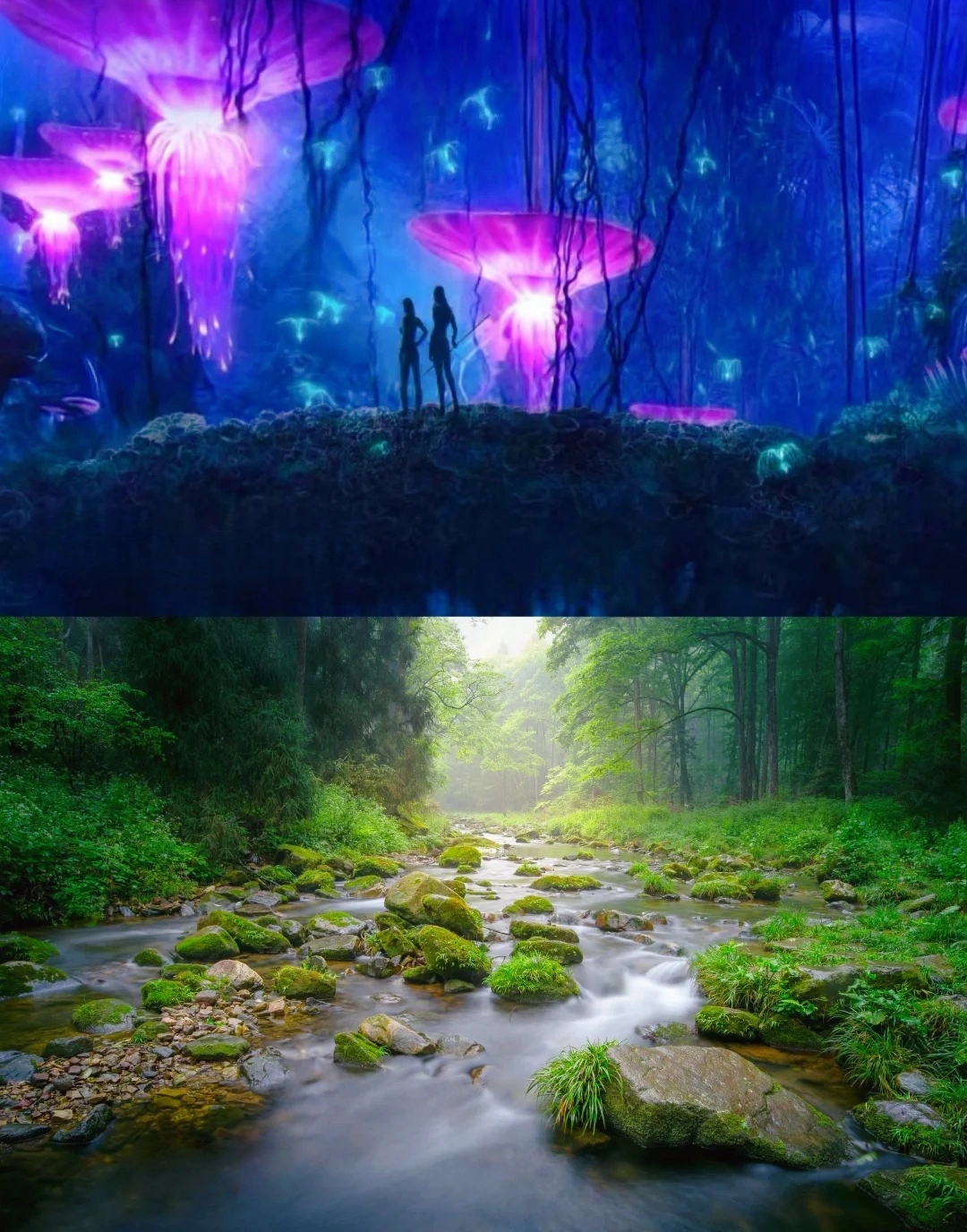
Our 2-day Zhangjiajie tour was beyond spectacular! As someone who’s visited Beijing and Shanghai for work, this trip revealed China’s wild, magical heart. Day 1 in Zhangjiajie National Forest Park felt like stepping onto Pandora—I’m a huge Avatar fan, and Yuanjiajie’s floating peaks left me breathless. The misty pillars and lush valleys like pure movie magic!
Then came Fenghuang Ancient Town, we eat dinner beside the thundering waterfall. It seems Unreal! The night views of stilt houses glowing over the river were straight from a fairy tale.
For fellow Avatar lovers and adventure seekers: Don’t miss this bucket-list experience! 10/10 would return.
A Well-Traveled Film Buff, May 2025
Destination(s):
Zhangjiajie
Date of
Experience:
May 08,2025