The park's charm lies in the intertwining of its naturally formed estuary wetland landscape and profound historical imprints.
Nature's Creation—The Cradle of Life at the Yangtze Estuary
This is an excellent classroom for observing the wetland ecology of the Yangtze River estuary.
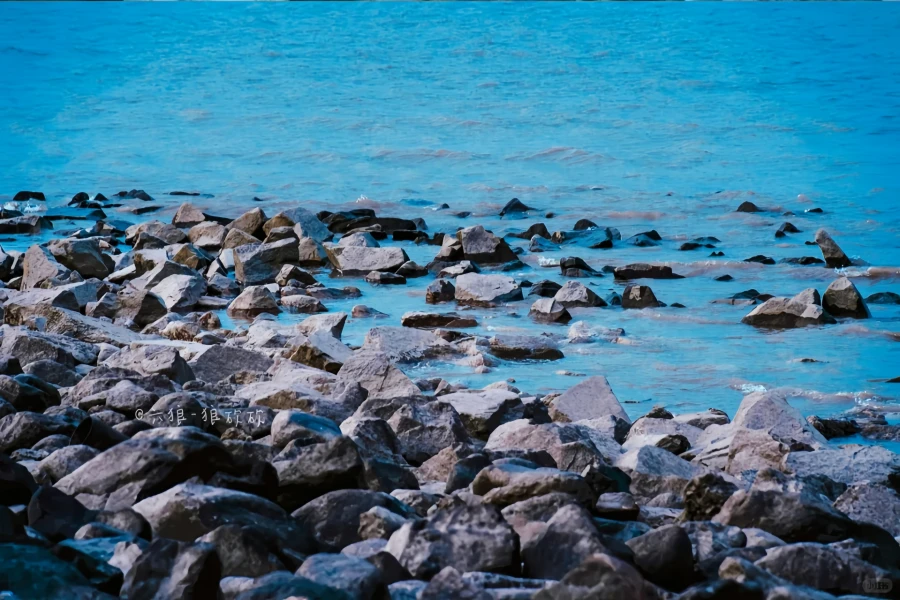
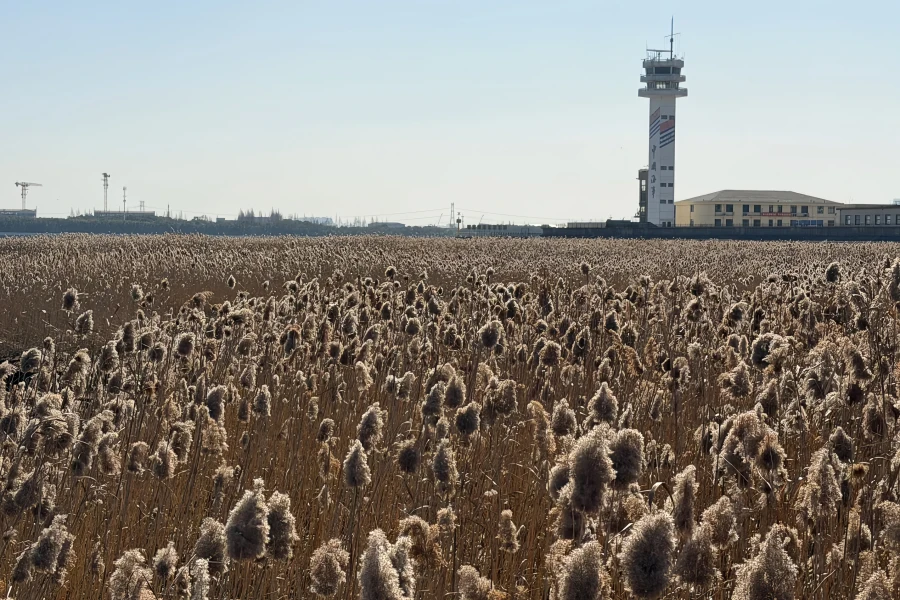
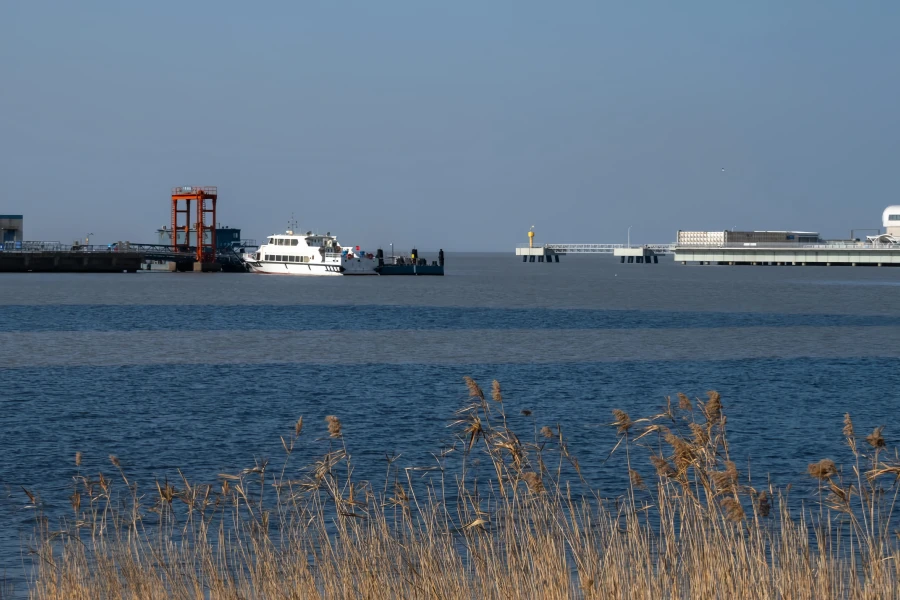
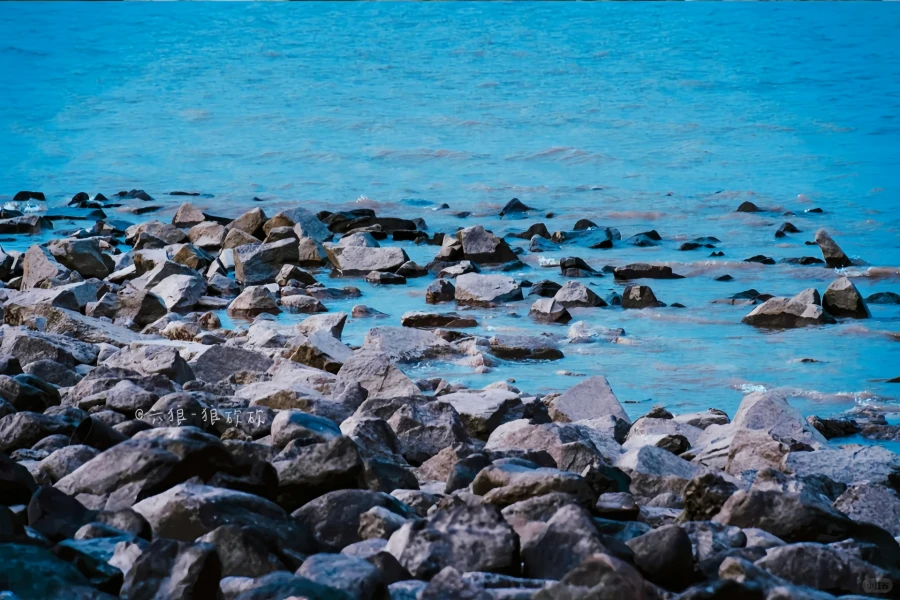
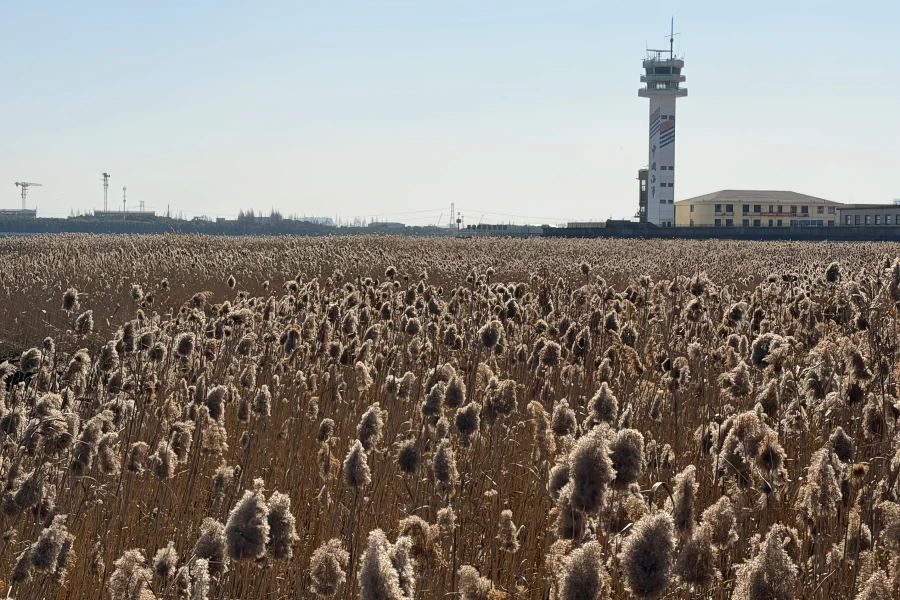
- Unique estuary wetland landscape: The park boasts a 2-kilometer-long riverside shoreline and vast reed beds, marshes, and tidal channels. With the rise and fall of the Yangtze River tides, the wetlands present different appearances, fostering rich biodiversity. Wooden boardwalks meander through the wetlands, allowing visitors to observe wetland plants and benthic organisms up close.
- A renowned birdwatching spot in Shanghai: Located on the East Asian-Australasian Flyway, the park is an important birdwatching location in Shanghai. Every year during the migration season, large numbers of plovers, sandpipers, geese, ducks, gulls, and other waterbirds can be seen stopping and foraging here. Sitting quietly by the river and watching flocks of birds soaring between the water and the sky is a rare and delightful experience in the city.
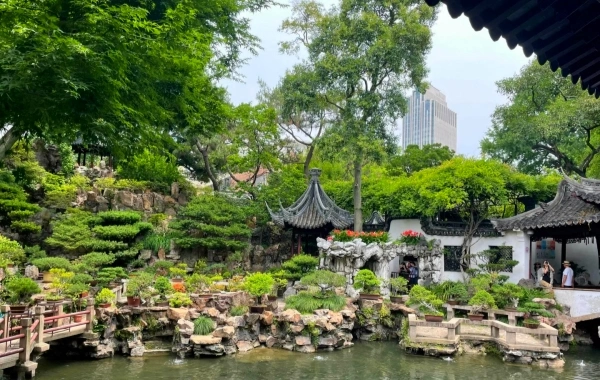
- A "mine garden" on a pile of steel slag: A sunken garden transformed from a pile of abandoned steel slag is a brilliant idea. Through vegetation cover and landscape design, the former industrial waste site has been transformed into a lush and tranquil valley, showcasing the ecological wisdom of turning decay into something magical.
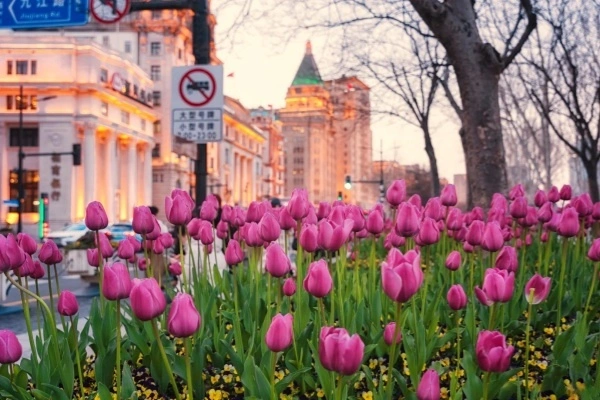
- The riverside vegetation changes with the seasons: In addition to native wetland plants, the park also features large lawns, trees, and flowerbeds. Rapeseed flowers bloom in spring, sunflowers in summer, and reeds in autumn, changing the colors of the riverside skyline with the seasons.
Humanistic Ingenuity: The Silent Fortress and the Audiovisual Popularization
History and science popularization are the park's profound cultural heritage.
- Wusong Fort Memorial Square: The park's core cultural landmark. The square displays restored cannons from the Qing Dynasty and modern times, features the "Wusong Fort Anti-Japanese War Heroes Monument," and the well-preserved ruins of the fort's underground bunker. Standing here, facing the rolling Yangtze River, one can almost hear the echoes of history.
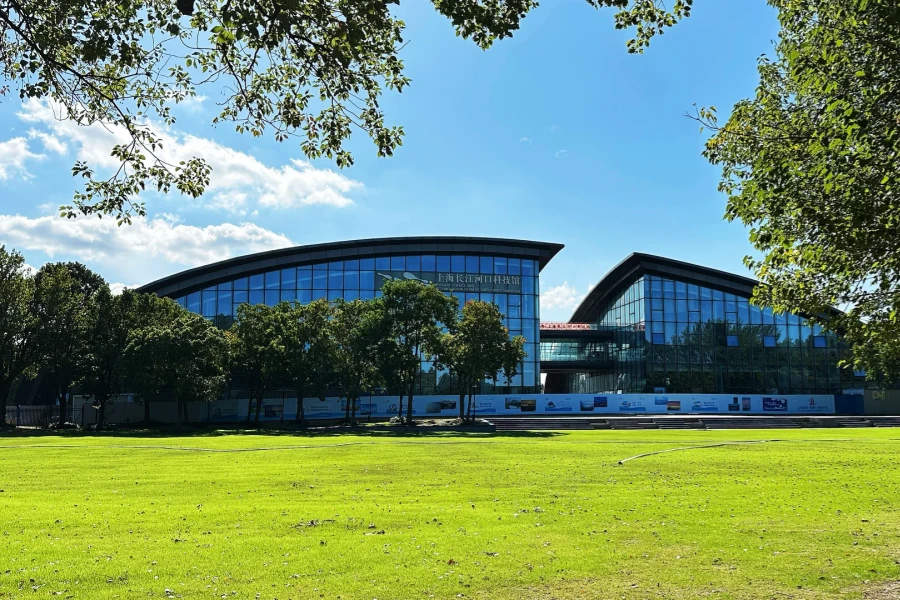
- Yangtze River Estuary Science and Technology Museum: A modern science museum located within the park. Through a wealth of models, videos, and interactive installations, it vividly showcases the natural geography and ecological characteristics of the Yangtze River estuary, as well as the historical changes of the Wusongkou. It is an excellent place for families to learn about the mysteries of the Mother River flowing into the sea.
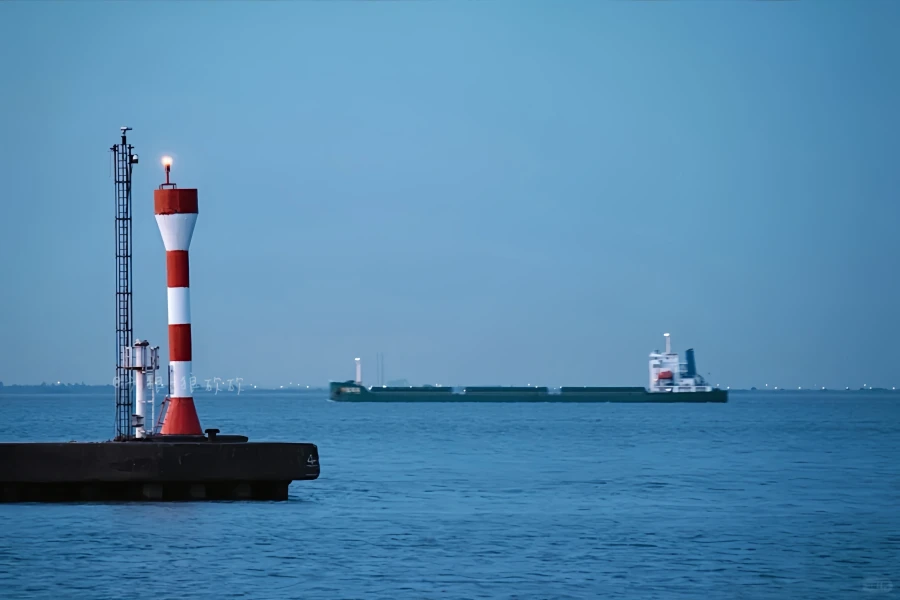
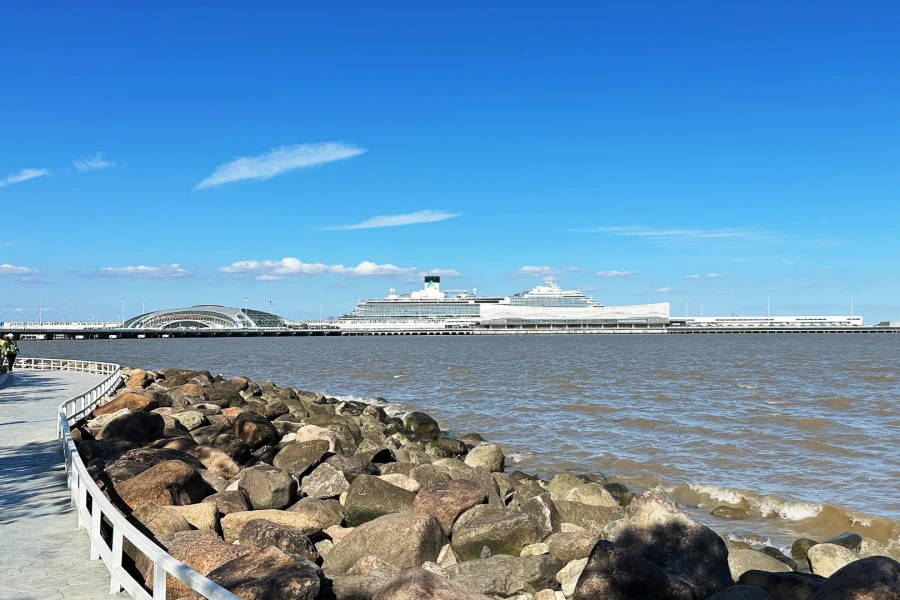
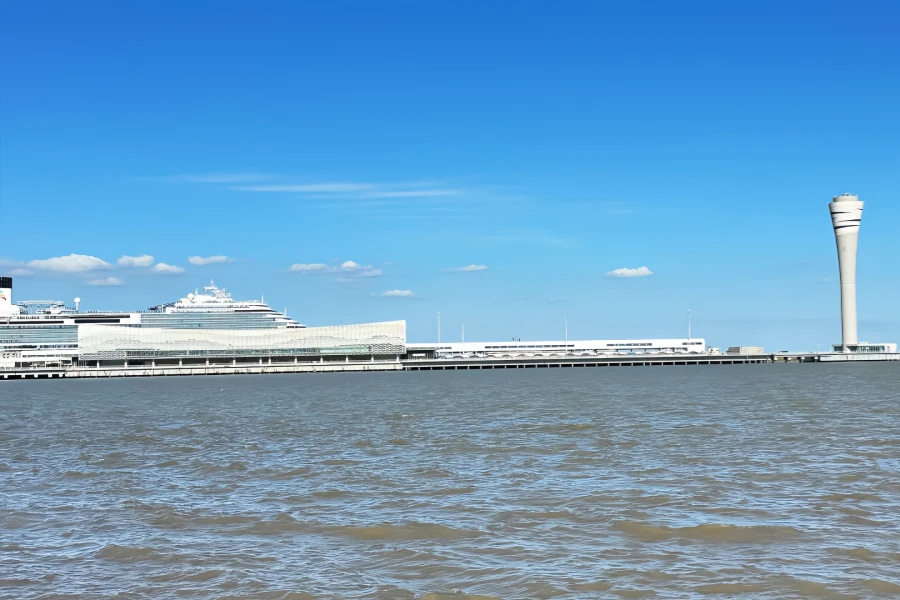
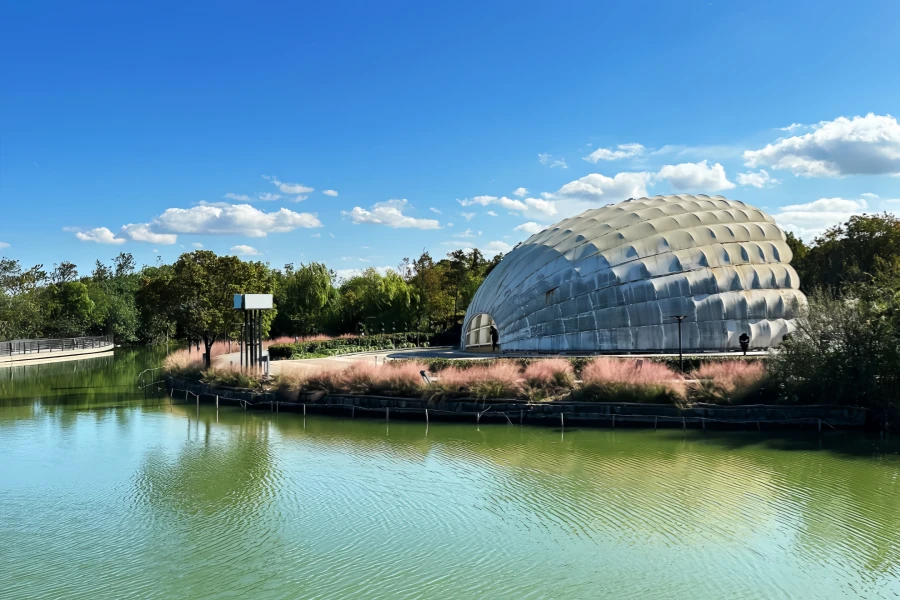
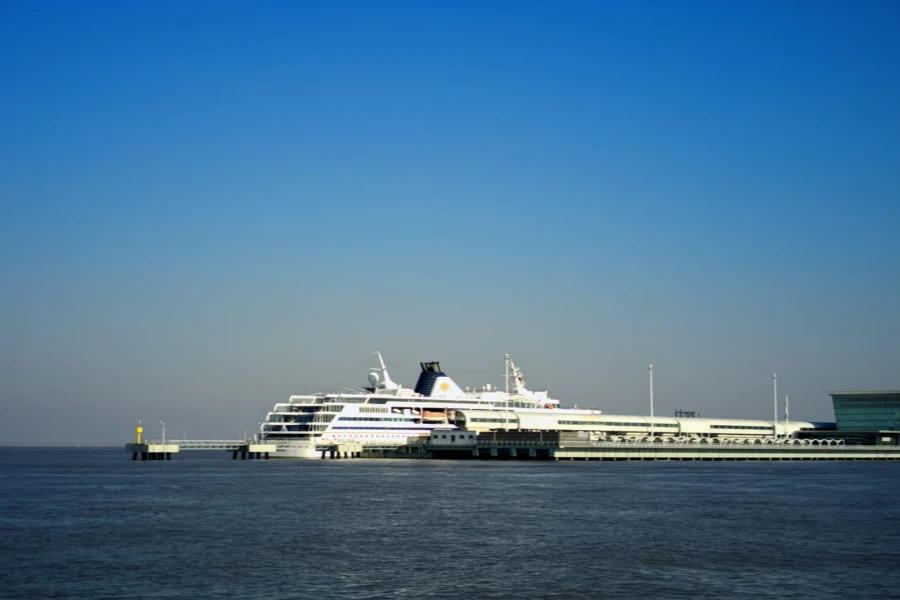
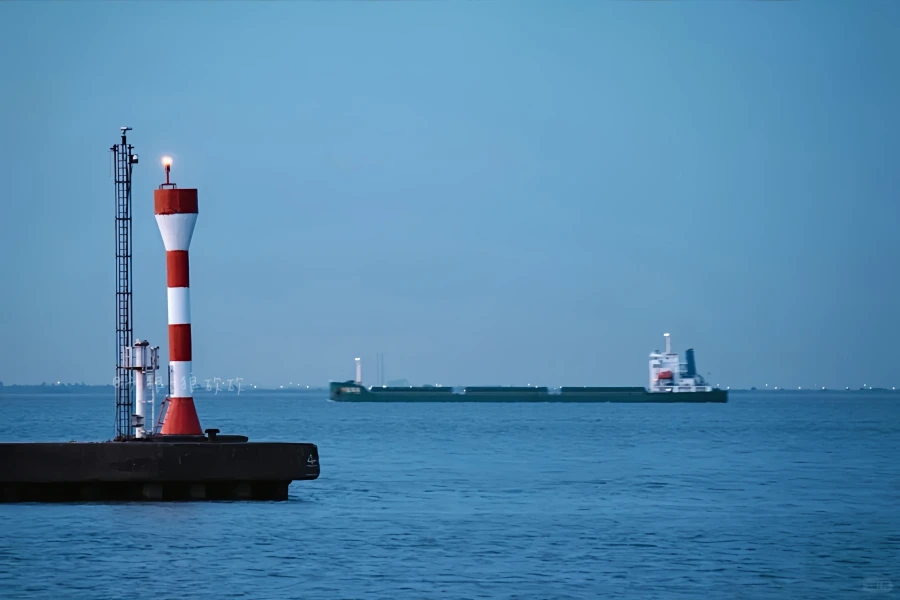
- Shell Theater and Riverside Promenade: The open-air theater, shaped like a giant white shell, frequently hosts cultural events. The winding riverside promenade and cycling path are great for walking, jogging, and cycling, offering views of the river, giant ships, and the Wusongkou International Cruise Terminal.
- Military culture sculptures and installations: Scattered throughout the park are sculptures and installations related to military history, which artistically integrate the heavy history into the natural landscape and provoke thought.
Travel and Photography Tips:
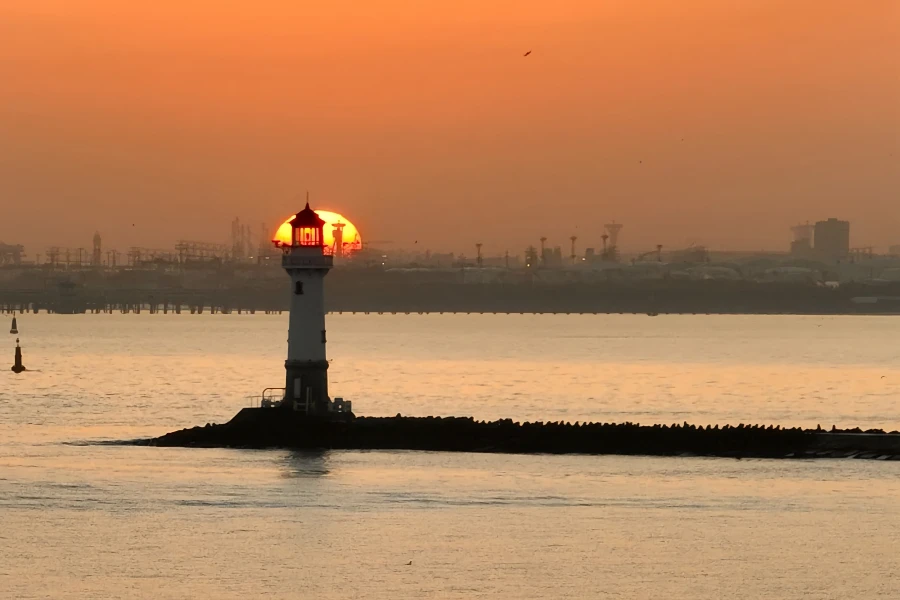
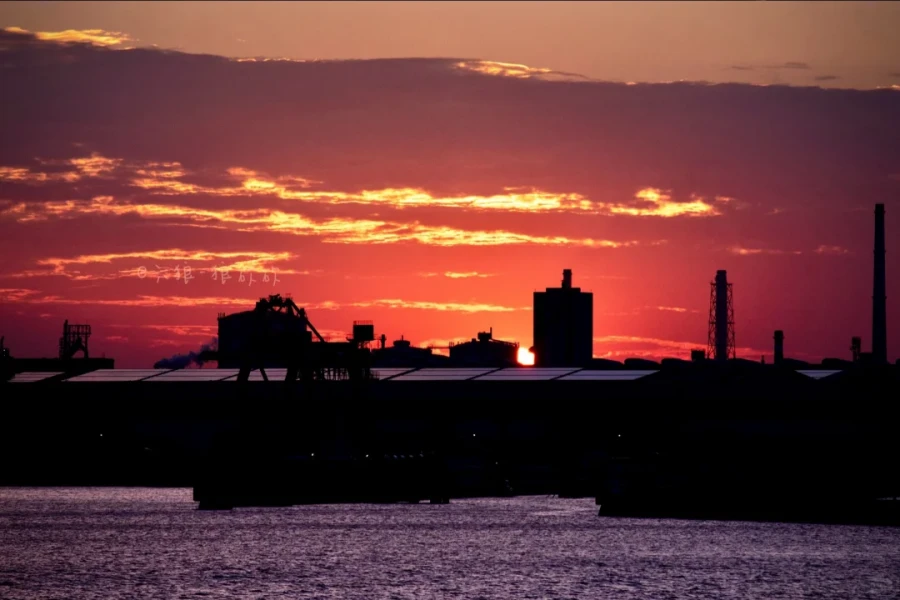
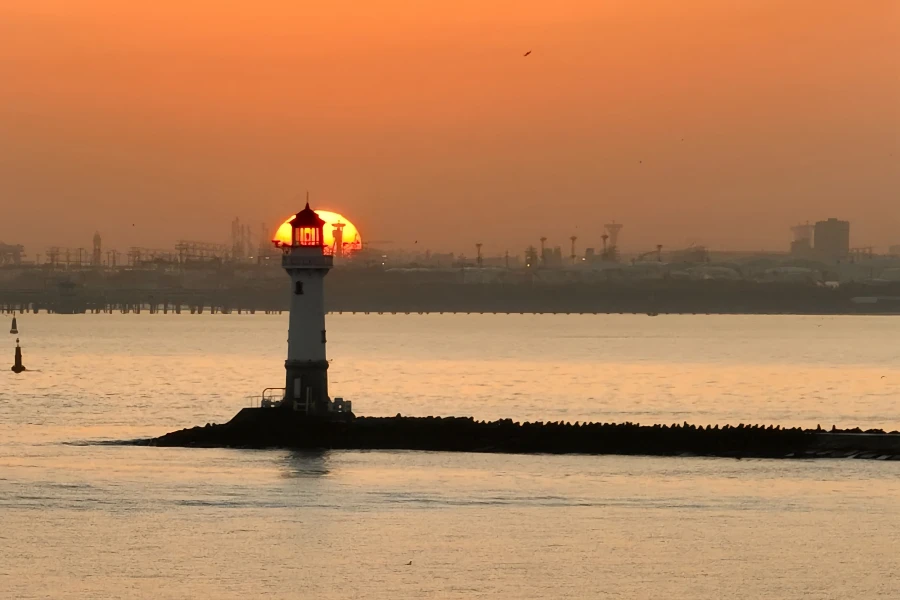
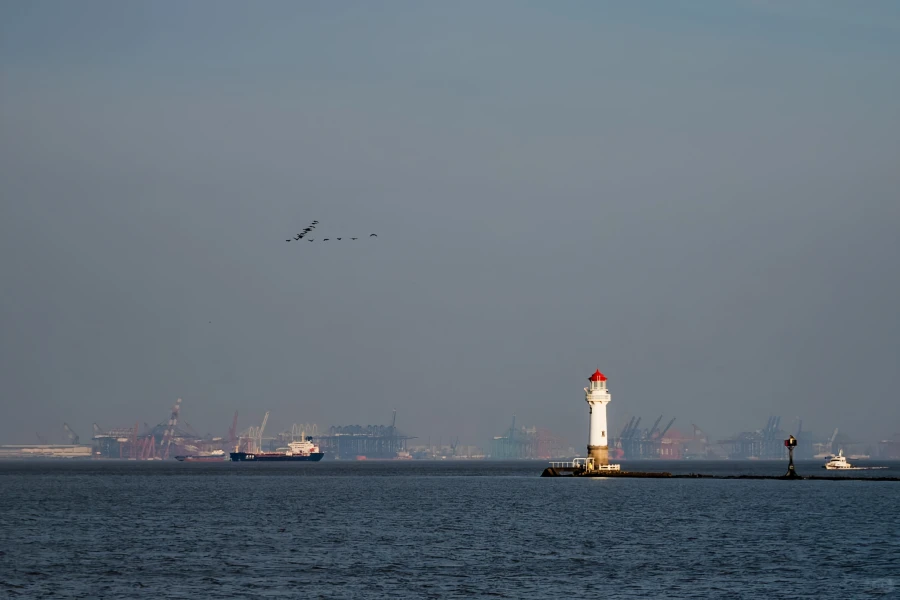
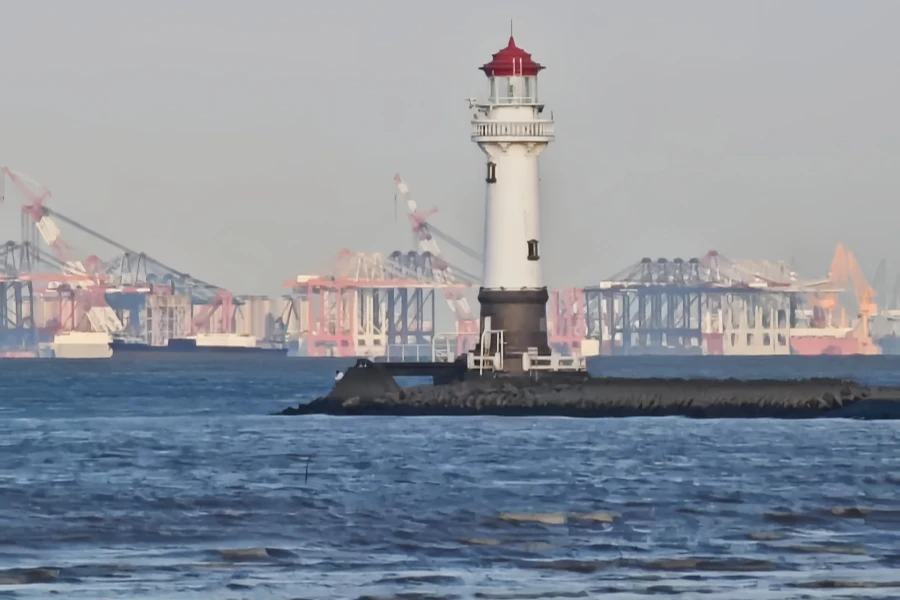
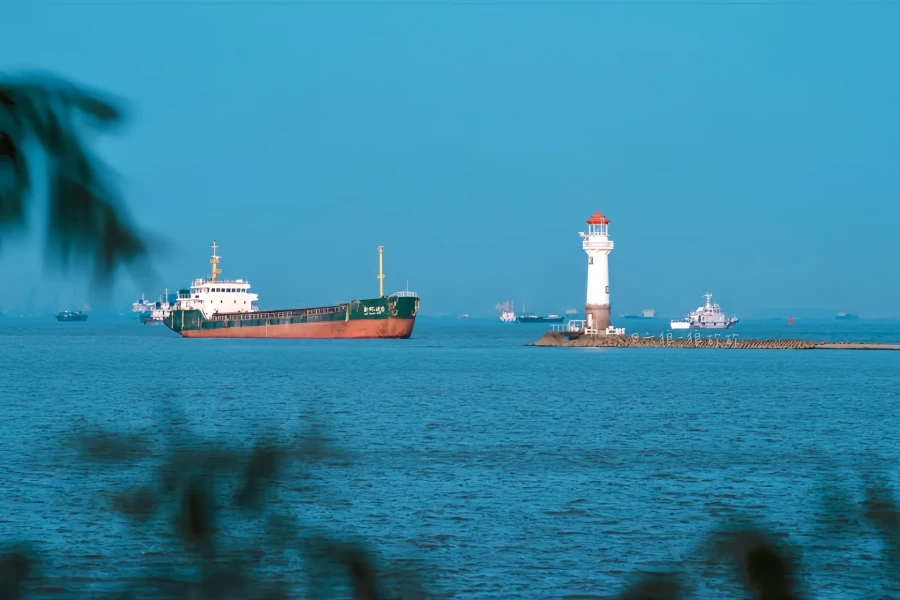
The best spot for river views and sunset photography is on the western section of the riverside boardwalk, where you can capture a magnificent scene of the Yangtze River, lighthouse, cruise ships, and sunset all in one frame.
Birdwatching photography requires a telephoto lens. Patiently wait in quiet areas of wetlands, and be careful to keep your distance to avoid disturbing the birds.
The fort ruins are suitable for shooting images that evoke a sense of history and humanistic reflection. Wide-angle lenses can be used to express the depth of space.
The Shell Theater's architectural lines are highly modern, making it a great backdrop for portrait and architectural photography.