Nature's Creation—The Green Lung and Geological Book at the Top of Shanghai
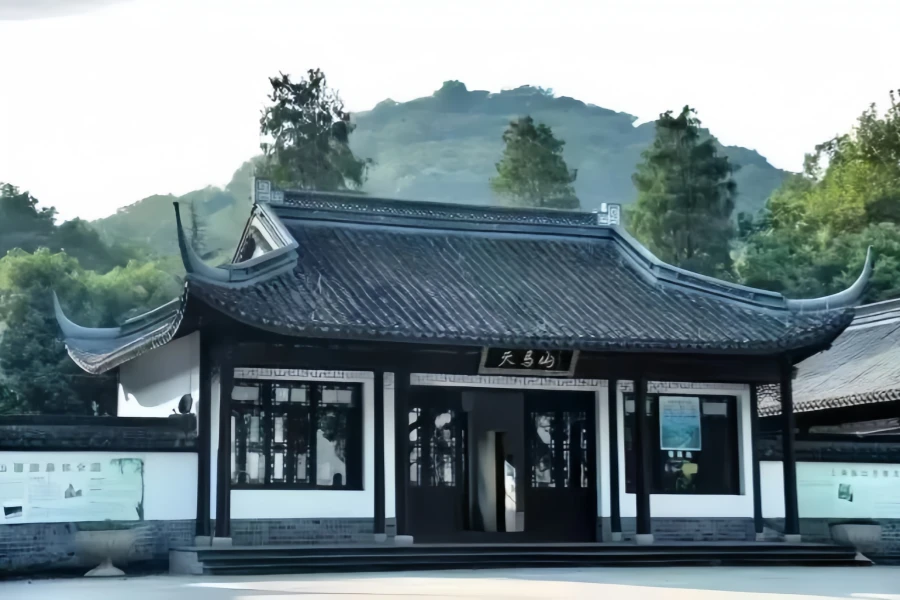
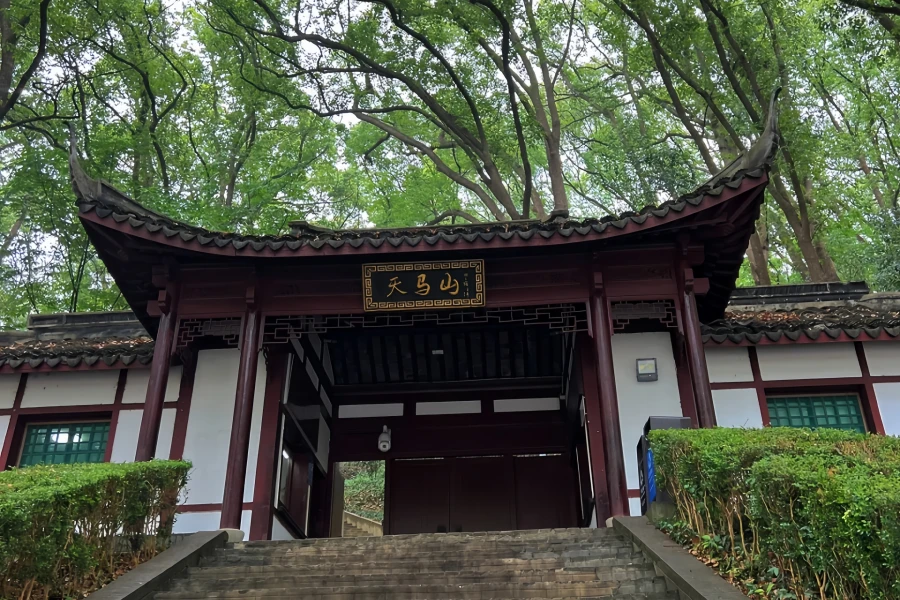
The natural landscape of Tianma Mountain showcases the beauty of the hills of Jiangnan and the traces of geological changes.
- Shanghai's highest point on land: Climbing to the summit marker, while it may not offer the overwhelming sense of "viewing all the mountains below," it provides a unique psychological experience of "standing at the highest point in Shanghai." Looking out, the Sheshan National Tourist Resort and Songjiang New City unfold before your eyes, offering a panoramic view.
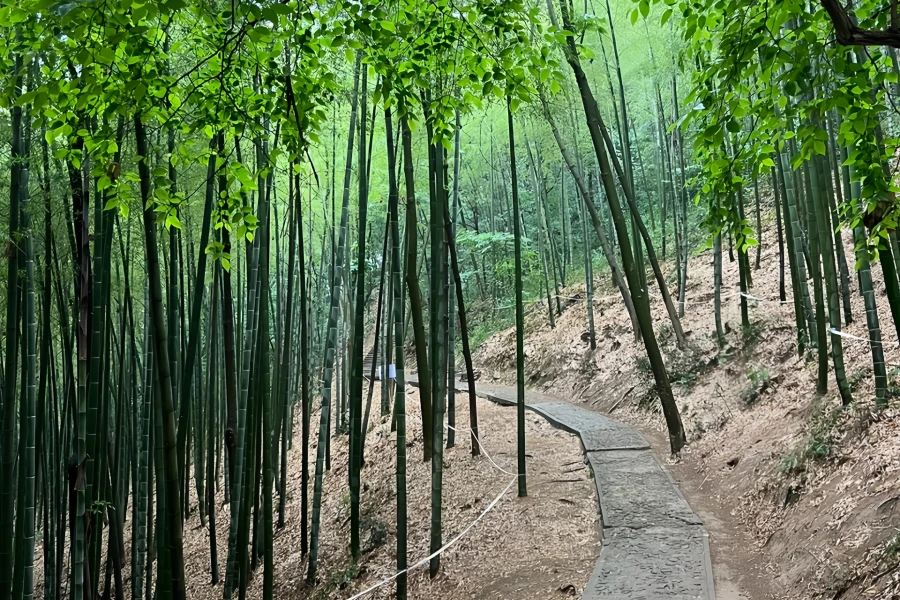
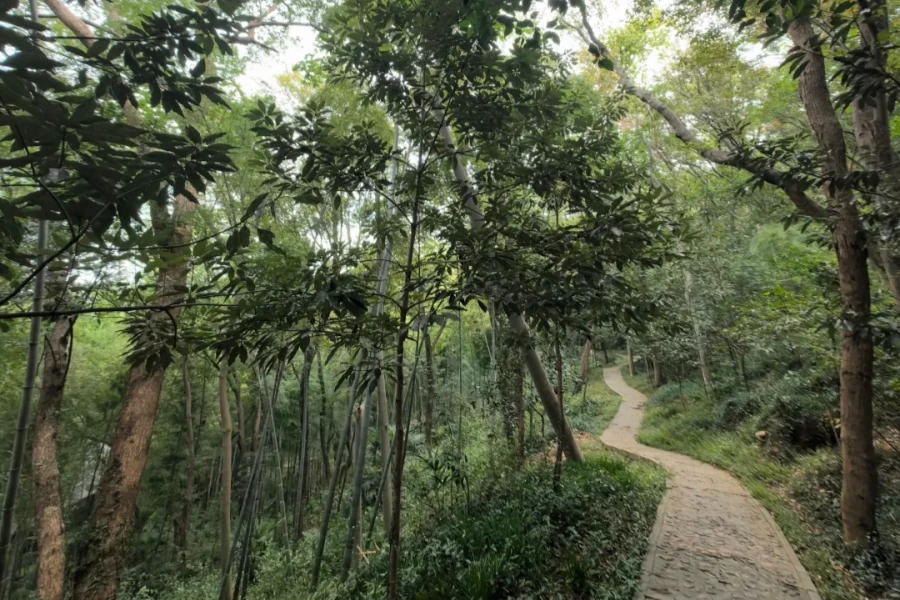
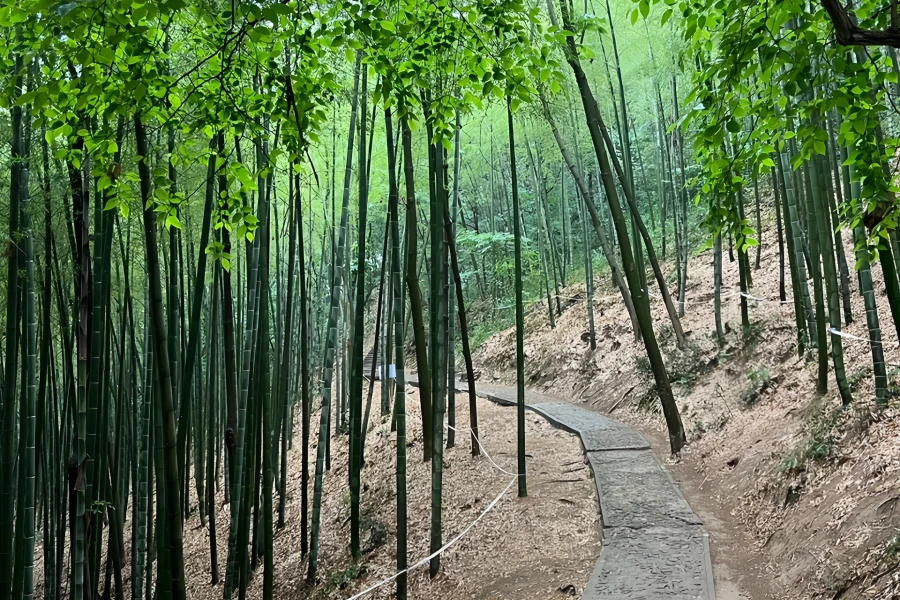
- Dense Forest Ecosystem: After decades of conservation, the mountain is covered with lush trees and has an extremely high forest coverage, forming a "green lung" on the edge of the city. Walking on the mountain trails, you can see camphor trees, beech trees and bamboo forests everywhere. It is lush and green in spring and summer and colorful in autumn, making it a perfect place for forest bathing and escaping the hustle and bustle.
- Quarry Remains and Rock Faces: Historically, long-term quarrying activities have left several steep rock faces and deep pools on the southeastern slope of the mountain. These exposed rock formations, though traces of human activity, now present a rugged and wild natural beauty, adorned with vines, and silently tell the story of this mountain's past.
Humanistic Ingenuity: The Miracle of the Leaning Tower and the Mark of Time
Cultural relics are the soul of Tianma Mountain, imbuing this small hill with the weight of history.
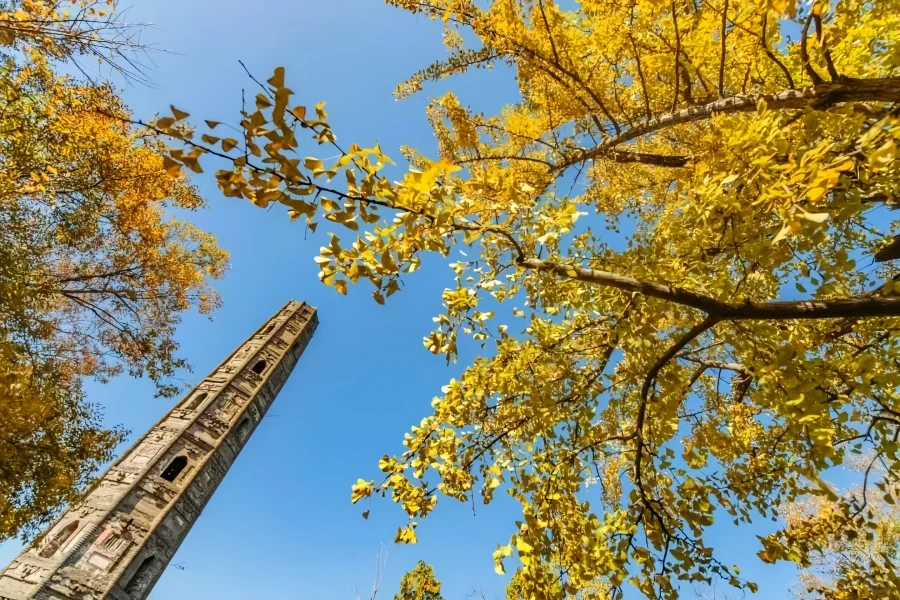
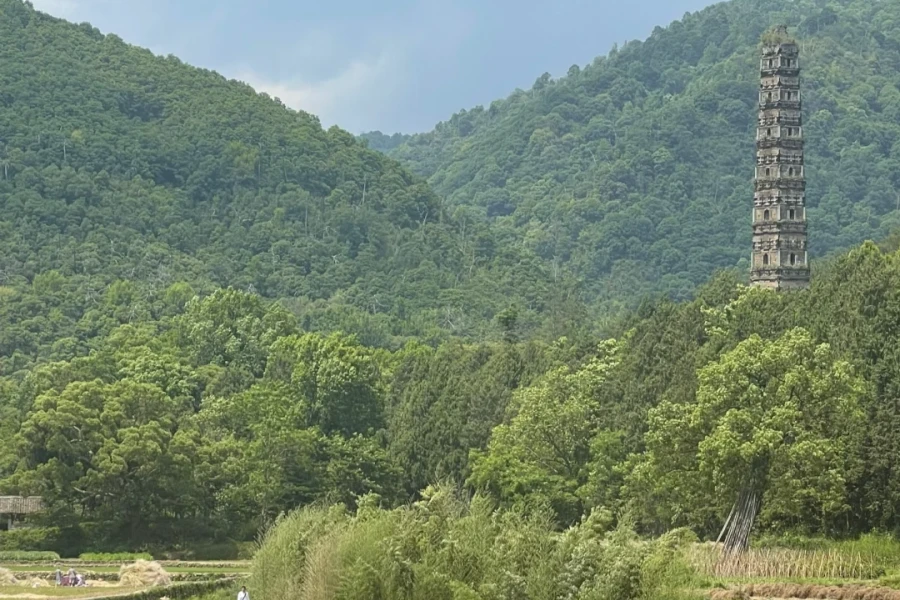
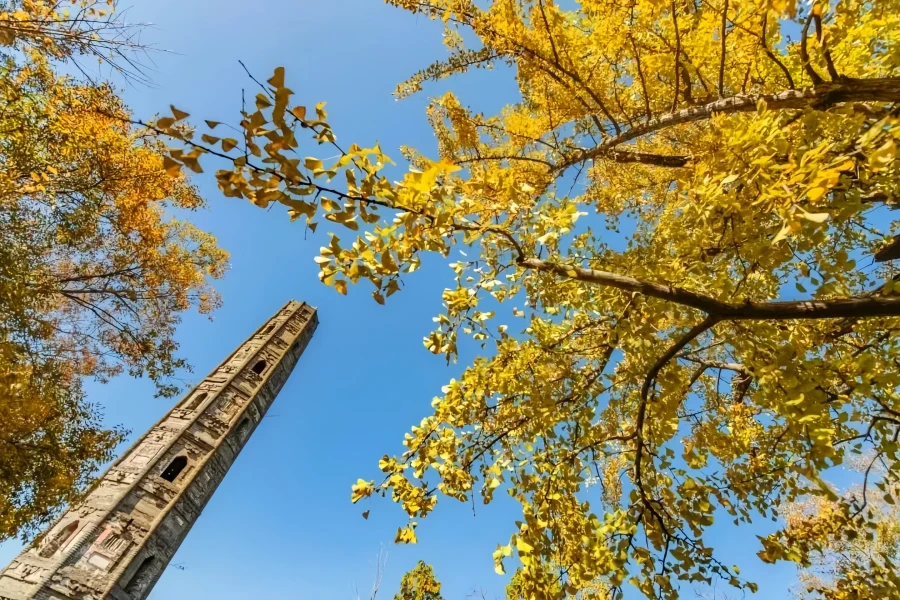
- The Jewelry Tower – The World's First Leaning Tower: This is the most significant gem of Tianma Mountain and even Shanghai. This seven-story, octagonal brick-and-wood Song Dynasty tower was built in the second year of the Yuanfeng era of the Northern Song Dynasty (1079). Its tilt exceeds 6.5 degrees, surpassing the famous Leaning Tower of Pisa (approximately 4 degrees), earning it the title of "World's First Leaning Tower." Having withstood a thousand years of wind and rain, fires, and even Japanese artillery bombardment, the tower, though damaged, stands firm; its tilted posture, in fact, contributes to its breathtaking beauty. The brickwork brackets and arched doorways of the tower are invaluable artifacts for the study of Song Dynasty architecture.
- Shangfeng Temple Ruins and Ancient Ginkgo Tree: Beside the Leaning Tower, the grand ruins of Shangfeng Temple can be seen. The remaining temple foundations and column bases evoke images of its former glory, filled with the sounds of chanting. In front of the ruins stands an ancient ginkgo tree, over 700 years old, its golden leaves turning golden in autumn, creating a poignant and beautiful scene alongside the Leaning Tower.
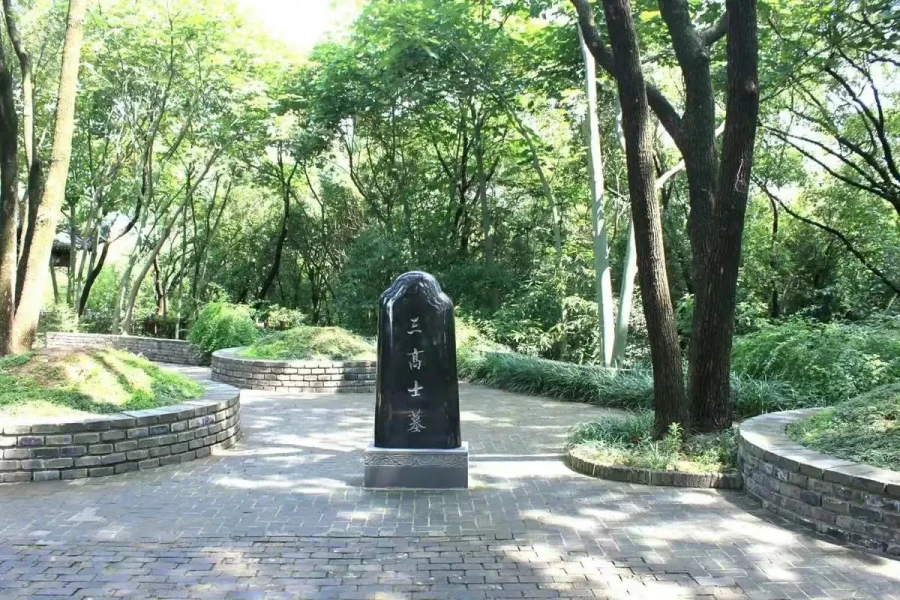
- The Tomb of the "Three Eminent Scholars" and Cliff Inscriptions: The mountain also contains the memorial tombs of historical figures such as Chen Jiru, a Ming Dynasty writer, and Yang Weizhen, a calligrapher and painter, collectively known as the "Tomb of the Three Eminent Scholars." In addition, ancient stone inscriptions such as "Cloud Wall" and "Washing Moon Spring" remain on the mountain cliffs, adding to the enjoyment of exploring ancient sites and secluded spots while hiking.
- Bronze Guanyin and "Fourth Spring Under Heaven": There used to be a Bronze Guanyin Temple on the mountainside, and the legend still exists. The nearby "Zhuoyue Spring" was once known as "Fourth Spring Under Heaven". Although it no longer looks the same, the relics can still be visited, adding a touch of mystery to the landscape.
Photography Tips:
The best vantage point for photographing the Leaning Tower is on the northwest side of the tower. Using a wide-angle lens, you can capture its entire tilted appearance alongside the ancient, vigorous trees in the same frame.
The mountaintop viewing platform offers stunning views of the Songjiang city skyline blending seamlessly with the green hills.
The photos of the ancient ginkgo tree and the leaning tower are most stunning in late autumn, with the golden leaves contrasting sharply with the mottled tower.
The light and shadow on the mountain trails are particularly enchanting in the early morning or evening, making them perfect for capturing the tranquil forest atmosphere.