
Maoling Mausoleum
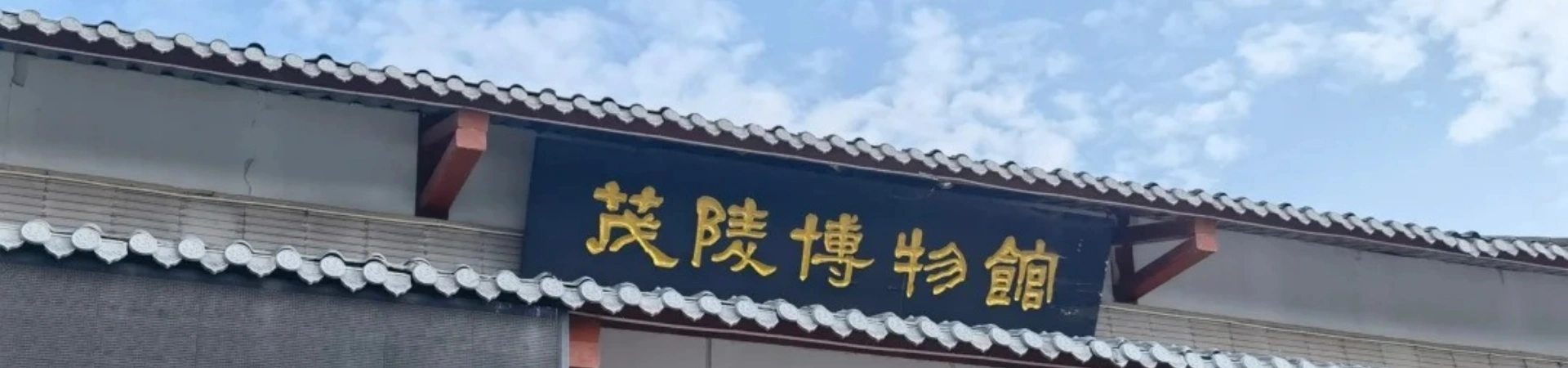
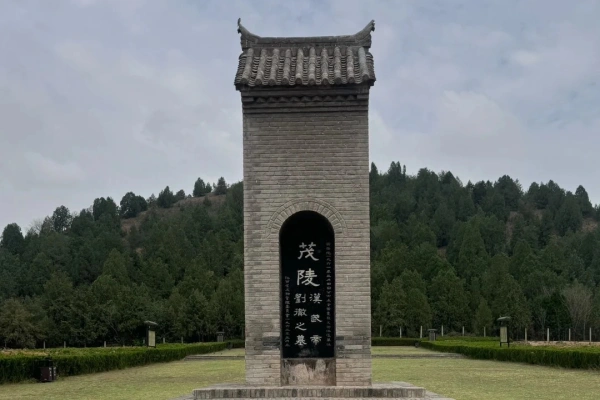
The Maoling Mausoleum stands as a significant historical and cultural monument in China. It is the tomb of Emperor Wu of the Han Dynasty, one of the most influential emperors in Chinese history. Built with great scale and grandeur, it reflects the power and prosperity of the Han Dynasty. This mausoleum not only serves as a final resting place for the emperor but also provides valuable insights into ancient Chinese burial customs, architecture, and cultural beliefs.
Historical Overview
Construction of the Maoling Mausoleum commenced in 139 BC, shortly after Emperor Wu ascended the throne. It took over 50 years to complete, involving a vast number of workers and a substantial amount of resources. The mausoleum was built to symbolize Emperor Wu's supreme authority and the eternal rule of the Han Dynasty. Throughout history, it has witnessed the rise and fall of dynasties and the changes of the times. During the Western Han period, it was a sacred place for imperial sacrifices and rituals. In later dynasties, although its political significance gradually diminished, it remained an important historical site attracting the attention of scholars and travelers.
Structural Layout
The Maoling Mausoleum is characterized by its well - planned layout. It consists of the tomb mound, the tomb chamber, and the surrounding buildings and walls. The tomb mound is the most prominent feature, standing tall and imposing. It is surrounded by a square - shaped wall that encloses a large area. Inside the wall, there are various structures, including the sacrificial halls and the sites where the emperor's attendants and concubines were buried. The tomb chamber is located beneath the tomb mound, where the emperor's coffin and numerous burial objects were placed.
Major Attractions
Tomb Mound: The tomb mound of Maoling is a massive earthen structure. It is about 46.5 meters high and has a base perimeter of over 5 kilometers. From a distance, it looks like a small mountain, giving a sense of solemnity and grandeur. Visitors can climb up to a certain height to enjoy a panoramic view of the surrounding area.
Sacrificial Halls: These halls were used for conducting important sacrifices and rituals in honor of Emperor Wu. Although most of the original wooden structures have been destroyed over time, the foundations and some stone carvings still remain, allowing visitors to imagine the splendor of the past ceremonies.
Stone Carvings: There are several exquisite stone carvings around the mausoleum. These carvings depict various scenes, such as mythical creatures, animals, and historical events. They are not only artistic masterpieces but also valuable historical records that provide information about the culture and beliefs of the Han Dynasty.
Suggested Itineraries
Short Visit (1 - 2 hours):
Start at the entrance of the Maoling Mausoleum site. First, head to the tomb mound and take a walk around it to appreciate its scale. Then, visit the nearby sacrificial hall ruins to learn about the ancient rituals. Finally, stop by the stone carvings area to view the beautiful artworks.
Highlights: Get a general understanding of the mausoleum's main features and historical significance.
Medium - length Visit (3 - 4 hours):
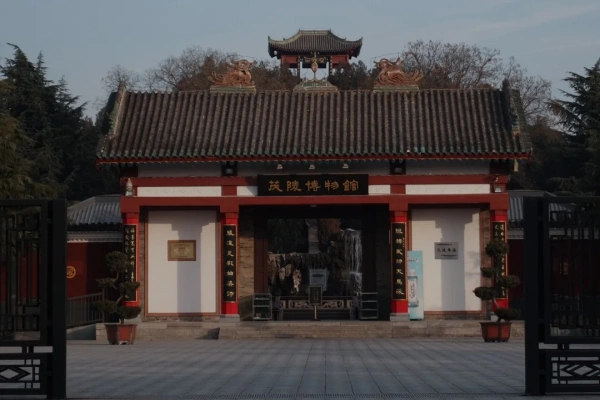
Begin with a detailed exploration of the tomb mound, including climbing up to a suitable observation point. Next, thoroughly examine the sacrificial halls, paying attention to the remaining architectural elements and historical inscriptions. After that, spend time studying the stone carvings, trying to understand the stories they tell. You can also visit the small museum on - site (if available) to see some of the unearthed artifacts.
Highlights: A more in - depth understanding of the mausoleum's architecture, rituals, and art.
Full - day Visit (6 - 8 hours):
In addition to the above - mentioned activities, you can take a leisurely walk around the entire mausoleum area, exploring the less - visited corners. You may also want to bring a picnic lunch and enjoy it in the peaceful surroundings. In the afternoon, participate in any guided tours or educational programs offered at the site to gain a deeper academic understanding of the Maoling Mausoleum.
Highlights: A comprehensive and immersive experience, covering all aspects of the mausoleum.
Ticket Purchase
Online: You can book tickets through the official website of the Maoling Mausoleum or some popular travel booking platforms. Online booking usually allows you to choose the date and time of your visit in advance, which can help you avoid long queues.
On - Site: Tickets are also available for purchase at the ticket office at the entrance of the mausoleum. However, during peak seasons or holidays, there may be long lines, so it is adVisable to arrive early.
Prices: The ticket price for adults is usually around ¥40 - ¥60, and there may be discounts for students, seniors, and children. The specific prices may vary depending on the season and local policies.
By Bus: You can take a local bus from the nearby city or town to the Maoling Mausoleum stop. Check the local bus schedules in advance to plan your journey. Some tourist buses may also offer direct routes to the site during peak tourist seasons.
By Taxi: Taxis are a convenient option, especially if you are traveling in a small group. You can easily hail a taxi from the city center or your hotel and ask the driver to take you directly to the Maoling Mausoleum.
Self - driving: If you have your own vehicle, you can drive to the mausoleum. There is usually a parking lot near the entrance, providing convenient parking facilities.
Best Time & Tips
Best Time: The best time to visit the Maoling Mausoleum is in spring (April - May) and autumn (September - October). The weather during these seasons is mild and pleasant, making it suitable for outdoor activities. Summers can be hot and humid, while winters are cold, so you need to dress appropriately if visiting during these seasons.
Peak Hours: Try to avoid visiting during the peak hours of 10 AM - 2 PM, as the site can be crowded. It is better to arrive early in the morning when it opens or later in the afternoon.
Essentials: Wear comfortable walking shoes as you will be doing a lot of walking around the large mausoleum area. Bring sunscreen, a hat, and plenty of water, especially in summer. If you plan to have a picnic, bring some food and snacks.
Photography: Photography is allowed at the Maoling Mausoleum, but be respectful of the historical site and other visitors. Do not use flash photography inside any enclosed areas to protect the artifacts.
Prohibited Items: Similar to many historical sites, selfie sticks, drones, and large bags may be prohibited. Check the site's regulations in advance to avoid any inconvenience.


Contact Us
What Our Clients Say?
Based on 10,000+ traveler reviews

Daniel Dorothea
Canada
Reviewed on April 29,2025
Shopping on Nanjing Road in Shanghai was just amazing! It's truly the "First Commercial Street of China", where tradition and modernity blend perfectly. You can find awesome souvenirs and experience the trendy vibes in cool stores. The neon lights at night are just spectacular, shining bright like Times Square in New York. The food here is incredible too. I had a feast for my taste buds. Shanghai, I'll definitely be back!
Destination(s):
Shanghai
Date of
Experience:
May 08,2024


Elvis Eva
Canada
Reviewed on June 20,2025
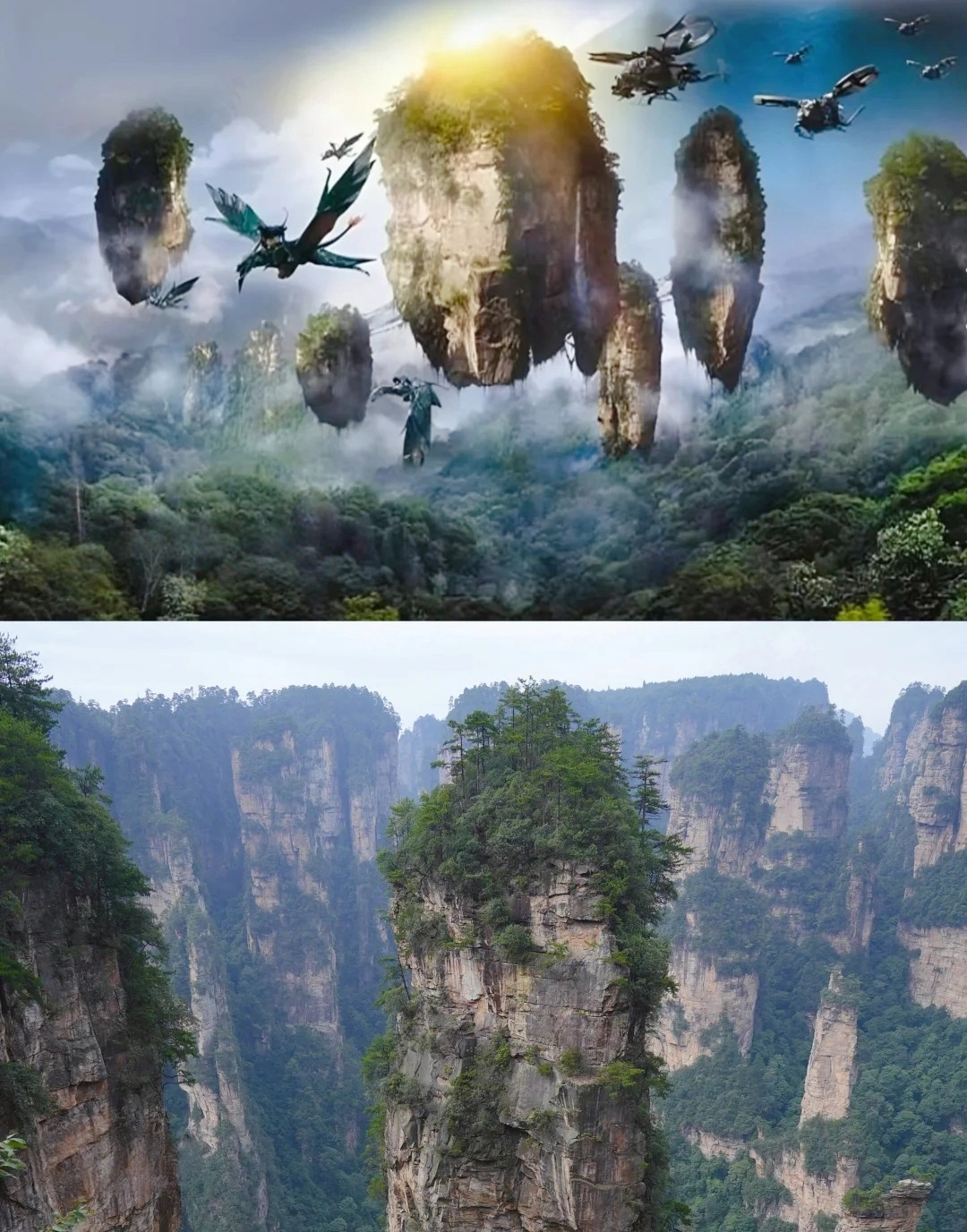
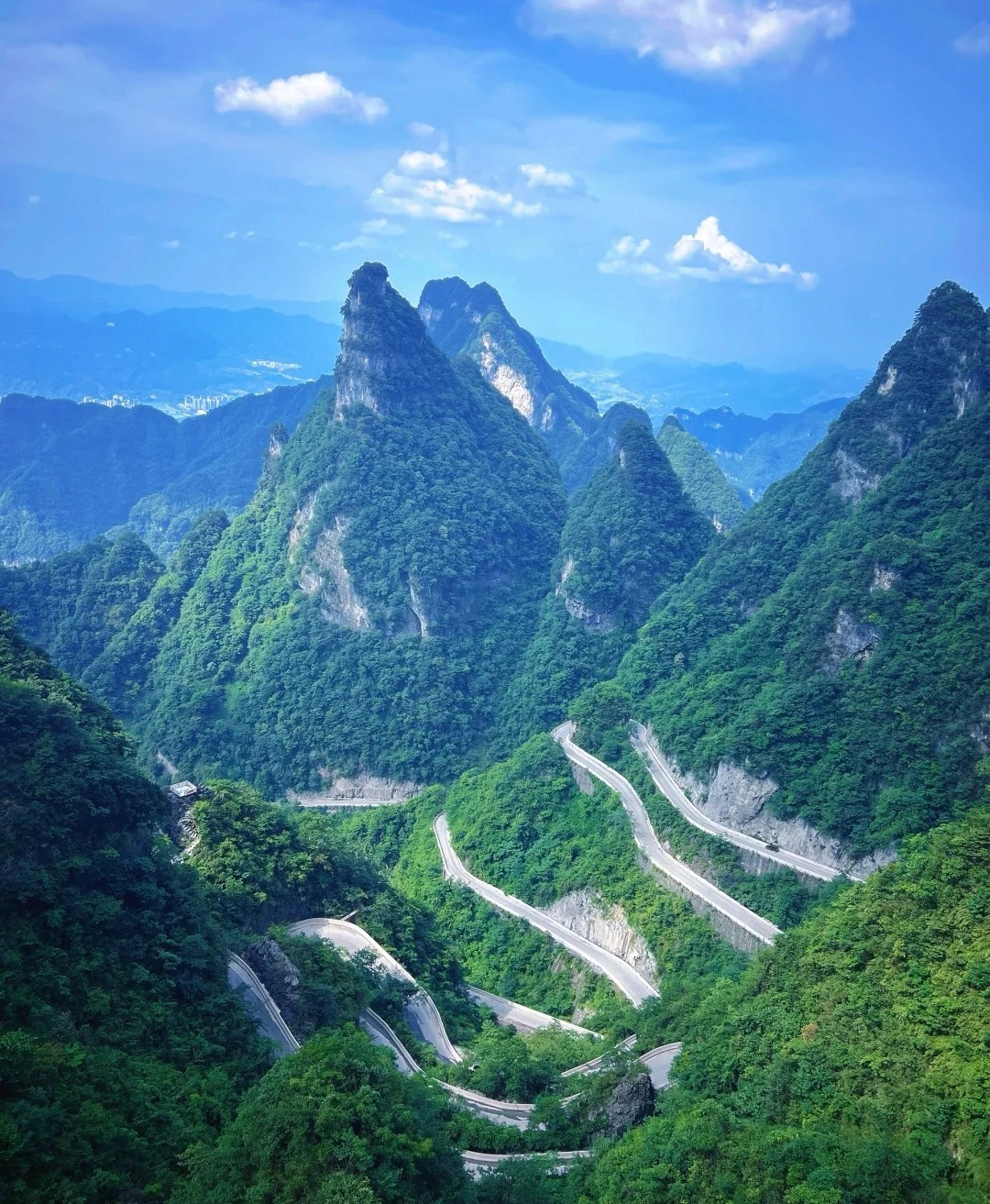
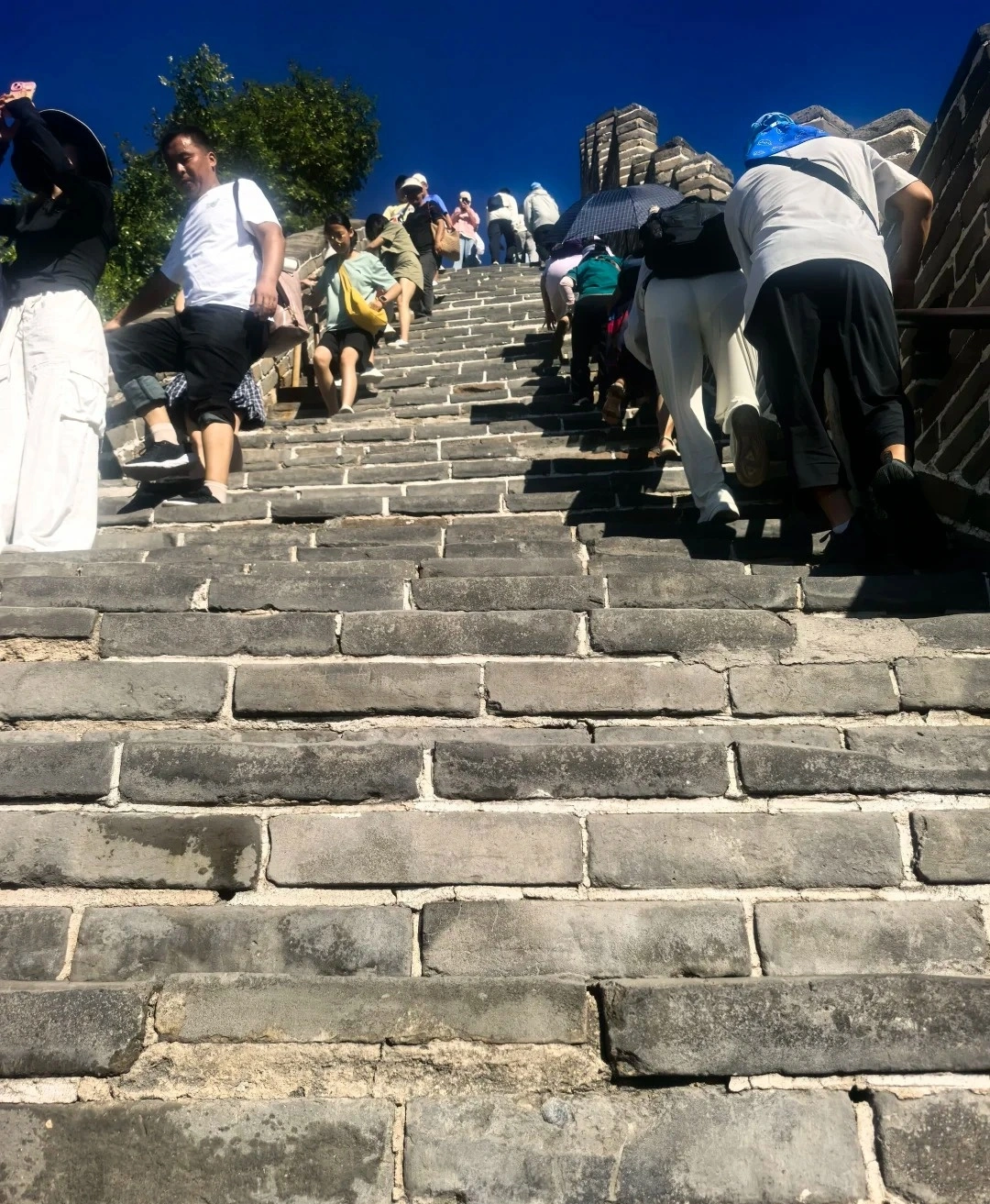
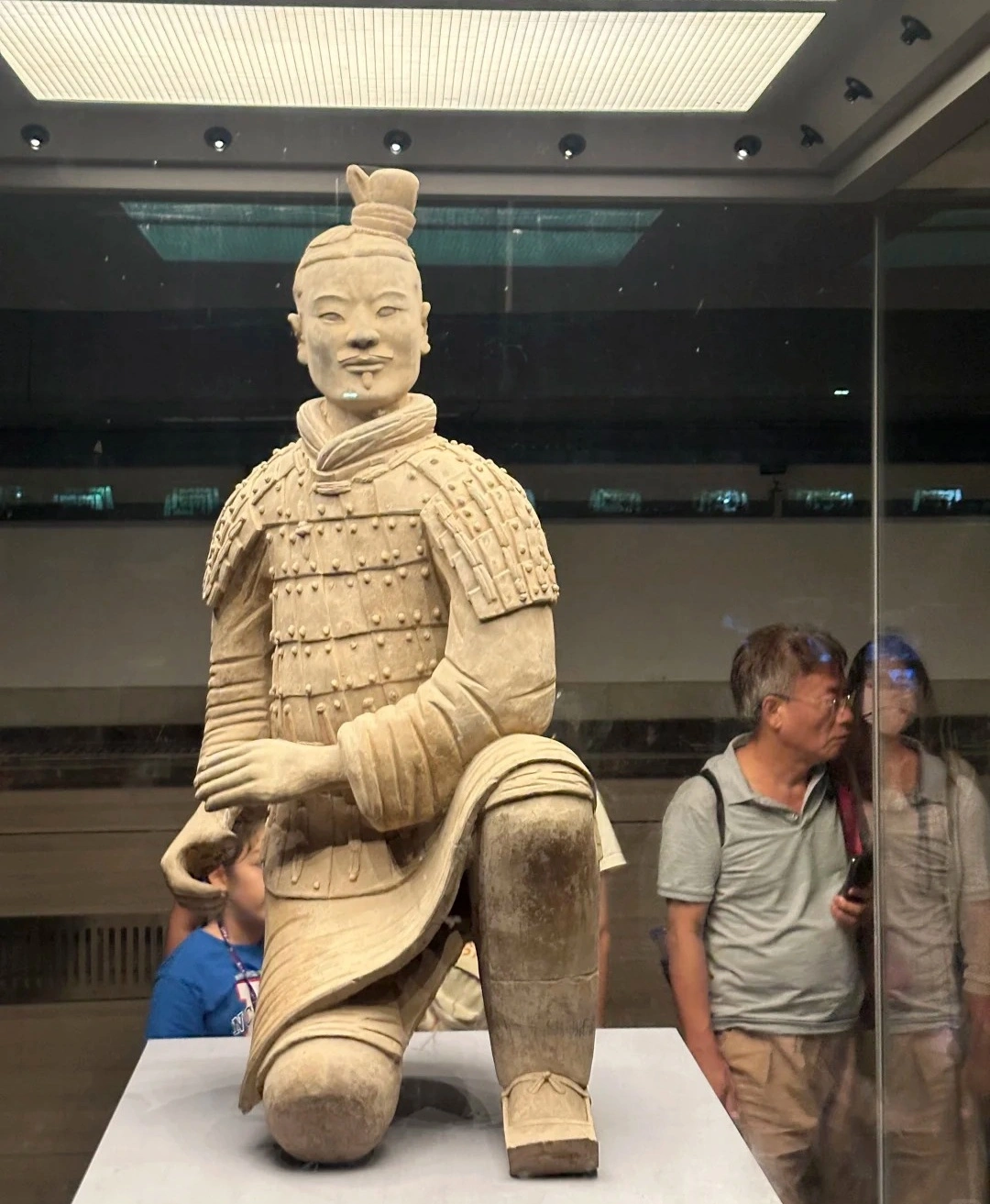
As a solo traveler from Canada, I was nervous about navigating China alone—but this 11-day tour was PERFECT! From hiking the Great Wall at sunrise (Day 3) to gasping at the Terracotta Army (Day 5), every day delivered ‘pinch-me’ moments. The real showstopper? Zhangjiajie’s Avatar Mountains (Day 7)! Our guide made the stone pillars come alive with stories.
Massive thanks for handling all logistics—bullet train tickets, entry passes, car! And the 4-star hotels surprised me.
Destination(s):
Beijing Xian Zhangjiajie Shanghai
Date of
Experience:
June 02,2025

Simon
America
Reviewed on May 29,2025
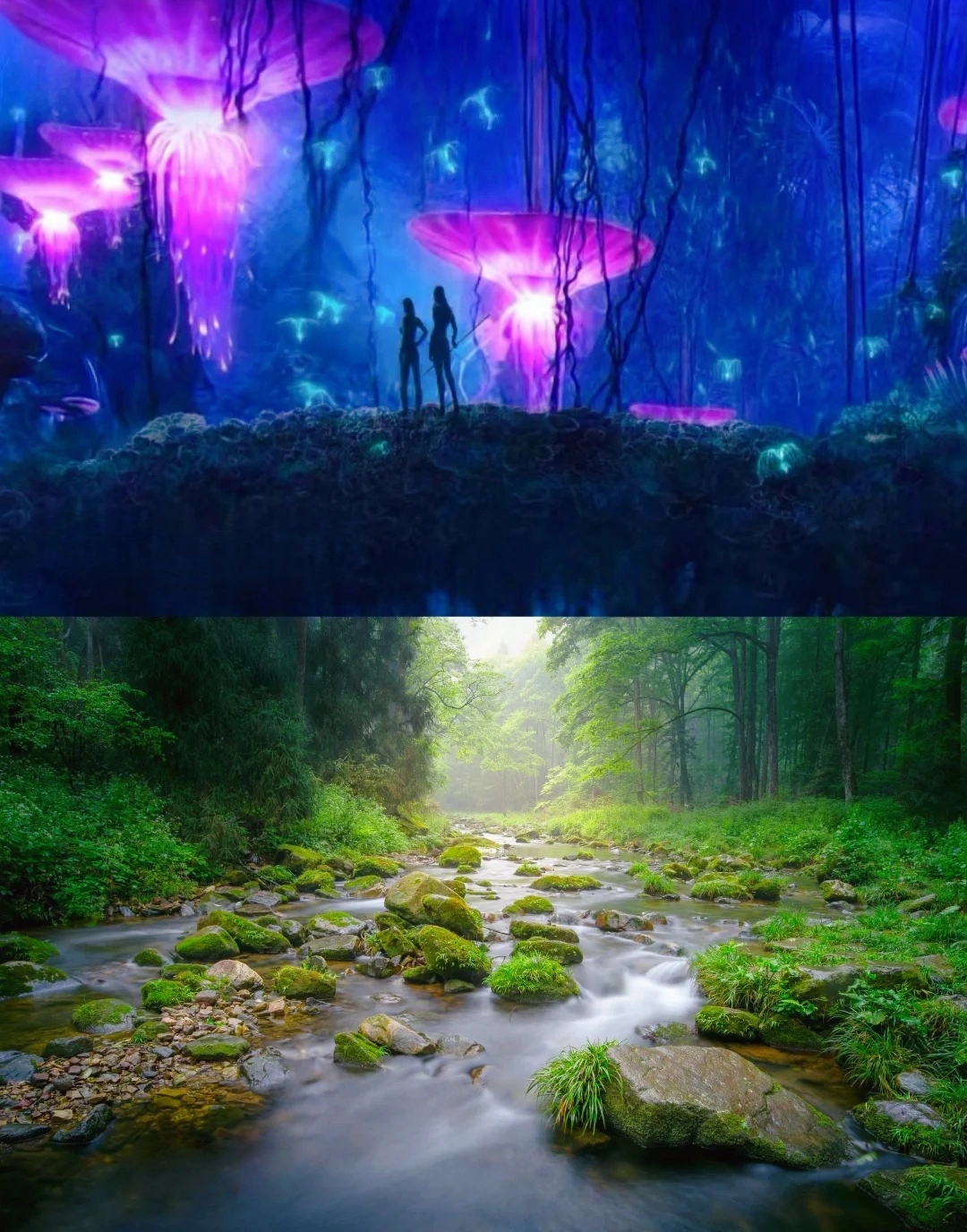
Our 2-day Zhangjiajie tour was beyond spectacular! As someone who’s visited Beijing and Shanghai for work, this trip revealed China’s wild, magical heart. Day 1 in Zhangjiajie National Forest Park felt like stepping onto Pandora—I’m a huge Avatar fan, and Yuanjiajie’s floating peaks left me breathless. The misty pillars and lush valleys like pure movie magic!
Then came Fenghuang Ancient Town, we eat dinner beside the thundering waterfall. It seems Unreal! The night views of stilt houses glowing over the river were straight from a fairy tale.
For fellow Avatar lovers and adventure seekers: Don’t miss this bucket-list experience! 10/10 would return.
A Well-Traveled Film Buff, May 2025
Destination(s):
Zhangjiajie
Date of
Experience:
May 08,2025