Liangzhu Ancient City Ruins: A Pilgrimage Through Five Thousand Years of Chinese Civilization

Liangzhu Ancient City Ruins: A Pilgrimage Through Five Thousand Years of Chinese Civilization

Overview: A distant dynasty proven by historical evidence, a living archaeological site.
The Liangzhu Ancient City Site is a super-large archaeological site covering a total area of ​​100 square kilometers. It was once a lost civilization that had been sleeping underground for 5,000 years, but now it has been brought back to light by its world-shaking discoveries, becoming a "sacred place" that provides evidence of China's 5,000-year history of civilization.

Key Highlights at a Glance
Identity Tags: Evidence of 5,000 Years of Chinese Civilization / World Cultural Heritage / East Asia's Earliest State Society
Core experiences: Hiking through the ancient city wall ruins, in-depth interpretation of jade culture, exploration of the Fanshan Royal Tombs, and an immersive archaeological experience.
Recommended visit time: 1 day. 
Address: 200 meters northwest of the intersection of Fengdu Road and National Highway 104, Pingyao Town, Yuhang District, Hangzhou City, Zhejiang Province

  • Liangzhu Ancient City Ruins: A Pilgrimage Through Five Thousand Years of Chinese Civilization-1
  • Liangzhu Ancient City Ruins: A Pilgrimage Through Five Thousand Years of Chinese Civilization-2
  • Liangzhu Ancient City Ruins: A Pilgrimage Through Five Thousand Years of Chinese Civilization-3
  • Liangzhu Ancient City Ruins: A Pilgrimage Through Five Thousand Years of Chinese Civilization-4

Origin: The Astounding Reappearance of a Lost Ancient Kingdom

Furong Ancient Town

The Origin of the Civilization "Liangzhu"
The name "Liangzhu" means "beautiful islet in the water." This poetic place name was given a completely new and epoch-making meaning as early as 1936 due to the discovery of a large number of Neolithic black pottery and stone tools by local scholar Shi Xingeng in his hometown. Since then, "Liangzhu" has become more than just a geographical name; it represents an ancient culture that shocked the world with its exquisite jade artifacts, grand engineering projects, and complex social structure—an "ancient state" that predates the Xia Dynasty. Finally, in 2019, it was successfully inscribed on the World Heritage List, marking the international community's recognition of its civilizational status.

The Road to Reappearance: From Sporadic Discoveries to Groundbreaking Success
The modern discovery history of the Liangzhu civilization is an archaeological epic spanning over eighty years and delving deeper and deeper:
Early signs (1936-1980s): Shi Xingeng's first excavation, and the subsequent discovery of high-level tombs such as Yaoshan and Fanshan, as well as a large number of jade ritual objects, revealed that this was a highly developed prehistoric culture different from that of the Central Plains.
A groundbreaking discovery (2007): Archaeologists discovered an ancient city wall built of loess, measuring approximately 1500-1700 meters east to west and 1800-1900 meters north to south, covering a total area of ​​nearly 3 million square meters. This discovery completely overturned previous understanding, proving that Liangzhu had entered a mature "state" stage.
Systematic revelations (2009 to present): The confirmation of a large-scale water conservancy system (including 11 dikes, controlling an area of ​​over 100 square kilometers) pushes back the history of large-scale water conservancy in China to 5,000 years ago. The complete unveiling of palace areas, royal tombs, workshop areas, and rice paddy remains gradually unfolds a panoramic view of the politics, economy, military, and beliefs of the "Liangzhu Ancient Kingdom."

In-depth understanding: Explore more of the world-renowned origins of Chinese civilization >> [Qinglong Temple Site, Xi'an]

Must-see wonder: The secrets of dynasties beneath the loess soil

Furong Ancient Town Furong Ancient Town Furong Ancient Town Furong Ancient Town

The charm of Liangzhu lies not in the existing buildings with their carved beams and painted rafters, but in interpreting the traces on the land and engaging in a dialogue across time with the ancestors of five thousand years ago through the ruins and artifacts.

Nature's Creation – The Ecological Wisdom of Royal City Site Selection
The greatness of the Liangzhu people lies first and foremost in their profound understanding and ingenious utilization of nature.

Wetland Kingdom: The Symbiosis of Water and City
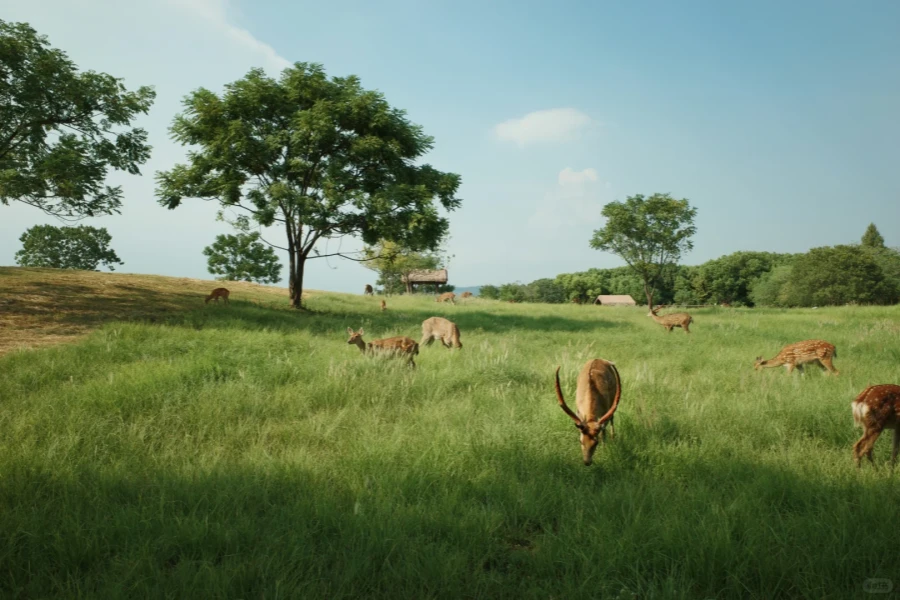
The ancient city of Liangzhu was not built on ordinary plains or highlands, but rather carefully situated in a C-shaped basin surrounded by mountains and water. To the west and north are the hills of the Tianmu Mountains, providing natural barriers and resources of stone and timber; to the east and south are vast river plains and wetlands. This location was advantageous for defense and also allowed for full utilization of abundant water resources for irrigation, transportation, and aquaculture. Standing atop the ancient city walls, one sees not only idyllic scenery, but also the carefully planned, sustainable foundation of an ancient "sponge city."

Magnificent water conservancy projects: engineering feats that rewrote world history
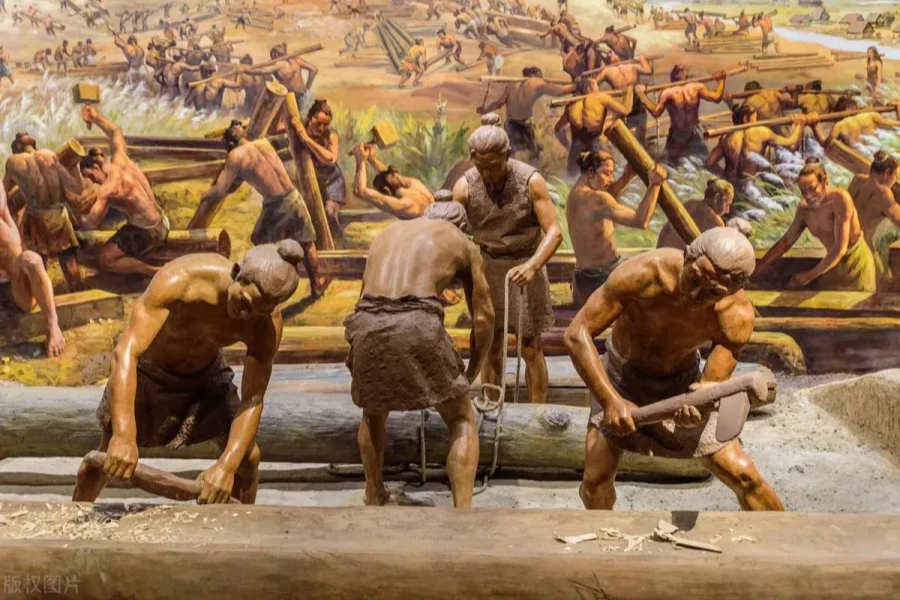
The water conservancy system comprised of long dikes at the foot of the mountains and ponds on the plains surrounding the ancient city is the most awe-inspiring engineering marvel of the Liangzhu civilization. It served multiple functions, including flood control, transportation, irrigation, and water regulation, and its design and scale demonstrate the powerful social mobilization capabilities and advanced engineering technology of the time. This can be considered the "world's first dam," silently safeguarding the kingdom's peace and prosperity for centuries.

Humanistic Ingenuity: A Physical Testimony of the Grandeur of an Ancient Kingdom
Every plant, tree, hill, and ravine in the archaeological park is a symbol of civilization.

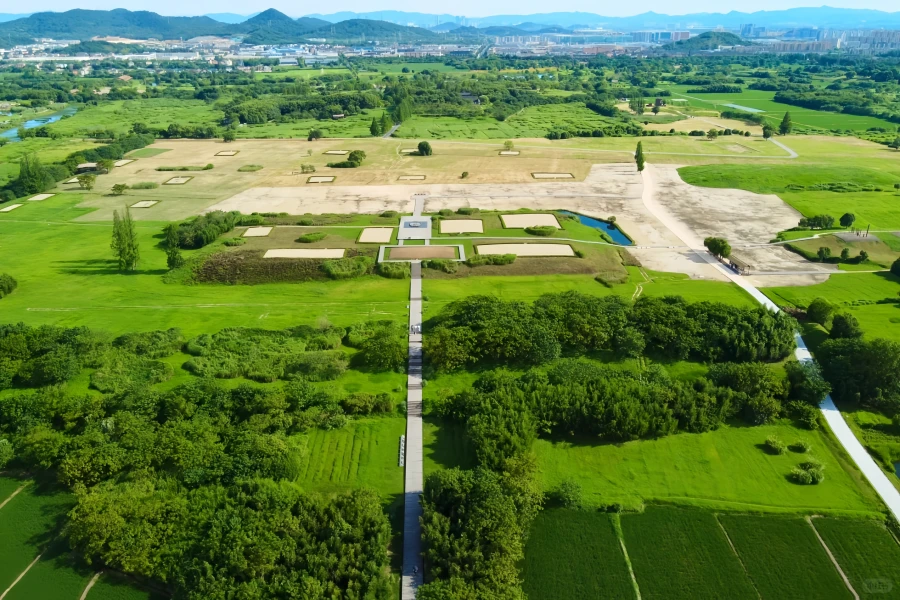
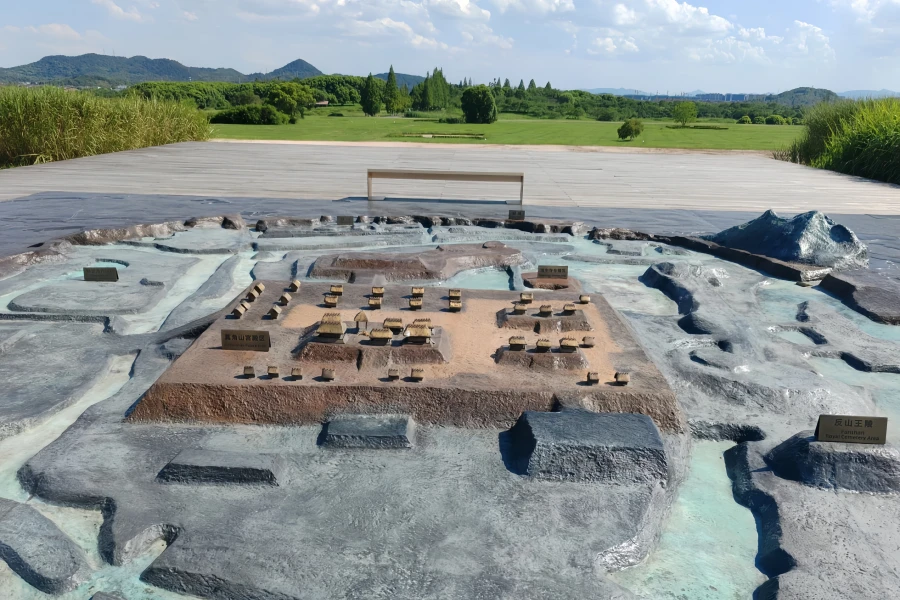
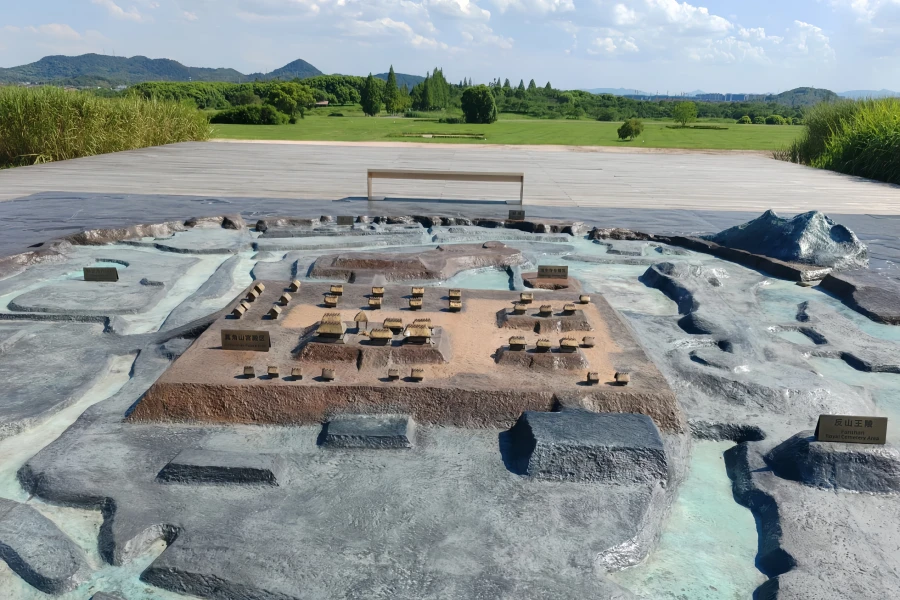
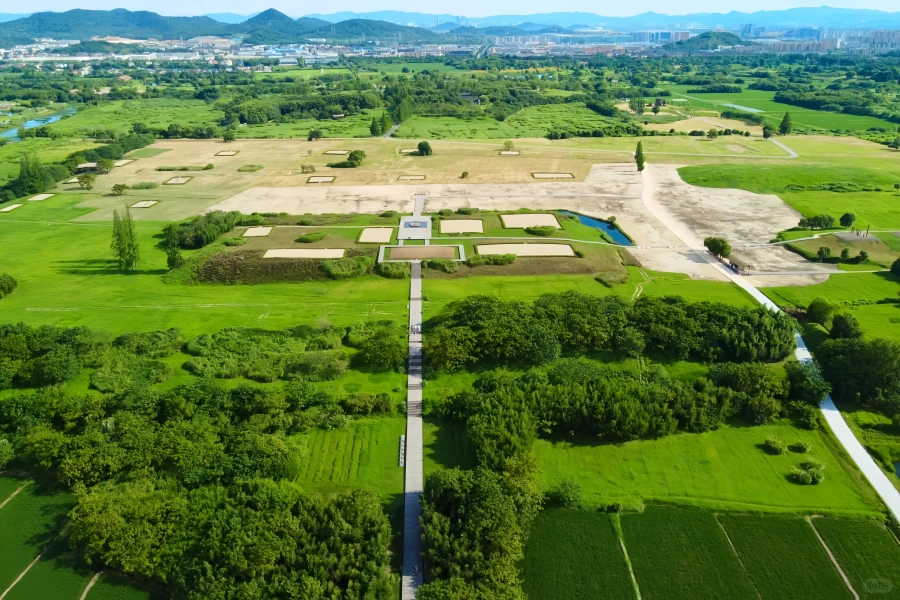
Mojiaoshan Palace Area: A massive, man-made platform at the very center of the ancient city, over 10 meters high and covering an area of ​​approximately 300,000 square meters. This was the center of power, considered the "Forbidden City" where royalty resided and held important ceremonies. Standing atop the platform, one can overlook the entire layout of the ancient city and feel the grandeur of "ruling the world."
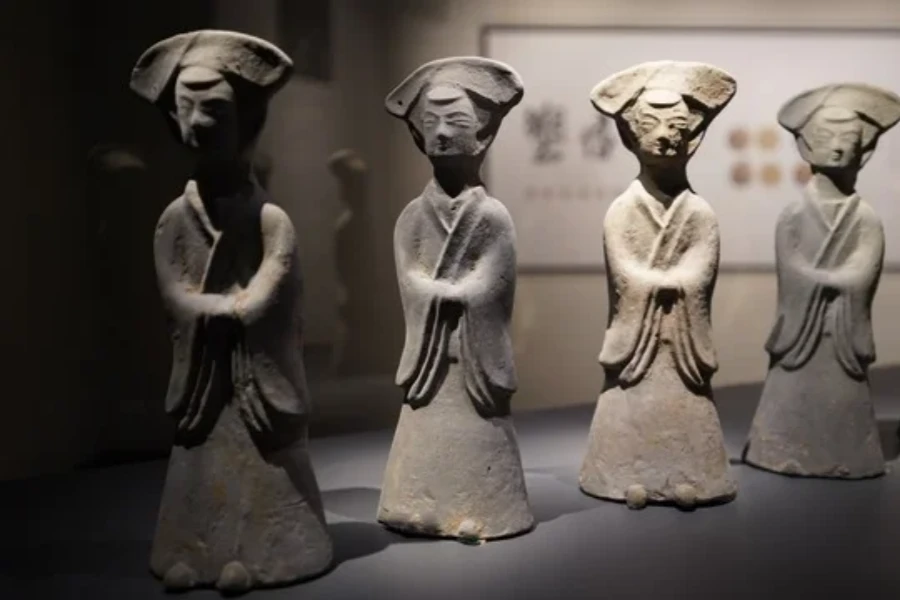
Fanshan Royal Tombs: Located on the west side of Mojiao Mountain, this is a cemetery exclusively for nobles. In particular, Tomb No. 12 at Fanshan yielded hundreds of exquisite jade artifacts, including the "King of Cong" and the "King of Yue." These jade artifacts are symbols of divine, royal, and military power, vividly demonstrating the strict hierarchical system and brilliant spiritual beliefs of Liangzhu society.
Ancient city wall ruins: The city wall, constructed with a base of stone blocks and an upper layer of rammed earth, is clearly visible. Strolling along the ruins and touching the loess and stones taken from the mountains, one can directly feel the scale of the ancient capital and the hardship of its construction by its ancestors. The eight water gates of the city wall reveal the boat traffic that once filled this water city.
Archaeological Experience and Exhibition: The park features an archaeological simulation experience area, a display area of ​​river channels and workshop ruins, and a museum showcasing the excavation profile of the south city wall. Through modern technology and on-site preservation and display, visitors can observe cultural layers and ancient human remains up close, just like archaeologists, and understand the process and significance of archaeological work.

Visitor Guide:
Recommended order of visits: It is strongly recommended to visit the Liangzhu Museum first (located near the park, separate reservation required) to gain a systematic understanding of the overall civilization and exquisite cultural relics, and then enter the archaeological site park for "on-site verification".
Core Route: Take the sightseeing bus (mandatory, the park is extremely large) and tour in the order of "Lucheng Gate - South City Wall - Mojiao Mountain - Fanshan Mountain - Zhishan Mountain" to grasp the core essence of the civilization.
Imagination and Interpretation: Liangzhu is an "earth site," and appreciating it requires a rich imagination. Be sure to rent an audio guide or hire a guide; they will "translate" the amazing stories behind every earthen platform and ditch for you.
Drone view: From a high altitude, the square layout of the ancient city, the central platform, and the surrounding water system are clearly visible, providing the most macroscopic understanding (flying must comply with park regulations).

Core Experience: An Immersive Guide to Civilization Exploration

Furong Ancient Town Furong Ancient Town Furong Ancient Town Furong Ancient Town

Five Must-Do Things to Unlock the Complete Liangzhu Journey
1. Complete a journey through civilization from museum to archaeological site.
The recommended order is: Liangzhu Museum in the morning, and the archaeological site park in the afternoon. This is the best way to experience Liangzhu.
Key points: In museums, focus on understanding the anthropomorphic and animal mask patterns, jade cong and jade yue; in archaeological sites, find the "birthplace" and usage scenarios of these symbols and artifacts.
2. At the top of Mojiaoshan Mountain, be the "King of Liangzhu" for five minutes.
Location: Ascend to the top platform of the Mogaung Palace area.
Experience: Look around and imagine a magnificent palace beneath your feet, surrounded by city walls and crisscrossed by waterways, with thousands of acres of rice paddies promising a bountiful harvest. Feel the grandeur of the planning of a kingdom's capital city five thousand years ago and the vision of its rulers.
3. Experience archaeology firsthand.
Experience: In the archaeological experience area, try using tools to conduct simulated exploration or observe real archaeological excavation sites.
Interactive activity: At the South City Wall Exhibition Hall, stand in front of a 20-meter-long, 6-meter-high cross-section of the city wall and see how it was built layer by layer over thousands of years.
4. Searching for divine symbols to decode the spiritual world of the Liangzhu people.
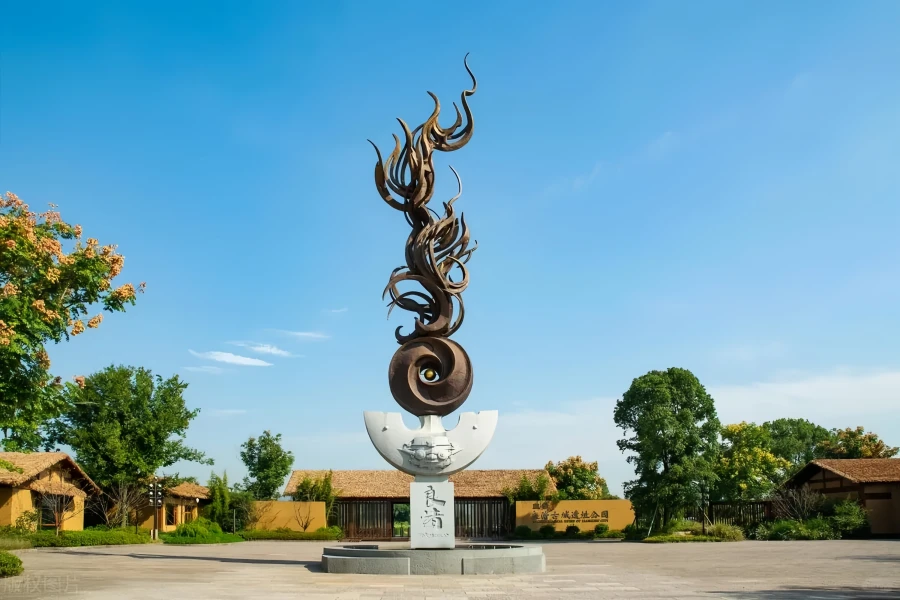
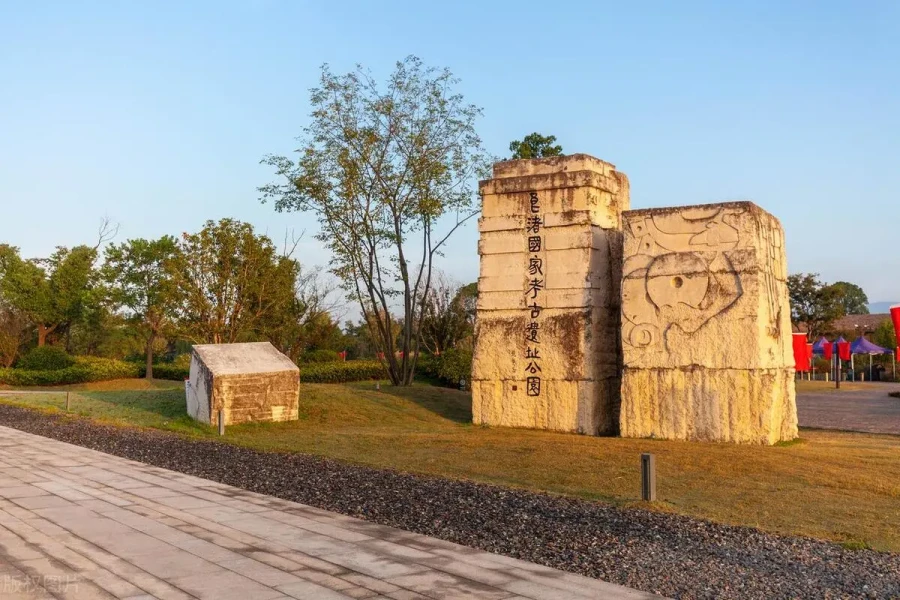
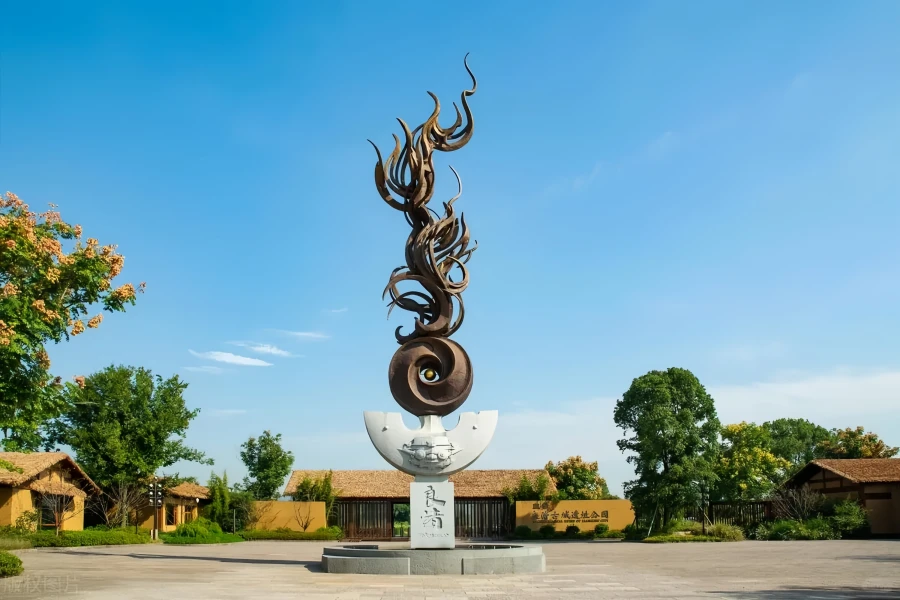
Task: Find the ubiquitous "divine human-animal face pattern" on the jade artifacts in the museum and the sculptures and signs in the park.
Reflection: Why was this unified symbol of faith able to transcend vast geographical areas? What crucial role did it play in maintaining the unity of this early nation?
5. Experience the blend of ancient and modern times amidst the rice paddies of spring or the reeds of autumn.
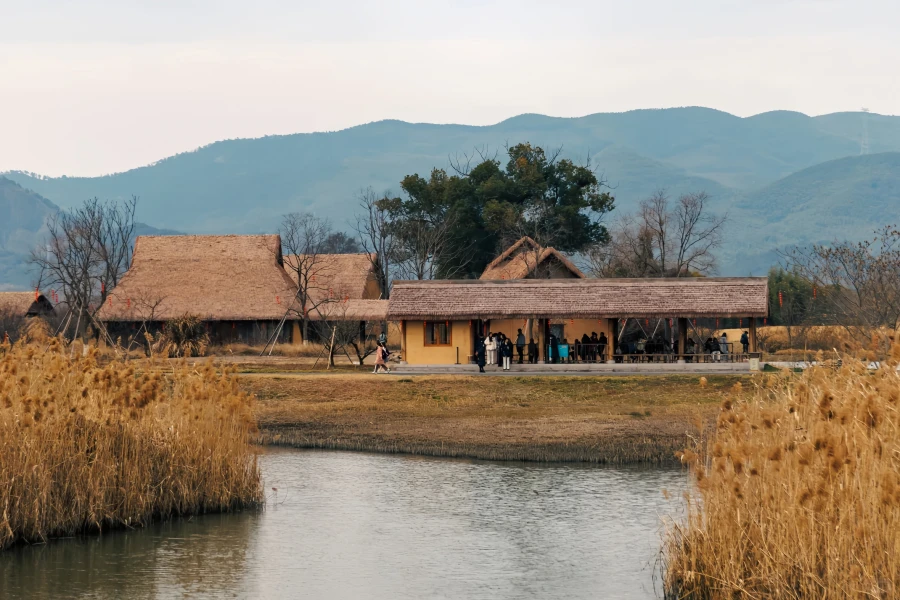
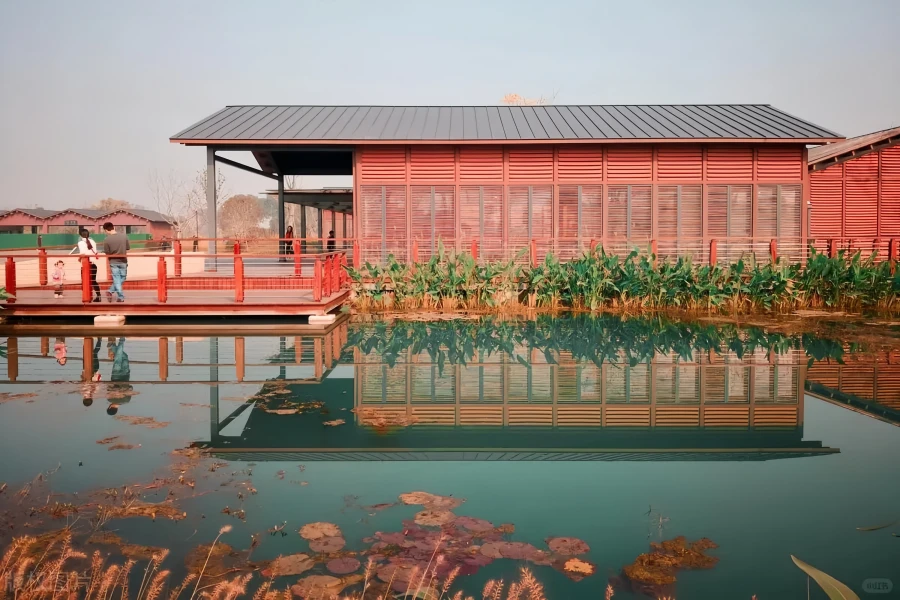
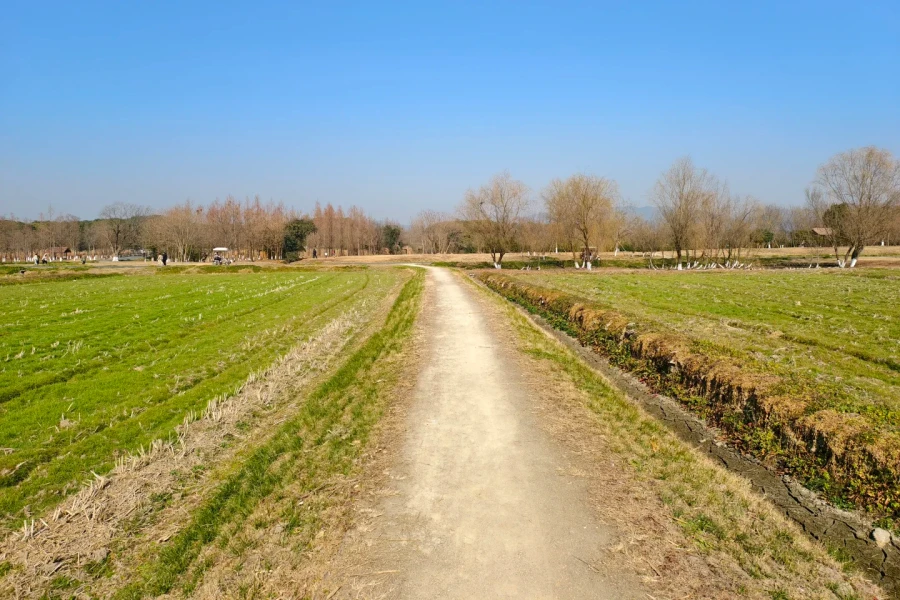
Seasonal Experience: Parts of the ancient rice paddies have been restored within the park. In spring, the rice seedlings are planted, creating a vibrant green; in autumn, the rice ripens, turning the landscape a golden yellow. In the park's wetlands, the autumn reeds bloom like snow, forming a beautiful contrast of strength and gentleness with the weathered ruins—a perfect opportunity for photography.

Suggested tour routes
The Liangzhu Ancient City Ruins Park covers a vast area with its core sites scattered throughout, requiring at least a full day for an in-depth visit. Combining this with the museum visit would make a full day the optimal plan.

A one-day in-depth tour of "civilization evidence" (highly recommended):
Morning (9:00-12:00): Arrive at and visit the Liangzhu Museum (advance reservation required). Spend 2-3 hours systematically learning about the background, key artifacts, and core values ​​of Liangzhu culture.
Lunch (12:00-13:30): Have lunch near the museum or at the entrance of the heritage park.
Afternoon (13:30-17:30): Enter Liangzhu Ancient City Ruins Park. Please purchase a sightseeing bus ticket. Follow the route: "Land Gate Ruins—South City Wall Ruins (Exhibition Hall)—Archaeological Experience Area—Mojiaoshan Palace Area—Fanshan Royal Mausoleum—Zhishan Viewing Platform." Disembark at each stop to visit and listen to the explanations.
Evening: Enjoy the sunset over the ancient city from the Zhishan viewing platform, concluding a day of pilgrimage to civilization.
IntoTravelChina advises: This itinerary contains a wealth of information; please be sure to select a guided tour. We can book excellent expert explanations for you, allowing the silent ruins to "speak."

Two-day tour of "The Origins of Hangzhou Civilization" (ideal for knowledge-seeking tourists):
Day 1: In-depth study of Liangzhu civilization
The entire day is dedicated to an in-depth exploration of the Liangzhu Museum and Archaeological Site Park. The pace can be slowed down, and participants can take part in the park's regularly held lectures or hands-on activities (such as jade carving experiences).

Day 2: West Lake Cultural Trail Tracing Day
In the morning, we will go to West Lake in Hangzhou and visit the Zhejiang Provincial Museum (Gushan Branch) to explore the influence and inheritance of Liangzhu jade artifacts in later cultures.
In the afternoon, stroll along West Lake, reflecting on the beauty of Jiangnan, where "light or heavy makeup is always pleasing," and looking back at the magnificent unity of gods and kings five thousand years ago, contemplating the origins and development of the diverse yet unified Chinese civilization.
IntoTravelChina's advantages: We can book the most suitable accommodations for you, arrange all the connections and transportation for your activities, and provide professional cultural guides to accompany you, ensuring that you not only see, but also understand.

Professional Guide: IntoTravelChina offers personalized itineraries, including a dedicated guide, transportation, and activity arrangements, ensuring a worry-free and in-depth travel experience. >> [Inquire Now for a Customized Itinerary]

Complete Travel Guide: Transportation, Accommodation, and Seasons

Furong Ancient Town

How to get there: The Cultural Corridor in the North of Hangzhou
The Liangzhu Ancient City Site is located in the northwest of Hangzhou city, with a well-developed transportation network.
Starting from downtown Hangzhou:
Subway (Recommended): Take Hangzhou Metro Line 2 to Liangzhu Station, exit from Exit D, and then transfer to the shuttle bus or bus (route 1222M) to reach the site. It takes about 10 minutes. This is the most economical and convenient way.
By car/taxi: Navigate to "Liangzhu Ancient City Ruins Park - South Entrance" or "Liangzhu Museum". It takes about 40-60 minutes by car from the city center. Parking is charged at both the park and the museum.
Starting from other attractions: This can be planned in the same Hangzhou trip as West Lake and Xixi Wetland. It is recommended to stay in Hangzhou city center for convenient access to various destinations via the subway network.

Best time to visit
The Liangzhu Ancient City Ruins Park can be visited in all seasons, but the outdoor experience is most comfortable and the scenery is most layered during the spring and autumn seasons (March-May and September-November).

Spring and autumn (March-May, September-November): The climate is pleasant, the park is lush with vegetation, wildflowers bloom in spring, and reeds sway in the breeze and rice turns golden in autumn, which complements the historical atmosphere of the ruins and makes for excellent photography.

Summer (June-August): The weather is hot, so take precautions against sunburn and heatstroke when hiking outdoors. However, the park is shaded by trees and the wetlands are cool, so it is a good time to visit in the early morning or evening.
Winter (December-February): Fewer tourists, a tranquil atmosphere, allowing for a more focused appreciation of the solemnity of the ruins. However, withered vegetation makes the scenery somewhat bleak, so be sure to dress warmly.

Accommodation options
Hangzhou city proper (preferred choice, offering the most convenience and options):
Experience: Accommodation options range from hostels to luxury hotels, and dining and nightlife are plentiful. The subway provides convenient access to Liangzhu and all other key attractions in Hangzhou.
Suitable for: Most tourists, especially travelers planning a multi-day trip to Hangzhou.
Surrounding areas of Liangzhu Cultural Village (Immersive Experience Options):
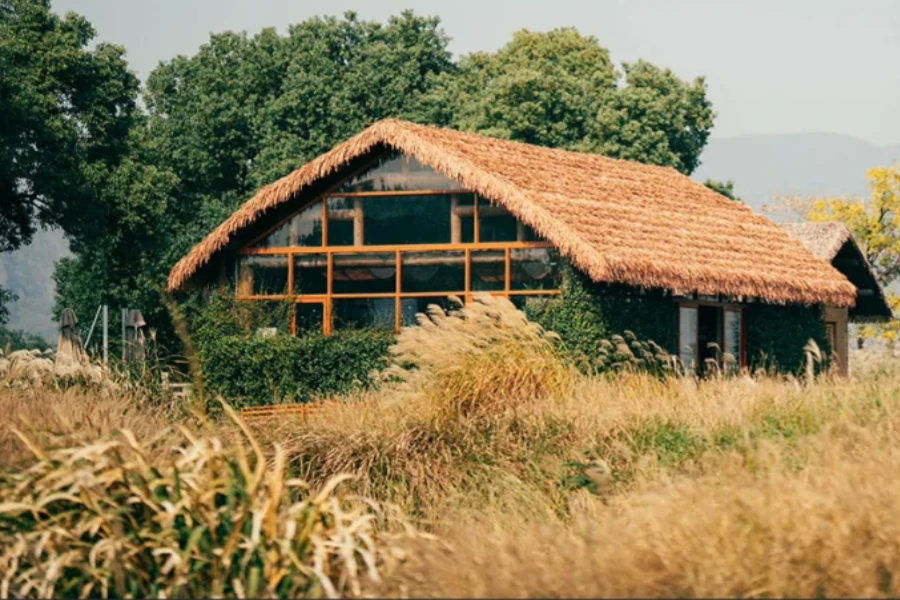
Experience: Near Liangzhu Station is the "Liangzhu Cultural Village" community developed by Vanke, which includes several designer hotels, guesthouses, and commercial facilities. The environment is beautiful, with a rich cultural atmosphere, and it's close to the archaeological site park and museum.
Suitable for: Tourists who want more time to immerse themselves in the Liangzhu cultural atmosphere or who seek a quiet accommodation environment.
Near West Lake Scenic Area (classic tourist choice):
Experience: Staying by West Lake allows you to enjoy the beautiful scenery, but it takes about an hour by subway to get to Liangzhu. It is suitable for tourists who want to visit Liangzhu as a single-day trip in a multi-day tour of Hangzhou.

IntoTravelChina Accommodation Booking Recommendations:
Hangzhou's accommodation market is mature, but advance booking is still necessary during peak tourist seasons (May Day, National Day, and summer vacation). Booking through us not only allows us to recommend the most suitable accommodation areas based on your itinerary (e.g., focusing on cultural or leisure travel), but also solves the hassle of ticket reservations, guided tours, and other related matters, ensuring a smooth and stress-free journey of cultural exploration. >> [Click to contact an IntoTravelChina travel consultant]

Extending the journey: Connecting the civilization and landscape of Zhejiang

Furong Ancient Town

Liangzhu is the key to unlocking the origins of Jiangnan civilization, and it can serve as a center for an in-depth cultural journey.

A 3-day Hangzhou Civilization In-Depth Loop Tour: West Lake (cultural landscape) → Liangzhu Ancient City, Zhejiang Province → Grand Canal (living cultural heritage) → Song Dynasty Town (Song Dynasty cultural theme park). This is a journey through time from 5,000 years of civilization to the millennium-old Grand Canal, and then to the century-old West Lake. >> [View the 3-day Hangzhou Civilization In-Depth Tour Itinerary]

Join hands with IntoTravelChina to start your exclusive journey to find the roots of civilization

Furong Ancient Town

The story of the ruins of the ancient city of Liangzhu is related to the origin of civilization, the prototype of the country and the source of self-confidence in Chinese culture. IntoTravelChina focuses on creating a deep, personalized, and hassle-free Chinese travel experience, especially excelling in curating cultural themed itineraries rich in knowledge. Our travel experts can help you:
Tailor-made itinerary: Design the perfect route to include Liangzhu and surrounding cultural attractions based on your interests (archaeology, history, architecture, art), with professional cultural instructors.
One-stop service: Get reservations for all venues (especially in-demand expert explanations), special accommodation, and transportation connections in the city.
Exclusive experiences: Arrange private time tours of the site, small discussions with archaeologists, in-depth experience of jade workshops, etc.

Let your trip to Liangzhu be not only a check-in, but also a systematic civilization enlightenment and in-depth dialogue.
> Start planning your journey today
> Welcome to contact our professional cultural travel consultants, we will provide you with exclusive itinerary plans and quotations within 24 hours. >> [Click to contact IntoTravelChina Travel Consultant]

What Our Clients Say?

Based on 10,000+ traveler reviews

...
Daniel Dorothea
Canada
Reviewed on April 29,2025
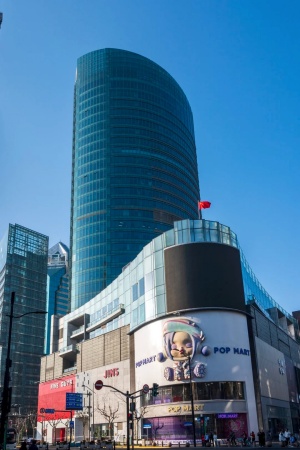
Shopping on Nanjing Road in Shanghai was just amazing! It's truly the "First Commercial Street of China", where tradition and modernity blend perfectly. You can find awesome souvenirs and experience the trendy vibes in cool stores. The neon lights at night are just spectacular, shining bright like Times Square in New York. The food here is incredible too. I had a feast for my taste buds. Shanghai, I'll definitely be back!
Destination(s): Shanghai
Date of Experience: May 08,2024
...
...
Elvis Eva
Canada
Reviewed on June 20,2025
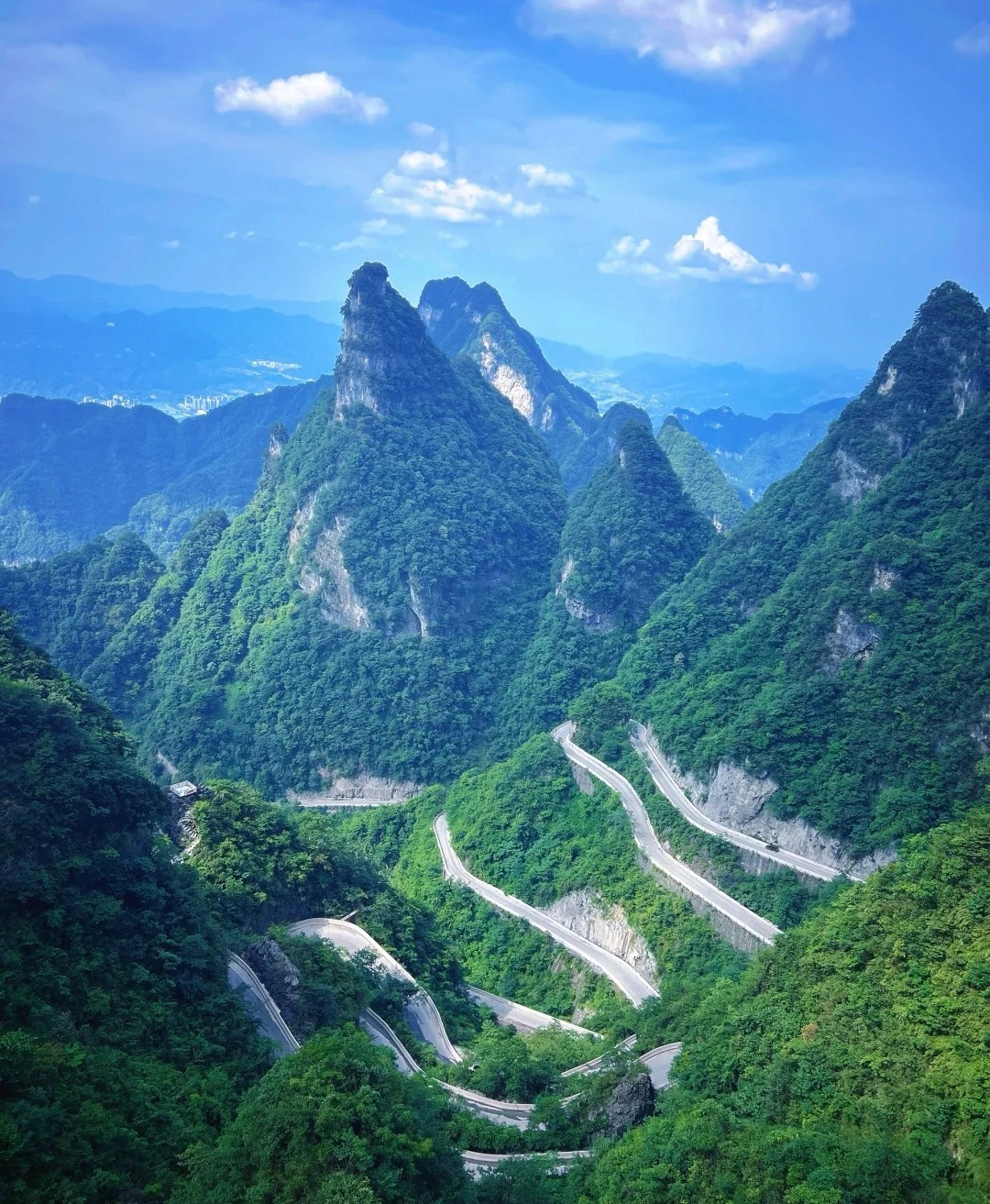
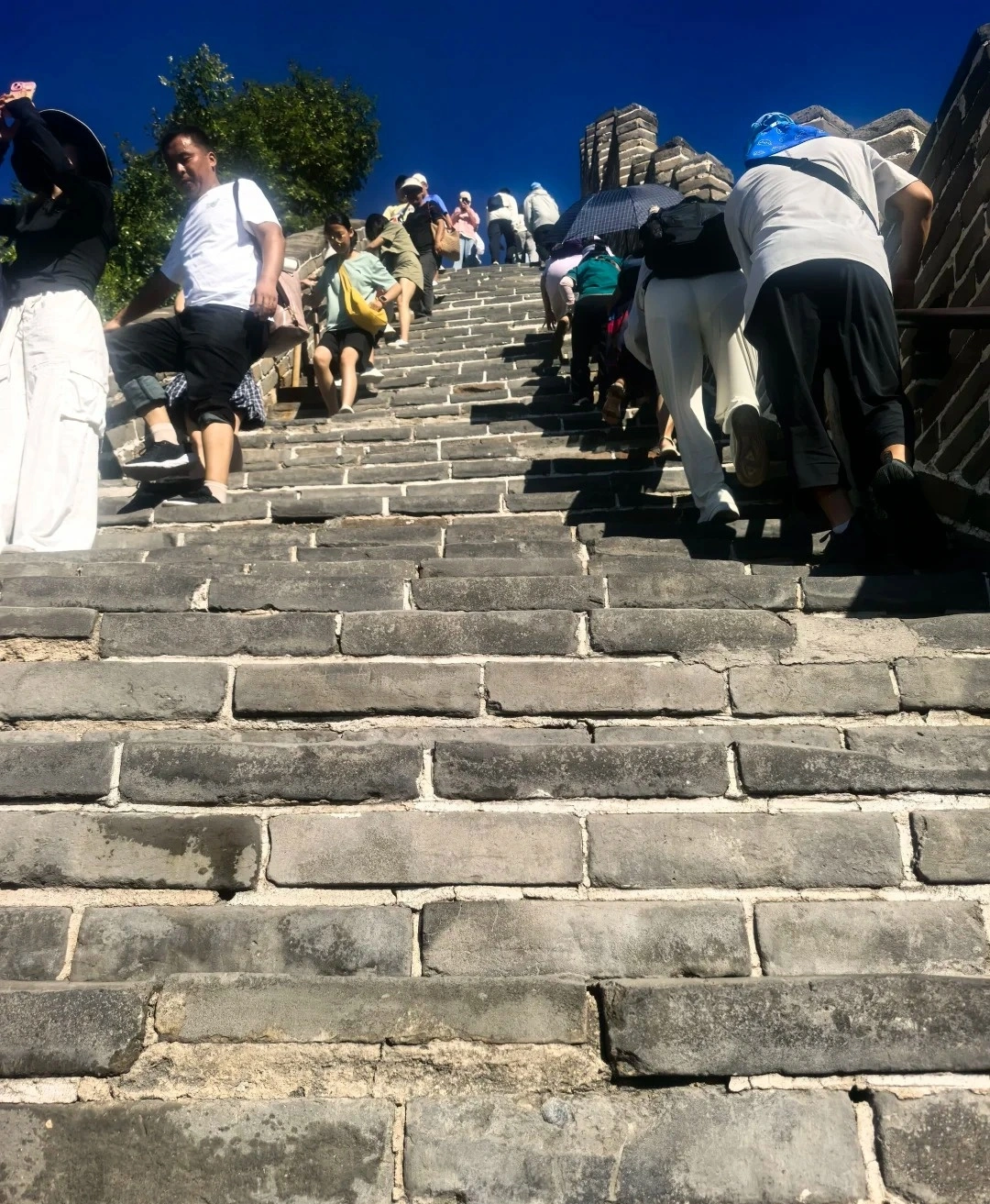
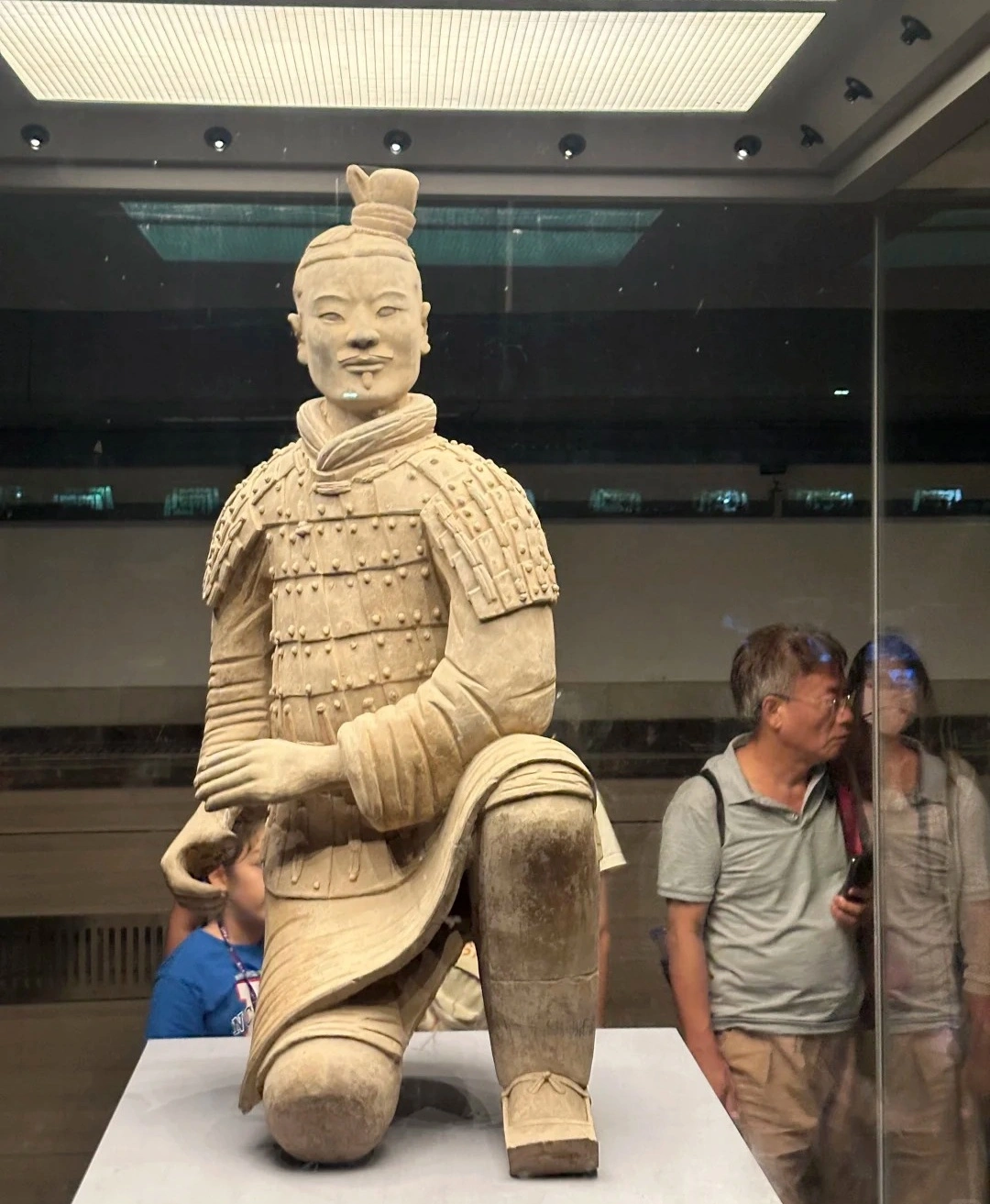
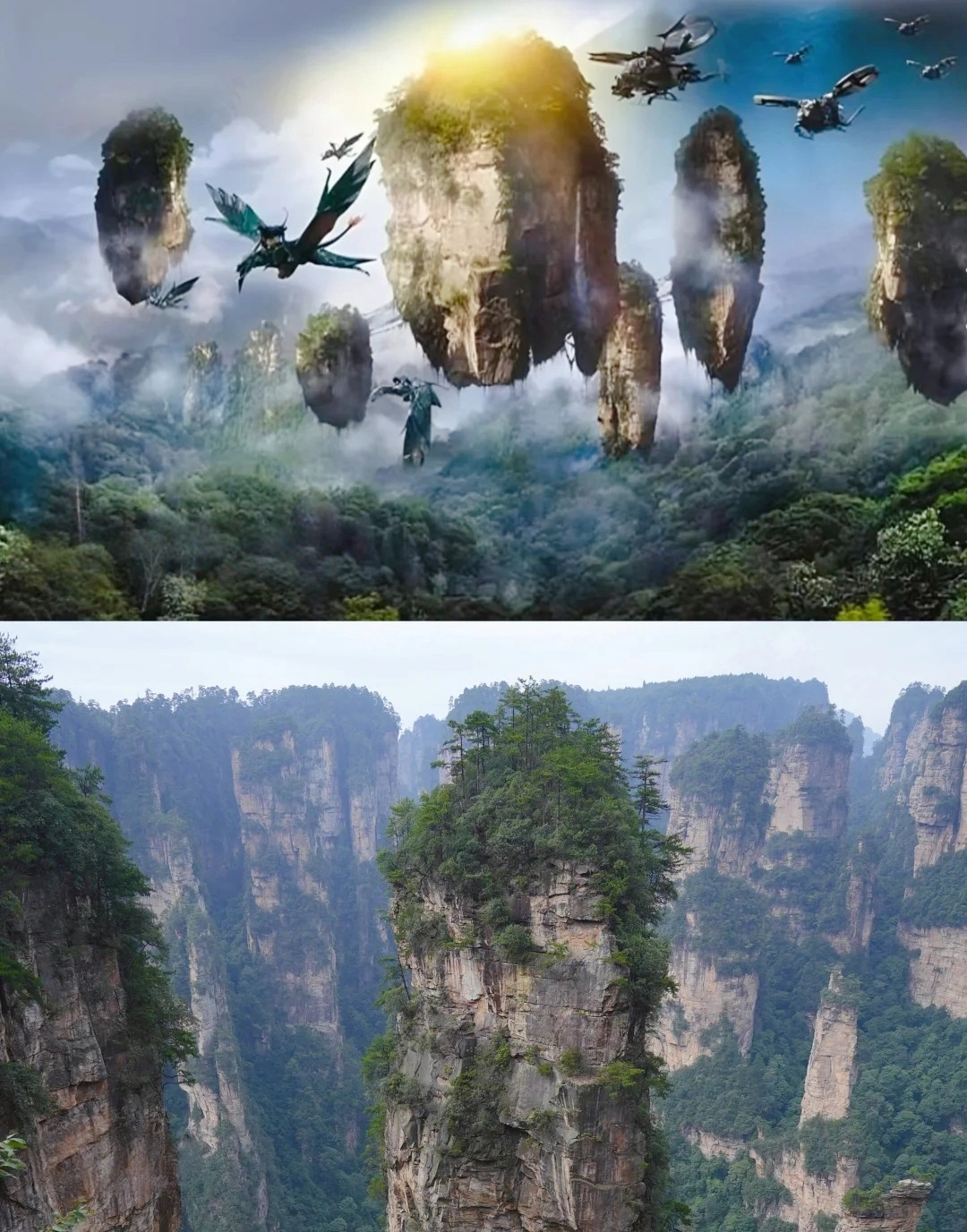
As a solo traveler from Canada, I was nervous about navigating China alone—but this 11-day tour was PERFECT! From hiking the Great Wall at sunrise (Day 3) to gasping at the Terracotta Army (Day 5), every day delivered ‘pinch-me’ moments. The real showstopper? Zhangjiajie’s Avatar Mountains (Day 7)! Our guide made the stone pillars come alive with stories. Massive thanks for handling all logistics—bullet train tickets, entry passes, car! And the 4-star hotels surprised me.
Destination(s): Beijing Xian Zhangjiajie Shanghai
Date of Experience: June 02,2025
... ... ...
...
Simon
America
Reviewed on May 29,2025
Our 2-day Zhangjiajie tour was beyond spectacular! As someone who’s visited Beijing and Shanghai for work, this trip revealed China’s wild, magical heart. Day 1 in Zhangjiajie National Forest Park felt like stepping onto Pandora—I’m a huge Avatar fan, and Yuanjiajie’s floating peaks left me breathless. The misty pillars and lush valleys like pure movie magic! Then came Fenghuang Ancient Town, we eat dinner beside the thundering waterfall. It seems Unreal! The night views of stilt houses glowing over the river were straight from a fairy tale. For fellow Avatar lovers and adventure seekers: Don’t miss this bucket-list experience! 10/10 would return. A Well-Traveled Film Buff, May 2025
Destination(s): Zhangjiajie
Date of Experience: May 08,2025
... ...

Ask a Question

Question Summary (100 characters)
Details (optional) (2,000 characters)
Name
Country
Email