
Yong'an Temple: A Yuan Dynasty Gem of Buddhist Art and Architecture in Datong
Overview: A National Treasure of Eternal Peace
Yong’an Temple is situated in Hunyuan County, Datong City, Shanxi Province. As a nationally protected cultural heritage site (listed in 2001 as part of China‘s Fifth Batch of National Key Cultural Relics), the temple originally dates back to the Jin Dynasty (1115–1234). After being destroyed by fire, it was reconstructed in 1315 during the Yuan Dynasty’s Yanyou Era under the patronage of Gao Ding, a local military governor. The name Yong‘an (Eternal Peace) derives from Gao Ding’s official title and his aspiration for spiritual transcendence. This historical and artistic gem integrates Buddhist architecture, murals, and calligraphy, reflecting a unique fusion of Han and Tibetan Buddhist traditions.
Key Highlights at a Glance
Identity Tags: National Key Cultural Relics Protection Unit / Yuan Dynasty Architectural Masterpiece / Ming Dynasty Water-Land Murals
Core Experiences: Admiring Yuan-Dynasty “reduced-column” timber frame architecture, deciphering over 882 figures in the water-land murals, appreciating Qing Dynasty calligraphy, experiencing the fusion of Buddhist, Taoist, and Confucian art.
Suggested Visit Duration: Half a day; can be combined with Hengshan Mountain (UNESCO site) or Yungang Grottoes for a full-day cultural tour.
Address: Hunyuan County, Datong City, Shanxi Province, China.
Origins: From Jin Dynasty to Yuan Reconstruction — A Tale of Eternal Peace
The Name ‘Yong‘an’ — A Military Governor‘s Quest for Transcendence
The temple’s name Yong’an (Eternal Peace) was bestowed by Gao Ding, a local military governor of the Yuan Dynasty who financed its reconstruction in 1315. According to historical records, Gao Ding sought not only to restore a sacred site but also to express his personal yearning for spiritual liberation beyond his worldly rank. The name has endured for over seven centuries, symbolizing the timeless human aspiration for harmony between the earthly and the divine.
A Phoenix Rising from Fire — From Jin Destruction to Yuan Rebirth
Originally built during the Jin Dynasty (1115–1234), Yong‘an Temple fell victim to a devastating fire. Its reconstruction in 1315 (the Yanyou era of the Yuan Dynasty) marked a new chapter. The rebuilding was carried out under the patronage of Gao Ding, who ensured that the temple not only regained its former glory but also incorporated architectural innovations of the Yuan period — most notably the “reduced-column” timber frame technique, which allowed for more spacious interior layouts.
> Dive Deeper: Explore more Yuan Dynasty architectural wonders in Shanxi [> >> Yungang Grottoes]
Must-See Wonders: Architectural Masterpieces and Divine Murals
Nature’s Handiwork — The Main Hall (Chuanfa Zhengzong Hall)
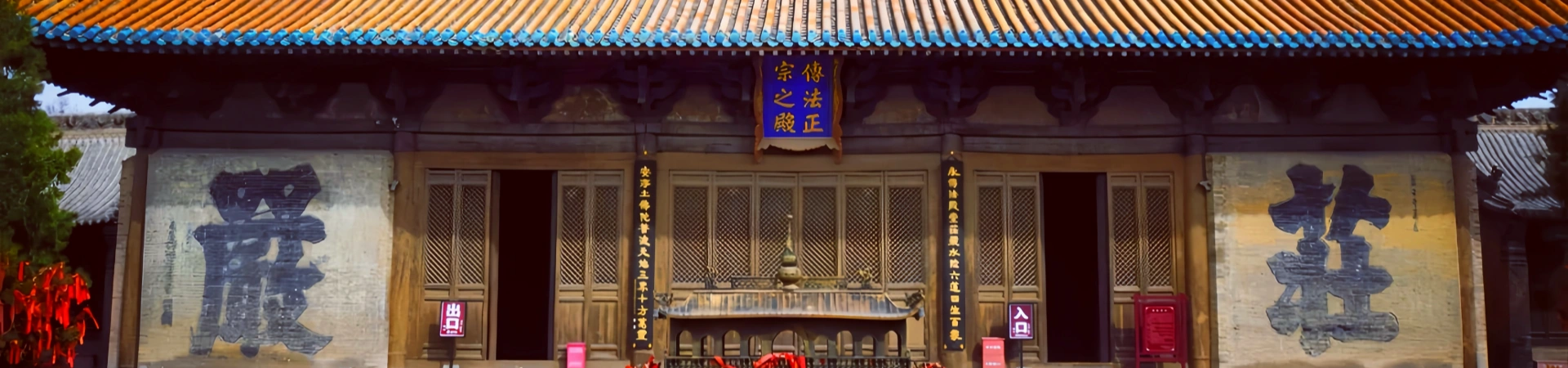
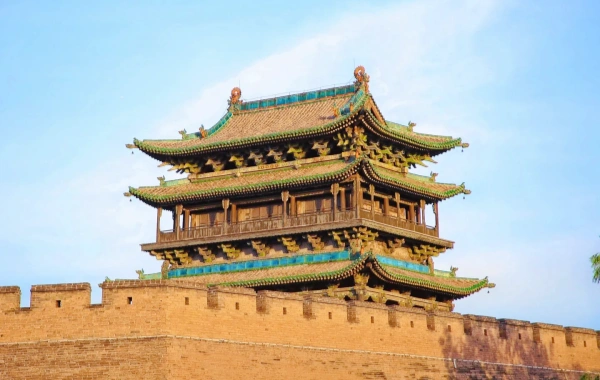
The heart of Yong’an Temple is the Chuanfa Zhengzong Hall (Hall of Transmitting the Dharma and Orthodox Lineage), built in 1315. This Yuan Dynasty hall features a rare “reduced-column” timber frame structure, exposed beam frameworks, and a yellow glazed-tile roof — a color reserved for imperial temples. Inside, visitors can admire intricate ceiling coffers, including octagonal and hexagonal caissons adorned with dragon motifs, showcasing the zenith of Yuan carpentry.
The Water-Land Murals — A National Intangible Cultural Heritage
Spanning over 180 square meters, the Ming Dynasty water-land murals inside the main hall are a true masterpiece. They depict more than 882 figures from Buddhist, Taoist, and Confucian traditions, including celestial beings, hellish realms, and scenes of human life. The vibrant hues and meticulous brushwork have earned these frescoes recognition as a national-level intangible cultural heritage. Each figure tells a story of cosmic order, spiritual hierarchy, and moral retribution.
Glazed Ornamentation — Imperial Grandeur on the Mountain Gate
The mountain gate is a five-bay structure with a “double dragon playing with a pearl” glass wall heart on its exterior walls, symbolizing imperial grandeur. The yellow-glazed roof tiles further signify the temple‘s royal status, drawing comparisons to Beijing’s Yong‘an Temple. This glazed artistry is a rare survival from the Yuan-Ming transition.
Human Ingenuity — Calligraphy and Auxiliary Halls
On the rear wall of the main hall hangs a Qing Dynasty inscription: “Tiger Roars, Dragon Sings.” This powerful calligraphy echoes the direct, provocative teaching style of the Linji School of Zen Buddhism. The auxiliary east and west wings house halls dedicated to Guanyin (Bodhisattva of Mercy), Kasyapa (Buddha’s disciple), Bodhidharma (founder of Zen Buddhism), and various regional deities — each space offering a quieter, more intimate encounter with Buddhist devotion.
> Photography Tips:
> The best lighting for photographing the murals is in the early morning (soft, diffused light) or using artificial light allowed by the temple.
> For exterior shots of the yellow-glazed roof and mountain gate, aim for the golden hour before sunset.
> A wide-angle lens is essential for capturing the full scale of the main hall‘s exposed beam frameworks and caisson ceilings.
> Always respect signs prohibiting flash photography inside the main hall to protect the ancient pigments.


Contact Us
What Our Clients Say?
Based on 10,000+ traveler reviews

Daniel Dorothea
Canada
Reviewed on April 29,2025
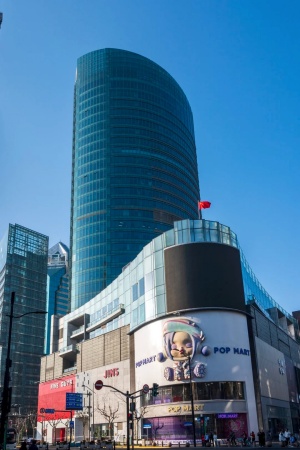
Shopping on Nanjing Road in Shanghai was just amazing! It's truly the "First Commercial Street of China", where tradition and modernity blend perfectly. You can find awesome souvenirs and experience the trendy vibes in cool stores. The neon lights at night are just spectacular, shining bright like Times Square in New York. The food here is incredible too. I had a feast for my taste buds. Shanghai, I'll definitely be back!
Destination(s):
Shanghai
Date of
Experience:
May 08,2024

Elvis Eva
Canada
Reviewed on June 20,2025
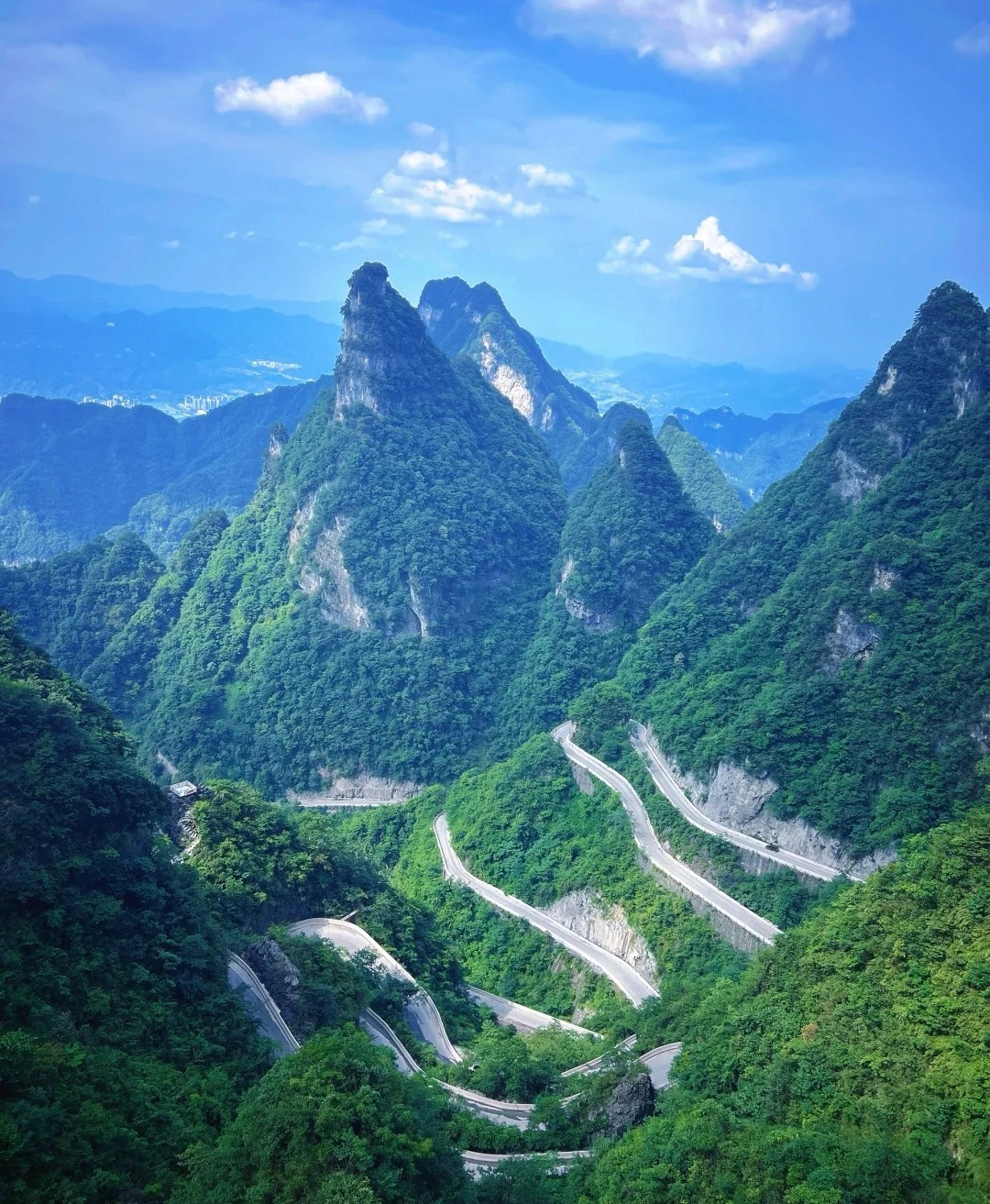
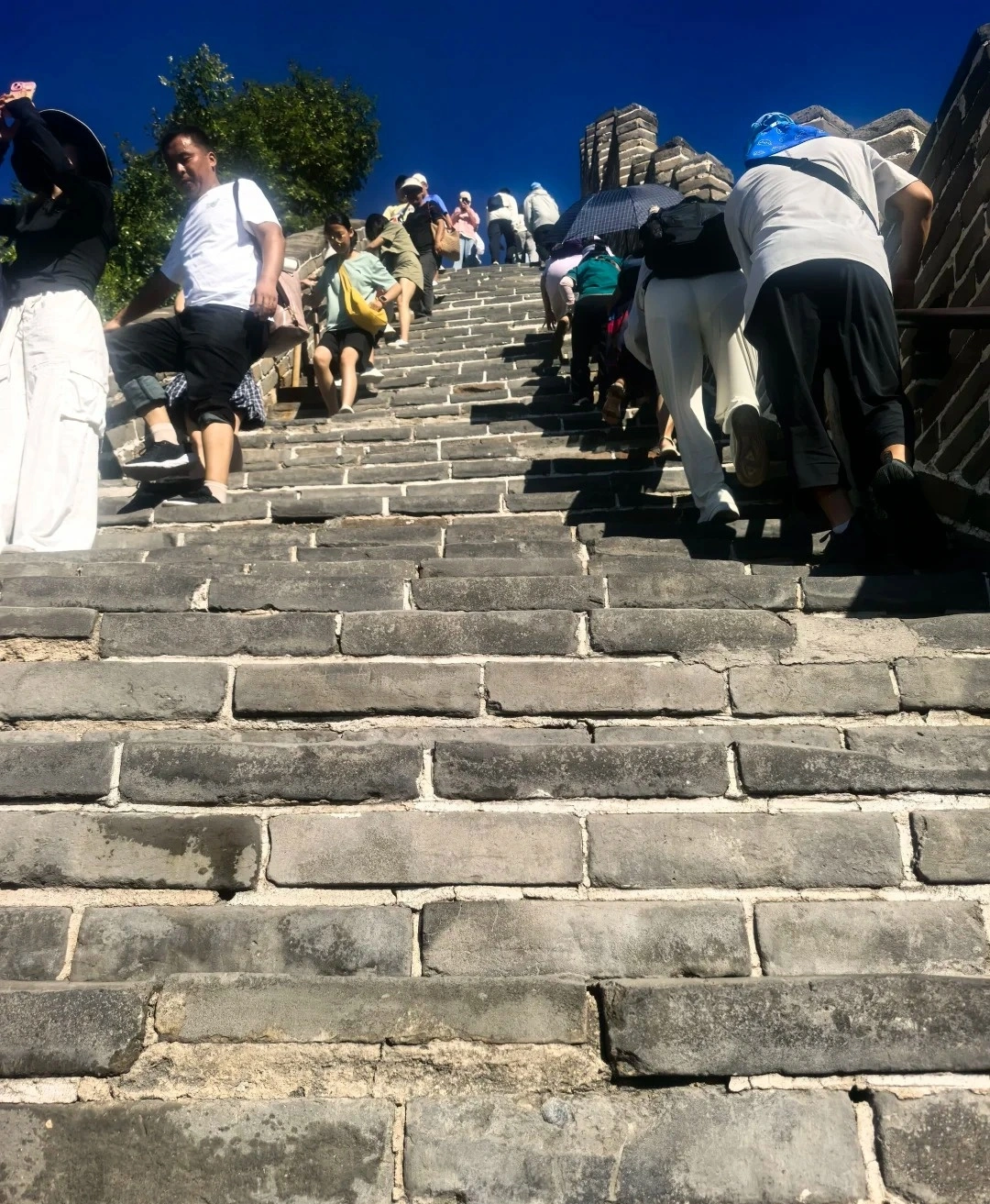
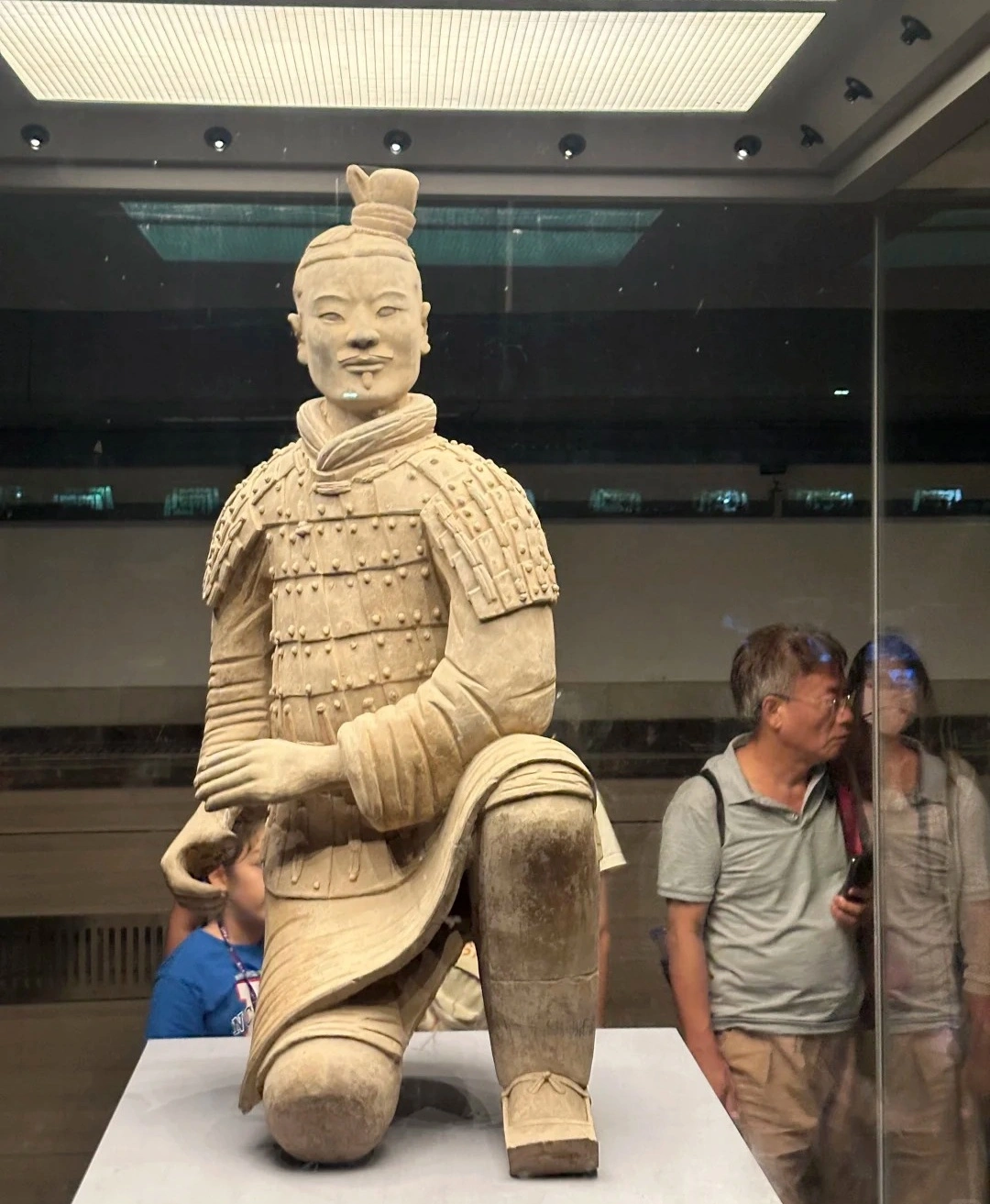
As a solo traveler from Canada, I was nervous about navigating China alone—but this 11-day tour was PERFECT! From hiking the Great Wall at sunrise (Day 3) to gasping at the Terracotta Army (Day 5), every day delivered ‘pinch-me’ moments. The real showstopper? Zhangjiajie’s Avatar Mountains (Day 7)! Our guide made the stone pillars come alive with stories.
Massive thanks for handling all logistics—bullet train tickets, entry passes, car! And the 4-star hotels surprised me.
Destination(s):
Beijing Xian Zhangjiajie Shanghai
Date of
Experience:
June 02,2025

Simon
America
Reviewed on May 29,2025
Our 2-day Zhangjiajie tour was beyond spectacular! As someone who’s visited Beijing and Shanghai for work, this trip revealed China’s wild, magical heart. Day 1 in Zhangjiajie National Forest Park felt like stepping onto Pandora—I’m a huge Avatar fan, and Yuanjiajie’s floating peaks left me breathless. The misty pillars and lush valleys like pure movie magic!
Then came Fenghuang Ancient Town, we eat dinner beside the thundering waterfall. It seems Unreal! The night views of stilt houses glowing over the river were straight from a fairy tale.
For fellow Avatar lovers and adventure seekers: Don’t miss this bucket-list experience! 10/10 would return.
A Well-Traveled Film Buff, May 2025
Destination(s):
Zhangjiajie
Date of
Experience:
May 08,2025