
Jiuhua Mountain
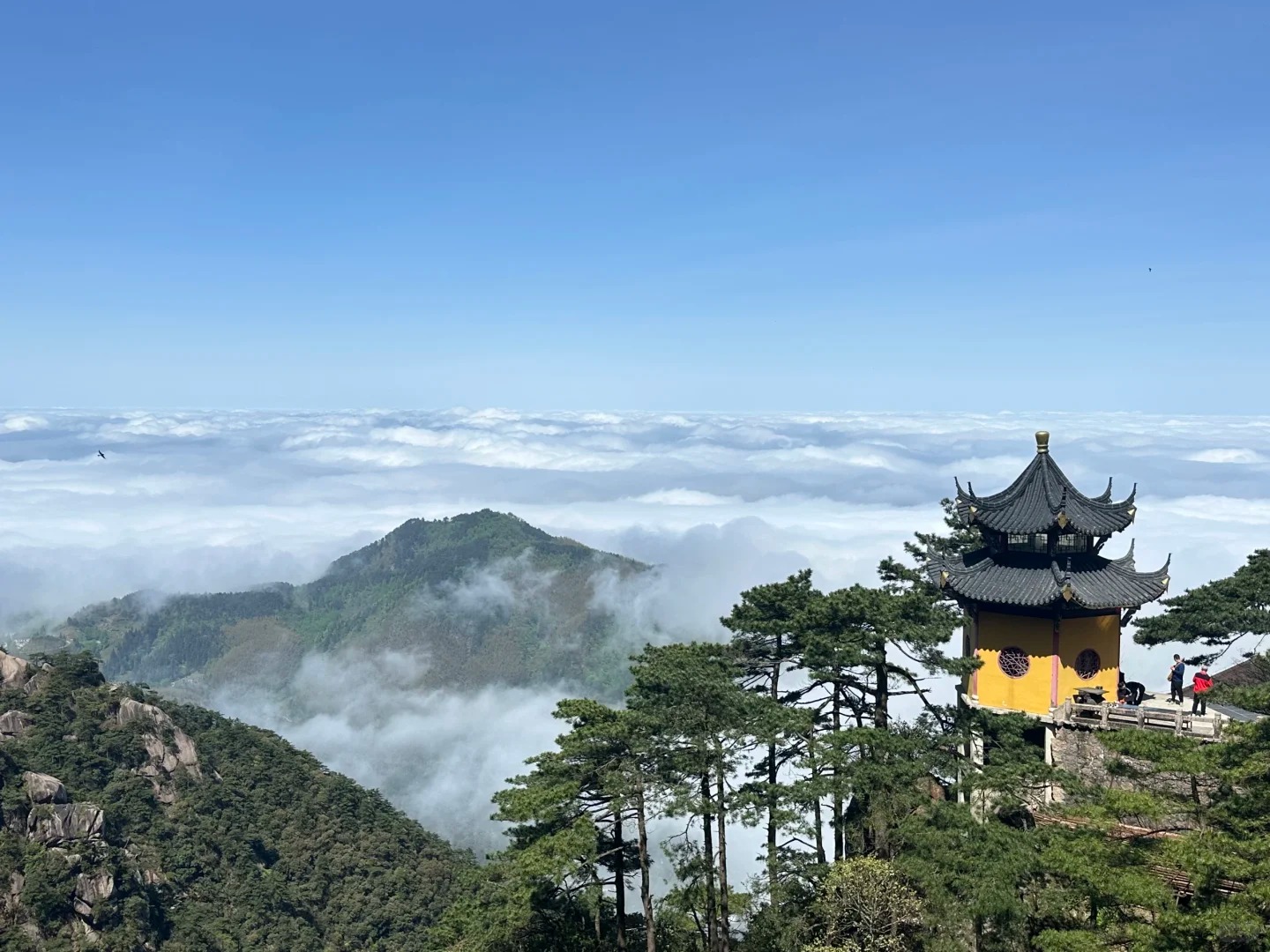
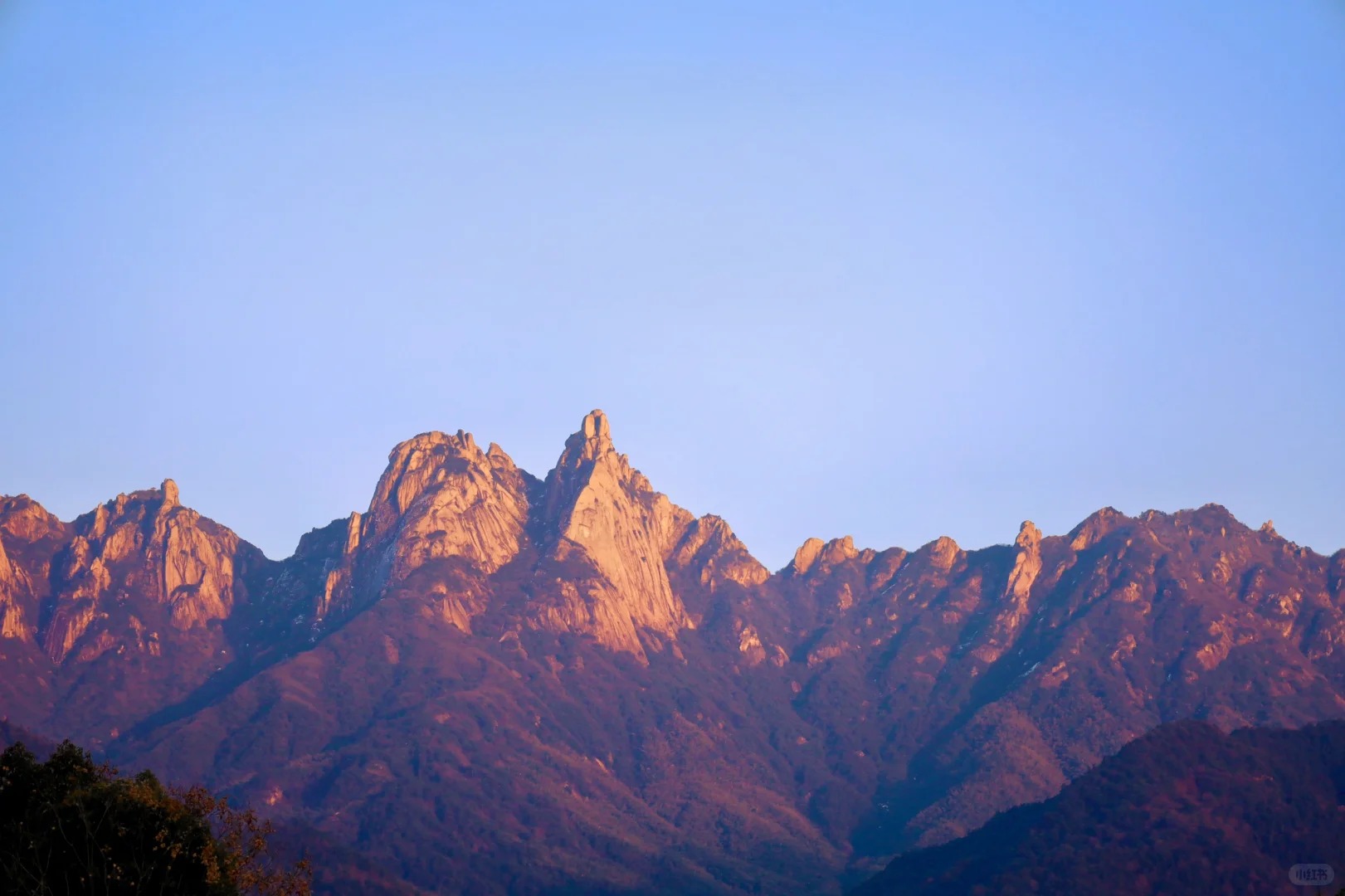
Mount Jiuhua, one of China’s four sacred Buddhist mountains, is renowned for its serene landscapes, ancient temples, and profound cultural heritage. Located in Qingyang County, Anhui Province, it spans 120 square kilometers and features 99 peaks, with Shiwang Peak as its highest at 1,342 meters. Known as the "Lotus of the East" for its mountainous silhouette resembling a blooming lotus, it has been a pilgrimage site since the Tang Dynasty (7th–10th centuries). Designated a UNESCO World Heritage Site in 2019, Mount Jiuhua combines natural beauty with over 1,500 years of Buddhist history, attracting millions of visitors annually.
Historical Overview
Mount Jiuhua’s Buddhist significance began in the 8th century when Kim Qiaoqiao, a Korean prince, renounced his throne to meditate here, later becoming revered as the Bodhisattva Kṣitigarbha (Dizang Pusa). The Tang Dynasty saw the construction of its first major temple, Huacheng Temple, marking the mountain’s rise as a Buddhist center. Over centuries, Ming and Qing emperors patronized its temples, leaving behind inscriptions and donations. During the Cultural Revolution (1966–1976), many sites suffered damage but were restored in the 1980s. Today, it remains a vibrant pilgrimage destination, hosting over 100 temples and monasteres, including the iconic Zhiyuan Temple and the 15th-century Huacheng Temple.
Structural Layout
Mount Jiuhua’s layout integrates natural topography with Buddhist architectural principles:
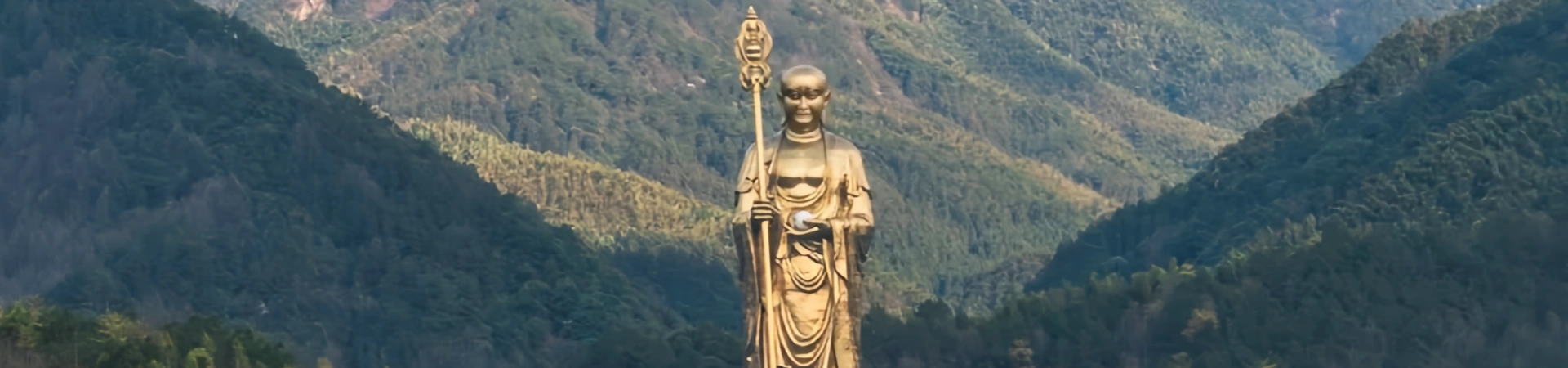
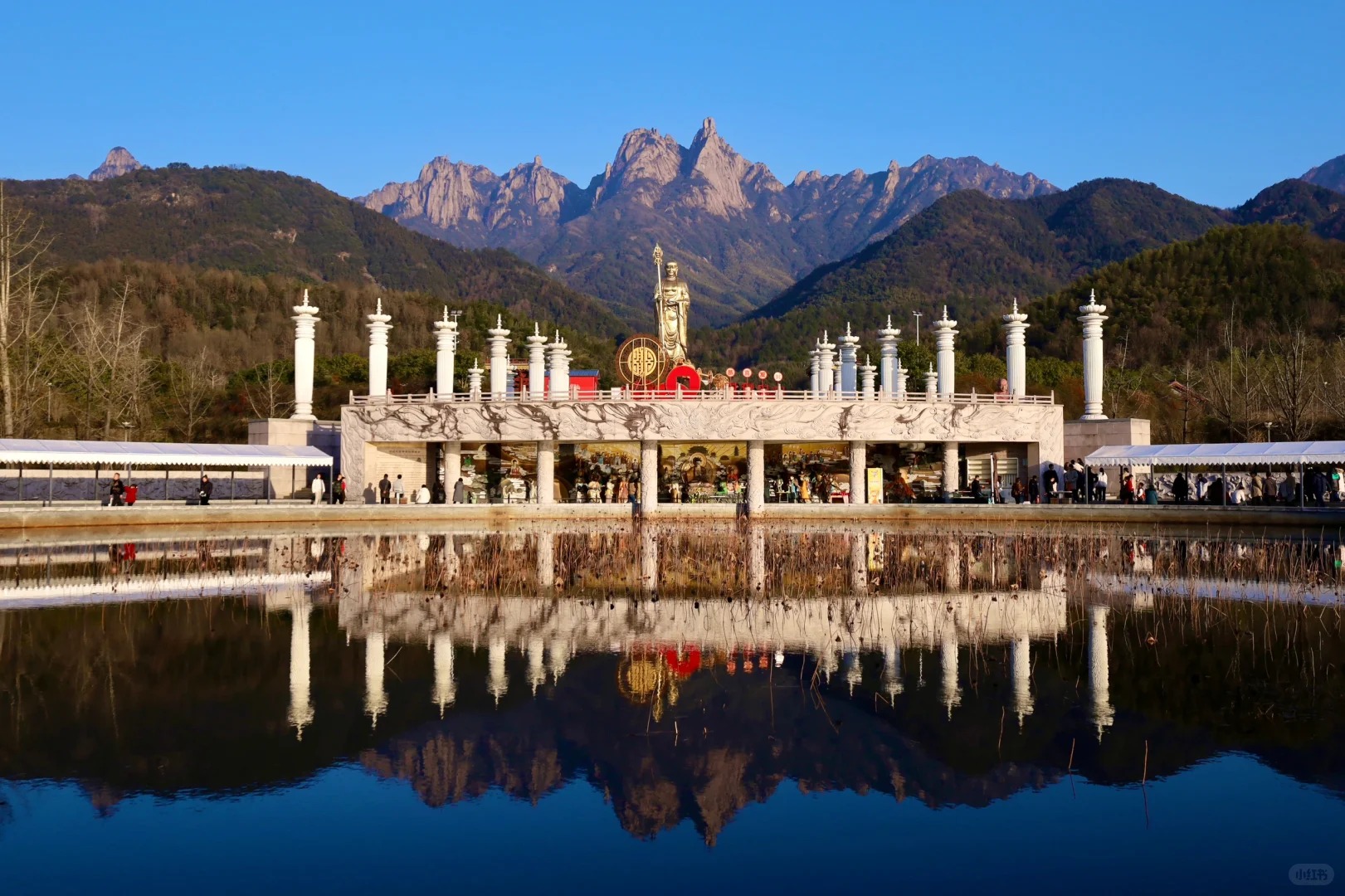
- Lower Zone: The entrance area includes the Nine-Lotus Square and the iconic 99-meter-tall Bronze Statue of Kṣitigarbha, symbolizing the 99 peaks.
- Middle Zone: Home to major temples like Zhiyuan Temple, Huacheng Temple, and Tiantai Temple, clustered around the valley floor.
- Upper Zone: Accessible via cable car or hiking trails, this area includes sacred sites like Phoenix Peak and the Cliffside Monasteries, offering panoramic views.
Key structures include the Huacheng Temple’s Mahavira Hall, the oldest wooden hall in the region, and the Tiantai Peak’s stone-carved stupas.
Major Attractions
- Zhiyuan Temple: The largest temple complex, founded in the 16th century, featuring a 7-ton bronze bell and intricate Tang-style murals.
- Huacheng Temple: The oldest temple, dating to the 8th century, with a 12-meter-tall wooden Kṣitigarbha statue.
- Bronze Statue of Kṣitigarbha: A 99-meter-tall gilded statue atop Shiwang Peak, visible from miles away.
- Tiantai Peak: The highest accessible peak, home to the Tiantai Temple and a 1,300-year-old gingko tree.
- Phoenix Peak: A limestone cliff with ancient Buddhist carvings and a natural rock arch.
- Baiqi Cave: A sacred grotto where monks historically meditated, filled with stalactites and Buddhist inscriptions.
Suggested Itineraries
-
Classic Route (4–5 hours):
Nine-Lotus Square → Zhiyuan Temple → Huacheng Temple → Cable Car to Tiantai Peak → Bronze Statue of Kṣitigarbha → Return via Phoenix Peak Trail.
Highlights: Core temples, iconic statue, and scenic hiking. -
Cultural Route (6–7 hours):
Nine-Lotus Square → Baiqi Cave → Huacheng Temple → Zhiyuan Temple → Tiantai Temple → Cliffside Monasteries → Sunset at Phoenix Peak.
Highlights: Ancient carvings, meditation caves, and sunset views. -
Spiritual Pilgrimage (Full Day):
Early morning prayer at Zhiyuan Temple → Huacheng Temple → Hike to Tiantai Peak → Visit all 99 peaks (symbolic) → Evening chanting at Zhiyuan Temple.
Highlights: Immersive Buddhist rituals and peak exploration.
Ticket Purchase
- Online: Book via the official Mount Jiuhua website or travel platforms like Ctrip (up to 7 days in advance).
- On-Site: Tickets available at entrance gates, but queues are longer during peak seasons.
- Prices:
- Peak Season (April–October): ¥160 (adults), ¥80 (students/seniors).
- Off-Season (November–March): ¥140 (adults), ¥70 (students/seniors).
- Free: Children under 1.2m, disabled visitors, and monks in robes.
- Included: Access to all temples and trails; cable cars and shuttle buses cost extra (¥50–100 round-trip).
Transportation
- By Train:
- High-speed trains to Chizhou Station (2 hours from Hefei), then a 1-hour taxi or shuttle bus to Mount Jiuhua.
- By Bus:
- Direct buses from Hefei, Nanjing, and Shanghai to Mount Jiuhua’s south gate (4–6 hours).
- By Car:
- Self-drive via the G3 Beijing-Taipei Expressway to Qingyang Exit, then a 30-minute drive to the mountain.
- Local Transport:
- Shuttle buses (¥20/day) connect major sites; cable cars (¥80–120) access upper zones.
Best Time & Tips
- Peak Hours: Avoid 10 AM–2 PM; visit early (7:30 AM opening) or late (after 4 PM).
- Crowds: Weekends and holidays are busiest; weekdays offer quieter trails.
- Weather: spring (April–May) and autumn (September–October) are ideal for hiking.
- Essentials:
- Wear sturdy shoes (trails can be steep).
- Carry water and snacks; vegetarian meals are available at temple cafeterias.
- Dress modestly (cover shoulders/knees) when visiting temples.
- Respect rituals: avoid loud conversations and photography during prayers.
- Prohibited items: Drones, alcohol, and non-vegetarian food.


Contact Us
What Our Clients Say?
Based on 10,000+ traveler reviews

Daniel Dorothea
Canada
Reviewed on April 29,2025
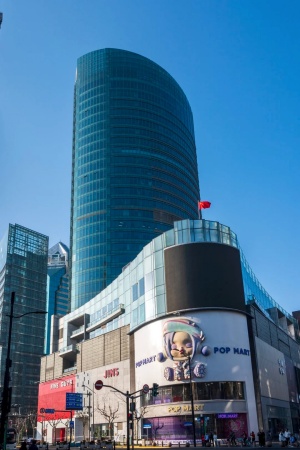
Shopping on Nanjing Road in Shanghai was just amazing! It's truly the "First Commercial Street of China", where tradition and modernity blend perfectly. You can find awesome souvenirs and experience the trendy vibes in cool stores. The neon lights at night are just spectacular, shining bright like Times Square in New York. The food here is incredible too. I had a feast for my taste buds. Shanghai, I'll definitely be back!
Destination(s):
Shanghai
Date of
Experience:
May 08,2024

Elvis Eva
Canada
Reviewed on June 20,2025
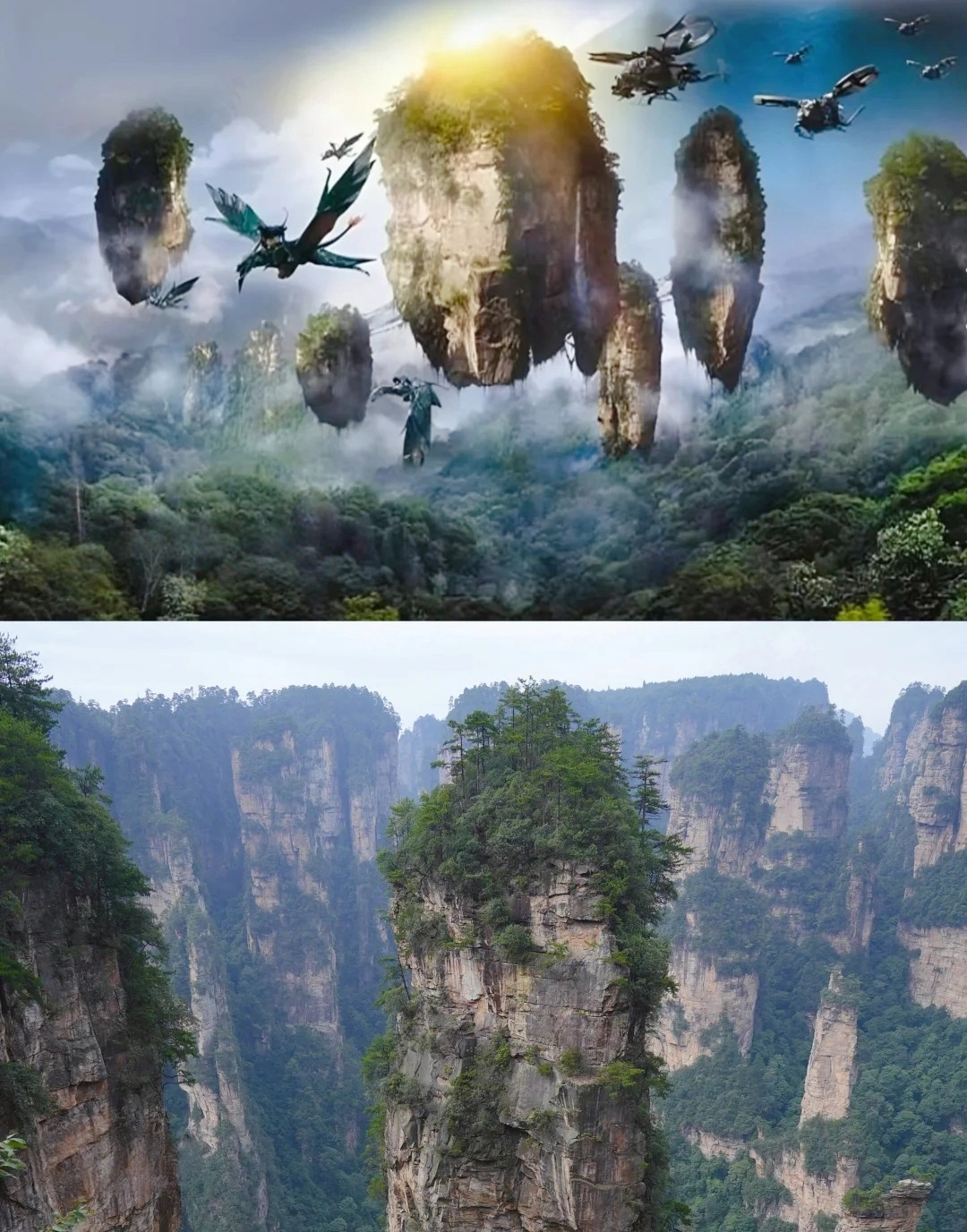
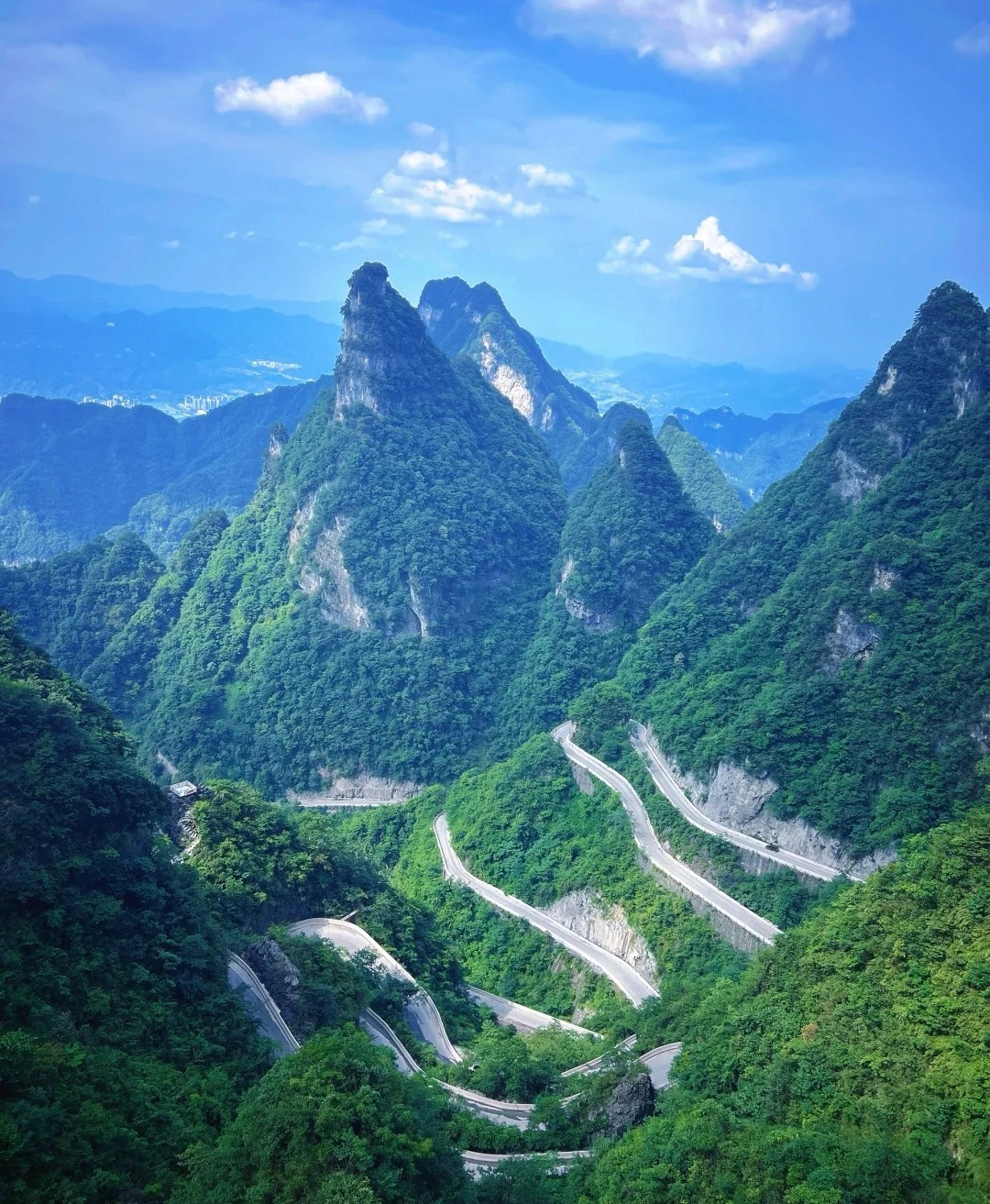
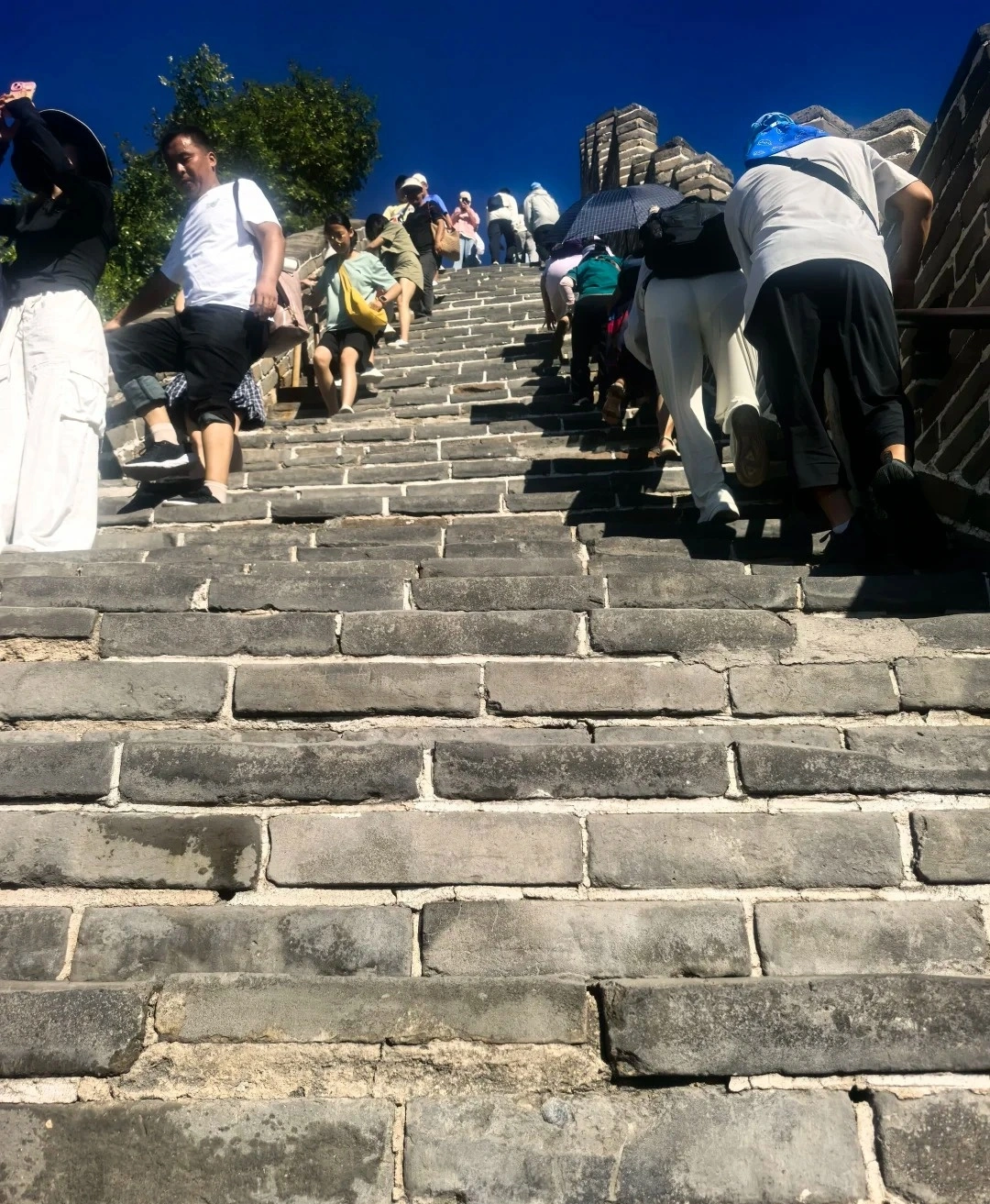
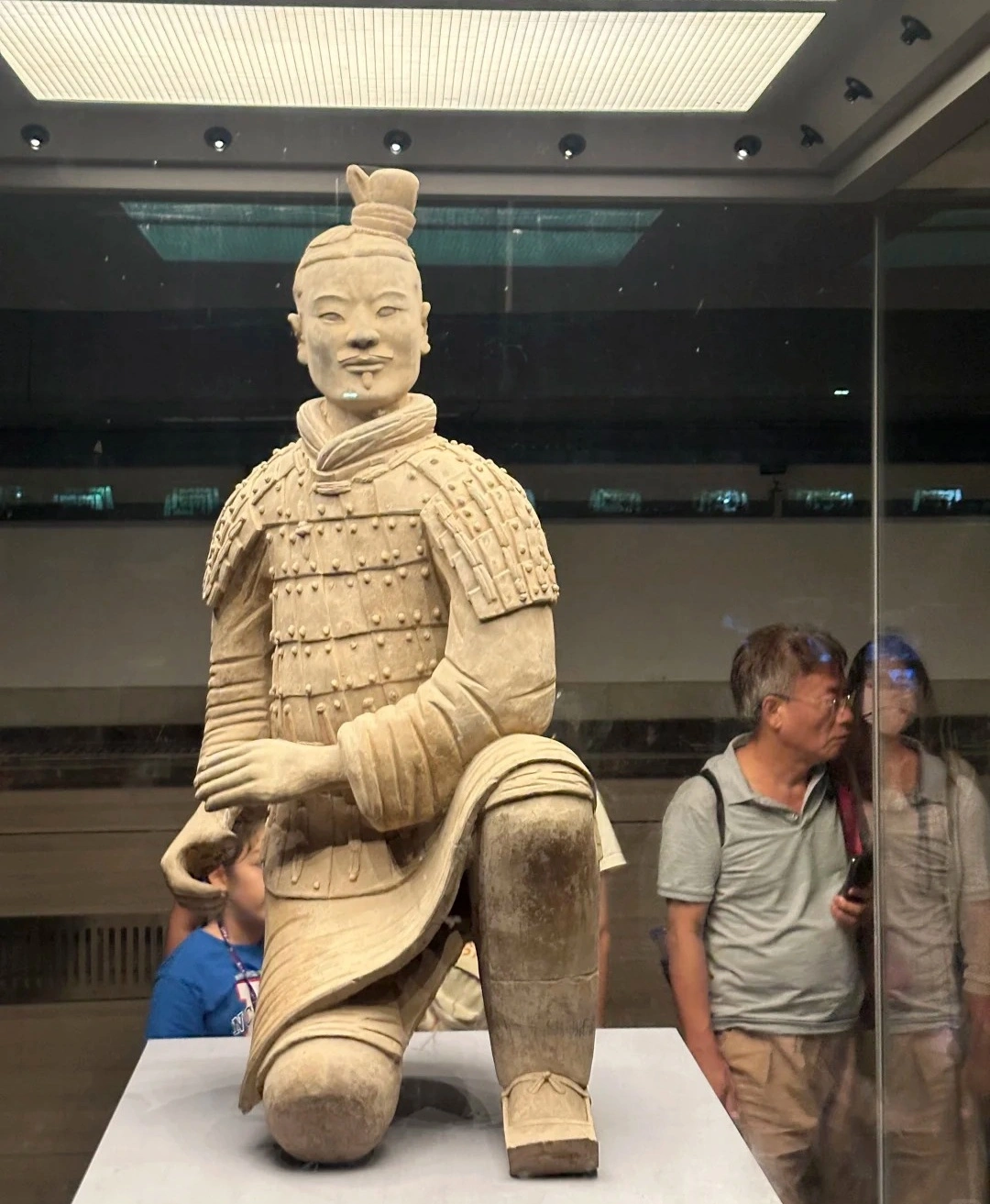
As a solo traveler from Canada, I was nervous about navigating China alone—but this 11-day tour was PERFECT! From hiking the Great Wall at sunrise (Day 3) to gasping at the Terracotta Army (Day 5), every day delivered ‘pinch-me’ moments. The real showstopper? Zhangjiajie’s Avatar Mountains (Day 7)! Our guide made the stone pillars come alive with stories.
Massive thanks for handling all logistics—bullet train tickets, entry passes, car! And the 4-star hotels surprised me.
Destination(s):
Beijing Xian Zhangjiajie Shanghai
Date of
Experience:
June 02,2025

Simon
America
Reviewed on May 29,2025
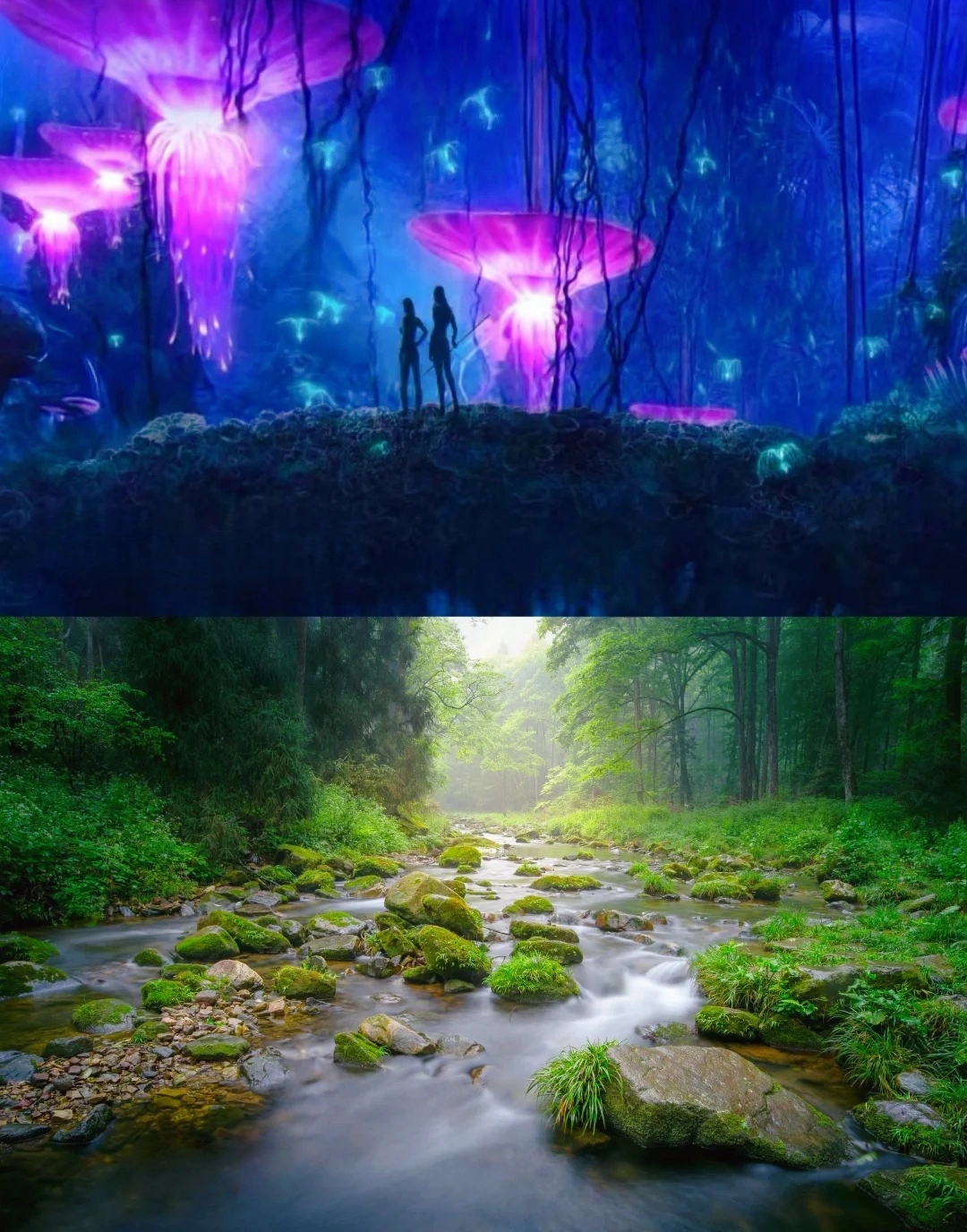
Our 2-day Zhangjiajie tour was beyond spectacular! As someone who’s visited Beijing and Shanghai for work, this trip revealed China’s wild, magical heart. Day 1 in Zhangjiajie National Forest Park felt like stepping onto Pandora—I’m a huge Avatar fan, and Yuanjiajie’s floating peaks left me breathless. The misty pillars and lush valleys like pure movie magic!
Then came Fenghuang Ancient Town, we eat dinner beside the thundering waterfall. It seems Unreal! The night views of stilt houses glowing over the river were straight from a fairy tale.
For fellow Avatar lovers and adventure seekers: Don’t miss this bucket-list experience! 10/10 would return.
A Well-Traveled Film Buff, May 2025
Destination(s):
Zhangjiajie
Date of
Experience:
May 08,2025