
Guniujiang National Nature Reserve
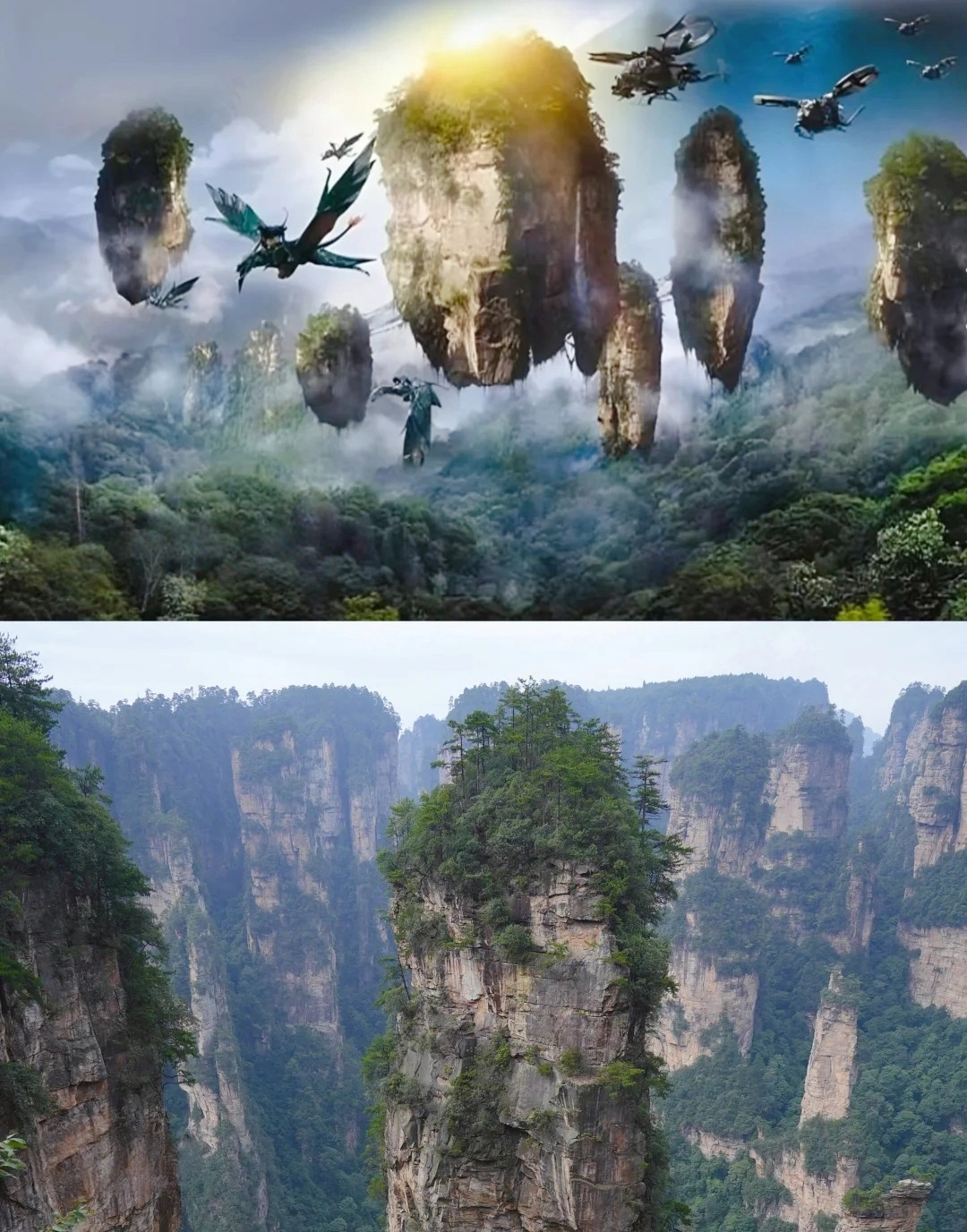
Guniujiang National Nature Reserve, straddling Shitai and Qimen counties in Anhui Province, is a pristine wilderness of ecological significance and geological diversity. Designated a national nature reserve in 1988 and a UNESCO Global Geopark in 2003, it spans 6,700 hectares of subtropical evergreen broadleaf forests, granite peaks, and cascading waterfalls. Dubbed the "Natural Museum of East China," it preserves over 1,550 plant species and 1,296 animal species, including endangered clouded leopards and Chinese giant salamanders. The reserve’s name, meaning "Falling Bull Mountain," derives from its main peak (1,727.6m), shaped like a bull plunging from the sky.
Historical Overview
The reserve’s ecological significance dates to the late 20th century:
- 1988: Established as Anhui’s first forest ecosystem reserve.
- 2003: Inscribed as a UNESCO Global Geopark for its 600-million-year-old sedimentary rock layers.
- 2019: Recognized as a national 5A-level scenic area, boosting conservation and tourism infrastructure.
- 2023: Launched "Eco-Education Trails" to promote sustainable tourism.
Structural Layout
The reserve is divided into four zones:
- Prominent Peak Zone: Centered on the 1,727.6m bull-shaped summit, offering views of granite cliffs and seasonal佛光 (Buddha’s light).
- Queer Peaks Zone: A labyrinth of 36 fantastical rock formations, including "Elephant Trunk Rock" and "Turtle Back Peak."
- Shuanghekou Zone: Features ancient Hui-style villages like Yanjia, with terraced fields and virgin forests.
- Longmen (Dragon Gate) Zone: Home to 40-meter waterfalls, crystal-clear pools, and the reserve’s only developed hiking trails.
Major Attractions
- Longmen Waterfalls: A series of four cascades plunging 40 meters into emerald pools, accessible via wooden walkways.
- Severe Family Ancient Village: A 300-year-old Hui-style settlement with stone courtyards and ancestral halls.
- Four Overlapping Waterfalls: A seasonal spectacle where streams converge into a 100-meter-wide curtain of water.
- Buddha’s Light Platform: A rare meteorological phenomenon where rainbow halos appear around mountain shadows (best viewed at dawn).
Suggested Itineraries
Classic Hike (3–4 hours):
Entrance → Longmen Pool → Four Overlapping Waterfalls → Yanjia Village → Severe Family Ancient Village → Return via Scenic Shuttle.
Highlights: Waterfalls, ancient villages, and forest bathing.
Adventure Route (5–6 hours):
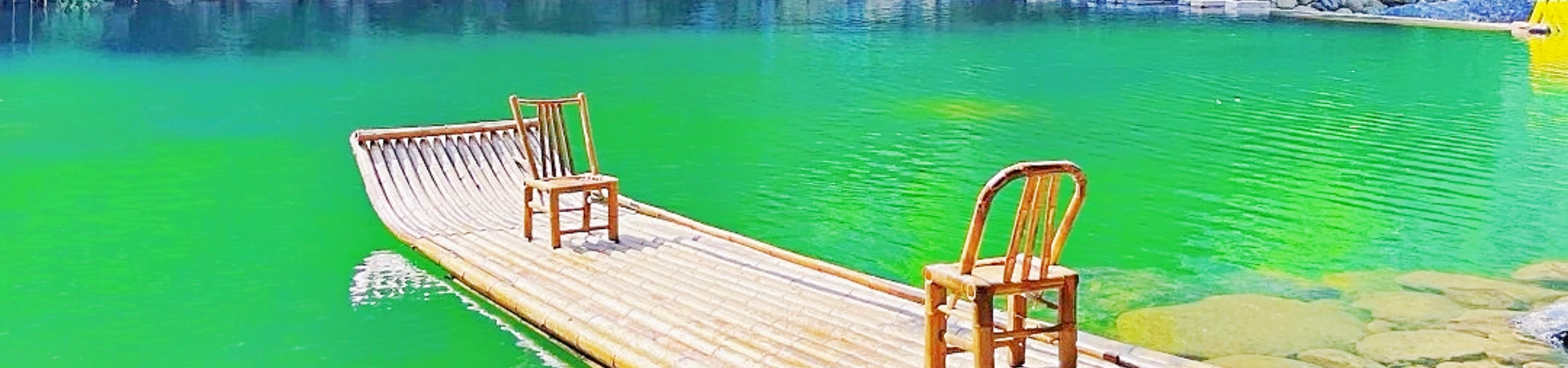
Entrance → Elephant Trunk Rock → Turtle Back Peak → Buddha’s Light Platform → Hui-style Farmhouses → Descend via Bamboo rafting.
Highlights: Rock formations, rare wildlife sightings, and rafting.
Comprehensive Exploration (2 Days):
Day 1: All sites above + Night Photography at Longmen Pool.
Day 2: Early climb to Prominent Peak → Visit Research Station → Descend via Shuanghekou Valley.
Highlights: Sunrise views, scientific insights, and valley hiking.
Ticket Purchase
- Online: Book via Ctrip or “Guniujiang Official” WeChat mini-program (up to 3 days in advance).
- Prices (2025):
- Peak Season (April–October): ¥90 (adults), ¥45 (students/seniors).
- Off-Season (November–March): ¥60 (adults), ¥30 (concessions).
- Combined Ticket (includes shuttle): ¥120 (adults), ¥60 (concessions).
- Free: Children under 1.2m, disabled visitors.
Transportation
From Chizhou City (Pool Station):
- Direct Bus: 8:30 AM shuttle (¥35, 2 hours) to Guniujiang Entrance. Return bus departs 4:30 PM.
- Taxi/Private Car: ¥150–200 one-way (1.5 hours).
Self-Drive: - G3 Beijing-Taipei Expressway → Qimen Exit → S221 Provincial Road → Reserve Entrance.
Best Time & Tips
- Peak Seasons: spring (April–May) for azaleas; autumn (October) for Buddha’s light and maple foliage.
- Avoid Crowds: Visit weekdays; weekends attract 2,000+ hikers.
- Essentials:
- Wear waterproof hiking boots (muddy trails in rainy seasons).
- Bring insect repellent and a reusable water bottle (no stores beyond entrance).
- Photography allowed except in research zones.
- Prohibited: Camping without permits, littering, and feeding wildlife.


Contact Us
What Our Clients Say?
Based on 10,000+ traveler reviews

Daniel Dorothea
Canada
Reviewed on April 29,2025
Shopping on Nanjing Road in Shanghai was just amazing! It's truly the "First Commercial Street of China", where tradition and modernity blend perfectly. You can find awesome souvenirs and experience the trendy vibes in cool stores. The neon lights at night are just spectacular, shining bright like Times Square in New York. The food here is incredible too. I had a feast for my taste buds. Shanghai, I'll definitely be back!
Destination(s):
Shanghai
Date of
Experience:
May 08,2024


Elvis Eva
Canada
Reviewed on June 20,2025
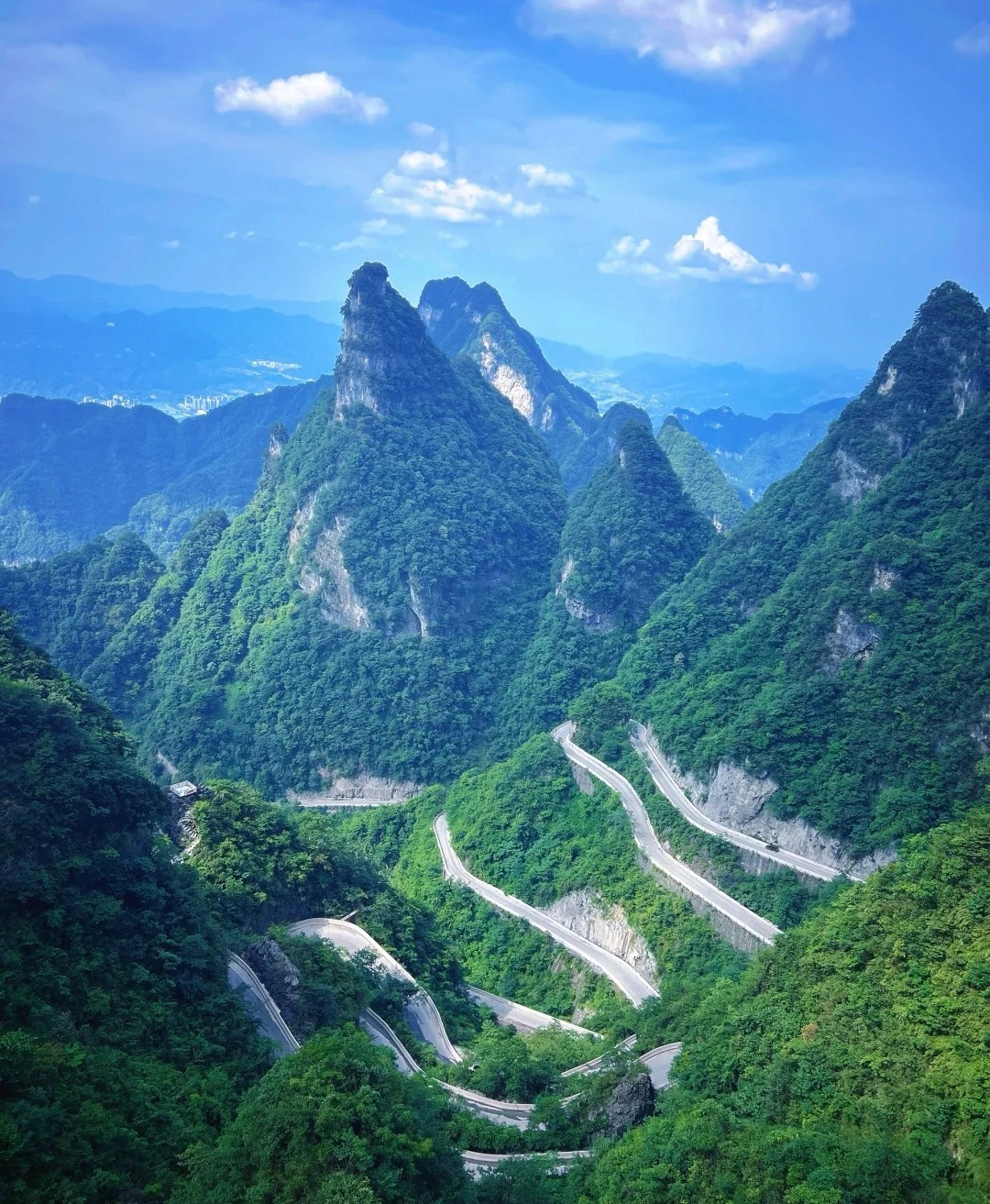
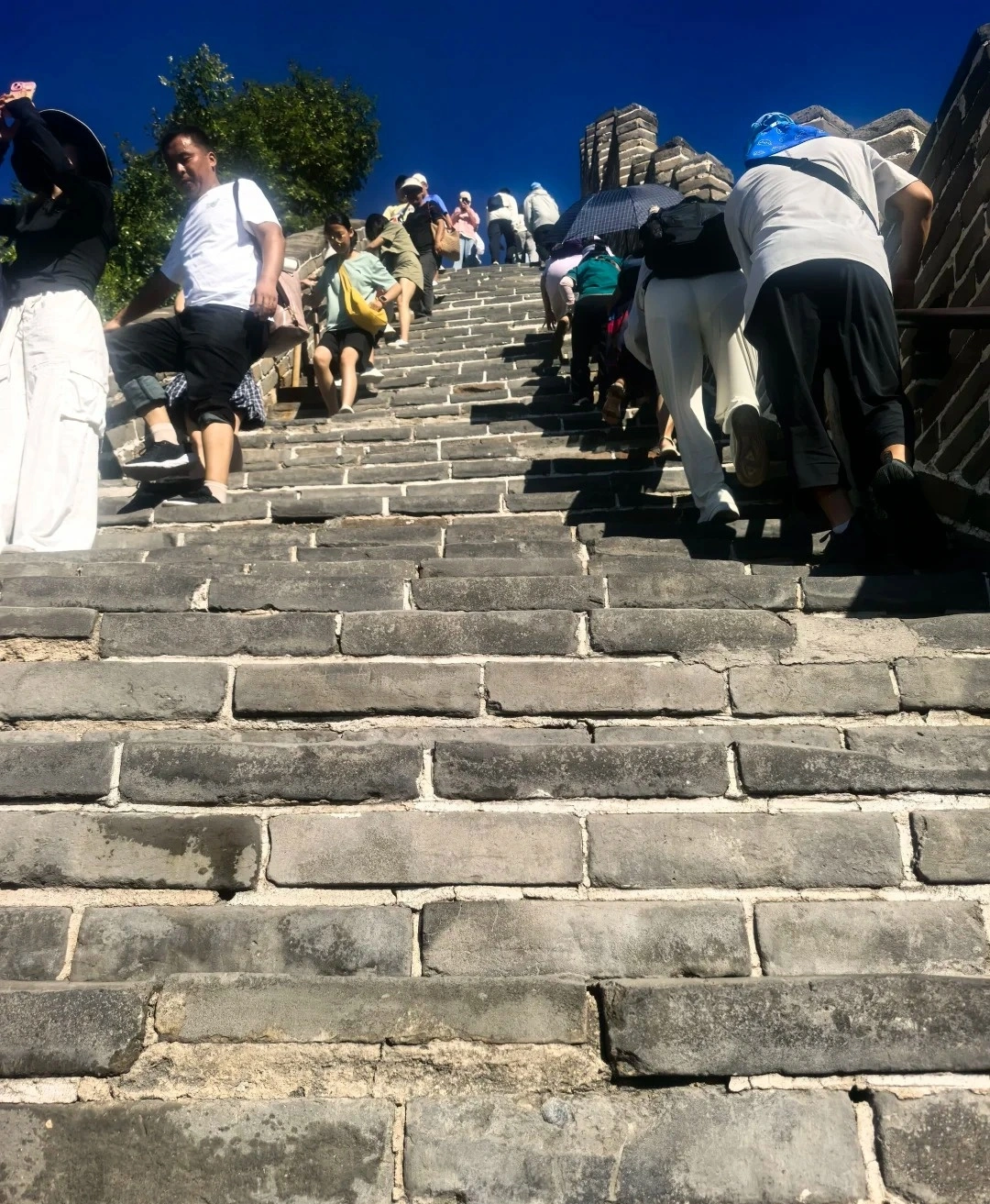
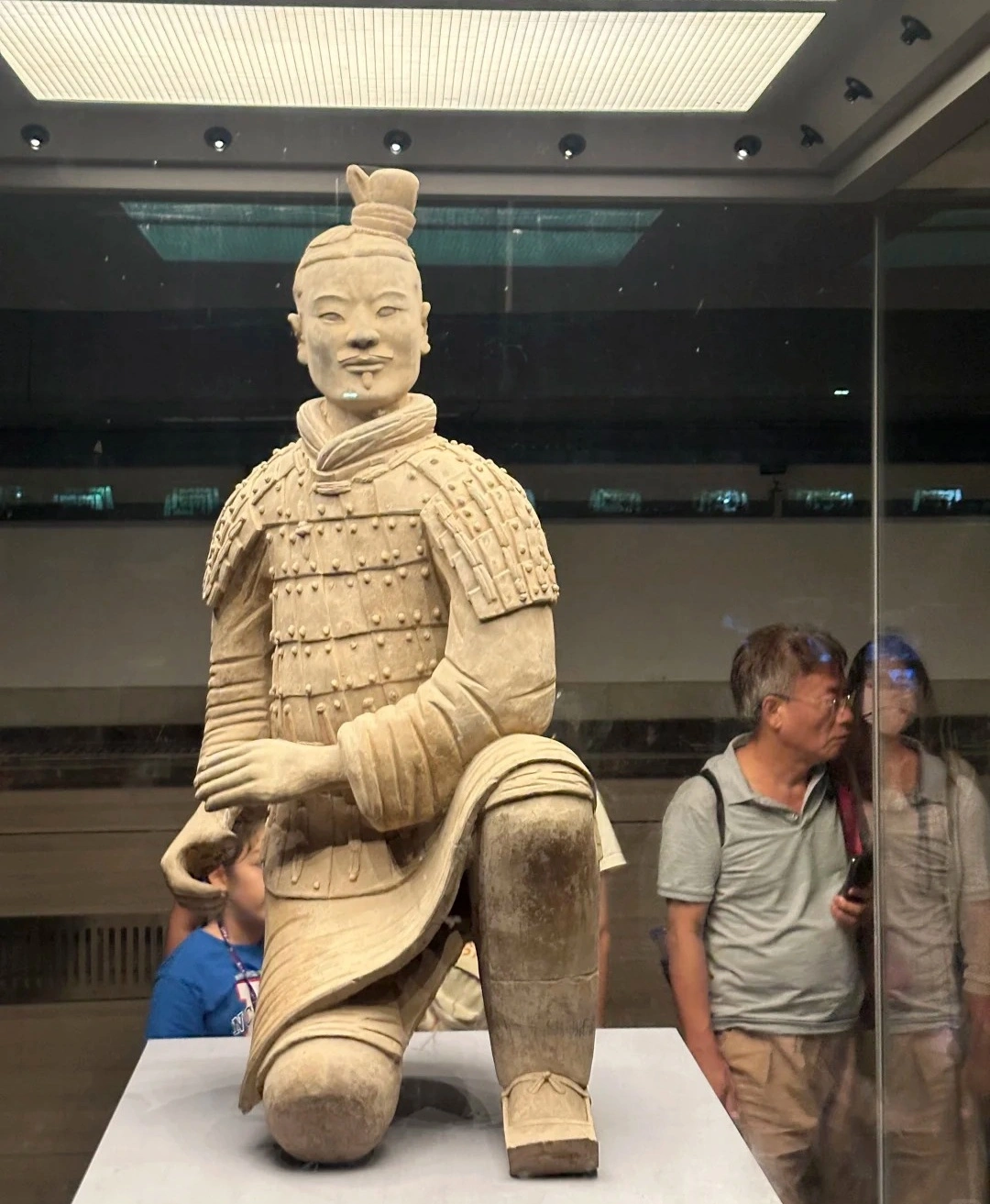
As a solo traveler from Canada, I was nervous about navigating China alone—but this 11-day tour was PERFECT! From hiking the Great Wall at sunrise (Day 3) to gasping at the Terracotta Army (Day 5), every day delivered ‘pinch-me’ moments. The real showstopper? Zhangjiajie’s Avatar Mountains (Day 7)! Our guide made the stone pillars come alive with stories.
Massive thanks for handling all logistics—bullet train tickets, entry passes, car! And the 4-star hotels surprised me.
Destination(s):
Beijing Xian Zhangjiajie Shanghai
Date of
Experience:
June 02,2025

Simon
America
Reviewed on May 29,2025
Our 2-day Zhangjiajie tour was beyond spectacular! As someone who’s visited Beijing and Shanghai for work, this trip revealed China’s wild, magical heart. Day 1 in Zhangjiajie National Forest Park felt like stepping onto Pandora—I’m a huge Avatar fan, and Yuanjiajie’s floating peaks left me breathless. The misty pillars and lush valleys like pure movie magic!
Then came Fenghuang Ancient Town, we eat dinner beside the thundering waterfall. It seems Unreal! The night views of stilt houses glowing over the river were straight from a fairy tale.
For fellow Avatar lovers and adventure seekers: Don’t miss this bucket-list experience! 10/10 would return.
A Well-Traveled Film Buff, May 2025
Destination(s):
Zhangjiajie
Date of
Experience:
May 08,2025