
Ultimate Guide to Exploring the Taklamakan Desert: Essential Travel Intelligence
1. Highlights of Taklamakan Desert Attractions
Desert Cuisine Paradises
The Taklamakan Desert has evolved from "death sea" to "culinary oasis" through innovative agriculture. Visitors can sample:
- Salt-alkali aquaculture: Crabs and Australian blue lobsters raised in mineral-rich waters for superior texture, with meat quality enhanced by the desert's unique saline environment.
- Solar-powered greenhouses: Annual 70,000-ton production of strawberries, peppers, and cucumbers using vertical hydroponic systems, reducing cultivation costs by 60-80%.
- Traditional Kumqi bread: Baked in sand ovens using Himalayan salt-water-fed sheep meat, offering unique smoky flavors that reflect ancient nomadic traditions.
Cultural Heritage Sites
Ancient settlements like Darya Boyi Village preserve 5,000 years of history through:
- Adobe houses with mud-brick architecture, showcasing traditional building techniques that withstand extreme desert conditions.
- Ancient irrigation systems still in use, demonstrating early hydraulic engineering adapted to arid environments.
- Petroglyphs at Niya ruins depicting Silk Road caravans, providing insights into historical trade routes and cultural exchange.
Ecological Marvels
The desert's 330,000 km² mobile dunes showcase:
- Satellite-observable sand migration patterns, revealing the dynamic nature of this world's second-largest mobile desert.
- 285km ecological barrier completed in 2024, preventing desertification expansion and protecting adjacent agricultural lands.
- Adaptive vegetation like 20m-deep Tamarix root systems and halophyte salt-extracting plants, illustrating nature's resilience in extreme conditions.
2. Comprehensive Transportation Guide
Self-Driving Routes
- Wheelton-Minfeng Desert Highway (565km): World's longest desert highway with 446km mobile sand sections, featuring iconic landmarks like the Tarim River and ancient oil wells.
- Aksu-Hotan Route (424km): Scenic views of Yarkand River and Populus euphratica forests, offering picturesque landscapes ideal for photography.
- Korla-Ruoqiang Route (334km): Newly opened in 2022 with advanced anti-sand engineering, providing smoother travel through previously inaccessible areas.
Public Transport Options
- Weekend shuttles from Aksu to Desert Gateway Scenic Area (RMB 10/person), connecting urban centers with desert attractions.
- Group tours from Kashgar to N39° Desert Tourism Zone (RMB 150-200/person), including guided experiences and camel rides.
- Rail connections to阿拉尔市 with onward taxi/包车 services, facilitating access to remote desert regions.
Critical Safety Measures
- Mandatory 4WD vehicles with sand tires required for navigating mobile dunes and unstable terrain.
- Satellite phone rentals at desert checkpoints, ensuring communication in areas with limited cellular coverage.
- Strict no-offroad policies to protect desert ecology, preserving fragile ecosystems for future generations.
3. Ticket Information and Access
Main Attraction Pricing
- N39° Desert Zone: RMB 10-30 (includes camel rides and sandboarding activities).
- Robpo Village: RMB 35 (RMB 15 shuttle), offering combined desert-river-oasis ecosystem tours.
- Core Desert Zone: Free entry with mobile dunes access, allowing self-guided exploration of vast sand landscapes.
Special Access Notes
- Desert permit system for deep exploration, ensuring controlled access to sensitive archaeological zones.
- Guided tours required in protected areas like ancient ruins and wildlife habitats.
- Seasonal discounts during shoulder seasons (April-May and September), providing cost-effective travel options.
4. Optimal Visiting Times
Peak Season (Oct-Nov)
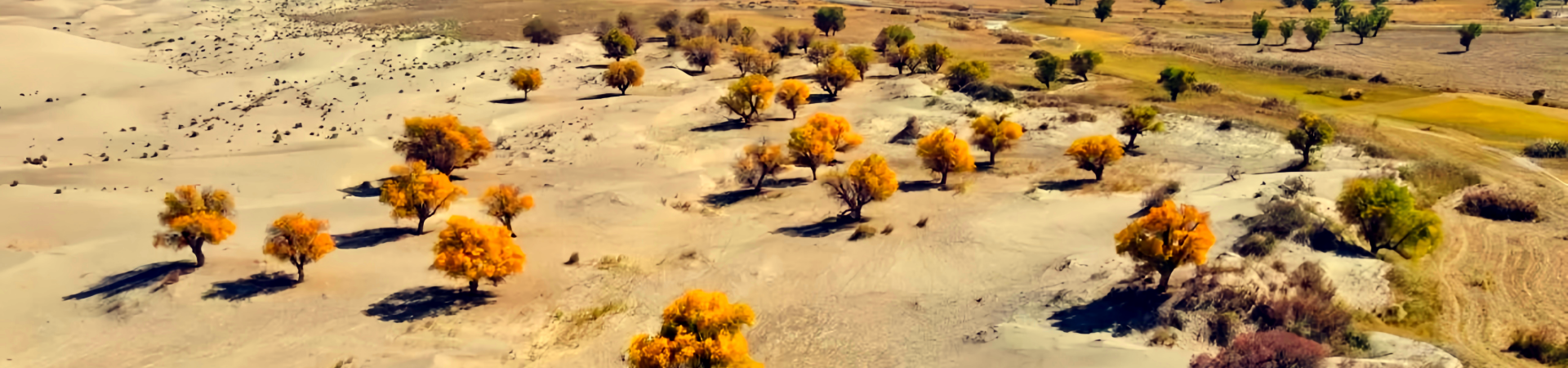
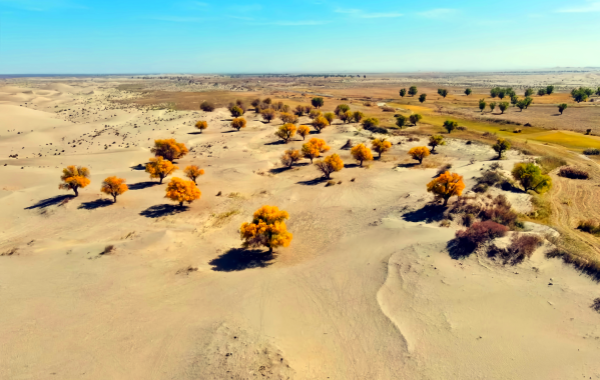
Golden Populus euphratica forests create breathtaking contrasts with red sand dunes, offering ideal conditions for photography and nature appreciation.
Shoulder Seasons
- April-May: Wildflower blooms in desert oases, transforming arid landscapes into colorful tapestries.
- September: Moderate temperatures for extended hikes and outdoor activities, avoiding extreme heat.
Winter Considerations
Snow-covered dunes require specialized cold-weather gear and avalanche training, ensuring safe exploration during winter months.
Avoidance Periods
- July-August: 40°C+ heatwaves, posing health risks for unprepared travelers.
- May-June: Sandstorm season with reduced visibility, requiring caution and protective gear.
5. Essential Packing List
- UV-protective clothing and wide-brimmed hats to shield against intense desert sunlight.
- High-SPF sunscreen and saline eye drops for skin and eye protection in dry conditions.
- Portable water purification system to ensure access to safe drinking water in remote areas.
- Satellite communicator and spare batteries for emergency communication and navigation.
- First-aid kit with snake bite antivenom, addressing potential wildlife encounters.
6. Sustainable Travel Practices
- Follow "Leave No Trace" principles to minimize environmental impact and preserve desert ecosystems.
- Support local eco-certified accommodations that prioritize sustainability and community development.
- Participate in desert conservation volunteering programs, contributing to ecological restoration efforts.


Contact Us
What Our Clients Say?
Based on 10,000+ traveler reviews

Daniel Dorothea
Canada
Reviewed on April 29,2025
Shopping on Nanjing Road in Shanghai was just amazing! It's truly the "First Commercial Street of China", where tradition and modernity blend perfectly. You can find awesome souvenirs and experience the trendy vibes in cool stores. The neon lights at night are just spectacular, shining bright like Times Square in New York. The food here is incredible too. I had a feast for my taste buds. Shanghai, I'll definitely be back!
Destination(s):
Shanghai
Date of
Experience:
May 08,2024


Elvis Eva
Canada
Reviewed on June 20,2025
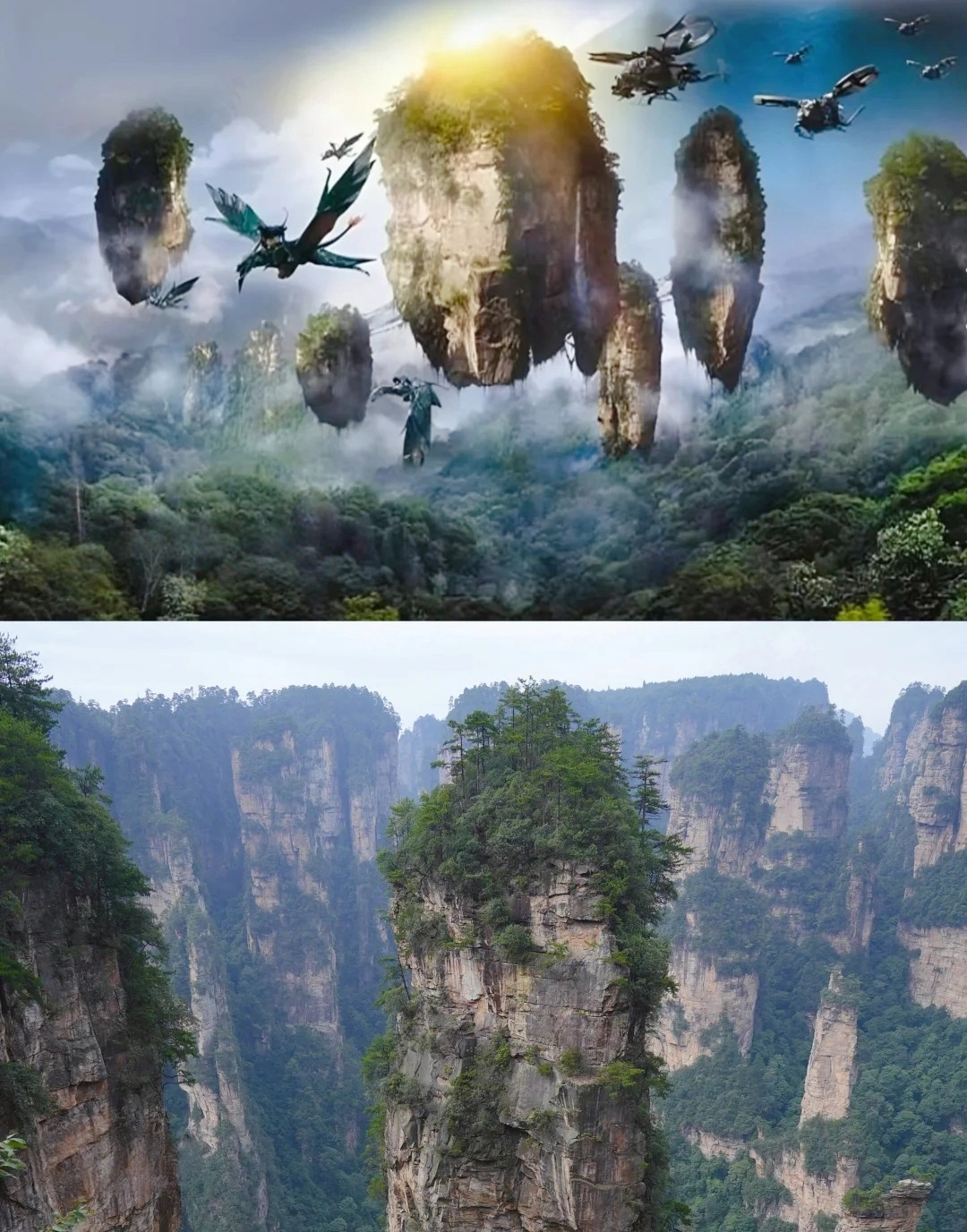
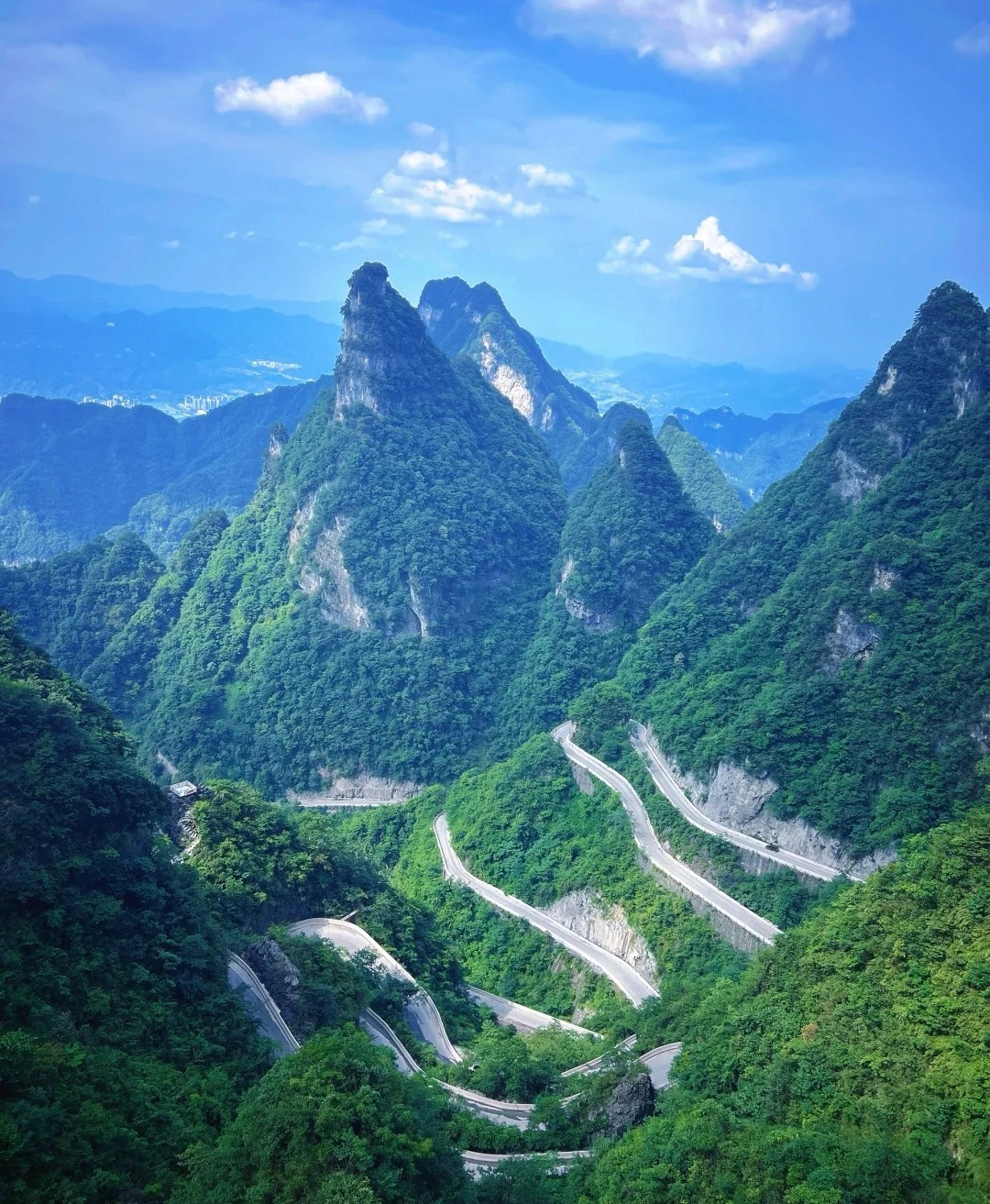
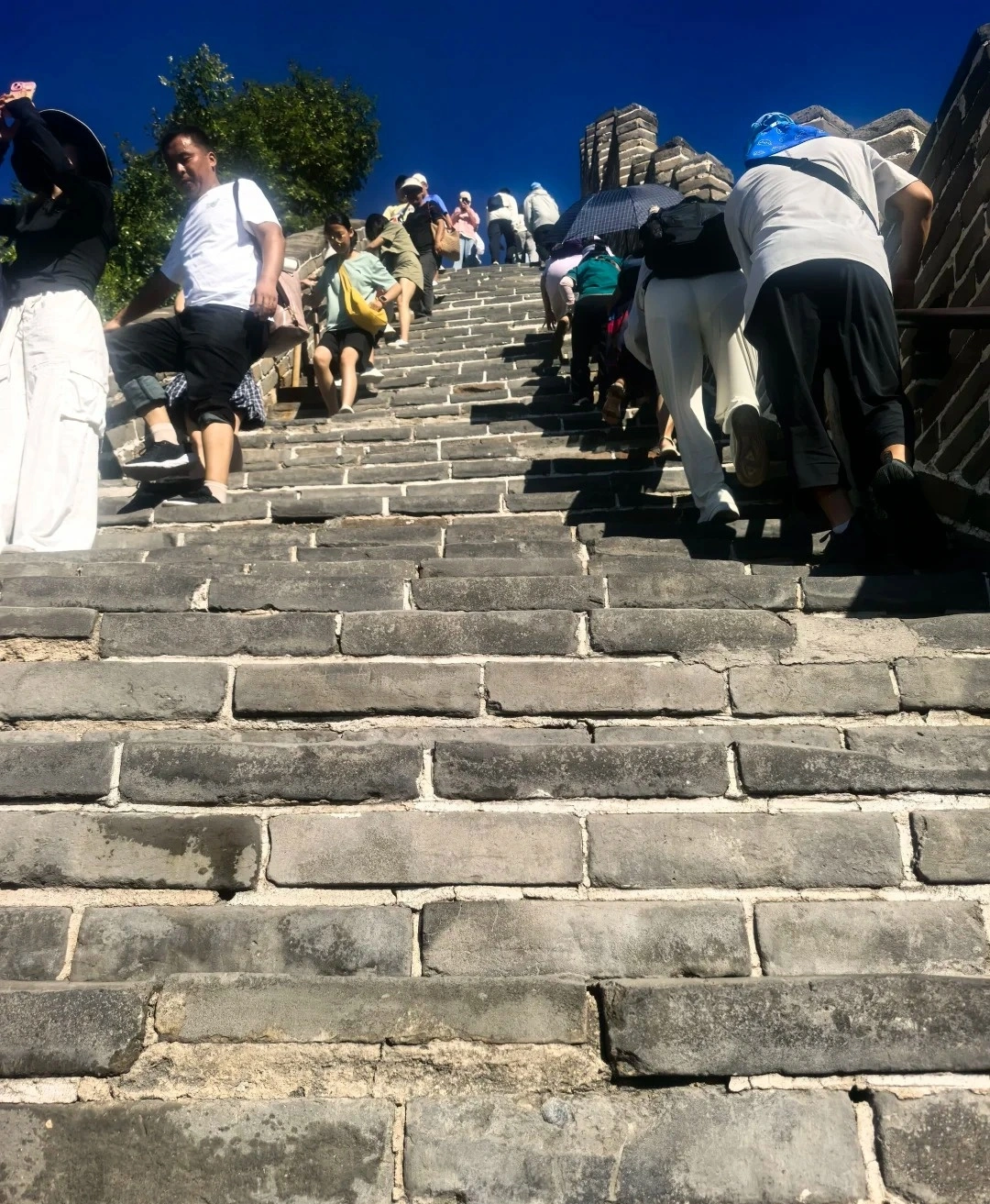
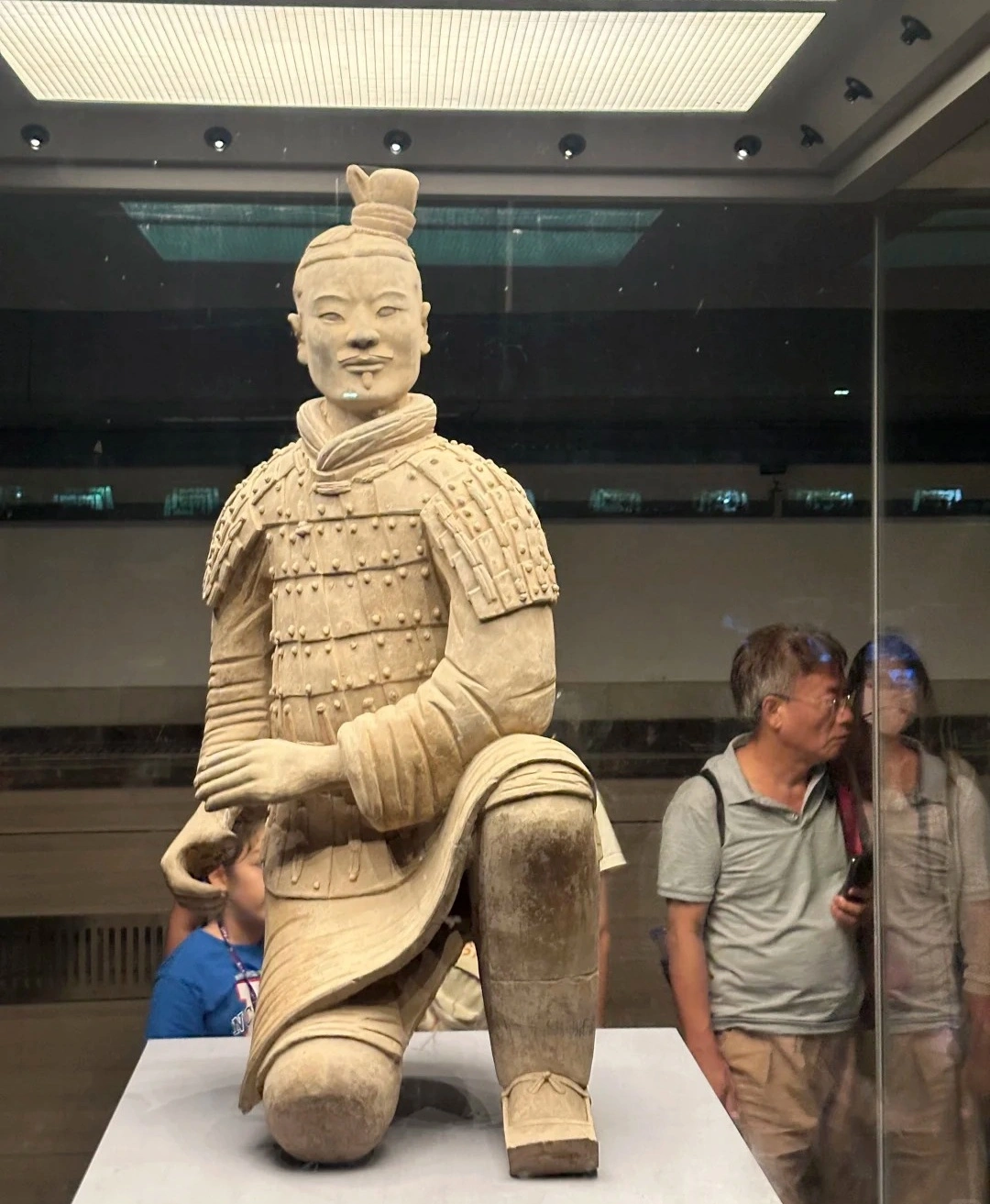
As a solo traveler from Canada, I was nervous about navigating China alone—but this 11-day tour was PERFECT! From hiking the Great Wall at sunrise (Day 3) to gasping at the Terracotta Army (Day 5), every day delivered ‘pinch-me’ moments. The real showstopper? Zhangjiajie’s Avatar Mountains (Day 7)! Our guide made the stone pillars come alive with stories.
Massive thanks for handling all logistics—bullet train tickets, entry passes, car! And the 4-star hotels surprised me.
Destination(s):
Beijing Xian Zhangjiajie Shanghai
Date of
Experience:
June 02,2025

Simon
America
Reviewed on May 29,2025
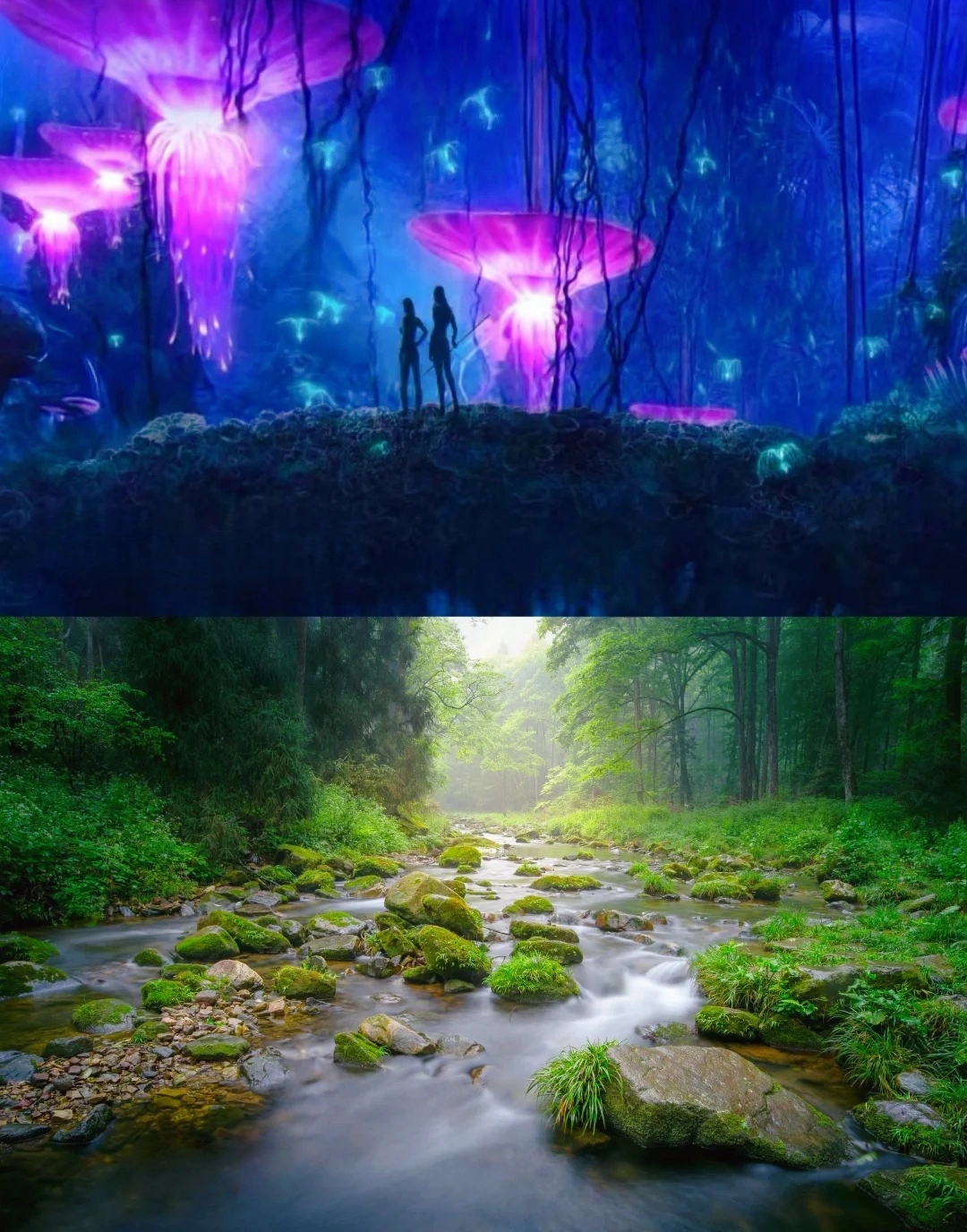
Our 2-day Zhangjiajie tour was beyond spectacular! As someone who’s visited Beijing and Shanghai for work, this trip revealed China’s wild, magical heart. Day 1 in Zhangjiajie National Forest Park felt like stepping onto Pandora—I’m a huge Avatar fan, and Yuanjiajie’s floating peaks left me breathless. The misty pillars and lush valleys like pure movie magic!
Then came Fenghuang Ancient Town, we eat dinner beside the thundering waterfall. It seems Unreal! The night views of stilt houses glowing over the river were straight from a fairy tale.
For fellow Avatar lovers and adventure seekers: Don’t miss this bucket-list experience! 10/10 would return.
A Well-Traveled Film Buff, May 2025
Destination(s):
Zhangjiajie
Date of
Experience:
May 08,2025