
Potala Palace: A Thousand-Year Legend of the Sacred Land of Snow
1. Highlights of Potala Palace: Architectural Marvel and Cultural Treasure
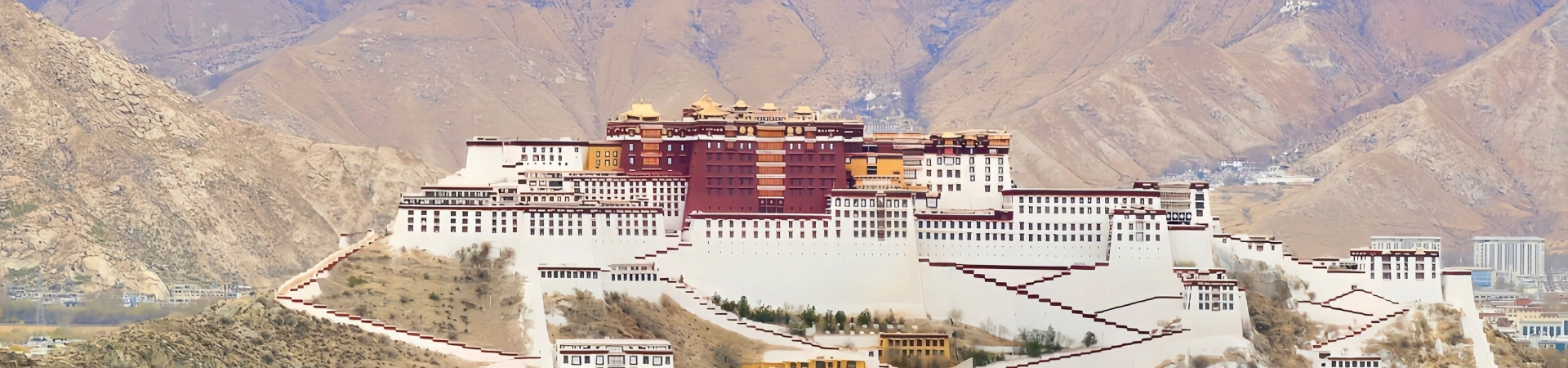
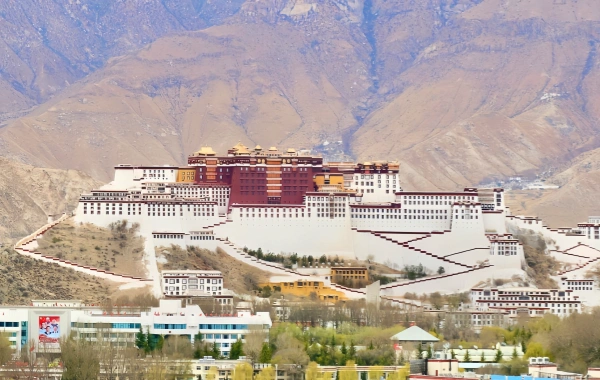
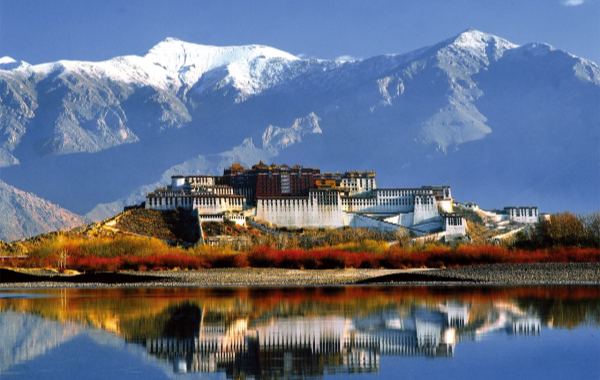
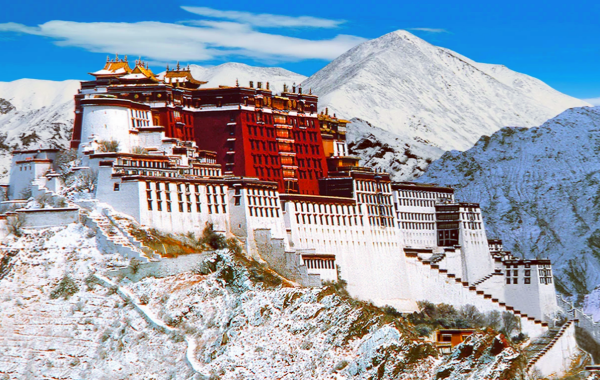
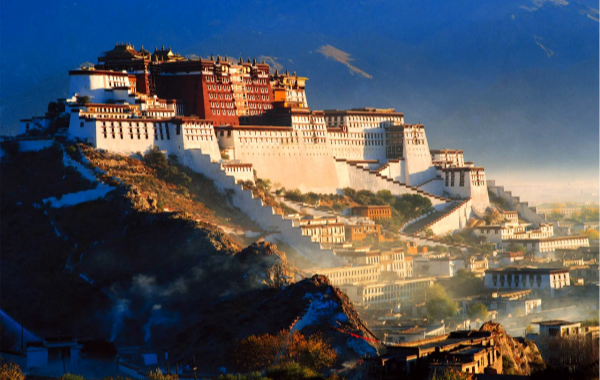
Situated atop Marpori (Red Mountain) in Lhasa at 3,700 meters above sea level, the Potala Palace is a UNESCO World Heritage Site and the ultimate symbol of Tibetan Buddhism and cultural heritage. Spanning 130,000 square meters, this 13-story fortress-monastery complex comprises the White Palace (residential quarters of the Dalai Lamas) and the Red Palace (spiritual and administrative center). Its exterior walls, built with "Bama" straw-and-clay bricks, withstand harsh Himalayan winters, while the golden roofs—adorned with 7 tons of pure gold—glisten under the Tibetan sun, visible from kilometers away.
Architectural Wonders:
- The Golden Roof Group features 13 ornate golden roofs, with the central one housing the Five Dalai Lama’s Reliquary Tower, standing 14.85 meters tall. This masterpiece uses 3,721 kg of gold and over 10,000 gemstones, earning its nickname "Palace of Gold and Jewels."
- The White Palace walls are decorated with 2,000+ square meters of murals depicting Buddhist scriptures, historical events like Princess Wencheng’s arrival, and daily life in old Tibet, painted with mineral pigments that retain vibrancy for centuries.
- The Snow City at the base preserves historic sites like the Tibetan Opera Museum, jail cells, and minting workshops, offering a glimpse into Tibet’s transition from feudal serfdom to modernity.
Cultural and Spiritual Significance:
As the former residence of the Dalai Lamas and the heart of the Gelug School of Tibetan Buddhism, the palace houses sacred relics, including 8 tomb towers of Dalai Lamas, rare Tangkas, and imperial gifts from Ming and Qing dynasties. During Tibetan New Year, the plaza hosts the Thangka Unveiling Ceremony, where a 50-meter-long Buddha portrait is displayed, drawing pilgrims and tourists alike.
2. Transportation Guide: Navigating to the Sacred Site
From Lhasa City Center:
- Taxi: A 10-minute ride costs ¥30-40. Use ride-hailing apps like Didi for transparent pricing.
- Bus: Routes 1, 12, 17, and 24 stop at "Bai Ta Station" (White Pagoda Station), a 5-minute walk to the palace. Fare is ¥1.
- Bicycle/Walking: Rent a shared bike (¥1-2/hour) or stroll along Beijing Middle Road, passing the Jokhang Temple and Barkhor Street’s prayer wheels for an immersive cultural experience.
From Lhasa Railway Station:
- Taxi: ¥30-40, 20-minute ride.
- Bus: Take Route 1 to "Yak Wang Mountain Market," then transfer to Route 17. Total journey: 35 minutes.
From Lhasa Gonggar Airport:
- Airport Shuttle: ¥30, 1.5-hour ride to Civil Aviation Bureau Station, then a 15-minute walk.
- Private Car: ¥120-150, 1-hour direct trip. Ideal for groups or families with luggage.
Self-Driving Tips:
- Lhasa city speed limit: 40 km/h. Park at the Palace Underground Parking (free for 3 hours with a ticket).
3. Ticket Information and Reservation Strategies
Opening Hours:
- Peak Season (May 1–October 31): 9:00 AM–4:00 PM (last entry 3:30 PM).
- Low Season (November 1–April 30): 9:30 AM–3:30 PM (last entry 3:00 PM).
- Closed Mondays (except national holidays) for maintenance.
Ticket Prices:
- Peak Season: ¥200/adult; ¥100/student, senior (60+), or disabled.
- Low Season: ¥100/adult; ¥50/discounted groups.
- Free Entry: During "Winter in Tibet" (November–March), free tickets available via pre-booking. Children under 1.2m and certified guides enter free.
Entry Rules:
- No photography, smoking, or touching artifacts inside. Prohibited items include lighters, knives, and political/religious propaganda.
- Health QR code and mask required.
4. Best Time to Visit: Seasonal and Daily Recommendations
Seasonal Highlights:
- Summer (June–August): Ideal for photography with clear skies, blooming saffron flowers, and temperatures of 10–25°C. Book tickets 1–3 months in advance.
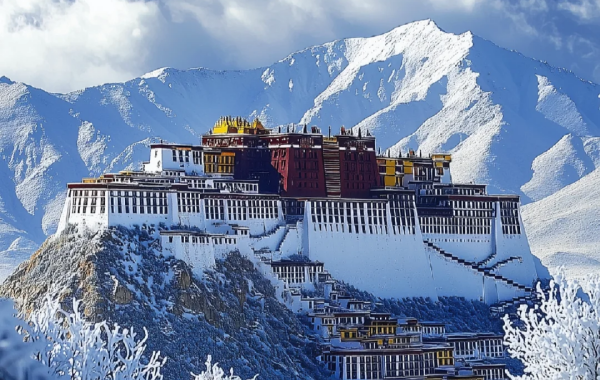
- Winter (December–February): Free entry, fewer crowds, and snow-covered golden roofs create a "jade palace" effect. Temperatures drop to -10°C; bring thermal gear and oxygen tanks.
- Spring (March–May) & Autumn (September–November): Mild weather, fewer tourists, and cultural Festivals like Tibetan New Year (February/March) and Butter Lamp Festival (October).
Daily Optimal Timing:
- Dawn: Capture sunrise at Yak Wang Mountain Viewpoint (5:30 AM) for iconic palace reflections in the Lhasa River.
- Morning: Tour the Snow City and White Palace to avoid crowds.
- Afternoon: Ascend to the Red Palace for panoramic views of Lhasa and the Nyainqentanglha Mountains.
- Dusk: Join locals at the Potala Square for evening prayers and light shows.
5. Practical Tips for a Safe and Respectful Visit
Altitude Sickness Prevention:
- Take Rhodiola 1 week before arrival. Avoid strenuous activity on day 1; use oxygen bottles if needed.
- Stay hydrated, avoid alcohol, and opt for oxygen-equipped hotels like Shangri-La Lhasa.
Cultural Etiquette:
- Walk clockwise around stupas and prayer wheels. Remove hats and sunglasses inside temples.
- Refrain from loud conversations; respect pilgrims’ rituals like prostration.
Safety and Comfort:
- Wear layered clothing, sturdy shoes, and UV-protection gear.
- Use licensed guides for historical context; avoid "rogue guides" offering unofficial tours.
- Store valuables in hotel safes; beware of pickpockets in crowded areas.
Dining and Lodging:
- Savor Tibetan specialties like yak butter tea, tsampa, and Lhasa beer at Maka Amei Restaurant near the palace.
- Choose hotels with oxygen supplies: InterContinental Lhasa Paradise or Sera Monastery Guesthouse for cultural immersion.
Conclusion
The Potala Palace is not merely an architectural feat but a living testament to Tibetan spirituality and history. To fully appreciate its grandeur, plan your visit around seasonal rhythms, secure tickets early, and embrace local customs with respect. Whether witnessing the golden roofs gleam in summer sun or the snow-dusted splendor of winter, every visit offers a transformative journey into Tibet’s soul. Remember: pre-booking, cultural sensitivity, and preparedness ensure a pilgrimage as profound as the palace itself.
Related itinerary
7 Days
|
Beijing, Tibet
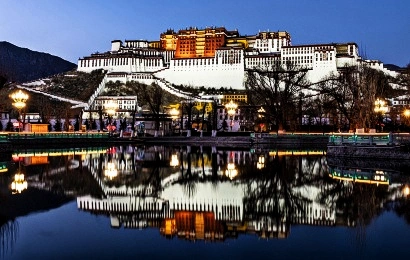
This 7-day tour offers an ideal blend of history, culture, and adventure, taking travelers from Beijing to explore iconic imperial landmarks like the Great Wall, Forbidden City, and Summer Palace, experience local life through a Hutong rickshaw ride and dumpling-making, then fly to Lhasa, the "Roof of the World," to discover Tibetan spirituality at the UNESCO-listed Potala Palace, Jokhang Temple, and Drepung Monastery, while strolling Barkhor Street’s markets, wandering Norbulingka Park’s gardens, and witnessing Tibetan Buddhist ceremonies.
16 Days
|
Beijing-Xi'an-Guilin-Chengdu-Tibet-Shanghai
4 Days
|
Lhasa
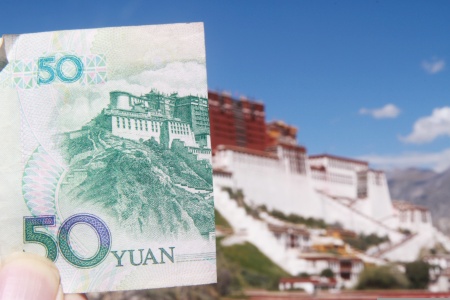
The Lhasa trip offers a profound mind-and-culture fusion, from strolling Barkhor Street and exploring the historic Potala Palace and Jokhang Temple to experiencing the serene beauty of Norbulingka, the profoundness of Drepung Monastery, and the warmth of simple Tibetan families, creating precious memories that inspire further exploration of hidden wonders.
6 Days
|
Lhasa
Contact Us
What Our Clients Say?
Based on 10,000+ traveler reviews

Daniel Dorothea
Canada
Reviewed on April 29,2025
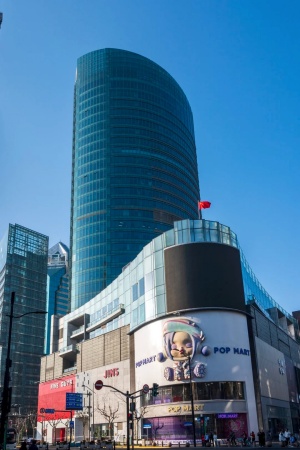
Shopping on Nanjing Road in Shanghai was just amazing! It's truly the "First Commercial Street of China", where tradition and modernity blend perfectly. You can find awesome souvenirs and experience the trendy vibes in cool stores. The neon lights at night are just spectacular, shining bright like Times Square in New York. The food here is incredible too. I had a feast for my taste buds. Shanghai, I'll definitely be back!
Destination(s):
Shanghai
Date of
Experience:
May 08,2024

Elvis Eva
Canada
Reviewed on June 20,2025
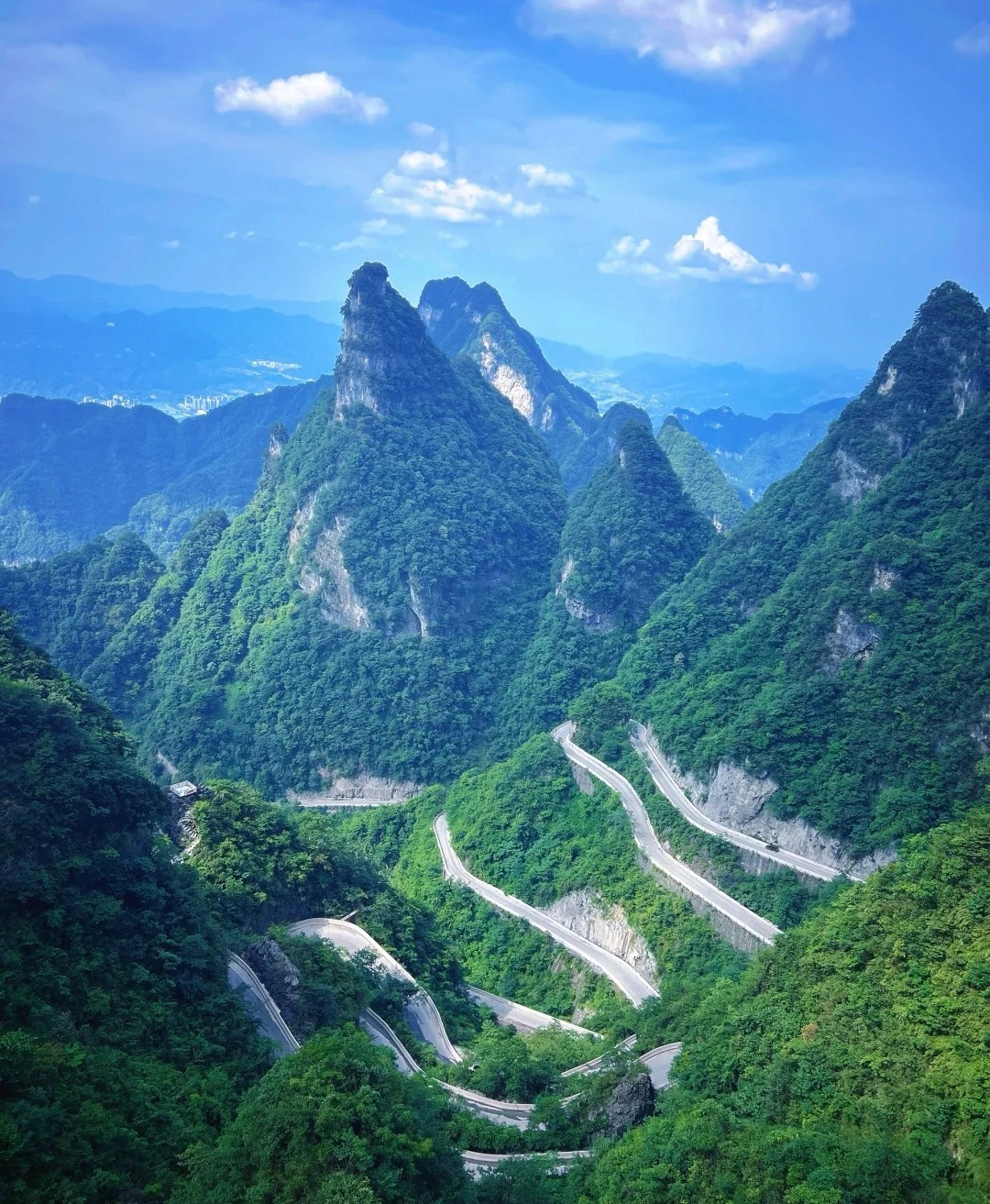
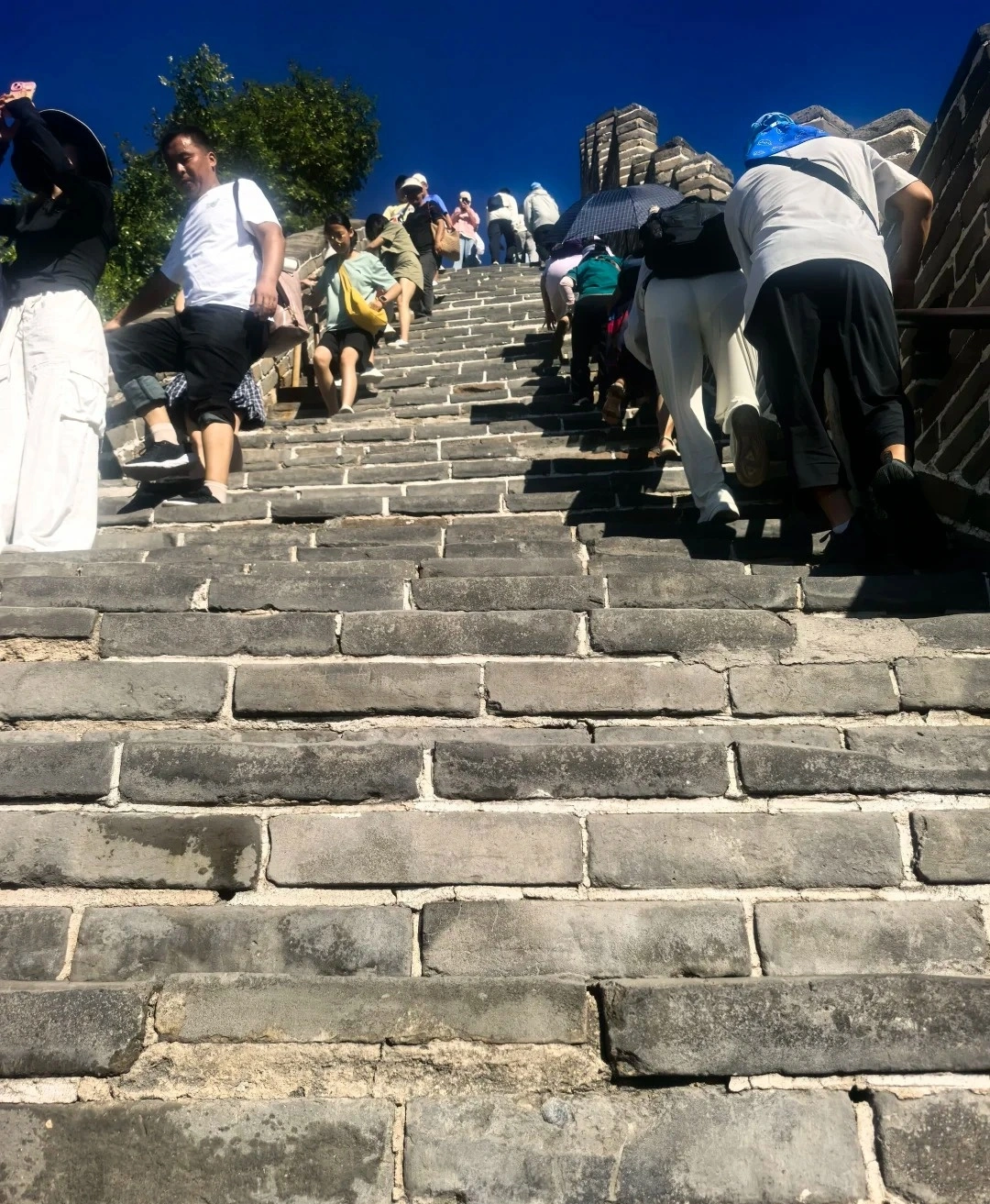
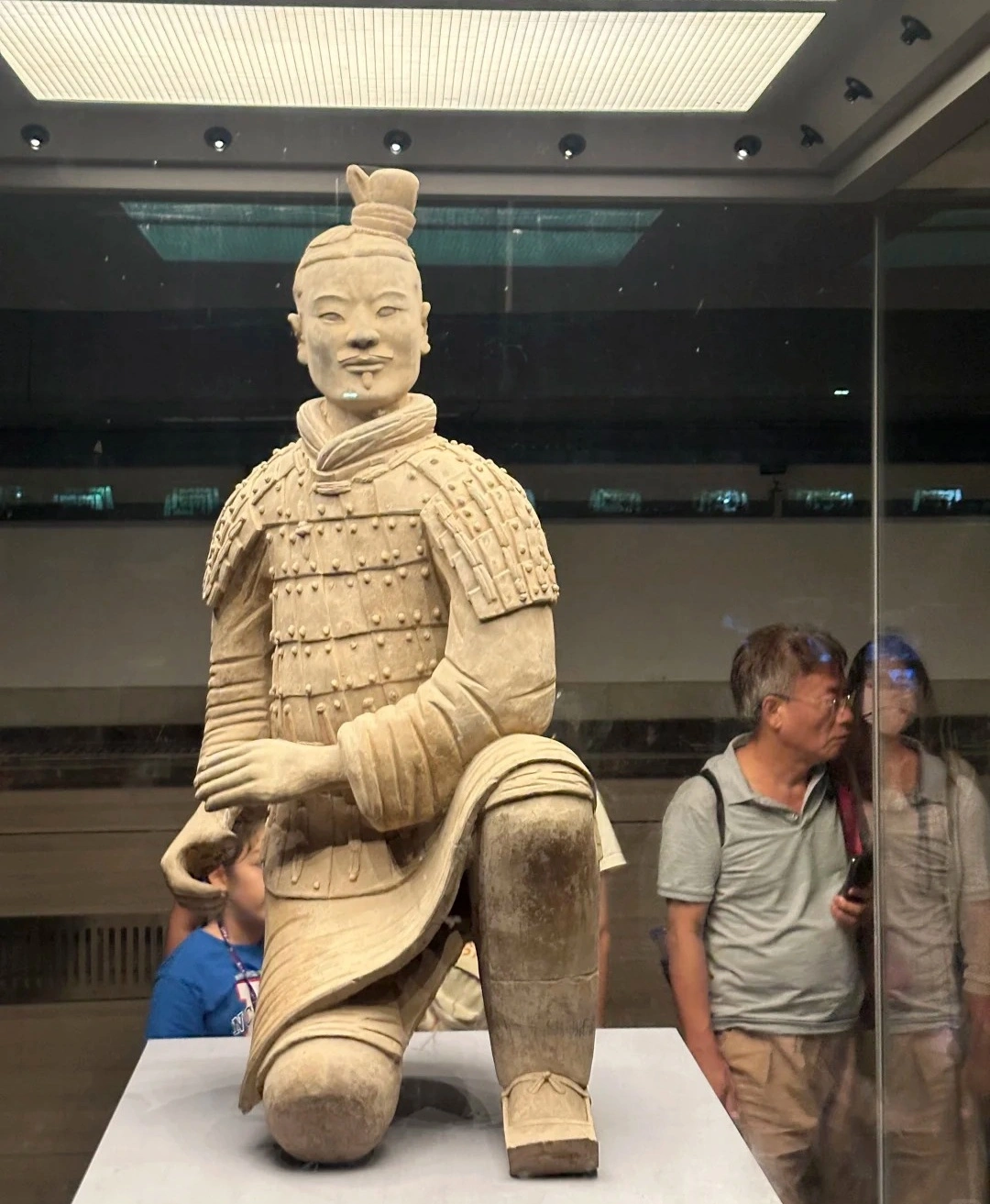
As a solo traveler from Canada, I was nervous about navigating China alone—but this 11-day tour was PERFECT! From hiking the Great Wall at sunrise (Day 3) to gasping at the Terracotta Army (Day 5), every day delivered ‘pinch-me’ moments. The real showstopper? Zhangjiajie’s Avatar Mountains (Day 7)! Our guide made the stone pillars come alive with stories.
Massive thanks for handling all logistics—bullet train tickets, entry passes, car! And the 4-star hotels surprised me.
Destination(s):
Beijing Xian Zhangjiajie Shanghai
Date of
Experience:
June 02,2025

Simon
America
Reviewed on May 29,2025
Our 2-day Zhangjiajie tour was beyond spectacular! As someone who’s visited Beijing and Shanghai for work, this trip revealed China’s wild, magical heart. Day 1 in Zhangjiajie National Forest Park felt like stepping onto Pandora—I’m a huge Avatar fan, and Yuanjiajie’s floating peaks left me breathless. The misty pillars and lush valleys like pure movie magic!
Then came Fenghuang Ancient Town, we eat dinner beside the thundering waterfall. It seems Unreal! The night views of stilt houses glowing over the river were straight from a fairy tale.
For fellow Avatar lovers and adventure seekers: Don’t miss this bucket-list experience! 10/10 would return.
A Well-Traveled Film Buff, May 2025
Destination(s):
Zhangjiajie
Date of
Experience:
May 08,2025