
Top 10 Cultural Odysseys in Pingyao: Unveiling the Soul of Heritage
From tracing Ming Dynasty city walls and ancient banking secrets at Rishengchang Piaohao to mastering shadow puppetry, savoring Ming-era feasts, and staying in centuries-old courtyard homes, Pingyao’s top 10 cultural experiences—including Buddhist temple explorations, folk music performances, and paper-cutting workshops—offer an immersive odyssey through China’s imperial heritage.
Pingyao, a living museum of Ming-Qing China, invites travelers to step beyond its cobblestone streets and UNESCO-listed walls. From ancient banking rituals to shadow puppetry masterclasses, here are the 10 most authentic cultural experiences that reveal the soul of this timeless city.
1. Walk the 6-Km Ming Dynasty City Walls (平遥古城墙)
Why Experience?
Stroll atop Pingyao’s 14th-century fortifications—the best-preserved Ancient City walls in China. Climb watchtowers for panoramic views of red-tiled rooftops and distant pagodas.
Cultural Insight: Learn how the walls’ 72 watchtowers and 3,000 crenellations once defended China’s financial heart.
Tip: Visit at sunrise for golden light and fewer crowds.
2. Step Inside Rishengchang Piaohao (日升昌票号)
Why Experience?
Explore the birthplace of Chinese banking at the “First Draft Bank of China” (1823). Wander through vaults, counting rooms, and underground tunnels where silver ingots were stored.
Interactive Moment: Try your hand at traditional calligraphy to seal a mock “banknote.”
History Fact: Rishengchang’s network once spanned 43 cities across Asia.
3. Master Shadow Puppetry at a Family Workshop (平遥皮影戏)
Why Experience?
Join local artisans in a 2-hour workshop to carve, paint, and animate leather shadow puppets. Perform a short play using traditional Shanxi melodies.
Fun Fact: Pingyao’s puppetry dates back to the Han Dynasty (206 BCE–220 CE).
Where: Wang Family Shadow Puppet Studio near Mingqing Street.
4. Pray at Shuanglin Temple (双林寺)
Why Experience?
Marvel at 2,055 colorful clay statues in this 1,400-year-old Buddhist temple. Highlights include the “Thousand-Hand Guanyin” and warrior monks frozen in dynamic poses.
Spiritual Tip: Light incense and make a wish at the Temple of Wealth for prosperity.
Distance: 6 km southwest of Pingyao (20-min taxi ride).
5. Savor a Ming Dynasty Feast (平遥明清宴)
Why Experience?
Dine like a Ming-era noble in a restored courtyard house. Dishes include “Eight Treasures” pork belly, lotus-root soup, and yellow rice wine, served on antique Porcelain.
Ritual: The meal begins with a traditional tea ceremony to “cleanse the palate.”
Where: Mingqing Court Restaurant inside the South Gate.
6. Attend a Folk Music Performance (平遥民俗音乐)
Why Experience?
Watch local musicians play the suona (double-reed horn), dizi (bamboo flute), and erhu (two-stringed fiddle) in a centuries-old courtyard.
Cultural Link: Many tunes date back to the Qing Dynasty and were played during Festivals.
Best Venue: Pingyao Folk Art Theater near the County Government Office.
7. Learn Paper-Cutting from a Master (平遥剪纸)
Why Experience?
Spend an afternoon with a nonagenarian artist crafting intricate red-paper designs of dragons, phoenixes, and peonies—symbols of luck in Chinese culture.
Takeaway: Your finished artwork, framed as a souvenir.
Where: Grandma Li’s Paper-Cutting Studio on West Street.
8. Explore Zhenguo Temple’s 10th-Century Pagoda (镇国寺)
Why Experience?
Admire the Five-Dynasties Period (907–960 CE) wooden pagoda at this 1,050-year-old temple. Its intricate brackets and eaves showcase early Tang Dynasty architecture.
Architectural Highlight: The pagoda is one of China’s oldest surviving wooden structures.
Distance: 12 km northeast of Pingyao (30-min taxi ride).
9. Join a New Year’s Drum Ceremony (平遥社火)
Why Experience?
If visiting in winter, witness Shehuo—a raucous festival with drumming, dragon dances, and firecrackers to drive away evil spirits.
Participate: Try playing the taigu (big drum) alongside locals.
Season: Held during the Lunar New Year (Jan/Feb).
10. Stay in a Courtyard Homestay (平遥四合院民宿)
Why Experience?
Live like a Ming merchant by booking a traditional siheyuan (courtyard house). Wake to birdsong, sip tea under pergolas, and chat with hosts about family history.
Recommended Stay: Yunjinpu Boutique Hotel for its authentic 18th-century decor.
Cultural Etiquette Tips
- Photography: Ask permission before photographing locals or temple interiors.
- Dress: Cover shoulders and knees when visiting temples.
- Tipping: Not customary; a smile and “xièxiè” (thank you) suffice.
Pingyao’s cultural odysseys are not just sightseeing—they’re time travel. Whether you’re sealing a banknote in a 200-year-old vault or animating a leather puppet under a lantern-lit roof, every experience connects you to China’s imperial past.
Contact Us
What Our Clients Say?
Based on 10,000+ traveler reviews

Daniel Dorothea
Canada
Reviewed on April 29,2025
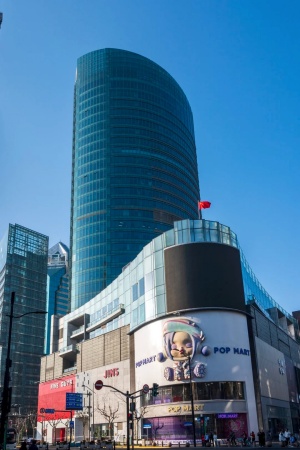
Shopping on Nanjing Road in Shanghai was just amazing! It's truly the "First Commercial Street of China", where tradition and modernity blend perfectly. You can find awesome souvenirs and experience the trendy vibes in cool stores. The neon lights at night are just spectacular, shining bright like Times Square in New York. The food here is incredible too. I had a feast for my taste buds. Shanghai, I'll definitely be back!
Destination(s):
Shanghai
Date of
Experience:
May 08,2024

Elvis Eva
Canada
Reviewed on June 20,2025
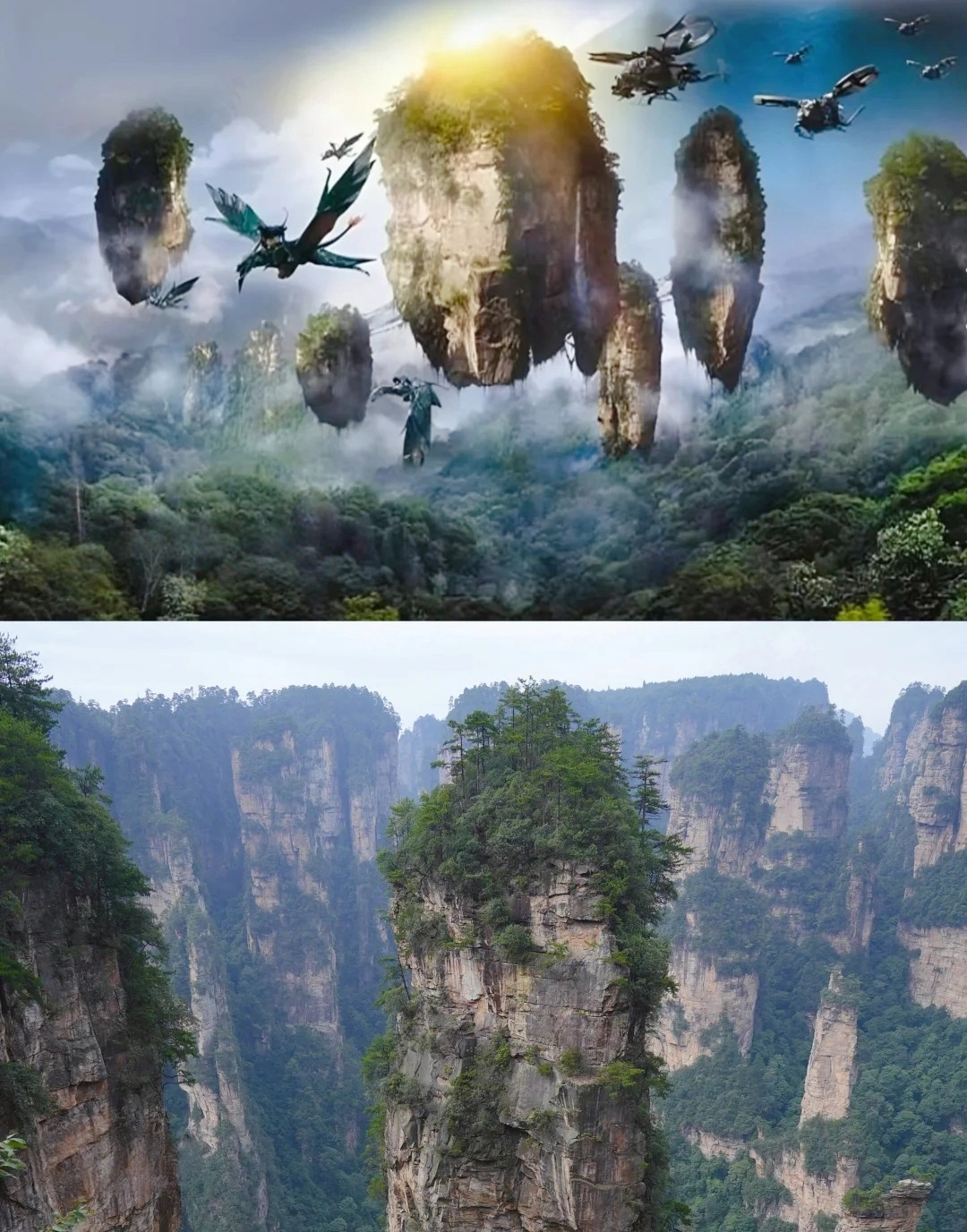
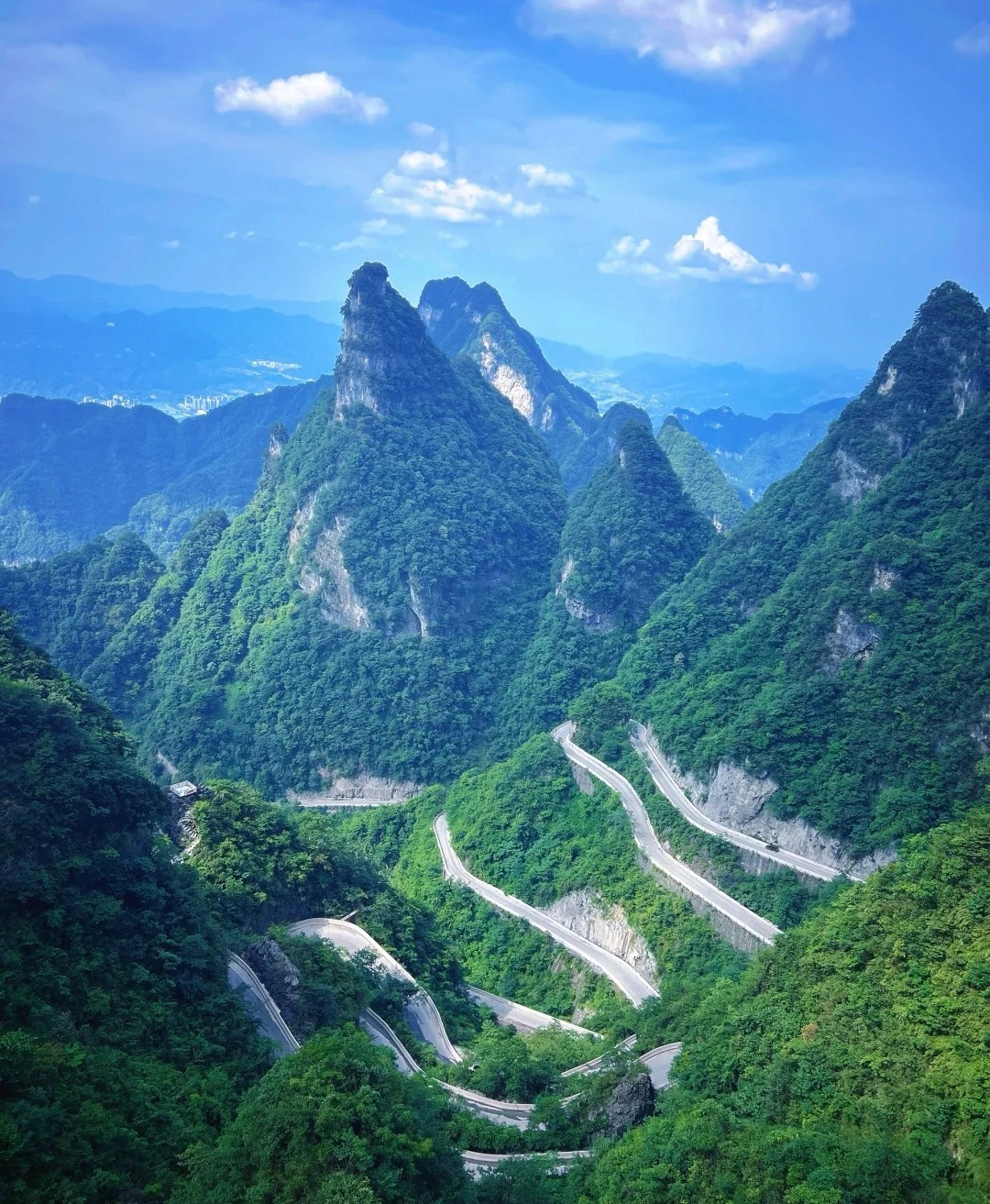
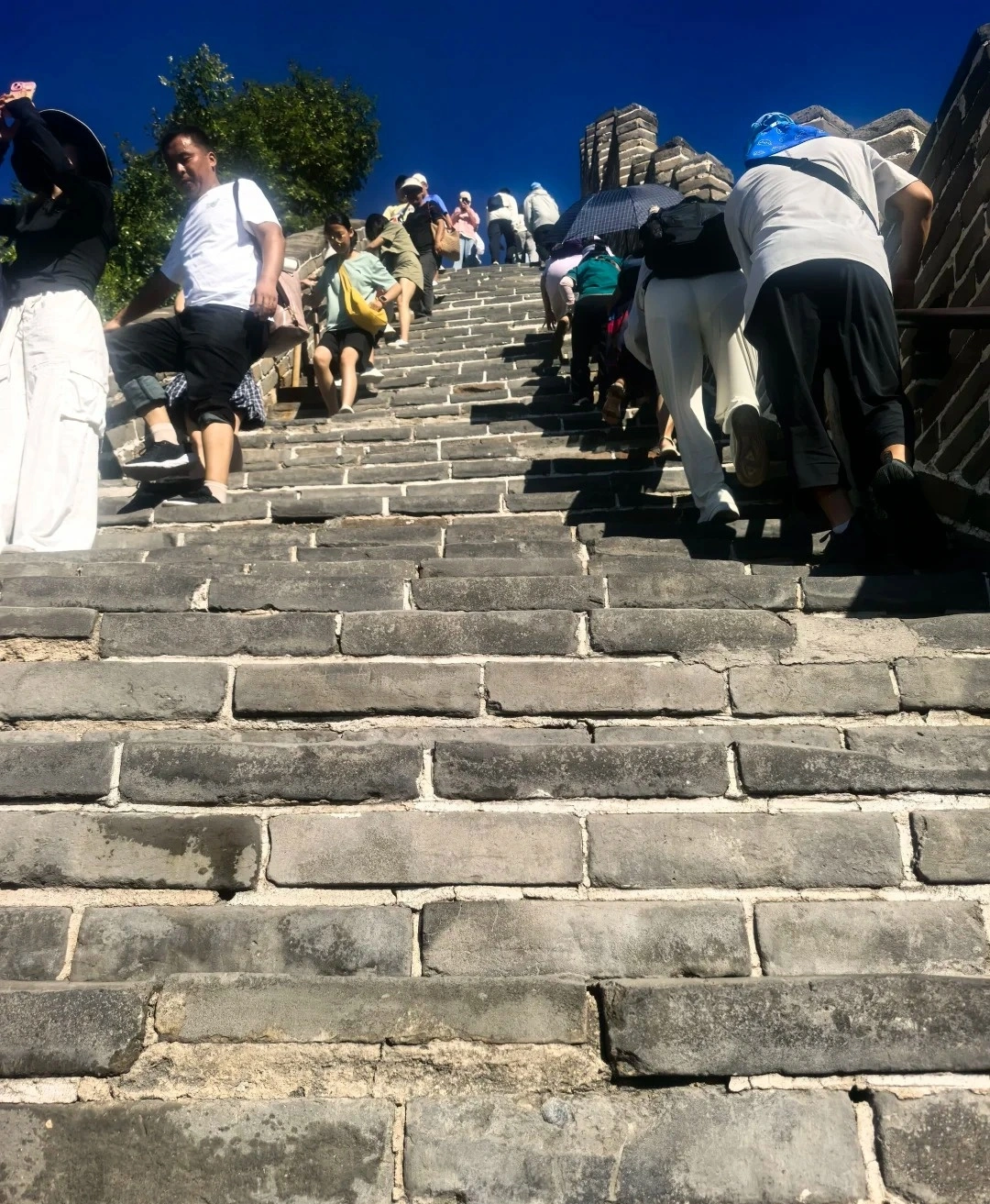
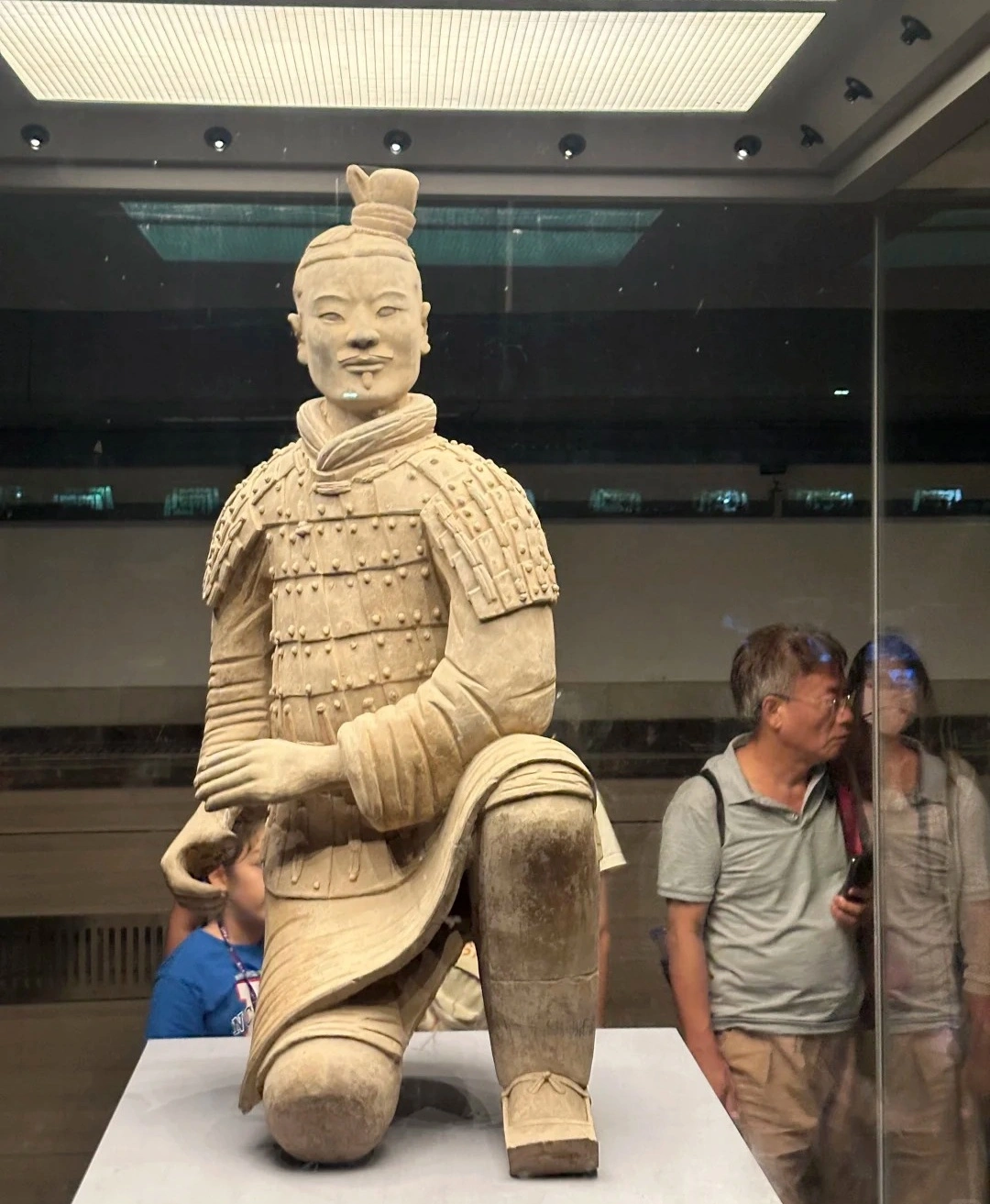
As a solo traveler from Canada, I was nervous about navigating China alone—but this 11-day tour was PERFECT! From hiking the Great Wall at sunrise (Day 3) to gasping at the Terracotta Army (Day 5), every day delivered ‘pinch-me’ moments. The real showstopper? Zhangjiajie’s Avatar Mountains (Day 7)! Our guide made the stone pillars come alive with stories.
Massive thanks for handling all logistics—bullet train tickets, entry passes, car! And the 4-star hotels surprised me.
Destination(s):
Beijing Xian Zhangjiajie Shanghai
Date of
Experience:
June 02,2025

Simon
America
Reviewed on May 29,2025
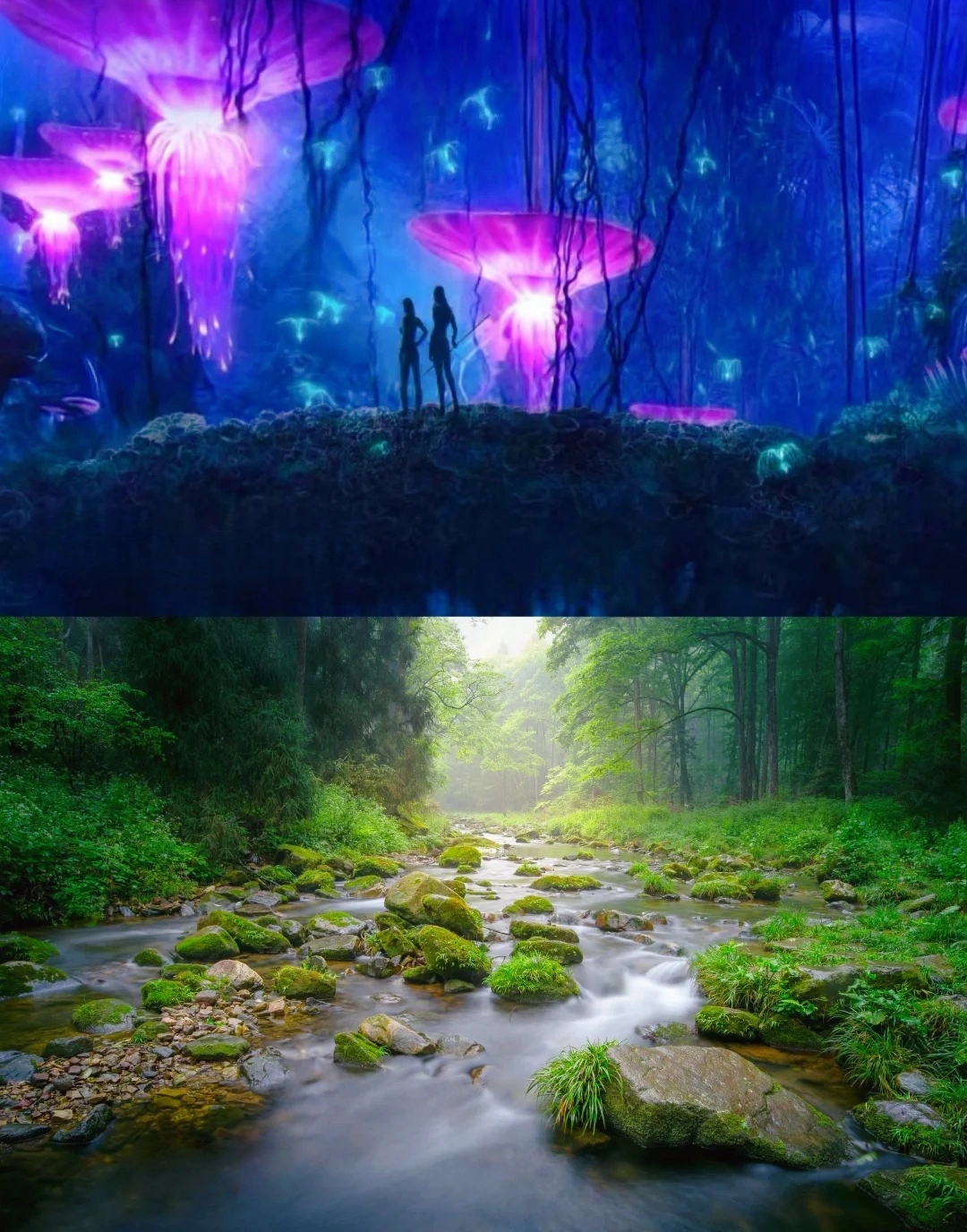
Our 2-day Zhangjiajie tour was beyond spectacular! As someone who’s visited Beijing and Shanghai for work, this trip revealed China’s wild, magical heart. Day 1 in Zhangjiajie National Forest Park felt like stepping onto Pandora—I’m a huge Avatar fan, and Yuanjiajie’s floating peaks left me breathless. The misty pillars and lush valleys like pure movie magic!
Then came Fenghuang Ancient Town, we eat dinner beside the thundering waterfall. It seems Unreal! The night views of stilt houses glowing over the river were straight from a fairy tale.
For fellow Avatar lovers and adventure seekers: Don’t miss this bucket-list experience! 10/10 would return.
A Well-Traveled Film Buff, May 2025
Destination(s):
Zhangjiajie
Date of
Experience:
May 08,2025