
A Rite of Passage: Experiencing the "First Writing Ceremony" at Pingyao’s Confucius Temple
Nestled within the ancient walls of Pingyao—a UNESCO World Heritage Site in Shanxi Province—the Confucius Temple stands as a timeless testament to China’s educational and cultural heritage. Dating back to 1163 CE during the Song Dynasty, this sacred complex is not only the oldest surviving Confucius Temple in China but also a vibrant hub for preserving traditional rituals. Among its many ceremonies, the "First Writing Ceremony" (开笔礼, Kāi Bǐ Lǐ)—a symbolic rite marking a child’s entry into the world of learning—offers a profound glimpse into Confucian values. This article recounts my journey through this ancient ritual, blending history, symbolism, and personal reflection.
I. The Temple: A Sanctuary of Learning
1. Historical Significance
Pingyao’s Confucius Temple, built over 860 years ago, was once the heart of education in the region. Its Dacheng Hall (大成殿, Dàchéng Diàn), the main sanctuary, houses a statue of Confucius flanked by his 72 disciples, symbolizing the spread of wisdom. The temple’s architecture—with its curved eaves, stone carvings, and courtyards—reflects the Song Dynasty’s aesthetic ideals, while its inscriptions and stelae chronicle centuries of scholarly tradition.
2. The Ritual’s Revival
Though the First Writing Ceremony originated in ancient times, it faded during China’s modernization. In recent decades, Pingyao’s temple has revived the practice, attracting families seeking to instill Confucian virtues in their children. The ceremony, adapted for contemporary audiences, retains its core symbolism: respect for knowledge, humility, and the pursuit of wisdom.
II. The Ceremony: Steps to Enlightenment
1. Preparation: Dressing the Part
Upon arrival, participants—mostly children aged 5 to 7—are dressed in traditional hanfu robes: boys in blue-and-black scholar attire, girls in red-and-gold dresses. Parents, too, don ceremonial garments, symbolizing their role as guides in their child’s education. The temple’s courtyard buzzes with anticipation, as families pose for photos beneath ancient cypress trees.
2. The Ritual Sequence
The ceremony unfolds in six symbolic acts, each led by a shifu (master) in Confucian robes:
a. Purification (净手礼, Jìng Shǒu Lǐ)
Children wash their hands in a bronze basin filled with water infused with osmanthus flowers, symbolizing the cleansing of the mind before learning. A master recites: “May your hands be pure, your heart sincere, and your studies fruitful.”
b. Bowing to Confucius (拜孔礼, Bài Kǒng Lǐ)
Participants kneel before the statue of Confucius, offering incense and performing three bows. The master explains: “Confucius taught us to seek knowledge with humility. Today, you honor his legacy.”
c. The “First Brushstroke” (朱砂启智, Zhūshā Qǐzhì)
A master dips a brush in vermilion ink and dots the child’s forehead between the eyebrows—a practice called “opening the eyes of wisdom” (开天眼, Kāi Tiānyǎn). Parents whisper blessings: “May you see clearly, think deeply, and write boldly.”
d. Writing the First Character (击鼓明智, Jīgǔ Míngzhì)
Children strike a large drum nine times (a number symbolizing completeness) before inscribing the character “人” (rén, meaning “human”) or “学” (xué, meaning “study”) on rice paper. The master guides them: “Write with intention, for each stroke shapes your future.”
e. Vow of Diligence (立誓礼, Lì Shì Lǐ)
Parents and children recite a pledge together: “I promise to respect teachers, cherish knowledge, and strive with integrity.” The vow, echoed in the temple’s acoustics, feels both solemn and hopeful.
f. Gift of Wisdom (赠礼礼, Zènglǐ Lǐ)
Each child receives a “wisdom kit”: a bamboo brush, inkstick, and a scroll inscribed with Confucian sayings like “To learn without thinking is futile; to think without learning is dangerous” (学而不思则罔,思而不学则殆).
III. Symbolism and Reflection
1. The Character “人” (Human)
The choice of “人” as the first character is deliberate. Confucius emphasized that education begins with self-awareness: “To know oneself is the beginning of wisdom.” Writing this simple yet profound character teaches children that learning is not just about knowledge but about becoming a virtuous person.
2. The Vermilion Dot
The red dot on the forehead, reminiscent of a third eye, symbolizes enlightenment. In Chinese folklore, it wards off ignorance and evil, while in Confucianism, it represents the activation of inner wisdom. Parents often joke that their child now has “superpowers” to tackle homework, but the gesture carries deeper cultural weight.
3. The Drum’s Resonance
Striking the drum nine times mirrors the nine steps of a Confucian scholar’s journey—from childhood studies to imperial examinations. The sound echoes through the temple, a reminder that education is a lifelong pursuit.
IV. Modern Relevance: Bridging Past and Present
For families participating today, the ceremony is more than a nod to tradition; it’s a response to modern anxieties. In an age of digital distractions, the First Writing Ceremony offers a tangible connection to values like discipline, respect, and curiosity.
Parent Testimonials
- “My daughter usually hates writing, but she sat still for an hour today. There’s magic in this place.” — Mrs. Li, Beijing
- “We wanted him to understand that learning isn’t just about grades. It’s about becoming a good person.” — Mr. Wang, Shanghai
V. Conclusion: A Ceremony for All Ages
As I left the temple, the sound of drums faded, but the image of children writing “人” with solemn faces lingered. The First Writing Ceremony is not just for children; it’s a reminder for adults that wisdom is a lifelong journey. In Pingyao’s Confucius Temple, where ancient stones meet modern aspirations, the ritual bridges generations, proving that some traditions are timeless.
Practical Information for Visitors
- Location: Pingyao Confucius Temple, South Street (near the Ancient City’s South Gate).
- Ceremony Schedule: Held daily at 10:00 AM and 3:00 PM (reservations recommended).
- Cost: 180 RMB per child (includes robe rental, materials, and a certificate).
- Best Time to Visit: spring or autumn for mild weather; avoid Chinese holidays for smaller crowds.
“Education is not the filling of a pail, but the lighting of a fire.” — Inspired by Confucius, Pingyao’s First Writing Ceremony kindles that flame.


Contact Us
What Our Clients Say?
Based on 10,000+ traveler reviews

Daniel Dorothea
Canada
Reviewed on April 29,2025
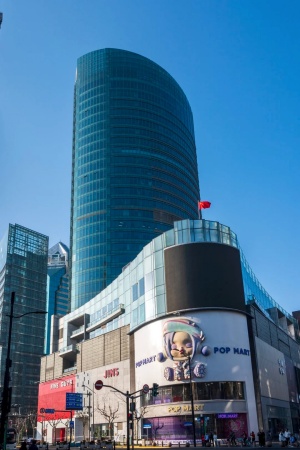
Shopping on Nanjing Road in Shanghai was just amazing! It's truly the "First Commercial Street of China", where tradition and modernity blend perfectly. You can find awesome souvenirs and experience the trendy vibes in cool stores. The neon lights at night are just spectacular, shining bright like Times Square in New York. The food here is incredible too. I had a feast for my taste buds. Shanghai, I'll definitely be back!
Destination(s):
Shanghai
Date of
Experience:
May 08,2024

Elvis Eva
Canada
Reviewed on June 20,2025
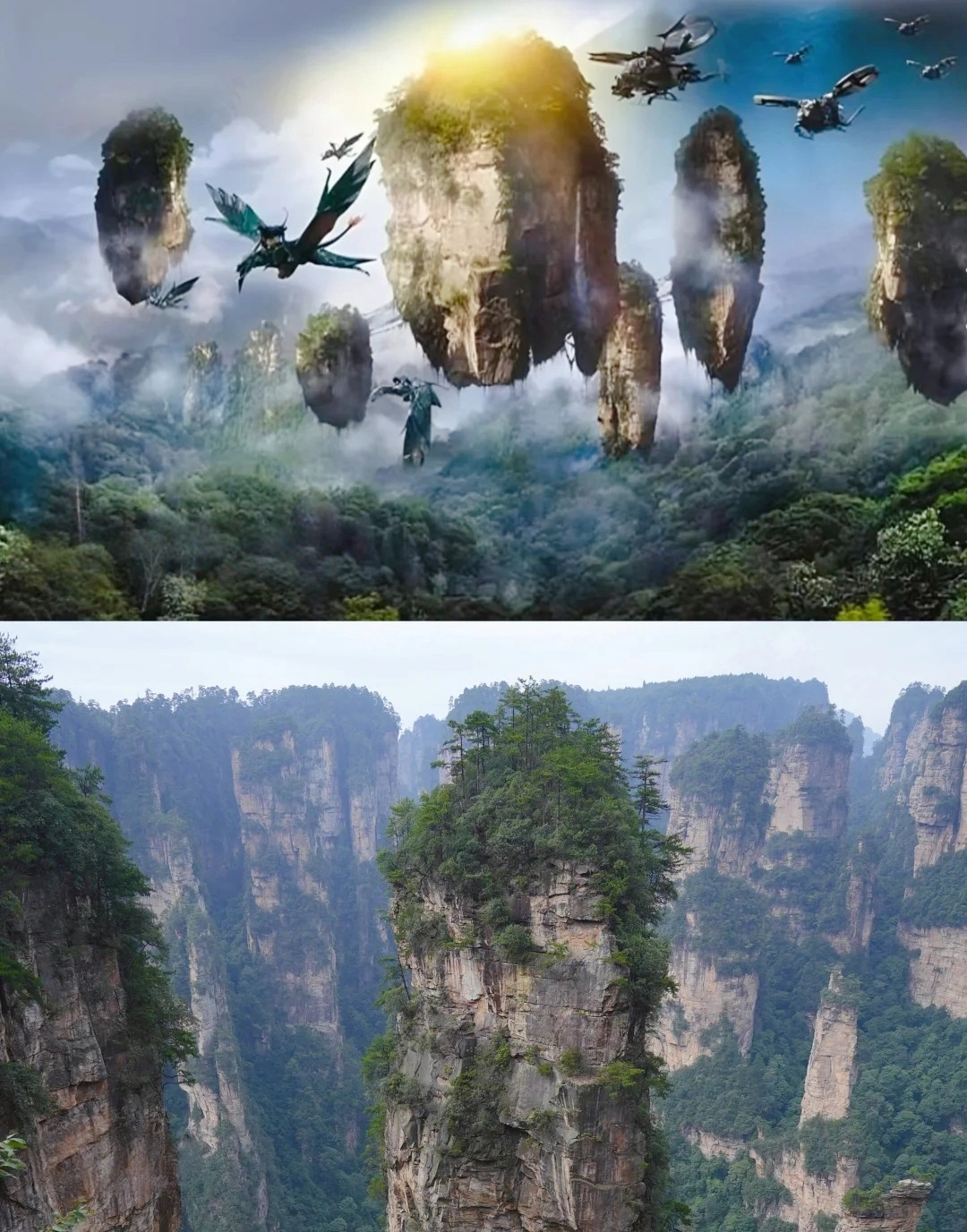
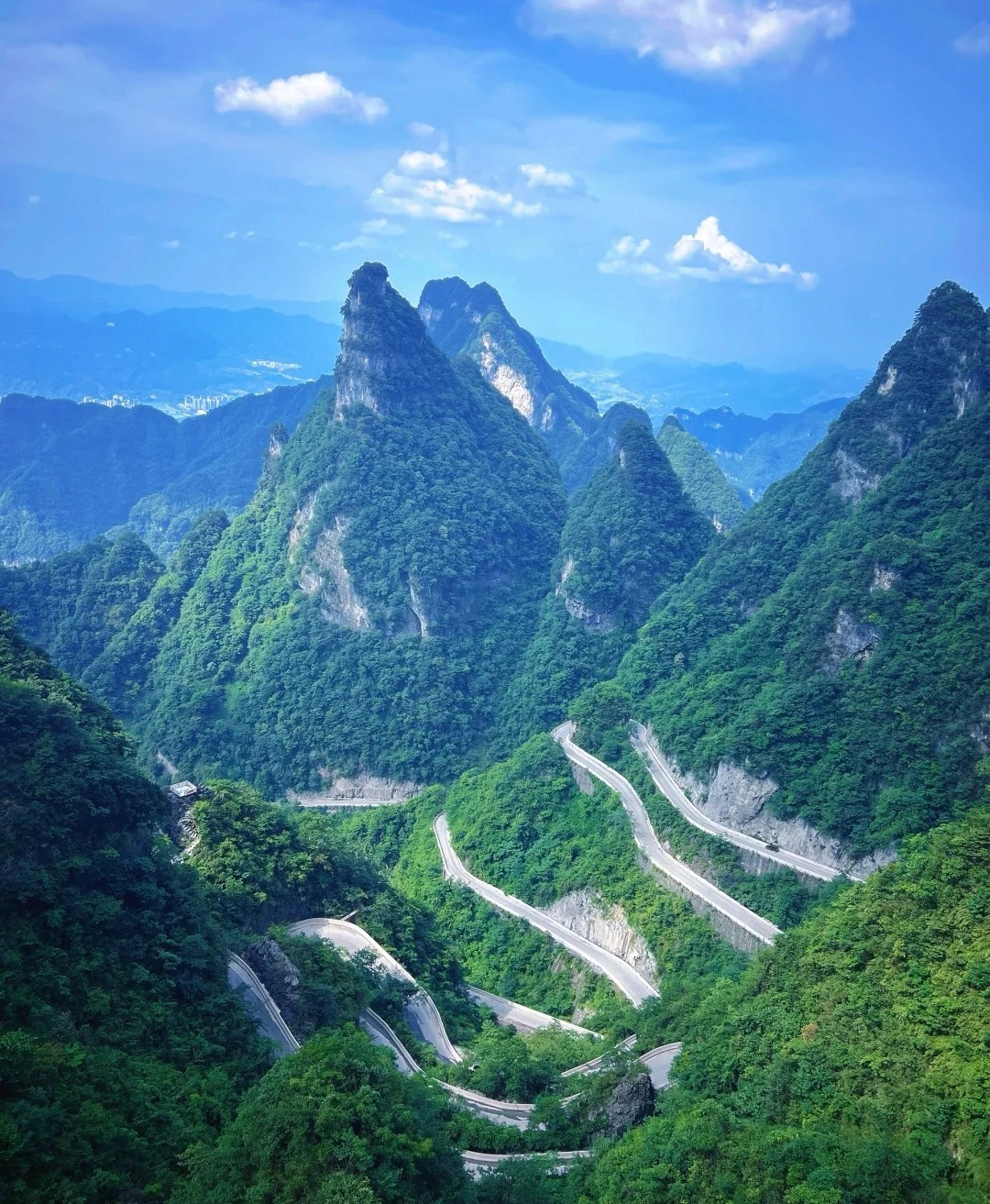
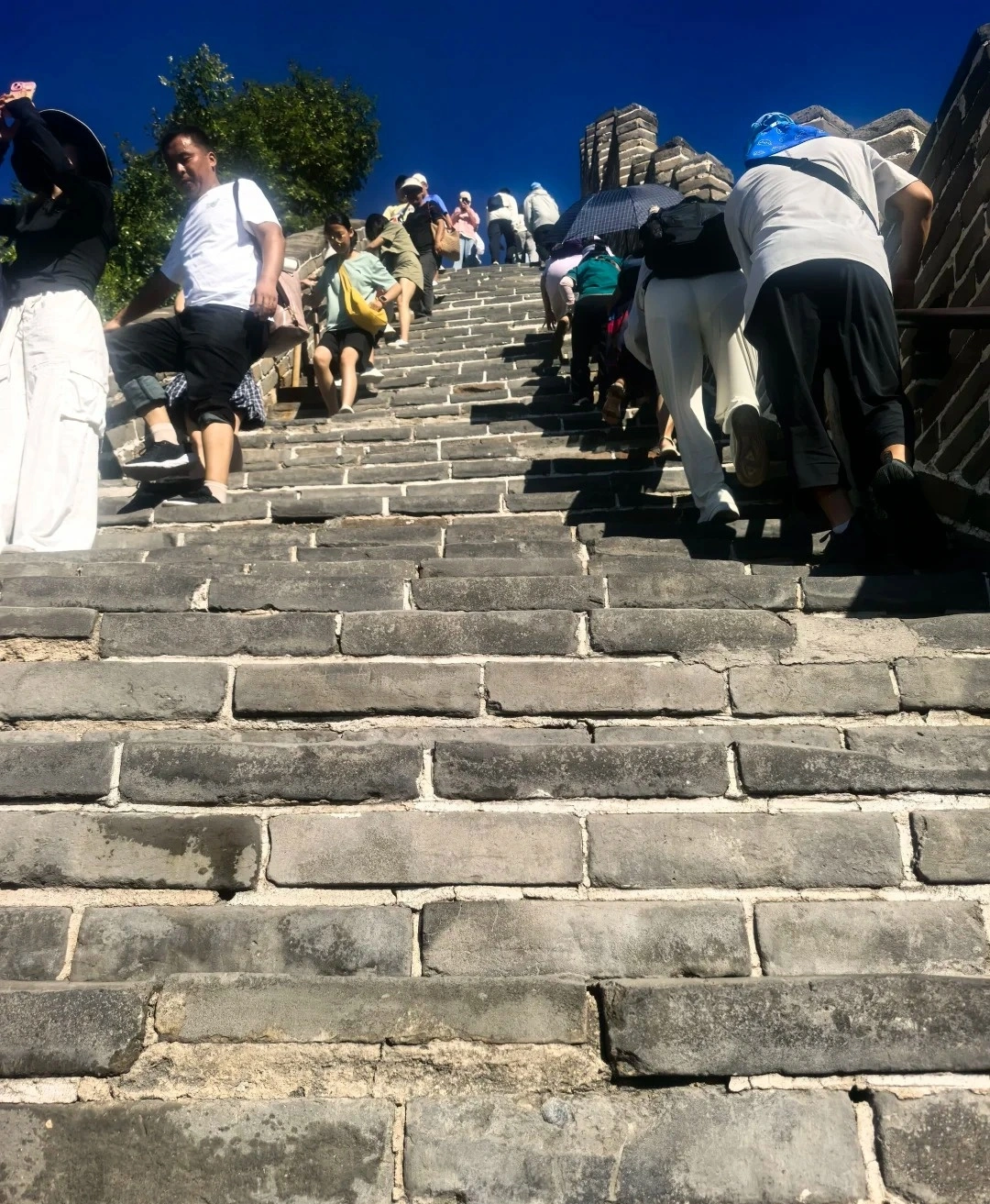
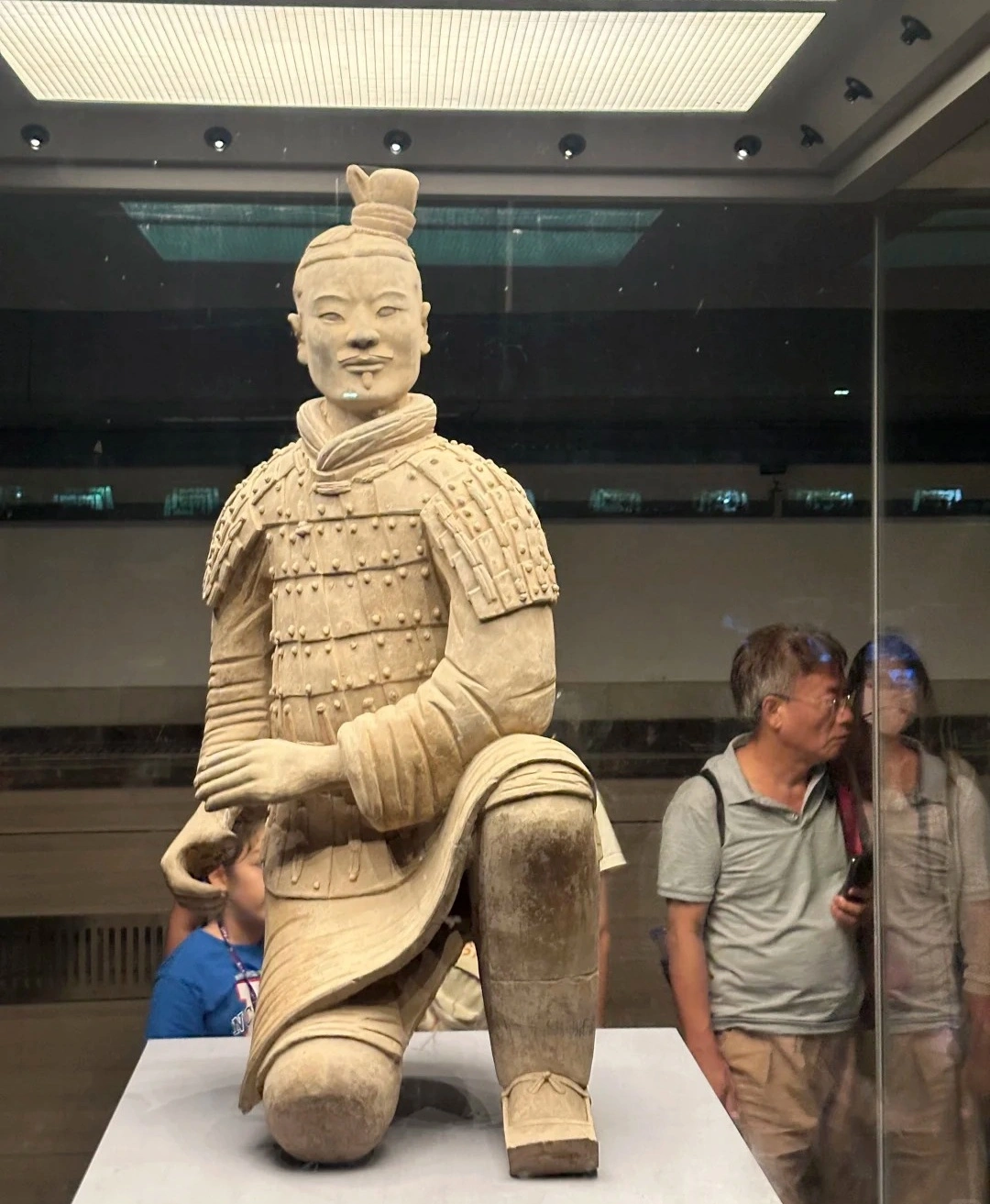
As a solo traveler from Canada, I was nervous about navigating China alone—but this 11-day tour was PERFECT! From hiking the Great Wall at sunrise (Day 3) to gasping at the Terracotta Army (Day 5), every day delivered ‘pinch-me’ moments. The real showstopper? Zhangjiajie’s Avatar Mountains (Day 7)! Our guide made the stone pillars come alive with stories.
Massive thanks for handling all logistics—bullet train tickets, entry passes, car! And the 4-star hotels surprised me.
Destination(s):
Beijing Xian Zhangjiajie Shanghai
Date of
Experience:
June 02,2025

Simon
America
Reviewed on May 29,2025
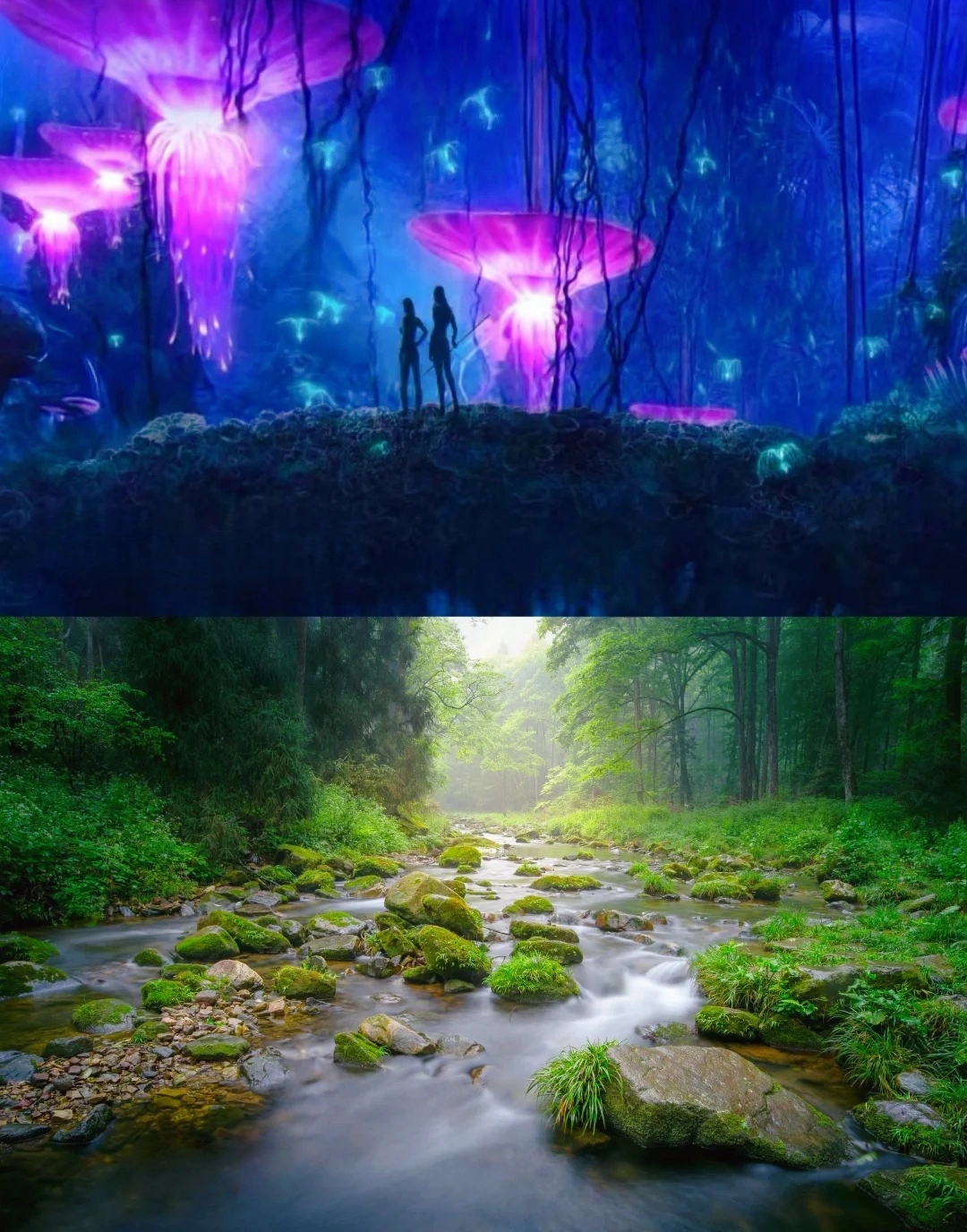
Our 2-day Zhangjiajie tour was beyond spectacular! As someone who’s visited Beijing and Shanghai for work, this trip revealed China’s wild, magical heart. Day 1 in Zhangjiajie National Forest Park felt like stepping onto Pandora—I’m a huge Avatar fan, and Yuanjiajie’s floating peaks left me breathless. The misty pillars and lush valleys like pure movie magic!
Then came Fenghuang Ancient Town, we eat dinner beside the thundering waterfall. It seems Unreal! The night views of stilt houses glowing over the river were straight from a fairy tale.
For fellow Avatar lovers and adventure seekers: Don’t miss this bucket-list experience! 10/10 would return.
A Well-Traveled Film Buff, May 2025
Destination(s):
Zhangjiajie
Date of
Experience:
May 08,2025