
Exploring the Hidden Treasures: A Journey into the Underground Vault of Pingyao’s Xietongqing Piao Hao
Nestled within the ancient walls of Pingyao, a UNESCO World Heritage Site in Shanxi Province, lies the Xietongqing Piao Hao—a 19th-century financial powerhouse that once dominated China’s banking landscape. Among its labyrinthine courtyards and historic chambers, the most enigmatic feature is its underground vault, a fortress of wealth and mystery. This article delves into the secrets of this subterranean marvel, blending history, architecture, and legend.
I. The Birth of a Financial Empire
Founded in 1856 during the Qing Dynasty, Xietongqing Piao Hao was established by the Wang family of Yuci and the Mi clan of Pingyao’s Wangzhi Village. With an initial capital of just 36,000 taels of silver—a fraction of its rivals’—it rose to prominence through innovative management and strategic expansion. By the 1890s, it operated 33 branches across China and even reached Japan and Russia, earning the nickname “China’s Wall Street.”
The ticket office’s success hinged on three principles: talent cultivation, agile capital flow, and regional specialization, particularly in Sichuan’s lucrative markets. However, its decline began with the 1911 Revolution, as war and mismanagement led to bankruptcy by 1913. Today, its restored seven-courtyard complex and underground vault serve as the China Money Museum, offering a glimpse into its storied past.
II. Descending into the Underground Vault
1. The Hidden Entrance: A Labyrinth of Security
Accessing the vault requires navigating a series of winding passages and narrow staircases, designed to confuse intruders. The entrance, concealed behind a discreet doorway in the fifth courtyard, leads to a dimly lit corridor adorned with golden accents—a nod to the wealth once stored within. Visitors joke about following the “path of fortune,” a playful reference to the vault’s historical role as a financial hub.
2. The Dragon Pillar: Myth and Legend
At the heart of the vault stands a carved dragon pillar, dubbed the “Needle of the East Sea Dragon King.” Legend claims it marks Pingyao’s geographic center and symbolizes prosperity. Tourists often touch the pillar for luck, a tradition rooted in the belief that the dragon’s aura brings wealth. Historical records suggest the pillar, a Ming Dynasty relic, was repurposed by Xietongqing to reinforce its cultural legitimacy.
3. The Treasury: Guardians of Gold
The vault itself spans 200 square meters, divided into eight窑洞-style (cave-dwelling) chambers. These included:
- Guard Chambers: Manned by martial artists and ex-镖师 (escort guards) to deter thieves.
- Inner Accounting Room: Where clerks meticulously recorded transactions using abacuses and ledgers.
- Silver Deposits: Stone replicas of silver ingots now occupy the shelves, but historical accounts describe a system where silver was hoisted via bamboo baskets—a primitive “ATM” for withdrawals.
Security measures were rigorous: dual-key locks required both the general manager and assistant manager’s approval, while secret tunnels allegedly smuggled wealth during sieges.
III. Legends and Lore
1. The Empress Dowager’s Visit
In 1900, during the Boxer Rebellion, Empress Dowager Cixi fled to Pingyao. Xietongqing hosted her overnight, and she reportedly withdrew 240,000 taels of silver from the vault—a testament to its reliability. The event, immortalized in local folklore, cemented the ticket office’s reputation.
2. The Curse of the Mi Clan
After Xietongqing’s collapse, the Mi family faced ruin. Descendants squandered their inheritance on opium and gambling, reducing their grand mansions to ruins. A popular tale claims the dragon pillar’s curse punished their excess, though historians attribute the decline to mismanagement and war.
IV. Modern Revival: From Vault to Museum
Since 2000, Xietongqing’s ruins have been transformed into a museum, blending education with immersive experiences. Visitors can:
- Walk the “Path of Fortune”: A golden corridor leading to the vault.
- Touch the Dragon Pillar: For luck and Instagram-worthy photos.
- Explore Interactive Exhibits: Digital recreations of 19th-century banking operations.
The museum also highlights Xietongqing’s innovations, such as watermark-embedded banknotes to prevent fraud—a precursor to modern security features.
V. Conclusion: A Time Capsule of Financial History
The Xietongqing Piao Hao’s underground vault is more than a relic; it’s a symbol of China’s economic ingenuity. From its humble beginnings to its meteoric rise and fall, the site encapsulates the risks and rewards of 19th-century finance. Today, as tourists marvel at its dragon pillar and stone ingots, they walk in the footsteps of bankers who once shaped the fate of empires.
For those visiting Pingyao, a journey into Xietongqing’s vault is a journey through time—where every step echoes with the clink of silver and the whispers of history.
Practical Tips for Visitors
- Location: South Street, Pingyao Ancient City.
- Hours: 8:30 AM–6:00 PM (summer).
- Admission: Included in Pingyao’s 125 RMB multi-site pass.
- Highlight: The underground vault tour (English guides available).
“Here, the past is not buried—it’s waiting to be discovered.”




Contact Us
What Our Clients Say?
Based on 10,000+ traveler reviews

Daniel Dorothea
Canada
Reviewed on April 29,2025
Shopping on Nanjing Road in Shanghai was just amazing! It's truly the "First Commercial Street of China", where tradition and modernity blend perfectly. You can find awesome souvenirs and experience the trendy vibes in cool stores. The neon lights at night are just spectacular, shining bright like Times Square in New York. The food here is incredible too. I had a feast for my taste buds. Shanghai, I'll definitely be back!
Destination(s):
Shanghai
Date of
Experience:
May 08,2024


Elvis Eva
Canada
Reviewed on June 20,2025
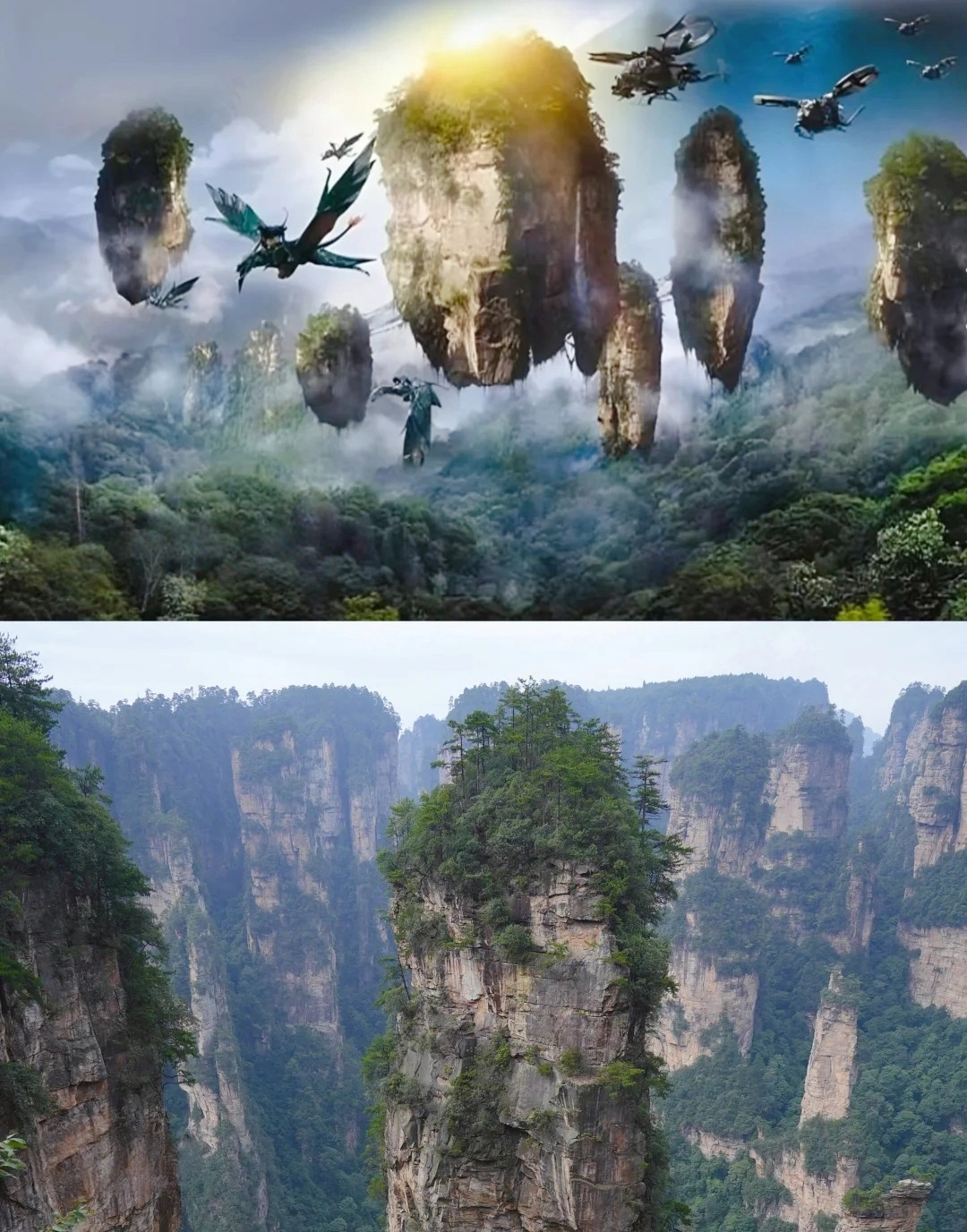
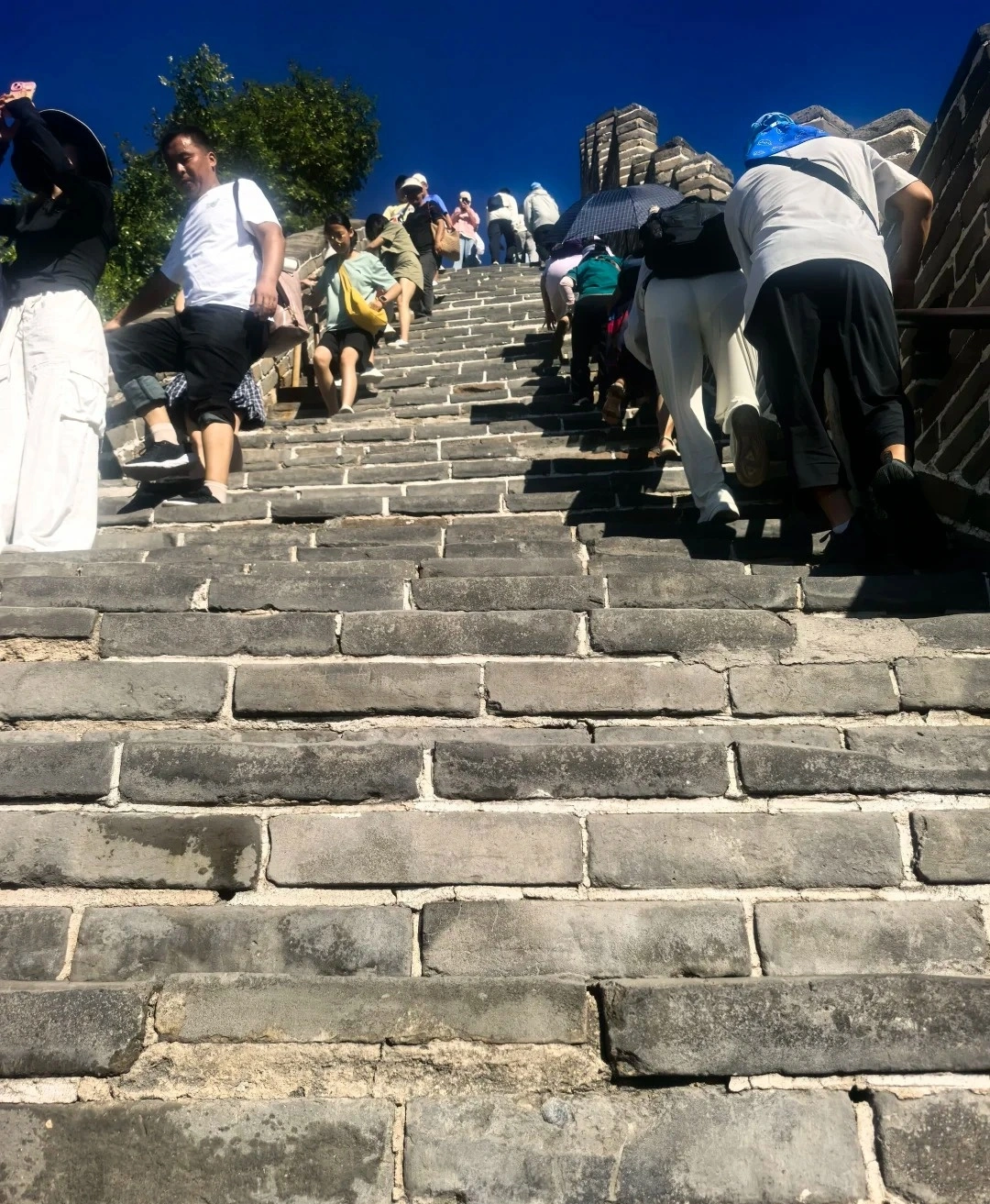
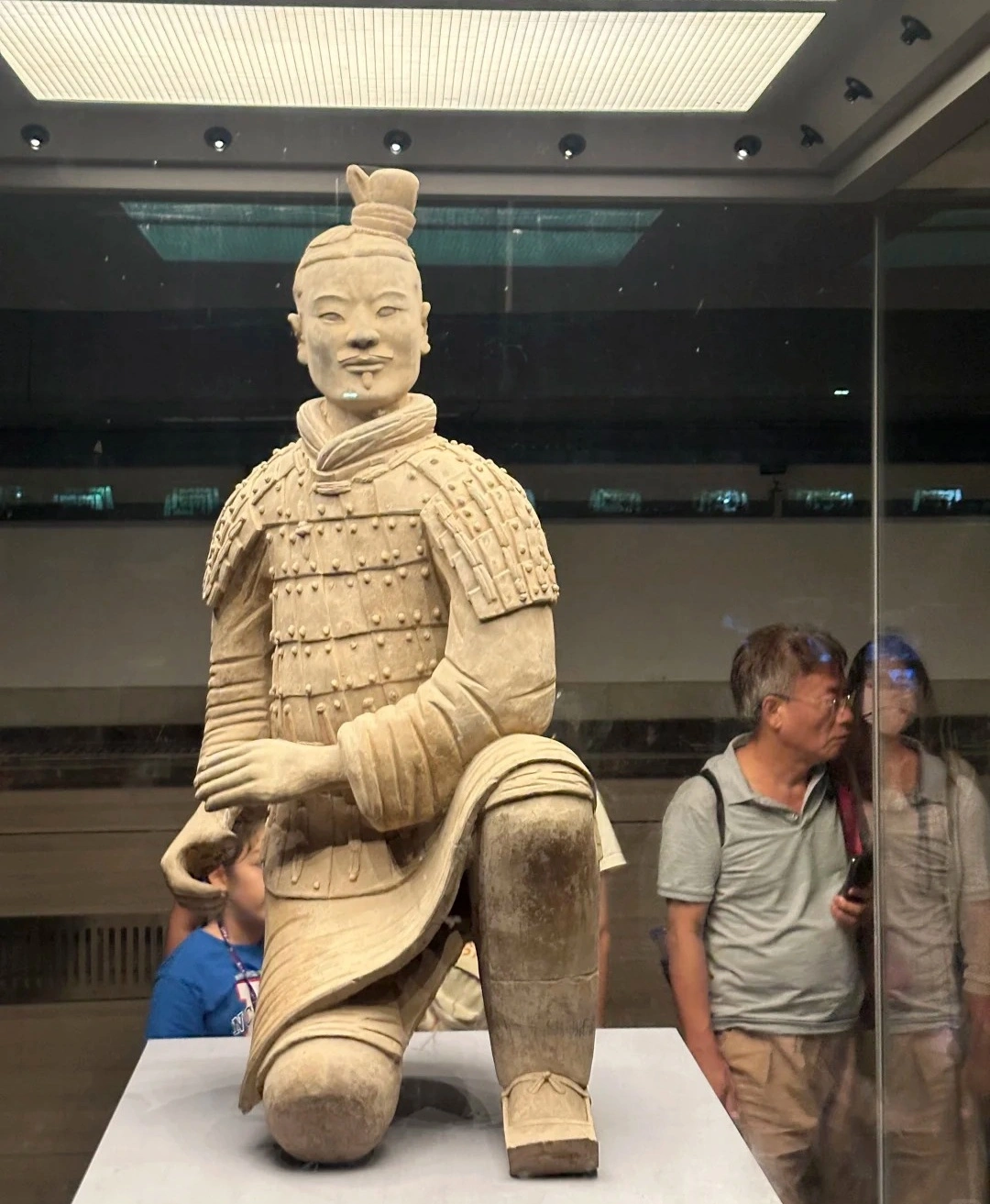
As a solo traveler from Canada, I was nervous about navigating China alone—but this 11-day tour was PERFECT! From hiking the Great Wall at sunrise (Day 3) to gasping at the Terracotta Army (Day 5), every day delivered ‘pinch-me’ moments. The real showstopper? Zhangjiajie’s Avatar Mountains (Day 7)! Our guide made the stone pillars come alive with stories.
Massive thanks for handling all logistics—bullet train tickets, entry passes, car! And the 4-star hotels surprised me.
Destination(s):
Beijing Xian Zhangjiajie Shanghai
Date of
Experience:
June 02,2025

Simon
America
Reviewed on May 29,2025
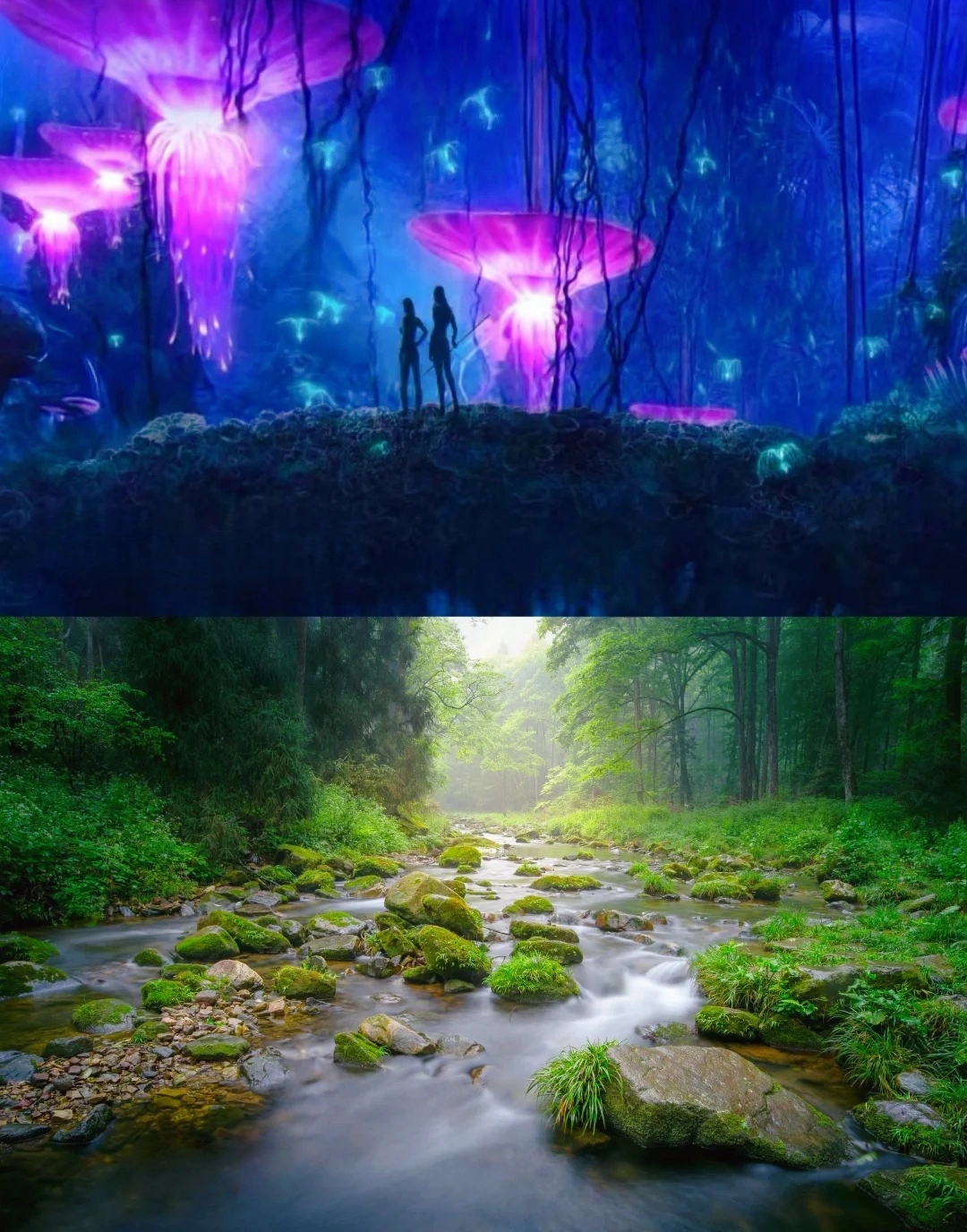
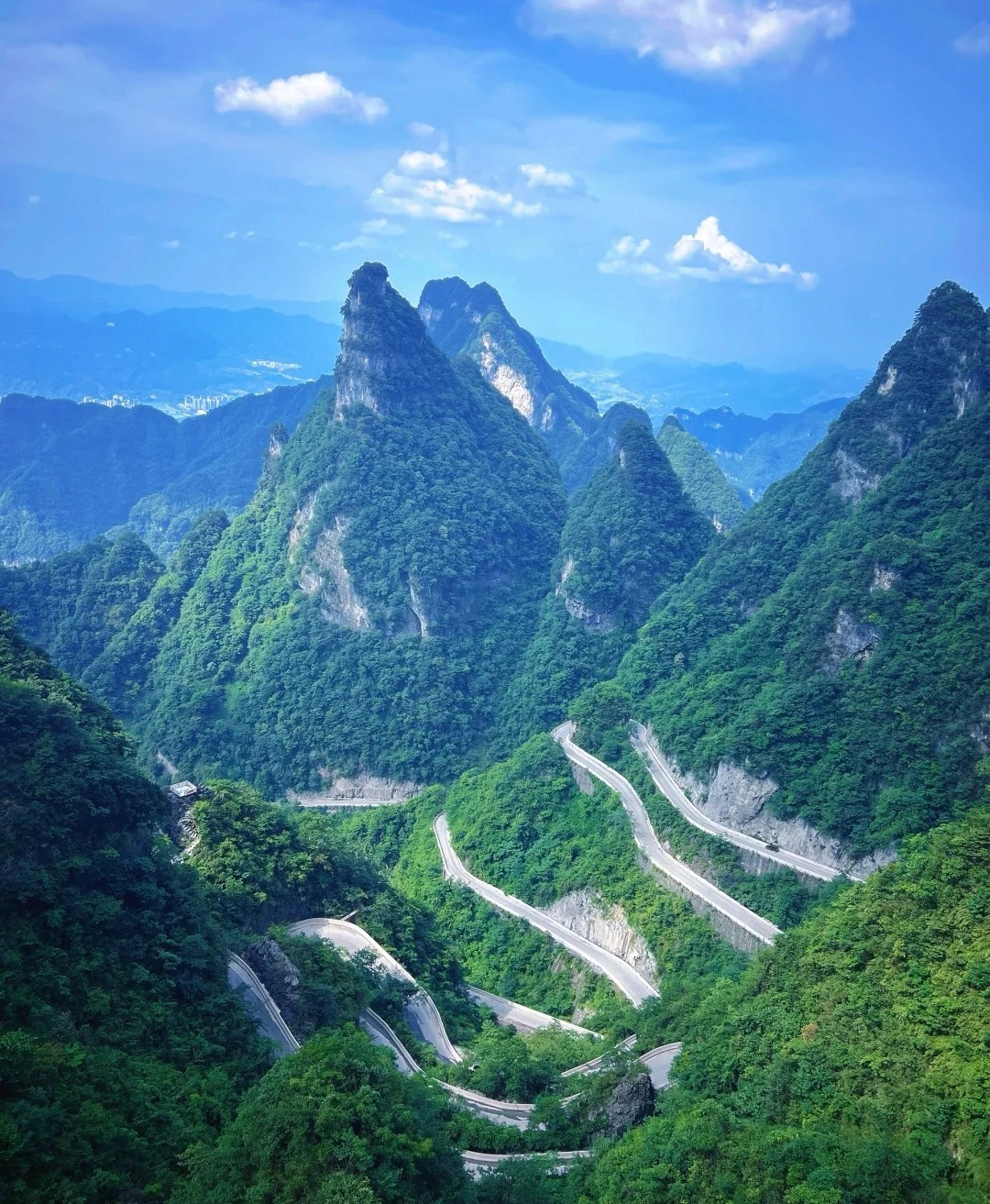
Our 2-day Zhangjiajie tour was beyond spectacular! As someone who’s visited Beijing and Shanghai for work, this trip revealed China’s wild, magical heart. Day 1 in Zhangjiajie National Forest Park felt like stepping onto Pandora—I’m a huge Avatar fan, and Yuanjiajie’s floating peaks left me breathless. The misty pillars and lush valleys like pure movie magic!
Then came Fenghuang Ancient Town, we eat dinner beside the thundering waterfall. It seems Unreal! The night views of stilt houses glowing over the river were straight from a fairy tale.
For fellow Avatar lovers and adventure seekers: Don’t miss this bucket-list experience! 10/10 would return.
A Well-Traveled Film Buff, May 2025
Destination(s):
Zhangjiajie
Date of
Experience:
May 08,2025