
Exploring Rishengchang Piao Hao: A Journey Through Financial History and Urban Splendor
The morning mist clings to the cobblestone streets of Pingyao’s Ancient City as I approach a stately courtyard house on West Street. Its vermilion doors, polished to a glossy sheen by centuries of hands, bear the gold-lettered inscription “日昇昌” (Rishengchang)—China’s first bank, and the birthplace of modern finance. Stepping beneath its arched gateway, I leave the present behind and enter a world where silver ingots, calligraphic ledgers, and the clatter of abaci once shaped empires.
I. The Gateway to Innovation: Entering Rishengchang
The entrance hall is a study in understated grandeur. Thick wooden beams, carved with lotus motifs symbolizing purity, support a ceiling adorned with dragons—a nod to imperial favor. A guide explains that in 1823, this unassuming building revolutionized global commerce. Founded by merchant Lei Lvtai, Rishengchang (“Sunrise Prosperity”) introduced piaohao, or “draft banks,” replacing risky silver transport with paper bills redeemable at branches nationwide.
As I wander through vaulted chambers, exhibits reveal the bank’s ingenuity: watermarked notes, iron safes with triple-lock mechanisms, and letters written in Suetai (a secret code to prevent forgery). One display shows a 19th-century ledger detailing transactions between Beijing and Moscow—evidence of Pingyao’s role in the Silk Road’s financial revival.
II. The Heart of the Operation: Courtyards and Confidentiality
Beyond the public halls lies a labyrinth of private courtyards, each with a purpose. In the “Silver Vault Courtyard,” thick stone walls and a subterranean safehouse protected wealth equivalent to billions today. Nearby, the “Accountants’ Quarters” features tiny windows—designed to limit eavesdropping—where clerks meticulously balanced accounts under oil lamps.
A replica of the bank’s original seal draws my attention. Made of jade and etched with intricate patterns, it symbolized trust in an era when a single forged document could collapse empires. The guide recounts how Rishengchang’s reputation for honesty allowed it to dominate China’s financial network for over a century, its branches stretching from Shanghai to St. Petersburg.
III. The Rooftop Perspective: Pingyao’s Financial Skyline
Climbing a narrow staircase to the rooftop terrace, I’m rewarded with a panoramic view of Pingyao’s old city. Below, the gray-tiled rooftops of merchant mansions and temples form a mosaic of wealth and piety. Rishengchang’s own courtyard, with its central pavilion and symmetrical layout, stands as a testament to Confucian order—a metaphor for the bank’s role in stabilizing an uncertain world.
To the east, the Market Tower rises above the city, its four-tiered pagoda a beacon for traders. Nearby, the rooftop of Xianchao Temple (Temple of the Morning Tide) glints with gold tiles, a reminder of the spiritual oversight that coexisted with commerce. The guide points out a distant alley where mule caravans once loaded silver onto camels, their bells echoing through the night as they departed for the frontier.
IV. Legacy in Brick and Mortar: The Bank’s Enduring Influence
Descending, I pause in the “Hall of Honor,” where portraits of Rishengchang’s founders hang beneath a calligraphic scroll: “Integrity is the Foundation of Wealth.” This mantra, etched into the bank’s DNA, explains its survival through wars, revolutions, and the rise of modern banking.
In a corner, a modern interactive display projects how Rishengchang’s systems inspired today’s blockchain technology—a humbling link between 19th-century innovation and digital finance. Nearby, a reproduction of a 1900 telegraph machine highlights the bank’s early adoption of global communication, bridging East and West.
V. Exit: Carrying History into the Future
As I leave through the same vermilion doors, the city’s sounds resume—the chatter of tea vendors, the clang of a blacksmith’s hammer, the laughter of children chasing hoops. Yet Rishengchang’s legacy lingers. This courtyard, once a hub of financial daring, now serves as a reminder that progress often grows from tradition.
Pingyao’s walls may guard its physical past, but Rishengchang’s story transcends time. It is a tale of trust forged in adversity, of innovation born from necessity, and of a city that became a cradle of global commerce. Standing here, one realizes that some legacies are not just preserved in stone and paper—they are carried forward by every traveler who walks its halls.
Contact Us
What Our Clients Say?
Based on 10,000+ traveler reviews

Daniel Dorothea
Canada
Reviewed on April 29,2025
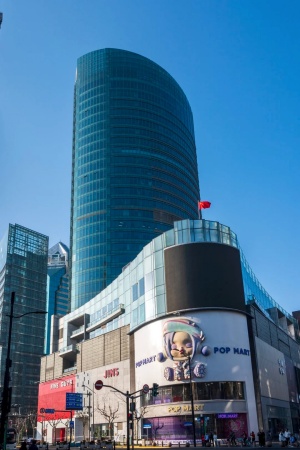
Shopping on Nanjing Road in Shanghai was just amazing! It's truly the "First Commercial Street of China", where tradition and modernity blend perfectly. You can find awesome souvenirs and experience the trendy vibes in cool stores. The neon lights at night are just spectacular, shining bright like Times Square in New York. The food here is incredible too. I had a feast for my taste buds. Shanghai, I'll definitely be back!
Destination(s):
Shanghai
Date of
Experience:
May 08,2024

Elvis Eva
Canada
Reviewed on June 20,2025
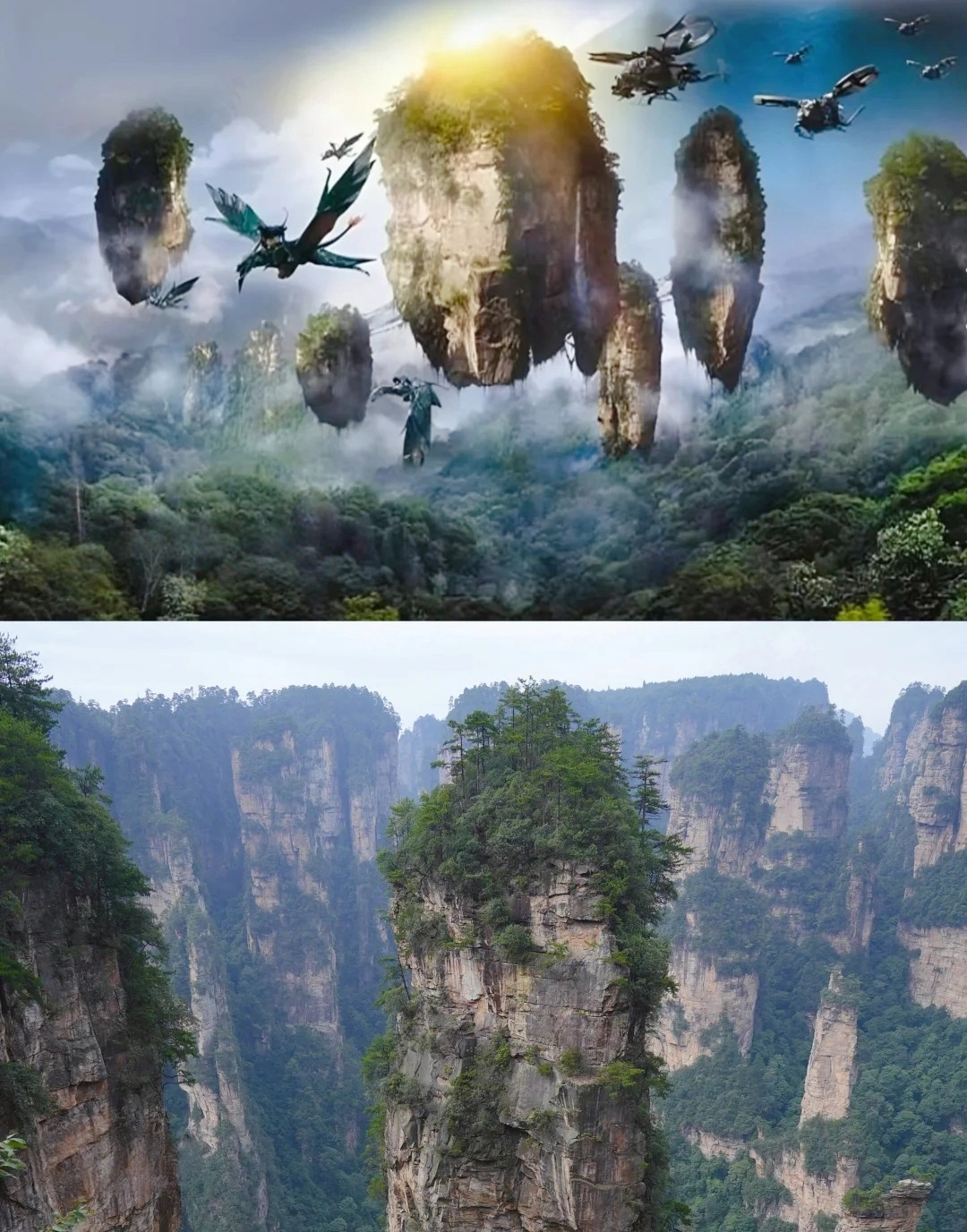
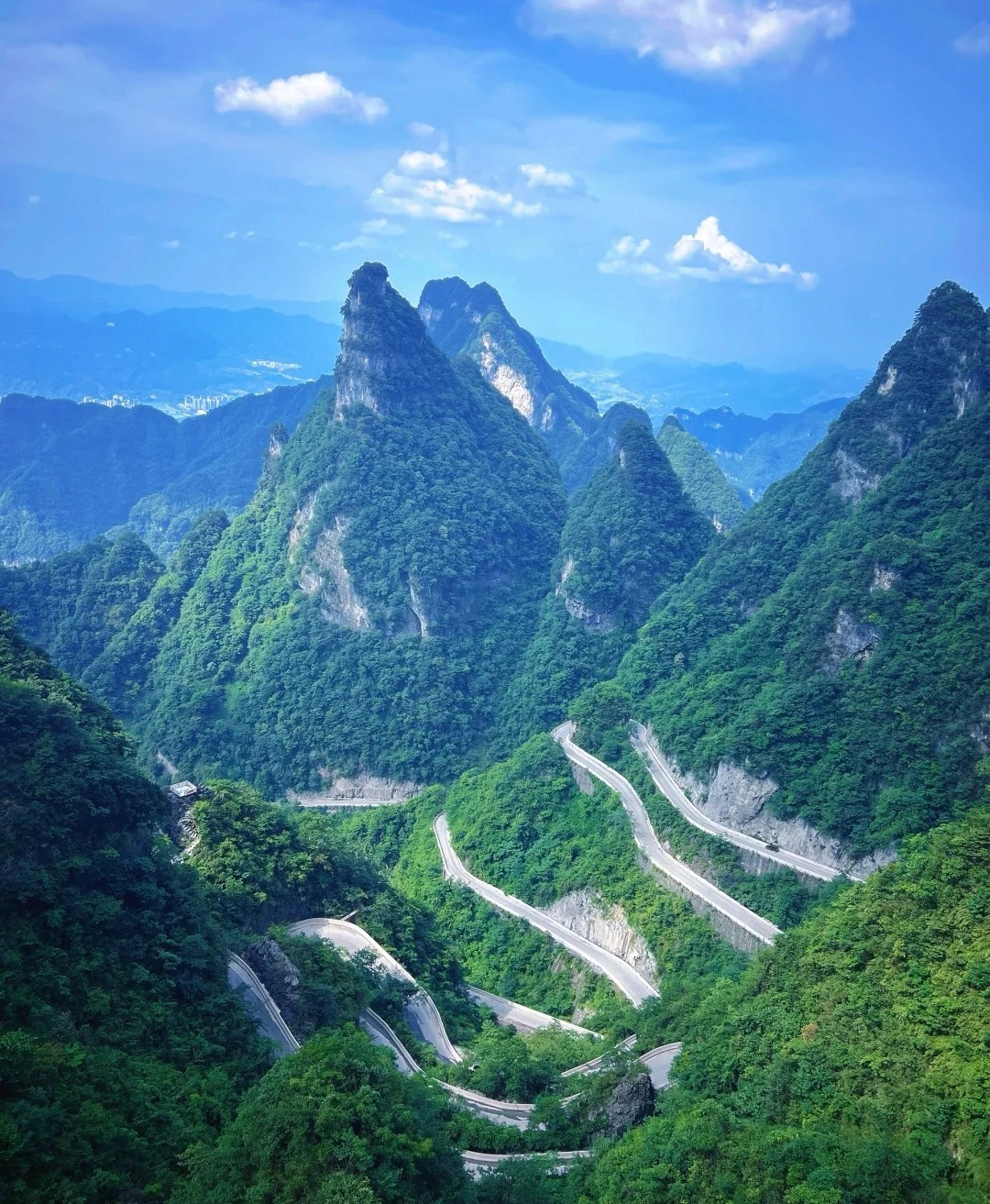
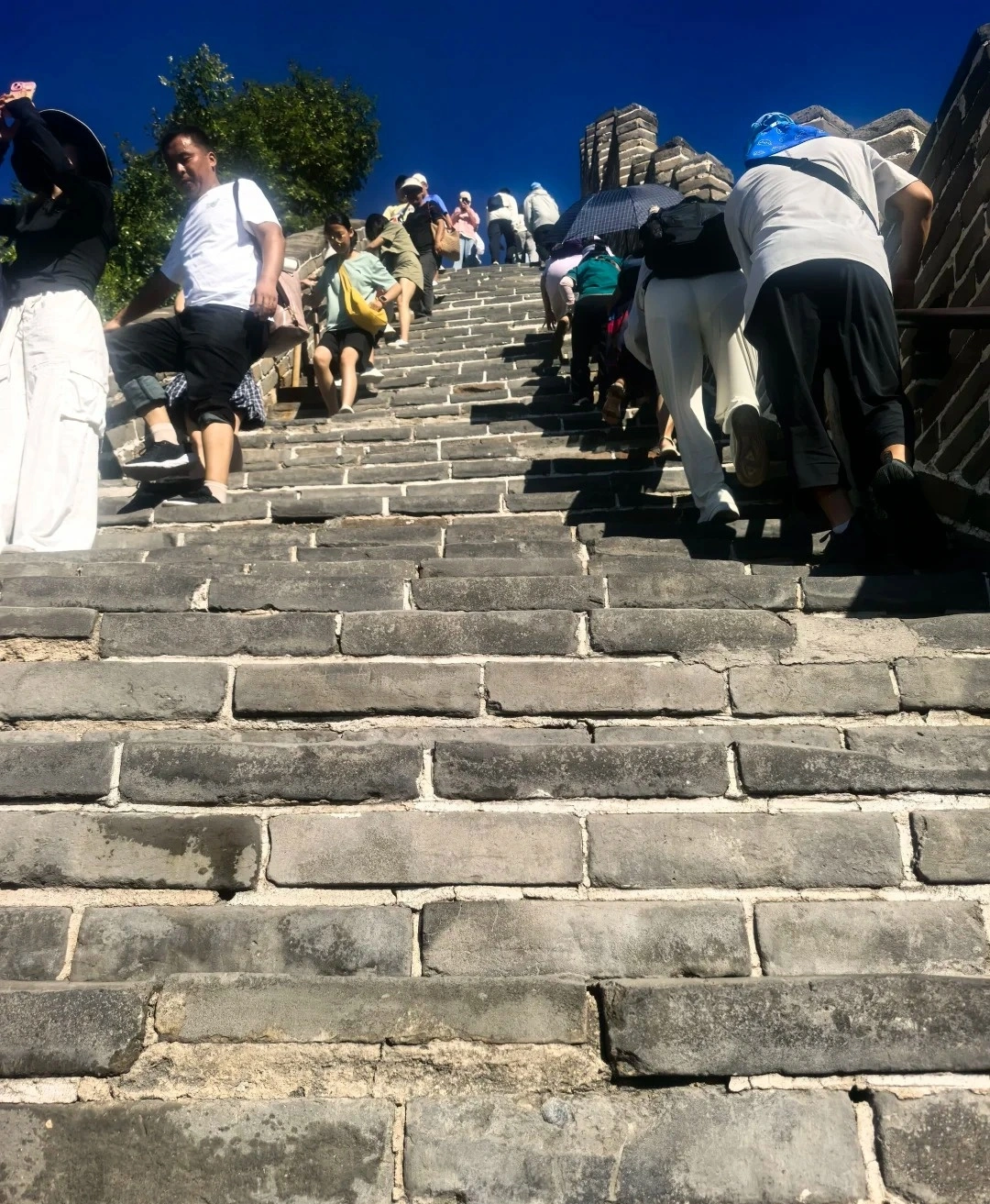
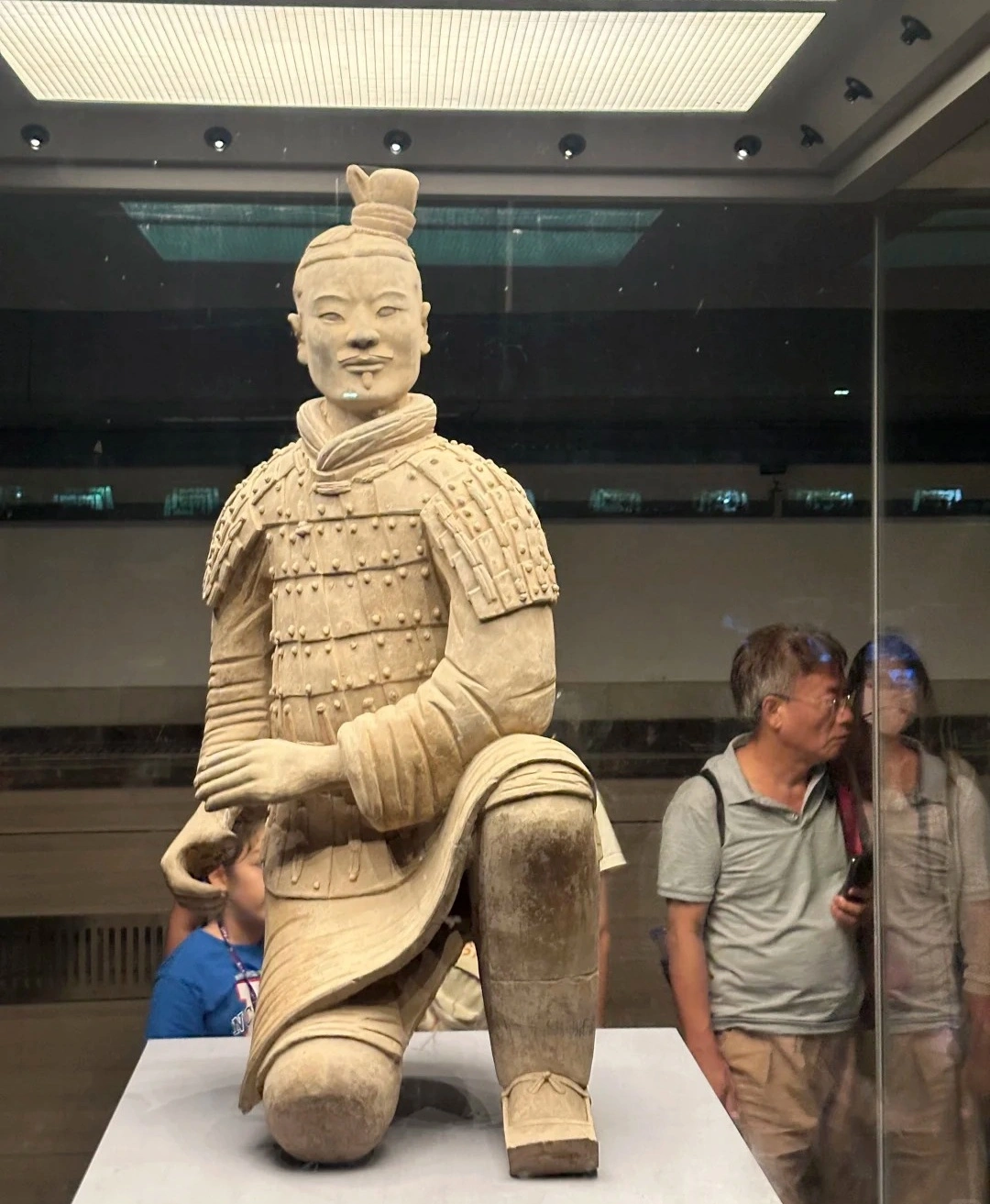
As a solo traveler from Canada, I was nervous about navigating China alone—but this 11-day tour was PERFECT! From hiking the Great Wall at sunrise (Day 3) to gasping at the Terracotta Army (Day 5), every day delivered ‘pinch-me’ moments. The real showstopper? Zhangjiajie’s Avatar Mountains (Day 7)! Our guide made the stone pillars come alive with stories.
Massive thanks for handling all logistics—bullet train tickets, entry passes, car! And the 4-star hotels surprised me.
Destination(s):
Beijing Xian Zhangjiajie Shanghai
Date of
Experience:
June 02,2025

Simon
America
Reviewed on May 29,2025
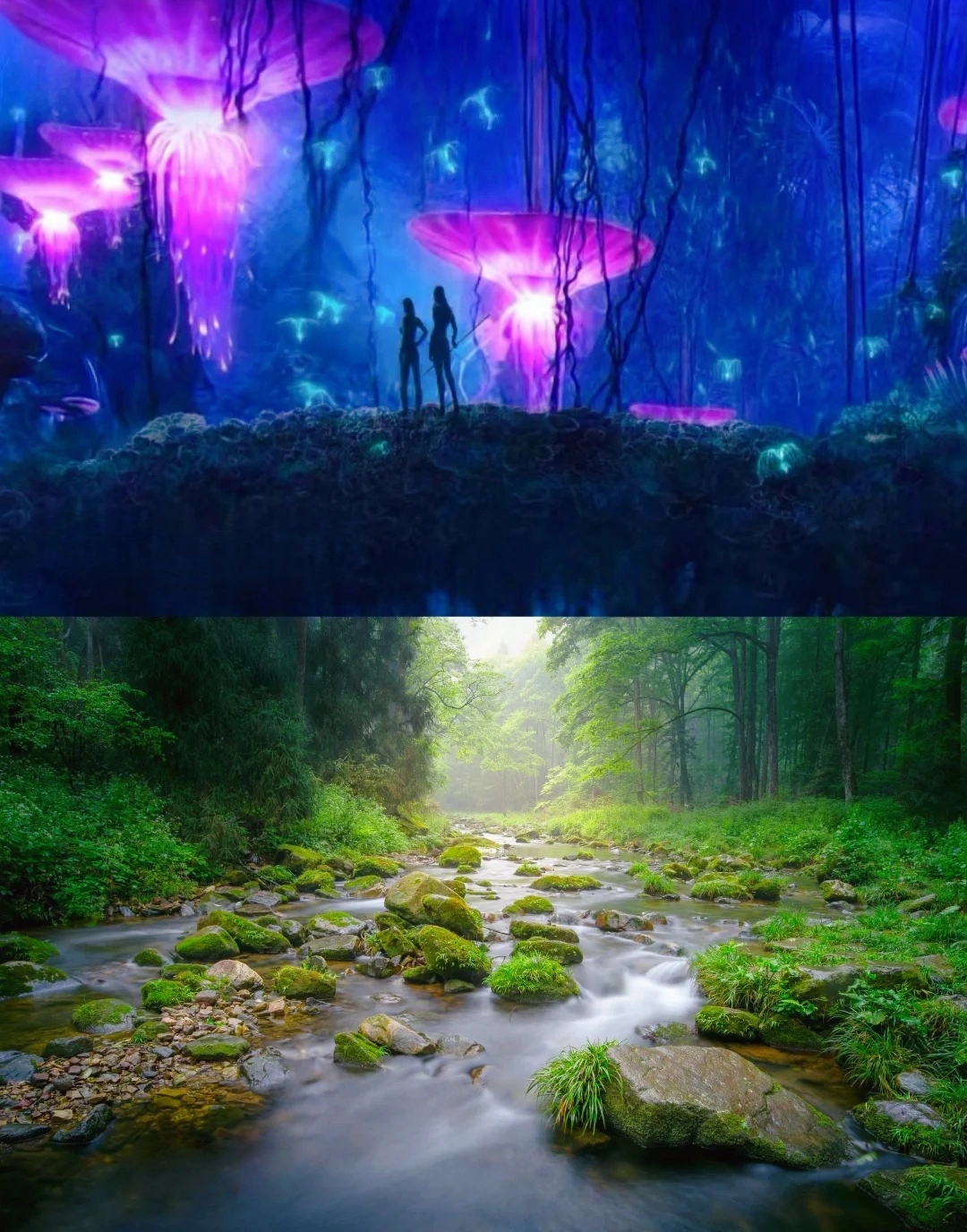
Our 2-day Zhangjiajie tour was beyond spectacular! As someone who’s visited Beijing and Shanghai for work, this trip revealed China’s wild, magical heart. Day 1 in Zhangjiajie National Forest Park felt like stepping onto Pandora—I’m a huge Avatar fan, and Yuanjiajie’s floating peaks left me breathless. The misty pillars and lush valleys like pure movie magic!
Then came Fenghuang Ancient Town, we eat dinner beside the thundering waterfall. It seems Unreal! The night views of stilt houses glowing over the river were straight from a fairy tale.
For fellow Avatar lovers and adventure seekers: Don’t miss this bucket-list experience! 10/10 would return.
A Well-Traveled Film Buff, May 2025
Destination(s):
Zhangjiajie
Date of
Experience:
May 08,2025