
How to go to Qibao Ancient Town: Transportation Tips and In-Depth Tour Guide for This Thousand-Year-Old Water Town
Introduction: Unveiling Qibao’s Timeless Charm
Qibao Ancient Town, nestled in Shanghai’s Minhang District, is a 1,000-year-old water town famed for its legend of "Seven Treasures" (gold lotus scripture, sacred tree, floating bell, flying Buddha, golden rooster, jade chopsticks, and jade axe). As one of Shanghai’s most well-preserved ancient towns, it blends Ming-Qing architecture, winding canals, and vibrant local culture. This guide provides actionable insights on transportation, must-see attractions, ticket details, and seasonal tips to help travelers navigate this cultural gem.
1. Transportation Guide: Reaching Qibao from Shanghai
Subway: The Most Convenient Route
- Line 9 to Qibao Station: Take Metro Line 9 from central Shanghai (e.g., Xujiahui Station) to Qibao Station (Exit 1). The journey takes 30–40 minutes. From Exit 1, walk 800 meters east along Qibao Road to reach the ancient town’s north gate.
- Line 12 Transfer Option: From areas like Nanjing Road, transfer to Line 12 at Tiantong Road Station, then switch to Line 9 at Jiaotong University Station.
- Peak Hours Tip: Avoid 7:30–9:00 AM and 5:30–7:00 PM when trains are crowded.
Bus: Scenic and Budget-Friendly
- Key Routes:
- Bus 91: From North Zhongshan Road to Qibao (40 minutes, ¥2).
- Bus 735/709: From Songhong Road to Qibao (35 minutes, ¥2).
- Bus 189: From Hongqiao Railway Station to Qibao (25 minutes, ¥2).
- Night Bus Note: Buses like 803 operate until midnight, ideal for late-night arrivals.
Taxi/Didi: Direct but Pricier
- From People’s Square: 45-minute ride, ¥60–80.
- From Hongqiao Airport: 20-minute ride, ¥30–40.
- Tip: Use apps like Didi for transparent pricing. Negotiate with taxi drivers if meter isn’t used.
Self-Driving: Flexible but Traffic-Prone
- Park at Qibao Ancient Town Parking Lot (¥10/hour, first hour free). GPS: 31.15°N, 121.35°E.
- Avoid Peak Traffic: Weekends and holidays see heavy congestion. Use real-time navigation apps like Amap for route optimization.
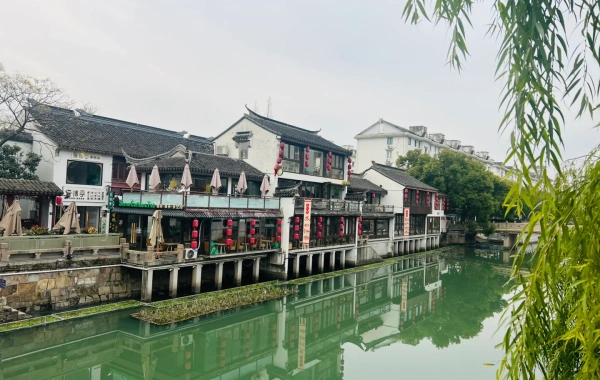
2. Highlights: What to See in Qibao Ancient Town
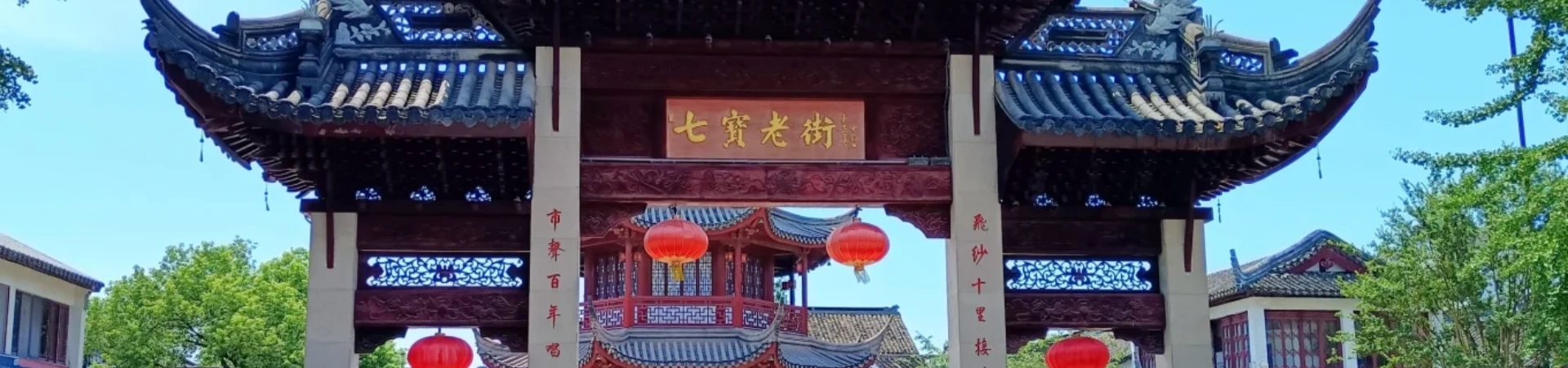
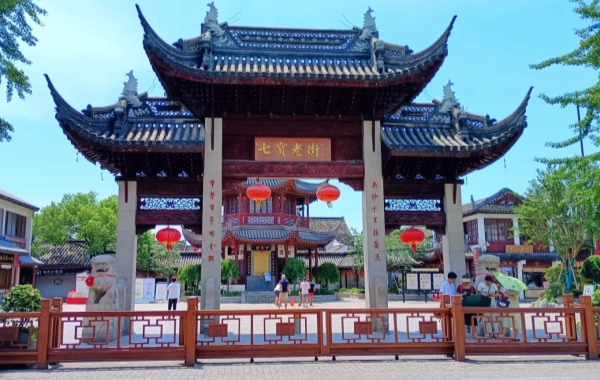
Qibao Old Street: The Heart of Culture
The 150-meter-long Qibao Old Street is lined with traditional shops, tea houses, and artisan workshops. Must-visits include:
- Qibao Pavilion: A 15-meter-high wooden pavilion offering panoramic views of the town.
- Calligraphy Street: Watch artisans create custom Chinese calligraphy scrolls.
- Qibao Wine Museum: Sample locally brewed rice wine and learn about its 200-year history.
Historic Landmarks
- Qibao Pagoda (Qibao Ta): A 47-meter-high Tang Dynasty pagoda housing Buddhist relics. Climb its 7 floors for city views (¥5 entry).
- Zhou’s Residence: A Qing Dynasty courtyard house showcasing aristocratic life.
- Seven Treasures Exhibition Hall: Interactive displays explain the legend of the "Seven Treasures" through artifacts and multimedia.
Canals and Bridges
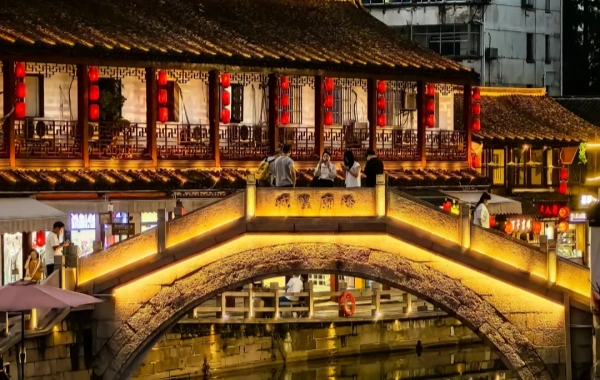
- Xinglong Bridge: A 400-year-old stone arch bridge ideal for photography.
- Canal Cruises: 30-minute boat tours (¥50/person) through water lanes lined with willow trees and traditional homes.
3. Ticket Information and Opening Hours
- Free Entry: Most areas of Qibao Ancient Town are free to explore.
- Paid Attractions:
- Qibao Pagoda: ¥5 (8:00 AM–5:00 PM).
- Seven Treasures Hall: ¥10 (9:00 AM–4:30 PM).
- Canal Cruises: ¥50/adult, ¥30/child (1.2m and below free).
- Discounts: Seniors (65+), students, and disabled visitors receive 50% off paid attractions.
- Seasonal Events: During Spring Festival and Mid-Autumn Festival, special performances (dragon dances, folk music) are included with entry.
4. Best Time to Visit: Seasonal Insights
Spring (March–May)
- Weather: Mild (15–25°C), ideal for strolling along canals.
- Events: Cherry blossoms bloom in April; the Qibao Temple Fair (late April) features traditional snacks and crafts.
- Crowd Alert: Avoid Golden Week (early May) for quieter visits.
Autumn (September–November)
- Weather: Cool and crisp (18–25°C), perfect for outdoor exploration.
- Highlights: Ginkgo trees turn golden in November; the Qibao Lantern Festival (mid-October) illuminates the town with handmade lanterns.
Summer (June–August)
- Weather: Hot and humid (28–35°C). Visit early morning (7–10 AM) or evening (5–8 PM) to avoid heat.
- Tip: Enjoy iced lychee tea or sugar-coated fruit at street stalls.
Winter (December–February)
- Weather: Chilly (5–10°C), but indoor attractions like museums and tea houses offer warmth.
- Events: New Year’s Eve fireworks and traditional lion dances in the town square.
5. Local Cuisine: Must-Try Delicacies
- Qibao Rice Cake (Niangao): Soft and chewy rice cakes stuffed with sweet or savory fillings.
- Crab Roe Dumplings: Juicy dumplings filled with fresh crab roe, available at Qibao Dumpling King.
- Yellow Wine: Locally brewed rice wine, best paired with spicy cured meats.
- Street Snacks: Try scallion pancakes, sweet potato fries, and osmanthus cakes from vendors on Old Street.
6. Practical Tips for Travelers
- Comfort First: Wear comfortable shoes for uneven stone paths. Sunscreen, hats, and portable fans are essential in summer.
- Respect Local Customs: Avoid touching ancient artifacts; ask before photographing locals or sacred sites.
- Language Help: Download offline translation apps like Google Translate for menu or sign assistance.
- Wi-Fi Access: Free Wi-Fi is available in main squares; connect via "Qibao-FreeWiFi".
Conclusion: A Journey Through Time
Qibao Ancient Town offers a rare glimpse into Shanghai’s pre-modern identity. Whether marveling at the Qibao Pagoda’s height, savoring rice cakes along canals, or tracing the legend of the "Seven Treasures," every corner tells a story. By aligning visits with spring or autumn and using efficient metro routes, travelers can experience this water town’s magic without the crowds. As a living museum of Chinese culture, Qibao remains an unmissable destination for history buffs, foodies, and anyone seeking tranquility amid Shanghai’s urban pulse.
Related itinerary
3 Days
|
Shanghai-Hangzhou
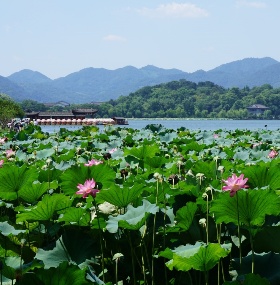
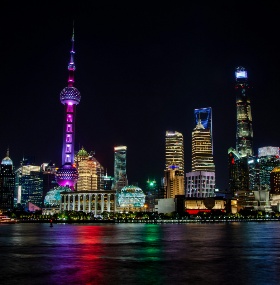
This 3-day trip blends classical and modern Shanghai with Hangzhou's scenic and tea culture, exploring the historic Yu Garden and iconic Oriental Pearl Tower in Shanghai, and the serene Jade Buddha Temple and picturesque West Lake in Hangzhou.
1 Day
|
Shanghai
1 Day
|
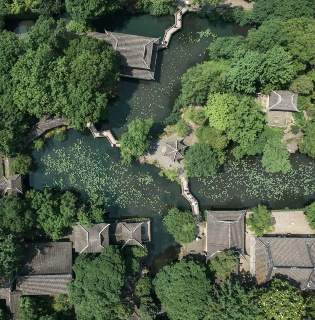
Yuyuan Garden--Zhujiajiao Ancient Town--Nanjing Road--the Bund
6 Days
|
Shanghai-Wuzhen-Hangzhou
Contact Us
What Our Clients Say?
Based on 10,000+ traveler reviews

Daniel Dorothea
Canada
Reviewed on April 29,2025
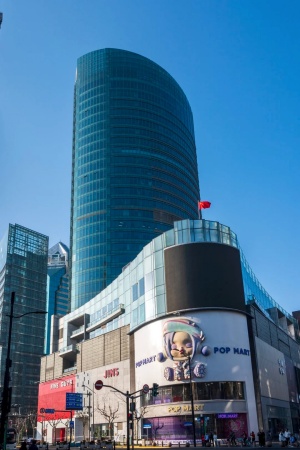
Shopping on Nanjing Road in Shanghai was just amazing! It's truly the "First Commercial Street of China", where tradition and modernity blend perfectly. You can find awesome souvenirs and experience the trendy vibes in cool stores. The neon lights at night are just spectacular, shining bright like Times Square in New York. The food here is incredible too. I had a feast for my taste buds. Shanghai, I'll definitely be back!
Destination(s):
Shanghai
Date of
Experience:
May 08,2024

Elvis Eva
Canada
Reviewed on June 20,2025
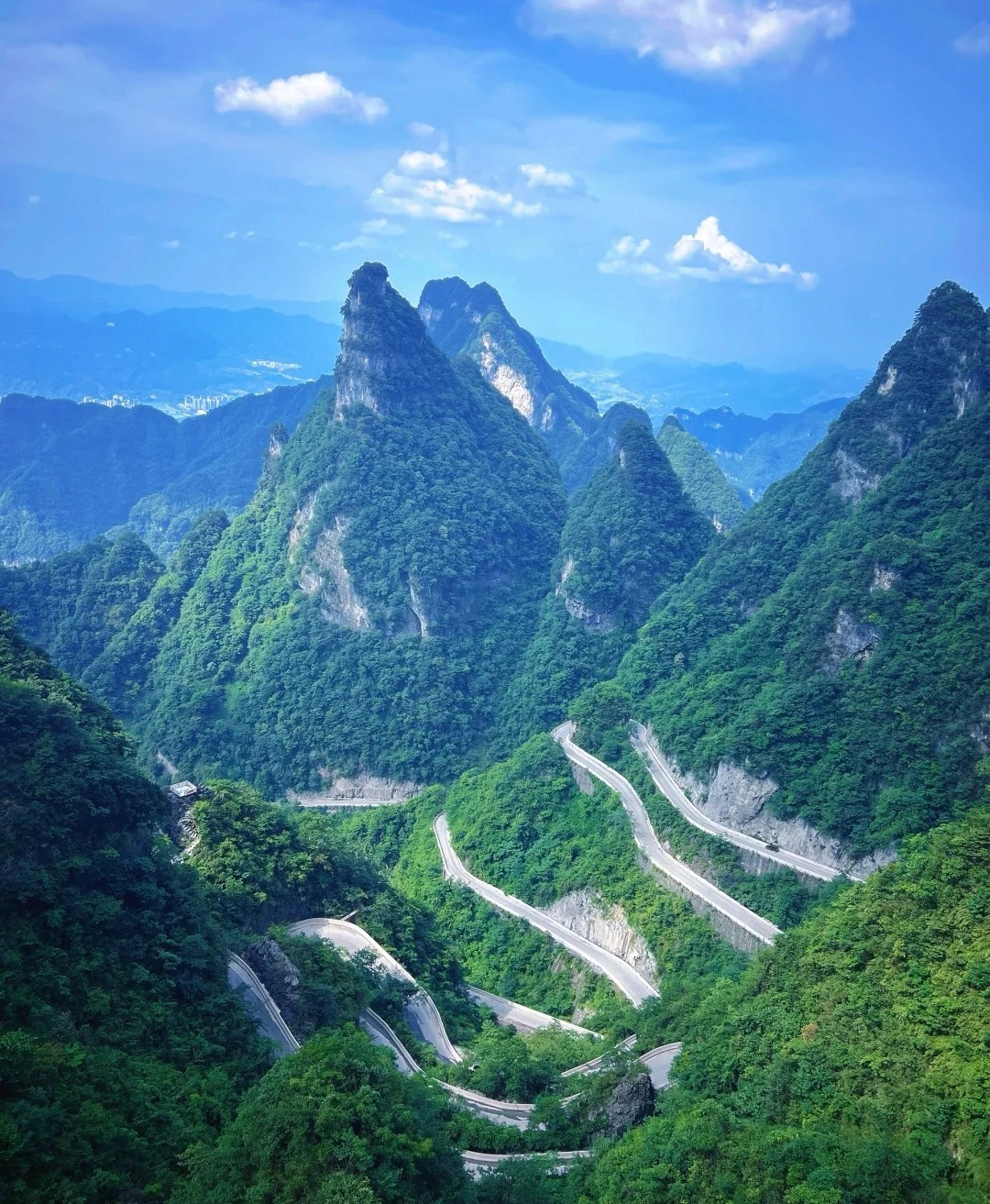
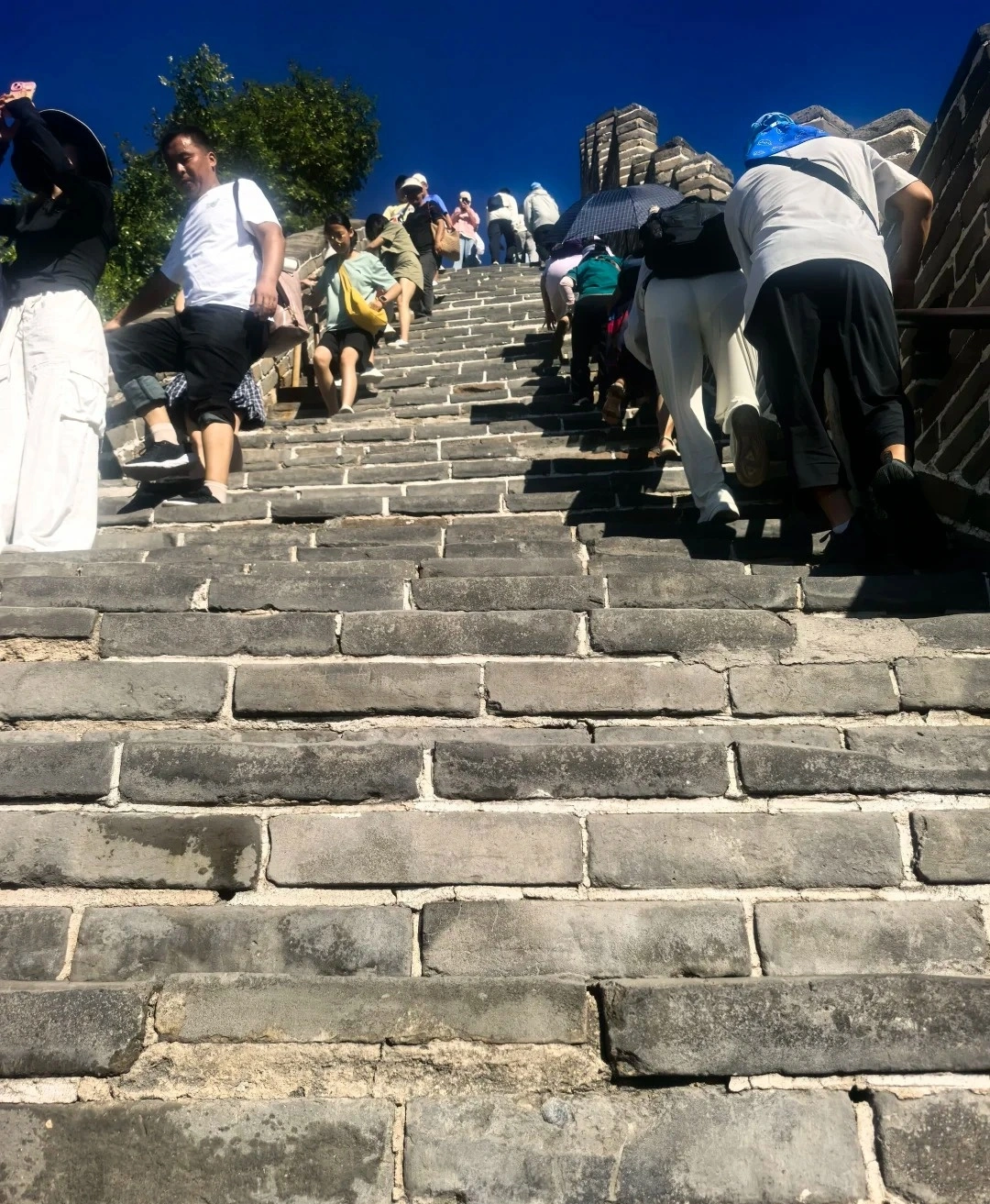
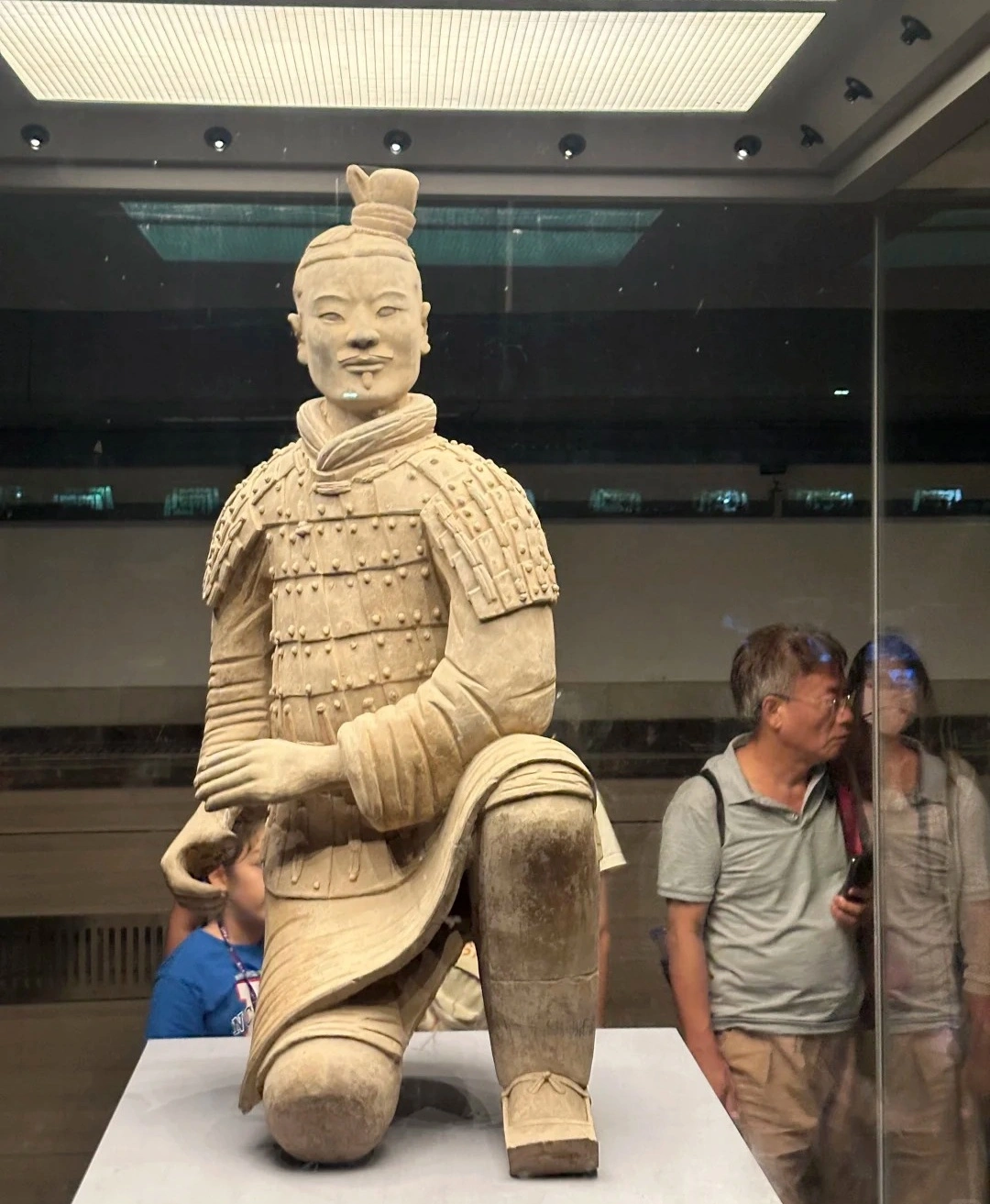
As a solo traveler from Canada, I was nervous about navigating China alone—but this 11-day tour was PERFECT! From hiking the Great Wall at sunrise (Day 3) to gasping at the Terracotta Army (Day 5), every day delivered ‘pinch-me’ moments. The real showstopper? Zhangjiajie’s Avatar Mountains (Day 7)! Our guide made the stone pillars come alive with stories.
Massive thanks for handling all logistics—bullet train tickets, entry passes, car! And the 4-star hotels surprised me.
Destination(s):
Beijing Xian Zhangjiajie Shanghai
Date of
Experience:
June 02,2025

Simon
America
Reviewed on May 29,2025
Our 2-day Zhangjiajie tour was beyond spectacular! As someone who’s visited Beijing and Shanghai for work, this trip revealed China’s wild, magical heart. Day 1 in Zhangjiajie National Forest Park felt like stepping onto Pandora—I’m a huge Avatar fan, and Yuanjiajie’s floating peaks left me breathless. The misty pillars and lush valleys like pure movie magic!
Then came Fenghuang Ancient Town, we eat dinner beside the thundering waterfall. It seems Unreal! The night views of stilt houses glowing over the river were straight from a fairy tale.
For fellow Avatar lovers and adventure seekers: Don’t miss this bucket-list experience! 10/10 would return.
A Well-Traveled Film Buff, May 2025
Destination(s):
Zhangjiajie
Date of
Experience:
May 08,2025