

Qingdao Cultural Etiquette Guide: Navigating Traditions with Respect and Grace
Navigate Qingdao with cultural grace: use both hands for gifts, avoid vertical chopsticks in rice, dress modestly at temples, toast slightly lower than elders, greet with smiles and basic Mandarin phrases, and embrace local traditions like sharing communal meals and removing shoes indoors—all while respecting personal space and public etiquette for a truly enriching experience.
Qingdao, a vibrant coastal city blending Chinese heritage with German colonial influences, welcomes travelers with open arms. To ensure meaningful interactions and avoid cultural missteps, understanding local customs is key. This guide covers essential etiquette for dining, socializing, visiting religious sites, and enjoying public spaces.
1. Dining Etiquette: Sharing Meals, Respecting Traditions
Chopstick Rules
- Never stick chopsticks vertically into rice (resembling incense for the deceased). Place them parallel on the table or chopstick rest.
- Avoid pointing chopsticks at others or passing food directly from one pair to another.
Toasting Customs
- When drinking Tsingtao Beer or Baijiu (Chinese liquor), raise your glass slightly lower than elders’ or hosts’ as a sign of respect.
- Say “Ganbei!” (干杯, “empty the glass”) during toasts, but feel free to sip politely if uncomfortable with strong drinks.
Sharing Dishes
- Meals are often communal. Wait for the host to invite you to start eating. Use serving spoons (provided) to take food from shared plates.
- Compliment the host’s cooking with “Hěn hǎo chī!” (很好吃, “Very delicious!”).
Tipping
- Tipping is not customary in local restaurants. However, upscale or international venues may accept tips.
2. Social Interactions: Politeness and Humility
Greetings
- A handshake is common, but wait for the other person to initiate. Lightly bow or nod if unsure.
- Address elders as “Aījì” (阿姨, “Auntie”) or “Shūshu” (叔叔, “Uncle”) even if unrelated, showing respect.
Gift-Giving
- If invited to someone’s home, bring a small gift (e.g., fruit, tea, or local snacks). Avoid clocks (symbolizing death) or sharp objects.
- Gifts are often refused once or twice before being accepted. Hand them with both hands.
Personal Space
- Public displays of affection (PDA) are frowned upon. Hold hands discreetly if desired.
- Avoid touching strangers’ heads (considered sacred) or pointing with feet (seen as rude).
3. Religious and Historical Sites: Modesty and Reverence
Dress Code
- At temples (e.g., Zhanshan Temple) or churches (St. Michael’s Cathedral), cover shoulders and knees. Remove hats indoors.
- Shoes must be removed before entering some Buddhist temples. Look for signs or follow others’ lead.
Photography
- Ask permission before photographing locals, especially monks or worshippers.
- Avoid taking photos during prayers or ceremonies.
Offerings and Rituals
- At temples, you may see locals burning incense or leaving fruit as offerings. Observe quietly and follow suit only if comfortable.
- Never touch or move religious artifacts.
4. Public Behavior: Courtesy in Crowds
Queueing
- Lines may appear chaotic, but locals often form informal queues. Wait patiently and avoid cutting in.
- On buses or subways, offer seats to elders, pregnant women, or those with disabilities.
Smoking
- Smoking is banned in enclosed public spaces (e.g., malls, restaurants). Use designated smoking areas outdoors.
Littering
- Fines apply for littering in public areas. Dispose of trash in bins (often color-coded for recycling).
5. Language Tips: Bridging Communication Gaps
Basic Phrases
- “Ni Hao!” (你好, “Hello!”)
- “Xie Xie!” (谢谢, “Thank you!”)
- “Duì Bù Qǐ” (对不起, “Sorry!”)
- “Zhè ge duōshǎo qián?” (这个多少钱?, “How much is this?”)
Non-Verbal Cues
- Smiling and nodding go a long way, even if language fails.
- If confused, say “Wǒ bù dǒng” (我不懂, “I don’t understand”) and use hand gestures.
6. Special Occasions: Festivals and Celebrations
Qingdao International Beer Festival (August)
- Join the lively toasts but avoid excessive drinking. Clap and cheer during performances.
Chinese New Year (January/February)
- Red envelopes (hóngbāo) are given to children. If invited to a celebration, bring a small gift (e.g., oranges for luck).
Mid-Autumn Festival (September/October)
- Share mooncakes with hosts. Compliment the round shape (symbolizing unity).
Conclusion: Embrace Qingdao’s Hospitality with Cultural Awareness
By respecting local customs—from chopstick etiquette to temple reverence—you’ll deepen your connection to Qingdao’s rich heritage. Locals appreciate efforts to learn their traditions, even if mistakes happen. Approach interactions with humility, and you’ll find Qingdao’s warmth matches its stunning coastal views.
Contact Us
What Our Clients Say?
Based on 10,000+ traveler reviews

Daniel Dorothea
Canada
Reviewed on April 29,2025
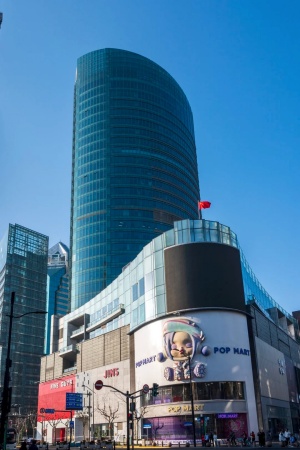
Shopping on Nanjing Road in Shanghai was just amazing! It's truly the "First Commercial Street of China", where tradition and modernity blend perfectly. You can find awesome souvenirs and experience the trendy vibes in cool stores. The neon lights at night are just spectacular, shining bright like Times Square in New York. The food here is incredible too. I had a feast for my taste buds. Shanghai, I'll definitely be back!
Destination(s):
Shanghai
Date of
Experience:
May 08,2024

Elvis Eva
Canada
Reviewed on June 20,2025
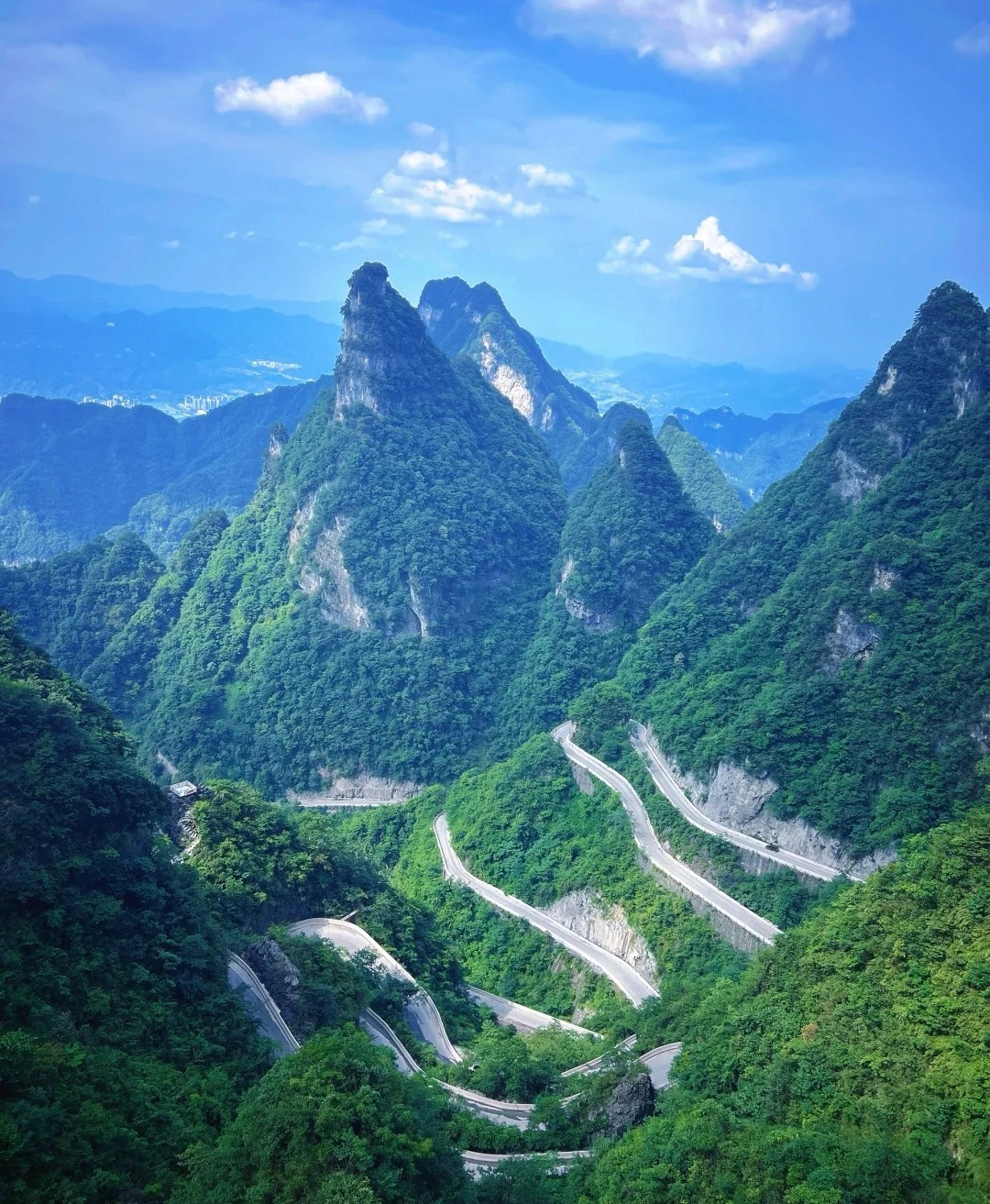
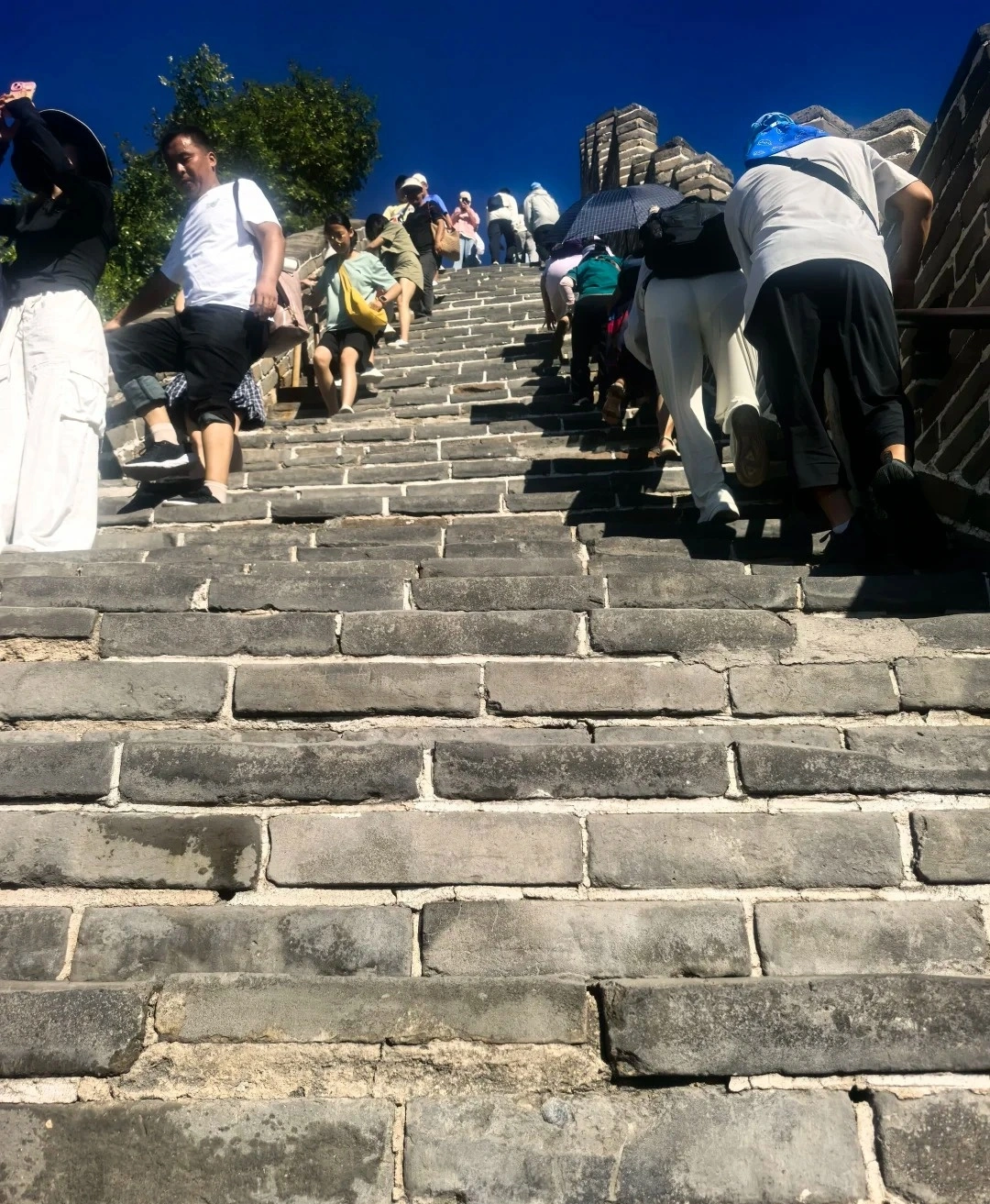
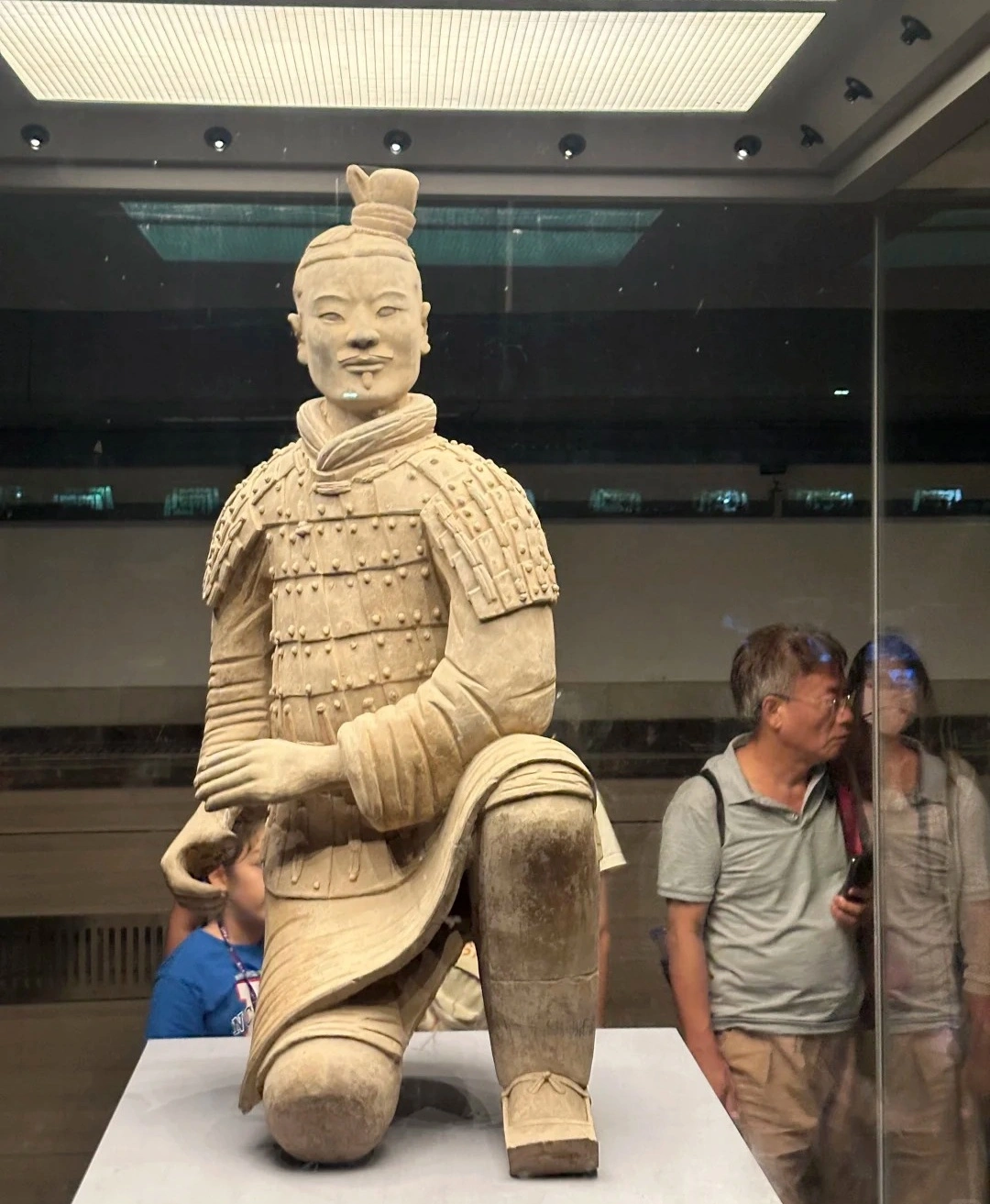
As a solo traveler from Canada, I was nervous about navigating China alone—but this 11-day tour was PERFECT! From hiking the Great Wall at sunrise (Day 3) to gasping at the Terracotta Army (Day 5), every day delivered ‘pinch-me’ moments. The real showstopper? Zhangjiajie’s Avatar Mountains (Day 7)! Our guide made the stone pillars come alive with stories.
Massive thanks for handling all logistics—bullet train tickets, entry passes, car! And the 4-star hotels surprised me.
Destination(s):
Beijing Xian Zhangjiajie Shanghai
Date of
Experience:
June 02,2025

Simon
America
Reviewed on May 29,2025
Our 2-day Zhangjiajie tour was beyond spectacular! As someone who’s visited Beijing and Shanghai for work, this trip revealed China’s wild, magical heart. Day 1 in Zhangjiajie National Forest Park felt like stepping onto Pandora—I’m a huge Avatar fan, and Yuanjiajie’s floating peaks left me breathless. The misty pillars and lush valleys like pure movie magic!
Then came Fenghuang Ancient Town, we eat dinner beside the thundering waterfall. It seems Unreal! The night views of stilt houses glowing over the river were straight from a fairy tale.
For fellow Avatar lovers and adventure seekers: Don’t miss this bucket-list experience! 10/10 would return.
A Well-Traveled Film Buff, May 2025
Destination(s):
Zhangjiajie
Date of
Experience:
May 08,2025