
Badaguan Scenic Area: A Timeless Fusion of Nature and Architecture in Qingdao
Nestled along Qingdao’s southern coastline, Badaguan Scenic Area (八大关风景区) is a living museum where history, nature, and global culture converge. Covering 70 hectares at the foot of Taiping Hill, this iconic destination earned its name from eight roads originally named after ancient Chinese military passes, though today ten roads crisscross the landscape. Renowned as the “World Architecture Museum” and China’s “Most Beautiful Urban Area,” Badaguan offers a captivating journey through time and space.
A Tapestry of Global Architecture
Badaguan’s charm lies in its eclectic architectural heritage. Built primarily in the 1930s, the area hosts over 300 buildings blending styles from Russia, Britain, France, Germany, Denmark, Spain, and Japan. Each structure tells a story:
- Princess House (公主楼): A Danish fairy-tale villa with a pointed turret and pastel-blue walls, surrounded by climbing wisteria. Inside, exhibits on Hans Christian Andersen’s tales and Qingdao’s history evoke a whimsical atmosphere.
- Flowerstone Villa (花石楼): A Gothic-Romanesque stone mansion perched beside the Second Bathing Beach. Its colorful stained-glass windows and rugged façade reflect the artistic vision of Russian architects.
- Butterfly House (蝴蝶楼): A Spanish-style residence where silent-film star Hu Die once stayed, now housing memorabilia from China’s golden age of cinema.
These landmarks, along with lesser-known villas, form a mosaic of design traditions, earning Badaguan its UNESCO-worthy status.
Seasons of Enchantment
Badaguan transforms with the seasons, offering a sensory feast year-round:
- spring: Sakura blossoms blanket Shaoguan Road, while peach trees along Ningwu Road create pink canopies. Locals whisper, “Wait three days for the crabapples to bloom!”
- Summer: Ziyangguan Road’s lavender-hued crape myrtles sway in the breeze, while nearby beaches invite sunbathing and tidal-pool exploration.
- autumn: Juyongguan Road’s golden ginkgo leaves form a “river of gold,” contrasting with the evergreen cedars of Zijingguan Road.
- Winter: Snow-draped cedars stand sentinel along mountain passes, their icy branches glistening under winter sun.
Cultural Echoes and Hidden Gems
Beyond its beauty, Badaguan pulses with stories. During World War II, geologist Li Siguang used the Flowerstone Villa to study Qingdao’s granite formations. A chance discovery of a 1937 pocket watch in storm-tossed rocks hints at lives interrupted by war. Today, locals share “secrets” for experiencing Badaguan like an insider:
- Photography Tips: Visit after frost in winter to capture rainbow-hued frost on ginkgo leaves using a spray of Qingdao Beer as a “liquid filter.”
- Culinary Adventures: Ask drivers for “wild wonton soup” on Ningwu Road to find a hidden eatery serving shrimp dumplings with tianmo (a local porridge).
- Storm Survival: When rain lashes the area, seek shelter at the Geology Museum, where volunteers serve steaming seafood congee to stranded visitors.
Practical Information for Travelers
- Admission: Free entry to most areas. Combined tickets (¥50) include Princess House, Butterfly House, and Spanish Pavilion; Flowerstone Villa costs ¥8.5.
- Getting There: Take Metro Line 3 to Zhongshan Park Station (Exit A) or buses 26, 304, 316, or 501.
- Best Times: Early mornings (7 AM) for solitude; late afternoons for golden-hour photography.
- Pro Tip: Wear comfortable shoes for cobblestone paths and check tide schedules before visiting the Second Bathing Beach’s “secret cave.”
Why Badaguan Matters
Badaguan is more than a scenic spot—it’s a dialogue between humanity and nature. Here, storm waves collide with centuries-old stone, and every villa whispers tales of diplomacy, artistry, and resilience. As traveler Li Wei noted, “In Badaguan, beauty isn’t just seen—it’s felt in the warmth of a stranger’s tea, the crunch of autumn leaves, and the echo of history in every brick.”
For those seeking a journey beyond postcards, Badaguan awaits—a place where the world’s cultures meet the sea, and every visit leaves a lasting impression.


Contact Us
What Our Clients Say?
Based on 10,000+ traveler reviews

Daniel Dorothea
Canada
Reviewed on April 29,2025
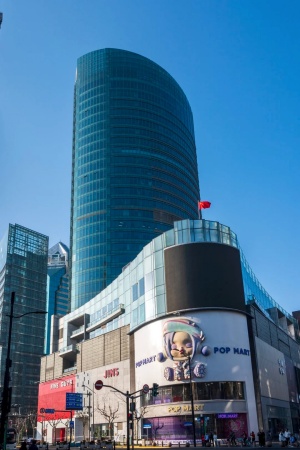
Shopping on Nanjing Road in Shanghai was just amazing! It's truly the "First Commercial Street of China", where tradition and modernity blend perfectly. You can find awesome souvenirs and experience the trendy vibes in cool stores. The neon lights at night are just spectacular, shining bright like Times Square in New York. The food here is incredible too. I had a feast for my taste buds. Shanghai, I'll definitely be back!
Destination(s):
Shanghai
Date of
Experience:
May 08,2024

Elvis Eva
Canada
Reviewed on June 20,2025
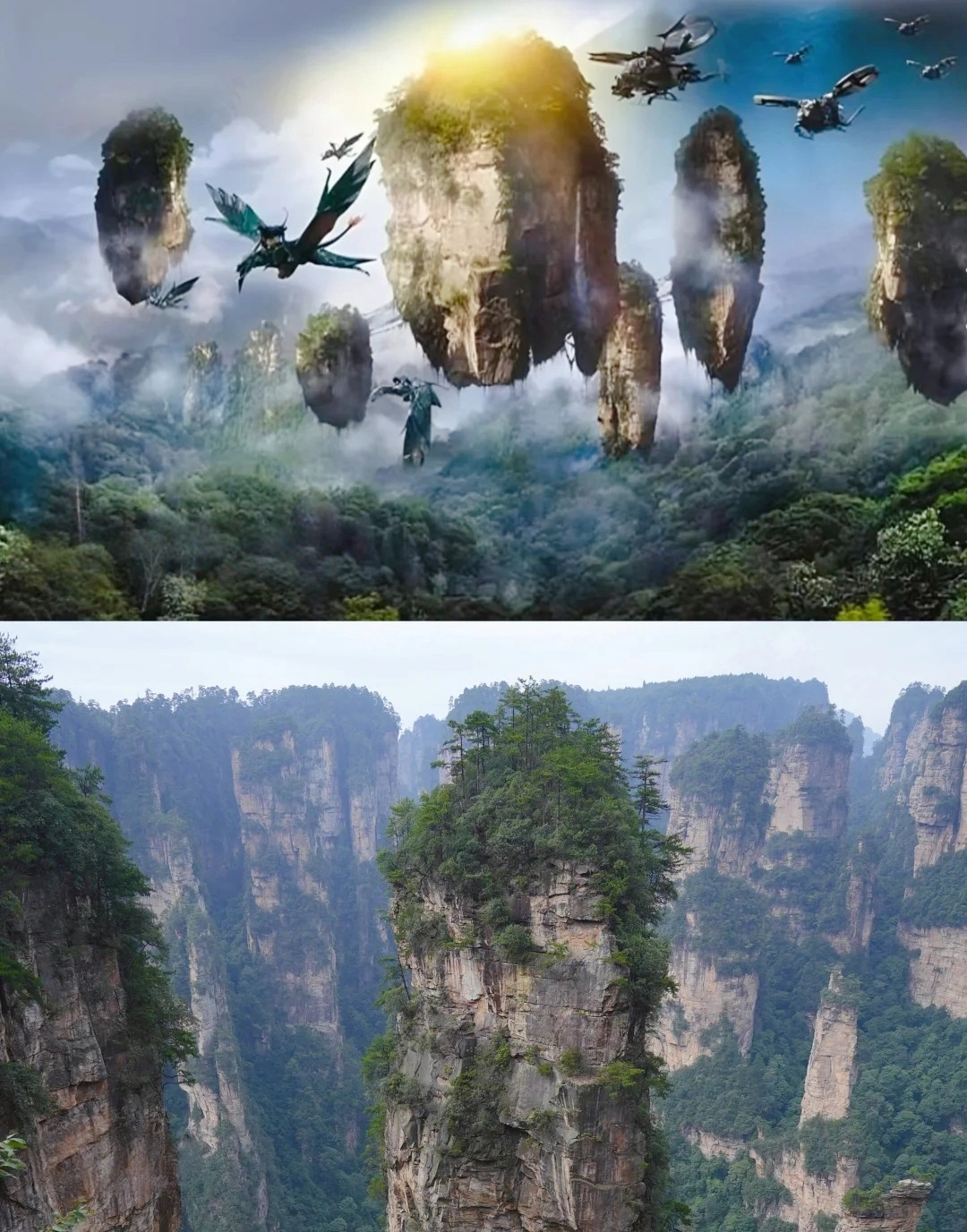
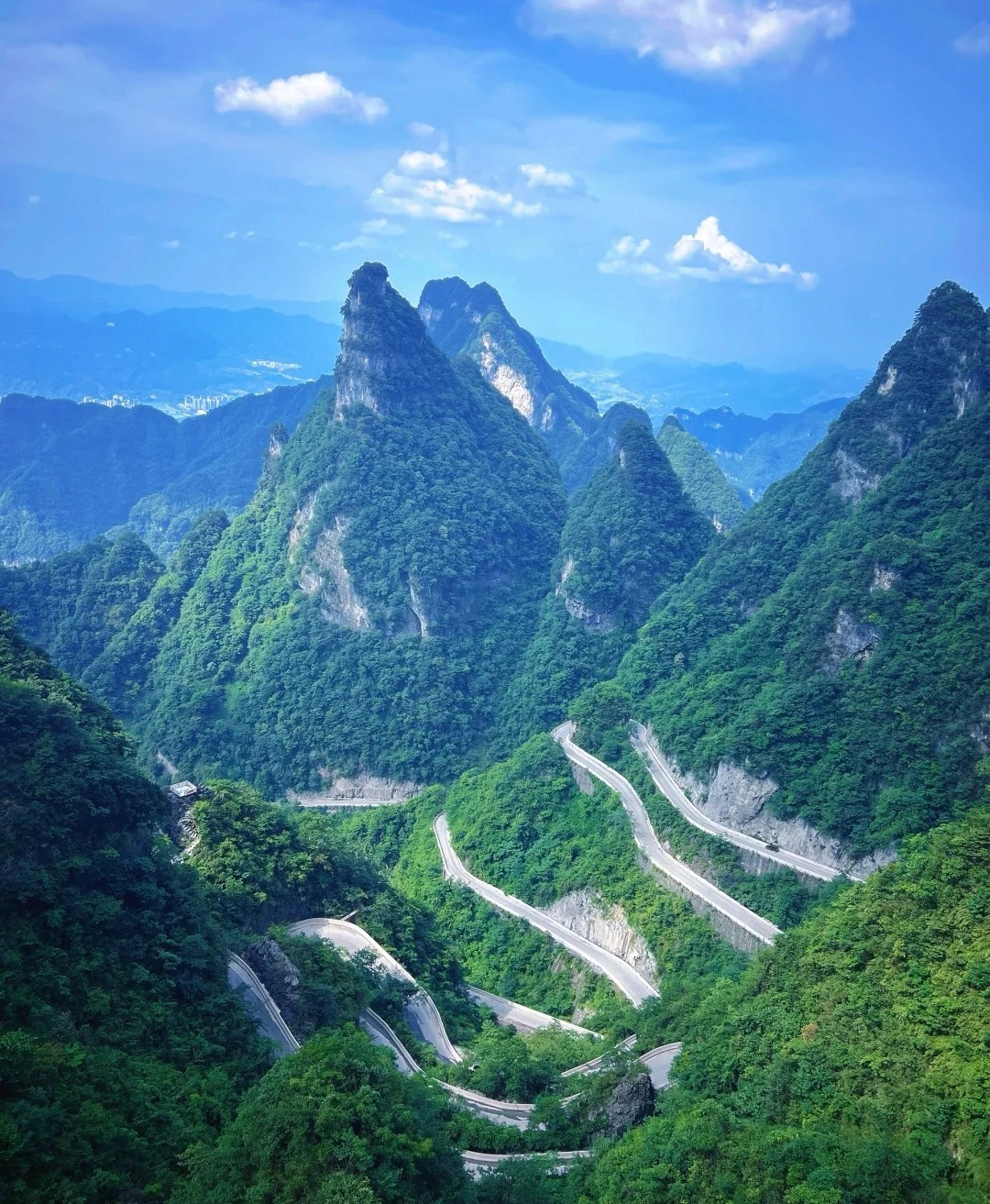
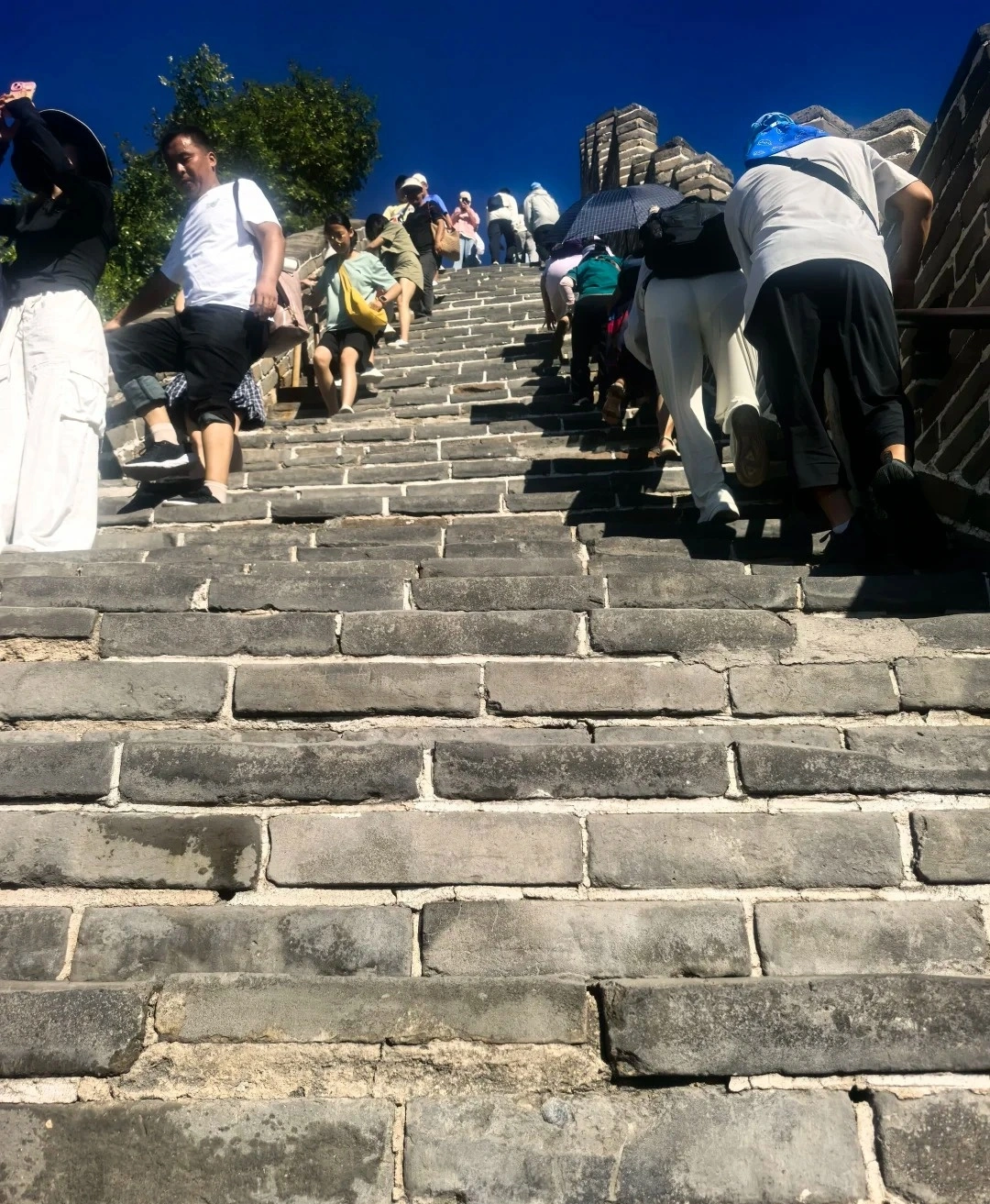
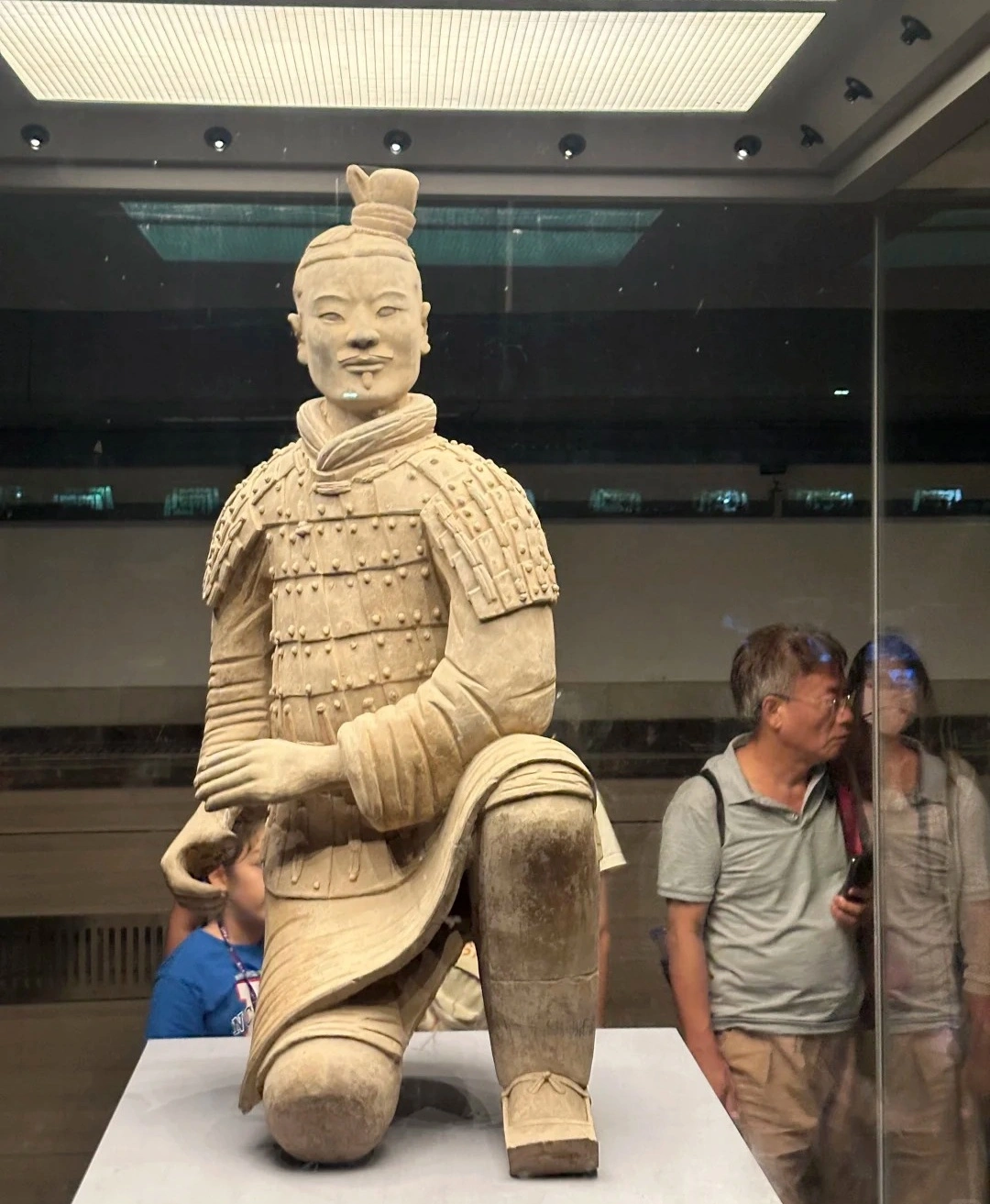
As a solo traveler from Canada, I was nervous about navigating China alone—but this 11-day tour was PERFECT! From hiking the Great Wall at sunrise (Day 3) to gasping at the Terracotta Army (Day 5), every day delivered ‘pinch-me’ moments. The real showstopper? Zhangjiajie’s Avatar Mountains (Day 7)! Our guide made the stone pillars come alive with stories.
Massive thanks for handling all logistics—bullet train tickets, entry passes, car! And the 4-star hotels surprised me.
Destination(s):
Beijing Xian Zhangjiajie Shanghai
Date of
Experience:
June 02,2025

Simon
America
Reviewed on May 29,2025
Our 2-day Zhangjiajie tour was beyond spectacular! As someone who’s visited Beijing and Shanghai for work, this trip revealed China’s wild, magical heart. Day 1 in Zhangjiajie National Forest Park felt like stepping onto Pandora—I’m a huge Avatar fan, and Yuanjiajie’s floating peaks left me breathless. The misty pillars and lush valleys like pure movie magic!
Then came Fenghuang Ancient Town, we eat dinner beside the thundering waterfall. It seems Unreal! The night views of stilt houses glowing over the river were straight from a fairy tale.
For fellow Avatar lovers and adventure seekers: Don’t miss this bucket-list experience! 10/10 would return.
A Well-Traveled Film Buff, May 2025
Destination(s):
Zhangjiajie
Date of
Experience:
May 08,2025