
The Yangtze and Yellow Rivers: The Magnificent Scenery and Millennia-Old Civilization of China's Mother Rivers
Introduction: The Lifeblood of Chinese Civilization
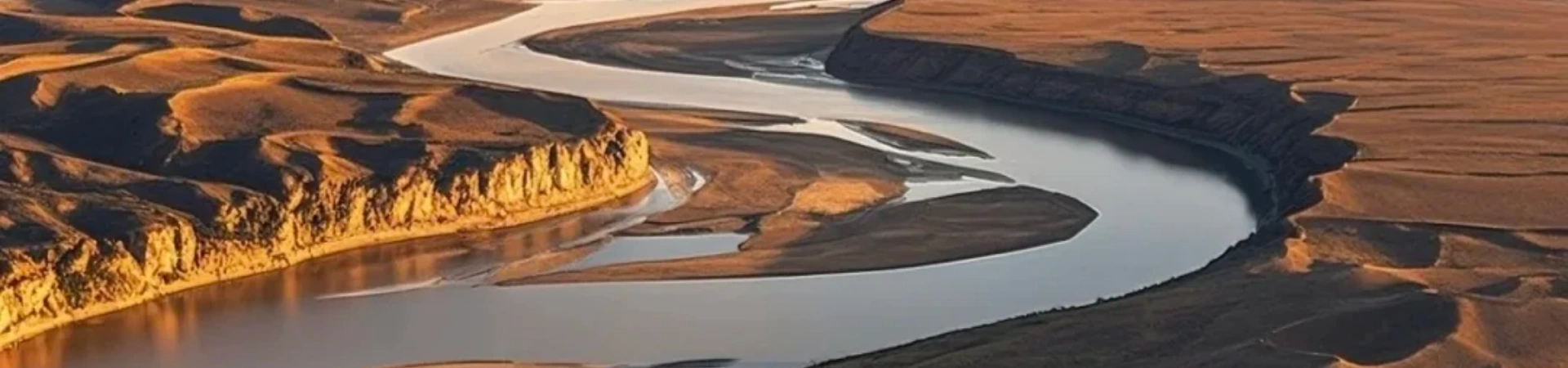
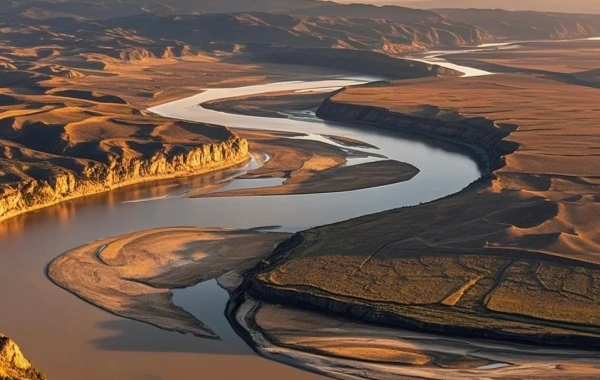
the Yangtze River (Chang Jiang) and Yellow River (Huang He) are not just geographical wonders—they are the cradles of Chinese civilization. The Yangtze, stretching 6,300 km as Asia's longest river, flows from the Tibetan Plateau through 10 provinces to Shanghai, while The Yellow River, the birthplace of ancient Chinese culture, spans 5,464 km across nine provinces before emptying into the Bohai Sea. Together, they shape China’s history, culture, and natural beauty. This 1,500+ word guide explores their top attractions, transportation networks, ticket details, and optimal visiting seasons.
Yangtze River Highlights: From Mountain Gorges to Coastal Cities
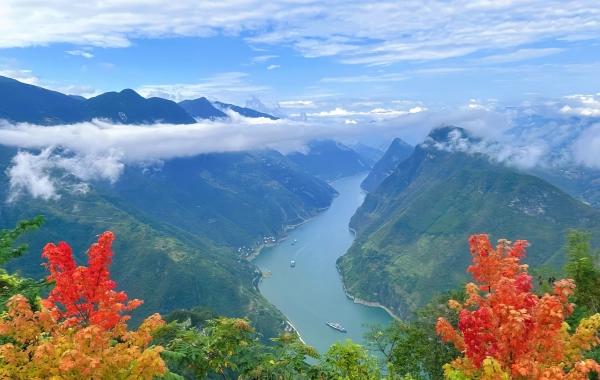
1. Three Gorges: A Natural Masterpiece
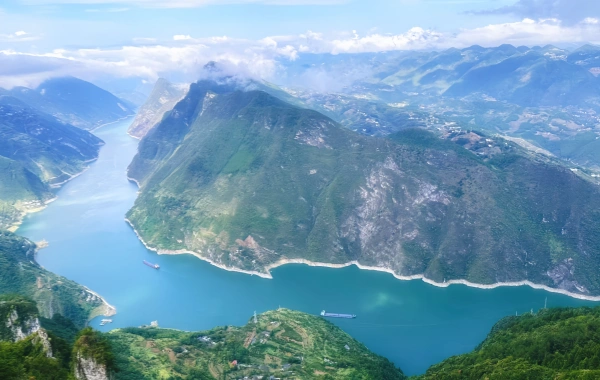
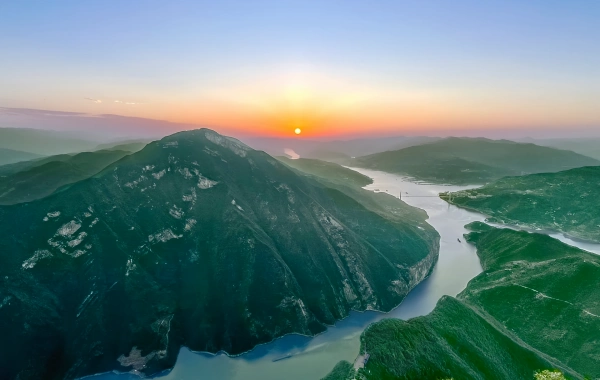
The Three Gorges (Qutang, Wu, Xiling) between Chongqing and Yichang are a UNESCO-listed marvel. The 193-km stretch features sheer cliffs, mist-shrouded peaks, and the Three Gorges Dam, the world’s largest hydroelectric power station. Visitors can cruise through the gorges on luxury ships, exploring ancient villages like Fengjie and historic sites like the White Crane Ridge Inscriptions (7th-century stone carvings).
2. Yellow Crane Tower: A Poetic Landmark
Perched on Snake Hill in Wuhan, the Yellow Crane Tower dates to 223 AD and inspired poets like Li Bai. The current structure, rebuilt in 1981, offers panoramic views of the Yangtze and the city. Its exhibitions showcase Tang Dynasty calligraphy and artifacts.
3. Shanghai: The Modern Riverfront
At the Yangtze’s mouth, Shanghai’s Bund offers a striking contrast of colonial-era buildings and futuristic skyscrapers. The Lujiazui skyline includes The Oriental Pearl Tower and Shanghai Tower, while ferries connect Pudong to Puxi.
Yellow River Highlights: From Ancestral Sites to Natural Wonders
1. Hukou Waterfall: China’s Niagara
Located on the Shanxi-Shaanxi border, Hukou Waterfall is the second-largest waterfall in China, with a 30-meter drop and 30-meter width. Best visited in spring (April–May) when ice melts, or autumn (September–November) for golden foliage.
2. Longmen Grottoes: Buddhist Art in Stone
In Luoyang, the Longmen Grottoes house 110,000 Buddhist statues carved over 400 years (493–1217 AD). The 17.14-meter Vairocana Buddha in Fengxian Temple is a Tang Dynasty masterpiece. The site combines spiritual art with riverfront scenery.
3. Yellow River Delta: Wetlands and Wildlife
In Dongying, Shandong, the Yellow River Delta National Nature Reserve hosts over 400 bird species, including red-crowned cranes. The Yellow River Estuary features tidal flats and reed marshes, ideal for eco-tours.
Transportation Guide: Navigating the Rivers
Yangtze River Access
- Chongqing to Yichang Cruise: 4-day cruises on luxury ships (e.g., Victoria Cruises) cost 500–1,500, including meals and shore excursions. High-speed trains from Shanghai to Chongqing take 12 hours (80–150).
- Wuhan: Reachable via high-speed rail from Beijing (4 hours, 70)orShanghai(3.5hours,60). Local metro connects the Bund and Yellow Crane Tower.
- Shanghai: Pudong International Airport connects globally. Ferries and the Maglev train link Pudong to downtown.
Yellow River Access
- Hukou Waterfall: From Xi’an, take a 3-hour bus to Yichuan, then a 1-hour drive (15–20). Shared taxis from Linfen cost 10–15.
- Longmen Grottoes: From Luoyang, take Bus 81 from Longmen Avenue (2,1hour).High−speedtrainsfromZhengzhoutake40minutes(10–$15).
- Yellow River Delta: Dongying’s bus station connects to the reserve via shuttle (5–10). High-speed rail from Jinan takes 1.5 hours (20–30).
Ticket Information and Costs
- Three Gorges Dam: Adult ticket $30 (includes shuttle and 4D movie). Discounts for students/seniors.
- Yellow Crane Tower: 8–12 (peak season), 5–8 (off-peak). Free entry for children under 1.2m.
- Hukou Waterfall: 15–20 (peak), 10–15 (off-peak). Optional shuttle bus $5.
- Longmen Grottoes: 15–20 (peak), 10–15 (off-peak). Audio guides $5.
- Yellow River Delta: Entrance 10–15. Eco-tours and birdwatching tours extra.
Best Time to Visit: Seasonal Insights
- Yangtze River:
- Spring (March–May): Mild temperatures (15–25°C), cherry blossoms in Wuhan, and fewer crowds.
- Autumn (September–November): Cool weather (15–25°C), golden ginkgo trees in Shanghai, and clear skies for photography.
- Summer (June–August): Avoid midday heat (30–35°C) by visiting early or late; Three Gorges cruises offer air-conditioned cabins.
- Winter (December–February): Snow-dusted landscapes in Chongqing, fewer tourists.
- Yellow River:
- Spring (April–May): Ice melts at Hukou, blooming peach blossoms in Luoyang.
- Autumn (September–November): Golden foliage at Longmen, migratory birds at the Delta.
- Summer (June–August): Rainy season; avoid flood-prone areas.
- Winter (December–February): Snow at Hukou, indoor exhibits at museums.
Cultural and Historical Significance
The Yangtze and Yellow Rivers are more than natural wonders—they are symbols of China’s soul. The Yangtze’s Three Gorges represent the harmony of nature and human engineering, while the Yellow River’s ancient sites like Longmen Grottoes and Hukou Waterfall embody the resilience and creativity of Chinese civilization. Both rivers have shaped agriculture, trade, and culture for over 5,000 years.
Practical Tips for Travelers
- Comfort Essentials: Wear sturdy shoes for uneven terrain, sunscreen, and layers for seasonal weather.
- Local Cuisine: Try Yangtze specialties like Chongqing hotpot, Wuhan dried fish, and Shanghai Xiaolongbao. Yellow River dishes include Luoyang water banquet and Shaanxi cold noodles.
- Safety: Avoid swimming in the Yangtze’s deep gorges; heed flood warnings during rainy seasons.
- Sustainability: Support eco-tours and respect local conservation efforts at wetlands and grottoes.
Conclusion: A Journey Through Time and Nature
The Yangtze and Yellow Rivers offer a journey through China’s past, present, and future. From the Three Gorges’ misty peaks to the Yellow River’s ancient grottoes, these waterways connect natural wonders with millennia of human achievement. By aligning visits with optimal seasons and leveraging efficient transportation, travelers can experience the timeless beauty and cultural depth of China’s greatest rivers. Whether marveling at The Three Gorges Dam’s engineering or tracing the Yellow River’s historical legacy, these iconic waterways promise memories that transcend time.


Contact Us
What Our Clients Say?
Based on 10,000+ traveler reviews

Daniel Dorothea
Canada
Reviewed on April 29,2025
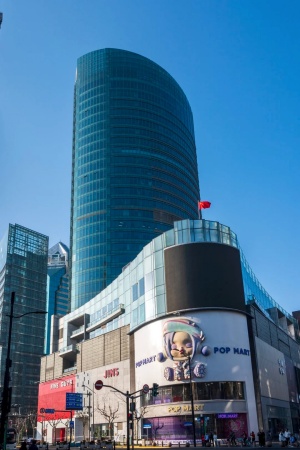
Shopping on Nanjing Road in Shanghai was just amazing! It's truly the "First Commercial Street of China", where tradition and modernity blend perfectly. You can find awesome souvenirs and experience the trendy vibes in cool stores. The neon lights at night are just spectacular, shining bright like Times Square in New York. The food here is incredible too. I had a feast for my taste buds. Shanghai, I'll definitely be back!
Destination(s):
Shanghai
Date of
Experience:
May 08,2024

Elvis Eva
Canada
Reviewed on June 20,2025
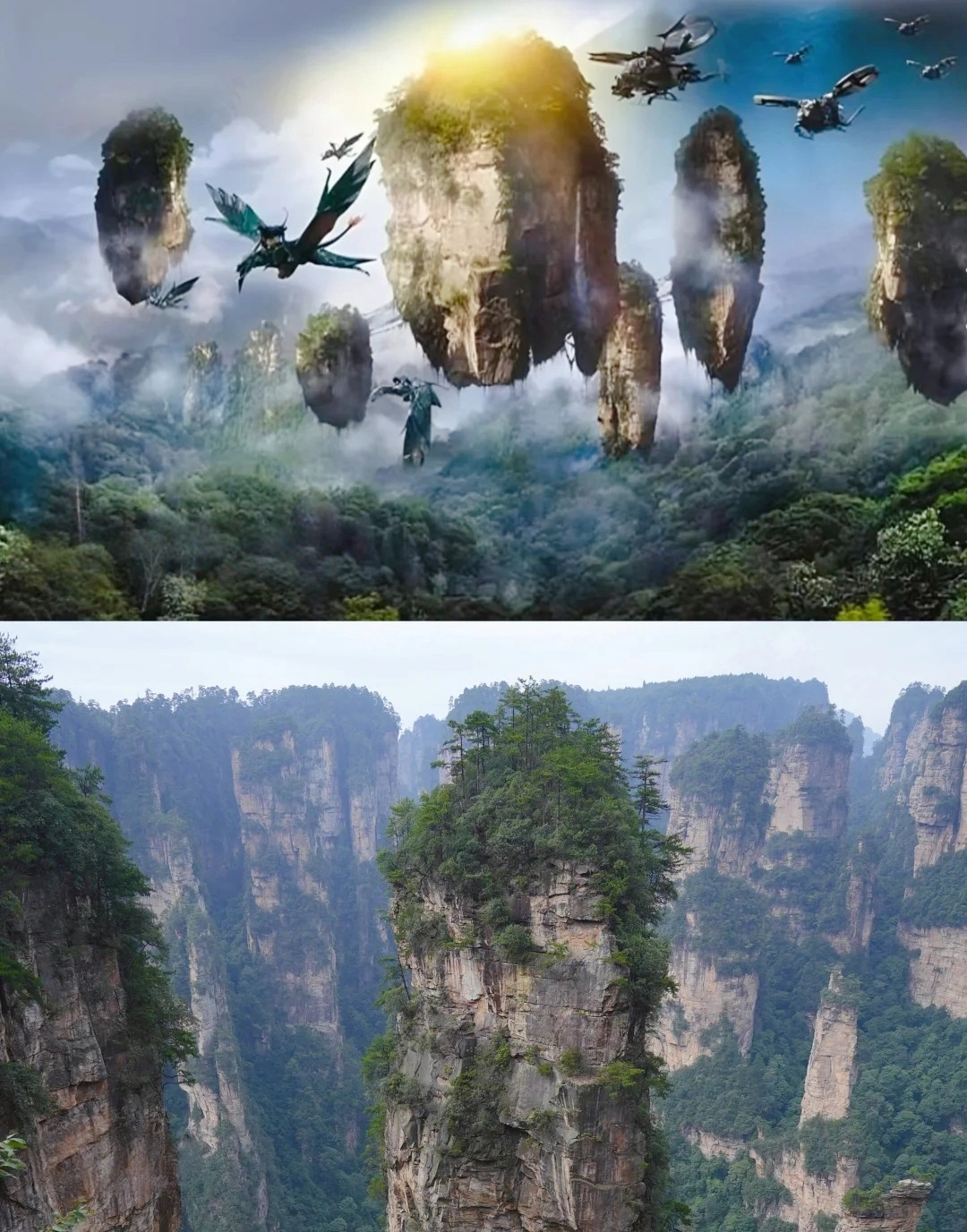
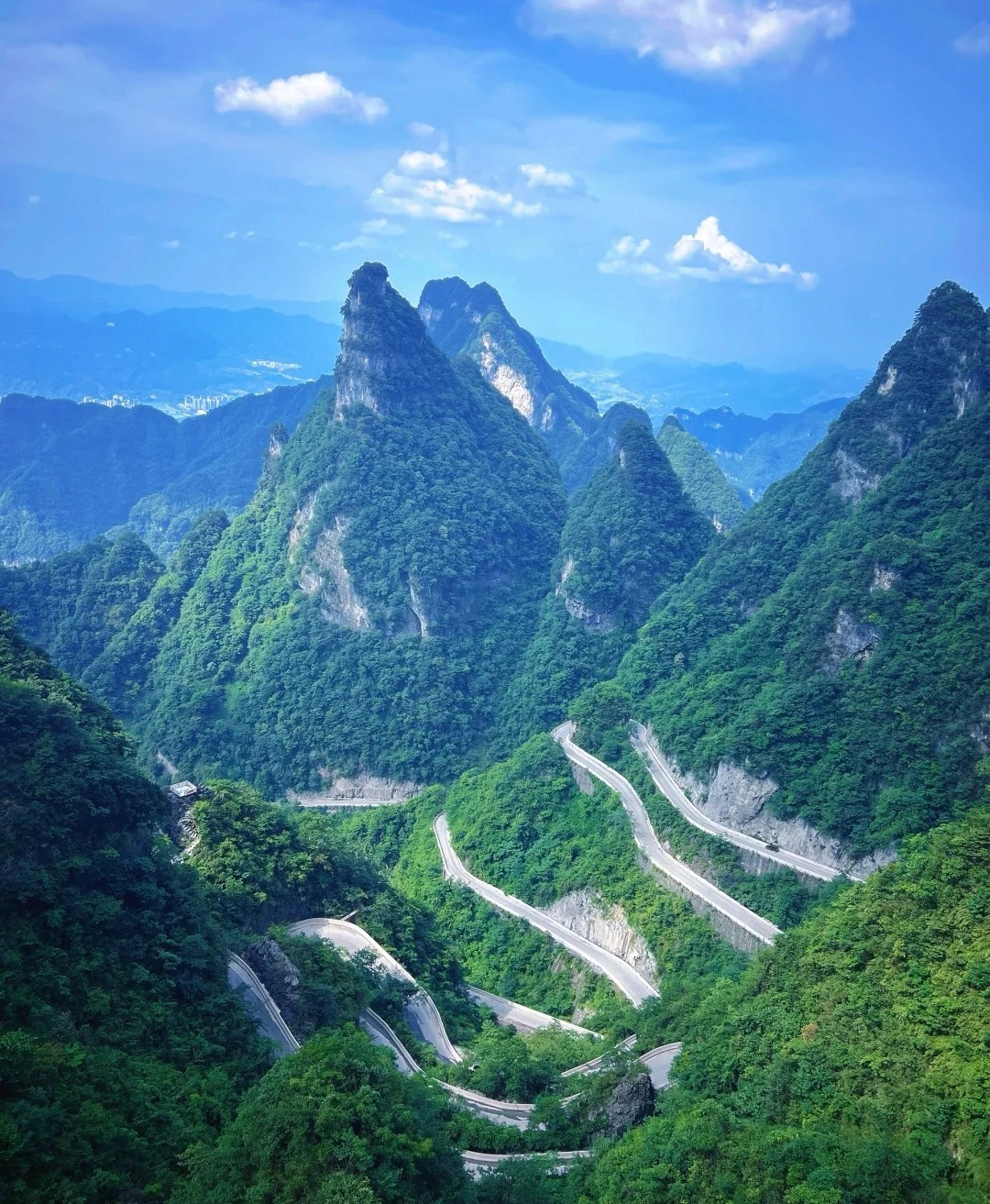
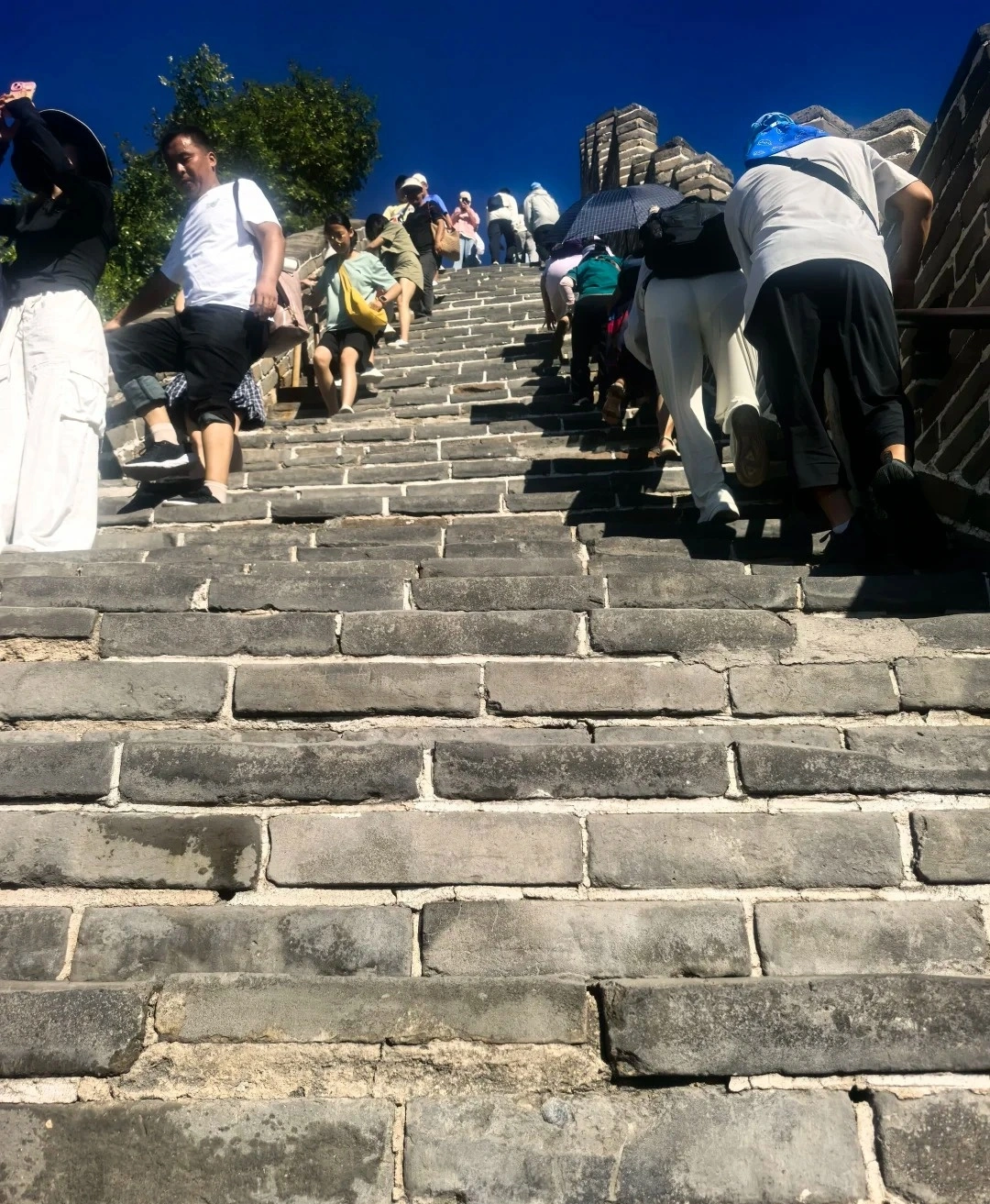
As a solo traveler from Canada, I was nervous about navigating China alone—but this 11-day tour was PERFECT! From hiking the Great Wall at sunrise (Day 3) to gasping at the Terracotta Army (Day 5), every day delivered ‘pinch-me’ moments. The real showstopper? Zhangjiajie’s Avatar Mountains (Day 7)! Our guide made the stone pillars come alive with stories.
Massive thanks for handling all logistics—bullet train tickets, entry passes, car! And the 4-star hotels surprised me.
Destination(s):
Beijing Xian Zhangjiajie Shanghai
Date of
Experience:
June 02,2025

Simon
America
Reviewed on May 29,2025
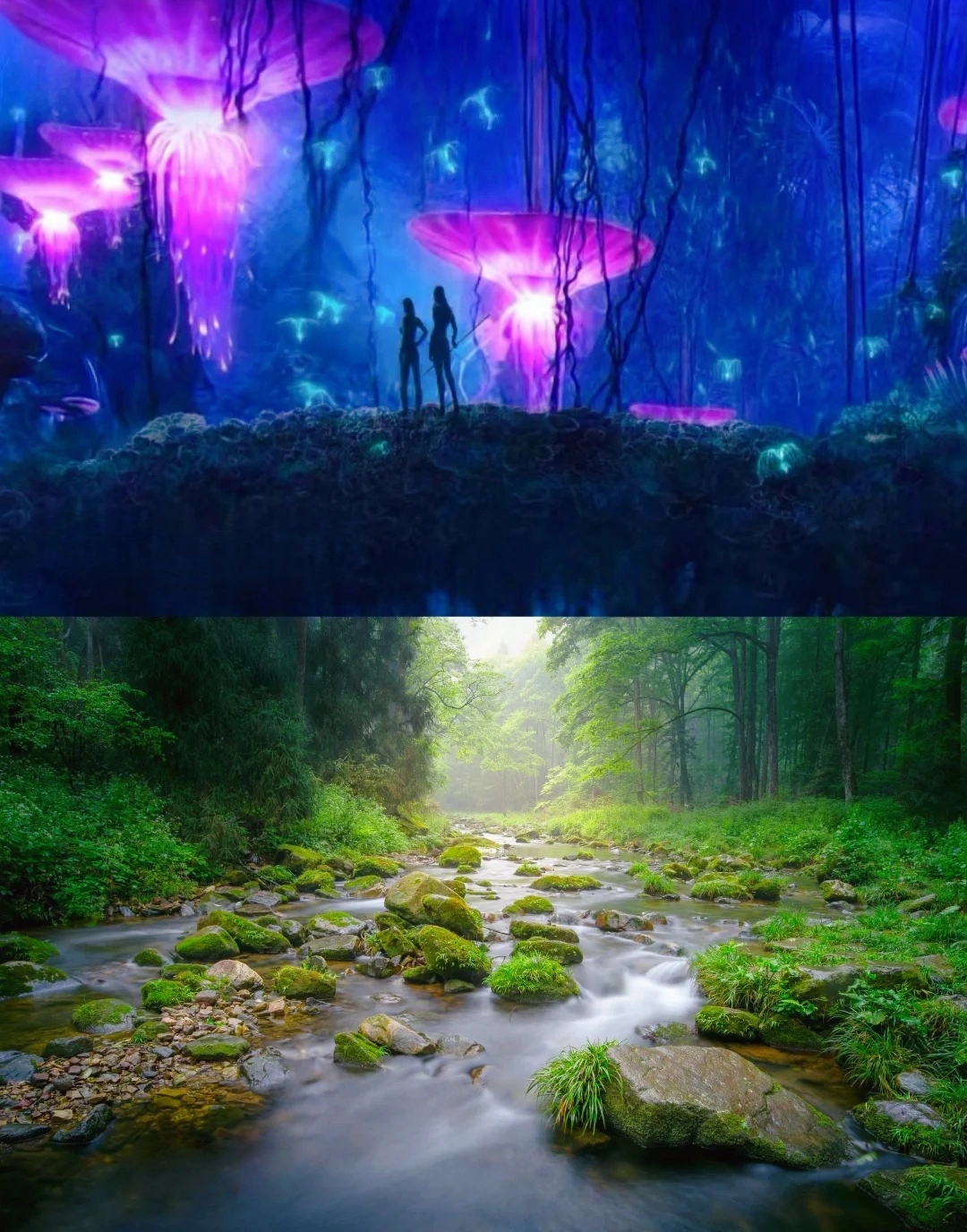
Our 2-day Zhangjiajie tour was beyond spectacular! As someone who’s visited Beijing and Shanghai for work, this trip revealed China’s wild, magical heart. Day 1 in Zhangjiajie National Forest Park felt like stepping onto Pandora—I’m a huge Avatar fan, and Yuanjiajie’s floating peaks left me breathless. The misty pillars and lush valleys like pure movie magic!
Then came Fenghuang Ancient Town, we eat dinner beside the thundering waterfall. It seems Unreal! The night views of stilt houses glowing over the river were straight from a fairy tale.
For fellow Avatar lovers and adventure seekers: Don’t miss this bucket-list experience! 10/10 would return.
A Well-Traveled Film Buff, May 2025
Destination(s):
Zhangjiajie
Date of
Experience:
May 08,2025