
Top 5 Must-Visit Muslim-Friendly Attractions in China: A Cultural and Spiritual Journey
1. Great Mosque of Xi'an – A Timeless Fusion of East and West
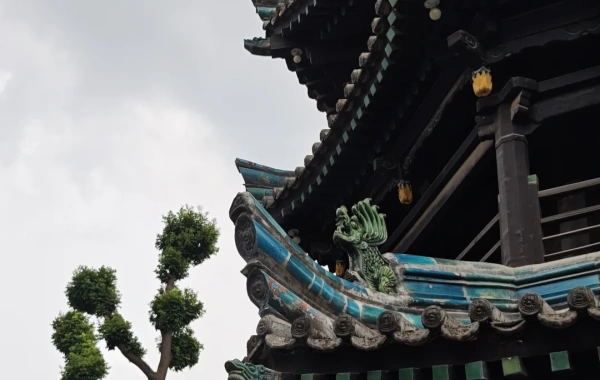
Located in Xi'an's bustling Muslim Quarter, the Great Mosque of Xi'an (also known as Huajue Mosque) is a masterpiece of Islamic architecture blended with Chinese traditional design. Built during the Tang Dynasty and expanded in the Ming and Qing dynasties, this 1,300-year-old mosque features six courtyards with intricate brick carvings, Arabic calligraphy, and lush gardens. Its prayer hall, accommodating 1,000 worshippers, showcases a unique "Chinese-style" Islamic aesthetic.
- Key Highlights:
- Six-courtyard layout with symmetrical design.
- Arabic-inscribed brick carvings and lotus motifs.
- Quiet retreat from the lively Muslim Quarter.
- Visitor Tips: Dress modestly (no shorts/sleeveless tops); visit in the afternoon for soft lighting.
- Address: Huajue Lane, Lianhu District, Xi'an.
2. East Gate Grand Mosque of Xining – The Largest Mosque in Northwest China
Ranked among China’s "Four Major Mosques in the Northwest," this grand mosque in Xining, Qinghai, can hold up to 40,000 worshippers during congregational prayers. Founded in the Ming Dynasty and rebuilt multiple times, its architecture merges Islamic and Tibetan styles, featuring a golden dome, twin minarets, and three gilded vases gifted by Lhasa’s Labrang Monastery.
- Key Highlights:
- Prayer hall with 140 carved wooden pillars.
- Tibetan-inspired gilded decorations.
- Free guided tours explaining Islamic culture.
- Visitor Tips: Respect prayer times (avoid Fridays); remove shoes before entering the prayer hall.
- Address: Dongguan Avenue, Xining.
3. Id Kah Mosque and Cultural Complex – Uyghur Heritage in Kashgar
As the largest mosque in China and a UNESCO-listed site, the Id Kah Mosque in Kashgar, Xinjiang, is the heart of Uyghur Islamic culture. Built in 1442, its yellow-brick façade, 45-meter observation tower, and courtyard spanning 150,000 square meters host up to 20,000 worshippers during Festivals. The adjacent cultural complex includes a gold bazaar, handicraft markets, and a museum showcasing Uyghur traditions.
- Key Highlights:
- Domed prayer hall with 140 carved pillars.
- Vibrant Uyghur markets selling carpets, knives, and jewelry.
- Twelve Mukam (Uyghur classical music) performances.
- Visitor Tips: Dress conservatively; avoid photographing worshippers during prayers.
- Address: Jiefang Road, Kashgar.
4. Phoenix Mosque of Hangzhou – One of China’s Four Ancient Mosques
Dubbed the "Phoenix Mosque" for its bird-like layout, this Yuan Dynasty mosque in Hangzhou is a UNESCO World Heritage Site. Its prayer hall, built in 1281, features Arabic inscriptions, a moon-viewing pavilion, and 27 ancient tombstones. The mosque’s serene courtyards and lotus ponds offer a peaceful contrast to Hangzhou’s modernity.
- Key Highlights:
- Yuan Dynasty architecture with Chinese-Islamic fusion.
- Ancient tombstones inscribed in Arabic and Chinese.
- Free entry; located near Southern Song Imperial Street.
- Visitor Tips: Women must cover shoulders and knees; visit early to avoid crowds.
- Address: 227 Zhongshan Middle Road, Hangzhou.
5. Hui Muslim Cultural Village in Lijiang – Naxi-Hui Harmony in Yunnan
Nestled in Lijiang’s Old Town, this lesser-known gem highlights the coexistence of Naxi and Hui Muslim cultures. The village features a white-walled mosque with Naxi-style tiled roofs, a halal food street serving Yangrou Paomo (lamb stew), and workshops for Naxi Dongba paper and Hui silver crafts.
- Key Highlights:
- Mosque with Naxi architectural influences.
- Halal eateries offering Yunnan-Muslim fusion cuisine.
- Cultural performances blending Islamic and Naxi traditions.
- Visitor Tips: Try naoxiangbao (steamed buns) at local stalls; explore early morning for fewer tourists.
- Address: Dayan Old Town, Lijiang.

Contact Us
What Our Clients Say?
Based on 10,000+ traveler reviews

Daniel Dorothea
Canada
Reviewed on April 29,2025
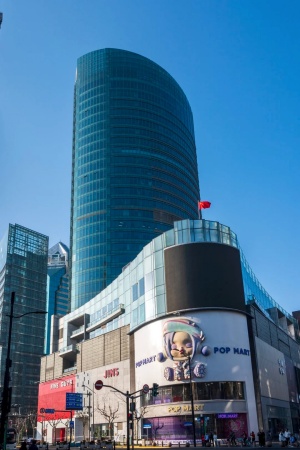
Shopping on Nanjing Road in Shanghai was just amazing! It's truly the "First Commercial Street of China", where tradition and modernity blend perfectly. You can find awesome souvenirs and experience the trendy vibes in cool stores. The neon lights at night are just spectacular, shining bright like Times Square in New York. The food here is incredible too. I had a feast for my taste buds. Shanghai, I'll definitely be back!
Destination(s):
Shanghai
Date of
Experience:
May 08,2024

Elvis Eva
Canada
Reviewed on June 20,2025
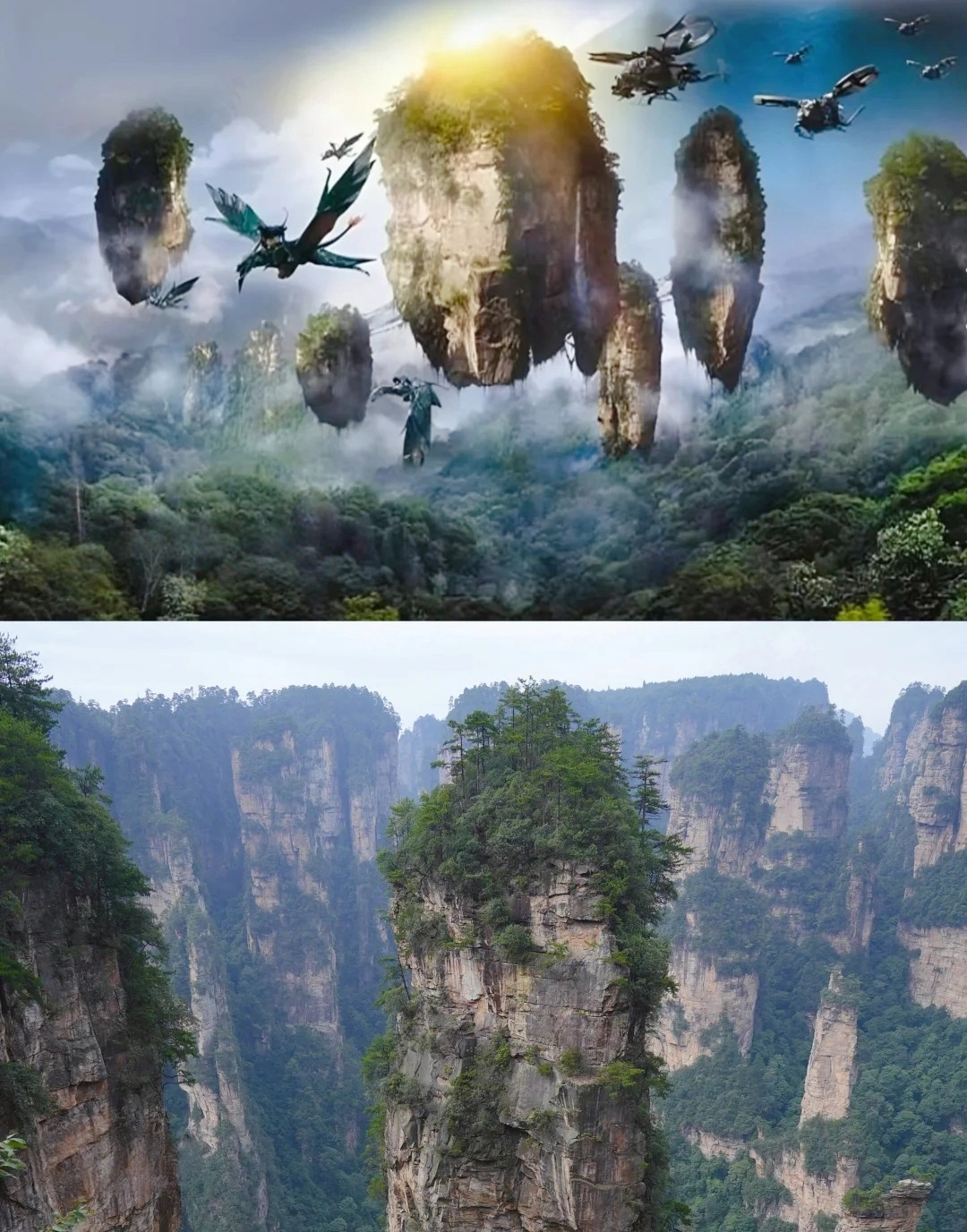
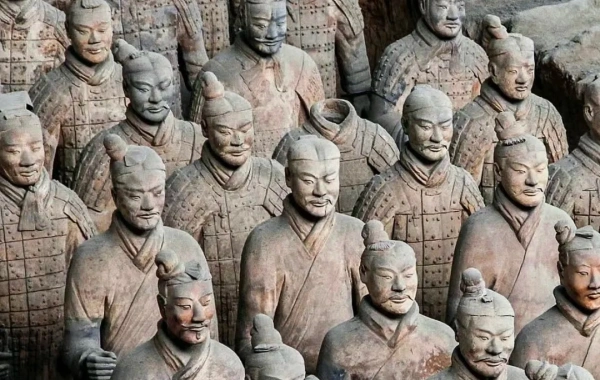
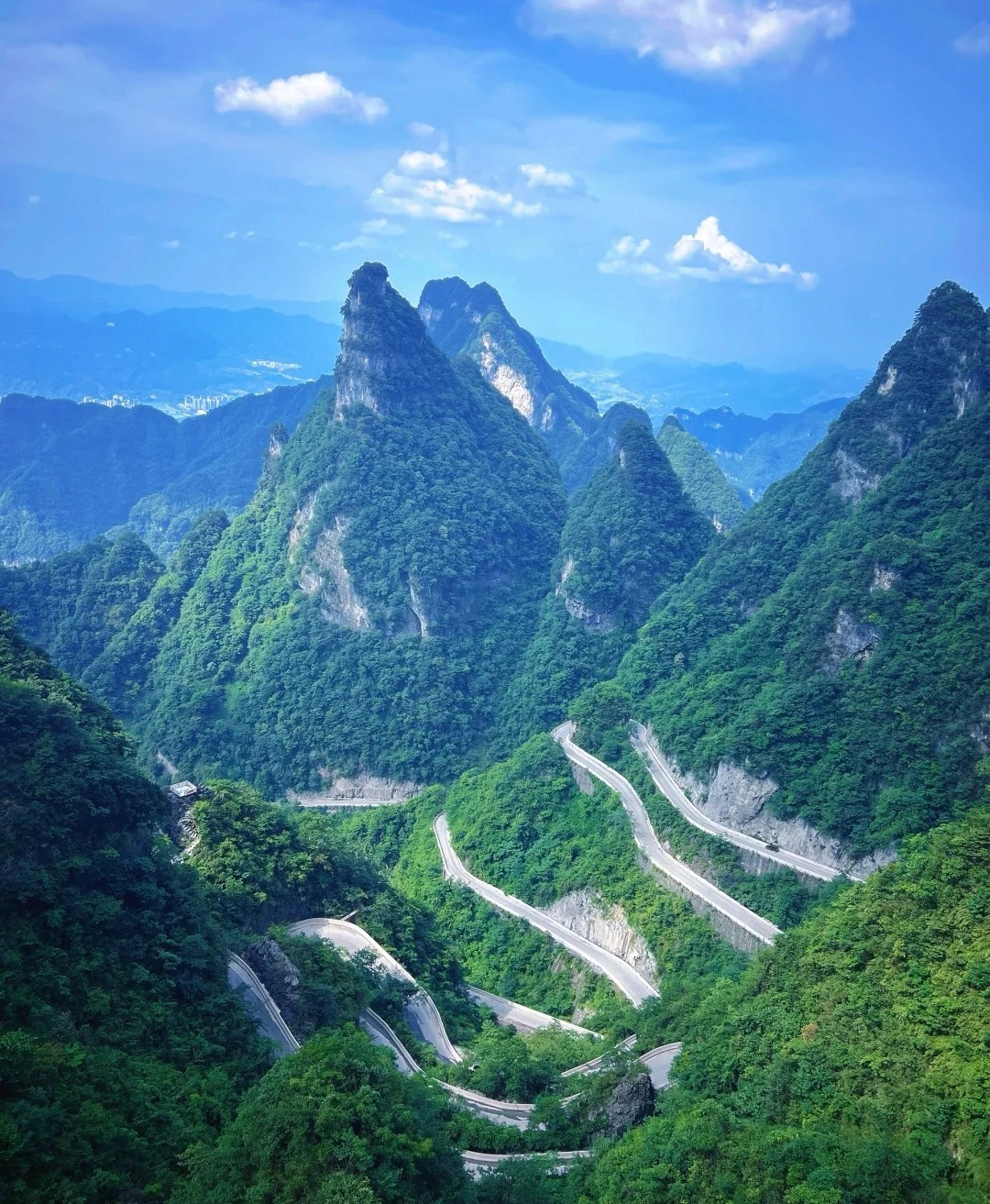
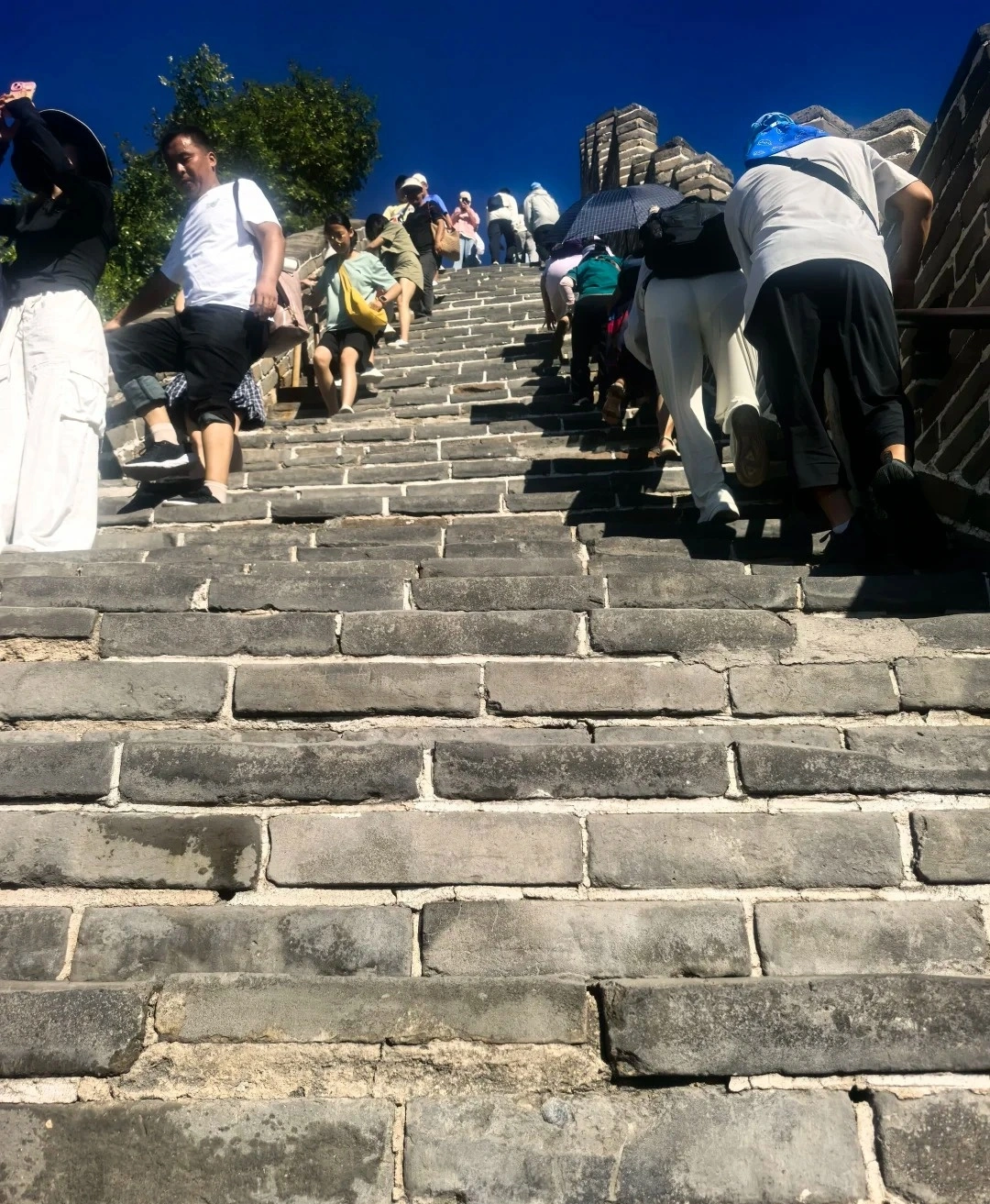
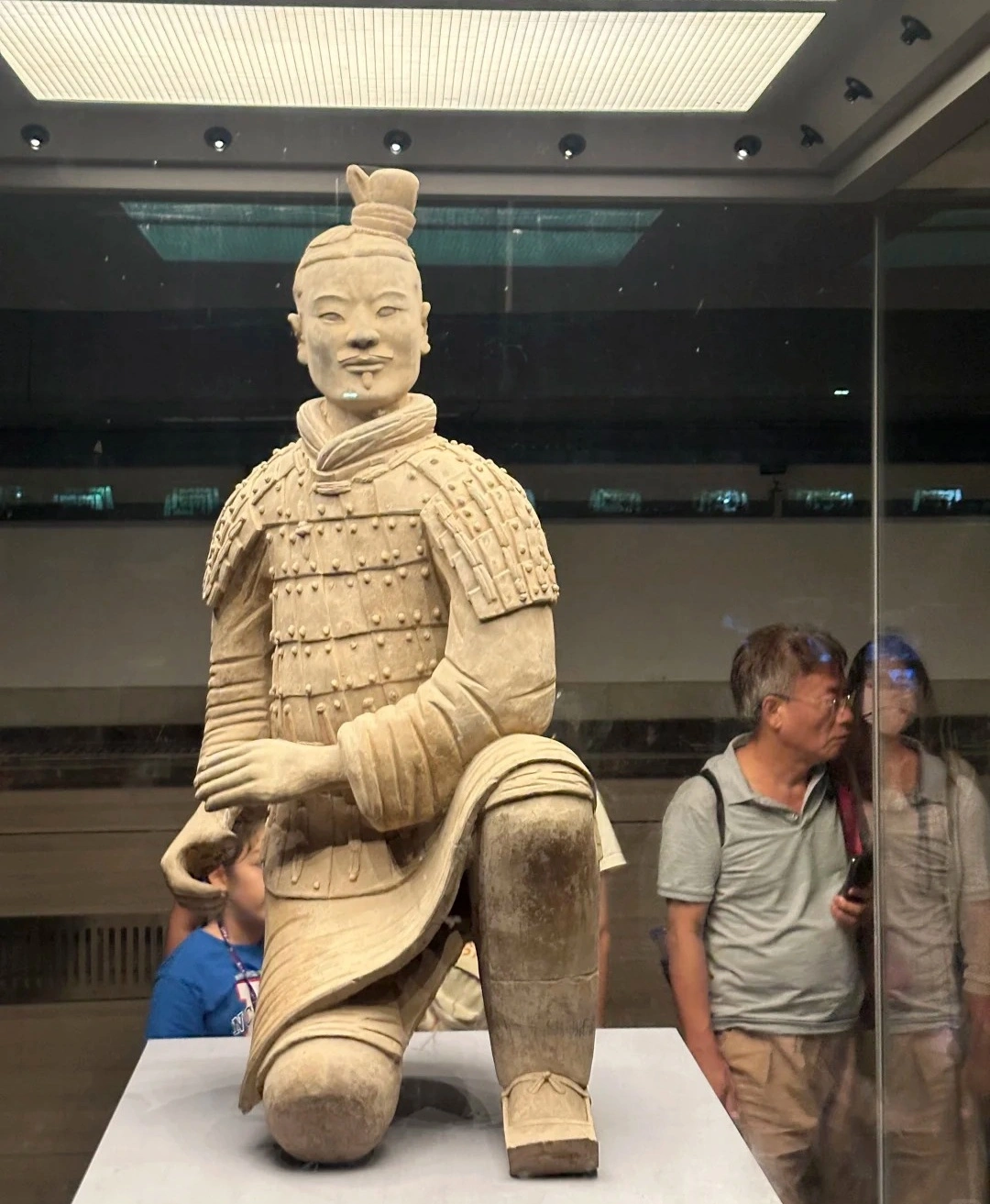
As a solo traveler from Canada, I was nervous about navigating China alone—but this 11-day tour was PERFECT! From hiking the Great Wall at sunrise (Day 3) to gasping at the Terracotta Army (Day 5), every day delivered ‘pinch-me’ moments. The real showstopper? Zhangjiajie’s Avatar Mountains (Day 7)! Our guide made the stone pillars come alive with stories.
Massive thanks for handling all logistics—bullet train tickets, entry passes, car! And the 4-star hotels surprised me.
Destination(s):
Beijing Xian Zhangjiajie Shanghai
Date of
Experience:
June 02,2025

Simon
America
Reviewed on May 29,2025
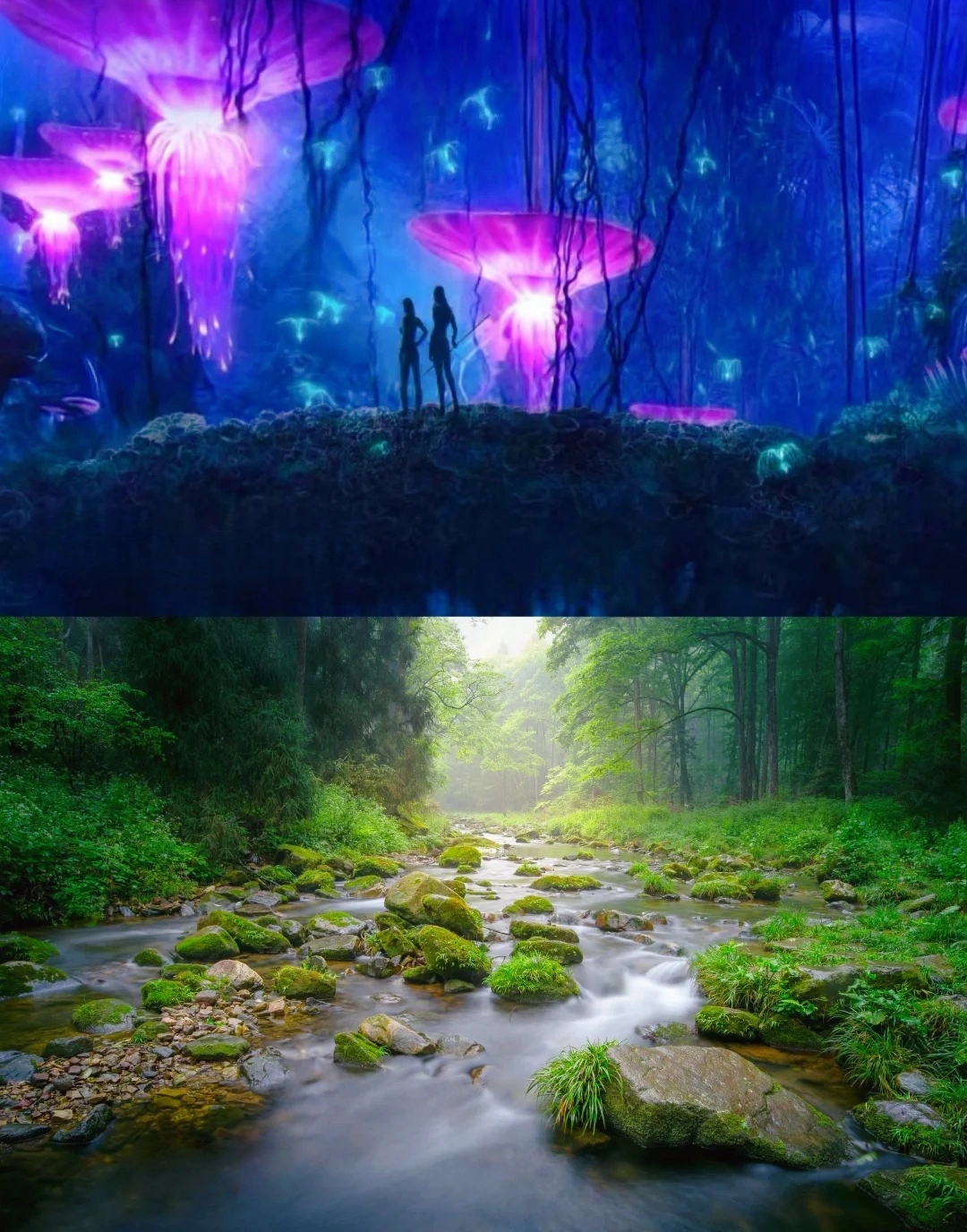
Our 2-day Zhangjiajie tour was beyond spectacular! As someone who’s visited Beijing and Shanghai for work, this trip revealed China’s wild, magical heart. Day 1 in Zhangjiajie National Forest Park felt like stepping onto Pandora—I’m a huge Avatar fan, and Yuanjiajie’s floating peaks left me breathless. The misty pillars and lush valleys like pure movie magic!
Then came Fenghuang Ancient Town, we eat dinner beside the thundering waterfall. It seems Unreal! The night views of stilt houses glowing over the river were straight from a fairy tale.
For fellow Avatar lovers and adventure seekers: Don’t miss this bucket-list experience! 10/10 would return.
A Well-Traveled Film Buff, May 2025
Destination(s):
Zhangjiajie
Date of
Experience:
May 08,2025